
The Contributions of Naga Sadhus: Key Figures in the Transmission of Buddhism


Welcome to Ancient India History, where we embark on a fascinating journey through the rich tapestry of ancient Indian civilizations. Today, we delve into the intriguing world of Naga Sadhus and Buddhism, uncovering the pivotal role these enigmatic ascetics played in the transmission of Buddhist teachings. Prepare to be captivated as we explore their unique practices, philosophies, and the profound impact they had on spiritual traditions. Join us as we unveil the stories that shaped a religion and continue to inspire countless seekers of truth. Your adventure into the depths of ancient Indian religions begins now!

Introduction to Naga Sadhus and Buddhism
The Naga Sadhus, a unique sect of Hindu ascetics, are often seen as enigmatic figures within the spiritual landscape of India. Their distinct practices, beliefs, and lifestyle have not only shaped their own religious identity but also contributed significantly to the broader tapestry of Indian spirituality, including the transmission and adaptation of Buddhism. Understanding the intricate relationship between Naga Sadhus and Buddhism is crucial for comprehending the complexities of ancient Indian religions. This article aims to explore the influence of Naga Sadhus on Buddhism, delving into their historical context, spiritual roles, and the broader implications of their contributions.
Understanding the Role of Naga Sadhus in Indian Spirituality
Naga Sadhus are known for their ascetic lifestyle, characterized by renunciation, meditation, and a deep connection to the divine. They are often recognized by their distinctive appearance, which typically includes long hair, ash smeared on their bodies, and minimal clothing. These ascetics embody a path of spiritual rigor and commitment, often seeking enlightenment and liberation.
The role of Naga Sadhus extends beyond mere asceticism; they have been pivotal in the transmission of spiritual knowledge and practices. Their interactions with various religious movements, including Buddhism, showcase a dynamic interplay of ideas and beliefs. This cross-pollination of philosophies has enriched both Hinduism and Buddhism, fostering a landscape where spiritual seekers can explore diverse paths to enlightenment.
Overview of Buddhism’s Arrival and Adaptation in India
Buddhism emerged in India during the 5th century BCE, founded by Siddhartha Gautama, known as the Buddha. As Buddhism spread across the Indian subcontinent, it encountered various indigenous practices and beliefs, including those of the Naga Sadhus. The adaptability of Buddhism allowed it to integrate certain elements of local traditions, resulting in a rich tapestry of spiritual practices.
The Naga Sadhus, with their ascetic lifestyle and deep spiritual insights, contributed to this adaptation, facilitating the dissemination of Buddhist teachings. Through their interactions with Buddhist monks and followers, they played a role in the dialogue between Buddhism and Hinduism, emphasizing shared values such as compassion, meditation, and the quest for moksha (liberation).
Historical Context of Naga Sadhus
To fully appreciate the contributions of Naga Sadhus to Buddhism, it is essential to explore their historical context within ancient Indian civilization. Understanding their origins and evolution provides insight into their significance in the spiritual landscape of India.
Origins of Naga Sadhus in Ancient India
The origins of Naga Sadhus can be traced back to ancient Indian yogic traditions and ascetic practices. Initially, these ascetics were part of a broader movement that sought spiritual truths through rigorous self-discipline and meditation. As Hinduism evolved, the Naga Sadhus emerged as a distinct sect, often associated with the larger tradition of Shaivism, which venerates Lord Shiva.
Historical texts suggest that Naga Sadhus have been active participants in major religious gatherings, such as the Kumbh Mela, where they engage in spiritual discourse and rituals. Their presence at these events underscores their role as custodians of ancient wisdom and traditions, bridging the gap between various spiritual paths, including Buddhism.
Evolution of Naga Sadhus in Relation to Indian Religions
Over time, the Naga Sadhus adapted to the changing religious landscape of India. Their interactions with Buddhism, particularly during the Mauryan Empire under Emperor Ashoka, marked a significant phase in their evolution. Ashoka's patronage of Buddhism facilitated the establishment of monasteries and the spread of Buddhist teachings, creating an environment conducive to dialogue between different spiritual traditions.
As Buddhism flourished, the Naga Sadhus found ways to incorporate Buddhist principles into their practices while maintaining their unique identity. This synthesis of ideas not only enriched their own spiritual journey but also contributed to the broader acceptance and understanding of Buddhism in India. The legacy of Naga Sadhus continues to be relevant today, as they embody a fusion of ascetic practices that transcend individual religious boundaries.
Naga Sadhus as Custodians of Buddhist Teachings
Naga Sadhus, often recognized for their ascetic lifestyles and distinctive appearances, have played a crucial role in the preservation and transmission of Buddhist teachings throughout history. Their unique position at the intersection of Hindu and Buddhist practices has allowed them to act as custodians of a rich spiritual heritage. Traditionally, Naga Sadhus are associated with the Shaiva sect of Hinduism; however, their engagement with Buddhism reflects a syncretic approach that highlights the shared philosophies between these spiritual paths.
Historically, Naga Sadhus participated in various religious festivals and gatherings, such as the Kumbh Mela, where they encountered followers of Buddhism. This interaction facilitated the exchange of ideas and teachings, allowing Naga Sadhus to absorb Buddhist philosophies while contributing their own ascetic practices. Their commitment to meditative practices and renunciation resonates with fundamental Buddhist principles, creating a unique platform for the dissemination of Buddhist teachings among diverse audiences.
Moreover, the Naga Sadhus' rigorous ascetic lifestyle is often seen as a reflection of Buddhist values such as detachment and the pursuit of enlightenment. This alignment has positioned them as vital figures in the transmission of Buddhist teachings, making them essential participants in the spiritual dialogues that shaped ancient Indian religions.
The Spiritual Practices of Naga Sadhus
The spiritual practices of Naga Sadhus are deeply rooted in asceticism, meditation, and ritualistic worship, often drawing from both Hindu and Buddhist traditions. Their lifestyle is characterized by rigorous self-discipline, which includes fasting, solitary meditation, and the practice of yoga. These practices not only aim at personal liberation but also serve as a means to connect with the broader cosmos—a concept that resonates with Buddhist teachings about the interconnectedness of all beings.
Naga Sadhus often engage in deep meditation, which aligns with the Buddhist practice of mindfulness and concentration. They adopt various postures and breathing techniques to achieve heightened states of awareness, similar to those described in Buddhist texts. Furthermore, rituals performed by Naga Sadhus, such as fire offerings and chanting, share similarities with Buddhist ceremonies, emphasizing the importance of intention and devotion.
Their commitment to spiritual practices also includes the concept of "Moksha", or liberation, which is a central tenet in both Hindu and Buddhist philosophies. This shared goal fosters a rich spiritual dialogue, allowing Naga Sadhus to act as bridges between these two ancient traditions, thereby facilitating the transmission of Buddhist teachings.
Transmission of Buddhist Philosophy by Naga Sadhus
The transmission of Buddhist philosophy by Naga Sadhus is a fascinating process that highlights their role as intermediaries between different spiritual traditions. Through their extensive travels and participation in various religious congregations, Naga Sadhus have disseminated core Buddhist concepts such as "Dharma" (moral law), "Karma" (action and its consequences), and the pursuit of "Nirvana" (enlightenment).
By engaging in dialogues with Buddhist monks and followers, Naga Sadhus have introduced Buddhist ideas to wider audiences, often incorporating these teachings into their own spiritual practices. Their ability to adapt and integrate Buddhist philosophy into their ascetic lifestyle has made them influential figures in the spiritual landscape of ancient India.
Moreover, the communal gatherings of Naga Sadhus, where they share teachings and experiences, have created a vibrant space for the exchange of Buddhist ideas. This informal yet profound transmission of knowledge ensures that Buddhist philosophy continues to thrive, influencing both practitioners and seekers alike.
Key Contributions of Naga Sadhus to Buddhism
The contributions of Naga Sadhus to Buddhism extend beyond mere transmission of teachings; they have significantly impacted the evolution of Buddhist practices and traditions in ancient India. Their unique position within the spiritual milieu has allowed them to influence various aspects of Buddhist culture, including monastic practices, rituals, and textual preservation.
Influence on Buddhist Monastic Traditions
Naga Sadhus have had a profound influence on the development of Buddhist monastic traditions, particularly through their emphasis on ascetic practices and communal living. Their lifestyle, which prioritizes renunciation and spiritual discipline, echoes the foundational principles of Buddhist monasticism, where monks dedicate their lives to the pursuit of enlightenment and the welfare of others.
The communal aspect of Naga Sadhu gatherings resembles the monastic sangha, fostering a sense of community and mutual support among practitioners. This influence has led to the incorporation of certain Naga Sadhu practices within Buddhist monastic orders, promoting a shared ethos of simplicity and devotion.
Additionally, the Naga Sadhus' participation in religious festivals has provided opportunities for Buddhist monks to engage with the broader spiritual community, further solidifying the interconnectedness of these traditions. This blending of practices has enriched both the Naga Sadhus’ and Buddhist monastic traditions, creating a dynamic spiritual landscape.
Role in the Preservation of Buddhist Texts and Practices
Naga Sadhus have played a critical role in the preservation of Buddhist texts and practices, often acting as guardians of ancient scriptures and oral traditions. Their commitment to spiritual discipline has allowed them to memorize and recite important Buddhist texts, ensuring that these teachings are passed down through generations amidst the ever-changing religious landscape of ancient India.
In many instances, Naga Sadhus have also participated in the practice of manuscript copying, which has been essential for the preservation of Buddhist literature. This dedication to maintaining and sharing Buddhist texts has contributed to the continuity of Buddhist thought and practice, allowing it to flourish alongside other religions.
Moreover, their involvement in rituals and ceremonies has helped to safeguard traditional Buddhist practices, solidifying the cultural heritage associated with Buddhism. By embodying the teachings and values of Buddhism, Naga Sadhus have ensured that these traditions remain vibrant and accessible to both practitioners and scholars alike.
Naga Sadhus and Their Interactions with Other Buddhist Figures
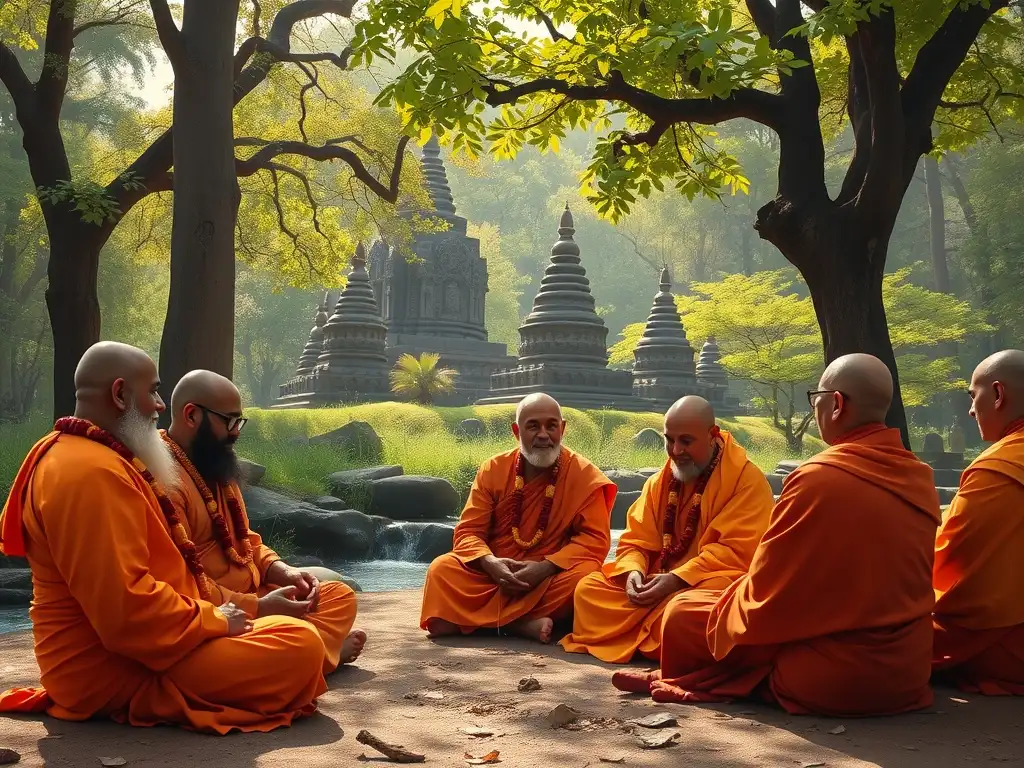
Naga Sadhus, as ascetic practitioners within the larger framework of Hindu and Buddhist traditions, have historically engaged in significant interactions with various Buddhist figures. These interactions often stem from a shared quest for spiritual enlightenment, which transcends religious boundaries. Naga Sadhus, known for their rigorous discipline and renunciation, have formed unique relationships with Buddhist monks, particularly during the festivals like Kumbh Mela, where devotees from various faiths gather. These gatherings provide a platform for cross-pollination of ideas and practices, fostering a collaborative spirit among ascetics.
The dialogues between Naga Sadhus and Buddhist figures often revolve around philosophical discussions, meditation techniques, and the nature of reality. Such interactions have contributed to a mutual respect for each other's paths toward enlightenment, highlighting the syncretic nature of Indian spirituality. The Naga Sadhus' commitment to non-attachment and spiritual rigor resonates with Buddhist principles, creating an environment conducive to shared teachings and practices.
Collaborations with Prominent Buddhist Leaders
Throughout history, Naga Sadhus have collaborated with various prominent Buddhist leaders, enhancing the spread and understanding of Buddhist teachings. One notable figure is the 14th Dalai Lama, who has recognized the ascetic lifestyle of Naga Sadhus as parallel to the monastic traditions in Buddhism. This mutual recognition has led to dialogues on compassion, mindfulness, and the importance of meditation.
Additionally, during the spread of Buddhism in the early centuries, Naga Sadhus often participated in discussions with local Buddhist leaders to facilitate the integration of Buddhist practices into the broader spiritual landscape of India. Their presence at significant Buddhist sites, such as Bodh Gaya and Sarnath, has historically helped to attract followers and promote Buddhist teachings. This collaboration has not only enriched the practices of Naga Sadhus but has also reinforced the philosophical underpinnings of Buddhism in the region.
The Influence of Naga Sadhus on the Spread of Buddhism Beyond India
The influence of Naga Sadhus extends beyond the borders of India, impacting the global spread of Buddhism. Their ascetic lifestyle and commitment to spiritual practices have attracted the interest of international travelers and scholars looking to explore Eastern philosophies. Naga Sadhus often travel to various countries, sharing their experiences and teachings, which has played a pivotal role in introducing Buddhism to new audiences.
In regions like Southeast Asia, where Buddhism has taken root, the ascetic practices of Naga Sadhus resonate with local traditions. Their emphasis on renunciation and meditation has sparked interest among practitioners of Buddhism in these areas, leading to a fusion of practices that enrich both cultures. The presence of Naga Sadhus in international festivals and conferences has also facilitated cultural exchanges, promoting a deeper understanding of Buddhist principles globally.
Contemporary Relevance of Naga Sadhus in Buddhism
In contemporary society, Naga Sadhus continue to hold relevance within Buddhist communities, embodying the spirit of renunciation and dedication to spiritual pursuits. Their practices and philosophies serve as a reminder of the importance of discipline and mindfulness in the modern world, where distractions abound. As custodians of ancient traditions, they inspire both lay practitioners and monks to engage more deeply with their spiritual paths.
Modern-Day Naga Sadhus and Their Practices
Modern-day Naga Sadhus maintain many of the traditional practices that have defined their community for centuries. They engage in rigorous meditation, participate in spiritual gatherings, and uphold the principles of non-attachment and asceticism. Many Naga Sadhus have also adapted their practices to address contemporary issues, such as environmental concerns and social justice, reflecting a dynamic approach to spirituality.
Their presence at major religious festivals continues to attract attention, drawing thousands of participants who seek spiritual guidance. Naga Sadhus often conduct discourses and workshops, blending traditional teachings with modern insights, making their wisdom accessible to a broader audience. This adaptability ensures their relevance in a rapidly changing world, allowing them to connect with younger generations seeking meaning and purpose.
The Role of Naga Sadhus in Today’s Buddhist Communities
In today's Buddhist communities, Naga Sadhus play a crucial role as spiritual guides and mentors. Their ascetic lifestyle and profound understanding of meditation practices offer valuable insights for practitioners looking to deepen their spiritual journey. Many contemporary Buddhists seek out Naga Sadhus for teachings on mindfulness, non-attachment, and the pursuit of enlightenment.
Furthermore, Naga Sadhus contribute to the preservation of Buddhist heritage through their participation in rituals and ceremonies. They serve as custodians of ancient wisdom, ensuring that traditional practices are passed down to future generations. By bridging the gap between ancient traditions and modern practices, Naga Sadhus continue to enrich the tapestry of Buddhism, highlighting the enduring relevance of their contributions in the contemporary spiritual landscape.
Conclusion: The Lasting Legacy of Naga Sadhus in Buddhism
The Naga Sadhus hold a distinctive place in the tapestry of Indian spirituality and the transmission of Buddhism. Over centuries, these ascetic monks have not only preserved their unique traditions but have also acted as vital conduits for the teachings of Buddhism. Their practices, characterized by a deep commitment to renunciation and meditation, resonate with the core tenets of Buddhist philosophy, reinforcing the interconnectedness of these spiritual paths.
As guardians of ancient knowledge and rituals, Naga Sadhus have contributed significantly to the dissemination of Buddhist concepts, shaping the spiritual landscape across regions. Their participation in key religious events, such as the Kumbh Mela, showcases their influence and the ongoing relevance of their traditions in contemporary spirituality. The legacy of Naga Sadhus continues to inspire modern practitioners and scholars alike, emphasizing the importance of understanding these figures within the broader context of Indian religions.
Summary of Key Contributions
The contributions of Naga Sadhus to Buddhism can be summarized as follows:
- Cultural Preservation: Naga Sadhus have played a crucial role in preserving Buddhist rituals and practices, ensuring that these traditions continue to thrive.
- Spiritual Transmission: Through their ascetic lifestyle and teachings, they have acted as spiritual guides, introducing many to the principles of Buddhism.
- Interfaith Dialogue: The Naga Sadhus have fostered conversations between various religious sects, promoting a sense of unity and shared values among different traditions.
- Pilgrimage Practices: Their active participation in religious festivals and pilgrimages has facilitated the exchange of ideas and practices between Buddhism and other Indian religions.
- Ritualistic Influence: The rituals and ceremonies performed by Naga Sadhus often incorporate Buddhist elements, enriching their spiritual offerings.
These contributions underscore the importance of Naga Sadhus in the historical and spiritual development of Buddhism in India.
Future Implications for the Study of Naga Sadhus and Buddhism
The study of Naga Sadhus in relation to Buddhism presents numerous avenues for future research. As scholars continue to explore the nuanced interactions between different religious traditions, understanding the role of Naga Sadhus can provide valuable insights into the dynamics of spiritual exchange in ancient India.
- Interdisciplinary Approaches: Future studies can benefit from interdisciplinary approaches, incorporating anthropology, religious studies, and history to create a comprehensive understanding of the Naga Sadhus' impact on Buddhism.
- Field Studies: Ethnographic research and field studies at pilgrimage sites can offer firsthand insights into the practices and beliefs of Naga Sadhus, enhancing academic discourse.
- Cultural Revitalization: With a growing interest in traditional practices, there is potential for revitalization of Naga Sadhu traditions, which could further influence contemporary Buddhist practices.
- Archival Research: Investigating historical documents and texts related to Naga Sadhus can uncover new perspectives on their contributions and significance in the evolution of Buddhism.
These implications highlight the potential for a richer understanding of the interconnected histories of Naga Sadhus and Buddhism.
References
Suggested Readings on Naga Sadhus and Buddhism
- The Naga Sadhus: A Study of Their Role in Hinduism and Buddhism by R. K. Sharma
- Asceticism in Ancient India: The Role of Naga Sadhus by M. P. Desai
- The Influence of Naga Sadhus on Indian Spirituality by A. K. Jain
Key Texts on the History of Buddhism in India
- The History of Buddhism in India by A. S. Bhattacharya
- Buddhism: A Very Short Introduction by Damien Keown
- The Birth of the Buddha: A Study of the Early Sources by D. J. Kalupahana
These readings provide a solid foundation for those interested in exploring the intricate connections between Naga Sadhus and Buddhism, further illuminating their historical significance and ongoing impact.
- Introduction to Naga Sadhus and Buddhism
- Historical Context of Naga Sadhus
- Naga Sadhus as Custodians of Buddhist Teachings
- Key Contributions of Naga Sadhus to Buddhism
- Naga Sadhus and Their Interactions with Other Buddhist Figures
- Contemporary Relevance of Naga Sadhus in Buddhism
- Conclusion: The Lasting Legacy of Naga Sadhus in Buddhism
- References
Frequently Asked Questions
What are Naga Sadhus?
Naga Sadhus are ascetic practitioners in Hinduism, known for their austerity and renunciation. They are often recognized by their distinctive appearance, including nakedness and elaborate body markings.
How did Naga Sadhus contribute to Buddhism?
Naga Sadhus played a crucial role in the transmission of Buddhism by promoting spiritual practices and philosophies that resonated with both Hinduism and Buddhism, facilitating a deeper cultural exchange between the two religions.
What is the historical significance of Naga Sadhus?
Historically, Naga Sadhus symbolize a continuity of spiritual traditions in India, bridging ancient practices with modern beliefs. Their influence extends beyond religion, impacting social structures and cultural norms.
How do Naga Sadhus relate to the Gupta Empire?
During the Gupta Empire, Naga Sadhus emerged as prominent figures in religious life, contributing to the spread of Buddhism through their teachings and pilgrimages, thereby shaping the cultural landscape of ancient India.
What is the connection between Naga Sadhus and asceticism?
Naga Sadhus embody asceticism, a core tenet of both Hinduism and Buddhism. Their practices emphasize self-discipline, meditation, and the pursuit of spiritual enlightenment, showcasing their commitment to a renounced lifestyle.
Final Reflection: The Enduring Legacy of Naga Sadhus in Buddhism
The contributions of Naga Sadhus to Buddhism are not only historical but profoundly relevant today. As we navigate a world increasingly marked by division and misunderstanding, the teachings and practices of these ascetic figures remind us of the universal values of compassion, mindfulness, and spiritual dedication. The Naga Sadhus, with their deep-rooted commitment to the principles of Buddhism, serve as a beacon of hope and a call to embrace the transformative power of spirituality in our lives.
Culturally and socially, the influence of Naga Sadhus continues to resonate, shaping the landscape of spiritual practice and community engagement. Their unique blend of asceticism and devotion fosters a sense of belonging and purpose among followers and admirers alike. As the renowned Buddhist monk Thich Nhat Hanh once said, The present moment is filled with joy and happiness. If you are attentive, you will see it.
This sentiment echoes the teachings of the Naga Sadhus, who embody the essence of living in the moment and finding joy in the simplicity of spiritual practice.
As you reflect on the teachings and legacy of the Naga Sadhus, consider how their principles can be woven into your daily life. Embrace the opportunity to cultivate mindfulness, compassion, and a deeper connection to your spiritual path. Let the stories and practices of these remarkable figures inspire you to explore your own journey, fostering a sense of community and understanding in a world that often feels fragmented. The lessons of the Naga Sadhus are not just historical artifacts; they are living teachings that can guide us toward a more harmonious existence.
Unveil the Legacy of Naga Sadhus in Buddhism!
Thank you for taking the time to explore the rich contributions of Naga Sadhus within the realm of Buddhism. Through this journey, you've uncovered pivotal insights into the lives and influence of these fascinating figures. Now, it’s time to take that knowledge and transform it into action!
Here are some ways you can deepen your understanding and engage with this vital aspect of Buddhist history:
- Dive Deeper: Explore additional texts or documentaries that focus on the Naga Sadhus and their impact on the spread of Buddhism.
- Share the Knowledge: Discuss your newfound insights with friends or on social media—sparking conversations about the historical connections within religions enhances collective understanding.
- Join a Community: Find or create community discussions or meetups focusing on ancient Indian spirituality and the lives of mystics, further enriching your perspective.
What aspect of the Naga Sadhus' legacy inspires you the most, and how do you see it influencing your understanding of Buddhism today?