
The Role of Intuition and Reason in Hindu Philosophical Thought


Welcome to Ancient India History, your gateway to the mesmerizing tapestry of India's past! Here, we delve into the profound wisdom and intricate narratives that shaped ancient Indian civilizations, from the enigmatic Indus Valley to the enlightening Gupta Empire. In our featured article, “The Role of Intuition and Reason in Hindu Philosophical Thought,” we explore the compelling interplay between Hindu philosophy, intuition, and reason.
How do these elements intertwine to illuminate the path of understanding in one of the world's oldest spiritual traditions? Join us on this journey as we unravel these timeless concepts and their impact on the evolution of thought in ancient India. Prepare to be inspired and enlightened!
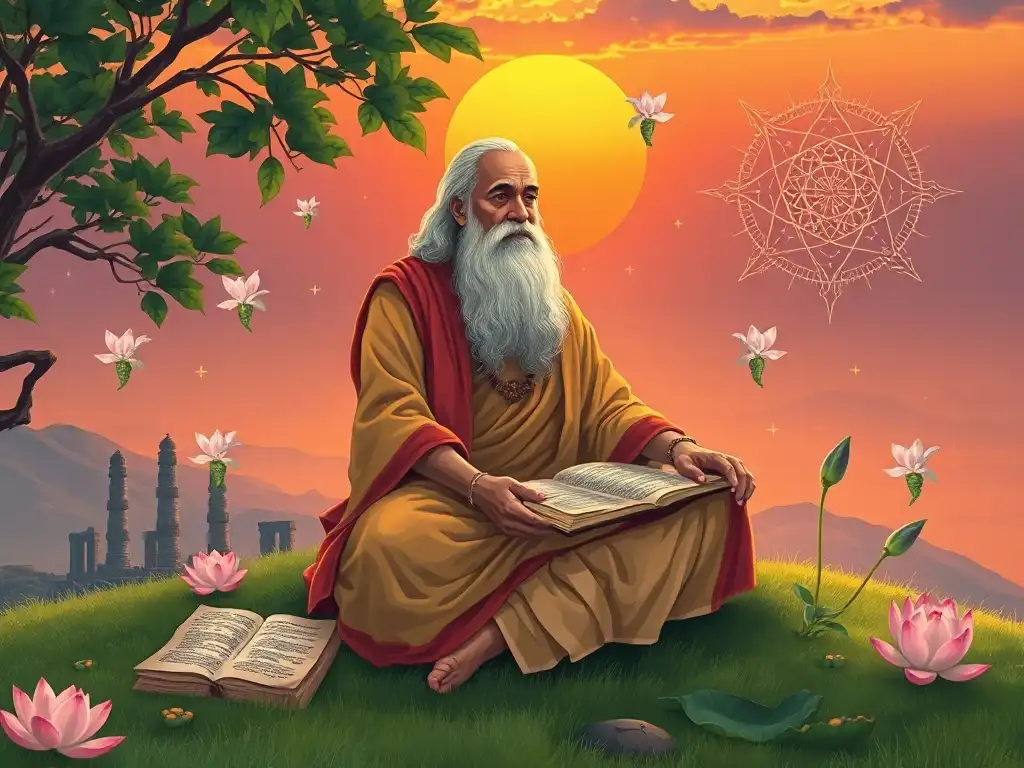
Introduction to Hindu Philosophy
Hindu philosophy, a cornerstone of ancient Indian thought, intertwines profound concepts that explore the nature of reality, the self, and the universe. Central to this philosophical landscape is the dynamic interplay between intuition and reason, which has shaped the understanding of various philosophical schools within Hinduism.
This article delves into how these two cognitive faculties have not only coexisted but also complemented each other, offering insights into the complexity of human experience and knowledge in the context of Hindu philosophical traditions. By examining the nuances of Hindu philosophy intuition and reason, we can better appreciate the depth of intellectual exploration that has defined this ancient religion.
Overview of Hindu Philosophical Thought
Hindu philosophy encompasses a myriad of schools and systems of thought, each contributing uniquely to the understanding of life, existence, and the cosmos. The primary schools of thought include:
- Vedanta: Focuses on the nature of reality and the self.
- Nyaya: Emphasizes logic and epistemology.
- Samkhya: Explores the duality of purusha (consciousness) and prakriti (matter).
- Yoga: Integrates physical, mental, and spiritual practices for self-realization.
These diverse schools reflect the pluralistic nature of Hindu thought, where intuition and reason play crucial roles in forming philosophical arguments and spiritual insights.
Importance of Intuition and Reason in Hinduism
In Hindu philosophy, intuition is often regarded as a direct form of knowledge that transcends rational thought, while reason serves as a systematic method for understanding complex ideas. The importance of both can be summarized as follows:
- Intuition:
- Provides immediate insights into spiritual truths.
- Allows for experiential knowledge that is often beyond verbal articulation.
- Reason:
- Offers logical frameworks to analyze and interpret philosophical concepts.
- Aids in the cultivation of critical thinking and debate among scholars.
The integration of these two faculties fosters a rich tapestry of understanding, enabling practitioners to navigate the complexities of life and spirituality.
Understanding Intuition in Hindu Philosophy
Definition of Intuition in Hindu Context
In the context of Hindu philosophy, intuition can be defined as an innate understanding or a direct perception of truth that is not reliant on empirical evidence or rational deliberation. This form of knowledge is often associated with spiritual enlightenment and self-realization, where individuals perceive the interconnectedness of all existence. Intuition in Hindu thought is frequently linked to concepts such as Anubhava (direct experience) and Pratyaksha (perception), emphasizing the importance of personal experience in the journey of knowledge.
Historical Perspectives on Intuition
Historically, various philosophers and spiritual leaders have emphasized the significance of intuition in their teachings. Notable figures include:
- Adi Shankaracharya: Advocated for the realization of the self through direct experience rather than solely through intellectual reasoning.
- Ramanuja: Highlighted the role of intuitive understanding in grasping the divine nature of reality.
- Rumi: Although not a Hindu philosopher, his works resonate with Hindu ideas about the heart's wisdom and intuitive knowledge.
These perspectives illustrate how intuition has been a vital component in the evolution of Hindu philosophical thought, guiding seekers towards a deeper understanding of existence.
Key Texts Highlighting Intuition in Hindu Thought
Several ancient texts serve as foundational references for intuition in Hindu philosophy. Key texts include:
| Text | Description |
|---|---|
| Upanishads | Explore the nature of reality and self through direct experience. |
| Bhagavad Gita | Emphasizes the importance of intuition in understanding one's duty and purpose. |
| Yoga Sutras of Patanjali | Discusses the role of intuitive knowledge in achieving higher states of consciousness. |
These texts not only underscore the significance of intuition but also illustrate its integration with reason, forming a holistic approach to philosophical inquiry in Hinduism.
The Concept of Reason in Hindu Philosophy
Reason, or Tarka, plays a pivotal role in Hindu philosophical discourse, serving as a critical tool for inquiry and understanding. Unlike some philosophical traditions that may prioritize faith or revelation, Hindu philosophy emphasizes the importance of rational thought and logical analysis in the pursuit of knowledge. This commitment to reason is evident in various schools of thought, from the Vedas to the later philosophical texts.
Definition of Reason in the Framework of Hinduism
In the context of Hinduism, reason is defined as the faculty of the mind that enables individuals to engage in logical thinking, analysis, and derivation of truths. It is viewed as a means of discerning reality and understanding the nature of existence. Hindu philosophers often delineate between two forms of knowledge: Pratyaksha (direct perception) and Anumana (inference), both of which rely heavily on rational processes. This framework illustrates that reason is not merely a tool for argumentation but also a pathway to spiritual knowledge.
Historical Development of Rational Thought in Hinduism
The historical development of rational thought in Hinduism can be traced back to the early Vedic texts, which laid the groundwork for philosophical inquiry. Over centuries, various schools of thought emerged, including the Nyaya school, which systematically explored the principles of logic and epistemology. The Mimamsa school also contributed significantly by emphasizing the importance of understanding the rituals and texts through rational interpretation. The dialogue between different philosophical perspectives during the medieval period further enriched Hindu rational thought, culminating in a vibrant intellectual tradition that valued debate and analytical reasoning.
Prominent Philosophers and Their Contributions to Reason
Several prominent philosophers have made substantial contributions to the role of reason in Hindu philosophy.
- Gautama (Nyaya Sutras): Established the foundations of logic and epistemology, emphasizing the importance of inference and argumentation.
- Jaimini (Mimamsa Sutras): Advocated for rational interpretation of rituals and texts, focusing on the significance of dharma.
- Adi Shankaracharya: Integrated reason with non-dualistic Vedanta, using logical arguments to explain the nature of reality and Brahman.
- Madhusudana Saraswati: Further developed arguments for the synthesis of reason and devotion in his works, highlighting the interplay of intellect and spirituality.
The Interplay Between Intuition and Reason
The relationship between intuition and reason in Hindu philosophy is complex and multifaceted. Intuition, often seen as an innate understanding or a direct insight into truth, complements reason by providing immediate knowledge that reason can later analyze and articulate. This symbiotic relationship is crucial in the quest for self-realization and understanding the cosmos within Hindu thought.
How Intuition Complements Reason in Hindu Philosophy
Intuition in Hindu philosophy is considered a deeper form of understanding that transcends the limitations of rational thought. While reason provides the framework to articulate ideas and construct arguments, intuition offers direct insights into spiritual truths. Philosophers like Ramanuja and Vivekananda emphasized that intuition can lead to transformative realizations that reason alone cannot achieve. This interplay suggests that true knowledge arises when both faculties are harmoniously integrated, allowing individuals to experience the essence of reality.
Case Studies of Intuition and Reason in Hindu Texts
Several Hindu texts illustrate the interplay between intuition and reason.
- Upanishads: These texts often depict intuitive knowledge as a means of grasping the ultimate reality ( Brahman), which transcends verbal expression.
- Bhagavad Gita: Arjuna's realizations, guided by Krishna’s teachings, reflect moments where intuition reveals profound truths, which are then supported by logical reasoning.
- Yoga Sutras of Patanjali: These texts delineate the path of yoga, where intuitive insights gained through meditation are validated by philosophical reasoning.
Practical Applications of Intuition and Reason in Daily Life
The integration of intuition and reason has practical implications for daily life in Hindu philosophy.
- Decision-Making: Individuals are encouraged to balance rational analysis with intuitive feelings, leading to more holistic decision-making.
- Spiritual Practices: Engaging in meditation enhances intuitive understanding, which can be further explored through philosophical inquiry.
- Conflict Resolution: Intuitive empathy combined with logical reasoning can foster understanding and resolution in interpersonal conflicts.
Overall, the dynamic relationship between intuition and reason in Hindu philosophy offers valuable insights into personal and spiritual development, emphasizing the need for a balanced approach that incorporates both faculties in the quest for knowledge and truth.
The Impact of Intuition and Reason on Hindu Spiritual Practices
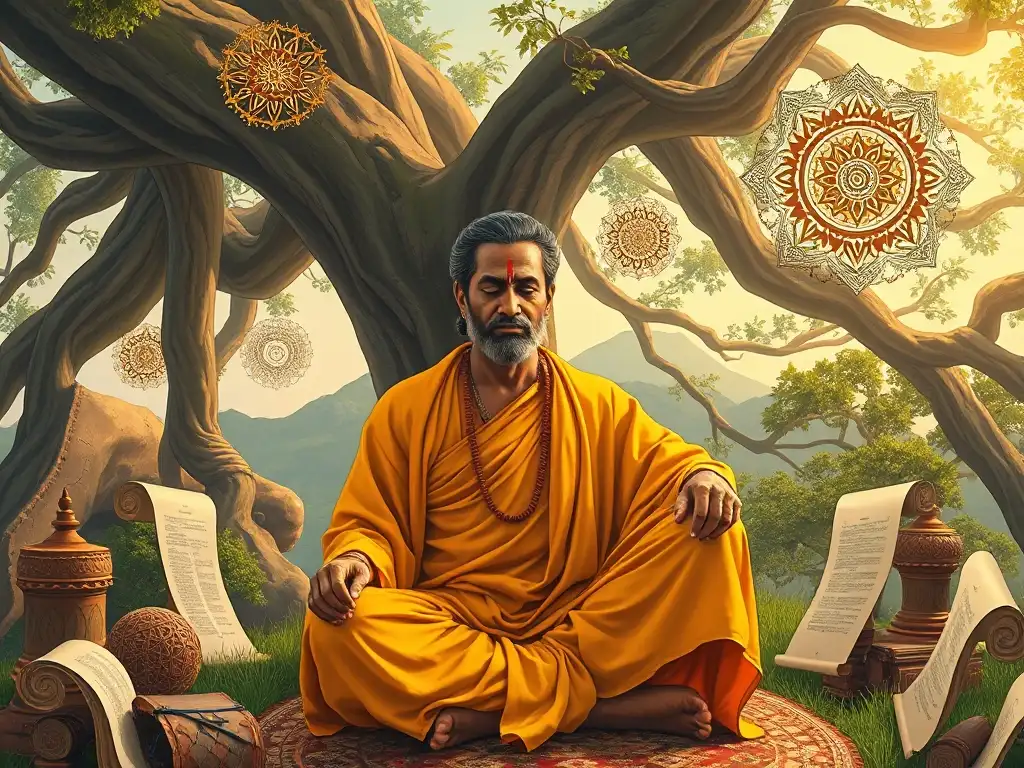
The interplay of intuition and reason significantly shapes Hindu spiritual practices, providing a framework for understanding the self and the universe. Intuition, often considered a direct perception of truth, plays a critical role in spiritual experiences and enlightenment. It allows practitioners to transcend intellectual reasoning, accessing deeper insights about existence, consciousness, and the divine. Conversely, reason offers a systematic approach to understanding sacred texts, doctrines, and rituals, ensuring that spiritual practices are grounded in logic and critical inquiry. Together, these two faculties foster a holistic approach to spirituality, enhancing personal growth and understanding of the divine.
Meditation and Intuition: A Spiritual Connection
Meditation is a central practice in Hinduism that exemplifies the relationship between intuition and spiritual experience. Through meditation, practitioners cultivate a state of heightened awareness, allowing intuitive insights to emerge. This process often leads to profound realizations about the nature of the self and the universe. Techniques such as mindfulness and mantra repetition enhance focus, facilitating a deeper connection to inner wisdom. The intuitive experiences gained during meditation are considered transformative, guiding individuals on their spiritual journeys and helping them cultivate compassion, clarity, and a sense of interconnectedness.
Furthermore, the intuitive aspect of meditation aligns with the teachings of various Hindu texts, such as the Upanishads, which emphasize the importance of experiential knowledge over mere intellectual understanding. In this way, meditation serves not only as a method for relaxation but as a vital tool for accessing deeper truths about existence.
Rational Inquiry in Hindu Rituals and Practices
Hindu rituals are infused with layers of meaning that invite rational inquiry. From the detailed procedures of puja (worship) to the philosophical underpinnings of festivals, reason plays a crucial role in understanding the significance behind these practices. Scholars and practitioners alike engage in analyzing texts, historical contexts, and symbolic meanings, which enhances their appreciation of rituals.
For instance, the performance of rituals often involves a deep understanding of cosmology, ethics, and philosophy. By applying reason, individuals can discern the purpose of rituals and their implications for personal and communal well-being. This rational inquiry not only enriches the practice but also reinforces the belief that spirituality is not opposed to intellect but is, in fact, complemented by it.
Balancing Intuition and Reason in Spiritual Growth
The journey of spiritual growth in Hinduism often entails a delicate balance between intuition and reason. While intuition provides immediate insights and feelings of connection to the divine, reason helps individuals critically assess their beliefs and experiences. This balance is essential for holistic development, allowing practitioners to navigate their spiritual paths with both heart and mind.
One approach to achieve this balance involves reflective practices, where individuals contemplate their intuitive experiences while grounding them in rational thought. Engaging with philosophical texts, discussing spiritual experiences with mentors, and participating in group discussions can foster this integrative process. As practitioners learn to harmonize intuition and reason, they develop a more robust and nuanced understanding of their spirituality, leading to deeper insights and growth.
Contemporary Perspectives on Intuition and Reason in Hindu Thought
The contemporary landscape of Hindu philosophy reflects a dynamic dialogue between intuition and reason, adapting ancient teachings to modern contexts. Scholars and practitioners are increasingly exploring how these concepts can inform contemporary issues, such as ethics, psychology, and interfaith dialogue.
Modern Interpretations of Hindu Philosophy
Modern interpretations of Hindu philosophy often highlight the relevance of intuition and reason in addressing the complexities of contemporary life. Scholars argue that the teachings of ancient texts can be re-examined through the lens of modern science, psychology, and philosophy. This synthesis allows for a more comprehensive understanding of human experience and consciousness, drawing on both intuitive wisdom and rational inquiry.
Furthermore, contemporary thinkers have begun to integrate findings from cognitive science and psychology, exploring how intuition influences decision-making and spiritual experiences. This interdisciplinary approach enriches Hindu philosophy, making it accessible and applicable to a broader audience.
The Relevance of Intuition and Reason Today
In today's fast-paced and complex world, the integration of intuition and reason remains highly relevant. Many individuals seek spiritual practices that not only resonate with their inner experiences but also provide logical frameworks for understanding their lives. This dual approach fosters resilience, self-awareness, and the ability to navigate challenges effectively.
Moreover, as global interconnectedness increases, the ability to appreciate diverse perspectives becomes essential. The Hindu emphasis on balancing intuition and reason encourages open-mindedness and dialogue, allowing individuals to engage with various philosophical traditions while remaining rooted in their own beliefs.
Comparative Analysis with Other Philosophical Traditions
A comparative analysis of Hindu philosophy with other philosophical traditions reveals intriguing parallels and contrasts in the roles of intuition and reason. For instance, Western philosophies often emphasize rationalism, prioritizing logical reasoning over intuitive insights. In contrast, many Eastern philosophies, including Buddhism and Taoism, similarly recognize the significance of intuition as a pathway to understanding reality.
By examining these differences and similarities, practitioners and scholars can gain a richer understanding of how intuition and reason function in various cultural and philosophical contexts. This comparative approach not only enhances appreciation for Hindu philosophy but also fosters a more inclusive dialogue between traditions, ultimately contributing to a more holistic understanding of human consciousness and spirituality.
Conclusion
The interplay between intuition and reason in Hindu philosophical thought represents a profound and multifaceted aspect of understanding the spiritual and intellectual traditions of ancient India. This intricate relationship not only reflects the holistic nature of Hindu philosophy but also serves as a bridge between the empirical and the transcendent. By examining the nuances of how intuition and reason coexist, we gain valuable insights into the complexities of spiritual knowledge and philosophical inquiry that have shaped Hinduism over millennia.
Summary of Key Insights on Intuition and Reason in Hindu Philosophy
- Complementary Roles: Intuition and reason are not mutually exclusive in Hindu philosophy; rather, they complement each other. Intuition often provides direct access to deeper truths, while reason offers clarity and validation of those insights.
- Sources of Knowledge: Various schools of Hindu thought, such as Advaita Vedanta and Nyaya, emphasize different methods of acquiring knowledge. Advaita Vedanta leans heavily on intuitive realization of the self, while Nyaya stresses logical reasoning and debate.
- Spiritual Practices: Intuitive knowledge is often cultivated through spiritual practices like meditation and yoga, which aim to transcend the limitations of rational thought and connect the practitioner with a higher state of consciousness.
- Philosophical Texts: Texts such as the Upanishads, Bhagavad Gita, and the writings of philosophers like Adi Shankaracharya highlight the significance of both intuition and reason in the quest for self-realization and understanding the nature of reality.
- Ethical Dimensions: The integration of intuition and reason also plays a crucial role in the ethical dimensions of Hindu philosophy, guiding practitioners toward making decisions that resonate with their deeper understanding of dharma (moral duty).
Final Thoughts on Their Role in Understanding Hinduism
The exploration of intuition and reason in Hindu philosophy is essential for a comprehensive understanding of Hinduism itself. Intuition allows practitioners to experience spiritual truths directly, fostering a personal connection to the divine, while reason provides the necessary framework to articulate and analyze these experiences. Together, they enrich the philosophical landscape of Hinduism, illustrating that true understanding often arises from the harmonious blending of both aspects.
As scholars and practitioners continue to delve into the depths of Hindu thought, appreciating the dynamic interplay between intuition and reason will undoubtedly lead to a more nuanced and profound comprehension of this ancient tradition. This duality not only enhances the philosophical discourse within Hinduism but also invites broader discussions about the nature of knowledge and the paths to wisdom across various cultures and philosophies.
- Introduction to Hindu Philosophy
- Understanding Intuition in Hindu Philosophy
- The Concept of Reason in Hindu Philosophy
- The Interplay Between Intuition and Reason
- The Impact of Intuition and Reason on Hindu Spiritual Practices
- Contemporary Perspectives on Intuition and Reason in Hindu Thought
- Conclusion
- What is the significance of intuition in Hindu philosophy?
- How does reason complement intuition in Hindu thought?
- What are some examples of Hindu texts that discuss intuition and reason?
- How do different schools of Hindu philosophy view intuition and reason?
- Can intuition and reason be applied to modern contexts in Hindu philosophy?
Frequently Asked Questions
What is the significance of intuition in Hindu philosophy?
Intuition is considered a key element in Hindu philosophy as it allows individuals to access deeper truths and insights beyond analytical reasoning.
How does reason complement intuition in Hindu thought?
In Hindu philosophy, reason is used to analyze and systematize beliefs, while intuition provides immediate understanding, creating a balance between the two.
What are some examples of Hindu texts that discuss intuition and reason?
Texts like the Upanishads and Bhagavad Gita explore the interplay of intuition and reason, emphasizing their roles in achieving self-realization and understanding ultimate reality.
How do different schools of Hindu philosophy view intuition and reason?
Various schools, such as Advaita Vedanta and Nyaya, have distinct perspectives; some prioritize intuition for spiritual knowledge, while others emphasize logical reasoning for philosophical inquiry.
Can intuition and reason be applied to modern contexts in Hindu philosophy?
Yes, the principles of intuition and reason remain relevant today, encouraging a holistic approach to understanding spirituality and ethics in contemporary life.
Final Reflection: Embracing the Harmony of Intuition and Reason in Hindu Philosophy
The exploration of intuition and reason within Hindu philosophical thought remains profoundly relevant today, as it invites us to navigate the complexities of modern life with both clarity and depth. In an age dominated by rapid information exchange and technological advancement, the balance between intuitive understanding and rational analysis is more crucial than ever. This duality not only enriches our decision-making processes but also fosters a holistic approach to knowledge that transcends mere intellect.
Hindu philosophy teaches us that intuition and reason are not opposing forces but rather complementary aspects of human experience. This interplay shapes our cultural and social landscapes, encouraging a deeper connection to our inner selves and the world around us. As we engage with these concepts, we are reminded of the wisdom of the sages who emphasized the importance of both paths. > “The mind is a wonderful servant but a terrible master.” This quote encapsulates the essence of our journey, urging us to harness both intuition and reason to navigate life's challenges effectively.
As you reflect on the insights shared in this article, consider how you can integrate the principles of intuition and reason into your daily life. Embrace the wisdom of Hindu philosophy by allowing your intuition to guide you while also applying reason to your decisions. This harmonious approach can lead to a more fulfilling and enlightened existence, encouraging you to explore the depths of your consciousness and the richness of the world around you.
Unleash Your Inner Wisdom: Engage with Hindu Philosophy Today!
Thank you for diving into the rich exploration of intuition and reason in Hindu philosophical thought! You've taken the first step towards understanding how these profound concepts shape our worldview. Now, it’s time to actively engage with these ideas and see how they can enrich your life.
Here are some practical actions you can take right now:
- Reflect on your own intuition: Set aside time to meditate on a personal decision. Consider how your intuition guides you compared to logical reasoning.
- Join an online discussion group focused on Hindu philosophy to share insights and deepen your understanding alongside others. Look for communities on platforms like Reddit or Facebook.
- Explore further by reading a classic text such as the Bhagavad Gita or Upanishads. Think about how the balance of intuition and reason is reflected in these influential works.
What insights have you gained about the balance of intuition and reason in your own life? Let’s start a conversation in the comments!