
The Role of Ancient Indian Textiles in Today's Fashion Industry

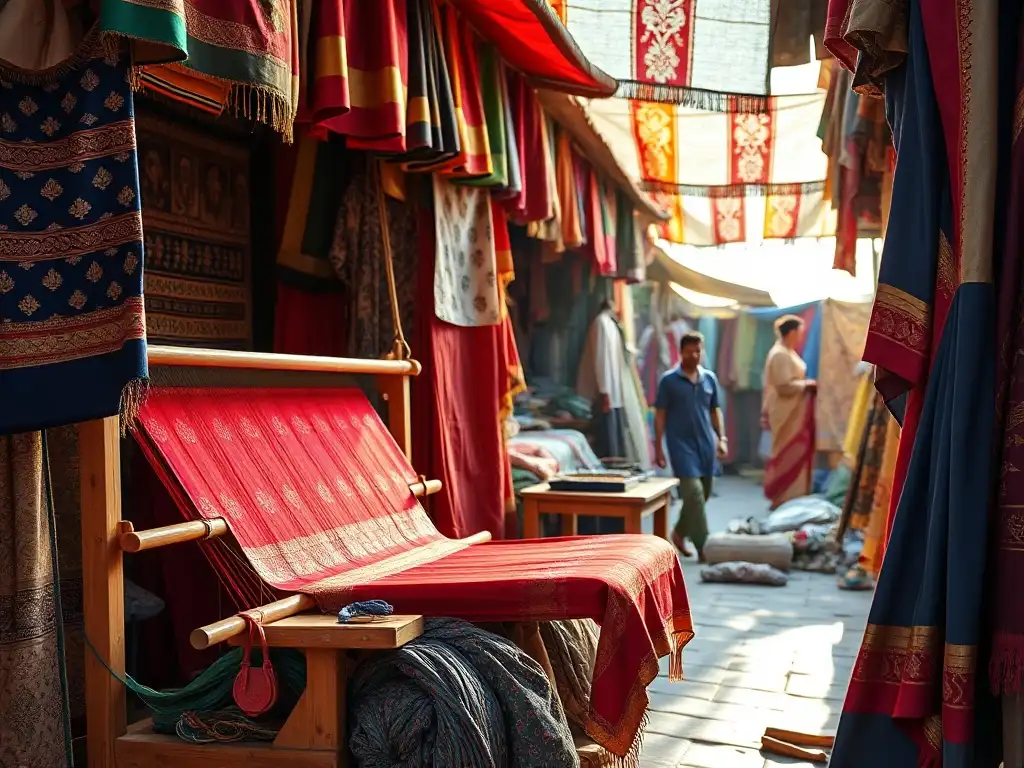
Welcome to Ancient India History, where we embark on a fascinating journey through the vibrant tapestry of ancient Indian civilizations. Delve into the intricate world of ancient Indian textiles and discover how their rich heritage continues to shape modern fashion. In our feature article, "The Role of Ancient Indian Textiles in Today's Fashion Industry," we explore the enduring influence of these exquisite fabrics on contemporary styles, blending tradition with innovation. Are you ready to unravel the threads of history and see how the past weaves into the present? Let’s explore together!
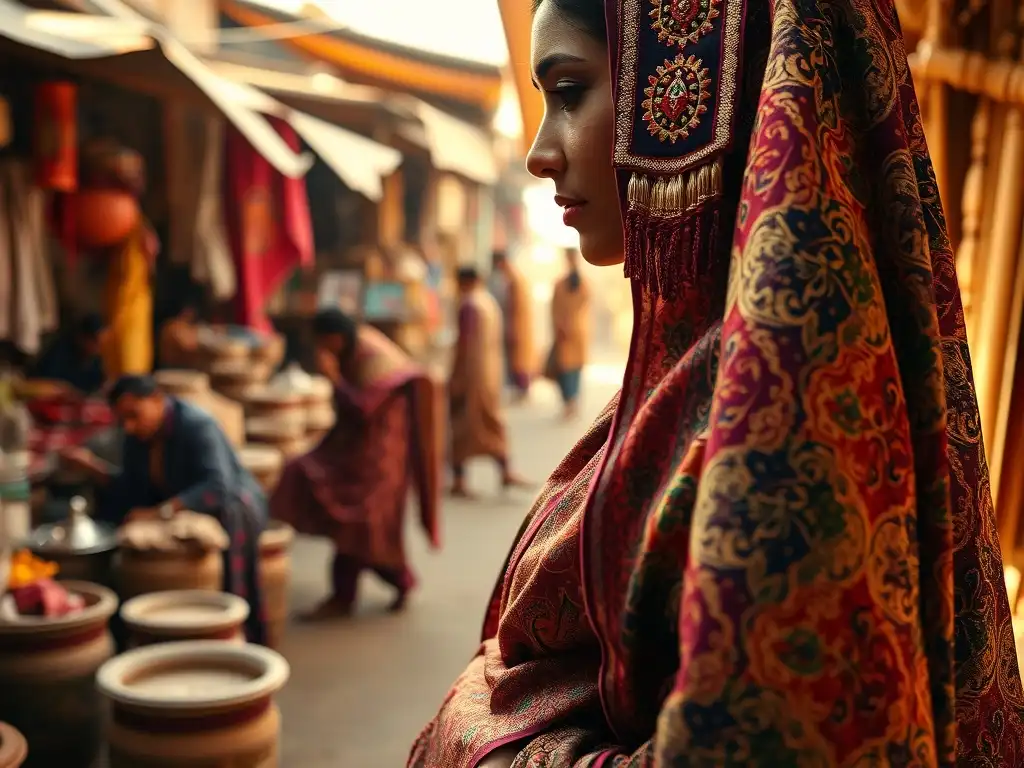
Exploring the profound impact of ancient Indian textiles on today’s fashion industry unveils a fascinating journey through time. As we delve into the intricate weaving techniques, vibrant colors, and unique patterns that characterize ancient Indian textiles, we uncover their lasting influence on contemporary fashion trends.
From the luxurious silk of Varanasi to the intricate handloom fabrics of Gujarat, these textiles are not just remnants of history but also vital sources of inspiration for modern designers. This article aims to highlight how the rich heritage of ancient Indian textiles continues to shape and redefine the global fashion landscape, emphasizing their significance in the context of sustainability and cultural appreciation.
Introduction to Ancient Indian Textiles and Their Influence on Fashion
Ancient Indian textiles boast a legacy that dates back thousands of years, playing a pivotal role in the socio-economic and cultural fabric of the region. The techniques, motifs, and materials used in these textiles not only reflect the aesthetic values of the time but also carry stories of trade, craftsmanship, and community. As the fashion industry increasingly seeks sustainable and unique materials, the influence of these ancient textiles has grown significantly. Designers today are rediscovering these age-old methods, merging traditional craftsmanship with contemporary styles, thus creating a bridge between the past and the present.
Historical Significance of Ancient Indian Textiles
The historical significance of ancient Indian textiles cannot be overstated. They were not merely functional items but symbols of status, identity, and artistry. Textiles served various purposes, from ceremonial use to everyday wear, and were integral to social customs.
The Evolution of Textile Techniques in Ancient India
Throughout history, India has been a hub of textile innovation. Techniques such as weaving, dyeing, and embroidery evolved over centuries, influenced by various cultures and trade practices. Notable contributions include:
- Weaving Techniques: Ancient methods like khadi and jamdani showcase the skilled craftsmanship of artisans, often passed down through generations.
- Natural Dyes: The use of plant-based and mineral dyes highlights the deep connection between nature and textile production, emphasizing sustainability.
- Embroidery Styles: From zardozi to kantha, the intricate embroidery styles reflect diverse regional identities and artistic expressions.
Iconic Fabrics of Ancient India
Several fabrics have become iconic, representing the rich heritage of ancient Indian textiles:
- Silk: Renowned for its luxurious feel, Indian silk, especially from regions like Varanasi and Mysore, has influenced fashion worldwide.
- Cotton: The soft, breathable fabric has been a staple in Indian clothing, with techniques like block printing creating stunning patterns.
- Wool: The use of wool in regions like Kashmir has resulted in exquisite shawls and carpets that continue to be sought after today.
The interplay between ancient Indian textiles and modern fashion is a testament to the enduring legacy of this cultural heritage. As we explore the historical significance and evolution of these textiles, we can appreciate their profound influence on contemporary fashion, promoting a deeper understanding of sustainability and craftsmanship in today's world.
Ancient Indian Textiles in Contemporary Fashion
Ancient Indian textiles have made a significant impact on contemporary fashion, serving as a rich source of inspiration for designers around the globe. These textiles, characterized by vibrant colors, intricate designs, and unique techniques, reflect a deep cultural heritage that resonates with modern aesthetics. From the luxurious silks of Varanasi to the intricate block prints of Rajasthan, the craftsmanship involved in creating these textiles continues to influence fashion across various segments—from haute couture to everyday wear.
Designers are increasingly incorporating traditional motifs and techniques into their collections, creating a bridge between the rich history of Indian textiles and modern fashion sensibilities. The global fashion community is embracing these textiles not only for their beauty but also for their storytelling aspects, which add depth and authenticity to contemporary clothing. This blend of the old and new demonstrates how ancient Indian textiles are not merely remnants of the past but vital components of today’s fashion narrative.
How Ancient Techniques Shape Modern Fashion Trends
The techniques used in ancient Indian textile production, such as hand-weaving, embroidery, and dyeing, are being revived and celebrated in the modern fashion industry. These methods are often seen as sustainable alternatives to mass production, promoting slower fashion that values quality over quantity.
For instance, the art of handloom weaving, which has been practiced for centuries in India, is gaining prominence as consumers become more conscious of the environmental impact of fast fashion. Designers are now showcasing collections that highlight the labor-intensive processes of handloom textiles, allowing wearers to appreciate the craftsmanship behind each piece.
Additionally, traditional dyeing techniques, such as indigo and natural dyes, are being utilized to create unique color palettes that speak to both tradition and modernity. This resurgence of ancient techniques in contemporary fashion not only preserves cultural heritage but also fosters a sense of individuality in clothing choices.
High Fashion Meets Heritage: Runway Examples
Numerous high-fashion brands have incorporated ancient Indian textiles into their runway collections, showcasing the versatility and beauty of these fabrics. Notable examples include:
- Sabyasachi Mukherjee: Renowned for his use of rich fabrics and traditional embroidery techniques, Sabyasachi's collections often feature vintage textiles that tell a story of Indian heritage. His designs have graced international red carpets, merging luxury with tradition.
- Anita Dongre: A strong advocate for sustainable fashion, Anita Dongre frequently employs eco-friendly practices and ancient techniques in her collections. Her use of handwoven textiles and natural dyes not only enhances the aesthetic of her garments but also promotes ethical fashion.
- Manish Arora: Known for his vibrant and eclectic designs, Manish Arora incorporates traditional Indian textiles with modern silhouettes, creating a fusion that has captured the attention of fashion enthusiasts worldwide.
These examples illustrate how high fashion is not only embracing ancient Indian textiles but is also helping to revive and sustain traditional craftsmanship, making it relevant for contemporary consumers.
The Influence of Ancient Indian Textiles on Sustainable Fashion
The growing focus on sustainability within the fashion industry has led to a renewed interest in ancient Indian textiles. These textiles inherently embody principles of sustainability, as they often utilize natural materials, traditional production methods, and local resources.
As brands seek to reduce their environmental footprint, many are turning to ancient Indian textiles as a solution. By emphasizing slow fashion and the value of handmade goods, these textiles serve as a reminder of the importance of ethical consumption in today’s fast-paced market.
Eco-Friendly Practices Inspired by Ancient Techniques
Ancient Indian textile practices offer valuable insights into eco-friendly production methods. Techniques such as organic farming for cotton production, natural dyeing processes, and manual weaving contribute to a significantly lower environmental impact compared to industrialized methods.
For instance, many artisans in India still practice organic farming techniques that avoid harmful pesticides and chemicals, ensuring that their cotton is cultivated sustainably. Additionally, natural dyes derived from plants, flowers, and minerals not only produce beautiful colors but are also biodegradable, further enhancing their sustainability.
The revival of these ancient techniques not only preserves traditional knowledge but also empowers local communities, providing them with sustainable livelihoods while promoting environmental conservation.
Case Studies: Brands Committed to Sustainability through Ancient Textiles
Several fashion brands have made significant strides in committing to sustainability by incorporating ancient Indian textiles into their designs:
- Raw Mango: This brand is known for its dedication to preserving traditional handloom weaving techniques. By collaborating with local artisans, Raw Mango creates contemporary garments that celebrate Indian heritage while promoting sustainable practices.
- Banyan Tree: Focused on ethical fashion, Banyan Tree uses handwoven textiles and natural dyes to produce its collections. The brand emphasizes transparency in its production processes, ensuring that consumers understand the story behind each piece.
- No Nasties: This eco-conscious brand specializes in organic clothing made from handwoven textiles. By prioritizing fair trade practices and sustainable production, No Nasties champions the philosophy that fashion can be both stylish and environmentally friendly.
These case studies highlight how the influence of ancient Indian textiles continues to shape the sustainable fashion movement, demonstrating that heritage and modernity can coexist harmoniously in the pursuit of ethical and stylish clothing.
The Global Reach of Ancient Indian Textiles
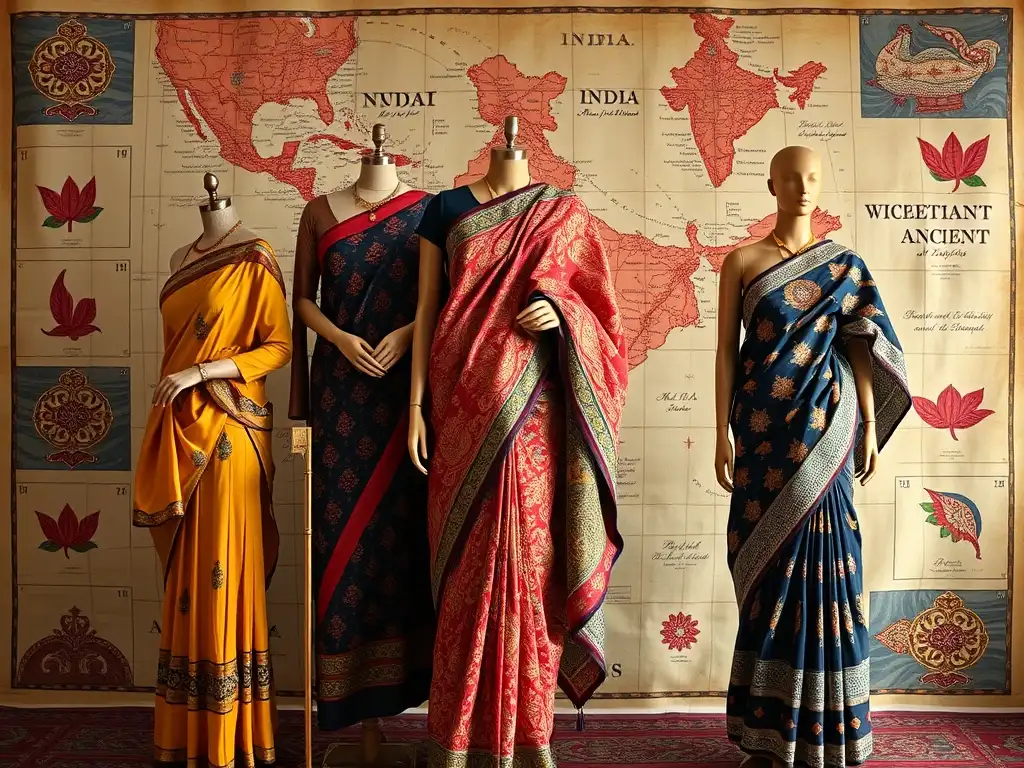
Ancient Indian textiles have transcended geographical boundaries, influencing fashion across the globe. The intricate craftsmanship and rich history of these fabrics have made them highly sought after, not just for their aesthetic appeal but also for the stories and traditions they carry. The vibrant colors, detailed patterns, and unique weaving techniques offer a glimpse into India's cultural heritage, drawing attention from designers and consumers alike.
From the luxurious silk of Varanasi to the hand-woven khadi of Gujarat, each textile tells a unique story of regional artistry. The global fashion industry has embraced these textiles, incorporating them into contemporary designs while respecting their cultural significance. This fusion of ancient techniques with modern fashion trends has led to a revival of interest in traditional crafts, elevating the status of Indian textiles on the global stage.
Moreover, the rise of sustainable fashion has further propelled the demand for ancient textiles. As consumers become more environmentally conscious, they are turning towards ethically sourced and handcrafted materials, many of which are rooted in ancient Indian practices. This shift not only benefits artisans but also promotes the preservation of traditional textile techniques that might otherwise fade into obscurity.
How Ancient Textiles Are Reshaping Global Fashion Markets
The influence of ancient Indian textiles is evident in the way global fashion markets are evolving. Designers worldwide are increasingly inspired by the rich patterns and textures found in traditional Indian fabrics. The use of techniques such as block printing, tie-dye, and embroidery is becoming more prevalent in contemporary fashion collections, showcasing the versatility and timelessness of these materials.
Fashion houses are collaborating with Indian artisans to create unique pieces that blend modern aesthetics with historical craftsmanship. This not only helps in reviving traditional skills but also provides artisans with a platform to showcase their work on a global scale. For instance, high-end brands have incorporated handloom textiles into their collections, bringing attention to the craftsmanship and heritage of Indian weaving.
Additionally, fashion weeks around the world are seeing a surge in collections that celebrate ancient Indian textiles. From Paris to New York, runway shows feature designs that highlight the intricate details and vibrant hues of these fabrics, appealing to a sophisticated audience that values storytelling in fashion. This trend is not limited to high fashion; it also extends to streetwear, where elements of traditional Indian textiles are integrated into everyday clothing, making them accessible to a broader audience.
Consumer Awareness and Demand for Authenticity
As consumers become more educated about the origins of their clothing, there is a growing demand for authenticity in fashion. Shoppers are increasingly interested in the stories behind their garments, leading them to seek out products that reflect cultural heritage and artisanal craftsmanship. Ancient Indian textiles, with their deep-rooted histories and unique production methods, resonate with this desire for authenticity.
This trend has prompted brands to be more transparent about their sourcing practices and to highlight the artisans behind the products. The narrative around ancient Indian textiles serves not only to attract consumers but also to educate them about the importance of preserving traditional crafts. Brands that successfully communicate this narrative tend to foster a loyal customer base that values ethical consumption and cultural appreciation.
Furthermore, social media platforms have played a significant role in connecting consumers with the artisans who create these textiles. Through storytelling and visual content, brands can showcase the intricate processes involved in textile production, from spinning and dyeing to weaving. This direct connection between artisans and consumers enhances the perceived value of the products and encourages a deeper appreciation for ancient Indian textiles.
Conclusion: The Lasting Impact of Ancient Indian Textiles on Modern Fashion
The impact of ancient Indian textiles on modern fashion is profound and multifaceted. As these textiles continue to inspire designers and influence trends, they serve as a bridge between the past and the present, highlighting the importance of cultural heritage in contemporary fashion. The integration of traditional techniques into modern designs not only revitalizes ancient crafts but also positions them within a global narrative of sustainability and authenticity.
As the fashion industry evolves, the appreciation for ancient Indian textiles is likely to grow, paving the way for future innovations that honor their rich histories. The lasting legacy of these textiles in today’s fashion landscape underscores the significance of preserving and promoting traditional crafts as we navigate an increasingly globalized world. The journey of ancient Indian textiles is far from over; their influence will continue to shape the fabric of modern fashion for years to come.
Call to Action: Explore More on Ancient Indian Heritage
The influence of ancient Indian textiles in today's fashion industry is a testament to the rich heritage and creativity that has persisted through centuries. As fashion continues to evolve, there is a profound opportunity to delve deeper into the treasures of ancient Indian craftsmanship.
Explore the intricate weaving techniques, vibrant dyeing methods, and the symbolism embedded in traditional patterns that have shaped not just clothing, but also cultural identity across generations. From the luxurious silk sarees of Varanasi to the hand-spun khadi fabrics, each textile tells a story of artistry and heritage.
To further appreciate the impact of these textiles, consider visiting local exhibitions, museums, or cultural festivals that celebrate traditional Indian crafts. Engaging with artisans and learning about their processes can provide invaluable insights into the sustainable practices that are increasingly relevant in today's eco-conscious fashion landscape.
Join the journey of discovering how ancient Indian textiles can inspire modern designs while preserving the rich legacy of India's cultural heritage. Whether you are a fashion enthusiast, a designer, or simply curious about the history of textiles, there is a wealth of knowledge waiting to be explored. Embrace the colors, textures, and stories of ancient India, and consider how they can enhance not just your wardrobe, but also your understanding of fashion's deeper roots.
Take the first step in exploring this vibrant heritage today! 🌼✨
- Introduction to Ancient Indian Textiles and Their Influence on Fashion
- Historical Significance of Ancient Indian Textiles
- Ancient Indian Textiles in Contemporary Fashion
- The Influence of Ancient Indian Textiles on Sustainable Fashion
- The Global Reach of Ancient Indian Textiles
- Conclusion: The Lasting Impact of Ancient Indian Textiles on Modern Fashion
- Call to Action: Explore More on Ancient Indian Heritage
- What are ancient Indian textiles known for?
- How did ancient Indian textiles influence global fashion?
- What role did the Indus Valley Civilization play in textile development?
- How do ancient Indian textiles contribute to sustainable fashion today?
- What is the significance of the Gupta Empire in textile history?
Frequently Asked Questions
What are ancient Indian textiles known for?
Ancient Indian textiles are renowned for their intricate designs, vibrant colors, and high-quality craftsmanship. They often feature techniques like block printing and embroidery, which continue to influence modern fashion.
How did ancient Indian textiles influence global fashion?
The influence of ancient Indian textiles on global fashion can be seen through the adoption of fabrics like silk and cotton, as well as the inspiration drawn from traditional patterns and dyeing techniques by designers worldwide.
What role did the Indus Valley Civilization play in textile development?
The Indus Valley Civilization was pivotal in the early development of textile production, showcasing advanced techniques in weaving and dying. Their skills laid the groundwork for subsequent textile innovations in ancient India.
How do ancient Indian textiles contribute to sustainable fashion today?
Ancient Indian textiles emphasize sustainability through the use of natural dyes and handcrafted techniques. This focus on eco-friendly practices is increasingly relevant in today's sustainable fashion movement.
What is the significance of the Gupta Empire in textile history?
The Gupta Empire is significant for its flourishing textile industry, marked by the creation of fine cotton fabrics and embroidery. This period greatly enhanced the cultural exchange of textiles, influencing both local and global markets.
Final Reflection: The Timeless Influence of Ancient Indian Textiles on Modern Fashion
The exploration of ancient Indian textiles and their profound influence on today's fashion industry reveals a rich tapestry of cultural heritage that continues to inspire contemporary designers. As we navigate a world increasingly focused on sustainability and authenticity, the revival of these textiles serves as a powerful reminder of the artistry and craftsmanship that have stood the test of time. The intricate patterns, vibrant colors, and traditional techniques not only reflect the historical significance of these textiles but also highlight their relevance in shaping modern fashion narratives.
The impact of ancient Indian textiles extends beyond mere aesthetics; it resonates deeply within the cultural and social fabric of our society. As designers draw inspiration from these age-old practices, they contribute to a broader conversation about identity, heritage, and sustainability in fashion. The resurgence of handloom fabrics and artisanal craftsmanship underscores the importance of preserving cultural legacies while promoting ethical fashion.
As Mahatma Gandhi once said, "> The true measure of any society can be found in how it treats its most vulnerable members." This sentiment rings true as we recognize the artisans behind these textiles, advocating for their rights and livelihoods in an ever-evolving industry.
As we reflect on the lessons learned from the enduring legacy of ancient Indian textiles, I invite you to consider how you can incorporate these values into your own life and choices. Whether it's supporting local artisans, choosing sustainable fashion, or simply appreciating the stories woven into each piece, your actions can contribute to a more conscious and culturally rich fashion landscape. Embrace the beauty of ancient textiles and let their influence inspire you to make thoughtful choices that honor both tradition and innovation in your personal style.
Embrace the Timeless Charm of Ancient Textiles!
Thank you for diving into the rich history of ancient Indian textiles and their influence on today’s fashion scene! Your curiosity not only enhances your understanding but also connects you to a vibrant heritage that continues to inspire designers worldwide. Now, let’s keep the momentum going with some exciting steps you can take to further explore and celebrate this unique blend of tradition and contemporary style.
- Explore local artisans: Visit a nearby craft fair or boutique that showcases traditional textile work and consider purchasing a piece to support local craftsmanship.
- Share the knowledge: Discuss what you’ve learned about ancient textiles with friends or family, inspiring them to appreciate the beauty and history behind fashion choices.
- Get creative: Design an outfit that incorporates elements of ancient textile patterns or practices, and share your creation on social media using the hashtag #AncientFashionRevival!
How do you envision incorporating ancient textile designs into your wardrobe or lifestyle? We would love to hear your thoughts in the comments below!