
The Fusion of Ancient Indian and Modern Technology: Innovations in Education

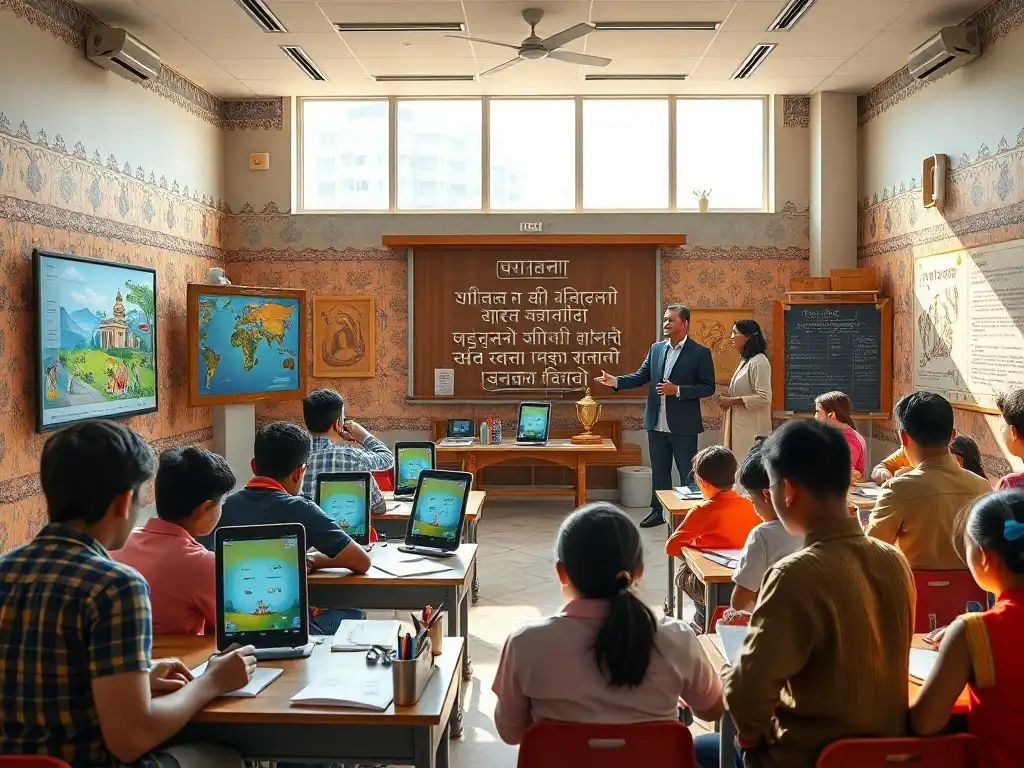
Welcome to Ancient India History, where we embark on a captivating journey through the rich tapestry of ancient Indian civilizations. Here, we explore the profound educational innovations that laid the groundwork for modern learning systems, revealing how the wisdom of the past continues to inspire today's technology. Are you ready to uncover the remarkable connections between ancient practices and contemporary advancements? Dive in and discover how the fusion of ancient Indian knowledge and modern technology is transforming education as we know it!
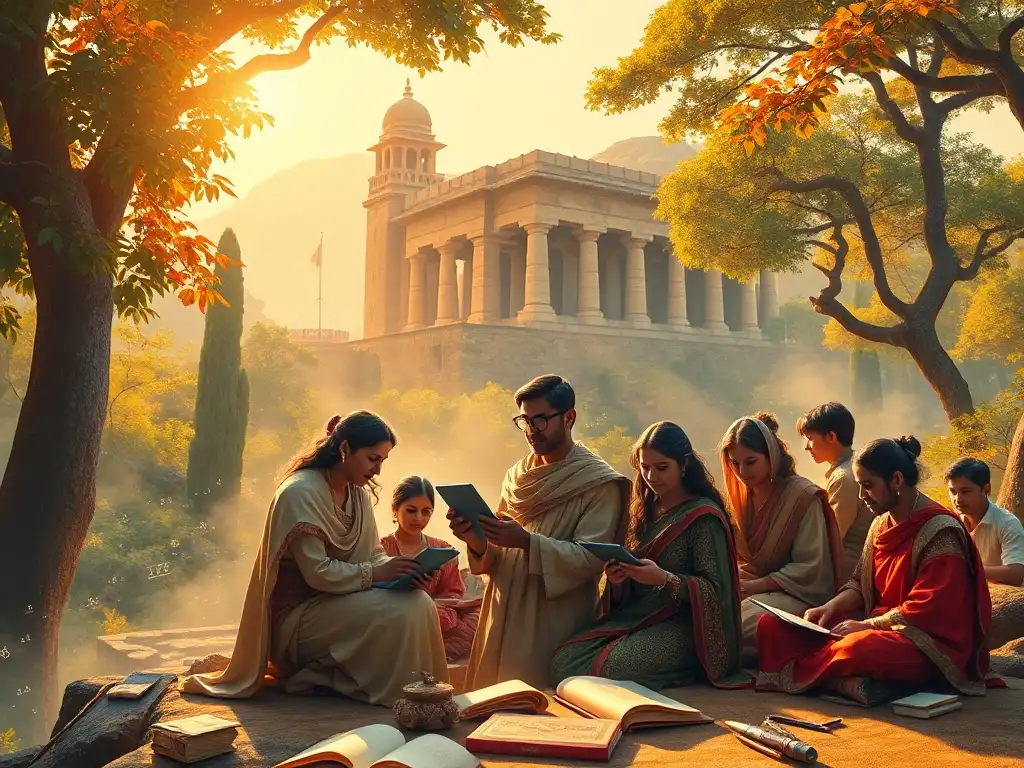
The intersection of ancient wisdom and modern technology presents a fascinating landscape for exploration, particularly within the realm of education. Ancient Indian civilizations, renowned for their innovative educational practices, laid the groundwork for a system that not only valued knowledge but also emphasized holistic growth and ethical learning.
This article delves into the rich tapestry of ancient Indian educational innovations and examines how these age-old principles have been reinterpreted and integrated into contemporary educational frameworks. By understanding the historical context, key features, and notable scholars of ancient India, we can appreciate the enduring impact of these innovations on modern technology and teaching methodologies.
Understanding Ancient Indian Educational Innovations
The Historical Context of Education in Ancient India
Education in ancient India can be traced back to the Vedic period, where knowledge was transmitted orally through the Guru-Shishya (teacher-student) tradition. The system was characterized by its emphasis on philosophical discussions, spiritual learning, and practical knowledge. Institutions like Gurukuls and Takshashila emerged as centers of higher learning, attracting students from across the Indian subcontinent and beyond. This historical backdrop set the stage for various educational innovations that prioritized not only academic learning but also moral and ethical development.
Key Features of Ancient Indian Educational Systems
The ancient Indian educational system was distinguished by several key features that made it unique:
- Holistic Approach: Education encompassed various disciplines, including science, mathematics, philosophy, arts, and spirituality.
- Experiential Learning: Emphasis was placed on practical knowledge through real-world experiences and interactions with nature.
- Inclusivity: While there were social barriers, many ancient educational institutions promoted inclusivity and allowed students from different backgrounds to learn together.
- Critical Thinking: Ancient Indian scholars encouraged debates and discussions, fostering critical thinking and analytical skills among students.
Prominent Ancient Indian Scholars and Their Contributions
Several scholars have left an indelible mark on the educational landscape of ancient India:
- Chanakya (Kautilya): Author of the Arthashastra, he emphasized practical knowledge and statecraft.
- Aryabhata: Renowned mathematician and astronomer, he made significant contributions to mathematics and introduced concepts like zero and the place value system.
- Kalidasa: A literary genius whose works reflect the integration of arts and education, highlighting the importance of creativity in learning.
The Impact of Ancient Indian Educational Innovations on Modern Technology
How Ancient Indian Philosophies Influence Modern Educational Methods
The philosophies underlying ancient Indian education continue to influence modern pedagogies. Concepts such as Dharma (duty), Karma (action), and Samskara (cultural conditioning) inform contemporary educational practices that strive for a balanced development of intellect and character. Modern educators are increasingly recognizing the value of integrating ethical considerations and emotional intelligence into curricula, echoing the teachings of ancient Indian sages.
Integrating Traditional Knowledge with Contemporary Learning Technologies
The fusion of ancient knowledge with modern technology is reshaping education today. Innovative platforms are emerging that blend traditional educational practices with digital tools:
- E-Learning: Online courses that incorporate ancient Indian philosophies, such as mindfulness and holistic learning, are gaining popularity.
- Gamification: Incorporating traditional storytelling and ethical dilemmas into interactive platforms enhances engagement and retention.
- Collaborative Learning: Virtual study groups draw inspiration from the Gurukul model, fostering community and peer learning even in a digital environment.
The exploration of ancient Indian educational innovations reveals a wealth of knowledge that continues to inspire modern educational practices. By understanding and integrating these timeless principles, we can create a more enriching and comprehensive educational experience for future generations.
Modern Applications of Ancient Indian Educational Innovations
The educational practices of ancient India, particularly those emanating from systems like the Gurukul, have laid a robust foundation for modern educational innovations. These ancient methodologies emphasized holistic learning, personal mentorship, and experiential education, which resonate with contemporary pedagogical theories. As educational institutions evolve, many are turning to these time-honored practices, integrating them with modern technology to enhance learning outcomes.
One significant aspect of ancient Indian education was its inclusive nature, accommodating diverse subjects ranging from philosophy to mathematics. This multidisciplinary approach is increasingly reflected in modern curricula that seek to provide students with a well-rounded education, encouraging critical thinking and creativity. Furthermore, the emphasis on a student-teacher relationship in ancient systems inspires current educational frameworks that value mentorship and personal growth alongside academic achievement.
Case Study: The Gurukul System and Its Modern Adaptations
The Gurukul system of education, a hallmark of ancient Indian learning, involved students living with their teachers, or Gurus, in a communal setting. This model fostered deep connections and personalized guidance, which are often missing in today's large classroom environments. Modern adaptations of the Gurukul system can be seen in various educational institutions that prioritize mentorship, small class sizes, and community learning.
For instance, some contemporary schools are adopting mentorship programs where older students guide younger peers, echoing the Guru-shishya relationship. Additionally, schools are increasingly emphasizing experiential learning, encouraging students to engage in hands-on projects that solidify theoretical knowledge—a core principle of the Gurukul system. These adaptations not only preserve the essence of ancient educational practices but also cater to the needs of today's learners.
Innovative Platforms Inspired by Ancient Indian Learning Techniques
Several innovative educational platforms are emerging, drawing inspiration from ancient Indian learning methodologies. These platforms leverage technology to create interactive and engaging learning experiences, reminiscent of the participatory nature of ancient education.
For example, online learning platforms now incorporate discussion forums and peer-to-peer learning modules, mirroring the collaborative aspects of the Gurukul system. There are also platforms that offer personalized learning pathways, allowing students to progress at their own pace while receiving tailored guidance from instructors—similar to the personalized attention students received from Gurus in ancient India. Furthermore, gamification elements are being employed to foster engagement and motivation, reflecting the interactive and dynamic nature of ancient educational practices.
Technologies Inspired by Ancient Indian Educational Innovations
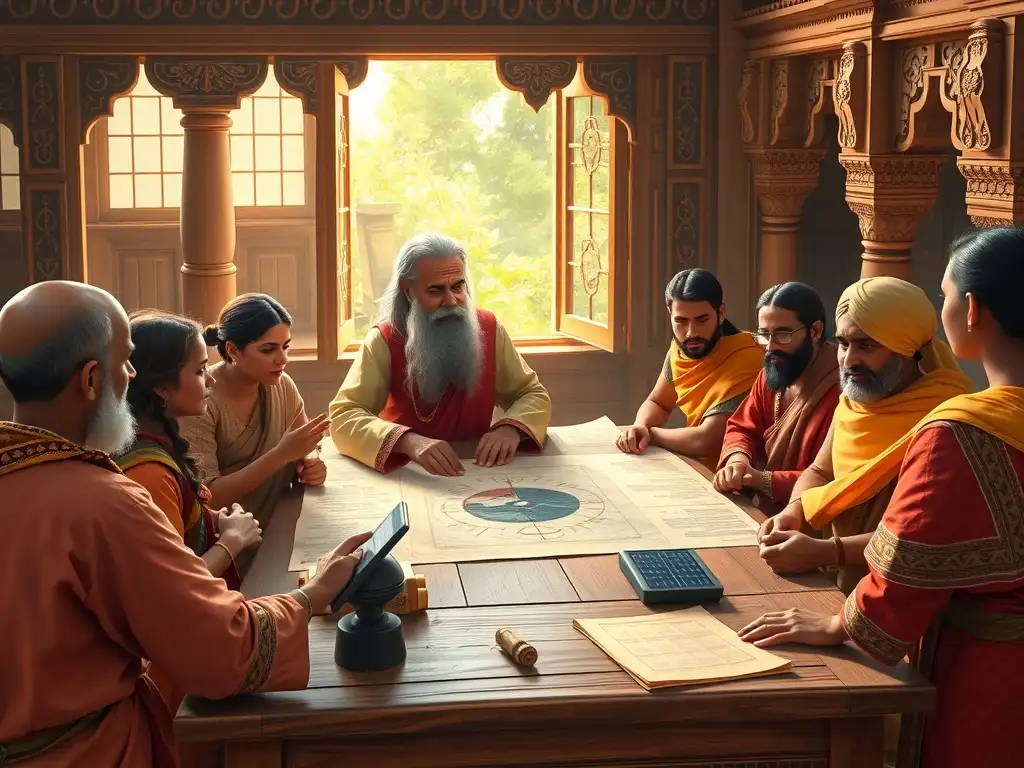
As we explore the intersection of ancient Indian educational practices and modern technology, several innovations stand out that effectively bridge this gap. These technologies not only honor the principles of ancient learning but also enhance accessibility and effectiveness in education today.
E-learning Tools Based on Ancient Teaching Methods
E-learning tools are increasingly drawing from ancient Indian educational methodologies to create immersive and effective learning environments. These tools often emphasize collaborative learning, self-paced study, and real-world applications—core tenets of ancient education.
For instance, platforms that utilize storytelling as a pedagogical tool reflect the oral traditions prevalent in ancient Indian learning. By presenting content in a narrative format, these tools engage learners more deeply, facilitating better retention and understanding. Additionally, many e-learning platforms offer features such as live mentorship sessions, echoing the Guru-shishya dynamic, where learners can seek guidance and clarification directly from experts.
Augmented Reality (AR) and Virtual Reality (VR) in Education
The integration of Augmented Reality (AR) and Virtual Reality (VR) in education is a groundbreaking development that aligns closely with the experiential learning practices of ancient India. These technologies allow students to immerse themselves in interactive environments, offering a hands-on approach to education that was a hallmark of ancient learning.
For example, AR applications can bring historical texts or scientific concepts to life, enabling students to visualize and interact with content in a dynamic way. Similarly, VR can recreate ancient Indian classrooms or significant historical events, allowing learners to experience and engage with the material as if they were part of it. This not only makes learning more engaging but also helps to foster a deeper understanding of complex subjects, thereby bridging the gap between ancient wisdom and modern technological capabilities.
Challenges and Solutions in Merging Ancient Practices with Modern Technology
The fusion of ancient Indian educational innovations with modern technology presents a unique set of challenges and opportunities. While the wisdom accumulated over centuries offers valuable insights, the integration requires careful navigation of various barriers. These challenges can primarily be categorized into technological barriers, cultural sensitivity, and the need for relevant contextual frameworks. Each of these aspects plays a crucial role in the successful implementation of educational practices that honor ancient traditions while embracing modern advancements.
Overcoming Technological Barriers in Educational Systems
One of the foremost challenges in integrating ancient Indian educational innovations with modern technology is the technological infrastructure within educational systems. Many institutions, especially in rural areas, lack adequate access to digital tools and resources. This digital divide can hinder the adoption of innovative teaching methods inspired by ancient practices.
To overcome these barriers, stakeholders must prioritize the development of robust technological infrastructures. This can be achieved through:
- Investment in Technology: Governments and educational institutions should invest in digital tools, internet connectivity, and training programs for educators.
- Hybrid Learning Models: Combining traditional classroom settings with digital platforms can help bridge the gap. For instance, educators can utilize online resources to supplement ancient teachings, making them more accessible.
- Collaboration with Tech Companies: Partnering with technology firms can facilitate the creation of customized educational software and resources that reflect ancient Indian methodologies.
Addressing Cultural Sensitivity and Relevance
Cultural sensitivity is paramount when merging ancient educational practices with modern technology. The essence of ancient Indian teachings often revolves around specific cultural contexts that may not resonate universally in contemporary settings. This can lead to misunderstandings or misapplications of traditional concepts.
To ensure that the integration is culturally relevant, it is essential to:
- Engage Local Communities: Involving local communities in the educational process fosters a sense of ownership and respect for ancient practices. This can be achieved through community workshops and feedback sessions.
- Adapt Content to Modern Contexts: Educational materials should be developed in a way that respects ancient traditions while also addressing contemporary issues. This might include contextualizing historical narratives within modern societal frameworks.
- Train Educators on Cultural Competence: Providing educators with training on cultural sensitivity can help them navigate the complexities of delivering content that honors ancient practices without alienating students from diverse backgrounds.
Recommendations for Successful Integration
For the successful integration of ancient Indian educational innovations into modern systems, the following strategies are recommended:
- Curriculum Development: Develop interdisciplinary curricula that incorporate ancient philosophies, pedagogies, and methodologies alongside modern educational theories.
- Professional Development for Educators: Continuous training for educators on the significance and application of ancient practices can enhance their teaching effectiveness and foster a deeper understanding among students.
- Pilot Programs: Implement pilot programs in select educational institutions to test the integration of ancient methodologies with modern technology. These pilot programs can serve as models for broader implementation.
Future Trends in Education: The Role of Ancient Indian Innovations
As the educational landscape continues to evolve, ancient Indian innovations are poised to play a significant role in shaping future trends. The emphasis on holistic education, critical thinking, and experiential learning—hallmarks of ancient Indian teachings—aligns well with emerging educational paradigms that prioritize well-rounded development.
Predictions for Educational Technology Influenced by Ancient Practices
Looking ahead, we can expect several trends to emerge as educational technology increasingly draws inspiration from ancient Indian practices:
- Personalized Learning: Leveraging adaptive learning technologies can create personalized educational experiences reminiscent of ancient one-on-one mentoring approaches.
- Interdisciplinary Learning: Future educational models may favor interdisciplinary approaches that blend subjects, much like ancient Indian wisdom that often integrated various fields of knowledge.
- Mindfulness and Well-being: The incorporation of mindfulness practices rooted in ancient traditions might gain traction, emphasizing mental well-being alongside academic success.
The Potential of Ancient Indian Educational Innovations in Global Contexts
The global context for education is rapidly changing, and ancient Indian educational innovations hold significant potential for influencing international practices. As educators and policymakers seek effective strategies to enhance learning outcomes, the following aspects stand out:
- Global Curriculum Integration: Ancient Indian educational concepts can be integrated into global curricula, promoting cross-cultural understanding and appreciation of diverse knowledge systems.
- Sustainable Education Practices: The emphasis on sustainability and interconnectedness in ancient teachings can inform modern educational practices, fostering a sense of responsibility towards the environment.
- Collaborative Learning: Ancient methods of collaborative learning can be adapted to modern educational settings, encouraging teamwork and community engagement across cultural boundaries.
By recognizing and harnessing the value of ancient Indian educational innovations, we can create a more inclusive and effective educational framework that respects the past while preparing for the future.
Conclusion: The Lasting Legacy of Ancient Indian Educational Innovations
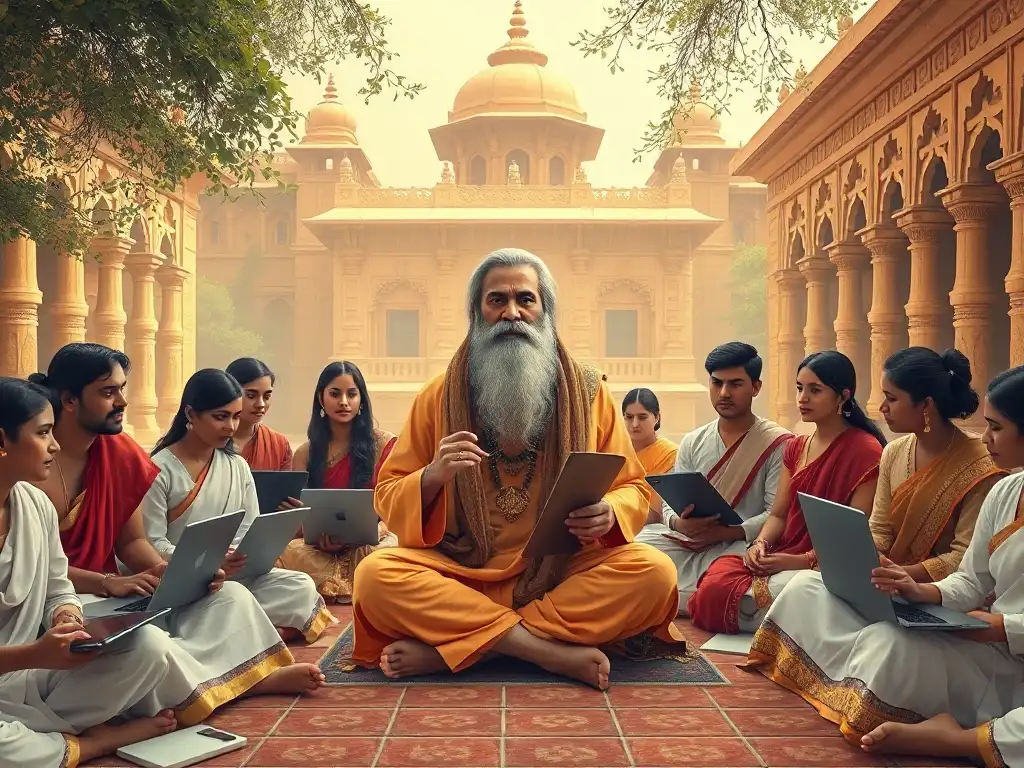
The educational innovations of ancient India have left an indelible mark on the landscape of knowledge and learning that continues to inspire modern methodologies. From the establishment of the Gurukul system, where students learned under the guidance of a guru, to the systematic approach to subjects like mathematics, astronomy, and philosophy, ancient Indian scholars laid the groundwork for holistic education. The Nalanda and Takshashila universities serve as historical testaments to this legacy, showcasing an advanced understanding of curriculum development and student engagement.
Today, as we navigate the complexities of the digital age, the principles of ancient Indian education—emphasizing critical thinking, experiential learning, and moral values—remain incredibly relevant. These teachings encourage a well-rounded development of individuals, fostering not only intellectual prowess but also ethical and spiritual growth. The fusion of these age-old practices with modern technology can create a more enriched educational experience, bridging the gap between past wisdom and future innovations.
The Importance of Preserving and Modernizing Ancient Knowledge
Preserving ancient Indian educational innovations is crucial for several reasons. Firstly, these practices represent a rich cultural heritage that reflects the values and philosophies of a civilization that has significantly contributed to global knowledge. By safeguarding this heritage, we ensure that future generations have access to a diverse range of perspectives and methodologies in education.
Moreover, modernizing these ancient practices allows us to adapt their wisdom to contemporary contexts. For instance, integrating ancient pedagogical techniques with digital tools can enhance learning experiences. Utilizing methods such as storytelling, debate, and inquiry-based learning—rooted in ancient traditions—can foster engagement and retention among students today. By blending the time-tested strategies of the past with the tools of the present, we can cultivate an educational environment that values both innovation and tradition.
Call to Action: Embracing Ancient Wisdom in Contemporary Education
To fully harness the potential of ancient Indian educational innovations, it is imperative for educators, policymakers, and institutions to actively incorporate these teachings into modern curricula. Here are some actionable steps that can be taken:
- Curriculum Development: Integrate ancient philosophies and methodologies into existing educational frameworks to create a more holistic approach to learning.
- Teacher Training: Equip educators with knowledge of ancient Indian educational practices, enabling them to adopt these methods in their classrooms.
- Community Engagement: Encourage local communities to engage with their cultural heritage, fostering an appreciation for the educational practices of ancient India.
- Research and Documentation: Support research initiatives that explore the relevance of ancient educational systems in today’s context, ensuring that this knowledge is preserved and disseminated widely.
By embracing ancient wisdom and implementing these strategies, we can create a more inclusive and enriched educational landscape that honors the contributions of ancient Indian civilization while preparing students for a dynamic future. Let us work together to revitalize these ancient teachings and weave them into the fabric of contemporary education, ensuring that the legacy of ancient Indian educational innovations continues to thrive.
- Understanding Ancient Indian Educational Innovations
- The Impact of Ancient Indian Educational Innovations on Modern Technology
- Modern Applications of Ancient Indian Educational Innovations
- Technologies Inspired by Ancient Indian Educational Innovations
- Challenges and Solutions in Merging Ancient Practices with Modern Technology
- Future Trends in Education: The Role of Ancient Indian Innovations
- Conclusion: The Lasting Legacy of Ancient Indian Educational Innovations
- The Importance of Preserving and Modernizing Ancient Knowledge
- Call to Action: Embracing Ancient Wisdom in Contemporary Education
- What are some ancient Indian educational innovations?
- How did the Indus Valley Civilization contribute to education?
- What role did the Nalanda University play in ancient Indian education?
- How did the Gupta Empire influence educational practices?
- What modern technologies are inspired by ancient Indian education?
Frequently Asked Questions
What are some ancient Indian educational innovations?
Ancient India was known for its innovative education systems, including the Gurukul system where students learned directly from a teacher in a residential setting, emphasizing holistic education.
How did the Indus Valley Civilization contribute to education?
The Indus Valley Civilization showcased advanced urban planning and trade, which indirectly fostered educational exchanges and the importance of writing and mathematics in trade and governance.
What role did the Nalanda University play in ancient Indian education?
Nalanda University, established in the 5th century CE, was a major center for higher learning, attracting students from around the world and offering courses in philosophy, mathematics, and medicine.
How did the Gupta Empire influence educational practices?
During the Gupta Empire, there was a significant revival of arts and sciences, leading to advancements in mathematics and astronomy, which were integrated into the educational curriculum.
What modern technologies are inspired by ancient Indian education?
Modern educational technologies draw inspiration from ancient Indian methods such as the interactive learning environment of Gurukuls, promoting collaborative and experiential learning.
Final Reflection: Bridging the Past and Future in Education
The fusion of ancient Indian educational innovations with modern technology is not just a nostalgic journey; it is a vital pathway to shaping the future of learning. As we navigate through an increasingly digital world, the principles and methodologies established by ancient Indian scholars offer invaluable insights that resonate with contemporary educational challenges. The integration of these time-tested practices with cutting-edge technology can revolutionize the way we approach education today, making it more inclusive, engaging, and effective.
The impact of ancient Indian educational innovations continues to echo through our cultural and social landscapes, reminding us of the importance of holistic learning and critical thinking. The emphasis on experiential learning and the pursuit of knowledge for personal growth, as championed by ancient educators, can inspire modern pedagogies that prioritize student engagement and creativity. Education is the most powerful weapon which you can use to change the world.
- Nelson Mandela. This quote encapsulates the essence of how merging the wisdom of the past with the tools of the present can empower future generations to become change-makers in society.
As we reflect on the lessons drawn from this rich tapestry of educational heritage, I invite you to consider how you can incorporate these timeless principles into your own learning journey or teaching practices. Let us embrace the wisdom of our ancestors while harnessing the potential of modern technology to create a more enlightened and equitable educational landscape. By doing so, we not only honor the legacy of ancient Indian innovations but also pave the way for a brighter future in education for all.
Unleash the Power of Knowledge: Embrace Innovative Learning!
Thank you for taking the time to explore the fascinating blend of ancient wisdom and modern technology in education. You've gained valuable insights into how these innovations can transform learning experiences. Now, let's put that knowledge into action!
- Start experimenting with a new learning tool inspired by traditional techniques. Consider joining a local workshop or enrolling in an online course that reflects this dynamic approach!
- Share your discoveries with friends and family—spread the word about how ancient knowledge can enrich contemporary education!
- Engage with your community: explore local storytelling circles or technology meetups that focus on educational innovations rooted in tradition.
What innovative methods have you found to connect with ancient wisdom in your own learning journey?