
The Legacy of Ancient Indian Philosophers: From Adi Shankaracharya to Ramanuja


Welcome to Ancient India History, where we embark on a fascinating journey through the rich tapestry of ancient civilizations that have shaped our world today. In this captivating exploration, we delve into the profound contributions of ancient Indian philosophers, whose wisdom and insights continue to resonate through the ages. From the groundbreaking ideas of Adi Shankaracharya to the transformative teachings of Ramanuja, discover how these thinkers laid the foundation for diverse philosophical traditions.
Join us as we unravel the legacy of these intellectual giants and uncover the timeless relevance of their thoughts in the realm of ancient Indian religions. Get ready to dive deeper into a world of knowledge that promises to enlighten and inspire!
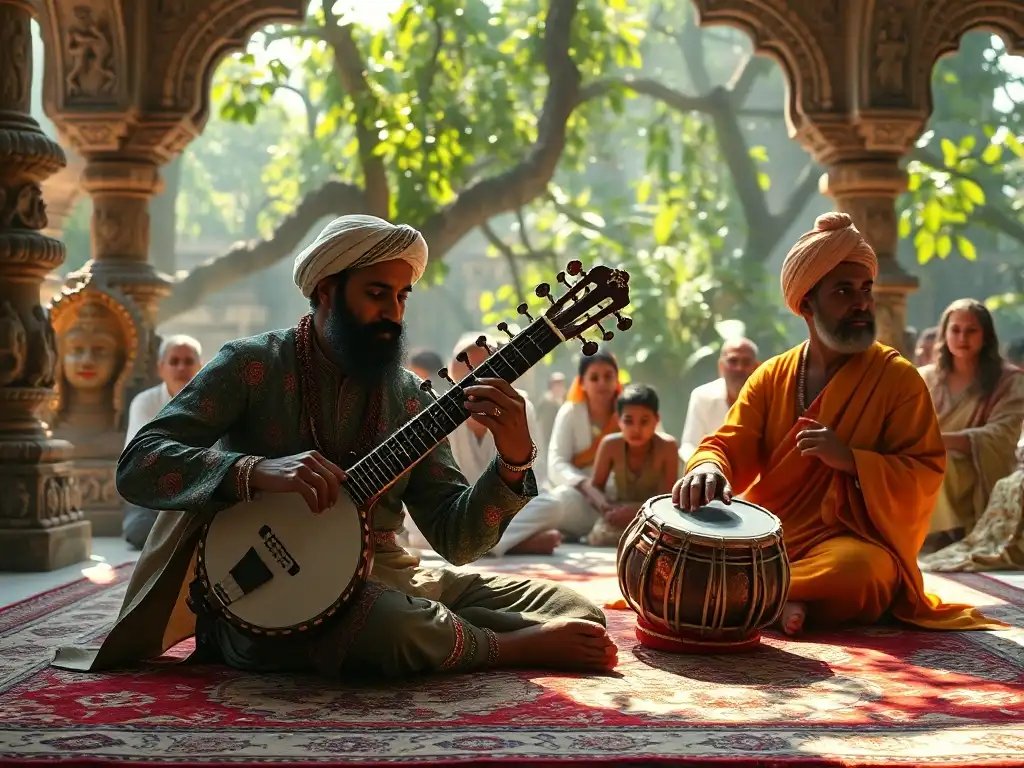
Introduction to Ancient Indian Philosophers and Their Contributions
The philosophical landscape of ancient India is a treasure trove of profound thoughts and teachings that have significantly shaped not only Hinduism but also the broader cultural and intellectual fabric of the region. From the profound insights of Adi Shankaracharya, who advocated for Advaita Vedanta, to the theistic interpretations of Ramanuja, ancient Indian philosophers made substantial contributions that have resonated through the ages.
These thinkers did not merely engage in abstract speculation; they addressed the very essence of existence, the nature of the divine, and the path to liberation (moksha). By delving into their ideas, we can gain a deeper understanding of how their teachings continue to influence contemporary thought and spiritual practices.
Understanding the Significance of Ancient Indian Philosophy
Ancient Indian philosophy is not just a collection of ideas; it is a systematic exploration of fundamental questions concerning reality, ethics, and the nature of self. This rich tradition encompasses various schools of thought, each offering unique perspectives and insights. The significance of these philosophies lies in their ability to foster a dialogue between different viewpoints, ultimately enriching the spiritual and intellectual heritage of India.
- Key Themes:
- The Nature of Reality: Philosophers debated the relationship between the material world and the ultimate reality (Brahman).
- Ethics and Morality: Discussions around dharma (duty/righteousness) and its implications for individual and societal behavior.
- The Path to Liberation: Diverse approaches to achieving moksha, highlighting the philosophical underpinnings of spiritual practices.
Overview of Key Philosophers: Adi Shankaracharya and Ramanuja
Two towering figures in ancient Indian philosophy are Adi Shankaracharya and Ramanuja. Their contrasting views on the nature of the divine and the relationship between the individual soul (atman) and the universal spirit (Brahman) have had lasting impacts.
- Adi Shankaracharya (c. 788–820 CE):
- Advocated for Advaita Vedanta, emphasizing non-dualism.
- Believed that ultimate reality is a singular, undivided consciousness.
- His commentaries on the Upanishads and the Brahma Sutras have been pivotal in shaping philosophical discourse.
- Ramanuja (1017–1137 CE):
- A proponent of Vishishtadvaita (qualified non-dualism), which posits a personal God (Ishvara).
- Emphasized devotion (bhakti) and the importance of grace in achieving liberation.
- His work, the "Sri Bhashya," is a significant commentary on the Brahma Sutras, articulating his views on the interplay between the divine and the individual soul.
The Philosophical Landscape of Ancient India
The philosophical contributions of ancient Indian thinkers extend far beyond individual personalities. They collectively shaped a diverse and dynamic intellectual ecosystem that continues to inspire and challenge scholars and practitioners alike.
Major Schools of Thought in Ancient Indian Philosophy
Ancient Indian philosophy is characterized by its multitude of schools, each with distinct doctrines and methodologies. Notable schools include:
- Nyaya: Focused on logic and epistemology, emphasizing the importance of reasoning in understanding truth.
- Vaisheshika: Concentrated on metaphysics and atomism, providing a framework for understanding the physical world.
- Sankhya: A dualistic approach that delineates between consciousness and matter, offering insights into the nature of existence.
- Yoga: A practical philosophy emphasizing meditation and ascetic practices as paths to spiritual realization.
- Mimamsa: Concentrated on the exegesis of Vedic texts, establishing the importance of ritual and dharma.
The Role of Philosophy in Ancient Indian Society
Philosophy in ancient India played a crucial role in shaping societal norms and spiritual practices. It was intertwined with religion, ethics, and everyday life, influencing everything from governance to personal conduct. The philosophical discourse also fostered a sense of community and dialogue among diverse groups, promoting tolerance and understanding.
- Influence on Society:
- Spiritual Practices: Philosophical insights guided the development of various spiritual disciplines, including yoga and meditation.
- Social Structures: Philosophical ideas informed ethical frameworks that governed interpersonal relationships and duties.
- Cultural Integration: Philosophers often engaged with other religious traditions, leading to a rich tapestry of thought that transcended sectarian boundaries.
Through exploring the contributions of ancient Indian philosophers, we can appreciate the depth and richness of their legacy, which continues to resonate in contemporary philosophical discussions and spiritual practices. Their insights not only provide a foundation for understanding ancient Indian thought but also invite us to reflect on our own beliefs and values in the modern world.
Adi Shankaracharya: The Proponent of Advaita Vedanta

Adi Shankaracharya, a pivotal figure in Indian philosophy, is renowned for his establishment of Advaita Vedanta, a non-dualistic school of thought. His teachings emphasize the idea that the individual soul (Atman) and the ultimate reality (Brahman) are fundamentally the same. Through his life and works, Shankaracharya has left an indelible mark on Hindu philosophy, shaping spiritual discourse for centuries to come.
Life and Background of Adi Shankaracharya
Adi Shankaracharya was born around 788 CE in Kaladi, present-day Kerala. His early life was marked by profound spiritual inclination, prompting him to renounce worldly attachments at a young age. Under the guidance of his teacher, Govindapada, Shankaracharya delved deep into the study of the Upanishads and other sacred texts. He traveled extensively across India, engaging in debates and discussions, which not only helped him spread his philosophical ideas but also establish monasteries (mathas) in various regions. These centers became crucial in preserving and propagating his teachings.
Key Contributions to Advaita Vedanta Philosophy
Shankaracharya's contributions to Advaita Vedanta are monumental. He wrote several commentaries (bhashyas) on key texts like the Upanishads, the Bhagavad Gita, and the Brahma Sutras. In these works, he elucidated the concept of non-duality, arguing that the perceived separation between the individual self and the absolute reality is an illusion (Maya). His philosophical treatises, such as the "Vivekachudamani," provide a systematic analysis of self-knowledge and liberation (moksha). Through logical reasoning and experiential insights, he established a framework that underpins much of modern Hindu thought.
Impact on Hindu Thought and Spiritual Practices
The impact of Shankaracharya on Hindu thought is profound and far-reaching. His advocacy for monism and the experiential approach to spirituality encouraged a shift in how individuals perceive the divine. His establishment of mathas not only served as educational institutions but also promoted the practice of renunciation and meditation. Shankaracharya's philosophy laid the groundwork for various spiritual movements that followed, influencing not only Hinduism but also shaping the broader landscape of Indian philosophy. His teachings continue to inspire spiritual seekers, scholars, and practitioners, highlighting the relevance of Advaita Vedanta in contemporary times.
Ramanuja: A Champion of Vishishtadvaita
Ramanuja, another towering figure in Indian philosophy, is celebrated for his development of Vishishtadvaita, or qualified non-dualism. He offered a significant counterpoint to Shankaracharya's non-dualism by emphasizing the importance of the personal aspect of God and the devotional relationship between the soul and the divine.
Life and Historical Context of Ramanuja
Ramanuja was born in 1017 CE in the village of Sriperumbudur in Tamil Nadu. His upbringing in a pious family fostered his deep spiritual awareness from an early age. After receiving instruction from his guru, Yadava Prakasa, Ramanuja became a pivotal figure in the Vishishtadvaita tradition. He lived during a time of significant socio-religious change, where devotional movements began to gain prominence in South India. This backdrop was essential for the propagation of his ideas, which emphasized devotion and surrender to God.
Key Contributions to Vishishtadvaita Philosophy
Ramanuja's key contribution to Vishishtadvaita philosophy is his interpretation of the Upanishads and the Bhagavad Gita, where he articulated a vision of a God who is both immanent and transcendent. He proposed that while the individual soul and Brahman are distinct, they are in a relationship characterized by unity and diversity. His seminal work, the "Sri Bhashya," is a commentary on the Brahma Sutras that asserts the necessity of devotion (bhakti) for spiritual liberation. Ramanuja's ideas also extended to social reform, advocating for the inclusivity of all classes in spiritual practices.
Ramanuja's Influence on Bhakti Movement and Hinduism
Ramanuja's influence on the Bhakti movement was profound, as he emphasized personal devotion to God over ritualistic practices. His teachings inspired countless devotees and shaped the trajectory of devotional traditions in South India and beyond. The emphasis on love and surrender to a personal deity resonated with people across various strata of society, leading to the emergence of numerous devotional poets and saints. Ramanuja's legacy is evident in contemporary Hindu practices, where his philosophy continues to inspire millions, reinforcing the notion that spiritual realization is accessible to all through devotion and love for the divine.
Comparative Analysis of Shankaracharya and Ramanuja
The philosophical contributions of Adi Shankaracharya and Ramanuja represent two significant streams of thought within ancient Indian philosophy. While both philosophers sought to address the fundamental questions of existence, reality, and the nature of the divine, their methodologies and conclusions diverged significantly. Analyzing their approaches reveals the richness of Indian philosophical discourse and its ongoing influence.
Differences in Philosophical Approaches
Adi Shankaracharya is best known for his Advaita Vedanta philosophy, which posits a non-dualistic view of reality. He emphasized the idea that the individual soul (Atman) and the ultimate reality (Brahman) are one and the same, advocating for the realization of this unity through knowledge and meditation. Shankaracharya's approach was primarily intellectual, focusing on the importance of self-inquiry and the negation of ignorance (Avidya) as a means to achieve liberation (Moksha).
In contrast, Ramanuja's Vishishtadvaita, or qualified non-dualism, integrates a dualistic perspective that acknowledges the distinction between the soul and the divine. He emphasized devotion (Bhakti) as a path to understanding the relationship between the individual and God. Ramanuja's teachings advocate for a personal God (Ishvara) and a loving relationship with the divine, suggesting that surrender and devotion are essential for spiritual liberation. This foundational difference in understanding the relationship between the individual and the divine highlights the distinct paths charted by these two philosophers.
Similarities in Their Teachings and Legacy
Despite their philosophical differences, Shankaracharya and Ramanuja share several core teachings that have contributed to their lasting legacies. Both philosophers emphasized the importance of the scriptures, particularly the Upanishads, Bhagavad Gita, and the Brahma Sutras, as authoritative sources of knowledge. Their interpretations of these texts laid the groundwork for future theological and philosophical explorations within Hinduism.
Moreover, both philosophers advocated for ethical living and the pursuit of righteousness (Dharma) as essential components of spiritual practice. They emphasized the transformative power of knowledge and devotion, encouraging their followers to cultivate virtues such as compassion, humility, and self-discipline. Their teachings continue to inspire countless followers, fostering a sense of spiritual community and continuity in Hindu thought.
The Influence of Their Philosophies on Later Thinkers
The impact of Shankaracharya and Ramanuja on subsequent generations of thinkers cannot be overstated. Shankaracharya's non-dualism influenced a wide range of philosophers, including later Advaita scholars like Madhusudana Saraswati and Chandrashekhara Bharati. His emphasis on self-inquiry and realization has been a cornerstone of various spiritual practices within Hinduism.
On the other hand, Ramanuja's Bhakti philosophy paved the way for the development of various devotional movements, including the Alvars and later sects such as the Gaudiya Vaishnavism led by Chaitanya Mahaprabhu. His teachings inspired thinkers like Vedanta Desika and later philosophers who expanded on the significance of devotion and personal relationships with the divine. The dialogue between these two philosophical traditions continues to shape contemporary Hindu thought and practice.
The Enduring Impact of Ancient Indian Philosophers
The contributions of ancient Indian philosophers extend far beyond their immediate contexts, leaving a profound legacy that resonates in modern thought and spirituality. Their exploration of metaphysics, ethics, and the nature of existence has enriched philosophical discourse both in India and globally.
Contributions to Modern Hindu Thought
Shankaracharya and Ramanuja have profoundly shaped modern Hindu thought. Shankaracharya's non-dualism has influenced contemporary interpretations of spirituality, emphasizing the importance of self-realization and the quest for truth. His teachings have found resonance in various modern spiritual movements that advocate for a universal understanding of divinity.
Conversely, Ramanuja's emphasis on devotion and personal connection with God has led to a resurgence in Bhakti movements in contemporary Hinduism. His teachings continue to inspire individuals seeking a more intimate relationship with the divine, highlighting the significance of love and devotion in spiritual practice. Together, they represent a dynamic interplay of knowledge and devotion that informs modern Hindu beliefs and practices.
Influence on Contemporary Philosophy and Spirituality
The philosophical inquiries of Shankaracharya and Ramanuja have not only influenced Hinduism but have also left an indelible mark on contemporary philosophy and spirituality worldwide. Their ideas have been discussed and integrated into global philosophical dialogues, particularly in areas concerning metaphysics, epistemology, and ethics.
In the realm of spirituality, their teachings have inspired numerous movements focused on self-realization and divine love, attracting followers from diverse backgrounds. The emphasis on personal experience and the transformative power of devotion resonates with many in today's quest for meaning and fulfillment.
Relevance of Ancient Indian Philosophers in Today's World
The relevance of ancient Indian philosophers like Shankaracharya and Ramanuja in today's world is profound. In an era marked by spiritual searching and philosophical inquiry, their teachings offer timeless wisdom that addresses fundamental human concerns. Their exploration of the nature of reality, the self, and the divine continues to inspire individuals seeking clarity and purpose in their lives.
Moreover, the dialogue between their differing philosophies encourages open-mindedness and respect for diverse spiritual paths. As global interconnectedness grows, the teachings of these philosophers remind us of the shared quest for truth that transcends cultural and religious boundaries. Their legacy serves as a guiding light for those navigating the complexities of modern existence, fostering a deeper understanding of both self and the universe.
Conclusion: The Lasting Legacy of Ancient Indian Philosophers
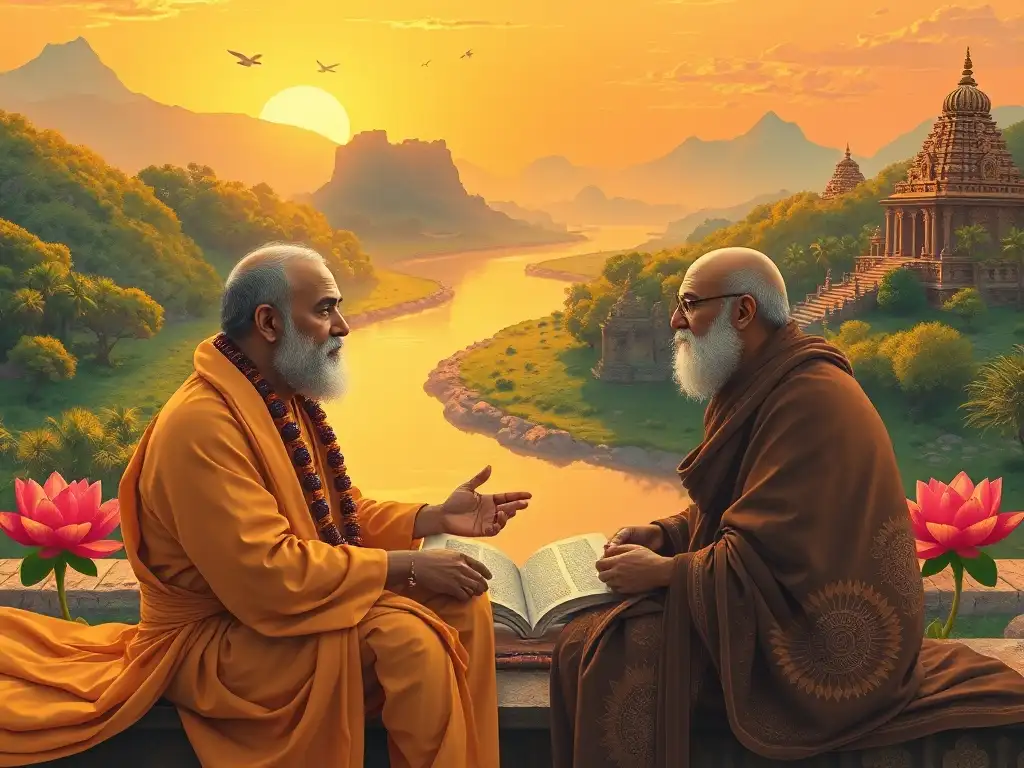
The legacy of ancient Indian philosophers, particularly figures like Adi Shankaracharya and Ramanuja, is profound and enduring. Their contributions to philosophy, theology, and spirituality have significantly shaped not only Hindu thought but also the broader landscape of world philosophy. Through their teachings, they provided frameworks for understanding the nature of reality, the self, and the divine, influencing countless generations of thinkers and practitioners. Their works continue to resonate in contemporary discussions on philosophy, ethics, and spirituality.
As custodians of a rich philosophical tradition, these philosophers have left behind a treasure trove of texts and ideas that encourage inquiry, debate, and reflection. The dialectical methods employed by Shankaracharya, particularly in his Advaita Vedanta, challenge individuals to explore the nature of existence and consciousness. On the other hand, Ramanuja's Vishishtadvaita offers a more theistic approach, emphasizing devotion and the personal relationship between the individual soul and God. Together, they represent a spectrum of thought that enriches the philosophical discourse, allowing for diverse interpretations and practices within Hinduism and beyond.
Summarizing the Contributions of Adi Shankaracharya and Ramanuja
Adi Shankaracharya's contributions are monumental in the realm of Advaita Vedanta, where he articulated the concept of non-dualism. His key works, including the Brahma Sutra Bhashya, Upadesa Sahasri, and various commentaries on the Upanishads, elucidate the idea that the ultimate reality (Brahman) is the only truth, and the material world is an illusion (Maya). Shankaracharya's emphasis on self-realization and the pursuit of knowledge has inspired countless seekers on the path to enlightenment. His establishment of monastic orders and centers of learning further ensured the propagation of his philosophical teachings across India.
In contrast, Ramanuja’s contributions lie in his formulation of Vishishtadvaita, or qualified non-dualism. He emphasized the significance of devotion (Bhakti) and the personal connection between the devotee and God, especially through his seminal text, the Sri Bhashya. Ramanuja’s philosophy advocates for a loving relationship with the divine, which has had a lasting impact on the Bhakti movement and the development of devotional practices in Hinduism. His teachings encouraged inclusivity and accessibility in spiritual life, making philosophy approachable for the layperson. Together, these philosophers embody a dual legacy of intellectual rigor and devotional depth, shaping the spiritual landscape of India.
The Importance of Preserving Ancient Indian Philosophical Heritage
Preserving the philosophical heritage of ancient India is crucial for several reasons. Firstly, it provides contemporary society with a wealth of knowledge and insights that can address modern dilemmas and ethical challenges. The teachings of philosophers like Shankaracharya and Ramanuja offer frameworks for understanding complex issues such as identity, consciousness, and the nature of existence. By studying their contributions, we can find guidance on how to navigate the intricacies of life.
Secondly, the preservation of this heritage fosters a sense of cultural identity and continuity. Ancient Indian philosophy represents a critical component of India's spiritual and intellectual history, which has influenced various aspects of life, including art, literature, and social structures. By maintaining and transmitting this knowledge, we honor the legacy of our ancestors and enrich our understanding of the present.
Lastly, engaging with ancient Indian philosophical texts and ideas can promote dialogue among diverse cultures and philosophies. In a globalized world, the insights derived from these ancient teachings can facilitate cross-cultural exchanges and mutual understanding. Thus, preserving this philosophical heritage is not just an academic endeavor; it is an essential part of nurturing a more harmonious and enlightened society.
- Introduction to Ancient Indian Philosophers and Their Contributions
- Understanding the Significance of Ancient Indian Philosophy
- Overview of Key Philosophers: Adi Shankaracharya and Ramanuja
- The Philosophical Landscape of Ancient India
- Adi Shankaracharya: The Proponent of Advaita Vedanta
- Ramanuja: A Champion of Vishishtadvaita
- Comparative Analysis of Shankaracharya and Ramanuja
- The Enduring Impact of Ancient Indian Philosophers
- Conclusion: The Lasting Legacy of Ancient Indian Philosophers
- Summarizing the Contributions of Adi Shankaracharya and Ramanuja
- The Importance of Preserving Ancient Indian Philosophical Heritage
- What were the main contributions of ancient Indian philosophers?
- Who were Adi Shankaracharya and Ramanuja?
- How did these philosophers influence modern thought?
- What role did the Indus Valley Civilization play in philosophical development?
- How can one study the contributions of ancient Indian philosophers today?
Frequently Asked Questions
What were the main contributions of ancient Indian philosophers?
Ancient Indian philosophers made significant contributions to metaphysics, ethics, and logic, shaping various schools of thought like Advaita Vedanta and Vishishtadvaita.
Who were Adi Shankaracharya and Ramanuja?
Adi Shankaracharya was a pivotal figure known for promoting Advaita Vedanta, while Ramanuja emphasized Vishishtadvaita, highlighting the importance of devotion in understanding the divine.
How did these philosophers influence modern thought?
The teachings of ancient Indian philosophers have had a lasting impact on modern philosophy, spirituality, and religious practices, providing frameworks for understanding existence and consciousness.
What role did the Indus Valley Civilization play in philosophical development?
The Indus Valley Civilization laid the groundwork for spiritual and philosophical ideas that evolved in ancient India, influencing later thinkers in their quest for knowledge and truth.
How can one study the contributions of ancient Indian philosophers today?
To explore the contributions of ancient Indian philosophers, one can read classical texts, attend lectures, or engage with scholarly discussions that focus on their philosophical doctrines and relevance today.
Final Reflection: The Enduring Impact of Ancient Indian Philosophers
The contributions of ancient Indian philosophers remain profoundly relevant in today's world, as their insights into the nature of reality, ethics, and spirituality continue to shape contemporary thought. In an era where we grapple with existential questions and the search for meaning, the teachings of figures like Adi Shankaracharya and Ramanuja resonate deeply, reminding us of the timeless quest for knowledge and understanding that transcends cultural boundaries. Their legacies are not just historical artifacts; they are living philosophies that invite us to explore the depths of our own consciousness and the interconnectedness of all beings.
The influence of these ancient thinkers is palpable in various aspects of modern society, from the resurgence of interest in mindfulness and meditation to the ethical frameworks guiding our interactions with one another and the environment. Their teachings encourage us to cultivate compassion, seek truth, and embrace the diversity of thought that enriches our collective human experience. As the philosopher Ramanuja once said, The truth is one; the wise call it by many names.
This perspective fosters a spirit of inclusivity and understanding, which is essential in our increasingly polarized world.
As we reflect on the profound lessons imparted by these ancient sages, I invite you to consider how their philosophies can be integrated into your own life. Take a moment to explore the concepts of unity, compassion, and self-inquiry that they championed. How can you apply these teachings to navigate the complexities of modern existence? By embracing the wisdom of ancient Indian philosophers, we not only honor their legacy but also empower ourselves to contribute positively to the world around us. Let their insights inspire you to embark on your own journey of discovery and transformation.
Unveil the Wisdom of Ancient India!
Thank you for diving into the profound legacies left by illustrious thinkers like Adi Shankaracharya and Ramanuja. Your interest in their philosophies not only enriches your understanding but also connects you to a vast cultural heritage. Now, let’s embrace that legacy and take tangible steps to explore further!
Here’s how you can continue your journey of discovery:
- Delve deeper into their teachings: Choose a highly regarded book or an online lecture about the philosophies of Shankaracharya or Ramanuja and immerse yourself in their insights.
- Join a discussion group: Engage with fellow enthusiasts by participating in forums or local meet-ups where you can share insights and perspectives on ancient Indian philosophy.
- Share your insights: Write a brief reflection on what you’ve learned and share it on social media to inspire others about the relevance of these philosophies today.
What aspect of ancient Indian philosophy resonates most with you, and how do you plan to incorporate it into your life? Let's start the conversation!