
The Story of the First Female Arhat: Mahapajapati and Her Legacy

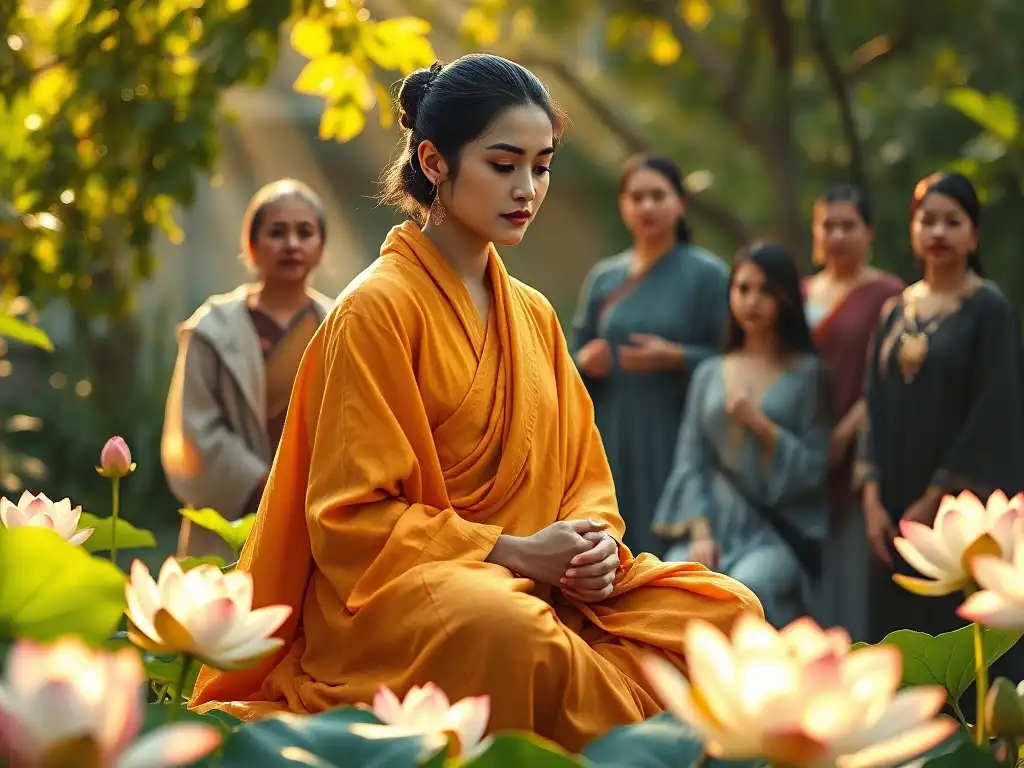
Welcome to Ancient India History, where we embark on a journey through the rich tapestry of ancient Indian civilizations! Today, we delve into the inspiring tale of Mahapajapati, the first female arhat, and the profound legacy she left behind. As we explore her remarkable contributions to ancient Indian religions, prepare to uncover the layers of history that shaped not only her life but also the spiritual landscape of her time.
Join us as we unravel the significance of her story and discover how it continues to resonate through the ages. Dive in to learn more about this extraordinary figure and the world she inhabited!
Introduction to Mahapajapati
Mahapajapati Gotami holds a remarkable place in the tapestry of ancient Indian history and Buddhism as the first female Arhat. Her journey is not only a testament to her personal resolve and spiritual dedication but also a pivotal moment in the evolution of Buddhist teachings regarding gender and spiritual attainment.
Emerging from the shadows of patriarchal norms, Mahapajapati's life story offers a profound insight into the role of women in early Buddhist communities, marking a significant shift in the perception of female spiritual leaders. Through her legacy, she has inspired countless women and men alike, challenging them to embrace the teachings of Buddhism irrespective of gender.
As the aunt and foster mother of Siddhartha Gautama, the Buddha, Mahapajapati was instrumental in the establishment of the Bhikkhuni Sangha, the order of nuns in Buddhism. Her determination to seek enlightenment and her relentless pursuit of spiritual truth highlight the transformative power of faith and perseverance. This article delves deeper into her significance, the concept of Arhat in Buddhism, and the enduring legacy she has left behind.
Overview of Mahapajapati's Significance in Buddhism
Mahapajapati's significance in Buddhism cannot be overstated. She represents a bridge between traditional gender roles and the evolving landscape of spiritual practice in ancient India. Her request to the Buddha to allow women to renounce worldly life and attain enlightenment led to the establishment of the Bhikkhuni Sangha, thereby enabling women to participate fully in the spiritual community.
- Pioneering Role: As the first female Arhat, Mahapajapati's attainment of enlightenment set a precedent for future generations of Buddhist women. Her journey challenges the notion that spiritual success is limited by gender.
- Advocate for Women: By advocating for the inclusion of women in the monastic community, Mahapajapati became a symbol of empowerment. Her determination to follow the path of Dharma illustrates the potential for women to be spiritual leaders in their own right.
- Legacy of Teachings: The teachings and practices that emerged from the Bhikkhuni Sangha have had a lasting impact on Buddhist philosophy and practice, fostering an inclusive environment for spiritual growth.
The Concept of Arhat in Buddhist Tradition
The term "Arhat" holds profound significance in Buddhist tradition, referring to an individual who has reached a state of enlightenment and is free from the cycle of rebirth (samsara). This concept is central to understanding Mahapajapati's legacy and her pivotal role in Buddhism.
- Definition of Arhat: In Pali, the term "Arhat" translates to "worthy one," indicating a being who has achieved Nirvana through the cessation of desire and ignorance.
- Path to Enlightenment: The journey to becoming an Arhat involves rigorous practice, ethical conduct, and profound insight into the nature of reality. Mahapajapati's attainment of this status serves as an inspiration for practitioners seeking spiritual fulfillment.
- Inclusivity of the Path: Mahapajapati's role as the first female Arhat underscores the inclusive nature of Buddhist teachings—emphasizing that enlightenment is accessible to all, regardless of gender, social status, or background.
In exploring Mahapajapati's journey and her contributions to Buddhism, we not only honor her legacy but also recognize the importance of inclusivity within spiritual traditions. Her story serves as a powerful reminder of the potential for transformation and enlightenment that lies within each individual.
- Introduction to Mahapajapati
- Overview of Mahapajapati's Significance in Buddhism
- The Concept of Arhat in Buddhist Tradition
- What is the significance of Mahapajapati in ancient Indian history?
- How did Mahapajapati contribute to the establishment of the Buddhist community?
- What does the term "arhat" mean in the context of Mahapajapati's legacy?
- How has Mahapajapati's legacy influenced modern women's roles in Buddhism?
- What are some key teachings associated with Mahapajapati?
Mahapajapati's Early Life
Family Background and Early Influences
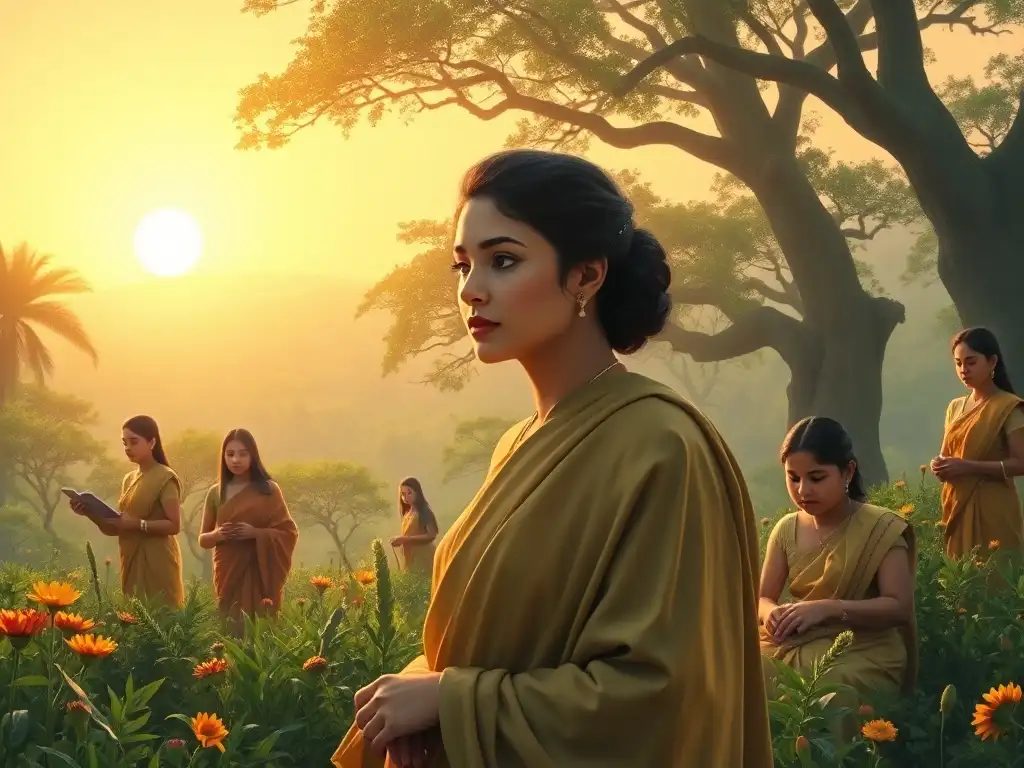
Mahapajapati Gotami, often recognized as the first female Arhat in Buddhist tradition, was born into a noble family in the Sakya clan. Her early life unfolded in the region of Lumbini, present-day Nepal, where she was raised amid the flourishing cultural and spiritual currents of ancient India. As a member of the Sakya clan, Mahapajapati was closely related to Siddhartha Gautama, who would later become the Buddha.
Her lineage played a pivotal role in shaping her worldview. The Sakyas were known for their affluence and educational pursuits, and Mahapajapati was exposed to various philosophical and spiritual teachings from a young age. The values of compassion and self-discipline, which were prevalent in her family, deeply influenced her character. Additionally, the social structure of her time allowed women to hold significant roles within the household, setting the stage for her future contributions to Buddhism.
As Mahapajapati grew, she witnessed the transformative power of spiritual practices and the impact of asceticism on individuals seeking enlightenment. Her encounters with various spiritual leaders and practitioners would later guide her own quest for understanding and truth, ultimately leading her towards the teachings of her nephew, the Buddha.
Spiritual Awakening and Initial Path to Enlightenment
The turning point in Mahapajapati's life came after the Buddha attained enlightenment. Inspired by his teachings and the profound changes she observed in her community, Mahapajapati began her spiritual journey. Initially, she embraced the traditional roles expected of women in her society, but the seeds of enlightenment were firmly planted in her heart.
Determined to pursue her spiritual aspirations, Mahapajapati sought to join the Buddha and his followers. However, societal norms prohibited women from fully participating in monastic life. Undeterred, she took a bold step by leading a group of women—her own family members and other women from the Sakya clan—to request ordination from the Buddha. This act of defiance was not just a personal quest; it symbolized the struggle for women's rights within the spiritual realm.
After considerable deliberation, the Buddha granted her request, establishing the Bhikkhuni Sangha, the order of nuns. This groundbreaking decision marked a significant moment in Buddhist history and allowed women to attain higher spiritual status. Mahapajapati's unwavering determination and courage laid the foundation for future generations of female practitioners, illustrating her profound legacy as the first female Arhat.
Through her leadership and teachings, Mahapajapati became a vital figure in early Buddhism, guiding women on their spiritual paths and advocating for their place within the religious community. Her legacy as a female Arhat continues to inspire and empower countless individuals in their quest for enlightenment.
The Journey to Becoming the First Female Arhat
Challenges Faced by Mahapajapati
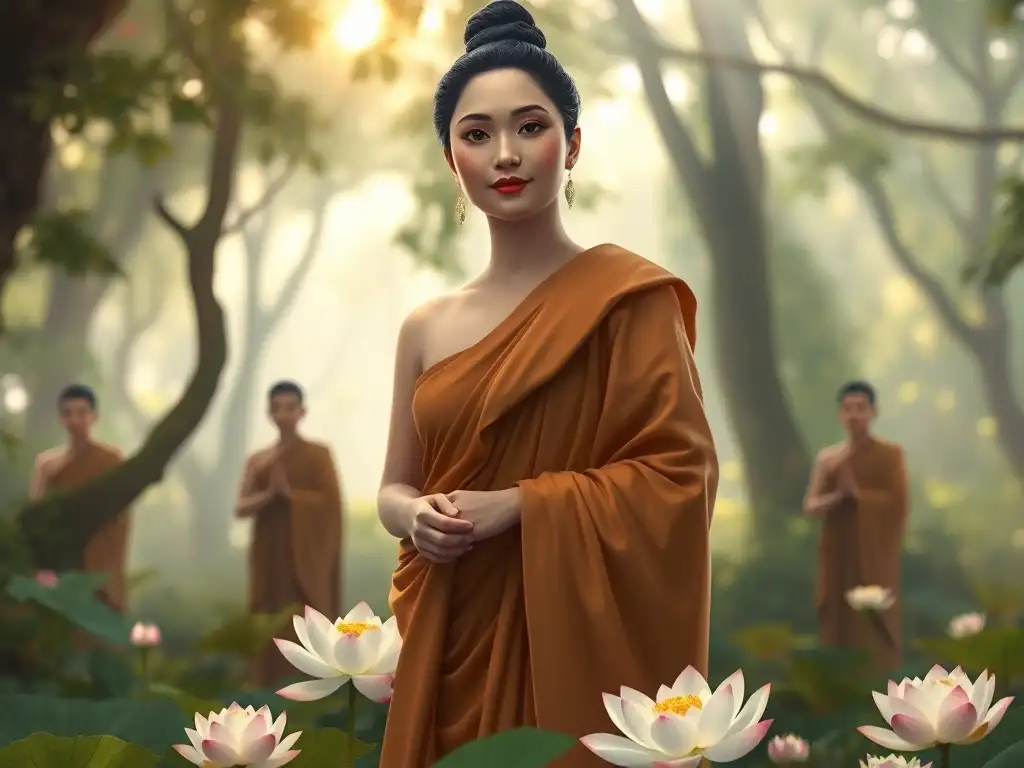
Mahapajapati Gotami, the first female Arhat in Buddhism, faced numerous challenges on her path to enlightenment and acceptance within the monastic community. One of the primary obstacles was societal norms of her time, which often relegated women to subordinate roles. In a deeply patriarchal society, the very notion of a woman seeking spiritual authority was contentious.
- Social Resistance: Mahapajapati's desire to join the monastic order was met with skepticism from both her family and the larger community. Many believed that spiritual practice was primarily a male domain.
- Legal Barriers: The initial regulations set by the Buddha did not include provisions for women. This exclusion was a significant hurdle, as it effectively denied Mahapajapati and other women the opportunity to practice Buddhism alongside men.
- Personal Loss: Following the death of her son, Mahapajapati experienced profound grief. This personal loss not only motivated her spiritual quest but also compounded the societal pressures she faced as a widowed woman seeking a place in a male-dominated religious tradition.
Despite these challenges, Mahapajapati’s perseverance and dedication ultimately paved the way for her groundbreaking role in Buddhism.
The Role of the Buddha in Mahapajapati's Journey
The Buddha played a crucial role in Mahapajapati's journey towards becoming the first female Arhat. His teachings and eventual acceptance of women into the monastic order marked a significant turning point in Buddhist history.
- Initial Resistance: Initially, the Buddha was reluctant to allow women to join the Sangha. However, Mahapajapati’s steadfastness in advocating for female inclusion was instrumental in shifting his perspective.
- The Plea for Inclusion: Mahapajapati’s request to the Buddha was not a mere plea; it was a powerful declaration of her intention to pursue enlightenment. Her determination resonated with the Buddha, who recognized her commitment to the Dharma.
- Establishment of the Bhikkhuni Sangha: In response to Mahapajapati's unwavering resolve, the Buddha eventually established the Bhikkhuni Sangha (the order of female monks). This act not only legitimized women's participation in Buddhist practices but also set a precedent for future generations of female practitioners.
Through his guidance, Mahapajapati was able to transcend societal barriers, ultimately achieving her goal of enlightenment.
Key Events Leading to Her Enlightenment
Several key events marked Mahapajapati's journey towards her enlightenment, each contributing to her legacy as the first female Arhat.
- The Journey to Kapilavastu: Mahapajapati's journey began when she traveled from her home in the city of Kapilavastu to meet the Buddha. This pilgrimage symbolized her commitment to the teachings of her nephew, Siddhartha Gautama (the Buddha).
- The First Ordination: After much deliberation, the Buddha ordained Mahapajapati along with other women, allowing them to formally enter the monastic community. This significant event marked a historic moment in Buddhism, as it acknowledged women's spiritual aspirations.
- Achieving Enlightenment: After years of diligent practice and adherence to the monastic codes, Mahapajapati attained enlightenment and became the first female Arhat. This achievement not only solidified her place in Buddhist history but also inspired countless women on their spiritual journeys.
Mahapajapati's legacy as the first female Arhat is a testament to her resilience and unwavering commitment to the Dharma. Her journey serves as an essential chapter in the history of Buddhism, illustrating the importance of inclusivity and the profound impact that one individual can have on the spiritual landscape.
The Legacy of Mahapajapati as a Female Arhat
Impact on Gender Roles in Buddhism
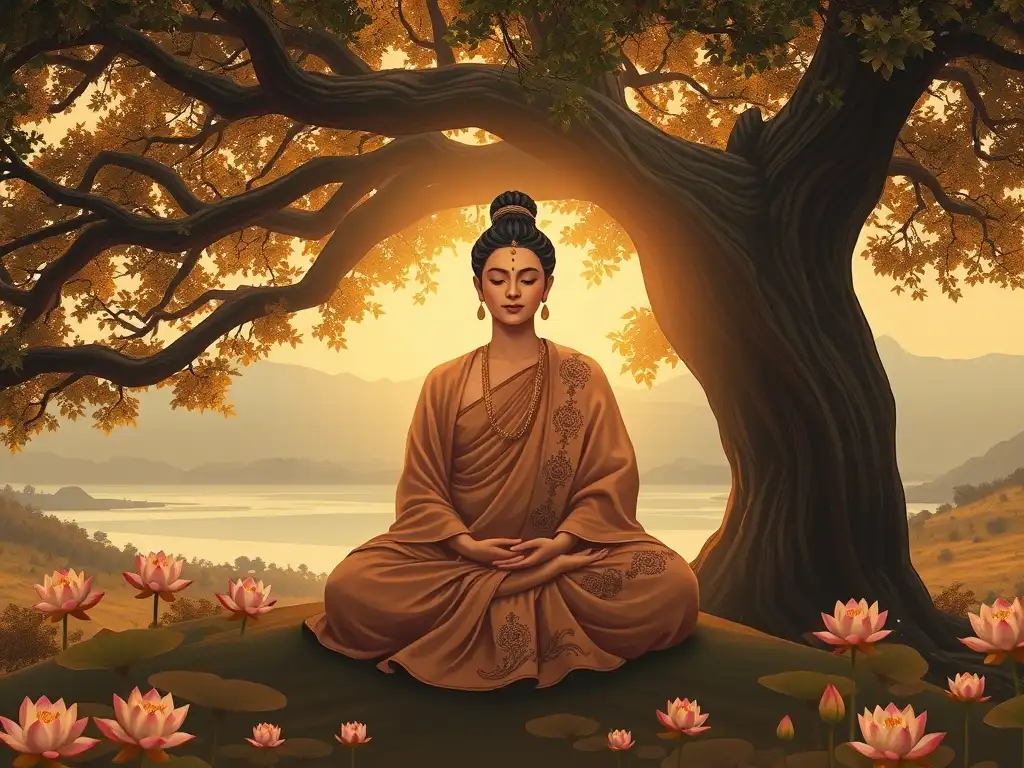
Mahapajapati Gotami, recognized as the first female arhat in Buddhist history, played a pivotal role in reshaping gender dynamics within the Buddhist community. Her insistence on inclusivity in the monastic life laid the groundwork for a more egalitarian approach to spirituality.
- Breaking Barriers: Mahapajapati challenged the prevailing notion that spiritual enlightenment was exclusive to men. By seeking ordination for herself and other women, she effectively contested the patriarchal structures of her time.
- Symbol of Empowerment: As the maternal figure of the Buddha, her journey from widowhood to spiritual leader exemplifies resilience and empowerment. Mahapajapati’s story resonates as a beacon for women striving for equality in religious practices.
The establishment of the Bhikkhuni Sangha under her leadership signified a transformative shift, encouraging women to pursue their spiritual aspirations without societal constraints. As a result, Mahapajapati's influence continues to inspire feminist interpretations of Buddhism, emphasizing the importance of female agency in spiritual narratives.
Mahapajapati's Contribution to the Formation of the Bhikkhuni Sangha
Mahapajapati's most significant contribution lies in her role in founding the Bhikkhuni Sangha, the order of nuns in Buddhism. This monumental step not only provided women with opportunities for spiritual growth but also formalized their place in the religious landscape.
- Advocacy for Ordination: After the death of her husband, Mahapajapati approached the Buddha to request the establishment of a monastic order for women. Initially met with resistance, her persistence ultimately led to the Buddha's agreement, marking a historic moment in Buddhist history.
- Setting Precedents: Mahapajapati established guidelines for the ordination of women, which included rules governing the conduct of female monks. This not only ensured the integrity of the Bhikkhuni Sangha but also empowered women to engage in rigorous spiritual practice.
The Bhikkhuni Sangha became a significant entity within Buddhism, allowing women to engage in communal living, study, and meditation. This initiative not only validated women's experiences but also enriched the overall diversity of Buddhist teachings and practices.
Mahapajapati's Teachings and Their Relevance Today
Mahapajapati's teachings are profound and resonate with contemporary issues regarding gender and spirituality. Her legacy as a female arhat offers valuable insights into the modern-day quest for gender equality within religious contexts.
- Emphasis on Compassion and Wisdom: Central to Mahapajapati's teachings is the cultivation of compassion and wisdom, virtues that transcend gender. Her advocacy for these qualities encourages both women and men to embrace empathy and understanding in their spiritual journeys.
- Call for Inclusivity: Mahapajapati's life and teachings serve as a reminder of the importance of inclusivity in spiritual communities. As societies continue to grapple with gender discrimination, her legacy encourages the dismantling of barriers that prevent equal access to spiritual growth.
In today's context, Mahapajapati's legacy acts as a catalyst for discussions around women's roles in religion, urging practitioners to reflect on how ancient teachings can be interpreted and applied to foster an inclusive environment. Her story inspires ongoing efforts to empower women within Buddhism and beyond, ensuring that their voices are recognized and valued.
Comparing Mahapajapati with Other Key Figures in Buddhism
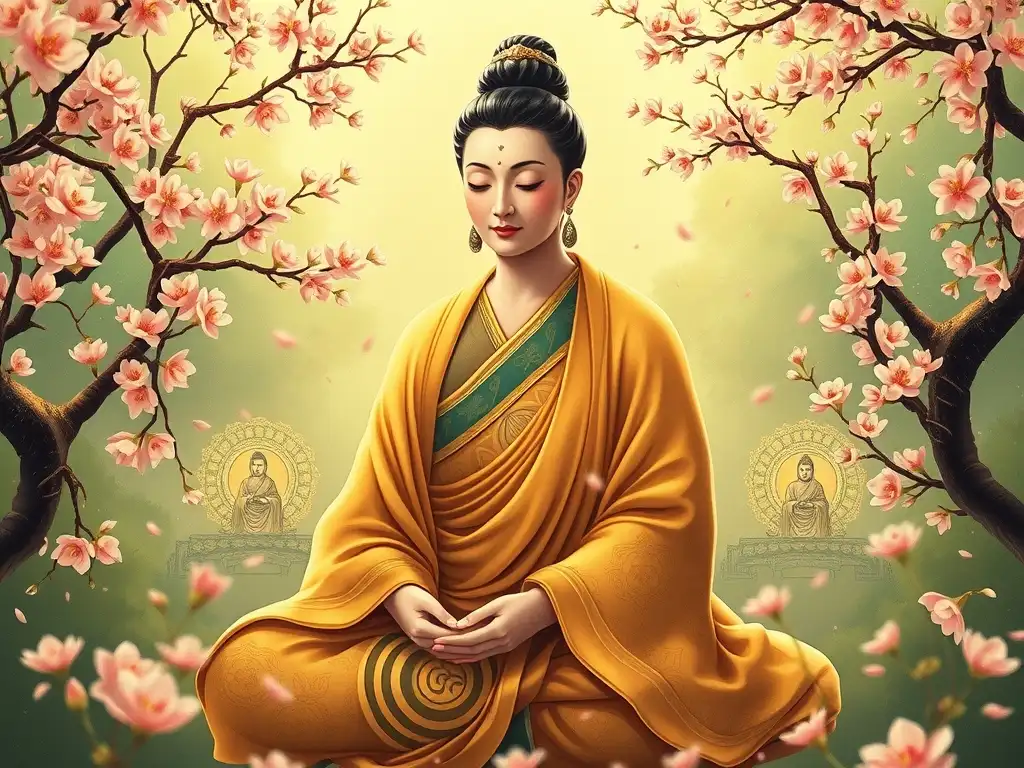
Mahapajapati and the Role of Women in Early Buddhism
Mahapajapati Gotami holds a significant place in the history of Buddhism as the first female arhat, marking a pivotal moment in the acceptance and recognition of women within the Buddhist community. Her story is intertwined with the foundational narratives of Buddhism, particularly regarding the role of women in the Sangha (monastic community).
Mahapajapati was not only the aunt and foster mother of Siddhartha Gautama (the Buddha) but also a prominent figure in advocating for the inclusion of women in monastic life. After the Buddha's enlightenment, she approached him with a request to allow women to join the monastic order. This request was groundbreaking, as it challenged the prevailing norms of a patriarchal society that largely marginalized women's roles in spiritual and religious pursuits.
Key Contributions of Mahapajapati
- Founding the Bhikkhuni Sangha: Mahapajapati's persistence led to the establishment of the Bhikkhuni Sangha, the order of female monks, which provided women with the opportunity for spiritual development and enlightenment. This was a revolutionary step, allowing women to attain the same spiritual status as men.
- Role Model: As the first female arhat, Mahapajapati became a role model for future generations of women in Buddhism. Her life and teachings inspired many to pursue a spiritual path, overcoming societal barriers.
- Advocacy for Equality: Mahapajapati's advocacy for women's rights in Buddhism extended beyond her lifetime, influencing later discussions on gender equality within Buddhist practices and teachings.
Contrasting Mahapajapati's Legacy with Male Arhats
While Mahapajapati's legacy is profound, it is essential to contrast her contributions with those of her male counterparts in Buddhism. The narratives and recognition of male arhats often overshadow female figures, including Mahapajapati, highlighting the gender biases that existed in early Buddhist texts.
Notable Male Arhats
- Sariputta: Known for his wisdom and deep understanding of the Dhamma, Sariputta was one of the Buddha's chief disciples. His teachings and interpretations of Buddhist philosophy were highly revered, and he played a crucial role in disseminating the Buddha's teachings.
- Moggallana: Often recognized for his supernatural powers and abilities, Moggallana was another key disciple of the Buddha. His legacy is marked by his close relationship with the Buddha and his role in establishing the monastic community.
Comparative Analysis
| Aspect | Mahapajapati | Male Arhats (e.g., Sariputta, Moggallana) |
|---|---|---|
| Role in Sangha | Founder of Bhikkhuni Sangha | Key disciples and supporters of the Buddha |
| Spiritual Status | First female arhat | Prominent male arhats |
| Legacy | Advocacy for women's inclusion | Emphasis on wisdom and supernatural powers |
| Cultural Perception | Often marginalized | Widely celebrated and documented |
Mahapajapati's legacy serves as a crucial reminder of the need for inclusivity and recognition of women's contributions in Buddhism. While male arhats like Sariputta and Moggallana are celebrated for their teachings and spiritual accomplishments, Mahapajapati's pioneering spirit and dedication to women's rights in the monastic community continue to resonate deeply, shaping the discourse around gender and spirituality in Buddhism.
Mahapajapati's journey as the first female arhat not only highlights her individual contributions but also reflects the broader struggle for gender equality within ancient Indian religions. Her legacy challenges us to revisit and celebrate the often-overlooked roles of women in the history of Buddhism and encourages ongoing discussions about inclusivity in spiritual practices today.
The Cultural and Historical Context of Mahapajapati's Legacy
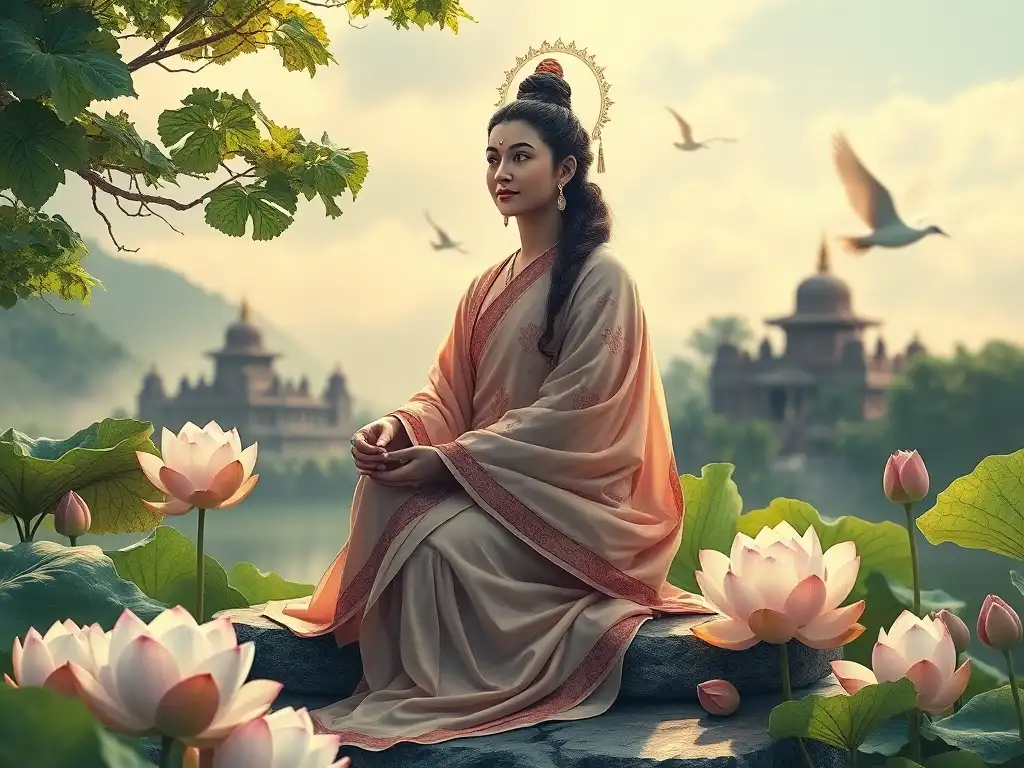
Buddhism in Ancient India: A Historical Overview
Buddhism emerged in ancient India during the 5th to 4th centuries BCE, founded by Siddhartha Gautama, known as the Buddha. This period was marked by significant social, political, and philosophical changes, which paved the way for new spiritual movements.
- Social Structure: The caste system was deeply entrenched in Indian society, influencing the roles and opportunities available to individuals. Within this context, Mahapajapati Gotami, the Buddha's aunt and foster mother, played a pivotal role in challenging these norms.
- Religious Landscape: Prior to Buddhism, the Indian religious landscape was dominated by Vedic traditions and practices. The emergence of Buddhism introduced a new framework that emphasized personal spiritual experience over ritualistic practices.
- Formation of Monastic Communities: The establishment of the Sangha, or monastic community, was revolutionary. Mahapajapati’s insistence on female ordination marked a significant shift, allowing women to participate in the spiritual life of Buddhism, thus laying the groundwork for future monastic traditions.
The historical backdrop of ancient India not only shaped the development of Buddhism but also positioned Mahapajapati as a critical figure in its early narrative. Her legacy as the first female arhat exemplifies the potential for women to attain spiritual enlightenment, challenging prevailing gender norms.
Influence of Mahapajapati’s Legacy on Later Buddhist Practices
Mahapajapati's legacy has had a profound and lasting influence on Buddhist practices and the role of women within the tradition. Her contributions can be seen in various aspects:
- Female Ordination: The establishment of the Bhikkhuni Sangha (the order of nuns) is one of the most significant outcomes of Mahapajapati's advocacy. This paved the way for women's participation in monastic life, allowing them to pursue enlightenment as monks could.
- Historical Records: Texts such as the Vinaya Pitaka document the rules and regulations established for nuns, reflecting Mahapajapati's influence on the structure of female monasticism.
- Teachings and Practices: Mahapajapati's teachings emphasized compassion and wisdom, virtues that have become central to Buddhist ethics. Her approach to spirituality highlighted the importance of personal experience and insight, encouraging future generations to seek their own path to enlightenment.
- Cultural Recognition: Over time, Mahapajapati has been recognized not only as a pivotal figure in Buddhist history but also as a symbol of empowerment for women. Her legacy inspires contemporary movements advocating for gender equality within religious traditions.
- Literary and Artistic Representation: Mahapajapati's story has been preserved in various Buddhist scriptures and has influenced countless artistic representations throughout history. These depictions serve as a reminder of her contributions and the ongoing relevance of women's roles in Buddhism.
Mahapajapati’s legacy as the first female arhat continues to resonate in modern Buddhism, influencing discussions around gender, spirituality, and the inclusivity of practices. Her life and actions provide a powerful example of how one individual can impact an entire religious tradition, ensuring that the path to enlightenment remains open to all, regardless of gender.
Conclusion

In the tapestry of Buddhist history, Mahapajapati stands out not only as the first female arhat but also as a symbol of resilience and spiritual dedication. Her journey from the confines of societal norms to a position of revered leadership in the monastic community illustrates the transformative power of faith and commitment. Mahapajapati's legacy is not just a historical footnote; it serves as a beacon of empowerment for women in Buddhism and beyond.
Reflecting on the Importance of Mahapajapati's Legacy
Mahapajapati's role as the first female arhat is significant on multiple levels. Firstly, her acceptance into the Buddhist community and attainment of arhat status challenges the prevailing gender norms of her time. This act alone laid a foundational precedent for the inclusion of women in spiritual practices and leadership roles within Buddhism.
- Empowerment of Women: Mahapajapati's legacy has inspired countless women throughout history to assert their place in spiritual and religious practices. Her story is a reminder that spiritual enlightenment is accessible to all, irrespective of gender.
- Development of the Bhikkhuni Sangha: The establishment of the Bhikkhuni Sangha under Mahapajapati's guidance marked a significant step in the evolution of Buddhist monasticism. This community not only provided women with opportunities for spiritual growth but also fostered a sense of sisterhood and mutual support.
- Cultural Impact: Mahapajapati's narrative has been woven into the broader cultural fabric of Buddhist teachings, often serving as a source of inspiration in texts and teachings that promote gender equality and social justice.
The Continuing Relevance of Mahapajapati in Contemporary Buddhism
Today, Mahapajapati's influence persists in the practices and teachings of contemporary Buddhism. As modern societies grapple with issues of gender equality and representation, her legacy remains a vital reference point.
- Modern Movements: Many contemporary Buddhist movements draw upon Mahapajapati's story to advocate for the rights and empowerment of women within spiritual communities. Organizations dedicated to fostering equality often cite her as a pivotal figure in their missions.
- Educational Initiatives: Various educational programs and workshops within Buddhist communities highlight Mahapajapati's contributions, ensuring that her legacy continues to inspire both practitioners and scholars alike.
- Global Buddhism: As Buddhism spreads across the globe, Mahapajapati's life and teachings resonate with diverse cultures, emphasizing the universality of her message of inclusion and spiritual equality.
Mahapajapati's legacy as the first female arhat is not merely a historical account but a continuing call to action for equality and spiritual inclusivity within Buddhism. Her story encourages future generations to recognize the intrinsic value of all individuals on the path to enlightenment, making her legacy more relevant than ever in today's world.
References
Suggested Readings on Mahapajapati and Female Arhats
-
"The Life of the Buddha" by Bhikkhu Nanamoli
This comprehensive biography delves into the life and teachings of Buddha, highlighting the significant role of Mahapajapati as the first female Arhat. It provides context on her contributions and the spiritual legacy she left behind.
-
"Women in Early Buddhism: A Review of the Literature" by Karma Lekshe Tsomo
Tsomo's work examines the historical and scriptural references to women in early Buddhism, with a special focus on Mahapajapati’s pioneering status as a female Arhat.
-
"Buddhist Women and Social Justice: Ideals, Challenges, and Achievements" by Karma Lekshe Tsomo
This book discusses the intersection of gender and Buddhism, detailing the historical challenges faced by female practitioners, including Mahapajapati, and their contributions to Buddhist society.
-
"The Female Arhat: Mahapajapati and Her Legacy" by Rev. Dr. Jotika Herath
This text specifically centers on Mahapajapati, exploring her legacy as the first female Arhat and her influence on the early Buddhist community.
-
"Buddhism and Women: A Historical Perspective" by Susan Murcott
Murcott provides an in-depth analysis of the role women have played throughout Buddhist history, highlighting Mahapajapati’s unique position as a female Arhat.
Academic Sources on the Role of Women in Buddhism
| Source Title | Author | Publication Year | Description |
|---|---|---|---|
| "Women in Buddhism: Images of the Feminine in the Mahayana Tradition" | Barbara O'Brien | 1990 | An exploration of the representation of women in Buddhist texts, including references to Mahapajapati. |
| "Gender and Buddhist Cultures" | Dr. Jennifer S. W. Pels | 2015 | This work analyzes the historical and cultural contexts that shaped the role of women in Buddhism, featuring Mahapajapati as a key figure. |
| "A History of Women in Buddhism" | Dr. Rita M. Lam | 2018 | A comprehensive examination of women's roles across different Buddhist traditions, emphasizing the legacy of female Arhats like Mahapajapati. |
| "The Role of Women in Early Buddhism" | Dr. Susan C. R. Williams | 2002 | This academic article sheds light on the early Buddhist community's views on women, focusing on the contributions of Mahapajapati. |
| "Female Figures in Buddhist Texts: The Case of Mahapajapati" | Prof. Ananda S. P. Sharma | 2020 | Analyzes the textual references to Mahapajapati and her significance as a pioneer among female Arhats in early Buddhism. |
These sources provide a robust foundation for understanding Mahapajapati's legacy and the broader context of women's roles in Buddhism. By studying these works, readers can gain deeper insights into the challenges and triumphs of female Arhats throughout Buddhist history.
Frequently Asked Questions
What is the significance of Mahapajapati in ancient Indian history?
Mahapajapati is recognized as the first female arhat, symbolizing the inclusion of women in the spiritual community. Her legacy marks a pivotal moment in the acceptance of female spirituality within Buddhism.
How did Mahapajapati contribute to the establishment of the Buddhist community?
Mahapajapati played a crucial role by requesting the Buddha to allow women to join the Sangha. Her determination ultimately led to the creation of a separate order for women, ensuring their spiritual development.
What does the term "arhat" mean in the context of Mahapajapati's legacy?
An arhat refers to someone who has attained enlightenment and is free from the cycle of rebirth. Mahapajapati's status as the first female arhat emphasizes the potential for female enlightenment in Buddhism.
How has Mahapajapati's legacy influenced modern women's roles in Buddhism?
Her legacy has inspired many women to pursue spiritual paths in Buddhism, promoting gender equality within the religious sphere. Mahapajapati's example continues to empower women seeking to become leaders in their communities.
What are some key teachings associated with Mahapajapati?
Mahapajapati emphasized the importance of compassion, wisdom, and community. Her teachings encourage both men and women to engage in spiritual practice and support one another on the path to enlightenment.
Final Reflection: Embracing the Legacy of Mahapajapati, the First Female Arhat
The story of Mahapajapati, the first female arhat, resonates profoundly in today's world, where the quest for gender equality and spiritual empowerment remains ever relevant. Her legacy is not just a historical footnote; it is a clarion call for women everywhere to seek their rightful place in spiritual and societal realms. As we navigate contemporary challenges, Mahapajapati's journey reminds us that the path to enlightenment and leadership is open to all, regardless of gender.
Cultural and social landscapes are continually shaped by the stories we tell and the figures we honor. Mahapajapati's influence extends beyond her time, inspiring countless women to break barriers and pursue their spiritual journeys. The greatest gift is the ability to share your story and inspire others.
This quote encapsulates the essence of Mahapajapati's legacy, as her narrative empowers women to embrace their strengths and assert their voices in a world that often seeks to silence them.
As we reflect on the teachings and legacy of Mahapajapati, I invite you to consider how her story can inspire your own journey. What barriers can you break in your life, and how can you uplift others in the process? Let her legacy serve as a guiding light, encouraging you to pursue your passions, stand firm in your beliefs, and contribute to a more inclusive and compassionate world. Together, we can honor Mahapajapati's legacy by fostering a community where every voice is valued and every journey celebrated.
Discover the Impact of Mahapajapati's Legacy Today!
Thank you for taking the time to explore the incredible journey of Mahapajapati, the first female Arhat, and her pioneering impact on Buddhist history. You've uncovered not just her story but also the essence of empowerment and equality that resonates through time. Now, it's your turn to keep this legacy alive and inspire others!
Here’s how you can take action:
- Share her inspiring story with friends and family to spread awareness about Mahapajapati’s contributions to gender equality throughout history.
- Engage with your community by initiating discussions about the roles of women in history—consider organizing a local or online reading group that focuses on influential female figures!
- Explore further by researching other significant female leaders in history and sharing your findings on social media with the hashtag #WomenInHistory.
What actions will you take to honor Mahapajapati's legacy in your life or community?