
The Influence of Ancient Inscriptions on Indian Literature


Welcome to Ancient India History, where we embark on a mesmerizing journey through the rich tapestry of ancient Indian civilizations. Dive deep into the intriguing world of ancient Indian inscriptions and discover how they have profoundly shaped not only literature but also the very essence of culture and identity. In our featured article, "The Influence of Ancient Inscriptions on Indian Literature," we unravel the significance of these historical treasures and their enduring impact.
Prepare to be captivated as we unveil stories etched in stone and ink, inviting you to explore the profound connections that span centuries. Your adventure into the past begins here!
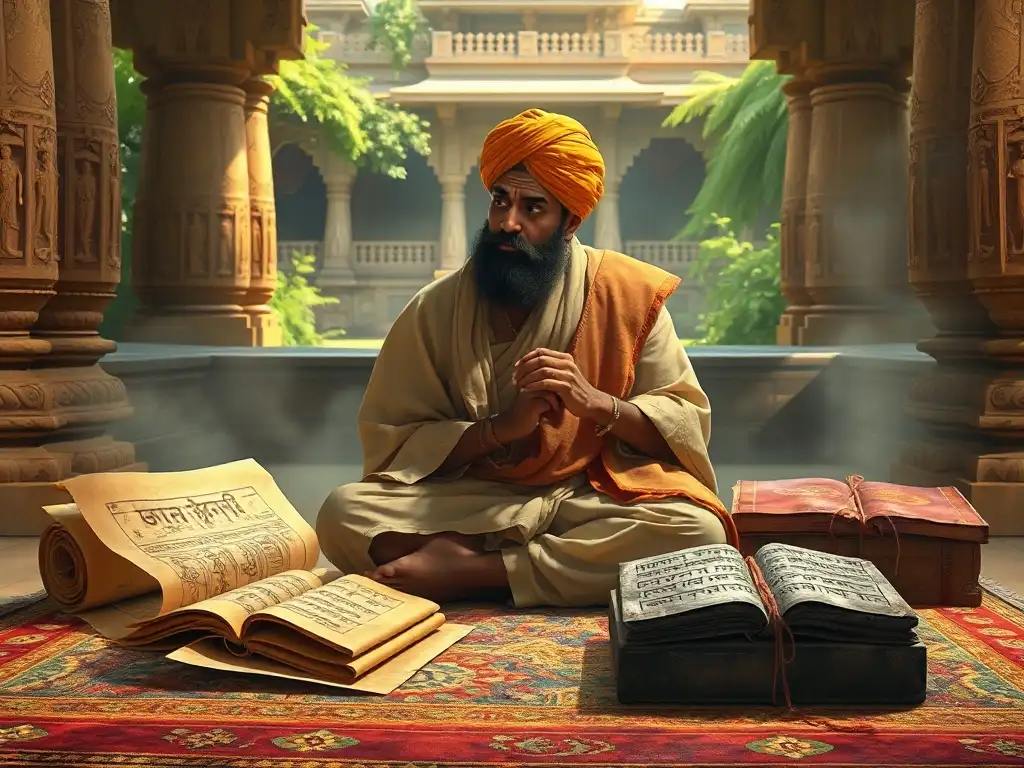
Ancient Indian inscriptions serve as a fascinating window into the rich tapestry of Indian civilization, revealing the intricate interplay between language, culture, and history. These inscriptions, etched in stone or metal, not only provided a medium for communication but also played a pivotal role in shaping the literary landscape of ancient India.
Through the examination of these texts, we can uncover the profound influence they had on the development of Indian literature, reflecting the values, beliefs, and artistic expressions of their time. This exploration of ancient Indian inscriptions will shed light on their significance, the historical context in which they were created, and their lasting impact on literary traditions.
Introduction to Ancient Indian Inscriptions
Definition and Importance of Inscriptions in Ancient India
Inscriptions in ancient India refer to written records that were inscribed on durable materials such as stone, metal, and pottery. These artifacts are invaluable for understanding the socio-political and cultural dynamics of ancient civilizations. The importance of inscriptions can be highlighted through several key points:
- Historical Documentation: Inscriptions serve as primary sources, documenting historical events, royal decrees, and societal norms.
- Cultural Insights: They provide insights into the languages, scripts, and literary styles prevalent during different periods, revealing the evolution of Indian literature.
- Religious Significance: Many inscriptions contain religious texts, offering glimpses into the spiritual beliefs and practices of ancient societies.
Overview of Major Ancient Indian Inscriptions
Numerous inscriptions have been unearthed across the Indian subcontinent, each contributing uniquely to our understanding of ancient history and literature. Some of the most significant include:
- Ashoka's Edicts: These inscriptions, inscribed by Emperor Ashoka during the 3rd century BCE, are crucial for understanding the spread of Buddhism and moral governance.
- The Allahabad Pillar Inscription: Commemorating the achievements of Emperor Samudragupta, this inscription provides insights into the political and cultural milieu of the Gupta period.
- The Junagadh Rock Inscription: This inscription by Rudradaman I highlights the importance of water conservation and public works during the early centuries CE.
Historical Context of Ancient Indian Inscriptions
The Role of Inscriptions in Documenting History
Inscriptions were integral to the governance and administration of ancient Indian empires. They served as official records that helped maintain order and communicate important information to the populace. Key roles include:
- Legal Records: Many inscriptions documented laws, land grants, and treaties, forming the basis for legal systems.
- Cultural Preservation: They encapsulated the achievements of rulers and the ethos of societies, ensuring that cultural narratives were preserved for posterity.
Key Periods of Inscriptions in Ancient India
The evolution of inscriptions can be traced through distinct historical periods, each marked by unique linguistic and artistic developments:
- Indus Valley Civilization (c. 2600–1900 BCE): Early seals with symbols, though undeciphered, indicate a form of written communication.
- Maurya Period (c. 322–185 BCE): The use of Brahmi script became prominent, particularly in Ashoka's edicts.
- Gupta Empire (c. 320–550 CE): This era saw a flourishing of literature and inscriptions that showcased both artistic expression and administrative prowess.
The exploration of ancient Indian inscriptions reveals their profound influence on literature, providing a foundation for understanding the interplay between written records and cultural development throughout Indian history.
Ancient Indian Inscriptions: Sources of Literary Influence
Ancient Indian inscriptions serve as invaluable sources that illuminate the literary landscape of their time. These inscriptions, which range from edicts and proclamations to memorial stones and temple carvings, provide a glimpse into the socio-political and cultural milieu of ancient India. They not only document historical events but also reflect the thoughts, beliefs, and values of the societies that produced them. The language and style used in these inscriptions frequently influenced contemporary and later literary works, creating a rich tapestry of intertextuality that has shaped Indian literature over centuries.
The significance of these inscriptions lies in their multifaceted nature; they reveal the linguistic evolution and the artistic expressions of different eras. The script used, the choice of words, and the themes encapsulated within these inscriptions have left a lasting impact on the development of regional literatures. Scholars and poets often drew inspiration from these texts, leading to the creation of literary works that echoed the sentiments and ideas expressed in ancient inscriptions. Thus, the ancient Indian inscriptions can be viewed as a foundational element in the evolution of Indian literary traditions.
How Inscriptions Shaped Literary Themes
Inscriptions played a pivotal role in shaping the thematic elements of literature in ancient India. By documenting events such as victories, patronage of arts, and philosophical ideas, these inscriptions provided a fertile ground for literary exploration. Themes of valor, duty, and morality often found their way into epic poetry and prose, reflecting the values espoused in royal edicts and public proclamations.
For instance, the Ashoka Edicts, which emphasize the principles of Dharma, justice, and compassion, had a profound influence on the moral undertones of subsequent literary works. Writers and poets began to weave these ethical considerations into their narratives, thereby enriching the literature with philosophical depth. Furthermore, the use of specific metaphors and imagery in inscriptions has also inspired literary techniques, leading to a more complex and nuanced form of storytelling in texts like the Mahabharata and Ramayana.
Influence of Royal Edicts on Literary Narratives
Royal edicts, such as those issued by Emperor Ashoka, stand out as powerful instruments of literary influence. These edicts not only served administrative purposes but also acted as vehicles for disseminating cultural and moral values. The proclamations often highlighted the significance of social welfare, religious tolerance, and non-violence, themes that resonated deeply in the literary narratives of the time.
As a result, many authors incorporated these themes into their works to align with the prevailing sentiments of the era. For example, the notion of righteous kingship, derived from Ashoka's principles, can be seen reflected in the characterizations of monarchs in various literary texts. This alignment between royal ideology and literary expression helped to solidify the cultural narratives that celebrated ethical governance and societal responsibilities, thereby influencing not just literature but the moral fabric of Indian society.
Literary Works Inspired by Ancient Inscriptions
The impact of ancient inscriptions on literature is evident in numerous texts that have been influenced by the themes and styles encapsulated within these historical documents. From poetry to prose, the echoes of these inscriptions can be traced throughout the annals of Indian literature.
Notable Texts Influenced by Inscriptions
Several notable texts demonstrate the profound influence of ancient Indian inscriptions. For example, the Mahabharata, with its complex portrayal of duty (dharma) and righteousness, reflects ideological themes found in inscriptions from various dynasties. Similarly, classical Sanskrit dramas often echo the grand narratives inscribed on temple walls, which celebrate divine myths and historical achievements.
Another significant example is Kalidasa's Shakuntala, where the poetic elements echo the lyrical qualities of inscriptions found in temples dedicated to Shiva and Vishnu. The interplay between the inscriptional language and literary expression enriches the narrative fabric of these works, showcasing the enduring legacy of ancient inscriptions on Indian literature.
Case Studies of Specific Literary Pieces
To illustrate the influence of specific inscriptions on literary works, one can examine the Prakrit inscriptions from the Mauryan period, which inspired the Gatha Saptashati, a collection of verses in Prakrit. These verses reflect the themes of love, valor, and nature prominently found in contemporary inscriptions, showcasing how literary forms adapted to and were inspired by the inscriptions of their time.
Another case study can be drawn from the inscriptions of the Gupta Empire, which highlighted the flourishing of arts and literature. The literary works of this period, such as those by Aryabhata and Bhasa, reflect the cultural pride and intellectual pursuits celebrated in inscriptions, demonstrating how these historical documents not only chronicled events but also fueled the creative imagination of writers and poets.
Ancient Indian inscriptions have left an indelible mark on the landscape of Indian literature, shaping themes, narratives, and styles across centuries. Their influence remains a testament to the interconnectedness of history and literature in the rich tapestry of ancient Indian civilization.
The Linguistic Impact of Ancient Inscriptions
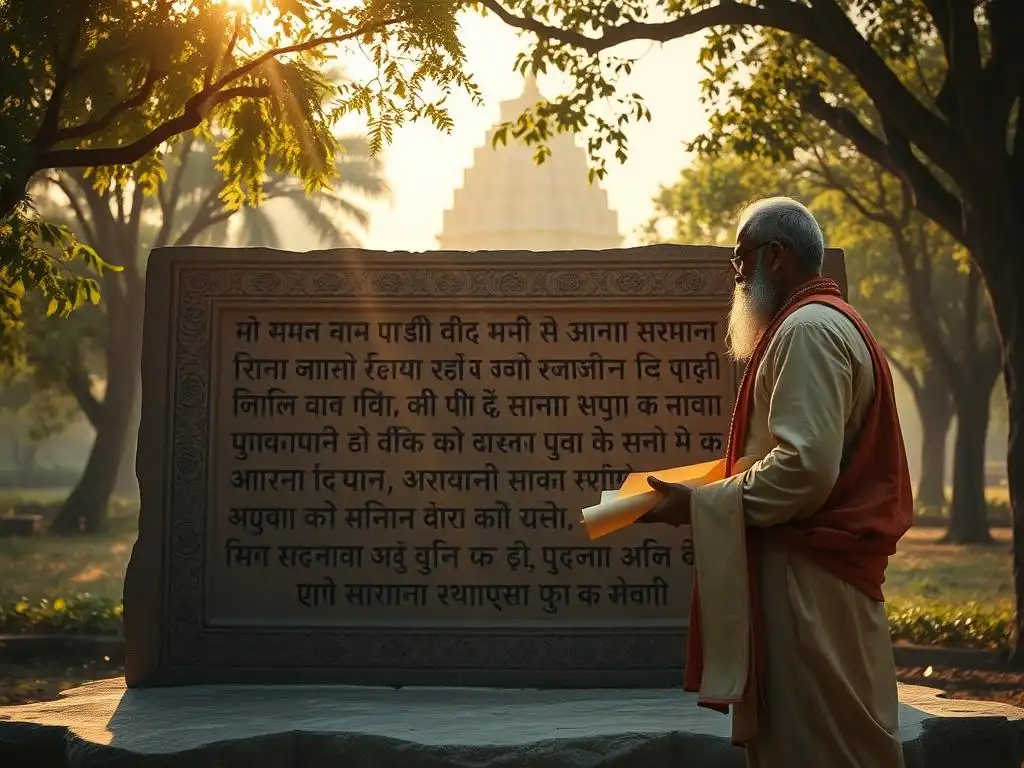
Ancient inscriptions serve as a vital link between the past and the present, particularly regarding the evolution of language in India. They provide invaluable insights into the linguistic landscape of ancient Indian civilizations, showcasing not only the languages spoken but also the dialects and literary styles that emerged over time. By examining these inscriptions, scholars can trace the development of various languages and understand how they influenced one another, shaping the rich tapestry of Indian literature.
Language Evolution through Inscriptions
The study of ancient inscriptions reveals a fascinating progression of language in India. Early inscriptions, such as those from the Indus Valley Civilization, predominantly used pictographic symbols that later evolved into more structured scripts like Brahmi and Kharosthi. These scripts formed the foundation for several modern Indian languages, including Hindi, Bengali, and Tamil.
For instance, inscriptions from the Mauryan period, particularly those of Ashoka, showcase the use of Prakrit languages, which contributed significantly to the simplification of Sanskrit. The inscriptions often employed a mix of formal and colloquial language, reflecting the spoken dialects of the time. This evolution highlights the dynamic nature of language and its adaptation to cultural and administrative needs, ultimately influencing literary expression in subsequent eras.
Dialects and Literary Styles Influenced by Inscriptions
Inscriptions not only document linguistic evolution but also illustrate the emergence of various dialects and literary styles. The regional variations in language found in inscriptions indicate the coexistence of multiple dialects, which enriched the literary landscape of ancient India.
For example, the use of local dialects in inscriptions often mirrored the folk traditions and oral narratives of the time, influencing writers and poets in their literary endeavors. This connection between inscriptions and literary styles fostered a diverse range of literary expressions, from the grandeur of epic poetry to the simplicity of folk tales. The variations in dialects and styles seen in ancient texts can be traced back to the influences captured in the inscriptions, showcasing their crucial role in shaping the literary heritage of India.
The Philosophical and Cultural Reflections in Literature
Ancient inscriptions are not merely linguistic artifacts; they also encapsulate the philosophical and cultural ethos of their time. The themes and ideas expressed in these inscriptions have profoundly influenced the philosophical discourse and cultural narratives found in Indian literature. By studying these inscriptions, one can discern the underlying values and beliefs that permeated ancient societies, which in turn shaped their literary outputs.
Religious and Ethical Themes Derived from Inscriptions
Many ancient inscriptions reflect the religious and ethical sentiments of the period, serving as a testament to the prevailing philosophical ideologies. For instance, the edicts of Emperor Ashoka emphasize the principles of Dharma, compassion, and moral conduct, which resonate deeply in later literary works.
These ethical themes are often mirrored in the writings of poets and playwrights, who drew inspiration from the moral dilemmas and religious teachings inscribed on stone. The incorporation of such themes into literature not only enriched the narrative depth but also provided a moral framework for society, emphasizing the importance of ethical behavior and spiritual growth.
The Influence of Inscriptions on Cultural Identity in Literature
Inscriptions have played a significant role in shaping cultural identity within Indian literature. They often reflect local customs, traditions, and historical narratives that contribute to a sense of belonging and cultural heritage. By chronicling significant events, achievements, and social structures, inscriptions offer a lens through which the cultural identity of ancient societies can be understood.
Writers and poets have utilized these inscriptions as sources of inspiration, weaving historical references and cultural elements into their works. This interplay between inscriptions and literature has fostered a rich narrative tradition that celebrates cultural diversity and continuity. As a result, the influence of ancient inscriptions extends beyond mere language, permeating the very fabric of Indian literary identity and enriching its cultural narrative.
Challenges in Interpreting Ancient Inscriptions and Their Literary Influence
Interpreting ancient inscriptions presents numerous challenges that significantly affect our understanding of their literary influence. These obstacles stem from a variety of factors, including the complexities of language, cultural context, and the physical condition of the inscriptions themselves. The difficulty in accurately translating and contextualizing these inscriptions has led to varying interpretations among scholars, which can further complicate our understanding of their impact on Indian literature.
Issues of Translation and Contextual Understanding
One of the primary challenges in interpreting ancient inscriptions is the issue of translation. Many inscriptions are written in languages that have evolved over centuries, such as Sanskrit, Prakrit, and Tamil. The nuances of these languages, including idiomatic expressions and regional dialects, often pose significant hurdles for translators. Furthermore, ancient texts may include references to cultural practices, beliefs, and historical events that are not immediately clear to modern readers.
Contextual understanding is equally vital. Inscriptions often reflect the social, political, and religious contexts of their time. Without a comprehensive understanding of these contexts, scholars may misinterpret the intent and significance of the text. For instance, inscriptions dedicated to deities may not only serve a religious purpose but also reflect the political power dynamics of the period. Thus, a lack of contextual insight can lead to a skewed perception of how these inscriptions influenced literary traditions.
The Role of Archaeologists and Epigraphists
Archaeologists and epigraphists play a critical role in deciphering ancient inscriptions and shedding light on their literary influence. Their expertise is essential in locating, preserving, and interpreting these inscriptions, which are often found in challenging environments such as temples, ruins, and archaeological sites.
Epigraphists, in particular, specialize in the study of inscriptions. They utilize a variety of techniques, including paleography (the study of ancient writing systems) and iconography (the study of symbols and images), to analyze inscriptions holistically. By collaborating with historians, linguists, and cultural anthropologists, epigraphists can provide a more nuanced understanding of the inscriptions' significance and their interconnectedness with literary works.
Moreover, the technological advancements in archaeological methods, such as ground-penetrating radar and 3D scanning, have enhanced the ability to uncover and analyze inscriptions that were previously inaccessible. This collaborative and interdisciplinary approach has the potential to enrich our understanding of ancient Indian literature and its relationship with inscriptions.
Conclusion
Summary of the Influence of Ancient Indian Inscriptions on Literature
Ancient Indian inscriptions serve as invaluable resources that have profoundly influenced the literary landscape of India. They provide insights into the linguistic evolution, cultural practices, and historical narratives that shaped the literary traditions across various periods. The inscriptions not only document the lives and beliefs of earlier civilizations but also inspire literary forms, themes, and expressions in subsequent works.
The complexities surrounding the interpretation of these inscriptions highlight the necessity for rigorous scholarship that combines linguistic analysis with cultural context. By overcoming these challenges, scholars can better appreciate the intricate relationship between ancient inscriptions and Indian literature.
The Continuing Relevance of Ancient Inscriptions in Modern Literary Studies
The relevance of ancient inscriptions extends beyond historical analysis; they continue to influence modern literary studies in several ways. Contemporary writers and poets often draw inspiration from the themes, styles, and motifs found in ancient texts. The revival of interest in traditional narratives and the incorporation of historical elements into modern storytelling reflect the enduring legacy of these inscriptions.
Additionally, the study of ancient inscriptions encourages a broader understanding of cultural continuity and change in Indian literature. As scholars engage with these texts, they uncover connections that transcend time, revealing how ancient ideas and narratives resonate with contemporary issues. This ongoing dialogue between the past and present underscores the importance of ancient inscriptions in enriching our understanding of literature and culture today.
- Introduction to Ancient Indian Inscriptions
- Historical Context of Ancient Indian Inscriptions
- Ancient Indian Inscriptions: Sources of Literary Influence
- Literary Works Inspired by Ancient Inscriptions
- The Linguistic Impact of Ancient Inscriptions
- The Philosophical and Cultural Reflections in Literature
- Challenges in Interpreting Ancient Inscriptions and Their Literary Influence
- Conclusion
Frequently Asked Questions
What are ancient Indian inscriptions?
Ancient Indian inscriptions are written records carved on materials such as stone, metal, and clay, providing insights into historical events, cultural practices, and literary traditions of ancient civilizations.
How did ancient inscriptions influence Indian literature?
Ancient inscriptions significantly shaped Indian literature by preserving myths, legends, and cultural narratives, which later influenced poetic forms and storytelling techniques in subsequent literary works.
What role did the Indus Valley Civilization play in inscriptions?
The Indus Valley Civilization is noted for its unique script, which remains undeciphered, indicating early attempts at written communication that laid the groundwork for later literary developments in India.
Can you give an example of a famous inscription?
One prominent example is the Ashoka Edicts, which are a series of inscriptions by Emperor Ashoka that promote Buddhism and ethical governance, influencing both literature and moral philosophy in ancient India.
How do ancient inscriptions impact modern understanding of Indian history?
Ancient inscriptions are crucial for historical research, offering primary sources that help historians reconstruct the political, social, and cultural dynamics of ancient Indian civilizations, enhancing our understanding of their legacy.
Final Reflection: The Enduring Legacy of Ancient Indian Inscriptions
The influence of ancient Indian inscriptions on literature is not merely a historical curiosity; it is a vibrant thread woven into the fabric of contemporary storytelling. As we explore the echoes of these inscriptions in modern narratives, we recognize their power to shape cultural identity and inspire creativity. The profound connection between the past and present reminds us that literature is a living entity, continuously evolving while rooted in its ancient origins.
The impact of ancient inscriptions extends far beyond their historical context; they continue to resonate within the cultural and social landscape of India today. These inscriptions serve as a testament to the rich tapestry of human experience, reflecting the values, beliefs, and aspirations of their time. As we engage with these texts, we uncover layers of meaning that enrich our understanding of both our heritage and our contemporary lives. Literature is the most effective mode of remembering the past and reimagining the future.
As we conclude this exploration, I invite you to reflect on how the lessons from ancient Indian inscriptions can inspire your own creative endeavors. Consider how the wisdom and artistry of the past can inform your present choices and future aspirations. Let the echoes of these ancient voices guide you in your journey, encouraging you to weave your own narrative into the ever-expanding tapestry of literature. Embrace the influence of history, and allow it to illuminate your path forward.
Uncover the Wisdom of the Ancients Today!
Thank you for immersing yourself in the captivating world of ancient inscriptions and their profound impact on Indian literature. Your curiosity is the first step in connecting the past with the present. Now, let’s take that inspiration and turn it into action!
- Explore further: Dive into a collection of ancient texts and inscriptions to uncover their hidden stories. Visit local libraries or explore digital archives to start your journey of discovery.
- Engage with others: Share your newfound knowledge with friends or join an online community dedicated to ancient literature, fostering lively discussions and unique insights.
- Reflect creatively: Consider writing a short piece inspired by your findings—be it poetry, a narrative, or even a blog post!
Which inscription do you find most intriguing, and in what ways do you believe it has influenced contemporary Indian literature? We invite you to share your thoughts below!