
Epigraphy Unveiled: How Inscriptions Shaped the Cultural Landscape of Ancient India

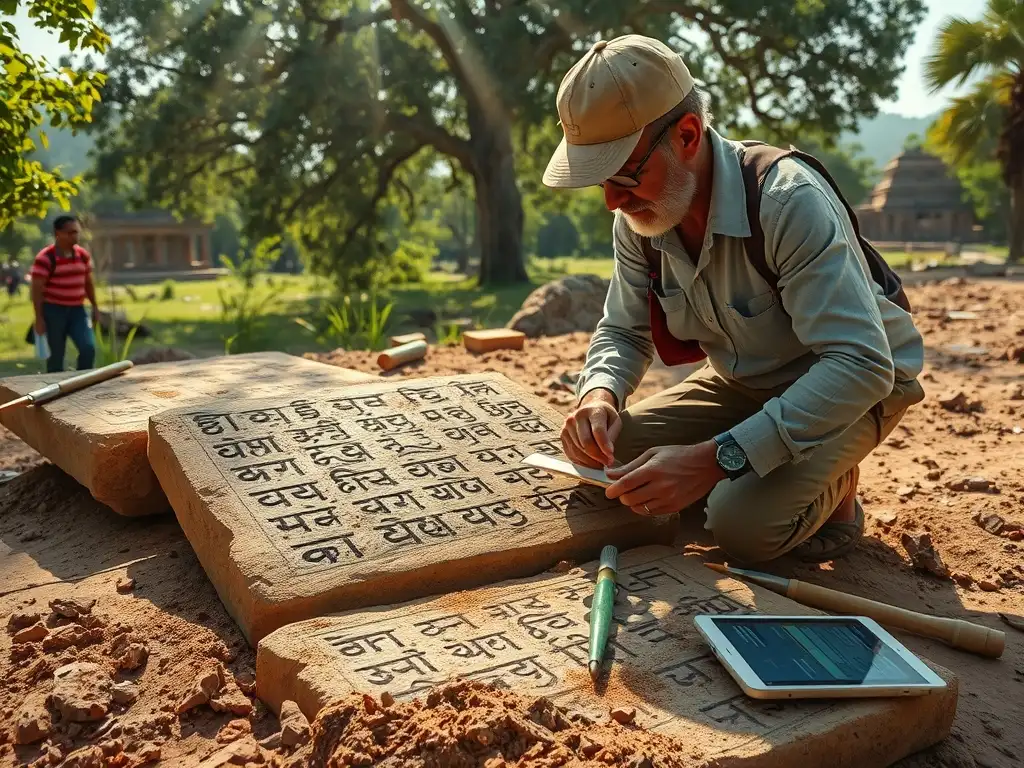
Welcome to Ancient India History, where we embark on a fascinating journey through time to uncover the rich tapestry of India's past. Delve into the intriguing world of ancient Indian inscriptions history, a key that unlocks the cultural and historical narratives of civilizations from the majestic Indus Valley to the influential Gupta Empire.
In our featured article, "Epigraphy Unveiled: How Inscriptions Shaped the Cultural Landscape of Ancient India," we invite you to explore how these age-old writings offer profound insights into the lives, beliefs, and innovations of our ancestors. Join us as we unravel the stories etched in stone, igniting your curiosity about the enduring legacy of ancient India.
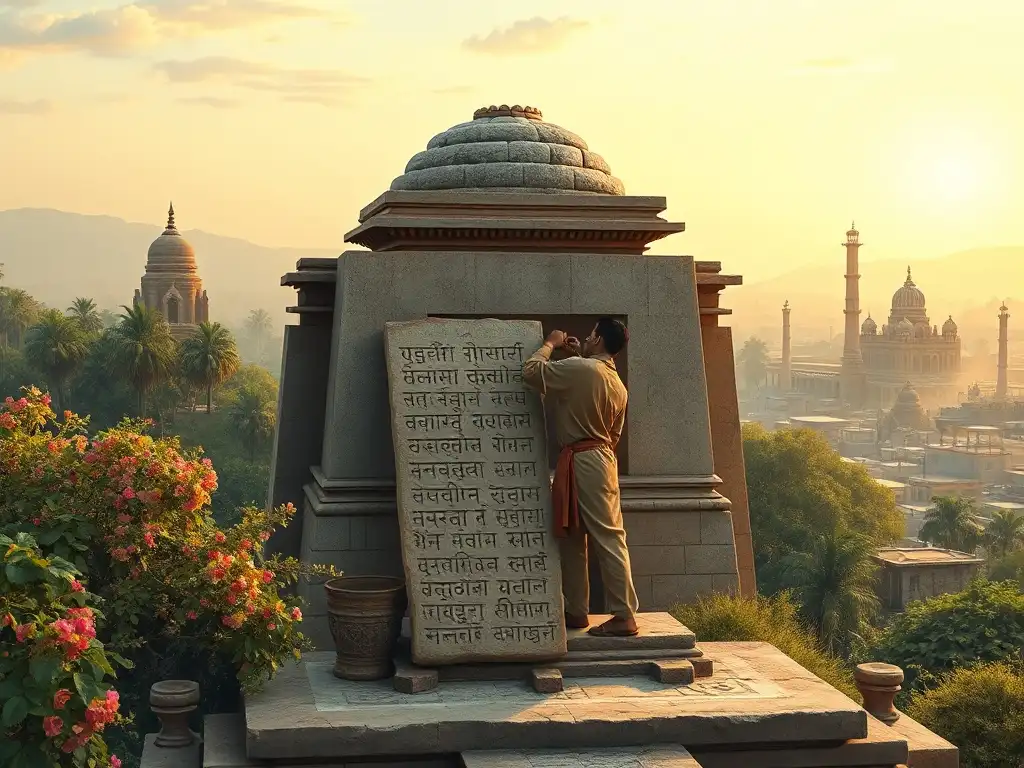
Introduction to Ancient Indian Inscriptions History
The study of ancient Indian inscriptions history offers a fascinating glimpse into the lives, beliefs, and organizational structures of the civilizations that thrived on the Indian subcontinent. Inscriptions, which are texts engraved on various materials such as stone, metal, and clay, serve as primary sources for understanding the socio-political, economic, and cultural narratives of ancient India.
These artifacts not only chronicle historical events but also reflect the evolution of languages, scripts, and artistic expressions. As we delve deeper into this intriguing domain, we uncover how these inscriptions have shaped our understanding of ancient Indian civilizations, from the well-planned urban centers of the Indus Valley to the sophisticated political systems of the Gupta Empire.
Overview of Epigraphy in Ancient India
Epigraphy, the study of inscriptions, is a critical field that bridges archaeology and history. Ancient Indian inscriptions date back to as early as 3000 BCE and encompass a variety of scripts, including Brahmi, Kharosthi, and Tamil. The geographical spread of these inscriptions extends across the subcontinent, with significant finds in places such as:
- Ashoka's Edicts: Inscriptions found at various locations, emphasizing Buddhist principles and governance.
- Sanskrit Inscriptions: Documenting royal patronage and cultural advancements during the Gupta period.
- Tamil Inscriptions: Reflecting the rich heritage of South Indian dynasties.
The meticulous study of these inscriptions not only unravels the linguistic landscape of ancient India but also provides insights into trade routes, population movements, and cultural exchanges that shaped the region.
Importance of Inscriptions in Historical Research
Inscriptions are invaluable to historians and archaeologists for several reasons:
- Chronology: They often bear datable events, allowing researchers to establish timelines and historical sequences.
- Cultural Insights: Inscriptions reveal social customs, religious practices, and artistic trends of the time.
- Language Development: The evolution of scripts and languages can be traced through these written records, providing context to linguistic studies.
Moreover, inscriptions often serve as a counter-narrative to historical texts, shedding light on the lives of ordinary people and marginalized communities whose stories might not be reflected in traditional literature.
The Role of Inscriptions in Ancient Indian Society
Inscriptions played a multifaceted role in shaping ancient Indian society, influencing various aspects such as social structure, governance, and cultural practices.
Social Structures Reflected in Inscriptions
The social hierarchies of ancient Indian society are often mirrored in inscriptions. For instance, inscriptions detailing land grants frequently delineate the roles of different social classes, including:
- Kings and Rulers: Acknowledged as divine figures who maintained order and justice.
- Brahmins: Often mentioned as recipients of land grants, indicating their significant role in society.
- Merchants and Artisans: Recognized for their contributions to trade and craftsmanship.
These inscriptions provide a lens through which we can understand the complexities of caste and class dynamics in ancient India.
Political Significance of Ancient Indian Inscriptions
Inscriptions served as potent tools for political communication and propaganda. They often documented:
- Royal Decrees: Issued by emperors to communicate laws and policies to the populace.
- Military Victories: Celebrating conquests and asserting dominance over rival kingdoms.
- Territorial Claims: Establishing boundaries and legitimizing rule over specific regions.
Such inscriptions not only reinforced the authority of rulers but also communicated their ideals and aspirations to their subjects.
Religious and Cultural Insights from Inscriptions
The religious landscape of ancient India is richly documented through inscriptions that reveal:
- Temple Construction: Inscriptions dedicated to deities, often detailing the patronage of kings and their devotion.
- Philosophical Texts: Engravings that discuss moral and ethical values, reflecting the spiritual concerns of the time.
- Cultural Festivals: References to communal celebrations and rituals, highlighting the societal importance of religion.
These inscriptions serve as vital records that enhance our understanding of the diverse cultural fabric of ancient Indian society, showcasing the interplay between religion, culture, and daily life.
In the subsequent sections, we will continue to explore specific examples and case studies that illustrate the profound impact of inscriptions on the cultural landscape of ancient India.
Major Types of Ancient Indian Inscriptions
In the realm of ancient Indian history, inscriptions serve as a crucial link to understanding the cultural, political, and social dynamics of the time. These inscriptions can be categorized into several major types, each offering unique insights into the civilizations that created them. The most prominent forms include stone inscriptions, copper plate inscriptions, and inscriptions found on pottery and other materials. Each type of inscription not only reflects the technological advancements of the period but also the socio-political contexts in which they were created.
Inscriptions on Stone: Durability and Significance
Stone inscriptions are perhaps the most enduring and significant forms of ancient Indian inscriptions. Carved into hard surfaces like rock or stone slabs, these inscriptions have survived the ravages of time, providing invaluable information about ancient rulers, religious beliefs, and societal norms. Notable examples include the Ashoka Edicts, which convey the moral and ethical principles of Emperor Ashoka, and inscriptions from the Gupta period, highlighting the achievements of kings and the flourishing of arts and culture.
The durability of stone inscriptions has allowed historians and archaeologists to piece together the narrative of ancient India. These inscriptions often served multiple purposes – from commemorating victories and establishing legal decrees to promoting religious ideologies. Their locations, typically in public spaces, indicate their role in informing the populace about governance and societal values.
Copper Plate Inscriptions: A Unique Perspective
Copper plate inscriptions represent a distinctive aspect of ancient Indian epigraphy. These inscriptions were typically engraved on copper plates and often served administrative and legal purposes. They provide crucial insights into land grants, trade regulations, and royal decrees. One of the most famous examples is the copper plates from the Chola dynasty, which detail the grants of land and privileges to temples and individuals.
The use of copper plates indicates a sophisticated bureaucratic system where record-keeping was essential for governance. Unlike stone inscriptions, which were often public announcements, copper plates were usually intended for private use or specific legal transactions. This unique perspective allows historians to understand the economic and social structures of ancient Indian society.
Inscriptions on Pottery and Other Materials
Inscriptions on pottery and other materials, although less durable than stone or copper, provide a wealth of information about daily life in ancient India. These inscriptions can be found on terracotta seals, pottery shards, and even metal objects. They often include symbols, personal names, and short texts that reflect trade practices, religious beliefs, or community affiliations.
One significant example is the Indus Valley Civilization, where seals with inscriptions were used for trade and possibly religious purposes. The inscriptions found on pottery can reveal the technological advancements of the time, such as pot-making techniques, and provide insight into the artistic expressions of various communities. While these inscriptions may not always convey lengthy narratives, they are crucial in piecing together the everyday lives of ancient peoples.
Key Locations of Ancient Indian Inscriptions
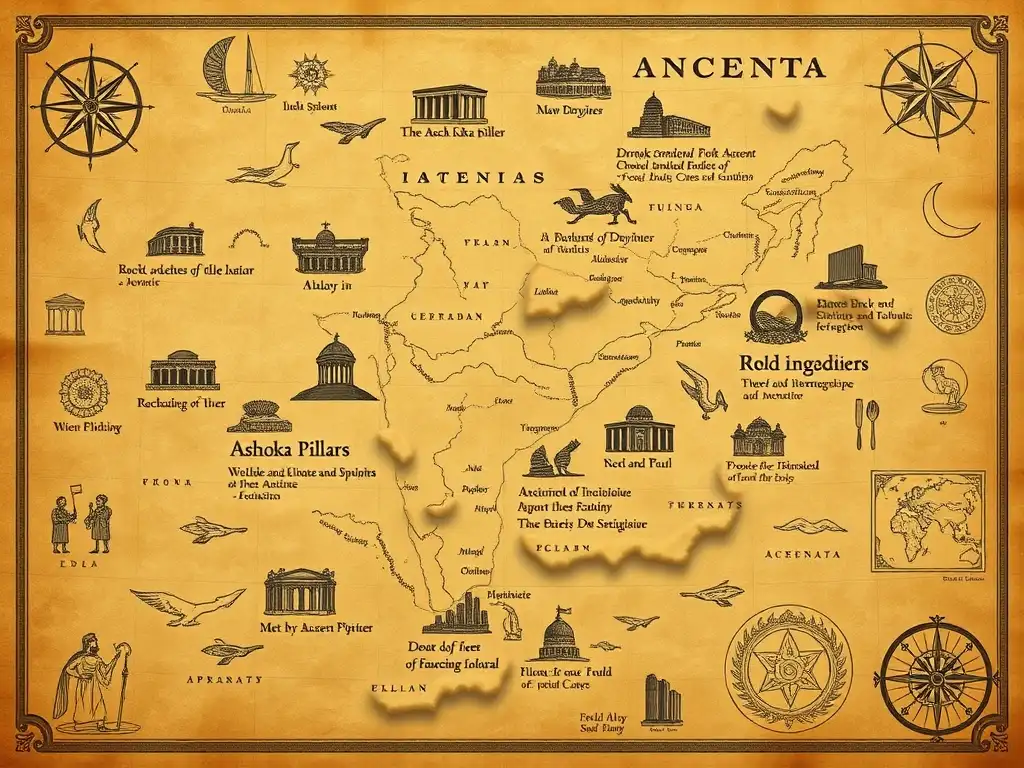
The geographical distribution of ancient Indian inscriptions is diverse, reflecting the extensive reach of various civilizations throughout the subcontinent. Key locations often include archaeological sites, temples, and urban centers where inscriptions were commonly found. Understanding these locations helps historians trace the cultural and political landscapes of ancient India.
Significant Archaeological Sites with Inscriptions
Several archaeological sites across India are renowned for their rich deposits of inscriptions. Sites like Sanchi, Bharhut, and Nalanda contain numerous stone carvings and inscriptions that shed light on the religious and cultural developments during ancient times. For instance, the Sanchi Stupa features inscriptions that commemorate the contributions of various rulers to Buddhism, emphasizing the role of religion in political legitimacy.
The Edicts of Ashoka, located at several sites including Lumbini and Kalinga, serve as pivotal historical sources. These inscriptions illustrate Ashoka's commitment to Buddhism and moral governance. Similarly, inscriptions found at Hampi and Khajuraho provide insights into the architectural advancements and artistic achievements during the Vijayanagara and Chandela dynasties, respectively.
Regional Variations in Inscriptions Across India
Inscriptions in ancient India exhibit significant regional variations, influenced by local languages, scripts, and cultural practices. For instance, the Brahmi script was predominantly used in northern India, while Tamil-Brahmi inscriptions are found in the south, reflecting the linguistic diversity of the subcontinent.
The content of the inscriptions also varies regionally; northern inscriptions often focus on royal achievements and religious decrees, while southern inscriptions may emphasize local administration and land grants. This regional diversity not only highlights the distinct identities of various kingdoms but also illustrates the rich tapestry of languages and cultures that coexisted in ancient India. Understanding these variations is crucial for appreciating the complexity of ancient Indian history and its contributions to the broader narrative of human civilization.
The Language and Scripts of Ancient Indian Inscriptions
The study of ancient Indian inscriptions reveals a fascinating tapestry of languages and scripts that reflect the diverse cultural and political landscapes of the time. Inscriptions serve not only as historical records but also as vital tools for understanding the linguistic development and sociopolitical dynamics of ancient India.
Overview of Languages Used in Ancient Inscriptions
Ancient Indian inscriptions primarily utilized several languages, including Sanskrit, Prakrit, and regional dialects.
- Sanskrit: Often regarded as the liturgical language of ancient India, Sanskrit was frequently used in formal inscriptions, especially those related to religious and royal decrees. It is characterized by its rich vocabulary and complex grammatical structure.
- Prakrit: This group of vernacular languages served as the medium for many inscriptions, particularly those aiming to reach a broader audience. Various forms of Prakrit, such as Pali and Ardhamagadhi, were used in inscriptions to communicate with local populations.
- Regional Dialects: Inscriptions also feature local dialects, showcasing the linguistic diversity of ancient India. These inscriptions indicate the socio-political contexts in which they were created, reflecting different regional identities and cultures.
The use of these languages in inscriptions demonstrates the complexity of communication and governance in ancient Indian societies, revealing both administrative practices and cultural exchanges.
Evolution of Scripts: From Brahmi to Kharoṣṭhī
The evolution of scripts in ancient India marks a significant aspect of its epigraphic history. Two of the most prominent scripts that emerged during this period are Brahmi and Kharoṣṭhī.
- Brahmi: This script is considered one of the oldest writing systems in India, originating around the 3rd century BCE. Brahmi inscriptions are primarily found in the northern and central regions of India and played a crucial role in the dissemination of Buddhist texts and royal edicts. The script has influenced many modern Indian scripts, including Devanagari and Tamil.
- Kharoṣṭhī: Used predominantly in the northwestern regions of ancient India, Kharoṣṭhī is another significant script that developed around the same time as Brahmi. It was primarily used for writing in the Gandhara region, particularly for Buddhist texts. Kharoṣṭhī inscriptions are notable for their unique characteristics and have provided insights into the cultural exchanges along the Silk Road.
The transition from Brahmi to Kharoṣṭhī and the subsequent adaptations of these scripts reflect the dynamic nature of ancient Indian society, including trade, religious movements, and the spread of ideas.
Case Studies of Influential Inscriptions
The study of influential inscriptions provides a deeper understanding of the historical and cultural landscapes of ancient India. These inscriptions often encapsulate significant events, ideologies, and governance practices.
The Edicts of Ashoka: Messages of Morality and Governance
The Edicts of Ashoka, inscribed by Emperor Ashoka during the 3rd century BCE, are some of the most profound examples of ancient Indian inscriptions. These edicts, carved on pillars and rocks across the Indian subcontinent, articulate Ashoka's commitment to Dharma (moral law) and social welfare.
- Content: The edicts encompass a range of topics, from ethical behavior and non-violence to administrative directives. They reflect Ashoka’s efforts to promote Buddhism and ethical governance.
- Impact: The widespread dissemination of these edicts helped unify diverse populations under a shared moral framework, fostering a sense of identity and community across his empire.
The Allahabad Pillar Inscription: A Historical Landmark
The Allahabad Pillar Inscription, attributed to Emperor Samudragupta of the Gupta Empire, is a remarkable document that provides insights into the political and military achievements of the time.
- Significance: This inscription records Samudragupta's conquests and his policies towards the kingdoms he defeated, illustrating his prowess as a ruler.
- Cultural Impact: The inscription not only highlights the military strategies of the Gupta Empire but also showcases the era's artistic excellence, as it is adorned with intricate carvings, reflecting the cultural vitality of the time.
The Junagadh Rock Edicts: Insights into Ancient Indian Kingship
The Junagadh Rock Edicts, inscribed during the reign of Emperor Ashoka, offer valuable insights into ancient Indian kingship and administration.
- Context: Located in present-day Gujarat, these edicts detail Ashoka's governance principles, emphasizing ethical rulership and the welfare of his subjects.
- Legacy: The Junagadh inscriptions are significant for their exploration of the relationship between the ruler and the ruled, revealing how ethical governance was perceived in ancient Indian society. They stand as a testament to the enduring influence of Ashoka's policies and the importance of inscriptions in documenting historical narratives.
Through these case studies, the role of inscriptions in shaping ancient Indian history becomes evident, highlighting their significance as both historical documents and cultural artifacts.
The Impact of Inscriptions on Modern Understanding of Ancient India
Inscriptions serve as invaluable primary sources that provide direct insights into the socio-political, religious, and economic aspects of ancient Indian civilizations. They are crucial for modern historians and archaeologists as they decode the narratives of the past, revealing details that written texts may overlook. The study of ancient Indian inscriptions helps bridge the gap between mythological narratives and historical realities, allowing scholars to build a more accurate and nuanced understanding of the cultural landscape of ancient India.
The linguistic diversity represented in inscriptions also offers clues about the evolution of languages in the subcontinent. For instance, the Brahmi script, seen in early inscriptions, is foundational to many modern Indian languages. By analyzing the inscriptions' language and script, researchers can trace the lineage and transformation of these languages over centuries. Furthermore, inscriptions often contain references to rulers, dynasties, and significant events, which enrich our understanding of political history and governance in ancient India.
How Inscriptions Contribute to Historical Narratives
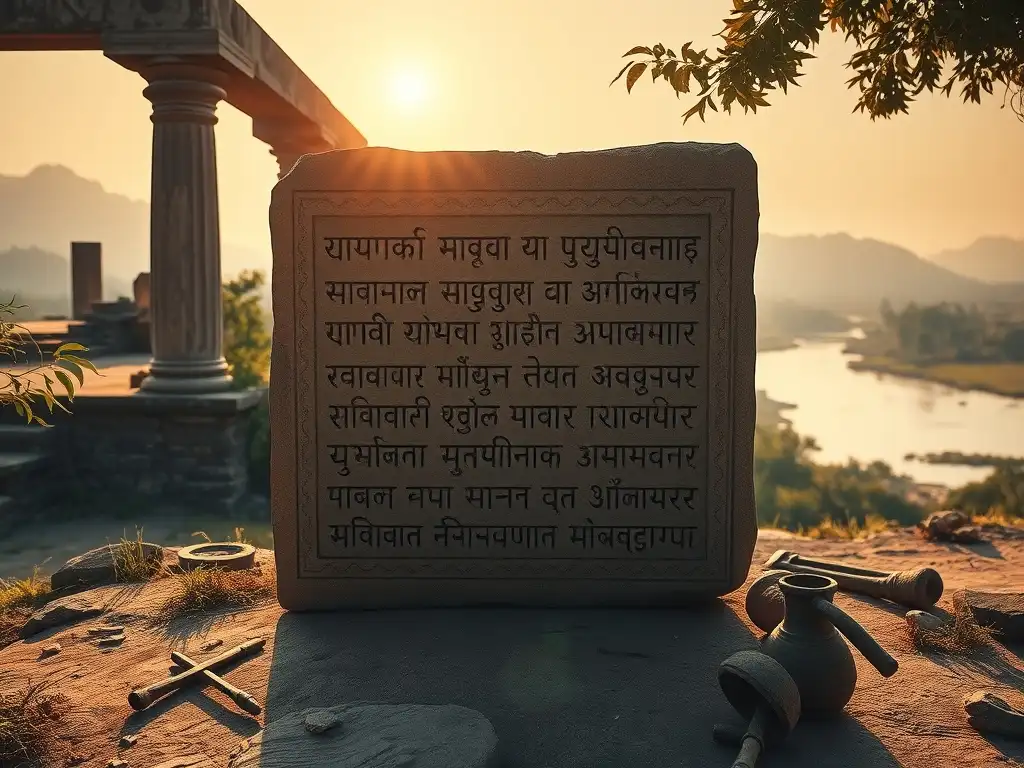
Inscriptions provide a chronological framework that is essential for constructing historical narratives. They often date significant events, such as military victories, royal decrees, or the establishment of religious institutions. For example, the Edicts of Ashoka, inscribed on pillars and rocks across the Indian subcontinent, shed light on the Mauryan Empire's administration, ethics, and the spread of Buddhism.
Moreover, inscriptions frequently complement archaeological findings, offering context that can help interpret artifacts discovered at excavation sites. This synergy between inscriptions and archaeology allows for a more comprehensive understanding of daily life in ancient India, from trade practices to social hierarchies. They are indispensable in piecing together the complex tapestry of ancient Indian history, as they often reflect local customs and societal norms that are not recorded in contemporary texts.
The Role of Inscriptions in Cultural Heritage Preservation
Inscriptions play a pivotal role in the preservation of cultural heritage. They carry forward the legacies of ancient civilizations, acting as tangible links to the past. Efforts in epigraphy not only focus on deciphering these inscriptions but also on conserving the sites where they are found. This preservation is crucial, as many inscriptions are vulnerable to erosion, pollution, or neglect.
The process of documenting and studying inscriptions has led to the establishment of various conservation projects aimed at protecting these historical artifacts. For instance, initiatives to restore ancient monuments often include measures to safeguard the inscriptions they bear. By fostering awareness of their cultural significance, these efforts contribute to a broader understanding and appreciation of ancient Indian heritage among contemporary audiences.
Conclusion: The Legacy of Ancient Indian Inscriptions
The legacy of ancient Indian inscriptions extends beyond their historical content; they form an integral part of the cultural identity of the subcontinent. Through the lens of epigraphy, we gain access to the thoughts, beliefs, and values of past societies, which continue to influence modern Indian culture. The preservation and study of these inscriptions are vital for understanding how ancient civilizations have shaped the current cultural landscape of India.
Summary of the Importance of Inscriptions in Ancient Indian History
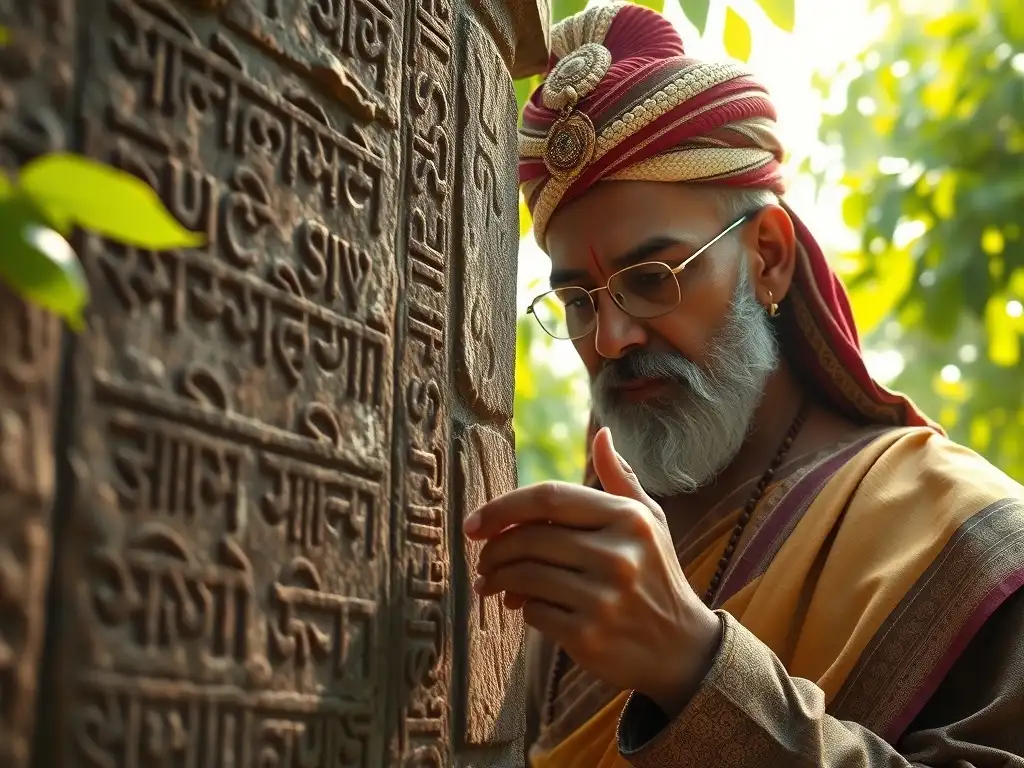
Inscriptions are crucial to ancient Indian history as they provide direct evidence of political structures, religious practices, and societal norms. They are a rich source of information that complements other historical records, helping historians construct a more complete narrative of the past. By analyzing these texts, we can gain insights into the complexities of ancient Indian civilizations and their contributions to world history.
Future Directions for Research in Epigraphy
As technology advances, the field of epigraphy is poised for significant growth. Future research in inscriptions can leverage digital tools and methodologies, such as 3D modeling and machine learning, to enhance the study and preservation of these artifacts. Additionally, interdisciplinary approaches that combine epigraphy with linguistics, anthropology, and digital humanities may yield new insights into ancient Indian societies.
There is also a need for comprehensive databases that catalog inscriptions across different regions, languages, and dynasties, providing greater accessibility for researchers and the public. Such initiatives could encourage collaborative research and foster a deeper appreciation for the rich tapestry of ancient Indian inscriptions and their historical significance.
References and Further Reading
The study of ancient Indian inscriptions offers a profound insight into the historical, cultural, and social dynamics of ancient civilizations. Scholars and enthusiasts alike can enhance their understanding through a variety of resources. Below, we outline some recommended books, articles, and online resources that serve as excellent starting points for those interested in the rich field of ancient Indian epigraphy.
Recommended Books and Articles on Ancient Indian Inscriptions History
-
"Indian Epigraphy" by D. C. Sircar
This comprehensive work provides an in-depth examination of Indian inscriptions, covering their origin, evolution, and significance across various periods. Sircar’s meticulous research details specific inscriptions and their contributions to understanding ancient Indian society.
-
"Inscriptions of Ashoka" by N. S. Rajaram
This book focuses on the edicts of Ashoka, one of India's most celebrated emperors, and analyzes their implications for Buddhism and governance in ancient India. It serves as a crucial text for understanding the ideological framework of the Mauryan Empire.
-
"The Archaeology of Early Historic South Asia" by Robin Coningham and Ruth Young
While primarily an archaeological account, this book integrates epigraphic evidence to reconstruct the socio-political landscapes of ancient South Asia. It highlights how inscriptions help in understanding trade, urbanization, and cultural exchanges.
-
"Ancient Indian Epigraphy: A Historical Perspective" by R. C. Sharma
Sharma’s work explores the chronological development of epigraphy in India, emphasizing how inscriptions reflect the socio-political narrative and cultural identity of various dynasties.
-
"Historical Inscriptions of India" by K. N. Dikshit
This article provides a succinct overview of key historical inscriptions and their contributions to Indian history. It serves as a gateway for those new to the subject.
Online Resources for Epigraphy Studies
-
Digital Epigraphy Project
This initiative aims to digitize inscriptions from across India, making them accessible for research and public education. The platform hosts a database of inscriptions that can be searched by region, period, or script.
-
Epigraphia Indica
An online repository of ancient Indian inscriptions, this resource features a collection of transcriptions and translations of significant inscriptions, along with scholarly commentary.
-
The Indian Historical Review
This journal often publishes articles focused on epigraphy and its implications for understanding historical narratives in India. Researchers can access past issues for relevant studies and discussions.
-
The Archaeological Survey of India (ASI)
The ASI website provides resources on archaeological findings, including epigraphic studies. It features reports and details about significant inscriptions discovered during excavations.
-
Academia.edu
A platform where scholars share their research papers, including those related to ancient Indian inscriptions. Users can find a wealth of articles and theses that explore various aspects of epigraphy.
By delving into these resources, readers can deepen their understanding of ancient Indian inscriptions and their pivotal role in shaping the cultural and historical landscape of India.
- Introduction to Ancient Indian Inscriptions History
- Overview of Epigraphy in Ancient India
- The Role of Inscriptions in Ancient Indian Society
- Major Types of Ancient Indian Inscriptions
- Key Locations of Ancient Indian Inscriptions
- The Language and Scripts of Ancient Indian Inscriptions
- Case Studies of Influential Inscriptions
- The Impact of Inscriptions on Modern Understanding of Ancient India
- How Inscriptions Contribute to Historical Narratives
- The Role of Inscriptions in Cultural Heritage Preservation
- Conclusion: The Legacy of Ancient Indian Inscriptions
- Summary of the Importance of Inscriptions in Ancient Indian History
- Future Directions for Research in Epigraphy
- References and Further Reading
- What is the significance of ancient Indian inscriptions?
- How did inscriptions contribute to the cultural landscape of ancient India?
- What are some prominent examples of ancient Indian inscriptions?
- How have ancient Indian inscriptions influenced modern understanding of history?
- What role did language play in the creation of ancient Indian inscriptions?
Frequently Asked Questions
What is the significance of ancient Indian inscriptions?
Ancient Indian inscriptions are crucial as they provide insight into the history, culture, and administrative practices of early civilizations, helping us understand their societal structure.
How did inscriptions contribute to the cultural landscape of ancient India?
Inscriptions served as a means of communication, recording historical events, and promoting religious beliefs, thereby shaping the cultural identity of various regions in ancient India.
What are some prominent examples of ancient Indian inscriptions?
Some notable examples include the Ashoka Edicts, which reflect Buddhist teachings, and inscriptions from the Gupta Empire, showcasing advancements in art and literature.
How have ancient Indian inscriptions influenced modern understanding of history?
These inscriptions have been instrumental in reconstructing historical timelines, understanding languages, and revealing socio-political dynamics, thus enriching our knowledge of ancient Indian civilizations.
What role did language play in the creation of ancient Indian inscriptions?
Language was vital as it allowed for the documentation of laws, treaties, and religious texts, which were essential in conveying cultural values and governance throughout ancient Indian societies.
Final Reflection: The Enduring Legacy of Ancient Indian Inscriptions
The exploration of ancient Indian inscriptions history reveals not only the rich tapestry of cultural and historical narratives but also their profound relevance in our contemporary society. These inscriptions serve as a bridge connecting us to the thoughts, beliefs, and practices of our ancestors, reminding us that the past is not merely a collection of dates and events, but a living dialogue that continues to shape our identities today. The inscriptions of ancient India are more than just artifacts; they are the voices of a civilization that still resonates in our cultural consciousness.
The impact of these inscriptions extends beyond mere historical significance; they have woven themselves into the very fabric of our cultural and social landscape. As we uncover the stories etched in stone, we find reflections of our own values and aspirations. The lessons learned from these ancient texts inspire us to appreciate the diversity of thought and expression that has flourished throughout history. History is not a burden on the memory but an illumination of the soul.
This quote encapsulates the essence of how ancient inscriptions can guide us in understanding our place in the world and the interconnectedness of human experiences across time.
As we conclude this journey through the inscriptions of ancient India, I invite you to reflect on the lessons they impart and consider how they can inform your own life. Embrace the wisdom of the past as you navigate the complexities of the present, and let the stories of those who came before you inspire your actions and choices. Remember, every inscription tells a story—what story will you choose to write in your own life?
Unveil the Secrets of Ancient Inscriptions Today!
Thank you for diving into the fascinating world of epigraphy and its impact on ancient India's cultural landscape! You've uncovered the significance of inscriptions that tell stories of our past. Now, it’s time to transform this knowledge into action and engage more deeply with this captivating subject.
Here are some exciting ways you can continue your journey:
- Explore local museums or online exhibitions showcasing inscriptions and artifacts from ancient India. What hidden stories might you discover?
- Share your insights with friends or on social media—spark a conversation about the rich cultural history we’ve inherited!
- Join a community or forum focused on ancient history. There’s so much to learn from others who share your passion for this intriguing field.
Which inscription from India's past resonates most with you, and how do you believe it has influenced our present culture?