
Inscriptions and Historical Narratives: How They Tell the Story of India

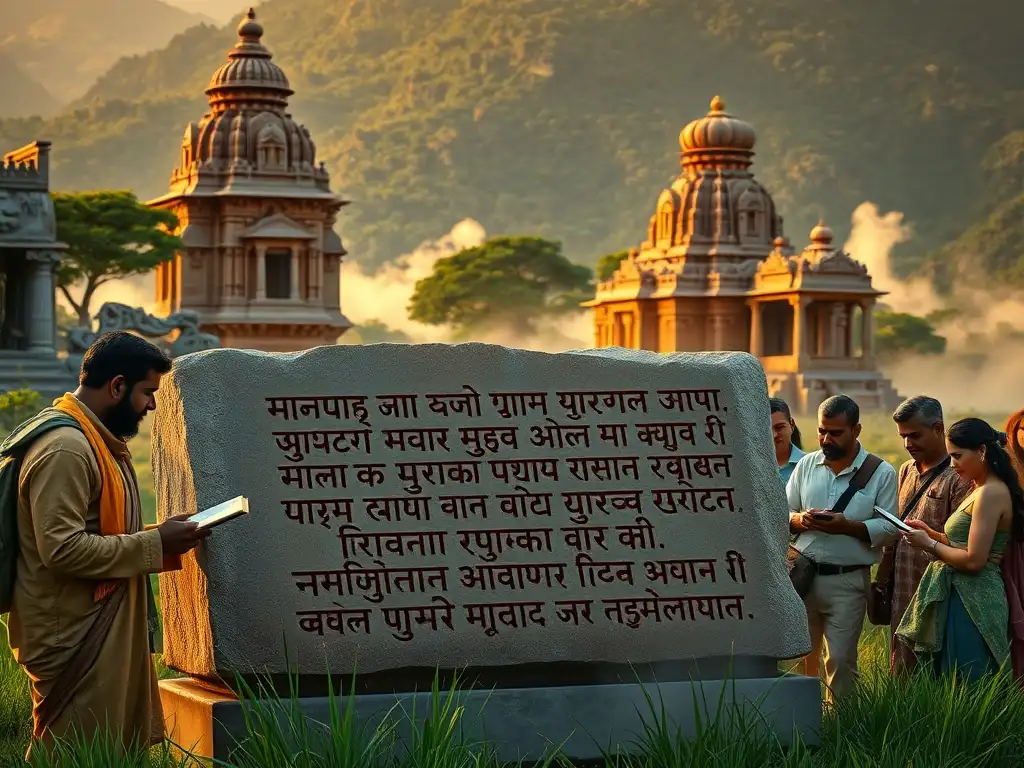
Welcome to Ancient India History, where we embark on a fascinating journey through time, uncovering the rich tapestry of India's diverse civilizations. In our featured article, “Inscriptions and Historical Narratives: How They Tell the Story of India,” we delve into the captivating world of ancient Indian inscriptions history. Discover how these remarkable artifacts not only illuminate the past but also weave intricate tales of culture, society, and human achievement. Join us as we unravel the mysteries behind these inscriptions and explore their profound impact on our understanding of ancient India. Prepare to be intrigued and inspired!
Introduction to Ancient Indian Inscriptions History
Ancient Indian inscriptions serve as crucial primary sources for understanding the rich tapestry of India's history, culture, and societal evolution. These inscriptions, ranging from monumental edicts to smaller seals, provide invaluable insights into the political, religious, and social dynamics of ancient civilizations, such as the Indus Valley, Mauryan Empire, and Gupta Empire.
By studying these artifacts, historians and archaeologists can reconstruct narratives that highlight the achievements and contributions of ancient Indian societies. The keyword "ancient Indian inscriptions history" encapsulates the essence of this exploration, as these inscriptions not only document historical events but also reflect the philosophical and artistic expressions of their times.
Significance of Inscriptions in Ancient Indian Culture
Inscriptions played a pivotal role in the preservation and dissemination of knowledge in ancient India. They served multiple purposes, including:
- Political Authority: Many inscriptions were commissioned by rulers to assert their power and legitimacy. For example, the edicts of Ashoka not only proclaimed his policies but also emphasized his commitment to dharma (moral law).
- Religious Documentation: Inscriptions often recorded religious texts, rituals, and dedications to deities, reflecting the spiritual life of the people. Temples and stupas frequently bore inscriptions that described the patronage of kings and wealthy individuals.
- Cultural Identity: The languages and scripts used in inscriptions reveal the linguistic diversity of ancient India, showcasing the interplay of various cultures and communities. They also provide insights into the trade relations and interactions with neighboring regions.
In essence, inscriptions are a testament to the complex society of ancient India, preserving the voices and stories of a civilization that thrived for millennia.
Overview of Historical Narratives from Inscriptions
The narratives derived from ancient inscriptions are multifaceted, often intertwining political history with cultural and social contexts. The analysis of these texts reveals:
- Chronological Accounts: Many inscriptions mark significant events, such as military victories or the establishment of new dynasties, allowing historians to piece together timelines of ancient Indian history.
- Cultural Practices: Inscriptions often describe festivals, rituals, and daily life, providing a glimpse into the customs and traditions that shaped ancient Indian society.
- Legal and Administrative Texts: Some inscriptions contain legal decrees or administrative records, illustrating the governance structures and societal norms of the time.
Through these narratives, ancient Indian inscriptions emerge as vital storytellers, offering glimpses into the lives, beliefs, and practices of those who lived in a bygone era.
The Evolution of Inscriptions in Ancient India
The evolution of inscriptions in ancient India can be traced through several distinct phases, each reflecting the changing dynamics of society and governance.
Early Inscriptions: The Indus Valley Civilization
The earliest known inscriptions in India date back to the Indus Valley Civilization (c. 3300–1300 BCE). These inscriptions, primarily found on seals, are characterized by:
- Pictographic Scripts: The Indus script remains undeciphered, but its presence on seals suggests a form of writing used for trade and administrative purposes.
- Symbolic Significance: Many seals depict animals and motifs that may have held religious or cultural significance, hinting at the civilization's values and beliefs.
These early inscriptions indicate a sophisticated level of social organization and communication among the inhabitants of the Indus Valley.
The Mauryan Period: Inscriptions of Ashoka
The Mauryan Empire (c. 322–185 BCE) marked a significant advancement in the use of inscriptions, particularly during the reign of Emperor Ashoka. His inscriptions are notable for:
- Edicts Promoting Dharma: Ashoka's edicts, inscribed on rocks and pillars across his empire, emphasize moral governance and non-violence, showcasing a shift towards ethical leadership.
- Widespread Dissemination: The use of multiple languages in Ashoka's inscriptions underscores his intent to communicate with diverse populations, enhancing the reach and impact of his messages.
These inscriptions not only serve as historical records but also as philosophical texts that have influenced Indian thought for centuries.
Gupta Empire Inscriptions: A Golden Age of Literature
The Gupta Empire (c. 320–550 CE) is often referred to as a golden age of Indian culture and literature, and its inscriptions reflect this flourishing period. Key features include:
- Literary Flourishment: Gupta inscriptions often highlight achievements in literature, science, and the arts, celebrating notable figures and their contributions.
- Religious Patronage: Many inscriptions from this era document temple constructions and religious donations, illustrating the symbiotic relationship between politics and religion.
The inscriptions of the Gupta period provide a wealth of information about the cultural and intellectual advancements that defined ancient India, reinforcing its legacy as a cradle of civilization.
Types of Ancient Indian Inscriptions

Ancient Indian inscriptions are a vital source of historical information that provides insights into the socio-political, cultural, and religious life of various periods. These inscriptions are categorized based on their medium, purpose, and the context in which they were created. The primary types include rock edicts, copper plate inscriptions, and temple inscriptions, each serving a unique function in conveying historical narratives.
Rock Edicts: Messages Carved in Stone
Rock edicts are some of the most significant forms of ancient Indian inscriptions, particularly associated with Emperor Ashoka of the Maurya Dynasty. These edicts, carved into large boulders and pillars, serve as a record of Ashoka's policies and moral teachings after his conversion to Buddhism.
- Content and Purpose: The inscriptions often outline ethical principles, such as non-violence (ahimsa), compassion, and tolerance, aiming to guide the citizens in their daily lives. They also convey messages regarding Ashoka's efforts to promote dharma (righteousness) and the welfare of his subjects.
- Locations: Key sites for these rock edicts include locations such as Lumbini, Sarnath, and the famous Lion Capital of Ashoka in Sarnath, which is now the national emblem of India.
- Significance: The rock edicts not only reflect the administrative and ethical frameworks of the time but also highlight the transition from a warrior king to a ruler who embraced peace and public welfare. They are crucial for understanding the spread of Buddhism and the cultural exchanges during the Mauryan period.
Copper Plate Inscriptions: Documents of Land Grants
Copper plate inscriptions emerged significantly during the later periods of ancient Indian history, especially from the Gupta Empire onwards. These inscriptions are typically engraved on thin sheets of copper and primarily document land grants and donations.
- Content and Purpose: These inscriptions serve as legal documents that grant land to temples, Brahmins, or other institutions. They often include details about the donor, the recipient, the extent of land, and specific conditions attached to the grant.
- Historical Context: Copper plates provide insights into the feudal systems and land tenure practices of the time. They also reflect the increasing importance of temple economies and the patronage of Brahminical institutions.
- Significance: The study of copper plate inscriptions is essential for understanding the economic structures, social hierarchies, and the relationship between rulers and religious institutions in ancient India.
Inscriptions on Temples: Religious and Cultural Significance
Inscriptions found on the walls of temples are another crucial category of ancient Indian inscriptions. These inscriptions often commemorate the construction of temples, document the patronage by various rulers, and highlight religious practices.
- Content and Purpose: Temple inscriptions typically include hymns, prayers, and the names of donors and builders. They may also provide insights into the rituals performed and the deities worshipped at that temple.
- Cultural Context: These inscriptions are invaluable for understanding the artistic and architectural styles prevalent in different periods, as well as the socio-religious dynamics of ancient Indian society.
- Significance: The temple inscriptions not only document the religious practices and cultural life of ancient India but also serve as a testament to the artistic and architectural achievements of various dynasties.
Deciphering Ancient Indian Inscriptions
The process of deciphering ancient Indian inscriptions involves various techniques and methodologies that have evolved over time. Scholars use a combination of linguistic analysis, historical context, and comparative studies to interpret these inscriptions accurately.
Techniques Used in Epigraphy
Epigraphy, the study of inscriptions, employs several techniques to decode ancient texts.
- Palaeography: This technique involves analyzing the styles of writing used in inscriptions, which can help date and attribute them to specific periods or regions.
- Linguistic Analysis: Understanding the languages used, such as Sanskrit, Prakrit, and Tamil, is crucial for interpreting the content. Scholars often compare inscriptions to known texts to clarify meanings.
- Contextual Research: Researchers consider the archaeological context in which inscriptions are found, including associated artifacts and structures, to provide a comprehensive understanding of the historical narrative.
Major Discoveries and Contributions to Ancient Indian History
The deciphering of ancient Indian inscriptions has led to significant discoveries that have enriched our understanding of India’s history.
- Contributions of Scholars: Pioneers like James Princep and Alexander Cunningham made groundbreaking contributions in the 19th century by deciphering Brahmi and Kharosthi scripts, leading to a deeper understanding of Mauryan and post-Mauryan history.
- Notable Discoveries: Inscriptions such as the edicts of Ashoka, the Allahabad Pillar inscription of Samudragupta, and various temple inscriptions have provided invaluable data about political, social, and cultural dynamics across different periods.
- Impact on Historical Narratives: These discoveries have reshaped historical narratives, revealing the complexities of governance, religion, and society in ancient India, thereby offering a more nuanced understanding of its rich heritage.
Historical Narratives Revealed by Inscriptions
Inscriptions serve as invaluable historical documents that reveal the intricate narratives of ancient Indian civilizations. By analyzing these inscriptions, historians can piece together the social, political, and economic frameworks that characterized various periods. These texts, often carved on stones or metals, provide direct evidence of events, decisions, and ideologies of past societies. The significance of inscriptions lies in their ability to preserve the voices of the past, offering insights that are sometimes absent from contemporary historical accounts.
Political Narratives: Dynasties and Kingdoms
Inscriptions are crucial for understanding the political landscape of ancient India, documenting the rise and fall of dynasties and kingdoms. For instance, the edicts of Ashoka, inscribed during the Mauryan Empire, not only proclaim the emperor's adherence to Buddhism but also outline the administrative practices and territorial expanse of his rule. Similarly, inscriptions from the Gupta period reflect the administrative innovations and regional governance strategies employed by this influential dynasty.
Such inscriptions often highlight the lineage and achievements of rulers, providing a chronological framework that helps historians trace political developments over centuries. They can also reveal alliances, conflicts, and territorial disputes, thus painting a comprehensive picture of ancient Indian political dynamics.
Economic Insights: Trade and Commerce
Economic activities in ancient India are richly documented through inscriptions, which detail trade routes, taxation systems, and economic policies. For example, the rock edicts of Ashoka mention trade regulations that facilitated commerce across the Indian subcontinent and beyond. Additionally, inscriptions found in places like Ujjain and Taxila reveal the significance of these cities as bustling trade hubs, outlining the goods exchanged and the cultural interactions that ensued.
Inscriptions also provide evidence of the economic status of different regions, revealing disparities in wealth and resources. They often record donations to temples or public works, which can be indicative of local economies and the importance of patronage in sustaining both religious and civic life.
Social Structures: Caste and Community Relations
The social fabric of ancient India is intricately woven into the narratives presented by inscriptions. Many inscriptions reference the caste system, detailing the roles and responsibilities of different social groups. For instance, inscriptions from the Mauryan period demonstrate how varna (social class) influenced occupation and community relations.
Additionally, community dynamics are often illustrated through records of local governance and social obligations. Inscriptions related to temple activities reveal the communal involvement in spiritual and social events, highlighting the interdependence of various groups within society. This information is crucial for understanding how social hierarchies were maintained and challenged throughout history.
The Role of Inscriptions in Understanding Ancient Indian Culture
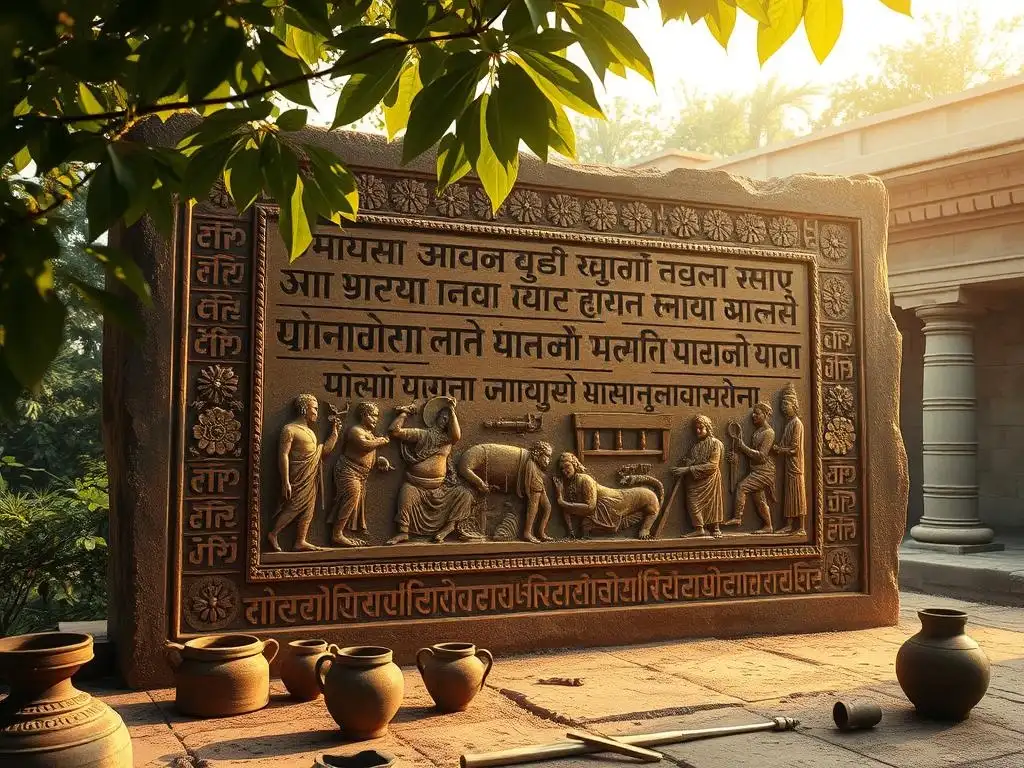
Inscriptions not only document historical events but also provide deep insights into the cultural life of ancient India. They reflect the artistic, linguistic, and philosophical developments that shaped the identity of various civilizations. By studying these texts, researchers can better understand the values, beliefs, and practices that defined ancient Indian societies.
Language and Script: The Evolution of Writing Systems
The study of inscriptions offers a fascinating glimpse into the evolution of language and writing systems in ancient India. Early inscriptions, such as those in Brahmi and Kharosthi scripts, reveal the transition from oral traditions to written records. Over time, these scripts evolved, reflecting changes in language and culture.
By analyzing the linguistic features of inscriptions, scholars can trace the development of regional dialects and the influence of various languages, such as Sanskrit, Prakrit, and Tamil. This evolution underscores the dynamic nature of communication in ancient India and its impact on literature, administration, and cultural exchange.
The Influence of Religion and Philosophy on Inscriptions
Religious and philosophical themes are prevalent in ancient Indian inscriptions, serving as a testament to the spiritual life of the time. Many inscriptions are dedicated to deities or commemorate religious events, such as the construction of temples or the patronage of religious figures. The edicts of Ashoka, for example, reflect the propagation of Buddhism and its ethical teachings through his inscriptions across the empire.
Philosophical ideas also permeate inscriptions, revealing the intellectual currents that shaped societal values and beliefs. The presence of philosophical treatises in inscriptions indicates the importance of discourse on morality, ethics, and governance in ancient Indian thought. These religious and philosophical narratives provide a deeper understanding of how spirituality influenced daily life and governance in ancient Indian civilizations.
Preservation and Challenges of Ancient Inscriptions
Preserving ancient inscriptions is crucial to understanding the history of India, as they provide invaluable insights into the social, political, and cultural dynamics of past civilizations. However, these inscriptions face multiple challenges that threaten their existence. The fragility of the materials used, such as stone, metal, and clay, makes them susceptible to wear and damage over time. Environmental factors like humidity, temperature fluctuations, and natural disasters can exacerbate the deterioration process. Moreover, the impact of urbanization and industrial development often leads to the destruction of sites where these inscriptions are located.
In addition to natural challenges, human factors also play a significant role in the preservation of inscriptions. Vandalism, pollution, and neglect can severely compromise the integrity of these historical artifacts. Therefore, understanding these challenges is essential for implementing effective conservation strategies that can safeguard ancient inscriptions for future generations.
Threats to Inscriptions: Natural and Human Factors
The threats to ancient inscriptions emanate from a variety of natural and human-induced factors.
- Natural Factors:
- Weathering: Rain, wind, and temperature changes can erode inscriptions, making them illegible over time.
- Seismic Activity: Earthquakes can cause physical damage to inscriptions, especially those carved into rock faces or situated in seismic zones.
- Biological Factors: The growth of vegetation, such as moss and lichen, can obscure inscriptions and lead to further degradation.
- Human Factors:
- Vandalism: Intentional damage by individuals can deface or completely destroy inscriptions.
- Urban Development: Construction projects often lead to the loss of archaeological sites, erasing centuries of history.
- Pollution: Air and water pollution can accelerate the deterioration of inscriptions, especially in urban areas.
Addressing these threats requires a multifaceted approach that combines scientific research, community engagement, and policy advocacy.
Conservation Efforts: Protecting Ancient Heritage
Conservation efforts for ancient inscriptions are vital to ensuring the survival of these historical narratives. Various strategies are employed to protect these valuable artifacts:
- Documentation: Recording the current condition of inscriptions through photographs and detailed descriptions helps track changes over time and informs conservation strategies.
- Restoration Projects: Skilled conservators work on restoring damaged inscriptions using appropriate techniques that respect the original materials and methods used.
- Public Awareness Campaigns: Educating the public about the significance of inscriptions fosters a sense of responsibility toward their preservation. Involving local communities in conservation efforts can enhance protection measures.
- Legislation: Governments can enact laws to protect archaeological sites and impose penalties for vandalism and illegal excavations.
These concerted efforts are crucial to safeguarding ancient inscriptions, allowing future generations to connect with their rich heritage.
Conclusion: The Legacy of Ancient Indian Inscriptions
The legacy of ancient Indian inscriptions is profound, offering a window into the lives of past civilizations. They serve not only as historical documents but also as cultural artifacts that reflect the values, beliefs, and practices of their time. The narratives inscribed in stone, metal, and clay contribute to our understanding of ancient Indian society, governance, religion, and art.
Reflections on the Importance of Inscriptions in History
The importance of inscriptions in history cannot be overstated. They are primary sources that provide firsthand accounts of historical events, social structures, and cultural norms. By studying these inscriptions, historians can reconstruct the past and gain insights into the evolution of ancient Indian civilization. Furthermore, inscriptions often reveal the interactions between different cultures and civilizations, highlighting the interconnectedness of history.
Future Directions for Research in Ancient Inscriptions History
As we look to the future, the study of ancient inscriptions in India holds immense potential for further research. Advancements in technology, such as digital imaging and 3D scanning, can facilitate the preservation and analysis of inscriptions, making them accessible to a broader audience. Additionally, interdisciplinary approaches that combine archaeology, linguistics, and anthropology can yield deeper insights into the context and significance of these inscriptions.
Moreover, fostering collaborations between researchers, conservationists, and local communities will be essential in ensuring that ancient inscriptions are not only preserved but also appreciated as integral components of India's historical narrative. As we continue to explore the rich tapestry of ancient Indian inscriptions, we unlock new dimensions of understanding that contribute to the broader study of human history.
- Introduction to Ancient Indian Inscriptions History
- Significance of Inscriptions in Ancient Indian Culture
- Overview of Historical Narratives from Inscriptions
- The Evolution of Inscriptions in Ancient India
- Types of Ancient Indian Inscriptions
- Deciphering Ancient Indian Inscriptions
- Historical Narratives Revealed by Inscriptions
- The Role of Inscriptions in Understanding Ancient Indian Culture
- Preservation and Challenges of Ancient Inscriptions
- Conclusion: The Legacy of Ancient Indian Inscriptions
Frequently Asked Questions
What are ancient Indian inscriptions?
Ancient Indian inscriptions are written records found on materials like stone, metal, and pottery. They provide valuable insights into the history, culture, and languages of ancient Indian civilizations.
How do inscriptions contribute to our understanding of history?
Inscriptions serve as primary sources that offer direct evidence of historical events, societal norms, and political structures. They help historians reconstruct the narratives of ancient Indian civilizations.
What languages are commonly found in ancient Indian inscriptions?
Common languages include Sanskrit, Prakrit, and Tamil, among others. These languages reveal the linguistic diversity and cultural richness of ancient India.
How did the Gupta Empire influence inscriptions?
The Gupta Empire is known for its prolific use of inscriptions to document royal achievements, religious dedications, and administrative records. This period marked a significant advancement in inscriptional practices in India.
Why is the study of ancient Indian inscriptions important today?
Studying these inscriptions helps us understand historical contexts, cultural practices, and the evolution of languages in ancient India. They are crucial for appreciating the legacy of ancient Indian civilizations.
Final Reflection: The Enduring Legacy of Ancient Indian Inscriptions
The exploration of ancient Indian inscriptions reveals not only the rich tapestry of India's history but also their profound relevance in today's world. These inscriptions serve as a bridge connecting us to our past, offering insights into the cultural, social, and political dynamics of ancient civilizations. As we navigate an increasingly digital age, the stories etched in stone remind us of the importance of preserving our heritage and understanding our roots.
The influence of these inscriptions extends beyond mere historical documentation; they shape our cultural identity and collective memory. The narratives they convey continue to resonate within contemporary society, inspiring a sense of pride and continuity among generations. As historian Romila Thapar aptly stated, History is not just about the past; it is a living dialogue between the past and the present.
This dialogue is crucial as we confront modern challenges, allowing us to draw lessons from our ancestors' experiences and wisdom.
As you reflect on the significance of ancient Indian inscriptions, consider how their stories can inform your own life and choices. Embrace the lessons of resilience, creativity, and cultural richness that these inscriptions embody. Let their narratives inspire you to engage with your own history and heritage, fostering a deeper understanding of who you are and where you come from. In doing so, you contribute to the ongoing dialogue of history, ensuring that the voices of the past continue to echo in the present and guide us into the future.
Unveil the Stories of India’s Past!
Thank you for diving into the fascinating world of inscriptions and their impact on India's historical narratives! We hope you’ve uncovered the rich layers of meaning these artifacts provide and how they shape our understanding of the past. Now, it's time to turn that inspiration into action!
Here’s how you can engage further:
- Explore Local Historical Sites: Visit museums or historical sites near you to see inscriptions firsthand. You might just discover hidden gems that reveal significant insights about our history!
- Join a Community Discussion: Share your thoughts and insights about inscriptions with fellow history enthusiasts in your area or through online forums. Engaging with others can deepen your understanding and broaden your perspective.
- Write Your Own Narrative: Use what you've learned to craft a short story or an article about an inscription that captivates you. Literature can serve as a powerful medium to connect with our historical journey!
What inscription or historical narrative has inspired you the most, and how do you believe it shapes our understanding of India's identity?