
From Stone to Scroll: The Evolution of Inscriptions in Ancient India

Welcome to Ancient India History, where we embark on an enthralling journey through the rich tapestry of civilizations that shaped a subcontinent. In our featured article, "From Stone to Scroll: The Evolution of Inscriptions in Ancient India," we delve into the fascinating world of ancient Indian inscriptions evolution. Discover how these remarkable artifacts not only tell the stories of a bygone era but also illuminate the cultural and intellectual advancements of ancient societies.
Prepare to be captivated as you explore the profound significance of inscriptions, and uncover the mysteries they hold. Join us as we bridge the past with the present, and let your curiosity guide you deeper into the annals of history!
Introduction to Ancient Indian Inscriptions Evolution
The study of ancient Indian inscriptions offers a fascinating glimpse into the complexities of India's historical narratives, cultural practices, and socio-political structures. From the rudimentary markings of the Indus Valley Civilization to the intricate and eloquent texts of the Gupta Empire, the evolution of inscriptions reflects the technological, linguistic, and artistic advancements of ancient Indian societies. This article will explore the various stages of this evolution—delving into the significance of these inscriptions and their invaluable contributions to our understanding of ancient Indian history.
Overview of Inscriptions in Ancient India
Inscriptions in ancient India serve as essential primary sources, documenting everything from royal decrees to religious texts. These artifacts provide insight into the languages spoken, the scripts used, and the regional variations that emerged over time. The inscriptions can be categorized into various types, including:
- Epigraphic Inscriptions: Found on stone, metal, and pottery, these inscriptions often commemorate important events or individuals.
- Religious Inscriptions: These texts, often inscribed in temples or sacred sites, reflect the spiritual beliefs and practices of the time.
- Administrative Inscriptions: They document governance, land grants, and taxation, shedding light on the political landscape of ancient India.
The diverse nature of these inscriptions not only highlights the rich tapestry of ancient Indian civilization but also their evolution in form and function.
Importance of Inscriptions in Historical Research
Inscriptions are invaluable for historians and archaeologists as they provide concrete evidence of historical events, societal norms, and cultural practices. The significance of inscriptions in historical research can be summarized as follows:
- Chronological Framework: Inscriptions often include dates or references to specific rulers, aiding in the establishment of chronological timelines.
- Cultural Insights: They reveal the religious beliefs, social hierarchies, and daily life of ancient civilizations.
- Linguistic Development: The evolution of scripts documented in inscriptions illustrates the linguistic diversity and transitions within ancient Indian languages.
By studying these inscriptions, researchers can construct a more comprehensive view of ancient Indian societies and their legacies.
The Origins of Inscriptions in Ancient India
The Indus Valley Civilization: Early Inscriptions
The earliest known inscriptions in India date back to the Indus Valley Civilization (c. 3300–1300 BCE). These inscriptions, primarily found on seals and pottery, are among the first examples of written communication in the region. The Indus script, which remains largely undeciphered, is believed to have been used for administrative and trade purposes.
Characteristics of Indus Script
The Indus script is characterized by its unique symbols, which are primarily pictographic, representing objects, animals, and possibly sounds. Key features include:
- Brevity: Most inscriptions are short, often consisting of only a few symbols.
- Standardization: Certain symbols appear repeatedly across different seals, suggesting a standardized writing system.
- Lack of Bifurcation: Unlike later scripts, there is little evidence of the division into words or sentences, indicating a different understanding of written language.
These characteristics highlight the early attempts at recording information, setting the foundation for future developments in written communication.
The Role of Stone as a Medium for Inscriptions
Stone has played a pivotal role in the preservation and dissemination of ancient inscriptions. As a durable medium, stone inscriptions have survived the ravages of time, allowing historians to study and analyze them today. The significance of stone inscriptions includes:
- Durability: Stone inscriptions are less susceptible to environmental degradation compared to materials like wood or papyrus.
- Public Display: Many stone inscriptions were erected in public spaces, making them accessible to the general populace and reinforcing the authority of the rulers.
- Cultural Heritage: They serve as a testament to the technological and artistic achievements of ancient Indian civilizations, reflecting their values and priorities.
The role of stone as a medium for inscriptions was crucial in shaping the ways in which ancient Indians communicated their thoughts, beliefs, and governance, marking the beginning of a long and rich tradition of written expression in India.
The Transition from Stone to Other Materials
The evolution of inscriptions in ancient India marks a significant transition from stone to various other materials, reflecting the changing needs and technological advancements of the time. Initially, inscriptions were predominantly carved into stone, which provided durability and permanence. However, as societies evolved, so did their methods of record-keeping, leading to the exploration of materials that were lighter and more versatile. This transition not only facilitated easier transportation and manipulation of records but also allowed for greater creativity in the presentation of information.
The transition from stone was gradual, and it involved the use of materials such as clay, metal, and wood, each bringing unique advantages and challenges. This adaptability in using different substrates indicates a dynamic cultural landscape, where new ideas and technologies were embraced. The shift in materials also reflects the socio-political changes, as inscriptions began to serve various purposes, from administrative records to religious texts, thus broadening the scope of their significance in ancient Indian society.
The Advent of Clay Tablets in Ancient India
The use of clay tablets in ancient India represented a pivotal moment in the evolution of inscriptions. Clay, being both abundant and malleable, allowed scribes to create records that were not only practical but also accessible. These tablets were inscribed using a stylus, enabling detailed and intricate designs that conveyed complex information.
Historically, the earliest examples of clay tablets date back to the Indus Valley Civilization (approximately 3300–1300 BCE), where symbols and possibly early forms of writing were found. As clay tablets became more common, they were utilized for various purposes, including administrative documentation, trade records, and even literary compositions. Their lightweight nature made them easier to transport compared to stone inscriptions, thereby increasing their utility in everyday life.
Moreover, the development of clay tablets paved the way for a significant transformation in the way knowledge was recorded and shared. Unlike stone, which often limited the length and complexity of inscriptions, clay tablets allowed for longer texts that could capture the nuances of language and thought, thus contributing to the preservation of ancient Indian literature and culture.
The Use of Metal and Wood for Inscriptions
In addition to clay, the use of metal and wood for inscriptions played a crucial role in the diversification of mediums for record-keeping in ancient India. Metal inscriptions, often crafted from copper, bronze, and silver, were particularly valued for their durability and aesthetic appeal. They were commonly used for royal decrees, commemorative plaques, and religious texts, showcasing the authority and prestige of the inscriptions.
Wood, on the other hand, offered a more accessible medium for everyday record-keeping. Wooden planks were often inscribed with important information, such as agricultural records and tax documents. The use of wood allowed for more temporary records, which could be updated or replaced as needed, reflecting the dynamic nature of governance and commerce in ancient Indian society.
The combination of metal and wood inscriptions enriched the overall tapestry of ancient Indian inscriptions, providing insights into various aspects of life, governance, and culture. Moreover, these materials exemplified the adaptability of ancient Indian civilizations as they embraced new technologies and methods to meet their evolving needs.
Scrolls: A New Era in Record Keeping
The introduction of scrolls marked a transformative phase in the evolution of inscriptions in ancient India. Scrolls, typically made from materials like palm leaves or bark, allowed for more extensive documentation, enabling the recording of lengthy texts and comprehensive narratives. This innovation facilitated the preservation of literary and religious works, such as the Vedas and Puranas, which played a crucial role in shaping Indian culture and philosophy.
Scrolls also represented a shift in the way information was consumed. Unlike stone inscriptions, which were often public and permanent, scrolls provided a more private means of documentation, allowing for the sharing of knowledge among a select audience. This accessibility contributed to the dissemination of ideas and literature, fostering an environment conducive to intellectual growth and cultural exchange.
Additionally, the use of scrolls signified a move towards more organized forms of record-keeping. The ability to unroll and re-roll scrolls made it easier to reference specific sections of text, enhancing the functionality of written records. This innovation was instrumental in the administration of vast empires, where accurate record-keeping was essential for effective governance and communication.
The Development of Writing Systems
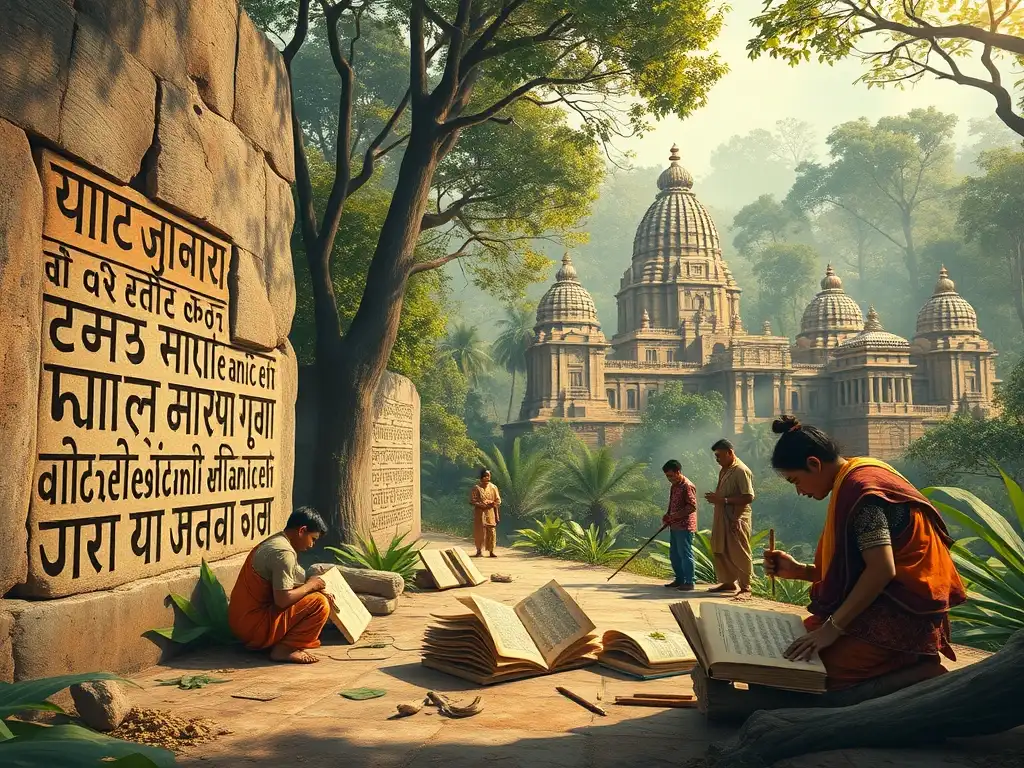
The development of writing systems in ancient India was a foundational aspect of the evolution of inscriptions. The emergence of scripts not only facilitated record-keeping but also played a significant role in the transmission of culture, literature, and knowledge across generations. The evolution of writing systems reflects the rich linguistic diversity of ancient India and its interactions with neighboring civilizations.
Brahmi and Kharosthi: Key Scripts in Ancient India
Among the various scripts that emerged, Brahmi and Kharosthi are considered two of the most significant writing systems in ancient India. Brahmi, which dates back to the 3rd century BCE, is recognized as the progenitor of many modern scripts in the Indian subcontinent, including Devanagari. Its inscriptions were often found on edicts, monuments, and coins, illuminating the socio-political landscape of the time.
Kharosthi, on the other hand, was primarily used in the northwest regions of ancient India and is notable for its unique directionality, being written from right to left. This script was prevalent during the Kushan Empire and was used for inscriptions on coins and religious texts. Both Brahmi and Kharosthi exemplify the innovations in written communication in ancient India and their influence on subsequent linguistic developments.
The scripts not only provided a means of record-keeping but also played a vital role in the dissemination of ideas and culture, as they allowed for the recording of religious texts, administrative documents, and literary works that would shape the Indian cultural heritage.
Influence of Other Civilizations on Indian Writing
The evolution of writing systems in ancient India was not an isolated phenomenon; it was significantly influenced by interactions with other civilizations. Trade routes, conquests, and cultural exchanges facilitated the transfer of writing techniques and materials between India and neighboring regions, such as Persia and Mesopotamia.
For instance, the adoption of certain alphabetic elements from Semitic scripts can be observed in the development of Brahmi. The interaction with Hellenistic cultures following Alexander the Great's invasion also brought new stylistic influences that enriched Indian inscriptions. This cross-cultural exchange underscores the fluidity of knowledge and the interconnectedness of ancient civilizations, highlighting how ancient Indian inscriptions evolved through a synthesis of local and foreign influences.
The Evolution of Language in Inscriptions
The evolution of language in inscriptions is a reflection of the socio-cultural dynamics of ancient India. As languages evolved, so did the content and style of inscriptions. Early inscriptions were often limited to simple symbols and short messages, but as languages became more complex, inscriptions began to encapsulate nuanced narratives and sophisticated ideas.
The linguistic diversity of ancient India is evident in the variety of languages used in inscriptions, including Sanskrit, Prakrit, and regional dialects. This linguistic evolution not only reflects the development of communication but also the rich tapestry of cultural identities within ancient Indian society. Inscriptions became a medium for expressing local vernaculars, thus contributing to the preservation of regional languages and dialects.
Over time, the sophistication of language in inscriptions mirrored the intellectual advancements of the period, with inscriptions serving as a canvas for philosophical, religious, and literary expressions. This evolution signifies the importance of written records in shaping the cultural and historical identity of ancient India, laying the groundwork for future generations to build upon.
Major Inscriptions and Their Historical Significance
Inscriptions in ancient India serve as vital historical documents, offering insights into the culture, politics, and social structure of the time. These inscriptions, carved into stone, metal, and other materials, reflect the evolution of language, governance, and religious practices. They are invaluable for understanding the complexities of ancient Indian civilizations, from the Indus Valley period through the Gupta Empire. The most significant inscriptions often mark key events, decrees, or cultural shifts, acting as windows into the past and providing a narrative that connects us to our cultural heritage.
One of the most notable aspects of these inscriptions is their geographical spread across the Indian subcontinent. Major inscriptions can be found in various forms, including edicts, copper plates, and temple inscriptions, each contributing uniquely to our understanding of ancient India. The inscriptions not only chronicle the achievements of rulers but also encapsulate the thoughts, beliefs, and practices of the people, thereby preserving a rich tapestry of historical narratives.
Ashoka's Edicts: A Turning Point in Indian History
The edicts of Ashoka, inscribed on rocks and pillars across his empire, represent a significant turning point in Indian history. King Ashoka, who ruled during the 3rd century BCE, embraced Buddhism after the Kalinga War and sought to promote peace, moral values, and welfare through his edicts. These inscriptions, written in various scripts including Brahmi and Kharosthi, communicate messages of non-violence, compassion, and respect for all living beings.
Ashoka's edicts are not only notable for their content but also for their widespread distribution, which facilitated the spread of Buddhism beyond India. They highlight key principles such as dharma (moral law) and the importance of ethical governance. The edicts serve as one of the earliest examples of using inscriptions as a tool for state communication, reflecting Ashoka's vision of a just and humane society. The historical significance of these inscriptions extends beyond their immediate context, influencing later rulers and the development of Indian thought and governance.
Gupta Period Inscriptions and Their Contributions
The Gupta period, often referred to as the Golden Age of India, witnessed a flourishing of art, literature, and science, which is mirrored in its inscriptions. Gupta inscriptions, primarily from the 4th to 6th centuries CE, are found on temples, pillars, and copper plates. These inscriptions reflect the achievements of the Gupta rulers, emphasizing their patronage of the arts, religious tolerance, and administrative efficiency.
A key contribution of Gupta inscriptions is the development of the Sanskrit language in written form, marking a significant evolution in Indian literature and culture. The inscriptions often commemorate donations to temples, royal decrees, and achievements of scholars and poets, thus providing a comprehensive picture of societal values during this era. They illustrate the integration of religion and politics, as rulers often used inscriptions to legitimize their power and express their devotion to deities, thereby reinforcing their authority.
The Role of Inscriptions in Preserving Cultural Heritage
Inscriptions play a crucial role in preserving the cultural heritage of ancient India. They serve as primary sources that document historical events, societal norms, and religious practices, enabling modern scholars to reconstruct the past. The meticulous carvings and engravings found on temples, rocks, and other substrates reflect the artistic and linguistic capabilities of ancient civilizations.
Moreover, inscriptions help to maintain the continuity of cultural traditions and practices. They provide insights into the daily lives of people, their governance systems, trade practices, and interactions with other cultures. By examining these inscriptions, researchers can trace the evolution of languages, scripts, and artistic styles, facilitating a deeper understanding of ancient Indian civilization's development and its lasting impact on contemporary society.
The Function of Inscriptions in Society
Inscriptions served multiple functions in ancient Indian society, acting as tools for communication, record-keeping, and cultural expression. They were integral in conveying information, enforcing laws, and commemorating significant events, thereby playing a vital role in the administration and socio-cultural dynamics of the time.
Inscriptions as Legal Documents
Legal inscriptions were an essential aspect of ancient Indian governance, serving as formal records of laws, treaties, and agreements. These inscriptions were often inscribed on durable materials like stone or metal, ensuring their longevity and accessibility to the public. They provided a transparent means of communication between rulers and subjects, establishing a framework for justice and societal order.
For instance, inscriptions such as those found in the edicts of Ashoka include legal principles and moral guidelines that governed the conduct of individuals within the empire. These inscriptions not only documented laws but also reflected the ethical standards expected of society, illustrating the interconnectedness of law and morality in ancient Indian culture. This function of inscriptions as legal documents significantly contributed to the establishment of stable governance and the rule of law.
Religious Texts and Inscriptions: A Spiritual Legacy
Religious inscriptions in ancient India are a testament to the spiritual and philosophical richness of Indian culture. These inscriptions often adorn temples and sacred sites, conveying prayers, hymns, and philosophical treatises. They serve as a means of spiritual expression and community identity, reflecting the diverse religious practices that thrived in ancient India.
Inscriptions related to Hinduism, Buddhism, and Jainism illustrate the evolution of religious thought and the significance of rituals and beliefs in everyday life. For example, the detailed carvings on temple walls depict deities and mythological narratives, while inscriptions may include verses from important texts such as the Vedas and Upanishads. This intertwining of art and spirituality in inscriptions has preserved a legacy that continues to influence religious practices in India today.
Commemorative Inscriptions and Their Role in Memory
Commemorative inscriptions, often dedicated to kings, heroes, and significant events, play a vital role in the collective memory of society. These inscriptions serve as monuments of remembrance, celebrating achievements and memorializing important figures. They help to establish a shared historical narrative that reinforces cultural identity and continuity.
For instance, many Gupta period inscriptions commemorate victories in battle, royal patronage, and significant contributions to art and literature. These inscriptions not only honor individuals but also encapsulate the values and aspirations of society at the time. By preserving these memories, inscriptions help maintain a sense of belonging and connection to the past, allowing future generations to appreciate their cultural heritage and historical context.
The Decline of Stone Inscriptions and Rise of Manuscripts
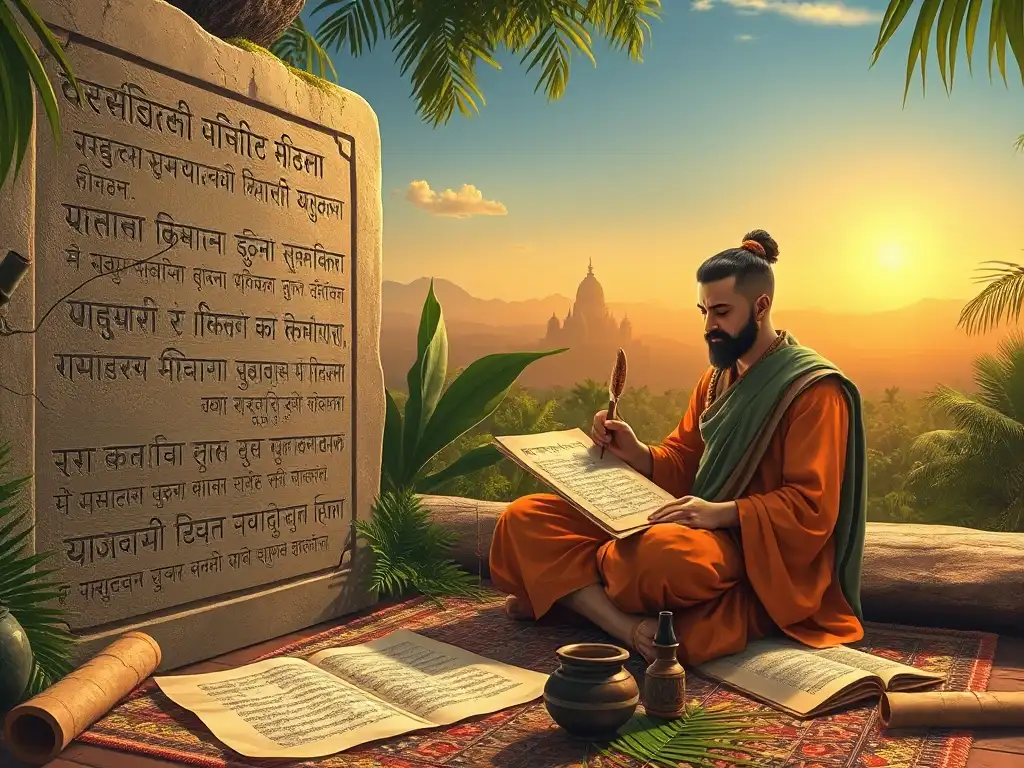
The transition from stone inscriptions to manuscripts represents a significant phase in the evolution of documentation in ancient India. Stone inscriptions, which had dominated the landscape for centuries, began to decline as the practicality of writing on perishable materials like palm leaves and birch bark gained prominence. This shift was not merely a change in medium, but rather a reflection of the evolving needs and socio-political contexts of the time.
The rise of manuscripts allowed for greater flexibility and accessibility. Unlike stone inscriptions, which were often site-specific and permanent, manuscripts could be produced and transported more easily. This portability enabled a broader dissemination of knowledge and culture. Additionally, the introduction of writing styles such as Brahmi and Kharosthi facilitated the recording of more complex ideas, narratives, and religious texts, further diminishing the reliance on stone as a primary medium for communication.
Factors Leading to the Shift from Stones to Scrolls
Several factors contributed to the decline of stone inscriptions and the rise of manuscripts in ancient India:
- Technological Advancements: The development of writing tools and materials made it easier to create and replicate texts. The use of ink and styluses allowed for more intricate and detailed writing compared to engraving on stone.
- Cultural Changes: With the emergence of new religious and philosophical movements, particularly Buddhism and Jainism, there was a growing demand for texts that could capture teachings and scriptures. Manuscripts became the preferred medium as they allowed for customization and adaptation of content.
- Economic Factors: The cost of creating stone inscriptions was significantly higher than that of producing manuscripts. As trade and commerce expanded, the need for efficient communication in a variety of contexts encouraged the use of less durable but more practical writing materials.
- Political Dynamics: The fragmentation of empires and the rise of local kingdoms led to a more decentralized society where the transmission of knowledge became essential. Manuscripts facilitated this by allowing localized documentation that could be shared among diverse cultures and communities.
Preservation and Misplacement of Ancient Inscriptions
The preservation of ancient inscriptions has been a critical aspect of understanding India's historical narrative. However, the transition from stone to manuscripts also brought challenges regarding preservation. While stone inscriptions are typically more durable, manuscripts are prone to decay over time due to environmental factors and material degradation.
- Natural Elements: Manuscripts made from organic materials like palm leaves are susceptible to moisture, insects, and ultraviolet light, which can lead to significant deterioration. In contrast, stone inscriptions, if maintained properly, can endure for millennia.
- Cultural Factors: The shift towards manuscripts also meant that many inscriptions were neglected or forgotten. As the focus moved to textual traditions, some ancient inscriptions were misidentified, misplaced, or even destroyed, leading to gaps in the historical record.
- Conservation Efforts: Modern archaeology and epigraphy have sought to recover and preserve ancient inscriptions. However, the task is complicated by the sheer volume of material and the often fragmented context in which these inscriptions exist.
The Impact of Political Changes on Inscriptions
Political changes throughout ancient Indian history had a profound impact on the nature and purpose of inscriptions. As dynasties rose and fell, so too did the themes and styles of inscriptions.
- Royal Patronage: Many inscriptions were commissioned by rulers as a means of legitimizing their reign. The content often reflected the political ideologies of the time, celebrating victories, divine right, or lineage. For instance, the inscriptions of the Mauryan Empire, such as those by Ashoka, emphasized moral governance and the spread of Buddhism.
- Regional Variability: The establishment of regional powers led to diverse practices in inscribing. Local rulers often adopted different languages and scripts, leading to a rich tapestry of inscriptions that varied widely in style and content.
- Cultural Integration: In times of political unification, such as during the Gupta Empire, there was a notable standardization in the use of inscriptions. This period saw the flourishing of Sanskrit as a literary language and the emergence of a more cohesive cultural identity, reflected in the uniformity of inscriptions.
Conclusion: The Legacy of Ancient Indian Inscriptions Evolution
The evolution from stone to scroll in ancient Indian inscriptions encapsulates a rich history of communication, culture, and governance. This transition not only highlights the technological advancements of the time but also reflects the dynamic socio-political landscape.
Reflection on the Importance of Inscriptions in Understanding Ancient Civilizations
Inscriptions serve as invaluable resources for historians and archaeologists, providing insights into the socio-political, religious, and economic contexts of ancient civilizations. They are essential for reconstructing historical narratives, understanding cultural identities, and appreciating the complexity of ancient Indian society. The study of these inscriptions illuminates the values, beliefs, and achievements of past societies, making them a cornerstone of historical inquiry.
Future Directions in the Study of Ancient Indian Inscriptions
The future of studying ancient Indian inscriptions lies in interdisciplinary approaches that combine traditional epigraphy with modern technology. Digital tools such as 3D scanning and imaging can enhance the documentation and analysis of inscriptions, ensuring better preservation and accessibility. Additionally, integrating insights from anthropology, linguistics, and history will deepen our understanding of the cultural significance of these inscriptions. As researchers continue to unearth new findings, the narrative of ancient Indian inscriptions will undoubtedly evolve, revealing even more about the rich tapestry of India's past.
References and Further Reading on Ancient Indian Inscriptions
The study of ancient Indian inscriptions offers a profound insight into the socio-political, cultural, and religious aspects of early Indian civilizations. For those interested in exploring this fascinating subject further, the following resources provide valuable information and perspectives on the evolution of inscriptions in ancient India.
Suggested Books and Articles
-
"Inscriptions of Ashoka" by Richard Salomon
This book provides a comprehensive analysis of the Edicts of Ashoka, exploring their historical context and significance in the evolution of inscriptions. Salomon's meticulous work sheds light on the linguistic and cultural implications of these inscriptions.
-
"The Art and Architecture of Ancient India" by Thomas Donaldson
This text covers not only the artistic elements of ancient Indian culture but also delves into the inscriptions found in temples and monuments, illustrating their role in conveying historical narratives.
-
"Indian Epigraphy" by D.C. Sircar
A seminal work in the field, this book offers a detailed study of various inscriptions across India, categorizing them and analyzing their linguistic features and historical context.
-
"Ancient Indian Inscriptions: A Textbook for Students" by R. S. Sharma
This textbook is designed for students new to the subject, providing accessible explanations and interpretations of key inscriptions from different periods in Indian history.
-
"The Historical Dictionary of Ancient India" by W. Norman Brown
This dictionary serves as a quick reference guide for various inscriptions, their meanings, and the cultural contexts in which they were created.
Online Resources for Inscriptions and Epigraphy Studies
-
Digital South Asia Library (DSAL)
This online resource offers a wealth of digitized materials related to South Asian history, including ancient inscriptions, maps, and historical texts.
-
The Archaeological Survey of India (ASI)
The official website of ASI provides access to research papers, excavation reports, and details about significant archaeological sites in India, including inscriptions.
-
Epigraphia Indica
This journal focuses on Indian epigraphy and is available online. It features articles, reports, and discussions on various aspects of inscriptions across ancient India.
-
The Indus Script: An Overview
A dedicated web portal that explores the mysteries of the Indus Valley Script, offering insights into its potential meanings and implications for understanding early Indian civilizations.
-
Indian Historical Review
An academic journal that publishes articles on various historical topics, including studies on inscriptions, providing a platform for current research and discourse in the field.
These references and online resources serve as foundational tools for anyone looking to deepen their understanding of the evolution of inscriptions in ancient India, illuminating the complexities and richness of this historical narrative.
- Introduction to Ancient Indian Inscriptions Evolution
- The Origins of Inscriptions in Ancient India
- The Transition from Stone to Other Materials
- The Development of Writing Systems
- Major Inscriptions and Their Historical Significance
- The Function of Inscriptions in Society
- The Decline of Stone Inscriptions and Rise of Manuscripts
- Conclusion: The Legacy of Ancient Indian Inscriptions Evolution
- References and Further Reading on Ancient Indian Inscriptions
- What are ancient Indian inscriptions?
- How did the evolution of inscriptions reflect societal changes?
- What materials were commonly used for inscriptions in ancient India?
- Which ancient Indian civilizations are known for their inscriptions?
- How do ancient Indian inscriptions contribute to our understanding of history?
Frequently Asked Questions
What are ancient Indian inscriptions?
Ancient Indian inscriptions are written records carved into materials like stone, metal, and clay, which provide insights into the history, culture, and languages of ancient Indian civilizations.
How did the evolution of inscriptions reflect societal changes?
The evolution of inscriptions in ancient India mirrors the socio-political and cultural shifts over time, showcasing the transition from simple symbols to complex scripts that recorded administrative and religious texts.
What materials were commonly used for inscriptions in ancient India?
Inscriptions were typically made on stone, metal, and pottery. These materials were chosen for their durability, allowing historical information to be preserved for centuries.
Which ancient Indian civilizations are known for their inscriptions?
The Indus Valley Civilization, the Maurya Empire, and the Gupta Empire are notable for their inscriptions, each contributing to the rich tapestry of ancient Indian history through their unique styles and content.
How do ancient Indian inscriptions contribute to our understanding of history?
Ancient Indian inscriptions serve as primary sources that provide valuable information about historical events, administrative practices, and cultural beliefs, enriching our understanding of the evolution of Indian civilization through the ages.
Final Reflection: The Enduring Legacy of Ancient Indian Inscriptions
The evolution of inscriptions in ancient India is not merely a historical narrative; it is a testament to the profound ways in which our ancestors communicated their thoughts, beliefs, and identities. Today, as we navigate an increasingly digital world, the significance of these inscriptions resonates more than ever, reminding us of the power of written language in shaping culture and preserving history. The journey from stone to scroll encapsulates a transformative period that laid the groundwork for future generations to express themselves and document their experiences.
Cultural and social landscapes are continually influenced by the remnants of our past, and ancient Indian inscriptions serve as a bridge connecting us to our heritage. These inscriptions are not just artifacts; they are voices from the past that echo through time, offering insights into the values and aspirations of ancient societies. As noted by historian Romila Thapar, “Inscriptions are the lifeblood of history; they tell us who we were and who we might become.” This ongoing dialogue with our history invites us to reflect on our identity and the narratives we choose to carry forward.
As you ponder the evolution of ancient Indian inscriptions, consider how these lessons can be applied to your own life. Reflect on the importance of documenting your thoughts and experiences, whether through writing, art, or other forms of expression. In a world where voices often get lost in the noise, your unique story deserves to be told. Embrace the legacy of those who came before you, and let their journey inspire you to leave your own mark on the tapestry of history.
Unveil the Legacy: Take Action on Ancient Inscriptions!
Thank you for journeying through the fascinating evolution of inscriptions in Ancient India! You've gained insights into the remarkable ways cultures have communicated through time. Now, let’s keep that curiosity alive and explore further!
Here’s how you can dive deeper and celebrate this celestial heritage:
- Explore the Art: Visit a local museum to see ancient inscriptions firsthand or take a virtual tour of one online. Witness the beauty and craftsmanship that shaped our history!
- Join the Conversation: Engage with fellow enthusiasts by sharing your thoughts on social media or in community forums. Invite a friend to discuss your favorite discoveries!
- Create Your Record: Start a journal reflecting on the significance of history and its impact on our world today. Your insights could inspire others to appreciate our shared past!
Which inscription or story from ancient India resonates with you the most? Share your thoughts in the comments below and let's spark a dialogue about our incredible heritage!