
The Cultivation of Cotton in Ancient India: A Textile Revolution

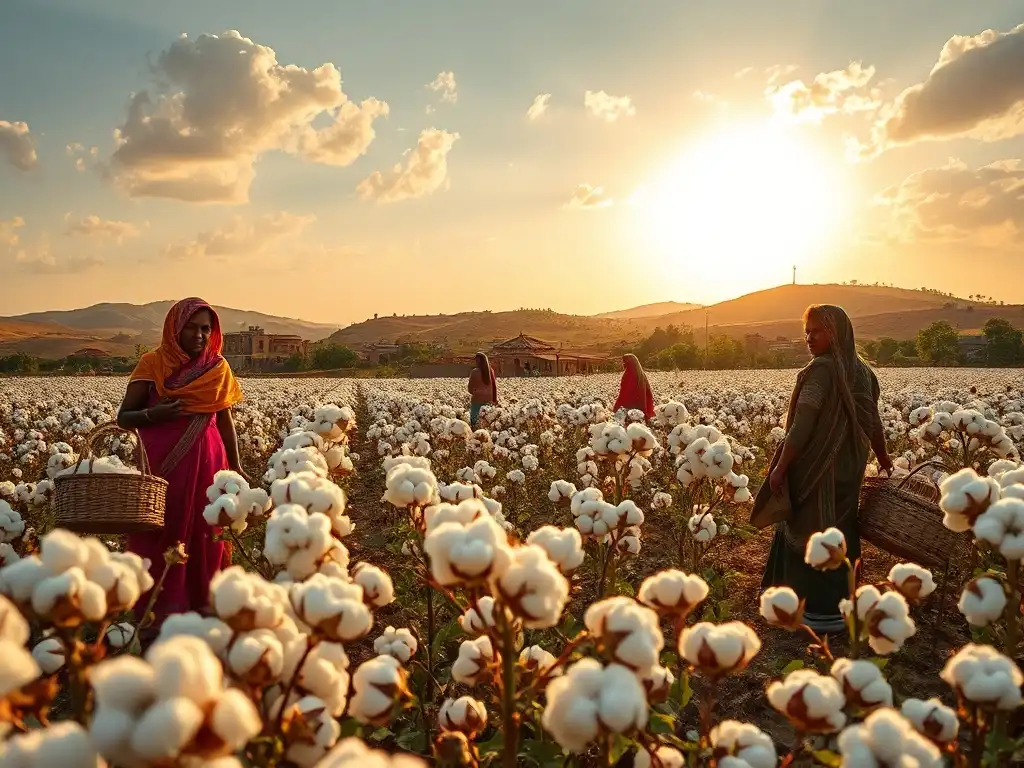
Welcome to Ancient India History, where we embark on a fascinating journey through the rich tapestry of ancient Indian civilizations. In this exploration, we delve into the remarkable story of Ancient Indian cotton cultivation, a cornerstone of the region's agricultural and economic legacy. Discover how this textile revolution not only shaped trade practices but also influenced cultures across continents. Prepare to be intrigued as we unravel the intricate threads of history that have woven together the fabric of ancient India. Join us as we unfold this captivating narrative—your adventure begins here!

Introduction to Ancient Indian Cotton Cultivation
The cultivation of cotton in ancient India represents a significant chapter in the history of agriculture and textile production, showcasing the ingenuity and adaptability of early Indian civilizations. Cotton, known for its versatility and comfort, played a pivotal role in shaping the socio-economic landscape of ancient India.
From the sophisticated urban centers of the Indus Valley Civilization to the flourishing trade networks during the Gupta Empire, the impact of cotton cultivation can be traced through various epochs of Indian history. This article delves into the historical significance, agricultural practices, and economic implications of ancient Indian cotton cultivation, shedding light on its contribution to both local and global textile industries.
Overview of Cotton as a Textile in Ancient India
Cotton emerged as one of the most important textiles in ancient India, valued for its softness, durability, and ability to be dyed in vibrant colors. Archaeological evidence suggests that cotton was used to create textiles as early as 5,000 BCE. The people of the Indus Valley, known for their advanced urban planning and craftsmanship, were among the first to cultivate cotton and produce intricate woven fabrics.
- Key Characteristics of Ancient Indian Cotton Textiles:
- Softness and Comfort: Cotton was favored for its breathable nature and comfort against the skin.
- Variety of Weaves: Ancient artisans developed diverse weaving techniques resulting in a range of products from simple garments to elaborate drapes.
- Natural Dyes: The use of locally sourced natural dyes allowed for a rich palette, making cotton textiles highly sought after.
Importance of Cotton in Ancient Indian Economy
The economic significance of cotton in ancient India cannot be overstated. It was not only a vital crop for local consumption but also a major export commodity. The thriving cotton trade facilitated interactions with neighboring regions and far-off lands, contributing to cultural exchanges and economic prosperity.
- Economic Contributions:
- Trade and Commerce: Cotton textiles were exported to various regions, including Mesopotamia and later European countries, enhancing India's standing in global trade.
- Employment and Craftsmanship: The cotton industry provided livelihoods for countless artisans, weavers, and farmers, fostering a skilled workforce.
- Tax Revenue: The cultivation and trade of cotton generated substantial revenue for ancient kingdoms, supporting public works and infrastructure.
Historical Context of Cotton Cultivation in India
The Origins of Cotton Cultivation in the Indus Valley
The roots of cotton cultivation can be traced back to the Indus Valley Civilization, one of the world's earliest urban cultures. Archaeological findings at sites like Mohenjo-Daro and Harappa have uncovered evidence of cotton fibers and textiles, indicating that the people of this civilization mastered agricultural techniques and textile production.
- Agricultural Advancements:
- Irrigation Techniques: The Indus Valley people employed sophisticated irrigation methods, enabling the effective cultivation of cotton in arid regions.
- Crop Rotation: They practiced crop rotation, which enhanced soil fertility and sustained cotton production over time.
The Role of Cotton in Early Indian Civilizations
As India transitioned through various dynasties, cotton continued to hold a prominent place in agricultural practices and economic frameworks. The Mauryan and Gupta Empires, in particular, recognized the value of cotton as both a staple crop and a luxury good, fostering innovations in textile production.
- Cultural Significance:
- Symbol of Status: Cotton textiles became a symbol of wealth and status, often featured in royal attire and ceremonial garments.
- Integration in Daily Life: Cotton's presence in daily life, from clothing to household items, demonstrated its entrenched significance in ancient Indian society.
The cultivation of cotton in ancient India not only transformed agricultural practices but also laid the foundation for a vibrant textile industry that would resonate through centuries, influencing both local cultures and international trade.
Agricultural Techniques in Ancient Indian Cotton Cultivation
The cultivation of cotton in ancient India involved a variety of agricultural techniques that were sophisticated for their time. The ancient Indian farmers were adept at utilizing the diverse climatic conditions across the subcontinent to cultivate high-quality cotton. Key techniques included crop rotation, intercropping, and the use of organic fertilizers.
Farmers would often rotate cotton with legumes, which not only enriched the soil with nitrogen but also helped in pest management. The practice of intercropping, where cotton was planted alongside other crops such as sorghum or millet, served to maximize land use and enhance biodiversity, thus reducing the risk of total crop failure. Additionally, ancient texts suggest the use of cow dung and compost as natural fertilizers, which played a crucial role in maintaining soil fertility.
Traditional Methods of Cotton Farming
Traditional methods of cotton farming in ancient India were deeply rooted in local customs and practices. Farmers relied heavily on manual labor and simple tools, such as ploughs made from wood or iron, to cultivate the land. The sowing process was typically done by hand, with seeds being placed in furrows created by the plough.
Irrigation techniques were also significant, especially in regions with less rainfall. The use of canals and wells for irrigation allowed farmers to maintain a consistent water supply, which was essential for cotton growth. In regions like the Indus Valley, evidence suggests advanced drainage systems that facilitated effective water management, enhancing cotton yields.
Furthermore, seasonal festivals were often tied to farming activities, with rituals performed to invoke favorable weather conditions for the cotton crop. This cultural integration of agriculture helped sustain cotton farming practices across generations.
Innovations in Cotton Cultivation Techniques
Innovations in cotton cultivation techniques emerged over time, significantly impacting productivity and quality. One notable advancement was the development of specific cotton varieties through selective breeding. Ancient farmers identified and cultivated strains that were more resistant to pests and diseases, leading to higher yields.
The introduction of the spinning wheel (charkha) and loom technology also revolutionized cotton processing. These innovations not only improved the efficiency of spinning cotton into thread but also allowed for the creation of finer textiles that were in high demand. The skillful weaving techniques developed in regions like Gujarat and Tamil Nadu further enhanced the quality of cotton fabrics.
Additionally, the application of crop protection methods, including the use of natural repellents and companion planting, demonstrated an understanding of ecological relationships. Ancient texts, such as the Arthashastra, provide insights into these practices, indicating a blend of empirical knowledge and traditional wisdom that characterized ancient Indian agricultural innovation.
The Impact of Ancient Indian Cotton on Trade
The impact of ancient Indian cotton on trade cannot be overstated, as it played a pivotal role in establishing India as a significant player in the global textile market. Cotton textiles became a major export, with demand surging in regions such as the Middle East, Europe, and Southeast Asia. The high quality and diverse range of cotton products, from simple cloth to intricate garments, attracted traders and merchants worldwide.
Cotton Trade Routes in Ancient India
Cotton trade routes in ancient India were well-established, facilitating the movement of goods across vast distances. Key trade routes included the Silk Road, which connected India to Central Asia and beyond, and maritime routes that linked Indian ports with the Arabian Sea and the Indian Ocean. Major trading cities, such as Cambay and Calicut, became bustling hubs where cotton textiles were exchanged for spices, precious stones, and other commodities.
The organization of trade guilds further streamlined the cotton trade, with merchants specializing in the cotton industry forming associations that regulated prices and ensured quality. These trade networks not only enhanced economic prosperity but also fostered cultural exchanges, showcasing the integral role of cotton in ancient Indian commerce.
Influence of Ancient Indian Cotton on Global Trade
The influence of ancient Indian cotton on global trade was profound, as it contributed to the establishment of interconnected markets. Indian cotton textiles set a high standard in quality and craftsmanship, prompting regions such as Persia and Egypt to develop their own textile industries influenced by Indian techniques.
Moreover, the demand for Indian cotton fabrics led to the growth of international trade routes, encouraging cross-cultural interactions. This exchange not only impacted economies but also facilitated the spread of ideas, technologies, and cultural practices. The legacy of ancient Indian cotton cultivation, therefore, extends beyond mere agricultural practices; it signifies a foundational element in the global textile trade that shaped historical economies and cultural identities.
Cultural Significance of Cotton Textiles in Ancient India
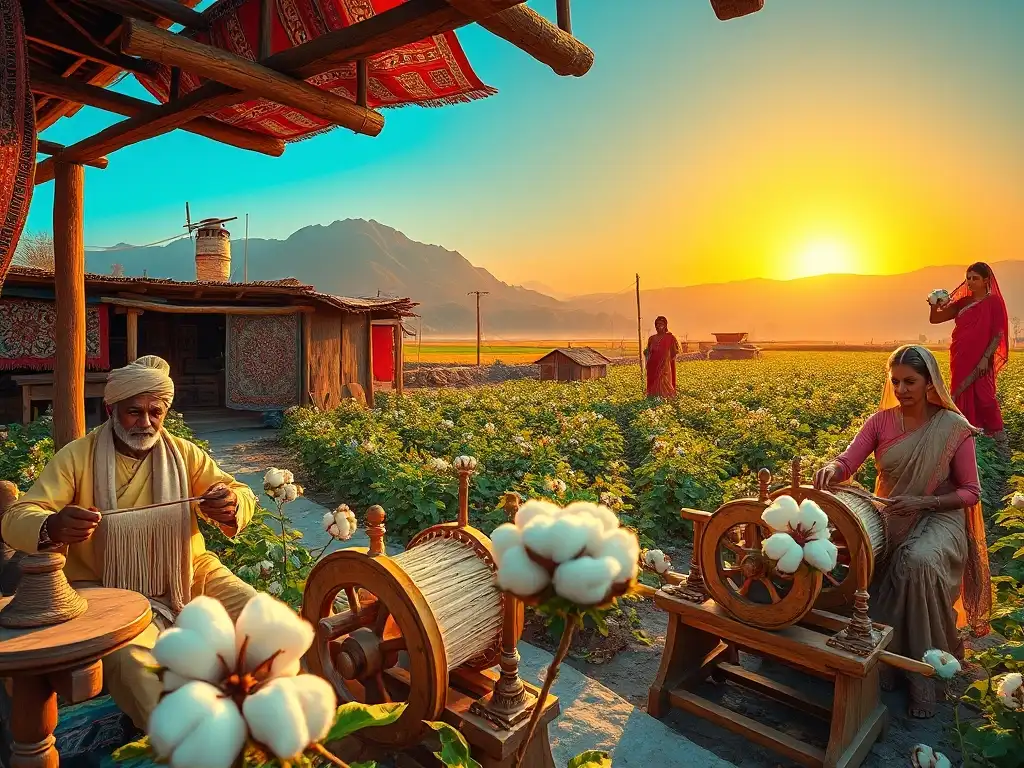
Cotton textiles played a crucial role in the cultural landscape of ancient India, transcending mere functionality to become symbols of identity, status, and spirituality. The cultivation of cotton can be traced back to the Indus Valley Civilization, where archaeological findings reveal that cotton was not only grown but also woven into fine textiles. These early cotton fabrics were utilized for clothing, trade, and ritualistic purposes, indicating their profound significance in daily life and societal structures.
The importance of cotton textiles extended beyond practical use; they were intricately woven into the social fabric of ancient Indian society. Different regions developed their unique styles and patterns, reflecting local traditions and culture. For instance, the vibrant and intricate designs of Kanchipuram silk sarees incorporated cotton, showcasing the rich textile heritage that flourished in various parts of India. Cotton also became a trade commodity, with ancient Indian merchants exporting textiles to distant lands, thereby enhancing cultural exchange and economic stability.
In ancient India, cotton textiles were closely linked to religious and social practices, serving as offerings and ceremonial garments. Cotton was considered pure and was often used in rituals and ceremonies, especially in Hinduism. Garments made from cotton were worn during important religious festivals and life events such as weddings and births, symbolizing purity and auspiciousness.
Moreover, the trade of cotton textiles contributed to social stratification. Wealthy families adorned themselves with fine cotton garments, while lower strata utilized coarser fabrics. This differentiation in textile quality underscored social hierarchies and influenced community identities. Cotton textiles also played a role in the art of storytelling; many fabrics featured motifs and symbols that told tales of mythology and folklore, thus preserving cultural narratives through generations.
Artistic Expressions and Cotton Textiles in Ancient Societies
Cotton textiles were not merely functional items but also canvases for artistic expression in ancient India. Weavers employed various techniques, such as block printing and tie-dyeing, to create exquisite patterns and vibrant colors that reflected the aesthetic sensibilities of their times. Each region developed distinct styles; for instance, the Bandhani technique from Gujarat and the Kalamkari art from Andhra Pradesh showcased the innovative spirit of ancient artisans.
Textiles often served as a medium to express societal values, local customs, and the natural world. The intricate designs were imbued with meanings, often inspired by nature, mythology, and daily life, thus providing insight into the cultural and spiritual landscape of ancient Indian societies. The artistic prowess of weavers and dyers contributed significantly to the rich tapestry of Indian heritage, influencing not only domestic consumption but also international trade.
Challenges Faced in Ancient Indian Cotton Cultivation
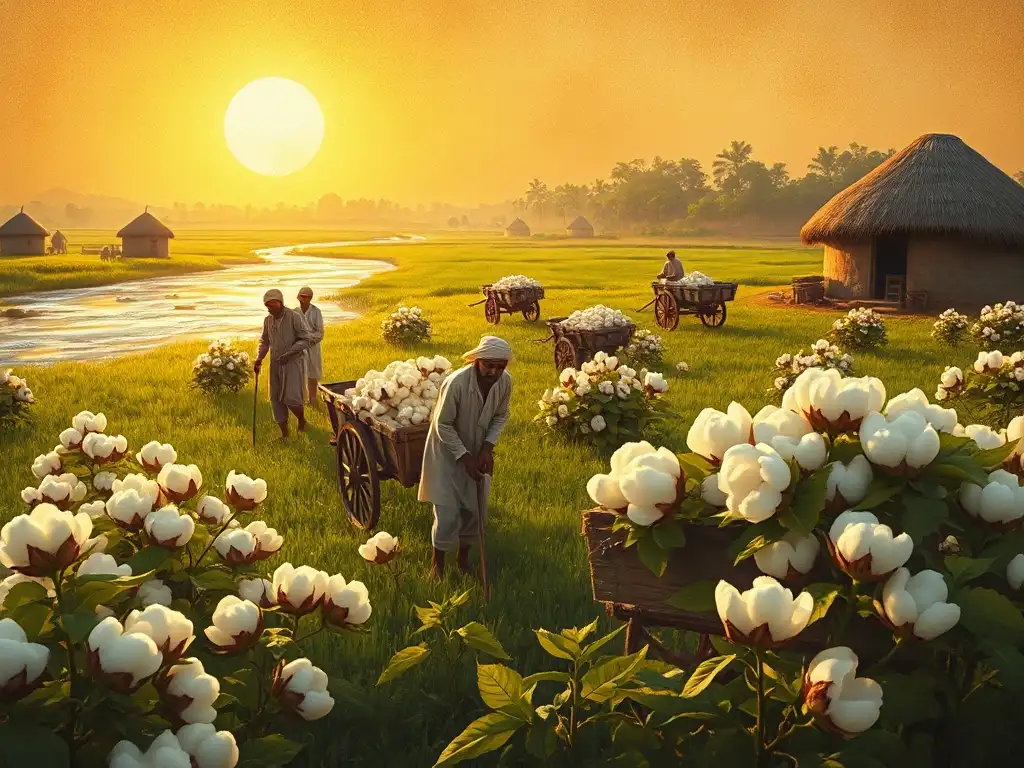
The cultivation of cotton in ancient India, while significant, was not without its challenges. Various factors, including environmental conditions and socio-economic dynamics, impacted the yield and sustainability of cotton farming. Despite the advancements in agricultural techniques, ancient farmers faced numerous hurdles that affected the productivity of cotton crops.
Environmental Factors Affecting Cotton Growth
Environmental factors such as soil quality, water availability, and climatic conditions significantly impacted cotton cultivation in ancient India. Cotton requires well-drained, fertile soil and a warm climate for optimal growth. The monsoon season was crucial for providing the necessary moisture; however, irregular rainfall patterns could lead to either drought or flooding, adversely affecting crop yields.
Additionally, pest infestations posed a substantial threat to cotton crops. Farmers had to develop traditional pest control methods, which often limited the overall productivity of their fields. The interplay of these environmental conditions necessitated a deep understanding of agronomy among ancient Indian farmers, who adapted their practices to cope with the challenges posed by nature.
Economic and Social Challenges in Cotton Production
Cotton production in ancient India was also influenced by economic and social challenges. The reliance on manual labor for cultivation and processing meant that labor shortages could lead to reduced output. Social factors, including caste dynamics, impacted who participated in cotton farming and textile production, often limiting opportunities for certain groups.
Moreover, fluctuations in market demand and prices could pose risks to farmers. While cotton was a valued commodity, its price volatility could lead to economic instability for those dependent on its cultivation. The interconnectedness of these economic and social issues highlights the complexities faced by ancient Indian cotton cultivators, underscoring the need for innovative agricultural practices and community support systems to enhance resilience in cotton production.
The Legacy of Ancient Indian Cotton Cultivation
The cultivation of cotton in ancient India marks a pivotal chapter in the history of agriculture and textiles. Evidence suggests that cotton was grown in the Indus Valley Civilization around 2500 BCE, making it one of the earliest regions to cultivate this fiber. Archaeological findings, such as cotton fragments and spinning tools, indicate that ancient Indians not only cultivated cotton but also engaged in sophisticated textile production methods.
This practice laid the foundation for what would become a thriving textile industry, with cotton textiles being a significant export during ancient times. The trade routes connecting India to the Mediterranean and beyond facilitated the exchange of cotton products, establishing India's reputation as a leading cotton producer. This legacy has continued through the centuries, influencing agricultural practices and economic structures in subsequent civilizations.
Influence on Modern Cotton Farming Practices
The techniques developed by ancient Indian farmers in cotton cultivation have left a lasting impact on modern agricultural practices. From the selection of high-quality seeds to the methods of irrigation and pest control, many strategies can trace their roots back to ancient innovations. Ancient Indian farmers employed crop rotation and intercropping, practices that promote soil fertility and reduce pest infestations, which are still relevant in contemporary farming.
Furthermore, the traditional knowledge of organic farming and sustainable practices prevalent in ancient India is being revisited today, as modern agriculture seeks to reduce chemical inputs and enhance biodiversity. This synergy between ancient practices and modern techniques underscores the importance of preserving and learning from historical agricultural wisdom.
The Enduring Cultural Impact of Ancient Indian Cotton Textiles
The cultural significance of cotton textiles in ancient India extends beyond their economic value; they are intertwined with social and religious practices. Cotton garments were not only a staple in daily life but also played a role in rituals and ceremonies. Textiles often carried symbolic meanings, representing status, identity, and community.
Moreover, ancient Indian weaving techniques, such as block printing and tie-dyeing, have influenced textile arts across the globe. The intricate designs and patterns found in ancient Indian textiles continue to inspire contemporary fashion and design, demonstrating the enduring legacy of this vibrant cultural heritage.
Conclusion: The Textile Revolution in Ancient India
The cultivation of cotton in ancient India was not merely an agricultural innovation; it was a transformative force that reshaped economic and cultural landscapes. The integration of cotton into daily life spurred advancements in textile technology and trade, contributing significantly to the prosperity of ancient Indian civilizations.
Summary of Key Contributions of Cotton Cultivation
- Economic Prosperity: The cotton trade bolstered ancient India's economy, establishing it as a major player in global textile markets.
- Cultural Exchange: Cotton textiles facilitated cultural exchanges through trade, influencing fashion and textile practices in various regions.
- Technological Innovations: Ancient methods of spinning, weaving, and dyeing cotton laid the groundwork for modern textile production.
The Lasting Impact of Ancient Indian Cotton on Textile History
The legacy of ancient Indian cotton cultivation is evident in the continued prominence of cotton as a primary textile fiber worldwide. The innovations from ancient India have inspired countless generations, not only preserving traditional techniques but also adapting them to meet contemporary needs. The impact of these practices is felt in various sectors, from fashion to sustainable agriculture, highlighting the timeless relevance of ancient Indian contributions to the global textile narrative.
- Introduction to Ancient Indian Cotton Cultivation
- Historical Context of Cotton Cultivation in India
- Agricultural Techniques in Ancient Indian Cotton Cultivation
- The Impact of Ancient Indian Cotton on Trade
- Cultural Significance of Cotton Textiles in Ancient India
- Cotton in Religious and Social Practices
- Artistic Expressions and Cotton Textiles in Ancient Societies
- Challenges Faced in Ancient Indian Cotton Cultivation
- The Legacy of Ancient Indian Cotton Cultivation
- Conclusion: The Textile Revolution in Ancient India
Frequently Asked Questions
What was the significance of cotton cultivation in ancient India?
The cultivation of cotton played a crucial role in ancient Indian economies, providing raw materials for textile production and contributing to trade, both locally and internationally.
How did ancient Indians cultivate cotton?
Ancient Indians employed advanced agricultural techniques and tools, such as the plough, to cultivate cotton effectively, ensuring high yields and quality fibers for textile manufacturing.
What were the economic impacts of cotton trade in ancient India?
The cotton trade significantly boosted the economy of ancient India, leading to increased trade relations with other civilizations, and establishing India as a major exporter of textiles.
When did cotton cultivation begin in ancient India?
Cotton cultivation in India dates back to around 3000 BCE, with evidence found in the Indus Valley Civilization, showcasing its long-standing importance in Indian agriculture.
How did cotton textiles influence ancient Indian culture?
Cotton textiles were not only a source of economic wealth but also played a vital role in cultural identity, influencing clothing styles, art, and social practices in ancient Indian society.
Final Reflection: The Enduring Legacy of Ancient Indian Cotton Cultivation
The cultivation of cotton in ancient India was not merely a practice; it was a transformative force that shaped economies, societies, and cultures. Today, as we navigate a world increasingly focused on sustainable practices and ethical production, the lessons from ancient Indian cotton cultivation resonate more than ever. The ingenuity and resourcefulness of our ancestors remind us that innovation is often rooted in tradition, and that the threads of history can weave a brighter future.
Cotton cultivation in ancient India laid the groundwork for a textile industry that transcended borders and cultures, influencing global trade and craftsmanship. The impact of this ancient practice is still felt today, as we witness a resurgence of interest in organic and sustainable textiles. The fabric of our lives is woven not just from threads, but from the stories and traditions that have shaped our world.
This quote encapsulates the profound connection we share with the past, urging us to honor the heritage that has brought us to this point.
As you reflect on the significance of ancient Indian cotton cultivation, consider how you can incorporate its lessons into your own life. Embrace the values of sustainability, creativity, and respect for tradition in your daily choices. Whether it’s supporting local artisans, opting for eco-friendly fabrics, or simply learning more about the history behind the textiles you use, every small action contributes to a larger narrative. Let the legacy of ancient Indian cotton cultivation inspire you to weave your own story of mindful living and cultural appreciation.
Unveil the Legacy of Cotton: Take Action Today!
Thank you for diving into the fascinating history of cotton cultivation in ancient India! By exploring this rich narrative, you’ve uncovered the roots of a textile revolution that shaped cultures and economies. Now, it’s time to take what you’ve learned and put it into action!
Here’s how you can continue your journey:
- Dive Deeper: Visit local museums or explore online platforms that showcase ancient textiles and their significance. Discover how these techniques have influenced modern practices!
- Share the Knowledge: Engage in discussions with friends or share your insights on social media. Spread the word about cotton’s historical impact—your voice can inspire others!
- Engage with Community: Become a member of online forums or local groups focused on textile history, and participate in discussions that celebrate ancient craftsmanship.
What aspect of ancient textile traditions inspires you the most, and how will you incorporate that into your own appreciation of history?