
Techniques for Irrigation: How Ancient Indians Harnessed Water for Crops


Welcome to Ancient India History, where we invite you to embark on a fascinating journey through time, uncovering the rich tapestry of ancient Indian civilizations. Have you ever wondered how these remarkable societies managed to thrive in diverse landscapes? Our main article, "Techniques for Irrigation: How Ancient Indians Harnessed Water for Crops," delves into the ingenious irrigation techniques that fueled agricultural prosperity and shaped the very foundations of their economy.
Join us as we explore the innovative methods that not only sustained their crops but also laid the groundwork for future advancements. Prepare to be captivated and inspired by the enduring legacy of ancient Indian ingenuity!
Ancient Indian civilizations exhibited remarkable ingenuity in their agricultural practices, particularly in the realm of irrigation. The vast and diverse landscapes of India, ranging from fertile plains to arid deserts, demanded innovative solutions to optimize water usage for crop cultivation. This article delves into the various ancient Indian irrigation techniques that were employed to harness water efficiently, ensuring sustainable agricultural productivity.
From the sophisticated canal systems of the Indus Valley Civilization to the ingenious rainwater harvesting methods utilized during the Gupta Empire, these techniques not only reflect the agricultural acumen of ancient Indians but also their profound understanding of environmental management. By exploring these historical irrigation practices, we can gain valuable insights into the agricultural foundations that supported one of the world’s earliest civilizations.
The Indus Valley Civilization: Pioneers of Irrigation
The Indus Valley Civilization, flourishing around 2500 BCE, is often credited with establishing some of the earliest known irrigation systems. Archaeological evidence indicates that this civilization utilized a network of canals and reservoirs to channel water from rivers to agricultural fields.
- Key Features of Indus Irrigation:
- Canal Systems: Extensive canal networks were constructed to divert water from the Indus River, facilitating irrigation across vast areas.
- Reservoirs and Tanks: Large reservoirs were built to store monsoon rains, ensuring a steady water supply during drier months.
- Soil Management: Ancient farmers practiced crop rotation and soil fertility management, optimizing the use of irrigated land.
This sophisticated approach to irrigation not only supported high-yield agriculture but also enabled the growth of urban centers, making the Indus Valley Civilization one of the most advanced of its time.
Techniques in Vedic and Post-Vedic Periods
Following the decline of the Indus Valley Civilization, ancient Indian irrigation techniques continued to evolve, particularly during the Vedic and post-Vedic periods.
- Vedic Texts and Water Management:
- The Vedic texts contain references to various water management practices, emphasizing the importance of rivers and lakes for agricultural prosperity.
- Innovative Irrigation Practices:
- Stepwells: These were constructed to reach groundwater and provided a reliable water source for irrigation.
- Percolation Tanks: These structures helped recharge groundwater and ensured that water was available for crops throughout the year.
The Gupta Empire: Advancements in Irrigation Technology
The Gupta Empire, known as the Golden Age of India, witnessed significant advancements in irrigation technology that further enhanced agricultural productivity.
- Innovative Techniques:
- Bamboo and Wooden Pipes: These were used to transport water efficiently from rivers to fields.
- Terracing: In hilly regions, terraces were built to create flat land for agriculture, minimizing soil erosion and maximizing water retention.
- Rainwater Harvesting: Ancient Indians developed methods to collect and store rainwater, ensuring a sustainable water supply.
By understanding these techniques, we gain insight into the agricultural strategies that not only supported ancient economies but also laid the groundwork for future advancements in farming practices.
Conclusion
The ingenuity of ancient Indian irrigation techniques exemplifies the civilization's ability to adapt to diverse environmental conditions and optimize agricultural output. As we explore these historical methods, we uncover a rich tapestry of knowledge that continues to inspire modern agricultural practices today.
- The Indus Valley Civilization: Pioneers of Irrigation
- Techniques in Vedic and Post-Vedic Periods
- The Gupta Empire: Advancements in Irrigation Technology
- Conclusion
- What were some of the ancient Indian irrigation techniques used by farmers?
- How did the Indus Valley Civilization contribute to irrigation?
- What impact did the Gupta Empire have on irrigation practices?
- Were there any specific crops that benefited from ancient Indian irrigation techniques?
- How did ancient Indians manage water resources effectively?
Introduction to Ancient Indian Irrigation Techniques
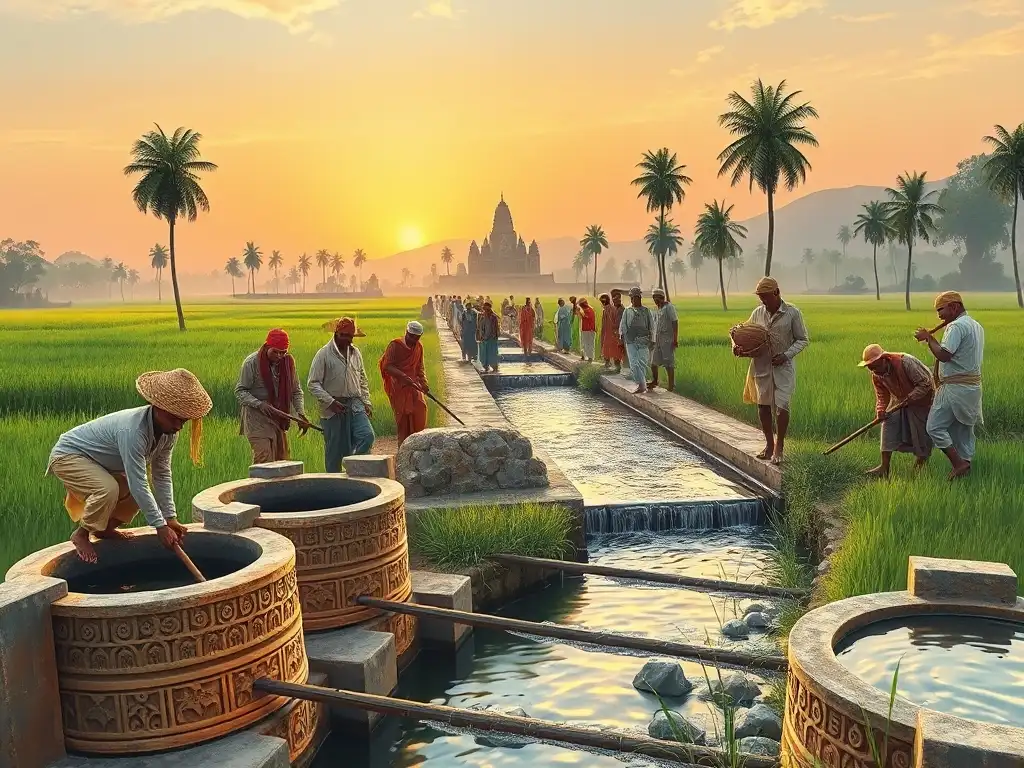
Irrigation has played a pivotal role in the development of agriculture in ancient India, enabling civilizations to thrive in diverse climatic conditions. Ancient Indian irrigation techniques were sophisticated, reflecting a deep understanding of local geography and hydrology. These techniques not only facilitated the growth of crops but also supported the burgeoning populations of various ancient civilizations, from the Indus Valley to the Gupta Empire. This section will explore the significance of water management in agriculture and provide an overview of the farming practices adopted by these civilizations.
Importance of Water Management in Ancient Agriculture
Water management was crucial for sustaining agricultural productivity in ancient India, where rainfall patterns varied significantly across regions. Effective irrigation systems allowed farmers to cultivate crops in arid and semi-arid areas, ensuring food security and economic stability. Key benefits of ancient Indian irrigation techniques included:
- Enhanced Crop Yield: By regulating water supply, farmers could ensure optimal growth conditions for various crops, leading to increased yields.
- Diverse Crop Cultivation: The ability to manage water resources enabled the cultivation of a wide range of crops, including rice, wheat, barley, and pulses, contributing to dietary diversity.
- Sustainable Practices: Many ancient irrigation techniques were designed to be sustainable, utilizing natural water sources judiciously while minimizing waste.
The significance of these techniques extended beyond agriculture; they also played a vital role in shaping social structures and economic systems within ancient Indian societies. Communities often organized around water sources, leading to the development of cooperative irrigation practices and shared governance.
Overview of Ancient Indian Civilizations and Their Farming Practices
Ancient Indian civilizations, such as the Indus Valley Civilization, Vedic society, and the Gupta Empire, developed unique irrigation practices tailored to their geographic and climatic conditions.
- Indus Valley Civilization (c. 3300–1300 BCE):
- The urban centers of the Indus Valley, like Harappa and Mohenjo-Daro, utilized advanced drainage systems and wells to manage water.
- Irrigation Techniques:
- Canals: Evidence suggests that the Indus people constructed canals to divert river water for agricultural use.
- Reservoirs: Large reservoirs were built to store rainwater, enhancing water availability during dry spells.
- Vedic Period (c. 1500–500 BCE):
- The Vedic texts highlight the importance of agriculture, with references to various crops and farming techniques.
- Irrigation Techniques:
- Floodwater Harvesting: Farmers utilized seasonal floods to irrigate fields, capturing water runoff from rivers.
- Simple Wells: The use of wells became common, allowing access to groundwater for irrigation during dry seasons.
- Gupta Empire (c. 320–550 CE):
- This period witnessed significant advancements in agricultural practices, supported by a stable economy and trade.
- Irrigation Techniques:
- Terracing: In hilly regions, terracing was employed to manage water runoff and soil erosion, facilitating crop cultivation.
- Water Lifting Devices: Innovations like the Persian wheel were introduced, allowing for efficient lifting of water from rivers and wells for irrigation.
These ancient Indian irrigation techniques laid the foundation for future agricultural practices and highlight the ingenuity of societies that thrived in harmony with their environment. Understanding these methods provides valuable insights into the agricultural evolution of ancient India and its lasting impact on modern practices.
Types of Irrigation Systems Used in Ancient India

Ancient Indian civilizations developed a variety of irrigation techniques tailored to their geographical and climatic conditions. These systems were crucial for sustaining agriculture, particularly in regions with erratic rainfall. Understanding these methods not only highlights the ingenuity of ancient Indian farmers but also their deep connection with the environment.
Surface Irrigation Techniques: Channels and Ditches
Surface irrigation was one of the most common methods used in ancient India. This technique involves directing water from rivers or lakes through a series of channels and ditches to irrigate crops.
- Canal Systems: Major river systems such as the Indus and Ganges were utilized to construct extensive canal networks. For example, the Indus Valley Civilization showcased advanced canal systems that transported water efficiently to agricultural fields. These canals were often lined with stones to prevent erosion and loss of water.
- Field Channels: Farmers constructed small ditches or furrows in their fields to distribute water evenly. This method ensured that each plant received adequate moisture, promoting healthy growth. The use of contour farming—where channels were built along the contours of the land—helped to minimize water runoff and soil erosion.
- Flood Irrigation: In times of heavy rainfall, farmers would deliberately flood fields to saturate the soil. This technique was particularly useful for rice cultivation, as the crop thrives in wet conditions. However, it required careful management to prevent waterlogging.
The effectiveness of surface irrigation techniques was evident in the thriving agricultural societies of ancient India, where staple crops like rice, wheat, and barley were cultivated.
Subsurface Irrigation: Wells and Tubewells
Subsurface irrigation methods were also significant in ancient India, particularly in arid and semi-arid regions where surface water was scarce.
- Wells: The construction of wells was a common practice. Ancient Indians dug deep wells to access groundwater, which could be used for irrigation during dry spells. These wells varied in depth and diameter, often lined with bricks or stones to prevent collapse.
- Tubewells: Although more advanced, rudimentary forms of tubewells were in practice, allowing farmers to access water at greater depths. By the early medieval period, techniques for extracting groundwater became more sophisticated, enabling more reliable irrigation.
- Bajra and Jowar Farming: Subsurface irrigation techniques were particularly beneficial for drought-resistant crops like bajra (pearl millet) and jowar (sorghum). These crops were well-suited for regions with limited rainfall, and subsurface irrigation helped farmers maintain productivity even under challenging conditions.
The strategic use of wells and tubewells illustrates the ancient Indians' understanding of hydrology and their ability to adapt to the climatic challenges of their environment.
Rainwater Harvesting: Techniques and Benefits
Rainwater harvesting is another critical irrigation technique that ancient Indians utilized. This method involves collecting and storing rainwater for agricultural use, particularly in regions with seasonal rainfall patterns.
- Storage Pits: Farmers would dig large pits to capture rainwater, which could then be used during dry periods. These pits were strategically placed to maximize water collection, often in areas where runoff was likely to accumulate.
- Stepwells: A remarkable engineering feat of ancient India, stepwells are deep wells with a series of steps leading down to the water level. Not only did they serve as a water source, but they also facilitated rainwater harvesting by capturing runoff water during monsoon seasons.
- Benefits: The benefits of rainwater harvesting were manifold. It reduced dependency on surface water sources, improved soil moisture, and decreased soil erosion. Additionally, this technique promoted sustainable agricultural practices by ensuring a more reliable water supply.
The diverse techniques of rainwater harvesting employed by ancient Indians underscore their innovative approaches to agriculture and their understanding of sustainable resource management.
Ancient Indian irrigation techniques were not only vital for agricultural productivity but also reflected a sophisticated understanding of water management. These methods laid the foundation for subsequent agricultural practices and continue to inspire modern irrigation techniques today.
Key Ancient Indian Irrigation Techniques
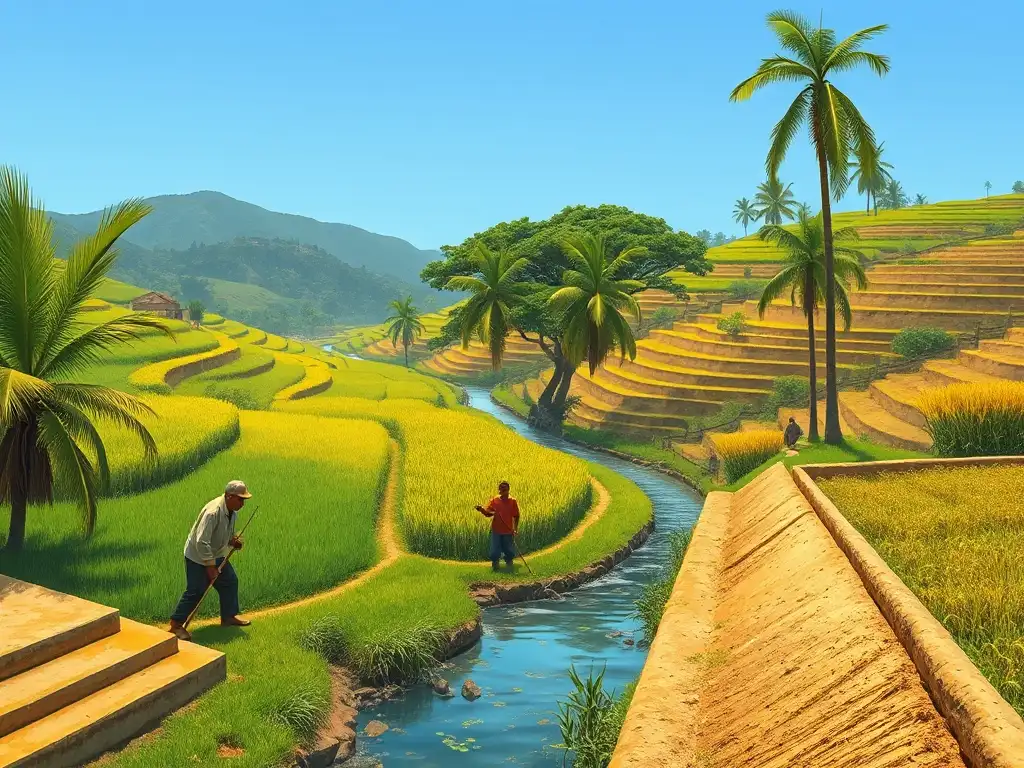
The Use of Flood Irrigation in Crop Cultivation
Flood irrigation, one of the earliest methods of irrigation, played a vital role in the agricultural practices of ancient India. This technique involves the controlled flooding of fields with water, allowing crops to absorb moisture directly from the surface. Ancient Indian civilizations, particularly those in the fertile plains of the Indus Valley, effectively utilized this method to cultivate various crops.
- Implementation of Flood Irrigation: Farmers constructed levees and dikes to manage the flow of water from nearby rivers. By redirecting seasonal floods, they created a sustainable water source for irrigation. This technique not only ensured the availability of water but also helped in the deposition of nutrient-rich silt, enhancing soil fertility.
- Crops Benefiting from Flood Irrigation: Flood irrigation was particularly beneficial for rice cultivation, which thrived in the waterlogged conditions. Other crops, including wheat and pulses, also flourished under this method. The ability to flood fields allowed for multiple cropping cycles, significantly increasing agricultural yield.
- Cultural Significance: The reliance on flood irrigation shaped agricultural practices and societal structures in ancient India. It fostered community cooperation in managing water resources and laid the foundation for advanced agricultural techniques that would follow.
Drip Irrigation Innovations from Ancient Practices
While modern drip irrigation is often credited to recent innovations, its roots can be traced back to ancient Indian practices. These early techniques involved the strategic placement of clay pots and channels to distribute water efficiently to crops.
- Ancient Techniques: Farmers used perforated clay pots, known as kharas, buried near the roots of plants. These pots would slowly release water, ensuring that crops received a consistent supply without wastage. This method minimized evaporation and deep percolation losses, making it an efficient irrigation practice.
- Impact on Crop Yield: The implementation of drip-like systems allowed farmers to cultivate crops in arid regions where water scarcity was a significant challenge. By optimizing water usage, ancient Indians could grow vegetables, fruits, and grains in areas that would otherwise be inhospitable for agriculture.
- Legacy of Innovation: The principles of these early irrigation techniques laid the groundwork for the development of modern drip irrigation systems. The emphasis on water conservation and efficient delivery remains relevant in contemporary agricultural practices, highlighting ancient India's contribution to sustainable farming.
The Role of Canals in Sustaining Agriculture
Canals were pivotal in the development of agricultural practices in ancient India, serving as a crucial infrastructure for irrigation. These water channels facilitated the distribution of water from rivers to farmlands, significantly enhancing agricultural productivity.
- Construction of Canals: Ancient civilizations, particularly during the Mauryan and Gupta periods, invested in extensive canal networks. These canals were meticulously engineered to ensure a steady flow of water, often incorporating sluice gates to regulate water levels and distribution.
- Benefits of Canal Irrigation: The canal system allowed farmers to cultivate larger areas of land, leading to increased crop production. It also reduced reliance on rain-fed agriculture, providing a more stable and predictable water source. Crops such as sugarcane, cotton, and various grains thrived due to the consistent moisture supplied through canals.
- Socio-economic Impact: The establishment of canal systems fostered trade and commerce by enhancing agricultural surplus. This surplus not only supported local populations but also facilitated trade with neighboring regions, contributing to the overall economic prosperity of ancient Indian civilizations.
Ancient Indian irrigation techniques, including flood irrigation, early drip irrigation innovations, and canal systems, significantly advanced agricultural practices. These methods not only improved crop yields but also laid the foundation for sustainable agricultural practices that resonate in modern times.
Materials and Tools for Irrigation in Ancient India
Traditional Tools Used for Water Management
Ancient Indian civilizations developed a variety of traditional tools that played a pivotal role in managing water resources for agriculture. These tools were tailored to the environmental conditions and local needs, showcasing ingenuity and adaptability.
- Digging Tools:
- Spades and Hoes: Used for creating channels and ditches, these tools were essential for establishing irrigation systems. Made from wood or metal, they allowed farmers to shape the land for effective water flow.
- Pickaxes: Employed for breaking hard soil, pickaxes facilitated the creation of deeper irrigation channels.
- Water Conveyance Systems:
- Bhungroo: This ancient underground water storage system collected rainwater and helped in its distribution. The bhungroo was crucial in arid regions, allowing water retention for later use.
- Nadi: A network of interconnected canals and ditches that transported water from rivers to fields, nadi systems were vital for extensive agricultural practices.
- Water Storage Structures:
- Talabs and Baolis: These were reservoirs or step wells that stored rainwater. They provided a reliable source of water during dry seasons and were often constructed near agricultural lands.
- Kunds: These are circular water tanks that collected and stored rainwater, ensuring a steady supply for irrigation.
By utilizing these tools, ancient Indian farmers were able to maximize water efficiency, ensuring sustainable crop production.
The Development of Water Lifting Devices
The evolution of water lifting devices in ancient India marked a significant advancement in irrigation techniques. These devices expanded the reach of water sources and improved the efficiency of irrigation.
- Persian Wheel:
- This innovative device consisted of a large wheel fitted with buckets that lifted water from rivers or wells. Originating in Persia, it was adapted effectively in India, particularly in the northern regions. The Persian wheel allowed for continuous water supply, significantly improving crop irrigation.
- Chain Pump:
- A chain pump comprised two vertical wheels connected by a chain with attached scoops. As the wheels turned, the scoops lifted water from a source and delivered it to irrigation channels. This device was particularly effective in shallow wells and was widely used in various regions of India.
- Archimedes Screw:
- Although its origins can be traced back to ancient Greece, the Archimedes screw found its application in India for lifting water from lower levels to higher fields. Made from a spiraling tube, this device effectively transported water for irrigation, especially in hilly terrains.
The development of these water lifting devices illustrates the ingenuity and technical prowess of ancient Indian civilizations, enabling increased agricultural productivity through better water management.
Importance of Local Resources in Irrigation Techniques
The effectiveness of ancient Indian irrigation techniques can be attributed to the strategic use of local resources. Understanding the environment and utilizing available materials were critical for the success of agricultural practices.
- Soil Types:
- Different soil types influenced irrigation practices. For instance, clayey soils retained water effectively and required less frequent irrigation, while sandy soils necessitated more robust irrigation techniques. Farmers adapted their methods based on soil characteristics, ensuring optimal water use.
- Geographical Features:
- The diverse geography of India, ranging from river valleys to arid regions, necessitated tailored irrigation solutions. In riverine areas, floodplain management was crucial, while in deserts, techniques like rainwater harvesting were prioritized. The local topography informed the design and placement of irrigation channels.
- Natural Water Sources:
- The availability of rivers, lakes, and rainfall patterns directly influenced irrigation strategies. Farmers often constructed canals to divert river water to fields, while in regions with irregular rainfall, they developed catchment systems to maximize water collection during monsoons.
The integration of local resources into irrigation techniques not only enhanced agricultural productivity but also ensured sustainability in ancient Indian farming practices. The innovative use of tools, water lifting devices, and an understanding of environmental factors collectively contributed to the success of ancient Indian irrigation systems.
Regional Variations in Irrigation Practices
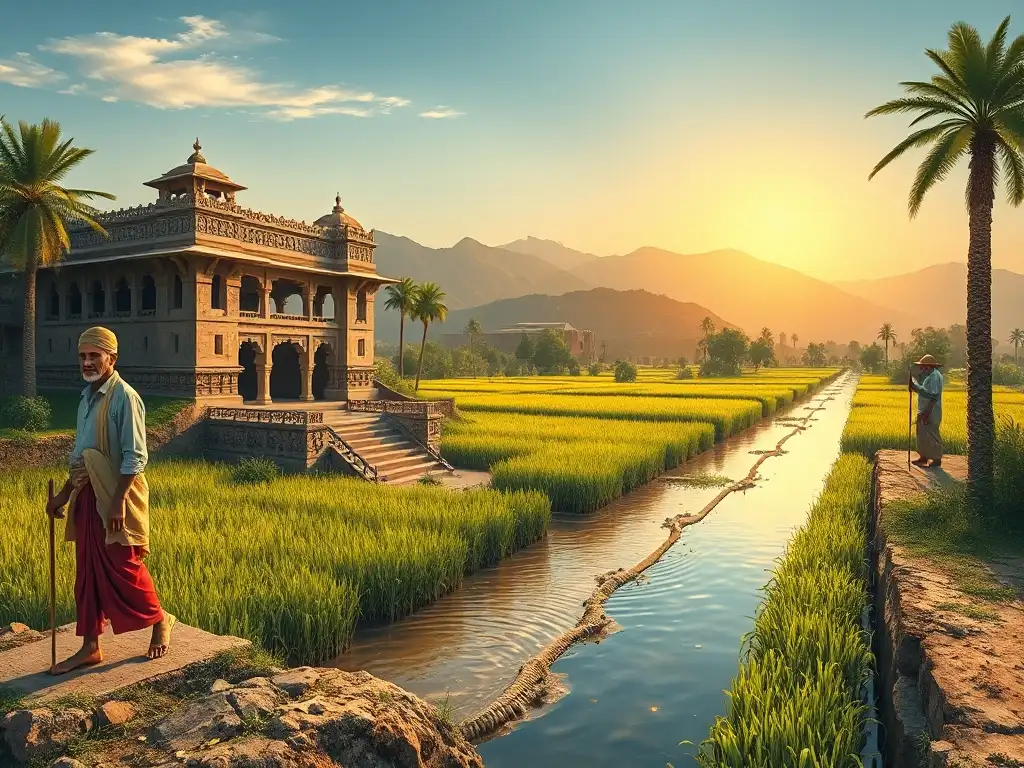
Ancient Indian irrigation techniques varied significantly across different regions, influenced by geography, climate, and the availability of water resources. Understanding these regional variations provides insight into how ancient Indian civilizations adapted to their environments to optimize agricultural productivity. The ingenuity behind these techniques not only highlights the agricultural prowess of ancient Indians but also their deep understanding of hydrology and resource management.
Irrigation Techniques in the Indus Valley Civilization
The Indus Valley Civilization, one of the earliest urban cultures in the world, showcased sophisticated irrigation techniques that facilitated agriculture in a predominantly arid region. Archaeological evidence suggests that the inhabitants developed a network of canals and drainage systems that effectively managed water flow.
- Canal Systems: The canals were constructed to divert water from rivers like the Indus and its tributaries. These canals were not only crucial for irrigation but also for transporting goods.
- Water Storage: The civilization employed large reservoirs to collect monsoon rains, which were vital for sustaining crops during dry periods. These reservoirs were strategically located to maximize their utility.
- Field Layout: The fields were often laid out in a grid pattern, allowing for efficient water distribution. This systematic approach ensured that crops received adequate moisture from the irrigation systems.
The engineering skills of the Indus Valley people were remarkable, as they built their cities with an understanding of water management that is still admired today.
The Role of the Ganges River in Agricultural Practices
The Ganges River, one of the most significant rivers in India, played a pivotal role in the agricultural practices of ancient Indian civilizations. The fertile plains surrounding the river were ideal for crop cultivation, and various irrigation techniques were developed to harness its waters effectively.
- Floodplain Agriculture: The annual flooding of the Ganges enriched the soil with silt, making it incredibly fertile. Farmers utilized this natural irrigation, planting crops during the flood season and harvesting after the waters receded.
- Lift Irrigation: In areas where the river's height posed challenges, ancient farmers developed lift irrigation techniques using simple devices such as the potter's wheel and pulley systems to draw water from the river to their fields.
- Dikes and Embankments: To manage the flow of the river and prevent flooding of agricultural lands, embankments were constructed. These structures helped protect the fields while also directing water to where it was most needed.
The adaptability of ancient Indian farmers to the seasonal fluctuations of the Ganges exemplifies their resourcefulness in maximizing agricultural output.
Southern Indian Methods: Tanks and Reservoirs
In Southern India, where the monsoon climate dictates agricultural cycles, ancient irrigation techniques revolved around the construction of tanks and reservoirs. These methods were particularly effective in managing seasonal rains and ensuring a reliable water supply for crops.
- Water Tanks: Ancient South Indian communities built extensive networks of water tanks, which functioned as both irrigation sources and storage facilities during dry spells. These tanks were often constructed with earthen embankments and were strategically placed to capture and hold rainwater.
- Check Dams: Simple check dams were employed to slow down water flow in streams and rivers, allowing for groundwater recharge and preventing soil erosion. This technique enhanced the sustainability of agricultural practices in the region.
- Crop Rotation and Diversification: Farmers utilized the stored water from tanks to practice crop rotation and diversification, ensuring that different crops could be cultivated throughout the year, thus maximizing yield and reducing the risk of crop failure.
These Southern Indian methods reflect a profound understanding of local hydrology and agricultural needs, showcasing the ingenuity of ancient irrigation practices in adapting to regional conditions.
The Impact of Ancient Indian Irrigation Techniques on Agriculture
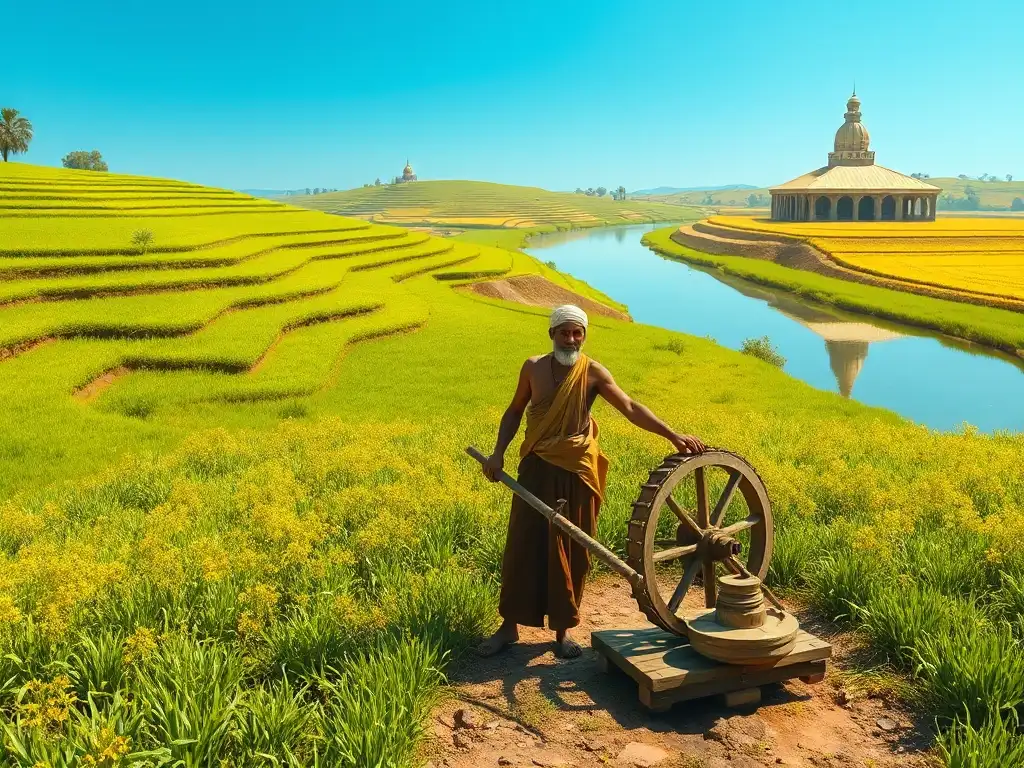
Enhanced Crop Yields and Food Security
Ancient Indian irrigation techniques significantly transformed agricultural practices, leading to enhanced crop yields and improved food security. By developing sophisticated systems for managing water resources, ancient Indians were able to cultivate a variety of crops in regions that would otherwise be unsuitable for farming.
- Canal Systems: One of the most notable methods was the construction of extensive canal systems. For instance, the Indus Valley Civilization (circa 3300–1300 BCE) showcased advanced drainage and irrigation systems that allowed for the effective distribution of water from rivers to fields. These canals facilitated the irrigation of vast areas, leading to increased productivity.
- Stepwells and Tanks: In regions like Rajasthan and Gujarat, ancient Indians built stepwells and water tanks to store rainwater. These structures not only provided a reliable source of irrigation during dry spells but also helped maintain groundwater levels. Tanks, such as those found in Tamil Nadu, were crucial for rice cultivation, ensuring consistent water availability.
- Crop Rotation and Multiple Cropping: With the implementation of irrigation techniques, farmers could practice crop rotation and double cropping, maximizing land use. For example, the ability to irrigate allowed farmers to grow both kharif (monsoon) and rabi (winter) crops, significantly boosting overall yield and contributing to a stable food supply.
Influence on Trade and Economy in Ancient India
The development of ancient Indian irrigation techniques had profound implications for trade and the overall economy. As agricultural productivity soared, so did the surplus of crops, which became a cornerstone for trade networks.
- Agricultural Surplus and Market Growth: The increase in crop yields led to substantial agricultural surpluses. This surplus not only fed the local population but also allowed for the emergence of markets. Major cities like Pataliputra became thriving trade hubs where agricultural products were exchanged for goods from distant regions.
- Integration of Regions: Ancient Indian irrigation systems facilitated the integration of various regions, allowing for the exchange of agricultural products across vast distances. For example, grains from the fertile plains of the Ganges were traded for spices from the southern regions, creating a robust economic network that spanned the subcontinent.
- Taxation and State Revenue: The prosperity generated by enhanced agricultural output contributed to state revenues through taxation. Rulers recognized the importance of agriculture for sustaining their kingdoms, leading to the establishment of policies supporting irrigation projects. This investment in irrigation infrastructure promoted economic stability and growth.
Sustainability and Environmental Considerations
While ancient Indian irrigation techniques brought about significant agricultural advancements, they also prompted discussions around sustainability and environmental stewardship.
- Water Management Practices: Ancient Indians practiced sustainable water management by utilizing techniques such as rainwater harvesting and percolation tanks. These methods ensured that water was used efficiently, reducing wastage and promoting groundwater recharge.
- Adaptation to Local Conditions: Different regions adopted irrigation techniques that were well-suited to their local environments. For instance, in arid areas, flood irrigation systems were common, while in more fertile regions, drip irrigation techniques were employed. This adaptability not only supported agricultural productivity but also minimized environmental impact.
- Cultural and Spiritual Connections: The reverence for water in ancient Indian culture often translated into sustainable practices. Water bodies were considered sacred, and communities engaged in rituals that emphasized the importance of preserving water resources, reflecting an early understanding of environmental conservation.
Ancient Indian irrigation techniques were pivotal in shaping agriculture, trade, and sustainable practices. By efficiently harnessing water resources, ancient civilizations laid the groundwork for a prosperous agricultural economy that continues to influence modern practices today.
Legacy of Ancient Indian Irrigation Techniques in Modern Agriculture

The legacy of ancient Indian irrigation techniques has had a profound impact on modern agriculture, particularly in regions with similar climatic conditions and water availability issues. Ancient Indians developed a variety of innovative methods for water management that not only ensured the sustainability of their crops but also contributed significantly to the growth of their civilization. By studying these techniques, contemporary agricultural practices can benefit from the wisdom of the past.
Lessons Learned from Ancient Practices
Ancient Indian irrigation practices were deeply influenced by the geography and climate of the region. Some key lessons learned include:
- Sustainable Water Use: The ancient Indians employed methods that maximized the use of available water resources. Techniques such as rainwater harvesting and the construction of water tanks helped store water for dry seasons, which is crucial in modern sustainable agriculture.
- Diverse Irrigation Systems: Ancient civilizations used a variety of irrigation systems, such as flood irrigation, channel irrigation, and drip systems. For instance, the ingenious use of canals and reservoirs in the Indus Valley Civilization demonstrated advanced engineering skills that are still relevant today.
- Crop Rotation and Diversification: Ancient farmers practiced crop rotation and planted diverse crops to maintain soil fertility and reduce water demand. This practice is increasingly recognized in modern agriculture as a vital strategy for enhancing resilience against pests and diseases.
Modern Applications of Traditional Irrigation Techniques
The revival and adaptation of ancient Indian irrigation techniques have significant implications for contemporary agricultural systems. Some modern applications include:
- Rainwater Harvesting: Techniques such as the construction of check dams and the use of traditional tanks are being revived in various parts of India. These methods help in recharging groundwater and optimizing water use during dry spells.
- Drip Irrigation: Inspired by ancient methods of localized watering, modern drip irrigation systems allow for precise water application directly to the plant roots. This technique reduces water wastage and enhances crop yields, particularly in arid regions.
- Community-Based Water Management: Ancient Indian communities often collaborated to manage water resources effectively. Today, similar community-driven approaches are being implemented to promote equitable water distribution and prevent over-exploitation.
The Relevance of Ancient Wisdom in Contemporary Water Management
As the world faces increasing water scarcity and climate change challenges, the relevance of ancient Indian irrigation techniques becomes more pronounced. The following aspects highlight their importance:
- Resilience to Climate Change: Ancient irrigation techniques were developed in response to local climate conditions, providing valuable insights into creating resilient agricultural systems that can adapt to climate variability.
- Integrative Approaches: The holistic understanding of water management in ancient times, which incorporated ecological, social, and economic factors, can inform modern policies aimed at sustainable water utilization.
- Cultural Heritage: Preserving ancient irrigation techniques not only benefits agriculture but also helps maintain cultural heritage. Recognizing the cultural significance of these practices fosters a sense of identity and continuity within communities.
The ancient Indian irrigation techniques offer a wealth of knowledge that can enhance modern agricultural practices. By learning from these historical methods, farmers and policymakers can develop sustainable solutions that address contemporary challenges in water management and crop cultivation.
Conclusion: The Lasting Influence of Ancient Indian Irrigation Techniques
Summary of Key Insights
Ancient Indian irrigation techniques have played a pivotal role in shaping agricultural practices, not only in India but also influencing irrigation methods worldwide. The ingenuity and adaptability of these techniques are evident in various systems that were developed, including:
- Canal Systems: The extensive canal networks established during the Indus Valley Civilization are among the earliest examples of organized irrigation. These canals facilitated the controlled distribution of water to crops, significantly increasing agricultural productivity.
- Stepwell Construction: Ancient Indians devised stepwells to access groundwater, showcasing a remarkable understanding of hydrology. These structures served not only as vital water sources for irrigation but also as community gathering places.
- Rainwater Harvesting: Techniques such as the use of tanks and reservoirs to collect and store rainwater demonstrate the foresight of ancient Indian farmers in managing seasonal water variability, ensuring that crops received sufficient moisture throughout the year.
The legacy of these irrigation methods can still be seen today in modern agricultural practices, particularly in regions where traditional techniques have been preserved or adapted.
The Importance of Preserving Ancient Agricultural Knowledge
Preserving ancient agricultural knowledge, particularly concerning irrigation techniques, is essential for several reasons:
- Sustainability: Many ancient methods were designed to work in harmony with the local ecosystem, promoting sustainable agriculture. By studying these techniques, modern farmers can adopt practices that enhance soil health and reduce reliance on chemical inputs.
- Cultural Heritage: Ancient irrigation techniques are a vital part of India’s cultural heritage. They reflect the agricultural wisdom of past civilizations and their relationship with the environment. Preserving this knowledge helps maintain cultural identity and continuity.
- Climate Resilience: As climate change impacts water availability and agricultural productivity, ancient irrigation systems offer valuable insights into adaptive strategies. Techniques such as rainwater harvesting and efficient water management can help farmers cope with changing climatic conditions.
- Educational Value: Understanding ancient irrigation practices can serve as an educational tool for future generations. It highlights the importance of innovation in agriculture and encourages a deeper appreciation for sustainable farming practices.
The study and preservation of ancient Indian irrigation techniques not only honor the ingenuity of past civilizations but also provide practical solutions for contemporary agricultural challenges. By leveraging historical knowledge, we can work towards a more sustainable and resilient agricultural future.
Frequently Asked Questions
What were some of the ancient Indian irrigation techniques used by farmers?
Ancient Indians employed various innovative techniques such as canal systems, stepwells, and tank irrigation to effectively manage water for agriculture.
How did the Indus Valley Civilization contribute to irrigation?
The Indus Valley Civilization is known for its advanced urban planning that included sophisticated drainage systems and water storage facilities, which facilitated agricultural productivity.
What impact did the Gupta Empire have on irrigation practices?
During the Gupta Empire, there was a significant advancement in agricultural techniques, including the construction of large-scale irrigation projects that enhanced crop yields and supported population growth.
Were there any specific crops that benefited from ancient Indian irrigation techniques?
Yes, ancient Indian irrigation techniques primarily supported the cultivation of rice, wheat, and cotton, which were staple crops that thrived with consistent water supply.
How did ancient Indians manage water resources effectively?
Ancient Indians practiced sustainable water management by utilizing seasonal monsoon rains, creating reservoirs, and implementing crop rotation, which ensured the efficient use of available water.
Final Reflection: The Timeless Wisdom of Ancient Indian Irrigation Techniques
The ingenuity of ancient Indian irrigation techniques remains profoundly relevant today, as we grapple with the challenges of water scarcity and sustainable agriculture. The methods developed by our ancestors not only showcase their deep understanding of the environment but also serve as a reminder of the importance of preserving our natural resources. In an era where modern technology often overshadows traditional practices, we must recognize that these age-old techniques hold the key to a more sustainable future.
The influence of ancient Indian irrigation methods extends beyond mere agricultural practices; they have shaped the cultural and social fabric of communities throughout history. These techniques fostered a sense of community and cooperation, as people worked together to manage water resources effectively. As we navigate contemporary issues related to climate change and food security, we can draw inspiration from the wisdom of the past. Water is the source of life; without it, we cannot thrive.
This quote encapsulates the essence of our relationship with water and the need to honor the practices that have sustained civilizations for centuries.
As we reflect on the lessons from ancient Indian irrigation techniques, I invite you to consider how you can incorporate these principles into your own life. Think about the ways you can conserve water, support sustainable agriculture, and engage with your community to promote responsible resource management. By embracing the wisdom of our ancestors, we can cultivate a future that honors both our heritage and the environment, ensuring that generations to come can thrive in harmony with nature.
Unleash the Wisdom of Ancient Irrigation!
Thank you for diving into the fascinating world of ancient Indian irrigation techniques! You've uncovered the remarkable ways our ancestors harnessed water to cultivate thriving crops in challenging environments. Now, it’s time to take this knowledge and put it into action!
Here are a few steps you can take to explore and celebrate the legacy of ancient irrigation methods:
- Visit a Local Farm or Garden: Seek out places that utilize traditional irrigation techniques. Experience firsthand how these ancient practices remain relevant today!
- Share What You’ve Learned: Engage in discussions about these strategies with friends or on social media. Start a conversation about sustainable agriculture and the importance of preserving our historical practices.
- Get Involved: Consider volunteering for local community gardens that embrace these historical methods. Your participation can help preserve these invaluable techniques for future generations!
As you reflect on the ingenuity of ancient Indian irrigation, ask yourself: How can we integrate these timeless techniques into our modern practices to promote sustainability and conserve resources?