
The Future of Nyaya: Reviving Ancient Wisdom for Modern Challenges

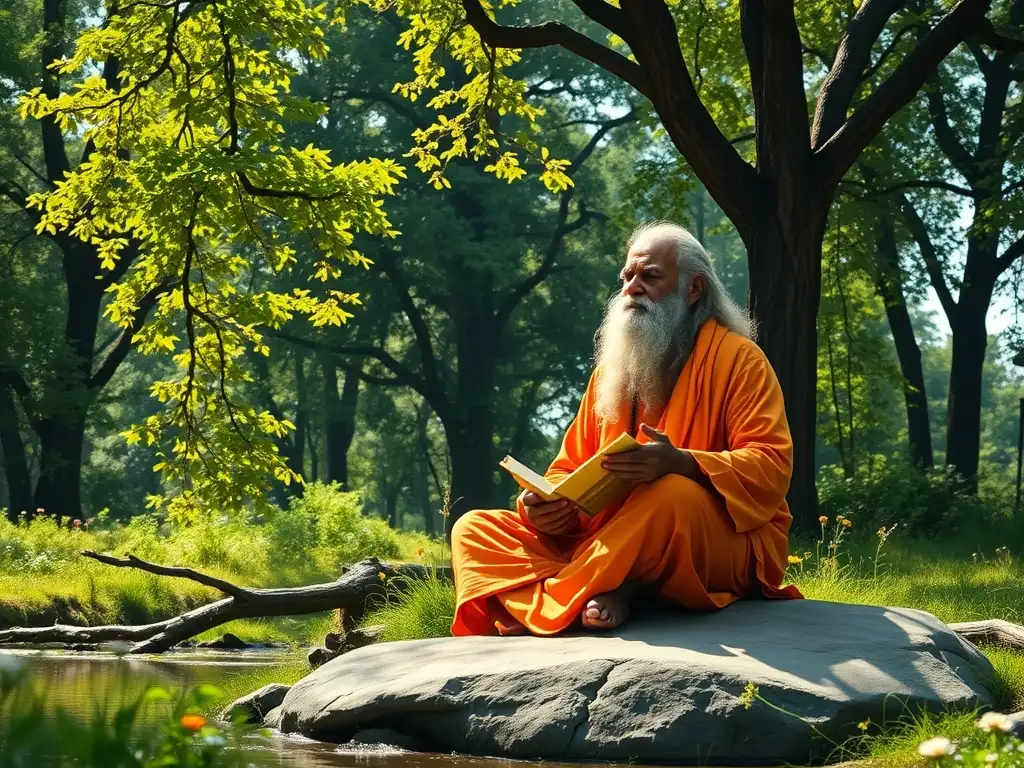
Welcome to Ancient India History, where we embark on a captivating journey through the rich tapestry of ancient Indian civilizations. From the ingenious advancements of the Indus Valley to the philosophical brilliance of the Gupta Empire, our exploration reveals the profound contributions that continue to shape our world today. In our featured article, “The Future of Nyaya: Reviving Ancient Wisdom for Modern Challenges,” we delve into the timeless principles of ancient Indian philosophy.
Discover how these age-old ideas hold the key to addressing contemporary dilemmas, and prepare to be inspired as you uncover the wisdom that has echoed through the ages. Join us in reviving the philosophies that once guided a civilization and continue to resonate in our modern lives!

In an age where modern challenges abound, from ethical dilemmas in technology to complex societal issues, the wisdom embedded in ancient philosophies offers a refreshing perspective. Among these, Nyaya philosophy stands out as a crucial school of thought that emphasizes logic, reasoning, and the pursuit of knowledge. This article delves into the relevance of Nyaya in contemporary society, exploring how its principles can be harnessed to address modern challenges. By reviving ancient Indian philosophy, we not only honor our rich intellectual heritage but also equip ourselves with tools to navigate the complexities of the present and future.
Introduction to Nyaya Philosophy
Nyaya, one of the six orthodox schools of Indian philosophy, is primarily concerned with the principles of logic and epistemology. It emphasizes the importance of reasoning in the pursuit of truth and the validity of knowledge. By integrating the rational analysis of arguments with practical applications, Nyaya provides a robust framework for understanding the world around us. This framework is particularly significant today, as we seek effective methodologies for critical thinking and problem-solving.
Understanding Nyaya: A Brief Overview
At its core, Nyaya philosophy seeks to establish a systematic approach to understanding reality through valid reasoning. The term "Nyaya" itself means "justice" or "rule," indicating its foundational role in establishing logical principles. Key features of Nyaya include:
- Pramanas (means of knowledge): Nyaya identifies four primary sources of knowledge: perception, inference, comparison, and testimony. This classification aids in discerning valid knowledge from falsehood.
- Logical reasoning: The Nyaya school is known for its meticulous analysis of arguments and logical fallacies, emphasizing the importance of sound reasoning.
- Epistemology: Nyaya addresses questions related to the nature and limits of knowledge, providing insights that remain relevant in various fields today, including science, law, and ethics.
Importance of Reviving Ancient Indian Philosophy
The revival of ancient Indian philosophy, particularly Nyaya, is essential for several reasons:
- Cultural Heritage: Engaging with Nyaya allows us to reconnect with our cultural roots, fostering a sense of identity and continuity in a rapidly changing world.
- Critical Thinking: The principles of Nyaya promote critical thinking and analytical skills, which are vital in an era dominated by misinformation and superficial narratives.
- Holistic Understanding: Ancient Indian philosophies often offer holistic perspectives, encouraging an integration of ethical, social, and scientific considerations in addressing contemporary issues.
- Interdisciplinary Applications: The logical frameworks of Nyaya can be applied across various disciplines, enhancing discussions in areas such as law, education, and public policy.
Historical Context of Nyaya
To appreciate the contemporary relevance of Nyaya philosophy, one must first understand its historical roots.
Origins of Nyaya: Key Figures and Texts
Nyaya philosophy traces its origins to ancient India, with foundational texts known as the "Nyaya Sutras," attributed to the sage Gautama (also known as Akshapada). These texts, composed around the 2nd century BCE, systematically outline the principles of logic and epistemology. Key figures in the evolution of Nyaya include:
- Gautama: The founder of the Nyaya school who established the core principles of reasoning and knowledge.
- Vatsyayana: A prominent commentator on the Nyaya Sutras, whose work contributed significantly to the understanding and application of Nyaya principles.
- Udayana: An influential philosopher who integrated Nyaya with other schools of thought, enriching its discourse.
Evolution of Nyaya Thought Through the Ages
Over the centuries, Nyaya has evolved and adapted to the changing intellectual landscape of India. Its dialogues with other philosophical schools, such as Vaisheshika, Buddhism, and Advaita Vedanta, have enriched its framework, leading to a more nuanced understanding of logic and reality. The continuous reinterpretation of Nyaya principles has allowed them to remain relevant, providing insights that resonate with contemporary philosophical discussions and challenges.
As we explore the future of Nyaya, it becomes imperative to draw upon its rich history and adapt its wisdom to the complexities of modern life. Through this revival, we can harness ancient insights to forge solutions for today’s pressing issues, reaffirming the timeless value of ancient Indian philosophy.
Core Principles of Nyaya Philosophy
Nyaya philosophy, one of the six classical schools of Indian thought, emphasizes the importance of logic and reasoning as foundational elements of understanding reality. At its core, Nyaya seeks to establish valid means of knowledge (pramana) and to discern truth through rigorous debate and analysis. The central tenets of Nyaya can be summarized as follows:
- Pramana (Means of Knowledge): Nyaya identifies four primary means of acquiring knowledge: perception (pratyaksha), inference (anumana), comparison (upamana), and testimony (shabda). Each of these methods plays a crucial role in discerning truth and dispelling ignorance.
- Nyaya Sutras: The foundational text of Nyaya, attributed to Gautama (also known as Akshapada), outlines systematic approaches to logic, argumentation, and the classification of knowledge. This text serves as a guide for philosophers and scholars in their pursuit of understanding.
- Tarka (Reasoning): The Nyaya school places a strong emphasis on the process of reasoning and dialectics. Tarka involves the use of logical analysis to clarify concepts and resolve disputes, fostering an environment of intellectual rigor.
- Dharma (Righteousness): While primarily focused on epistemology, Nyaya also addresses ethical considerations, linking knowledge with moral action. This principle underscores the idea that true understanding must manifest in righteous behavior.
The Fundamentals of Logic and Reasoning in Nyaya
Logic in Nyaya is not merely an abstract discipline but a practical tool that guides individuals in their quest for knowledge. The Nyaya approach to logic is characterized by:
- Types of Inference: Nyaya distinguishes between two main types of inference:
- General Inference (Sāmānyatodṛṣṭa): Drawing conclusions based on general premises.
- Particular Inference (Vyāpti): Inferences that are specific to certain conditions and contexts.
- Fallacies and Validity: Nyaya scholars meticulously analyze various logical fallacies to ensure that arguments remain coherent and valid. They categorize fallacies to help practitioners recognize flawed reasoning in discussions.
- Debate and Dialogue: The Nyaya tradition encourages debate as a means of refining ideas. Through structured dialogue, practitioners can critically assess viewpoints, leading to deeper understanding and clearer conclusions.
Through these components, Nyaya not only provides tools for logical reasoning but also cultivates a culture of intellectual inquiry that remains relevant in modern philosophical discourse.
Nyaya's Contribution to Epistemology and Metaphysics
Nyaya philosophy has made significant contributions to the fields of epistemology and metaphysics, influencing how knowledge is understood and classified. Key contributions include:
- Categories of Knowledge: Nyaya classifies knowledge into various types, emphasizing that different contexts require different approaches to understanding. This stratification allows for a nuanced view of knowledge acquisition.
- Concept of Truth: Nyaya philosophers articulate a robust concept of truth that is essential for metaphysical inquiry. They argue that a proposition is true if it corresponds to reality, thus bridging the gap between epistemology and metaphysics.
- Causality and Change: Nyaya’s exploration of causality has significant implications for metaphysics. The school posits that understanding the nature of cause and effect is essential for grasping the dynamics of the universe and the nature of existence itself.
- Critique of Other Schools: By engaging with other philosophical traditions, Nyaya not only defends its own epistemological claims but also refines its metaphysical theories in response to critiques, leading to a more robust philosophical framework.
Through these contributions, Nyaya has established itself as a critical player in the broader landscape of Indian philosophy, influencing subsequent thinkers and schools of thought.
Relevance of Nyaya in Modern Society
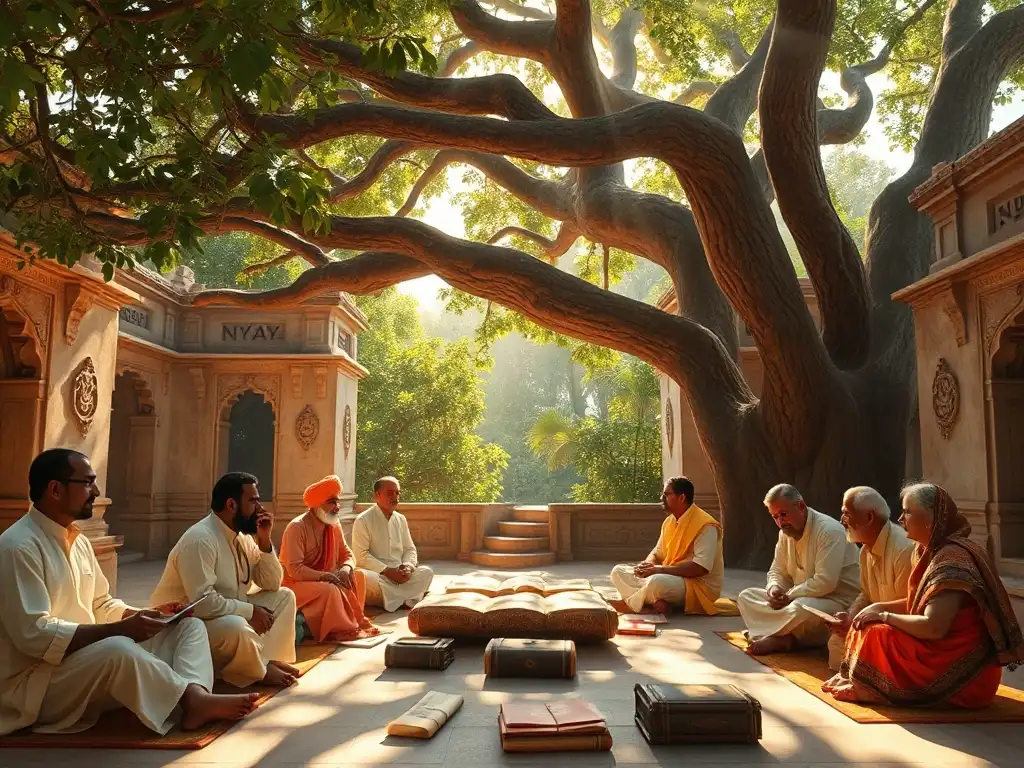
In an age of information overload and rapid technological advancement, the principles of Nyaya philosophy retain significant relevance. Its emphasis on logic, reasoning, and ethical conduct can provide valuable insights for contemporary challenges. The relevance of Nyaya can be explored in several dimensions:
Addressing Contemporary Challenges with Ancient Wisdom
- Critical Thinking: In a world characterized by misinformation, the logical frameworks of Nyaya can enhance critical thinking skills. By training individuals to discern valid arguments from fallacies, Nyaya can foster a more informed citizenry.
- Conflict Resolution: The emphasis on debate and dialogue in Nyaya offers tools for resolving conflicts peacefully. By advocating for respectful discourse, Nyaya principles can facilitate understanding among diverse groups, promoting harmony in society.
- Ethical Decision-Making: The integration of ethical considerations in knowledge acquisition ensures that modern decision-making is grounded in moral values. Nyaya encourages individuals and organizations to align their actions with principles of righteousness, contributing to societal well-being.
- Interdisciplinary Approaches: As contemporary issues often intersect multiple fields, Nyaya's systematic approach can inform interdisciplinary research and solutions, bridging gaps between philosophy, science, and social policy.
Case Studies: Successful Applications of Nyaya Principles Today
- Legal Systems: The principles of Nyaya have been echoed in modern legal frameworks, particularly in the emphasis on logical argumentation and the pursuit of justice through fair debate. Case studies demonstrate how ancient practices can inform contemporary legal reasoning and ethics.
- Education: Educational institutions are increasingly adopting critical thinking curricula inspired by Nyaya. Programs that emphasize logical reasoning and debate prepare students to tackle real-world problems effectively.
- Business Ethics: Organizations are recognizing the value of ethical frameworks derived from Nyaya to guide their corporate governance. By integrating these principles, companies can enhance their decision-making processes and foster a culture of integrity.
- Conflict Mediation: Various NGOs and conflict resolution initiatives are employing Nyaya-based methods to mediate disputes, showcasing the practical applicability of these ancient principles in modern contexts.
By harnessing the wisdom of Nyaya, society can navigate contemporary challenges while remaining grounded in a philosophical tradition that values truth, ethics, and rational discourse.
Reviving Ancient Indian Philosophy: Strategies and Approaches
Reviving ancient Indian philosophy, particularly the Nyaya school of thought, involves a multifaceted approach that emphasizes its relevance in contemporary society. The strategies to reinvigorate Nyaya philosophy include educational reform, interdisciplinary collaboration, and public engagement. By emphasizing critical thinking, logic, and ethical reasoning—core tenets of Nyaya—modern education can incorporate these ancient teachings to address current societal challenges. Additionally, promoting research and scholarship in Nyaya can enhance its visibility and applicability, inspiring a new generation to explore and apply its principles.
Educational Initiatives to Promote Nyaya Philosophy
Educational initiatives play a crucial role in the revival of Nyaya philosophy. Integrating Nyaya into academic curricula, from primary education to higher studies, can foster an appreciation for its logical frameworks and ethical perspectives. Initiatives such as workshops, seminars, and online courses can engage students and educators alike, enabling them to explore Nyaya’s concepts of justice, reasoning, and debate.
Moreover, establishing dedicated research centers focusing on Nyaya can facilitate interdisciplinary studies, allowing scholars to analyze its applications in law, politics, and ethics. Collaboration with institutions worldwide can further enhance understanding and interest in Nyaya, ensuring that its teachings resonate in diverse cultural contexts.
Integrating Nyaya with Modern Disciplines: A Multidisciplinary Approach
Integrating Nyaya philosophy with modern disciplines can create a richer understanding of contemporary issues. By collaborating with fields such as cognitive science, artificial intelligence, and law, Nyaya can provide unique insights into reasoning, argumentation, and ethical considerations. For instance, Nyaya’s logical principles can enhance critical thinking in educational programs, while its ethical frameworks can inform discussions in law and governance.
Furthermore, addressing modern challenges such as environmental sustainability and social justice through a Nyaya lens can demonstrate its applicability. Engaging in dialogues that bridge ancient wisdom with contemporary dilemmas encourages a holistic approach, allowing for a synthesis of ideas that can lead to innovative solutions.
The Role of Nyaya in Global Philosophy
The role of Nyaya in global philosophy is increasingly recognized as scholars explore its contributions to logical reasoning and epistemology. As a systematic approach to knowledge, Nyaya offers valuable insights that can complement and challenge Western philosophical traditions. By promoting dialogue between different philosophical schools, Nyaya can enhance mutual understanding and foster collaborative explorations of complex ideas.
Comparative Analysis: Nyaya and Western Philosophical Traditions
A comparative analysis between Nyaya and Western philosophical traditions reveals both parallels and divergences. While both traditions emphasize logic and reasoning, Nyaya’s focus on pramanas (means of knowledge) provides a unique perspective on epistemology. In contrast to Western empiricism and rationalism, Nyaya includes a comprehensive framework for understanding perception, inference, and testimony.
This comparative study can enrich philosophical discourse, offering alternative methodologies and conceptual frameworks. By examining how Nyaya addresses issues such as consciousness and reality, scholars can expand the scope of philosophical inquiry and highlight the value of diverse perspectives in understanding fundamental questions of existence.
Nyaya's Influence on Contemporary Philosophical Discourse
Nyaya's influence on contemporary philosophical discourse is evident in its emphasis on logical analysis and ethical reasoning. Many modern philosophers draw upon Nyaya's principles to critique and refine their own theories. The revival of interest in ancient Indian thought has led to a reevaluation of the relevance of Nyaya in addressing contemporary issues such as justice, knowledge, and ethical dilemmas.
Moreover, as global philosophical dialogues become increasingly interconnected, Nyaya's contributions offer essential insights into debates on democracy, rights, and social responsibility. By integrating Nyaya into contemporary philosophical discussions, thinkers can enrich their analyses and foster a more inclusive understanding of philosophical inquiry across cultures.
Challenges in Reviving Ancient Wisdom

Reviving ancient wisdom, particularly that of the Nyaya school of thought, presents several challenges that must be navigated thoughtfully. The first major challenge is the pervasive misconceptions about its principles. Many people today often conflate Nyaya with mere logic, failing to appreciate its broader implications on ethics, epistemology, and metaphysics. This narrow understanding can lead to a lack of interest or misapplication of its teachings in contemporary contexts.
Another significant barrier is the cultural disconnection between ancient philosophies and modern life. As society evolves, the relevance of ancient frameworks may seem diminished or irrelevant to younger generations. This disconnect is compounded by the rapid pace of technological and social changes, which can overshadow traditional philosophical discourse.
Moreover, there are institutional and pedagogical obstacles in integrating Nyaya philosophy into current educational systems. The lack of trained educators and comprehensive curricula that emphasize ancient Indian philosophies limits the exposure and engagement of students with Nyaya concepts. As a result, there is a risk of losing valuable insights that could otherwise contribute significantly to modern philosophical debates.
Misconceptions and Misinterpretations of Nyaya
One of the most prevalent misconceptions surrounding Nyaya is its association solely with logic. While logic is indeed a crucial aspect of Nyaya, it serves as a tool for broader philosophical inquiries concerning knowledge, existence, and morality. This limited view often leads to a dismissal of Nyaya's comprehensive framework, which encompasses critical aspects of life and human understanding.
Another misinterpretation arises from the historical context in which Nyaya was developed. Many contemporary readers may overlook the socio-political landscape of ancient India, which influenced Nyaya's evolution. By not considering the historical backdrop, scholars and practitioners may inadvertently distort the philosophy's core tenets, leading to practices that diverge from its original intent.
Additionally, there is a tendency to equate Nyaya with dogmatism, which undermines its dynamic nature. Nyaya promotes inquiry and debate, encouraging individuals to question assumptions and seek validation through evidence. This spirit of critical examination is often lost in modern interpretations, which can alienate those who might otherwise find value in its teachings.
Overcoming Barriers to Acceptance in Modern Contexts
To overcome barriers to the acceptance of Nyaya philosophy in modern contexts, a multifaceted approach is necessary. First and foremost, there is a need for awareness campaigns that highlight the relevance of Nyaya principles in addressing contemporary issues, such as ethics in technology, justice, and critical thinking. By connecting ancient wisdom to modern dilemmas, educators and philosophers can foster a renewed interest in these teachings.
Additionally, collaborative efforts between philosophers, educators, and practitioners can lead to the development of innovative curricula that integrate Nyaya with modern philosophical discussions. Workshops, seminars, and online courses can provide platforms for engaging dialogues that bridge the gap between ancient wisdom and contemporary thought.
Furthermore, leveraging digital platforms and social media can play a crucial role in disseminating Nyaya philosophy to a wider audience. Online resources, including podcasts, blogs, and interactive forums, can facilitate discussions and encourage individuals to explore Nyaya in a manner that resonates with their experiences and challenges.
Future Directions for Nyaya Philosophy
Innovations in Teaching and Practicing Nyaya
Innovative approaches to teaching and practicing Nyaya are essential for its revival and relevance in the modern world. One promising direction is the integration of technology in educational settings. Utilizing multimedia resources, such as interactive applications and online simulations, can make complex Nyaya concepts more accessible and engaging to students.
Moreover, fostering interdisciplinary studies that combine Nyaya with fields such as cognitive science, artificial intelligence, and ethics can enrich the understanding of its principles. By examining the intersections of these disciplines, practitioners can explore how Nyaya can contribute to solving pressing contemporary issues.
Additionally, organizing community-based workshops that emphasize the practical applications of Nyaya can encourage broader participation. These workshops can focus on critical thinking, reasoning, and ethical decision-making, enabling individuals to experience the relevance of Nyaya in everyday life.
Vision for the Future: Reviving and Sustaining Nyaya Thought
The vision for the future of Nyaya philosophy hinges on a commitment to reviving and sustaining its teachings within the global philosophical landscape. This requires ongoing efforts to document and translate ancient texts, ensuring that the richness of Nyaya is accessible to scholars and enthusiasts alike. Creating comprehensive databases and digital libraries can facilitate research and encourage a deeper exploration of its philosophical contributions.
Furthermore, establishing global networks of Nyaya scholars can foster collaboration and dialogue, bringing together diverse perspectives and interpretations. These networks can also provide mentorship and support for emerging scholars interested in exploring Nyaya, ensuring that its legacy continues to thrive.
Lastly, a commitment to public philosophy—where philosophical discussions are made accessible to the general public—can enhance the appreciation of Nyaya in society. Engaging with communities through lectures, discussions, and outreach programs can bridge the gap between academia and everyday life, promoting a culture that values ancient wisdom as a vital resource for addressing modern challenges.
Conclusion
The revival of Nyaya philosophy offers a unique lens through which we can address modern challenges, emphasizing the importance of logic, reasoning, and critical thinking in an increasingly complex world. By integrating ancient wisdom into contemporary discourse, we not only honor our rich heritage but also equip ourselves with tools that enhance our understanding of justice, ethics, and the pursuit of truth. The principles established by Nyaya can serve as a guiding framework for individuals and societies striving for clarity and rationality in decision-making processes, thereby fostering a more thoughtful and harmonious existence.
The Significance of Reviving Ancient Indian Philosophy for Future Generations
Reviving ancient Indian philosophy, particularly the Nyaya school of thought, is crucial for several reasons:
- Cognitive Development: Engaging with Nyaya encourages critical thinking and logical reasoning, skills that are essential for navigating the complexities of modern life. This philosophical approach promotes analytical skills, enabling individuals to assess information critically and make informed decisions.
- Cultural Heritage: Ancient Indian philosophies encapsulate the thoughts and values of a rich cultural heritage. By reviving Nyaya, future generations can connect with their roots, gaining insights into the historical context of their culture and its relevance in today's world.
- Ethical Framework: Nyaya emphasizes justice and fairness, principles that are vital in addressing contemporary issues such as inequality, discrimination, and social justice. By incorporating these values into modern discourse, we can work towards creating a more equitable society.
- Interdisciplinary Connections: The revival of Nyaya can foster interdisciplinary studies, bridging gaps between philosophy, law, science, and education. This holistic approach can lead to innovative solutions to modern challenges, as it encourages collaboration across various fields of knowledge.
In essence, the significance of reviving ancient Indian philosophy extends beyond academic inquiry; it involves a transformative process that enriches personal development and societal progress.
Call to Action: Embracing Nyaya in Everyday Life
To truly benefit from the insights of Nyaya, individuals are encouraged to actively incorporate its principles into their daily lives. Here are some actionable steps:
- Practice Critical Thinking: Make a conscious effort to question assumptions and seek evidence before forming conclusions. Engage in discussions that challenge your viewpoints to foster a culture of open dialogue.
- Reflect on Ethics: Take time to consider the ethical implications of decisions, both personal and professional. Strive to approach situations with fairness and justice, embodying the core tenets of Nyaya.
- Educate Others: Share your knowledge of Nyaya with peers and younger generations. Organize workshops or discussion groups that explore its relevance in contemporary issues, encouraging a collective exploration of this ancient wisdom.
- Incorporate Logic in Decision-Making: Use logical frameworks to approach problems, whether in personal relationships, workplace dilemmas, or community issues. This practice will enhance clarity and improve outcomes.
By embracing Nyaya in everyday life, we not only revive ancient Indian philosophy but also pave the way for a future grounded in reasoned thought and ethical living. Let us take these ancient teachings to heart and integrate them into the fabric of modern society.
- Introduction to Nyaya Philosophy
- Historical Context of Nyaya
- Core Principles of Nyaya Philosophy
- Relevance of Nyaya in Modern Society
- Reviving Ancient Indian Philosophy: Strategies and Approaches
- The Role of Nyaya in Global Philosophy
- Challenges in Reviving Ancient Wisdom
- Future Directions for Nyaya Philosophy
- Conclusion
- What is the significance of Nyaya in ancient Indian philosophy?
- How can ancient Indian wisdom address modern challenges?
- What are some key contributions of the Gupta Empire to philosophy?
- How does the concept of logic in Nyaya differ from Western logic?
- In what ways can we begin reviving ancient philosophies in today’s society?
Frequently Asked Questions
What is the significance of Nyaya in ancient Indian philosophy?
Nyaya is a critical school of Indian philosophy that focuses on logic and epistemology, providing tools for reasoning and argumentation that are essential for understanding truth and reality.
How can ancient Indian wisdom address modern challenges?
Ancient Indian wisdom, particularly insights from Nyaya, offers philosophical frameworks that can help navigate contemporary issues like ethics, justice, and social harmony, emphasizing rational thought and debate.
What are some key contributions of the Gupta Empire to philosophy?
The Gupta Empire is known for its patronage of arts and sciences, fostering advancements in mathematics, astronomy, and philosophy, which laid the groundwork for later intellectual developments in India.
How does the concept of logic in Nyaya differ from Western logic?
Nyaya logic emphasizes pragmatic application and contextual reasoning, contrasting with Western logic's often more rigid structures, thus providing a holistic approach to knowledge and argumentation.
In what ways can we begin reviving ancient philosophies in today’s society?
Reviving ancient philosophies can be achieved through education, public discourse, and integrating philosophical teachings into modern practices, allowing people to explore and apply these timeless insights to current dilemmas.
Final Reflection: Reviving Ancient Wisdom for Modern Challenges
In an age where rapid technological advancements often overshadow the profound insights of our past, reviving ancient Indian philosophy emerges as a beacon of hope and guidance. The teachings of Nyaya, with their emphasis on logic, reasoning, and ethical living, resonate deeply in today's world, where critical thinking and moral clarity are more essential than ever. As we navigate complex global challenges, the wisdom of our ancestors offers not just solutions but a framework for understanding our place in the universe.
The influence of Nyaya and other ancient philosophies continues to shape our cultural and social landscapes, reminding us of the importance of dialogue, debate, and introspection. This revival is not merely an academic exercise; it is a call to engage with our heritage and apply its lessons to contemporary issues. As Mahatma Gandhi once said, A 'No' uttered from the deepest conviction is better than a 'Yes' merely uttered to please, or worse, to avoid trouble.
This sentiment encapsulates the essence of Nyaya—encouraging us to think critically and act with integrity in our daily lives.
As we reflect on the teachings of Nyaya, I invite you to consider how these ancient principles can inform your own journey. What aspects of this philosophy resonate with you, and how can you integrate them into your life? Embrace the opportunity to learn from the past, apply its wisdom to your present, and contribute to a future that honors both tradition and innovation. Together, let us embark on a path that not only revives ancient wisdom but also transforms our modern challenges into opportunities for growth and understanding.
Unveil the Power of Nyaya for Today’s Challenges!
Thank you for taking the time to explore the incredible insights into Nyaya and its relevance in our modern world. By understanding this ancient philosophy, you’ve opened the door to effective decision-making and problem-solving in your life. Now, let’s take these insights further and apply them!
Here’s how you can begin your journey with Nyaya:
- Engage with the Philosophy: Start a daily practice of reflective reasoning inspired by Nyaya. Take a moment each day to evaluate a decision you face, applying critical thinking and analysis to guide your choices.
- Share Your Insights: Discuss your learnings with friends or family. Host a casual gathering or virtual chat, inviting others to reflect on how ancient wisdom can enhance contemporary living.
- Join a Community: Look for forums or online groups focused on philosophy and Nyaya. Sharing experiences and resources with others can deepen your understanding and expand your perspectives.
What aspect of Nyaya do you find most applicable to a challenge you’re currently facing? Let’s explore your thoughts!