
The Indus Valley Civilization: A Model for Sustainable Development

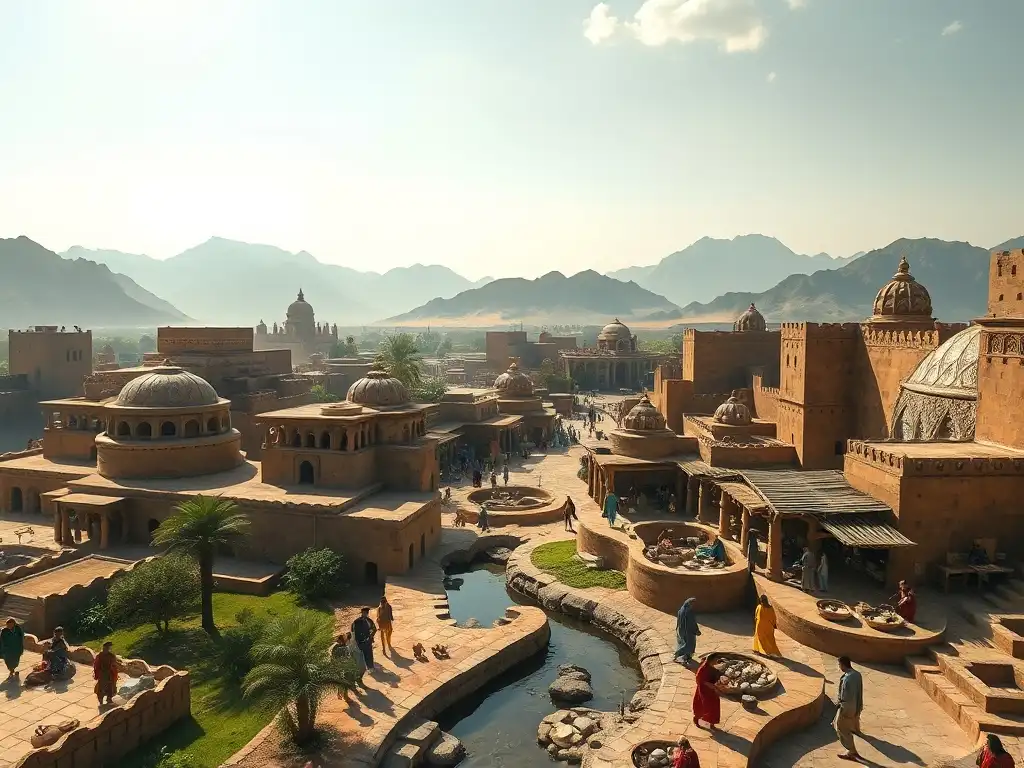
Welcome to Ancient India History, where we embark on a fascinating journey through the rich tapestry of ancient Indian civilizations. Today, we delve into the Indus Valley sustainable development model, a remarkable testament to the ingenuity and foresight of one of history's most advanced societies. As we explore the innovative practices and urban planning of the Indus Valley Civilization, you'll discover insights that resonate even in our modern world. Ready to uncover how these ancient achievements can inspire today's sustainable practices? Join us as we unravel the mysteries of this extraordinary era!
The Indus Valley Civilization (IVC), one of the world's earliest urban cultures, thrived around 2500 BCE in what is now Pakistan and northwest India. Renowned for its advanced city planning, architecture, and social organization, the IVC presents an intriguing case study in sustainable development. This ancient civilization not only achieved remarkable urban sophistication but also demonstrated a deep understanding of environmental management, resource utilization, and community welfare.
As modern societies grapple with pressing sustainability challenges, the Indus Valley’s practices offer valuable insights into creating a sustainable future. In this article, we will explore how the principles of the Indus Valley sustainable development model can inform contemporary efforts towards ecological balance and social equity.
The Significance of the Indus Valley Civilization
The Indus Valley Civilization is significant not only for its historical context but also for its contributions to human development. It spanned an area of approximately 1,250,000 square kilometers, covering major cities like Harappa and Mohenjo-Daro. The civilization's achievements in urban planning, including sophisticated drainage systems and standardized brick sizes, underscore its emphasis on sustainability. The ability to manage water resources effectively and cultivate crops in a challenging environment is a testament to their innovative spirit.
Key Features of the Indus Valley Sustainable Development Model
- Urban Planning:
- The cities of the IVC were meticulously planned with a grid-like layout, ensuring efficient land use and accessibility.
- Public baths and waste management systems highlight their commitment to hygiene and public health.
- Water Management:
- The civilization developed advanced irrigation techniques, including canals and reservoirs, to support agriculture.
- Rainwater harvesting systems were prevalent, showcasing their understanding of water conservation.
- Agricultural Practices:
- The Indus Valley farmers employed crop rotation and sustainable farming methods, allowing for soil fertility maintenance.
- A diverse agricultural portfolio, including the cultivation of wheat, barley, and cotton, ensured food security.
- Trade and Economy:
- The IVC engaged in trade networks extending to Mesopotamia and beyond, facilitating resource exchange while promoting economic resilience.
- Craft production and local manufacturing contributed to a self-sufficient economy, reducing reliance on external resources.
- Social Organization:
- The civilization's egalitarian social structure fostered community participation and cooperation.
- Governance systems appear to have been decentralized, allowing for localized decision-making, which is essential for sustainable community development.
Conclusion
The Indus Valley Civilization stands as a remarkable example of how ancient societies can inform modern sustainable practices. By examining their strategies for urban planning, resource management, and social organization, contemporary societies can draw valuable lessons on achieving sustainability. As we face unprecedented environmental challenges, the insights gleaned from the Indus Valley sustainable development model could guide us toward resilient and equitable futures.
- The Significance of the Indus Valley Civilization
- Key Features of the Indus Valley Sustainable Development Model
- Conclusion
- What was the Indus Valley Civilization known for?
- How did the Indus Valley Civilization contribute to sustainable development?
- What lessons can modern societies learn from the Indus Valley Civilization?
- Were there any significant technologies developed during the Indus Valley Civilization?
- How does the Indus Valley Civilization compare to other ancient civilizations regarding sustainability?
Introduction to the Indus Valley Civilization
Overview of the Indus Valley Civilization
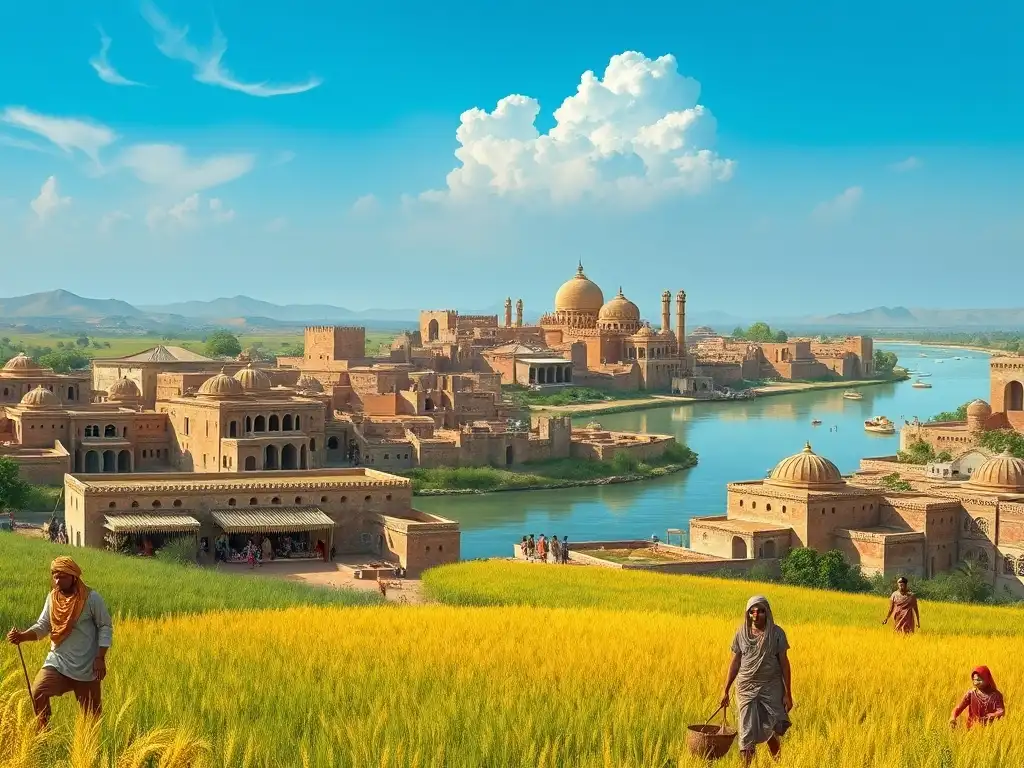
The Indus Valley Civilization (IVC), also known as the Harappan Civilization, flourished between approximately 3300 BCE and 1300 BCE in what is now modern-day Pakistan and northwest India. It is one of the world's earliest urban cultures, contemporaneous with ancient Egypt and Mesopotamia. The civilization is characterized by its advanced urban planning, sophisticated drainage systems, and impressive architecture. Major urban centers such as Harappa and Mohenjo-Daro exemplified the remarkable organizational skills of their inhabitants.
The cities were meticulously designed on a grid pattern, featuring wide streets and well-constructed brick houses, some of which included multiple stories. The inhabitants of the IVC engaged in agriculture, trade, and craft production, suggesting a complex economy that was both localized and far-reaching. Evidence of standardized weights and measures indicates a level of economic sophistication that allowed for trade with distant regions, including Mesopotamia.
Archaeological findings have revealed that the IVC had an intricate social structure and a writing system that remains undeciphered. Moreover, the civilization made significant advancements in various fields, including metallurgy, pottery, and textile production. The mystery surrounding the decline of the IVC around 1300 BCE remains a topic of scholarly debate, attributed to factors such as climate change, river shifts, and possible invasions.
Importance of Sustainable Development in Ancient Civilizations
The concept of sustainable development, though a modern term, is deeply rooted in the practices of ancient civilizations, including the Indus Valley Civilization. The IVC exemplifies how societies can achieve a balance between environmental stewardship and economic growth. Its urban planning reflects a keen understanding of sustainable practices, as seen in the construction of drainage systems and waste management protocols that prevented flooding and promoted public health.
- Water Management: The IVC's advanced water management systems, including reservoirs and wells, demonstrate a sustainable approach to resource utilization. These systems ensured a stable water supply for agriculture and daily living, reflecting an understanding of hydrology that is crucial for sustainable development.
- Agricultural Practices: The civilization utilized crop rotation and irrigation techniques that allowed for the sustainable cultivation of various grains. This not only maximized agricultural output but also preserved soil fertility over generations.
- Trade and Resource Use: The Indus Valley people engaged in trade networks that allowed them to access raw materials not available in their region. This strategic resource management minimized over-exploitation and promoted economic sustainability.
- Urban Planning: The grid layout of the cities facilitated efficient land use and reduced congestion. The orientation of buildings and public spaces shows an awareness of climatic conditions, enhancing the livability of urban environments.
The Indus Valley sustainable development model demonstrates how ancient civilizations implemented practices that resonate with contemporary sustainable development goals. The lessons learned from the IVC can inspire modern societies to adopt more sustainable practices, emphasizing the importance of harmonious coexistence with the environment.
The Indus Valley Sustainable Development Model
Definition of Sustainable Development in the Context of Ancient Civilizations
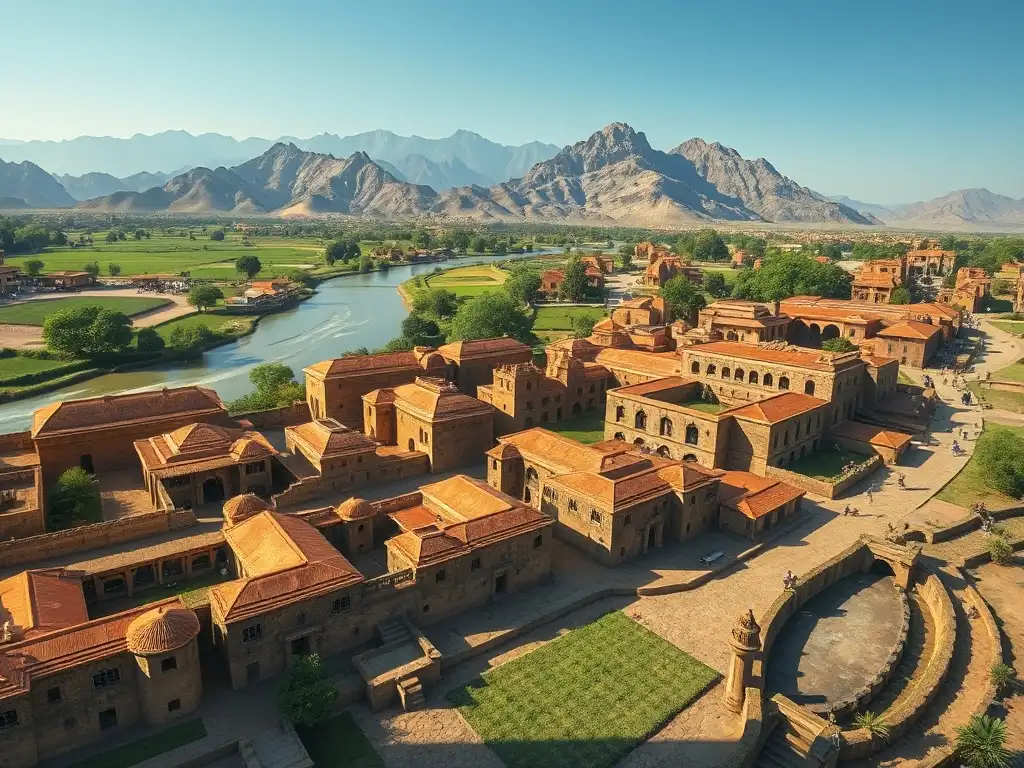
Sustainable development, particularly within the framework of ancient civilizations, refers to the ability of societies to meet their needs without compromising the ability of future generations to meet their own. In the context of the Indus Valley Civilization, which thrived around 2500 to 1900 BCE, this concept materializes through their advanced urban planning, resource management, and social organization. The Indus Valley sustainable development model demonstrates how a society can achieve economic growth while ensuring environmental stewardship and social equity.
The principles of sustainability can be observed in various aspects of the Indus society, which managed to create a balanced relationship with their environment, allowing them to flourish for centuries. This model serves as an early example of how civilizations can develop harmoniously with their surroundings, showcasing practices that are still relevant in today's discussions on sustainable living.
Key Features of the Indus Valley Sustainable Development Model
The Indus Valley Civilization exhibited several key features that contributed to its sustainable development model, which can be categorized into three main components: urban planning and infrastructure, water management systems, and agricultural practices and techniques.
Urban Planning and Infrastructure
The urban planning of the Indus Valley cities such as Mohenjo-Daro and Harappa is a testament to their sophisticated approach to sustainable development. Key characteristics include:
- Grid Layout: Streets were laid out in a grid pattern, providing efficient movement and reducing congestion. This design facilitated organized urban growth while minimizing the negative impacts of urban sprawl.
- Advanced Drainage System: The cities featured one of the world's earliest known drainage systems, with covered drains along the streets to manage waste and stormwater effectively. This not only prevented flooding but also promoted public health.
- Standardized Brick Sizes: The use of uniform-sized bricks in construction ensured structural integrity and efficient resource use, reflecting a high level of craftsmanship and planning.
Water Management Systems
Water management was crucial for the survival and sustainability of the Indus Valley Civilization. They developed several innovative systems, including:
- Wells and Reservoirs: The cities were equipped with numerous wells, ensuring access to clean drinking water. Additionally, large reservoirs were constructed to collect rainwater, showcasing a proactive approach to water conservation.
- Canal Systems: The Indus people constructed canals to divert river water for irrigation, significantly enhancing agricultural productivity. This method not only improved crop yields but also allowed for the sustainable use of water resources.
- Water Filtration Techniques: Archaeological findings suggest that the Indus Valley inhabitants employed methods to filter water, enhancing its quality and making it suitable for consumption.
Agricultural Practices and Techniques
Agriculture was the backbone of the Indus Valley Civilization, and their sustainable practices included:
- Crop Rotation: Evidence indicates that the Indus farmers practiced crop rotation, which helped maintain soil fertility and reduce pests, ensuring sustainable agricultural output.
- Diverse Cultivation: They cultivated a variety of crops, including wheat, barley, and cotton, which not only provided food security but also reduced dependency on a single crop, thereby minimizing risk.
- Use of Fertilizers: The application of organic fertilizers from livestock waste contributed to soil health and fertility, demonstrating an understanding of sustainable agricultural practices long before modern techniques were developed.
The Indus Valley sustainable development model illustrates a remarkable intersection of urban planning, resource management, and agricultural innovation. These features reflect a profound understanding of sustainability that ensured the civilization's resilience and longevity, offering valuable lessons for contemporary societies striving for sustainable development.
Urban Planning: A Blueprint for Sustainability
The Layout of Indus Valley Cities
The cities of the Indus Valley Civilization, particularly Harappa and Mohenjo-Daro, exemplify advanced urban planning that serves as a model for sustainable development. The layout of these cities reflects a remarkable integration of functionality and aesthetics, emphasizing efficiency and environmental harmony.
Grid Patterns and Zoning
One of the most striking features of Indus Valley cities is their grid pattern. Streets were laid out in precise, orthogonal grids, allowing for easy navigation and optimizing land use. This organization not only facilitated commerce and communication but also promoted a sense of order and community.
- Residential Areas: Homes were constructed closely together, maximizing space while ensuring accessibility. The uniformity in design suggests a standardized approach to housing, which may have contributed to social cohesion.
- Commercial Zones: Designated areas for trade and business were strategically located to ensure that economic activities were easily accessible to residents, fostering vibrant marketplaces.
This zoning approach mirrors modern sustainable cities, where mixed-use development promotes reduced transportation needs and enhances community interaction.
Public Spaces and Community Areas
Public spaces played a vital role in the social fabric of Indus Valley cities. The existence of large public baths, such as the Great Bath in Mohenjo-Daro, underscores the significance of communal areas for social interaction and hygiene.
- Community Engagement: These spaces provided venues for community gatherings, rituals, and social activities, enhancing the quality of life for residents.
- Civic Amenities: Facilities such as granaries and assembly halls were strategically placed, ensuring that essential services were accessible to all citizens.
The emphasis on public spaces reflects a deep understanding of community well-being, which is a core principle in modern sustainable development practices.
Sustainable Architecture and Building Materials
The architectural choices of the Indus Valley Civilization further exemplify their sustainable development model.
- Materials: Buildings were primarily constructed from locally sourced materials, such as mud bricks and stone, reducing the carbon footprint associated with transportation. The use of fired bricks, known for their durability, indicates a long-term approach to construction.
- Climate Adaptation: The architectural design took into account the local climate. Houses were typically built with thick walls and small windows, promoting thermal regulation. This natural insulation kept interiors cool in the hot summers and warm during winters, minimizing the need for artificial heating and cooling.
- Water Management: Advanced drainage systems and wells reflect a sophisticated understanding of water management. These systems not only provided clean drinking water but also effectively managed stormwater, reducing flooding risks and promoting sanitation.
The architectural ingenuity of the Indus Valley Civilization serves as an inspiration for contemporary sustainable building practices, showcasing the importance of integrating environmental considerations into urban planning.
The urban planning and architectural strategies of the Indus Valley Civilization highlight a profound commitment to sustainable development principles, offering valuable lessons for modern societies aiming to achieve a balance between urbanization and ecological preservation.
Water Management: Innovation in Resource Conservation
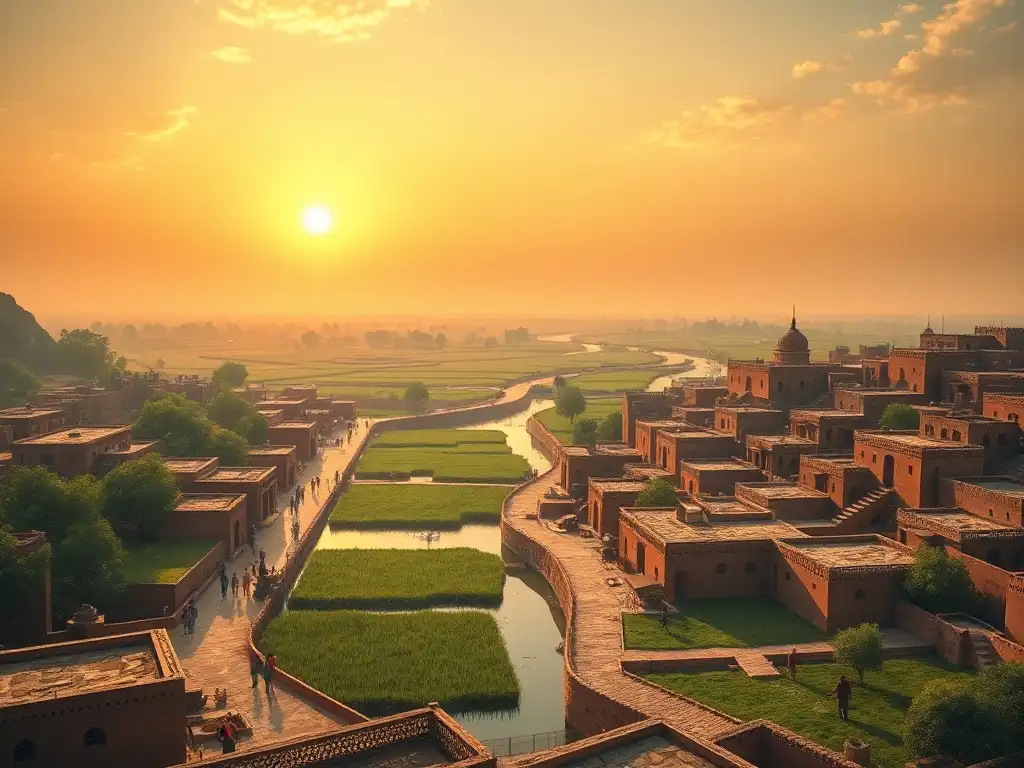
Water management in the Indus Valley Civilization (IVC) presents a remarkable example of innovation in resource conservation, illustrating how ancient societies effectively harnessed and managed water resources to promote sustainable living. The IVC, which flourished around 2500 BCE in present-day Pakistan and northwest India, developed a sophisticated system of water management that not only ensured the availability of water for agricultural and domestic needs but also laid the groundwork for sustainable development practices that resonate even today.
Advanced Drainage and Sanitation Systems
The urban planning of the Indus Valley cities, such as Mohenjo-Daro and Harappa, reveals an advanced understanding of drainage and sanitation. The cities were equipped with a comprehensive drainage system that included the following features:
- Covered Drains: Underground drainage systems made of brick or stones were meticulously constructed to carry wastewater away from homes and public areas.
- Private Toilets: Many houses had access to private toilets connected to the main drainage system, emphasizing hygiene and sanitation.
- Sewage Treatment: The design allowed for the natural treatment of sewage, as the drains would lead to designated areas where waste could decompose, reducing the risk of water contamination.
The efficiency of these systems is evident in their ability to manage heavy monsoon rains, demonstrating an early commitment to public health and environmental sustainability. The innovative drainage solutions of the IVC provide a crucial reference point for modern urban planning, especially in regions prone to flooding and sanitation issues.
Rainwater Harvesting Techniques
The Indus Valley Civilization also showcased advanced rainwater harvesting techniques that were essential for sustaining agriculture in a predominantly arid environment. Key aspects of these techniques included:
- Reservoirs and Tanks: Large reservoirs were constructed to collect and store rainwater. These structures played a vital role in irrigation, allowing for the cultivation of crops even during dry spells.
- Check Dams: Small check dams were built in riverbeds to slow down the flow of water, promoting groundwater recharge and reducing soil erosion.
- Terracing: The use of terraces on slopes helped to capture rainwater effectively, minimizing runoff and maximizing moisture retention in the soil.
These methods illustrate a deep understanding of hydrology and the importance of conserving water resources. The Indus Valley sustainable development model emphasizes the need for efficient water use, a principle that remains critical in contemporary agricultural practices.
The Role of Rivers and Floodplain Management
The rivers of the Indus Valley, particularly the Indus River and its tributaries, played a fundamental role in the civilization's development. Effective floodplain management strategies were employed to mitigate the risks associated with seasonal flooding:
- Flood Control Measures: The IVC utilized levees and embankments to protect urban settlements from flooding, showcasing an early form of flood management.
- Agricultural Practices: The fertile floodplains provided essential nutrients for crops. The inhabitants developed crop rotation and seasonal planting techniques that aligned with the river's flooding cycles, ensuring sustained agricultural productivity.
- Community Cooperation: The successful management of water resources required cooperation among communities, fostering a sense of collective responsibility towards water conservation.
This holistic approach to water resource management highlights the IVC's understanding of the interconnectedness of natural systems, providing valuable insights into sustainable development practices that can inform modern environmental policies. The Indus Valley Civilization stands as a testament to the potential of ancient societies to develop sustainable practices that prioritize resource conservation and ecological balance.
Agricultural Practices: A Sustainable Approach to Food Security
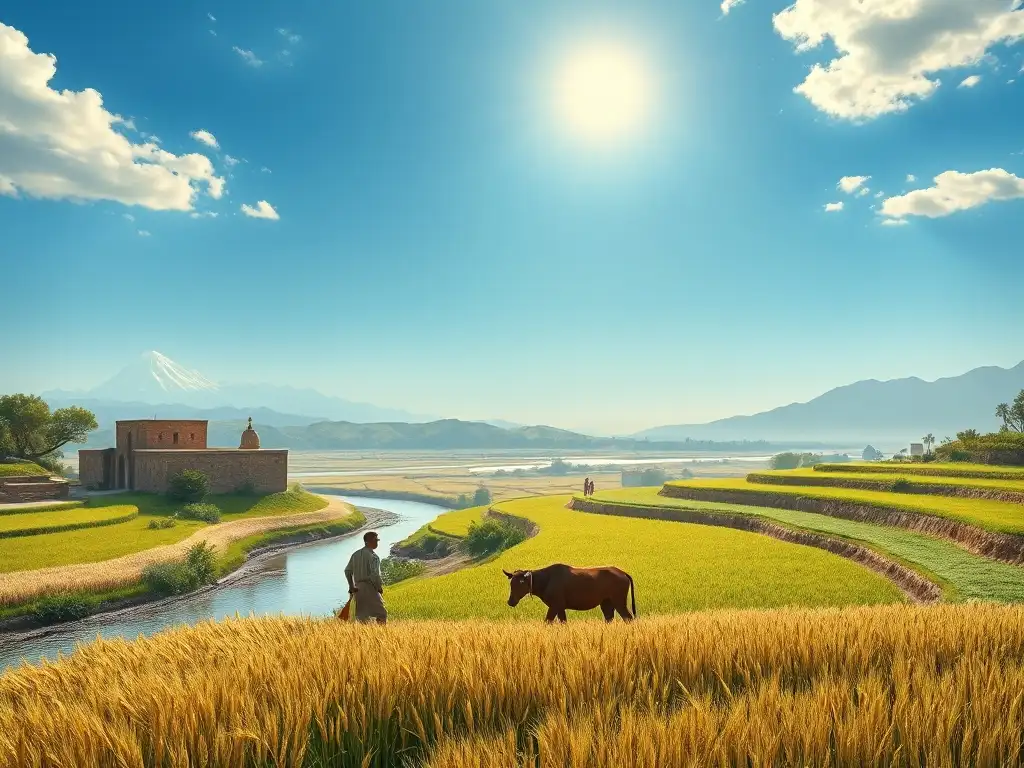
The agricultural practices of the Indus Valley Civilization (IVC) exemplify a sustainable approach to food security that has much to teach modern societies. The IVC, which thrived between 3300 and 1300 BCE, developed methods that not only met their immediate needs but also maintained the health of their environment. These practices contributed significantly to the civilization's longevity and stability.
Crop Diversity and Rotation
The farmers of the Indus Valley employed crop diversity as a key strategy in their agricultural practices. Evidence suggests that they cultivated a variety of crops, including wheat, barley, peas, and cotton. This diversity is essential for sustainable agriculture as it:
- Reduces Vulnerability: A range of crops ensures that if one crop fails due to pests or adverse weather, others can still thrive, providing food security.
- Enhances Soil Health: Different plants contribute various nutrients to the soil. For example, legumes, like peas, can fix nitrogen, enriching the soil for subsequent crops.
Additionally, the practice of crop rotation was likely employed by the IVC farmers. By alternating different types of crops in the same field, they could manage soil fertility and break cycles of pests and diseases. This method not only sustained yields but also minimized the need for chemical fertilizers, promoting a healthier ecosystem.
Use of Irrigation Systems
The sophisticated irrigation systems of the Indus Valley Civilization were crucial for sustainable agricultural practices. The region's geography presented challenges due to varying rainfall patterns. To address this, the Indus people developed complex systems of canals and reservoirs that allowed them to harness water effectively. Key features included:
- Canal Networks: These facilitated water distribution from nearby rivers, ensuring that crops received adequate moisture even during dry spells.
- Water Harvesting: By constructing storage facilities, they could collect rainwater and manage water resources, reducing dependency on seasonal rainfall.
The efficient use of irrigation not only increased agricultural productivity but also supported the growth of urban centers, which were critical for trade and cultural exchange. This model of water management demonstrates principles of sustainable development that are relevant today.
Livestock Management and Sustainability
Livestock played a vital role in the agricultural economy of the Indus Valley. The management of animals such as cattle, sheep, and goats was conducted with a focus on sustainability. Key practices included:
- Integrated Farming: Livestock provided manure, which was used as a natural fertilizer, enriching the soil without the need for chemical inputs. This closed-loop system supported soil fertility and crop yields.
- Animal Husbandry: The IVC people practiced selective breeding, ensuring that livestock were robust and well-adapted to their environment, which contributed to food security through a consistent supply of meat, milk, and labor.
The careful management of livestock not only contributed to food production but also promoted biodiversity, as diverse animal breeds were maintained, enhancing resilience against diseases and environmental changes.
The agricultural practices of the Indus Valley Civilization highlight a sustainable approach to food security that incorporated crop diversity, advanced irrigation techniques, and effective livestock management. These methods not only supported the civilization's growth but also provide valuable lessons for modern sustainable development models.
Collaborative Governance in Indus Valley Society
The Indus Valley Civilization (IVC), flourishing around 2500 BCE, is renowned for its sophisticated urban planning and social organization. Unlike other ancient civilizations that often centralized power in a singular ruler, the governance in the IVC appears to have been more decentralized and collaborative. Archaeological evidence suggests that decision-making processes may have involved collective participation from various community members, fostering a sense of shared responsibility.
- City Planning and Public Works: The meticulous layout of cities like Harappa and Mohenjo-Daro, featuring grid patterns and advanced drainage systems, indicates a coordinated effort in urban governance. This collaborative effort was likely supported by local councils or assemblies that facilitated discussions among community leaders.
- Standardization of Weights and Measures: The use of standardized weights for trade reflects a unified approach to commerce and resource distribution. This standardization suggests a level of governance that prioritized fairness and efficiency in economic transactions, promoting trust within the community.
- Conflict Resolution Mechanisms: Evidence of communal structures, such as large public baths and assembly halls, implies that these spaces may have been used for social gatherings and conflict resolution. Engaging the community in such matters likely contributed to social cohesion and stability.
Role of Community in Sustainable Practices
Sustainability in the Indus Valley was not merely an environmental concern but an integral part of social life. The community played a vital role in implementing and maintaining sustainable practices that supported both ecological balance and social harmony.
- Agricultural Practices: The IVC's agricultural techniques were advanced for their time, utilizing crop rotation and irrigation systems that minimized soil depletion. Communities worked together to manage water resources, ensuring that farming practices were sustainable and effective. This collaboration allowed them to adapt to the region's climate and environmental changes.
- Craft Production and Recycling: Evidence suggests that artisans in the IVC practiced recycling, repurposing materials to create new goods. This not only minimized waste but also fostered a culture of innovation and resourcefulness. Communities likely collaborated in these practices, sharing skills and techniques that enhanced overall production efficiency.
- Cultural and Religious Activities: The IVC's cultural practices, including rituals and festivals, often revolved around agricultural cycles and natural phenomena. These communal activities reinforced the community's connection to their environment and promoted sustainable practices, as they collectively recognized the importance of nature in their livelihoods.
Trade and Economic Models Supporting Sustainability
The economic framework of the Indus Valley Civilization demonstrates a sophisticated understanding of trade and resource management, aligning with sustainable development principles.
- Local and Long-Distance Trade: The IVC engaged in extensive trade networks, both locally and with distant regions such as Mesopotamia. This trade not only facilitated the exchange of goods but also ideas and technologies that contributed to sustainable practices. For instance, the introduction of new agricultural techniques or materials could have resulted from these interactions.
- Diverse Economic Activities: The economy of the IVC was not solely based on agriculture; it included crafts, trade, and services. This diversification ensured that the community was resilient to changes in any single sector. Such economic models promote sustainability, as they reduce dependency on a single resource or practice.
- Resource Management: The IVC's strategic location allowed for the effective management of resources, such as water from the Indus River. Communities likely collaborated to develop irrigation systems that optimized water use, demonstrating an early understanding of sustainable resource management. The emphasis on collective responsibility in resource allocation reflects a sophisticated economic model that prioritizes sustainability.
The Indus Valley sustainable development model was characterized by collaborative governance, active community involvement in sustainable practices, and an adaptable economic framework. These elements collectively contributed to the civilization's resilience and longevity, providing valuable lessons for contemporary sustainable development initiatives.
Lessons from the Indus Valley Civilization for Modern Sustainable Development
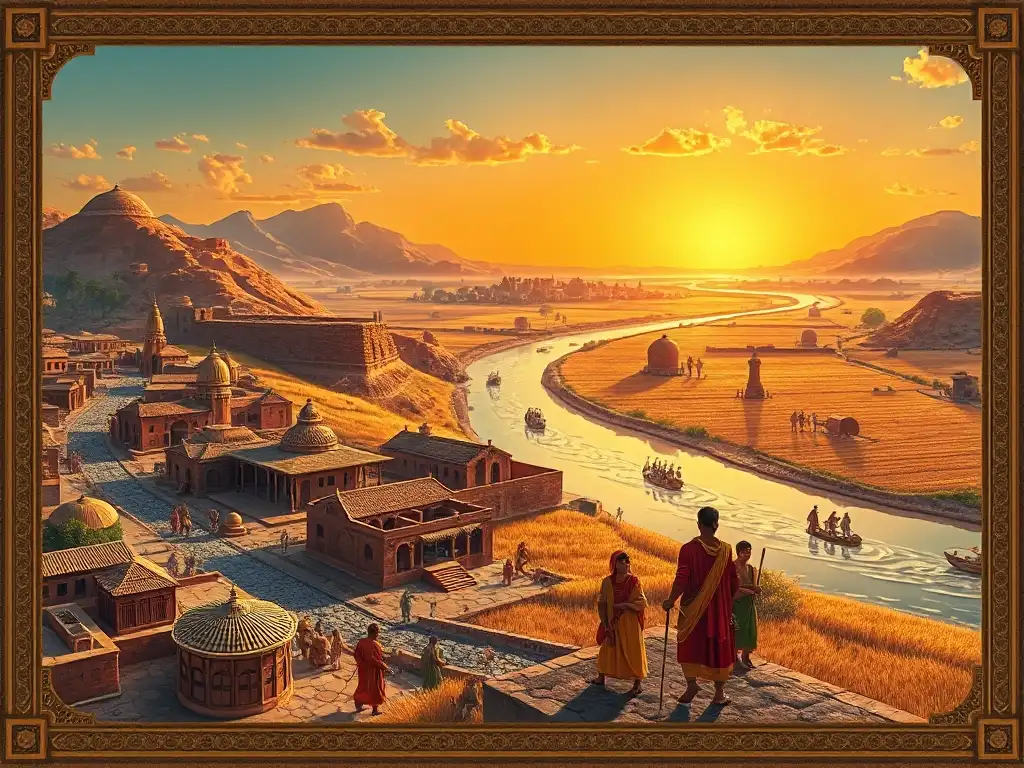
Relevance of Indus Valley Practices Today
The Indus Valley Civilization, known for its advanced urban planning and sustainability practices, offers timeless lessons that resonate in today's context. The civilization thrived from approximately 3300 to 1300 BCE, showcasing a remarkable understanding of resource management and environmental stewardship.
- Urban Planning and Infrastructure: The cities of the Indus Valley, such as Mohenjo-Daro and Harappa, were characterized by well-planned layouts, including grid patterns and drainage systems. This careful urban design minimized flooding and promoted sanitation, a principle that is crucial for modern urban development. The integration of green spaces and public facilities contributed to a healthier urban environment.
- Water Management: The inhabitants of the Indus Valley implemented sophisticated water management techniques, including wells, reservoirs, and drainage systems. Their ability to efficiently manage water resources is particularly relevant today, as many regions face water scarcity and pollution. The sustainable approach to water usage can inform current policies on water conservation and management.
- Agricultural Practices: The agriculture of the Indus Valley Civilization relied heavily on crop rotation and seasonal planting, which maintained soil fertility and reduced the need for chemical fertilizers. The emphasis on sustainable agricultural practices aligns with modern movements towards organic farming and permaculture, promoting food security while preserving the environment.
- Waste Management: The civilization demonstrated effective waste disposal systems, utilizing trash pits and incineration methods. This foresight in waste management mirrors contemporary efforts to reduce landfill waste and promote recycling, highlighting the importance of a circular economy.
These practices collectively illustrate how the Indus Valley Civilization exemplifies an Indus Valley sustainable development model, which prioritizes ecological balance while supporting social and economic growth.
Integrating Ancient Wisdom into Contemporary Sustainability Efforts
Incorporating the principles of the Indus Valley Civilization into modern sustainability efforts can provide invaluable insights for addressing contemporary challenges. Here are several ways to integrate this ancient wisdom effectively:
- Holistic Urban Development: Modern cities can adopt the holistic urban planning strategies of the Indus Valley by focusing on integrated land use that combines residential, commercial, and recreational spaces. Enhancing public transportation and walkability can reduce the reliance on automobiles, thereby decreasing carbon footprints.
- Community Engagement: The Indus Valley's community-oriented approach to resource management emphasizes the importance of local participation in decision-making processes. Contemporary sustainability efforts can benefit from fostering community engagement through participatory planning and educational initiatives that encourage local stewardship of resources.
- Sustainable Agriculture Models: By studying the agricultural practices of the Indus Valley, modern farmers can implement crop diversification and sustainable farming techniques that align with ecological principles. This could lead to improved resilience against climate change and food insecurity.
- Water Conservation Initiatives: Drawing inspiration from the Indus Valley's water management strategies, contemporary policies can focus on rainwater harvesting, wastewater treatment, and conservation practices. Implementing these methods can help address global water crises effectively.
The Indus Valley sustainable development model serves as a beacon for modern societies seeking to create sustainable and resilient communities. By learning from ancient practices, we can cultivate a more sustainable future that respects and preserves our environment while meeting the needs of current and future generations.
Conclusion: The Indus Valley Civilization as a Model for Future Generations
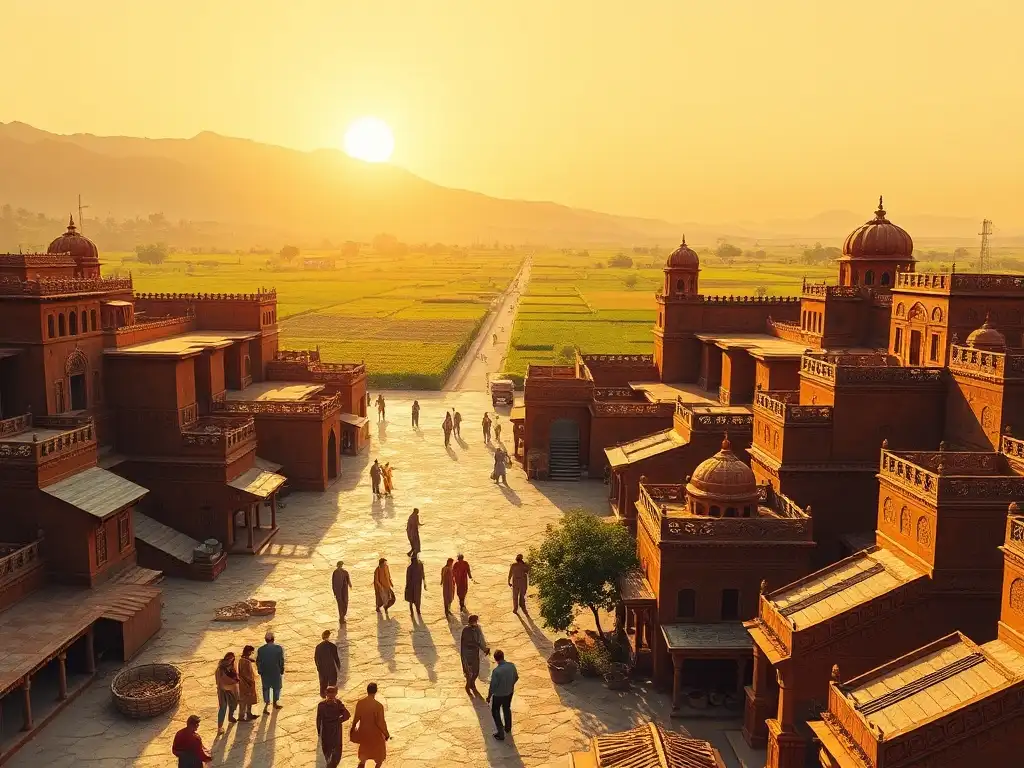
Summary of Key Points on Sustainability
The Indus Valley Civilization (IVC) is often regarded as one of the earliest examples of a sophisticated urban society that emphasized sustainable practices. Here are some of the key points highlighting its sustainability:
- Urban Planning: The cities of the IVC, such as Harappa and Mohenjo-Daro, were meticulously planned with advanced grid layouts. Streets were aligned, and houses were built with standardized bricks, demonstrating an early understanding of urban organization.
- Water Management: A remarkable feature of the IVC was its sophisticated drainage system. Homes had private bathrooms connected to a centralized drainage system, showcasing the civilization's advanced approach to hygiene and water conservation.
- Agricultural Practices: The IVC utilized crop rotation and irrigation techniques that allowed for sustainable agriculture. They cultivated a variety of crops, including wheat, barley, and cotton, which contributed to food security and biodiversity.
- Trade and Economy: The civilization engaged in long-distance trade, facilitating an exchange of goods that supported economic sustainability. The use of standardized weights and measures indicates an organized economic system that promoted fairness and efficiency.
- Environmentally Conscious Materials: The IVC inhabitants employed local materials for construction and daily use, reducing the need for long-distance transportation, which is a fundamental principle of sustainability.
The Legacy of the Indus Valley Civilization in Modern Contexts
The principles of sustainability demonstrated by the Indus Valley Civilization resonate strongly in modern discussions about sustainable development. Today, many urban planners and environmentalists draw inspiration from IVC practices. Here are some ways in which the legacy of the IVC influences contemporary society:
- Sustainable Urban Design: Modern cities are increasingly adopting principles of sustainable urban planning, focusing on efficient land use, green spaces, and integrated water management systems, similarly to the IVC's urban layout.
- Water Conservation Techniques: The IVC's advanced drainage and water management systems serve as a reference point for modern urban areas facing water scarcity. Techniques such as rainwater harvesting and greywater recycling are being implemented today.
- Agricultural Innovations: The agricultural methods of the IVC are echoed in current sustainable farming practices, such as permaculture and organic farming, which prioritize ecological balance and soil health.
- Cultural Heritage and Identity: The IVC represents a time when human societies thrived in harmony with their environment. This cultural heritage is increasingly being recognized as vital for fostering a sense of identity and responsibility towards sustainable practices in modern communities.
- Global Sustainability Goals: The sustainable practices of the IVC align with the United Nations Sustainable Development Goals (SDGs), emphasizing the need for clean water, sustainable cities, and responsible consumption and production.
The Indus Valley Civilization provides a rich historical context for understanding sustainable development. Its innovative approaches to urban planning, water management, and agriculture offer valuable lessons for future generations striving to create sustainable societies. The Indus Valley sustainable development model stands as a testament to the enduring relevance of ancient wisdom in addressing contemporary challenges.
References and Further Reading
Key Texts on Indus Valley Civilization
The Indus Valley Civilization is one of the oldest urban cultures in the world, and a number of key texts provide valuable insights into its complex society, culture, and innovations. Here are some essential readings:
-
"The Indus Civilization: A Contemporary Perspective" by Gregory L. Possehl
This comprehensive work offers an in-depth analysis of the archaeological findings from the Indus Valley, discussing its urban planning, trade systems, and societal structure.
-
"Indus Valley Civilization: An Introduction" by S. R. Rao
Rao's book serves as an introductory resource, detailing the major archaeological sites and significant discoveries that shaped our understanding of the civilization.
-
"The Lost City of the Indus" by Andrew Robinson
Robinson explores the mysteries of the Indus Valley Civilization, focusing on the daily lives of its people, their crafts, and their trade practices.
-
"The Archaeology of Early Historic South Asia" by Robin Coningham and Ruth Young
This text places the Indus Valley Civilization within the broader context of South Asian history, discussing its evolution and eventual decline.
Articles on Sustainable Development Models
The concept of sustainable development has gained significant traction in recent years, and understanding how ancient civilizations, particularly the Indus Valley Civilization, can inform current practices is crucial. Here are some insightful articles that explore sustainable development models through the lens of ancient societies:
-
"Sustainable Urbanism: Lessons from Ancient Civilizations"
This article examines urban planning and resource management in historical contexts, highlighting the sustainable practices of the Indus Valley Civilization that can be applied today.
-
"Ancient Water Management Systems: Insights for Modern Sustainability"
Focusing on the sophisticated drainage and water conservation techniques of the Indus Valley, this piece discusses how these ancient methods can inspire modern sustainable water management strategies.
-
"Indus Valley Civilization as a Sustainable Development Model"
This article specifically analyzes the Indus Valley sustainable development model, emphasizing its ecological balance, efficient agricultural practices, and urban design that catered to the needs of its inhabitants without exhausting resources.
-
"Cultural Heritage and Sustainable Development: The Indus Valley Example"
This research highlights the importance of preserving ancient knowledge and practices as a means to achieve sustainable development goals in contemporary society.
By exploring these texts and articles, readers can gain a deeper understanding of the Indus Valley Civilization and its relevance to modern sustainable development practices.
Frequently Asked Questions
What was the Indus Valley Civilization known for?
The Indus Valley Civilization was renowned for its advanced urban planning, including sophisticated drainage systems, well-structured cities, and a focus on sustainable agricultural practices.
How did the Indus Valley Civilization contribute to sustainable development?
The civilization employed sustainable development models by utilizing local resources efficiently, promoting crop rotation, and implementing water management systems that ensured long-term agricultural sustainability.
What lessons can modern societies learn from the Indus Valley Civilization?
Modern societies can learn the importance of integrating sustainability into urban planning and the need for resource management that balances growth with environmental preservation.
Were there any significant technologies developed during the Indus Valley Civilization?
Yes, the civilization is credited with developing innovative technologies such as advanced metallurgy, pottery techniques, and textile production, all contributing to their economic sustainability.
How does the Indus Valley Civilization compare to other ancient civilizations regarding sustainability?
Compared to other ancient civilizations, the Indus Valley is often highlighted for its holistic approach to sustainability, focusing on environmental harmony, urban design, and community well-being, setting a precedent for future societies.
Final Reflection: Embracing the Indus Valley Sustainable Development Model
The lessons from the Indus Valley Civilization are not just relics of the past; they resonate profoundly in today's quest for sustainable development. As we grapple with pressing environmental challenges and the need for resilient urban planning, the principles that guided the Indus Valley people offer a blueprint for harmonizing human needs with ecological balance. The ingenuity of their urban design and resource management is a striking reminder that sustainable living is not a modern invention but a timeless pursuit.
Culture and society are inextricably linked to the ways we manage our environment. The Indus Valley Civilization exemplifies how a community can thrive by prioritizing sustainability, showcasing advanced agricultural practices, water management, and urban planning. This ancient society's commitment to ecological stewardship continues to inspire contemporary movements advocating for sustainable practices. The greatest threat to our planet is the belief that someone else will save it.
– Robert Swan. This quote encapsulates the urgency of our responsibility to learn from the past and implement sustainable solutions today.
As we reflect on the Indus Valley sustainable development model, I invite you to consider how you can incorporate these principles into your own life. What steps can you take to promote sustainability in your community? Whether it’s through mindful consumption, supporting local agriculture, or advocating for green policies, every action counts. Let the wisdom of the Indus Valley Civilization guide you as you contribute to a more sustainable future, ensuring that the lessons of the past illuminate the path forward for generations to come.
Unveil the Secrets of Sustainable Living Inspired by the Indus Valley!
Thank you for exploring the rich history of the Indus Valley Civilization with us! We hope you discovered how their innovative practices can inspire sustainable development today. Now, let's take that knowledge and turn it into action!
Here are some exciting ways to incorporate the wisdom of the past into the present:
- Adopt sustainable practices in your daily life, such as composting, conserving water, or using eco-friendly products.
- Explore local initiatives or community gardens that promote sustainable living in your area—get involved!
- Share your insights with friends and family by hosting a discussion or organizing a community event that emphasizes the importance of sustainability.
How will you apply lessons from the Indus Valley Civilization to your own lifestyle? We’d love to hear your thoughts and ideas!