
Exploring the Indus Valley's Innovations in Agriculture: The Birth of Irrigation

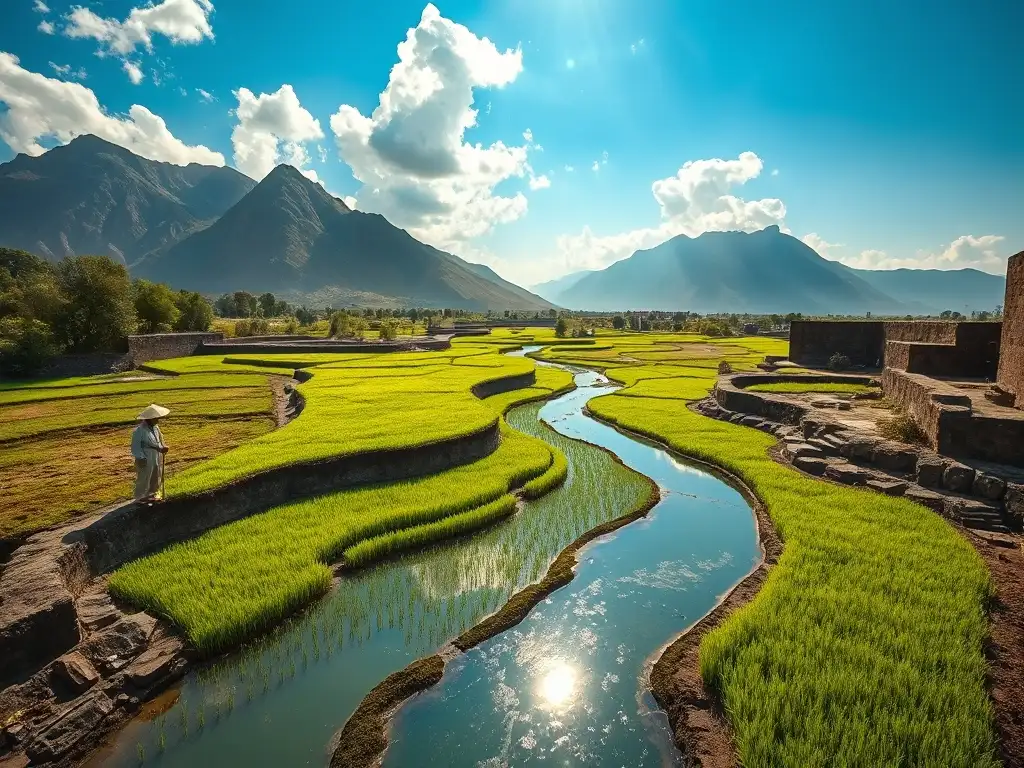
Welcome to Ancient India History, where we embark on a captivating journey through time to explore the rich tapestry of ancient Indian civilizations. Have you ever wondered how the ingenious innovations of the Indus Valley laid the groundwork for agricultural practices that transformed societies?
In our featured article, "Exploring the Indus Valley's Innovations in Agriculture: The Birth of Irrigation," we dive into the remarkable advancements that shaped the agricultural landscape and fostered the growth of one of history's most influential cultures. Join us as we unravel the secrets of the past and discover how these innovations continue to resonate today!
Introduction to Indus Valley Agriculture Innovations
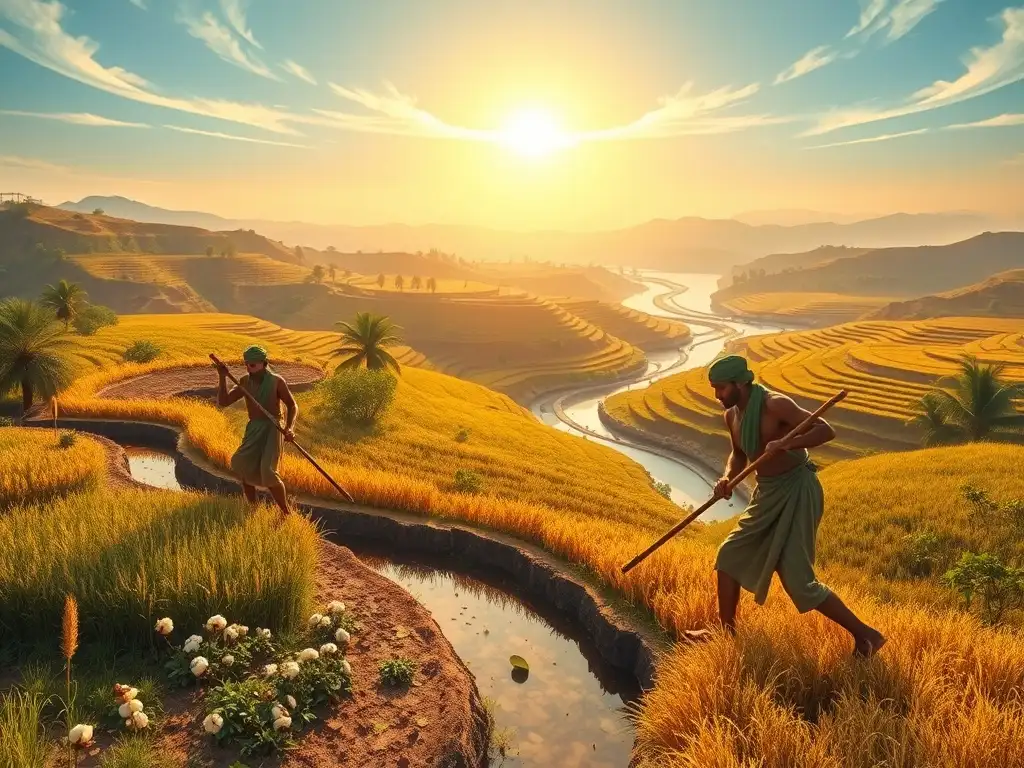
The Indus Valley Civilization, flourishing around 2500 BCE, stands as one of the earliest urban societies in human history. Nestled along the fertile plains of the Indus River, this remarkable civilization not only pioneered urban planning but also made significant strides in agricultural innovations. Among these, the development of irrigation techniques played a crucial role in enhancing agricultural productivity and ensuring food security. This article delves into the groundbreaking advancements in agriculture that characterized the Indus Valley, shedding light on how these innovations laid the foundation for sustainable farming practices that have influenced generations.
Irrigation systems in the Indus Valley were not just rudimentary but showcased an advanced understanding of water management. The civilization's inhabitants engineered complex networks of canals and reservoirs, enabling them to divert river water to their fields. This sophisticated approach to agriculture facilitated the cultivation of diverse crops, thereby supporting a thriving population. As we explore the specific innovations that emerged from this period, it becomes evident that the agricultural practices of the Indus Valley were instrumental in shaping the region's economic and social structures.
The Importance of Agriculture in the Indus Valley Civilization
Agriculture was the backbone of the Indus Valley Civilization, serving as the primary means of sustenance and economic prosperity. The fertile alluvial soil of the Indus River basin provided ideal conditions for farming, allowing inhabitants to cultivate a variety of crops. Key agricultural innovations included:
- Crop Diversification: The Indus Valley farmers grew multiple crops, including wheat, barley, peas, and cotton. This diversification not only enhanced nutrition but also reduced the risk of crop failure.
- Irrigation Techniques: The establishment of canal systems enabled efficient water management. These techniques ensured that crops received adequate moisture, even during dry spells, thereby increasing yields and allowing for multiple harvests in a year.
- Storage Facilities: The civilization built granaries and storage facilities, which were essential for preserving surplus crops. This foresight in food storage helped mitigate the effects of famine and supported trade.
The significance of these agricultural innovations cannot be overstated; they facilitated a stable food supply that supported urbanization, trade, and the overall growth of the Indus Valley Civilization. By mastering their agricultural practices, the people of this civilization not only sustained themselves but also laid the groundwork for future advancements in agriculture across the Indian subcontinent.
Key Features of Indus Valley Agriculture
The agriculture of the Indus Valley Civilization (IVC) is characterized by several key features that contributed to its sustainability and productivity. One of the most notable aspects was the advanced understanding of seasonal patterns, which allowed farmers to optimize crop yields. The monsoon season, with its predictable rainfall, played a crucial role in agricultural planning.
Additionally, the region was known for its sophisticated urban planning, which included granaries and storage facilities. This was essential for managing surplus production and ensuring food security. The IVC also showcased a remarkable level of social organization, facilitating the distribution of agricultural products among its urban centers.
Moreover, the use of domesticated animals, such as oxen, for plowing and transportation significantly enhanced agricultural efficiency. The integration of agriculture with trade routes further allowed for the exchange of goods, which helped in spreading agricultural innovations across regions.
Crop Diversity in the Indus Valley
The Indus Valley was home to a rich variety of crops, which was pivotal for the civilization's sustenance. Key staples included wheat, barley, and pulses, which were cultivated extensively. Archaeological evidence suggests that the inhabitants were also growing rice in some regions, showcasing their adaptability to different agricultural practices.
Fruits and vegetables, such as dates, sesame, and lentils, were also part of their agricultural palette. This diversity not only provided a balanced diet but also indicated a sophisticated understanding of crop rotation and seasonal planting, which helped maintain soil fertility. The ability to cultivate multiple crops ensured resilience against climate variability and pests, highlighting the advanced agricultural techniques of the Indus Valley people.
Farming Techniques and Tools Used
Farming techniques in the Indus Valley were remarkably advanced for their time, incorporating both traditional and innovative methods. The use of plows, often made from sturdy wood, allowed for more efficient tilling of the land. Evidence of farming tools such as sickles and hoes indicates that the IVC farmers employed systematic methods for harvesting and weeding.
Moreover, the cultivation practices were influenced by the landscape, as farmers utilized the natural topography to manage water flow and soil erosion effectively. Terracing and bunding were techniques used to enhance soil moisture retention, while crop rotation practices helped to prevent nutrient depletion.
The presence of seed drills, suggested by archaeological findings, indicates an early understanding of sowing techniques, facilitating better seed placement and spacing. This combination of tools and techniques contributed to the overall productivity of Indus Valley agriculture.
The Role of Irrigation in Indus Valley Agriculture
Irrigation played a pivotal role in the agricultural success of the Indus Valley Civilization. With the fluctuating availability of rainfall, the development of irrigation systems ensured a steady water supply, which was crucial for crop cultivation. The strategic management of water resources allowed farmers to expand arable land and increase crop yields, thus supporting the growing urban population.
The sophisticated irrigation techniques not only enhanced agricultural output but also fostered economic stability and social organization. The reliance on irrigation systems is indicative of the advanced engineering skills possessed by the Indus Valley inhabitants, as they navigated the challenges posed by their environment.
Understanding Early Irrigation Systems
The early irrigation systems of the Indus Valley were complex and well-planned. Archaeological studies reveal the existence of canals and reservoirs that were constructed to channel water from rivers to agricultural fields. These systems allowed for the effective distribution of water, which was essential for maintaining agricultural productivity during dry spells.
The construction of these irrigation channels demonstrates an understanding of hydrology and landscape management. The use of levees and embankments helped control water flow, preventing flooding and soil erosion. This innovative approach to water management was a significant factor in the sustainability of Indus Valley agriculture, showcasing the civilization's engineering prowess.
Materials and Methods for Irrigation
The materials used in the irrigation systems of the Indus Valley were primarily sourced from the local environment. Clay and mud were utilized to create embankments and canals, while stones were often employed for more permanent structures. The choice of materials reflects both the availability of resources and the technological capabilities of the civilization.
Methods of irrigation included surface irrigation, where water was distributed over the fields using gravity, as well as more advanced techniques that involved the construction of wells and cisterns for water storage. The integration of these various methods allowed farmers to optimize their irrigation practices, adapting to the seasonal changes and ensuring the efficient use of water resources. The innovation in materials and methods used for irrigation in the Indus Valley is a testament to the civilization's ingenuity and its lasting impact on agricultural practices.
Innovations in Crop Management and Storage
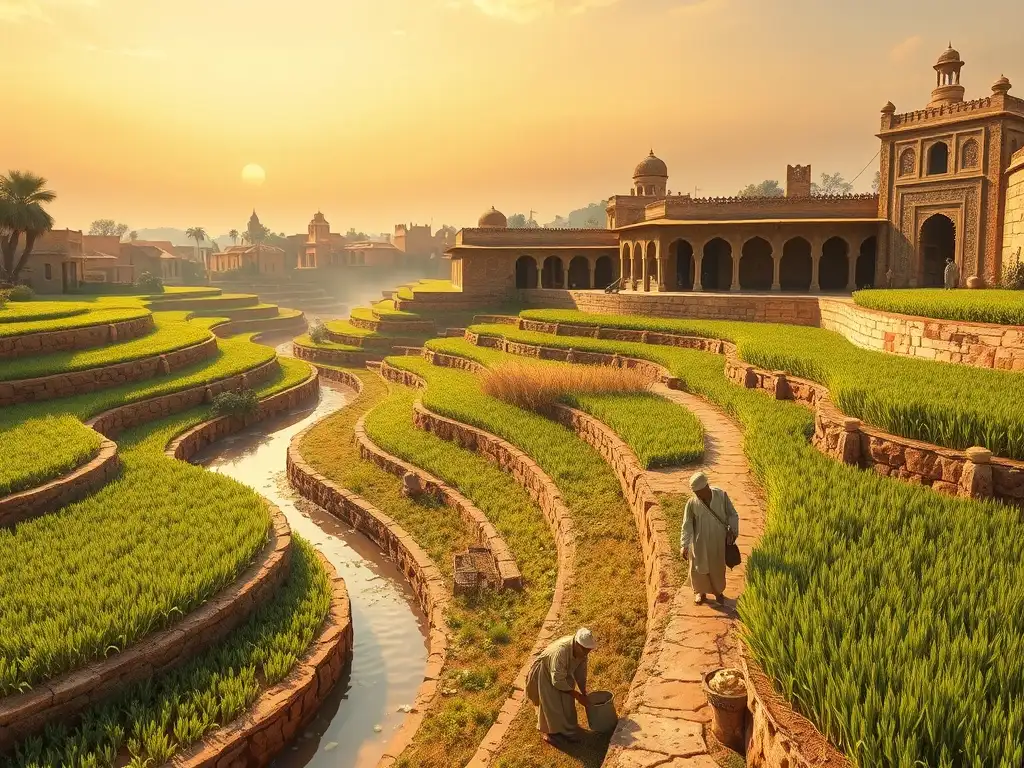
The Indus Valley Civilization (IVC), known for its advanced urban planning and engineering, also made significant strides in agriculture. Among the most noteworthy innovations were the methods of crop management and storage, which played a crucial role in sustaining their society. The agricultural practices of the IVC were characterized by the cultivation of a variety of crops, including wheat, barley, peas, and cotton.
Agricultural Practices and Their Impact
The farmers of the Indus Valley implemented a range of agricultural techniques that optimized crop yield. One of the key practices was the use of crop rotation, which helped maintain soil fertility and reduce the incidence of pests. By alternating the types of crops grown in a specific field, they could ensure that the soil remained productive over time.
Additionally, the introduction of plowing tools made from wood and bronze facilitated more efficient tilling of the soil. The IVC's knowledge of seasonal monsoons allowed them to time their planting and harvesting effectively, ensuring that crops received adequate moisture. These agricultural innovations not only supported local subsistence but also laid the groundwork for surplus production, enabling trade and economic growth.
Storage Techniques for Surplus Crops
To manage the surplus crops produced through their innovative agricultural practices, the Indus Valley people developed sophisticated storage techniques. Granaries were constructed with mud bricks, often elevated to protect the stored grains from pests and moisture. These granaries showcased advanced architectural skills, with features designed to ensure ventilation and temperature control.
The use of large storage vessels made from clay further enhanced their ability to preserve surplus food. These vessels were often sealed to prevent contamination and spoilage, allowing the civilization to store their harvests for extended periods. This ability to store surplus crops significantly contributed to food security, enabling the population to withstand periods of drought or famine.
Societal Impacts of Agricultural Innovations
The innovations in agriculture during the Indus Valley Civilization had profound effects on various aspects of society, leading to significant changes in economic structures and demographic trends.
Economic Development and Trade
The surplus generated from advanced agricultural practices allowed the Indus Valley Civilization to engage in extensive trade with neighboring regions, including Mesopotamia and Persia. The ability to produce more food not only supported a growing population but also facilitated the exchange of goods, such as textiles and pottery, enhancing the economic prosperity of the civilization.
Trade routes were established, and the surplus crops became a valuable commodity, leading to an increase in wealth and the establishment of social hierarchies based on economic status. The economic development spurred by agricultural innovations ultimately contributed to the growth of urban centers, marking the rise of one of the world's earliest advanced civilizations.
Population Growth and Urbanization
As agricultural innovations improved food production, the population of the Indus Valley Civilization began to grow significantly. The availability of a stable food supply encouraged people to settle in urban areas, leading to the development of cities like Harappa and Mohenjo-Daro.
This urbanization was accompanied by the emergence of specialized labor, as not everyone was required to farm. People could engage in various crafts, trades, and services, further diversifying the economy. The increase in population and urban development fostered a complex society with advancements in governance, social organization, and cultural expression, all rooted in the agricultural innovations that initially supported their growth.
Legacy of Indus Valley Agriculture Innovations
The agriculture innovations of the Indus Valley Civilization (IVC) represent a pivotal moment in the development of agricultural practices in ancient India. These advancements not only ensured food security for the urban population of cities like Harappa and Mohenjo-Daro but also laid the groundwork for subsequent agricultural techniques. The legacy of these innovations is evident in the sophisticated farming methods that emerged in later Indian civilizations.
One of the most significant contributions of the IVC was the introduction of irrigation systems. The extensive network of canals and reservoirs allowed for the effective management of water resources, enabling farmers to cultivate crops even in the arid conditions of the region. This method of water management was revolutionary and has influenced agricultural practices in the Indian subcontinent for centuries.
Moreover, the IVC's understanding of crop rotation and soil fertility through the use of natural fertilizers demonstrated an advanced level of agricultural knowledge. This knowledge was inherited and adapted by subsequent generations, ensuring the sustainability of agriculture in India.
Influence on Future Agricultural Practices in India
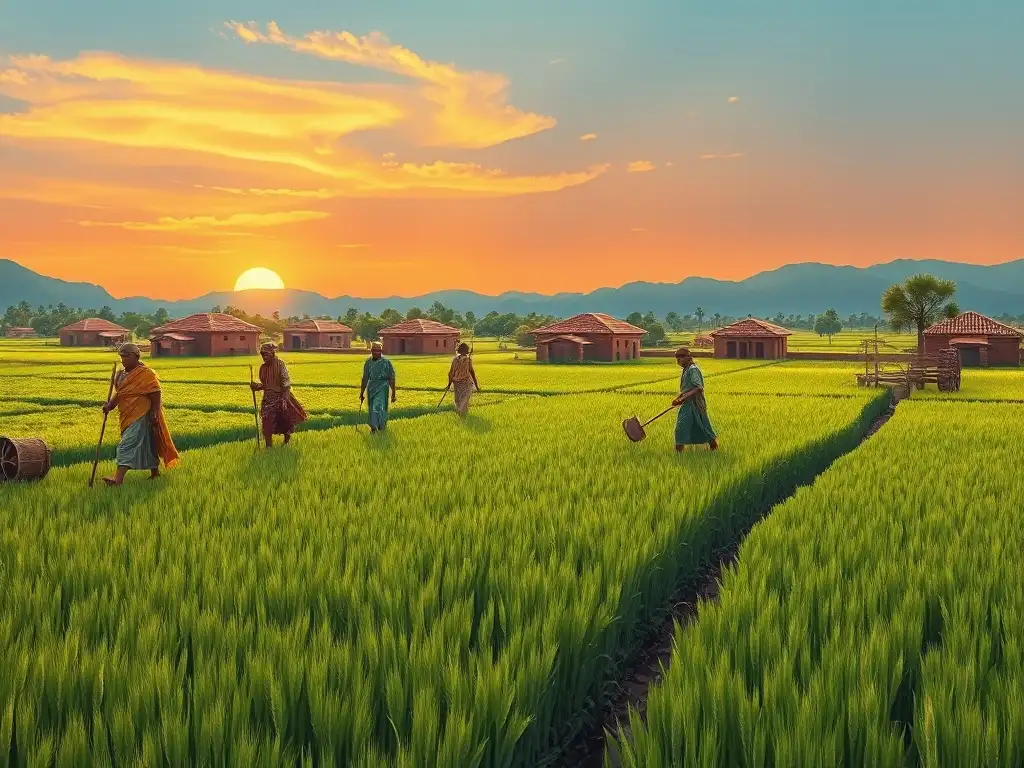
The innovations in agriculture during the Indus Valley period set a precedent for future agricultural practices across India. The techniques and tools developed during this era were not only practical but also adaptive to different environments, which encouraged the diversification of crops. The introduction of new crops such as wheat, barley, and cotton had a lasting impact on the agricultural landscape of India.
The irrigation systems pioneered by the IVC influenced the development of later irrigation methods, such as the use of wells and tanks that became common in subsequent Indian agrarian societies. The emphasis on water management and conservation seen in the IVC can still be observed in modern irrigation practices in India, where traditional techniques are often integrated with contemporary methods to enhance agricultural productivity.
Additionally, the agricultural innovations of the Indus Valley Civilization contributed to the economic stability of future Indian empires. By establishing a reliable food supply, these practices supported population growth and urbanization, which were crucial for the rise of subsequent civilizations.
Lessons Learned from the Indus Valley Civilization
The Indus Valley Civilization offers invaluable lessons regarding sustainable agricultural practices. Their innovative approaches to irrigation and crop management highlight the importance of adapting farming techniques to local environmental conditions. Modern agriculturalists can draw inspiration from the IVC's ability to maximize crop yields while maintaining soil health and water conservation.
Furthermore, the IVC's integration of community efforts in agriculture emphasizes the importance of collaboration in farming practices. By working together, communities can effectively manage water resources and share knowledge, leading to improved agricultural outcomes. This principle is particularly relevant today as communities face challenges related to climate change and resource scarcity.
Lastly, the IVC's commitment to innovation and experimentation serves as a reminder of the necessity for ongoing research and development in agriculture. Embracing new techniques and technologies can help modern farmers tackle the challenges of food security and sustainability, much like the Indus Valley farmers did thousands of years ago.
Conclusion: The Lasting Impact of Indus Valley Agriculture Innovations
The innovations in agriculture from the Indus Valley Civilization have left a profound and lasting impact on the agricultural practices of India. Their advancements in irrigation, crop diversification, and sustainable farming practices not only transformed their own society but also shaped the agricultural landscape of future civilizations.
Today, as the world grapples with the challenges of food security and sustainable development, the lessons learned from the Indus Valley serve as a guiding light. The ability to innovate while respecting the environment is a principle that remains relevant, highlighting the enduring relevance of ancient agricultural innovations.
The legacy of the Indus Valley's agriculture innovations is a testament to the ingenuity of its people and their lasting influence on agricultural practices in India and beyond. As we continue to explore and learn from these ancient practices, we find that the roots of modern agriculture can often be traced back to this remarkable civilization.
- Introduction to Indus Valley Agriculture Innovations
- The Importance of Agriculture in the Indus Valley Civilization
- Key Features of Indus Valley Agriculture
- The Role of Irrigation in Indus Valley Agriculture
- Innovations in Crop Management and Storage
- Societal Impacts of Agricultural Innovations
- Legacy of Indus Valley Agriculture Innovations
- Influence on Future Agricultural Practices in India
- Lessons Learned from the Indus Valley Civilization
- Conclusion: The Lasting Impact of Indus Valley Agriculture Innovations
- What were the primary agricultural innovations in the Indus Valley?
- How did irrigation impact food production in ancient India?
- What crops were primarily cultivated in the Indus Valley?
- How did the agricultural practices of the Indus Valley influence later Indian civilizations?
- What role did trade play in the agricultural development of the Indus Valley?
Frequently Asked Questions
What were the primary agricultural innovations in the Indus Valley?
The Indus Valley civilization is renowned for its advanced irrigation systems, which included canals and water storage techniques, significantly enhancing agricultural productivity.
How did irrigation impact food production in ancient India?
The development of irrigation allowed for consistent water supply to crops, leading to increased yields and support for larger populations, thus contributing to the civilization's growth.
What crops were primarily cultivated in the Indus Valley?
Farmers in the Indus Valley primarily cultivated wheat, barley, peas, and cotton, which were essential for both sustenance and trade.
How did the agricultural practices of the Indus Valley influence later Indian civilizations?
The innovative agricultural practices established by the Indus Valley set foundational techniques for future Indian civilizations, promoting sustainable farming and enhancing food security.
What role did trade play in the agricultural development of the Indus Valley?
Trade allowed the Indus Valley to exchange surplus crops for goods and resources, fostering economic growth and encouraging the adoption of new agricultural techniques from neighboring regions.
Final Reflection: The Lasting Legacy of Indus Valley Agriculture Innovations
The innovations in agriculture from the Indus Valley civilization remain profoundly relevant today, as they laid the groundwork for modern farming practices and sustainable water management. In an era where climate change and water scarcity pose significant challenges, the ingenuity of ancient societies in harnessing irrigation techniques serves as a powerful reminder of our capacity for innovation in the face of adversity. The lessons learned from the Indus Valley can inspire contemporary solutions to ensure food security and environmental sustainability.
The agricultural advancements of the Indus Valley not only transformed their society but also continue to influence agricultural practices across the globe. The intricate irrigation systems they developed were not merely functional; they represented a deep understanding of the relationship between water, land, and crops. As we navigate the complexities of modern agriculture, we can draw inspiration from their wisdom. The greatest innovations often arise from the simplest of needs.
This quote encapsulates the essence of how necessity drives creativity, a principle that remains true in our current quest for sustainable agricultural practices.
As we reflect on the remarkable achievements of the Indus Valley civilization, let us consider how we can apply these timeless lessons in our own lives and communities. Take a moment to think about how you can contribute to sustainable practices in your environment, whether through responsible water use, supporting local agriculture, or advocating for innovative solutions to modern challenges. By embracing the spirit of innovation that characterized the Indus Valley, we can collectively work towards a future where agriculture thrives in harmony with nature, ensuring prosperity for generations to come.
Embrace the Legacy of Ancient Irrigation!
Thank you for taking the time to explore the fascinating innovations of the Indus Valley in agriculture. Your interest in this subject not only enriches your knowledge but also honors the ingenuity of our ancestors. Now, let’s turn that curiosity into action!
Here are a few steps you can take to dive deeper and contribute to preserving this invaluable history:
- Explore additional resources on ancient agricultural techniques—read books, watch documentaries, or take online courses to broaden your understanding.
- Share your newfound knowledge with friends and family. Host a discussion or write a blog post on social media to inspire others about the significance of irrigation in shaping our world.
- Join a local history or archaeology group to connect with like-minded individuals who are passionate about ancient civilizations and their enduring impact on modern society.
What aspect of ancient irrigation techniques inspires you the most? How do you believe these methods could inform and enhance contemporary agricultural practices?