
The Colors of India: Understanding the Palette of Ancient Art

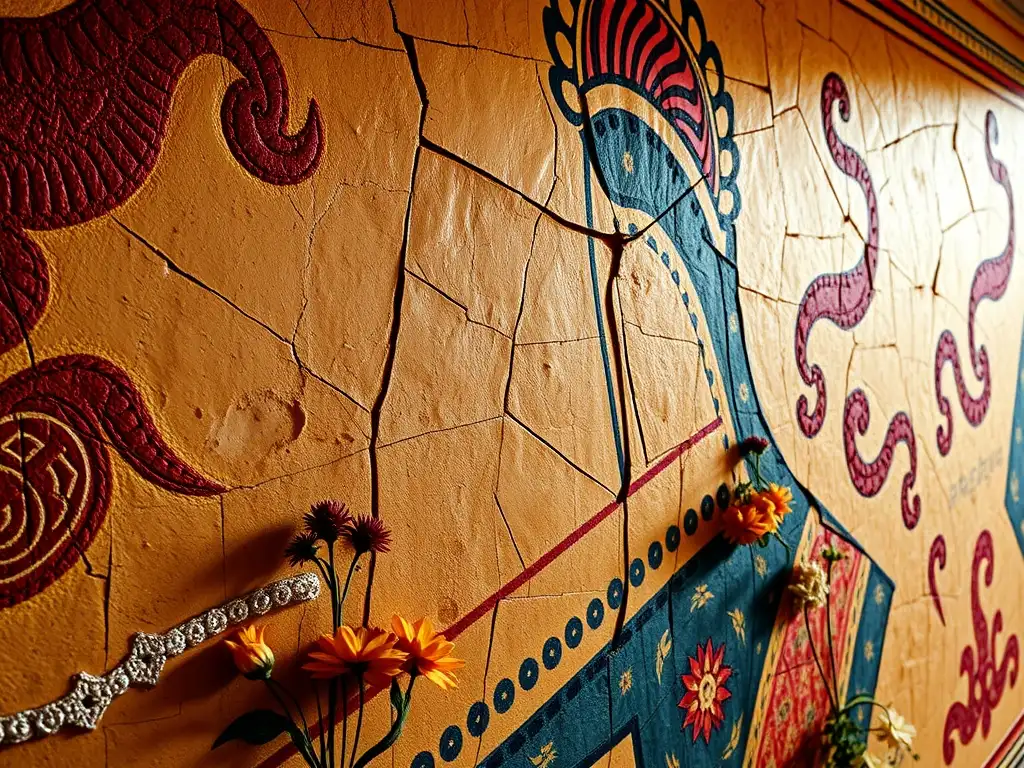
Welcome to Ancient India History, where we embark on a captivating journey through the vibrant tapestry of India's past. In our featured article, "The Colors of India: Understanding the Palette of Ancient Art," we delve into the intricate world of ancient Indian art history, uncovering the profound cultural expressions and artistic innovations that shaped civilizations from the Indus Valley to the Gupta Empire.
Prepare to be mesmerized by the stories behind the artworks and the philosophies that influenced them, as we invite you to explore the rich heritage and legacy that continue to inspire today. Your adventure into the depths of ancient creativity awaits—read on to discover more!
Introduction to Ancient Indian Art History
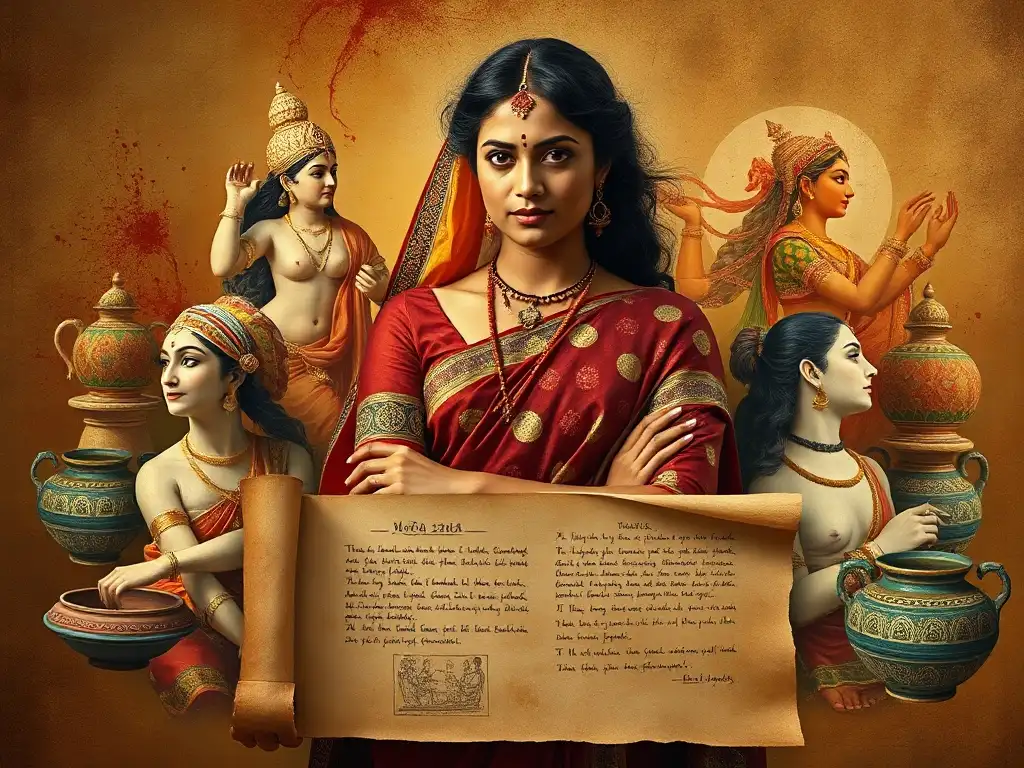
Ancient Indian art history is a rich tapestry woven from the myriad influences of various civilizations that flourished on the Indian subcontinent. Spanning thousands of years, from the earliest remnants of the Indus Valley Civilization to the sophisticated artistry of the Gupta Empire, this history showcases a spectrum of artistic expression that reflects the cultural, spiritual, and philosophical values of its time.
The diverse forms of art, including sculpture, painting, pottery, and textiles, not only serve as visual representations of the era's aesthetic but also provide invaluable insights into the societal norms, religious beliefs, and daily life of ancient Indians.
Understanding ancient Indian art is essential for appreciating the profound impact it has had on contemporary art forms and cultural practices. The evolution of styles, techniques, and materials highlights the ingenuity and creativity of Indian artisans, making it a crucial area of study for historians, artists, and art enthusiasts alike. As we delve into this exploration, we will particularly focus on the significance of color, which plays a fundamental role in the visual language of ancient Indian art.
Overview of Ancient Indian Art and Its Significance
Ancient Indian art encompasses a wide range of styles and mediums, each reflecting the unique characteristics of the societies that produced them. From the intricate seals of the Indus Valley, showcasing early attempts at artistic expression, to the grand frescoes of Ajanta and the delicate sculptures of Khajuraho, the art of ancient India is both diverse and profound.
The significance of ancient Indian art lies not only in its aesthetic appeal but also in its ability to convey narratives—be they mythological, historical, or spiritual. Artworks served various purposes: they were integral to religious rituals, commemorative monuments, and expressions of political power. By examining these pieces, we gain insights into the values and beliefs that shaped ancient Indian civilization.
The Role of Color in Ancient Indian Artistry
Color in ancient Indian art is far more than mere decoration; it embodies meaning, emotion, and symbolism. The careful selection and application of colors were guided by spiritual beliefs and cultural significance. For instance, certain colors were associated with specific deities or concepts, enhancing the viewer's understanding and connection to the artwork.
Artists employed color to evoke feelings, convey messages, and create atmospheres that resonate with viewers. This intentional use of color can be seen in various art forms, from the vibrant murals of temple walls to the delicate hues of miniature paintings, each telling its own story while aligning with the overarching themes of the period.
The Palette of Ancient Indian Art
Key Colors Used in Ancient Indian Art
The palette of ancient Indian art is characterized by a striking array of colors, each with its own significance and use case. Here are some of the key colors commonly found in ancient Indian artworks:
- Red: Symbolizing power and passion, red was often used to depict deities and royal figures.
- Yellow: Associated with knowledge and learning, yellow hues were frequently used in religious contexts.
- Green: Representing fertility and prosperity, green was a common choice in agricultural scenes and motifs.
- Blue: Often linked to the divine, blue was predominantly associated with Lord Krishna and other deities.
- White: Symbolizing purity and truth, white was used in various contexts, particularly in sculptures and frescoes.
These colors, along with others, not only contributed to the beauty of ancient artworks but also conveyed deeper meanings, enriching the viewer's experience and understanding of the cultural and historical narratives inherent in ancient Indian art history.
Regional Variations in Color Usage
The diversity of ancient Indian art is reflected not only in its techniques and forms but also in the regional variations of color usage. Each region developed its own unique palette influenced by local resources, cultural practices, and artistic traditions. From the earthy tones of the Indus Valley to the vibrant hues of the Gupta Empire, the spectrum of colors used in ancient Indian art provides insight into the cultural contexts of the time.
Different regions also favored specific colors based on their symbolic meanings and associations within local belief systems. For instance, red often symbolized fertility and strength, while blue was associated with deities like Krishna. The interplay between geography, spirituality, and daily life shaped these regional palettes, leading to a rich tapestry of artistic expression across ancient India.
The Color Palette of Indus Valley Civilization
The Indus Valley Civilization, one of the earliest urban cultures in India, showcased a distinct color palette that was both functional and symbolic. Archaeological findings reveal the prevalent use of natural pigments derived from minerals and plants. Common colors included ochre, brown, and black, primarily used in pottery and seals.
The artisans of the Indus Valley utilized these pigments to create intricate designs that reflected their surroundings and beliefs. The muted tones were often complemented by bold geometric patterns, emphasizing the civilization's aesthetic sensibilities. The significance of color in this era is further highlighted by the use of red and black on terracotta figurines, which may have held ritualistic or spiritual importance.
The Influence of Mauryan Art on Color Choices
The Mauryan Empire, which flourished from the 4th to the 2nd centuries BCE, marked a significant evolution in the use of color in Indian art. The introduction of new artistic techniques, coupled with the patronage of Emperor Ashoka, led to the development of a more sophisticated palette.
Mauryan artists increasingly used brighter colors, such as yellows, reds, and blues, sourced from trade routes connecting India to distant lands. This period saw the emergence of polished stone sculptures and frescoes that displayed a wider range of hues. The colors were not merely decorative; they often conveyed complex narratives and religious themes, reflecting the empire's embrace of Buddhism and its teachings.
Gupta Empire and Its Vibrant Color Techniques
The Gupta Empire, often referred to as the "Golden Age" of India, witnessed an explosion of artistic creativity, particularly in the realm of color. Artists began to experiment with a broader spectrum of colors, including rich reds, deep blues, and vibrant greens, which were used in murals, sculptures, and manuscripts.
This era is characterized by the use of tempera and other techniques that allowed for greater vibrancy and detail. The famous Ajanta Caves, adorned with exquisite frescoes, exemplify the sophisticated color techniques of the time. The interplay of light and shadow, along with the careful blending of pigments, created a sense of depth that brought the narratives to life. Gupta art not only reflects aesthetic beauty but also encapsulates the philosophical and spiritual ideals of the period.
Techniques and Materials in Ancient Indian Art
Ancient Indian artists employed a variety of techniques and materials to achieve the rich colors and intricate designs that characterize their work. Understanding these methods provides insight into the artistic practices that shaped ancient Indian art history.
Natural Pigments and Their Sources
The foundation of ancient Indian color usage lies in the natural pigments sourced from the environment. Artists utilized materials such as minerals, plants, and earth to create their colors. Common sources included:
- Minerals: Natural minerals like ochre, iron oxide, and lapis lazuli were ground into powders to produce pigments.
- Plants: Certain plants provided dyes; for example, indigo from the indigofera plant created deep blues, while turmeric yielded bright yellows.
- Organic materials: Charcoal and soot were used for blacks, while various fruits and flowers contributed to a range of hues.
These pigments were often mixed with binders such as gum or oil to enhance their adhesion and longevity, allowing artworks to endure the test of time.
Methods of Application in Ancient Indian Art
The techniques of applying color in ancient Indian art varied widely, reflecting the materials and intended purpose of the artwork. Key methods included:
- Fresco Painting: In this technique, pigments were applied to freshly laid wet plaster, allowing colors to bond with the wall. This method ensured vibrant and durable images, as seen in the Ajanta Caves.
- Woodblock Printing: This technique involved carving images into wood blocks, which were then inked and pressed onto fabric or paper, creating repeating patterns and designs.
- Miniature Painting: Artists employed intricate brushwork to apply finely ground pigments to paper or cloth, resulting in detailed and colorful illustrations that often depicted religious themes or courtly life.
These methods not only showcase the technical skill of ancient artisans but also highlight the cultural significance of color in conveying stories, beliefs, and ideals throughout ancient Indian art history.
Thematic Representations in Ancient Indian Art
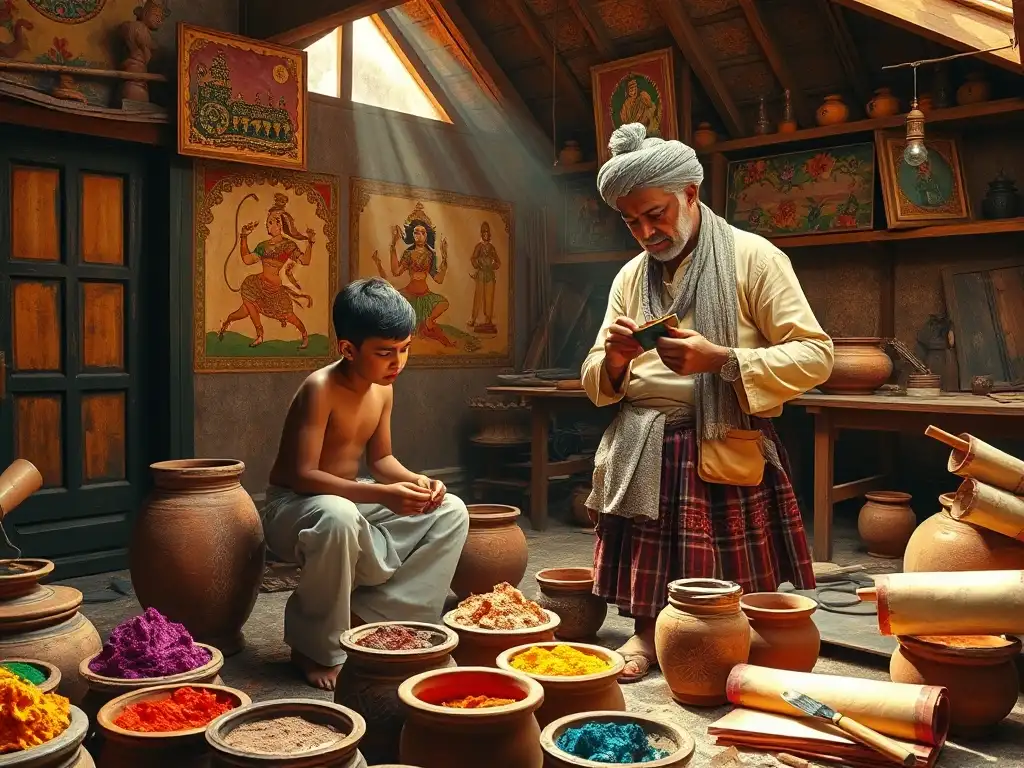
Ancient Indian art is distinguished by its profound thematic representations, which often intertwine spirituality, culture, and the everyday life of its people. Artists meticulously used colors not merely for aesthetic appeal but to convey deeper meanings and narratives. The vibrant hues found in sculptures, paintings, and textiles serve as a reflection of the socio-religious contexts of the time.
Thematic representations often include depictions of gods, goddesses, and mythological events, where colors are employed strategically to evoke particular emotions and convey moral lessons. For instance, the use of red might symbolize love or passion, while blue often represents divinity, as seen in the portrayal of deities like Krishna. These colors help to create a narrative that resonates with the viewer, drawing them into the story being told.
Moreover, ancient artisans were skilled in the symbolism of colors, which varied across different regions and periods. The themes of nature, seasons, and human experiences were also expressed through a meticulous choice of colors, each carefully selected to enhance the overall narrative of the artwork. This rich thematic representation is a key aspect of understanding ancient Indian art history, highlighting not just the visual but also the intellectual engagement of the creators with their work.
Colors Reflecting Religious Narratives
Religious narratives are a cornerstone of ancient Indian art, where colors become essential tools for storytelling. In Hindu art, for example, the use of gold often symbolizes the divine and the eternal, while white represents purity and peace. Similarly, green is frequently associated with fertility and nature, reflecting the life-giving aspects of deities like Parvati.
Buddhist art also employs color to express spiritual concepts. The use of earth tones in early Buddhist sculptures represents groundedness and stability, while bright colors in later works signify enlightenment and transcendence. The color red, often used in the context of Buddhist rituals, symbolizes both protection and power, reinforcing the connection between the material and spiritual realms.
Through these religious narratives, artists conveyed complex philosophies and beliefs, making colors a vital aspect of the storytelling process. By analyzing specific artworks, one can uncover how colors were chosen to enhance the narrative, elucidating the beliefs and practices that shaped ancient Indian society.
The Use of Color in Historical Events Depictions
The depiction of historical events in ancient Indian art often utilizes color to emphasize the significance and emotional weight of the scenes portrayed. For instance, in murals and sculptures that depict battles or royal ceremonies, the use of vibrant reds and golds not only captures attention but also conveys the intensity and grandeur of the events.
Colors also serve to differentiate between various characters and their roles within the narrative. In the portrayal of epic tales such as the Mahabharata, heroes might be depicted in brighter colors to signify valor, while antagonists may be represented in darker hues, indicating moral ambiguity or evil. This deliberate use of color enhances the viewer's understanding of the underlying dynamics at play in these historical narratives.
Moreover, the application of color in these depictions often reflects the cultural and political context of the period. For example, during periods of invasion or conflict, subdued colors may dominate artworks, reflecting the somber mood of society. Thus, the use of color in historical event depictions not only tells a story but also provides insight into the broader societal conditions of ancient India.
Color Symbolism in Indian Mythology
Color symbolism plays a crucial role in Indian mythology, where each hue embodies specific traits and narratives that are integral to the cultural fabric. For example, the color blue is often associated with deities like Vishnu and Krishna, symbolizing infinity, hope, and the vastness of the sky and ocean. This connection reinforces the idea of divine protection and the nurturing aspects of these deities.
In contrast, the color yellow is linked to knowledge and learning, often associated with deities such as Saraswati, the goddess of wisdom. The use of yellow in art symbolizes enlightenment and the pursuit of knowledge, encouraging viewers to engage with the deeper meanings behind the artwork.
Moreover, the interplay of colors in mythological depictions also serves to convey moral lessons and philosophical truths. For instance, the contrasting colors of light and dark might represent the eternal struggle between good and evil, inviting viewers to reflect on these concepts within their own lives. This rich tapestry of color symbolism in Indian mythology is pivotal for understanding the spiritual and cultural narratives that have shaped ancient Indian art history.
The Evolution of Color in Indian Art
The evolution of color in Indian art is a fascinating journey that reflects the dynamic nature of cultural exchange, technological advancements, and artistic innovation. Over centuries, the palette of Indian artists has expanded and transformed, influenced by various factors including regional styles, trade, and contact with foreign cultures.
From the earthy tones of the Indus Valley Civilization to the lively colors of the Gupta period, the use of color has evolved to express changing aesthetic preferences and cultural values. This evolution not only highlights the adaptability of Indian artists but also the richness of the artistic traditions that flourished throughout ancient India.
Transition from Ancient to Medieval Indian Art
The transition from ancient to medieval Indian art marks a significant shift in the use of color, influenced by both indigenous and foreign styles. In ancient art, colors were often derived from natural pigments, leading to a palette that was both limited and earth-toned. As Indian artists began to experiment with new materials and techniques, especially during the medieval period, the vibrancy and variety of colors expanded dramatically.
The introduction of techniques such as fresco painting and the use of mineral-based colors allowed for more dynamic compositions and a broader spectrum of hues. This period also saw the rise of regional art forms, each with distinct color palettes and thematic elements, reflecting the diversity of cultural influences across India. For example, the use of bright colors and intricate patterns became prominent in the Pahari and Mughal styles, showcasing a blend of indigenous and Persian influences.
This evolution of color during the transition from ancient to medieval art not only reflects aesthetic changes but also highlights the broader cultural and historical shifts occurring in Indian society at the time.
Influence of Foreign Cultures on Indian Color Usage
The influence of foreign cultures on Indian color usage is evident from various historical interactions, including trade, conquests, and cultural exchanges. The arrival of Persian and Central Asian artists during the medieval period significantly impacted the color palettes used in Indian art. The Mughal Empire, in particular, brought about a fusion of styles that integrated vibrant colors and intricate detailing, resulting in artworks that were both expressive and opulent.
For instance, the use of rich jewel tones in Mughal miniatures stands in stark contrast to the earthier tones of earlier Indian art, reflecting the Persian influence on Indian aesthetics. Moreover, the introduction of new materials, such as synthetic dyes and pigments, allowed artists to explore bolder color combinations and techniques, further enriching the visual language of Indian art.
Additionally, the impact of European art during the colonial period introduced new color theories and practices, which were gradually assimilated into Indian art forms. This cross-cultural exchange not only enhanced the color palette but also encouraged experimentation and innovation among Indian artists. The interplay of various cultural influences illustrates the dynamic evolution of color in Indian art, underscoring the importance of historical context in understanding ancient Indian art history.
Conclusion: The Lasting Impact of Colors in Ancient Indian Art History
The vibrant palette of ancient Indian art serves as a testament to the cultural richness and artistic sophistication of its time. From the intricate frescoes of Ajanta to the detailed sculptures of Khajuraho, colors were not merely aesthetic choices but deeply embedded with symbolic meanings and spiritual significance.
The use of color in ancient Indian art not only reflects the natural world but also embodies the philosophical and religious ideals of the society. As scholars continue to explore the historical contexts and materials used in these artworks, it becomes increasingly clear that the colors of ancient Indian art have left an indelible mark on the artistic traditions that followed.
The legacy of these colors continues to influence contemporary artists and artisans, who draw inspiration from the historical palette to create modern interpretations. Understanding the significance of color in ancient Indian art not only enriches our appreciation of these works but also enhances our understanding of the cultural narratives they represent. In this way, the study of colors in ancient Indian art history contributes to a broader dialogue about identity, heritage, and the enduring power of visual expression.
Recap of the Importance of Color in Ancient Indian Art
Color in ancient Indian art was a multifaceted concept with profound implications. Each hue carried distinctive meanings, often tied to religious beliefs, social status, and the environment. For instance, red was associated with power and fertility, while blue often symbolized the divine, as seen in depictions of deities like Krishna. The meticulous choice of colors was not arbitrary; it was a deliberate decision that conveyed messages and emotions.
The application of color also varied significantly across different regions and periods. The vibrant murals of the Indus Valley civilization contrasted with the subdued tones of Buddhist art, reflecting local customs and philosophies. Furthermore, color in sculpture often employed natural pigments like ochre and indigo that were derived from the environment, showcasing the artisans' connection to their surroundings.
Understanding the importance of color in ancient Indian art enhances our appreciation of its complexity and depth. It invites us to explore how these artistic choices were influenced by various factors, including cultural exchanges, trade routes, and the evolution of spiritual practices over time.
Future Directions in the Study of Ancient Indian Art Forms
As research on ancient Indian art history progresses, several future directions emerge that promise to deepen our understanding of its rich tapestry. One avenue is the application of scientific techniques, such as pigment analysis and digital imaging, to uncover the original colors and materials used in ancient artworks. This can reveal not only the technological advancements of the time but also the cultural exchanges that influenced artistic practices.
Additionally, interdisciplinary studies that combine art history with anthropology, archaeology, and cultural studies can provide a more holistic view of ancient Indian art forms. By examining the socio-political contexts in which these artworks were created, scholars can better understand the narratives they convey and their role in shaping societal values.
Furthermore, the incorporation of indigenous perspectives and contemporary artists' insights can enrich the dialogue surrounding ancient Indian art. This approach can lead to innovative interpretations that honor traditional practices while addressing modern themes, ensuring that the legacy of ancient Indian art continues to evolve.
References and Further Reading
Recommended Books on Ancient Indian Art History
-
"The Art of Ancient India: Buddhist, Hindu, Jain" by Benjamin Rowland Jr.
This comprehensive text explores the development of art in ancient India, covering major themes, styles, and influences throughout the centuries.
-
"Indian Art" by Partha Mitter
Mitter provides an insightful overview of Indian art from ancient times to the contemporary period, examining its social and historical contexts.
-
"The History of Indian Painting: The Modern Period" by K. S. Shankar
This book delves into the evolution of Indian painting, including the influences of ancient art forms on modern practices.
Online Resources for Exploring Ancient Indian Art
-
The Archaeological Survey of India (ASI)
A treasure trove of information on excavated sites, including images and descriptions of ancient Indian art and artifacts.
-
Digital South Asia Library
This online resource offers access to a wide array of materials related to South Asian art, including digitized texts and images.
-
The British Museum's Online Collection
A vast database featuring artifacts and artworks from ancient India, with detailed descriptions and historical context.
These resources provide invaluable insights for anyone interested in delving deeper into the fascinating world of ancient Indian art history.
- Introduction to Ancient Indian Art History
- The Palette of Ancient Indian Art
- Regional Variations in Color Usage
- Techniques and Materials in Ancient Indian Art
- Thematic Representations in Ancient Indian Art
- The Evolution of Color in Indian Art
- Conclusion: The Lasting Impact of Colors in Ancient Indian Art History
- References and Further Reading
Frequently Asked Questions
What is Ancient Indian art history?
Ancient Indian art history encompasses the development and evolution of artistic expressions in India, tracing back to the Indus Valley Civilization and extending through various periods, including the Gupta Empire.
What are the main characteristics of ancient Indian art?
Ancient Indian art is known for its intricate designs, vibrant colors, and symbolic meanings, often depicting themes related to religion, mythology, and daily life.
How did religion influence ancient Indian art?
Religion played a crucial role in shaping ancient Indian art, as many artworks were created to honor deities, illustrate epic tales, and convey spiritual teachings through visual forms.
What materials were commonly used in ancient Indian art?
Ancient Indian artists utilized a variety of materials, including stone, metal, wood, and clay, to create sculptures and pottery, often employing natural pigments for painting.
How did ancient Indian art contribute to global culture?
Ancient Indian art has had a lasting impact on global culture by influencing other artistic traditions, particularly in Southeast Asia, and through the spread of Buddhism, which carried Indian artistic styles abroad.
Final Reflection: Embracing the Vibrancy of Ancient Indian Art
The exploration of ancient Indian art history reveals a rich tapestry of colors and meanings that resonate deeply in today's world. As we navigate through a time marked by rapid globalization and cultural exchange, understanding the significance of these artistic expressions becomes increasingly vital. The hues and techniques of ancient Indian art not only reflect the aesthetics of their time but also serve as a bridge connecting us to the values, beliefs, and stories of our ancestors.
The influence of ancient Indian art continues to shape our cultural landscape, inspiring contemporary artists and igniting a renewed appreciation for heritage. The intricate designs and vibrant colors of ancient artworks remind us of the importance of preserving our cultural identity in an ever-changing world. As noted by art historian Dr. Vidya Dehejia, Art is a reflection of society, and ancient Indian art offers a window into the soul of its people.
This perspective encourages us to recognize the enduring impact of these artistic traditions on our modern lives.
As you reflect on the colors and stories embedded in ancient Indian art, consider how these lessons can inspire your own journey. Take a moment to appreciate the beauty around you, and let the vibrancy of these ancient expressions motivate you to explore and celebrate your own cultural heritage. Whether through art, storytelling, or community engagement, each of us has the power to contribute to the rich tapestry of our collective history. Embrace the colors of your own life and share them with the world.
Unveil the Vibrant Tapestry of India’s Artistic Heritage!
Thank you for immersing yourself in the colorful journey of India's ancient art! You've uncovered the rich symbolism and tradition behind these captivating hues. Now, it’s time to bring that inspiration to life.
Here’s how you can deepen your connection and appreciation for this vibrant culture:
- Dive deeper into a local art hub. Visit a nearby museum or cultural center that showcases Indian art to experience these stunning colors in person.
- Share your insights! Post about your favorite artistic elements from your exploration on social media or discuss them with friends to spark curiosity and conversation.
- Explore more! Look for resources or books on specific styles such as Madhubani or Warli art to enhance your understanding and inspire your creativity.
Which aspect of India’s artistic palette resonated with you the most, and how do you plan to delve deeper into it?