
Masterpieces of Indian Sculpture: From Khajuraho to Mahabalipuram

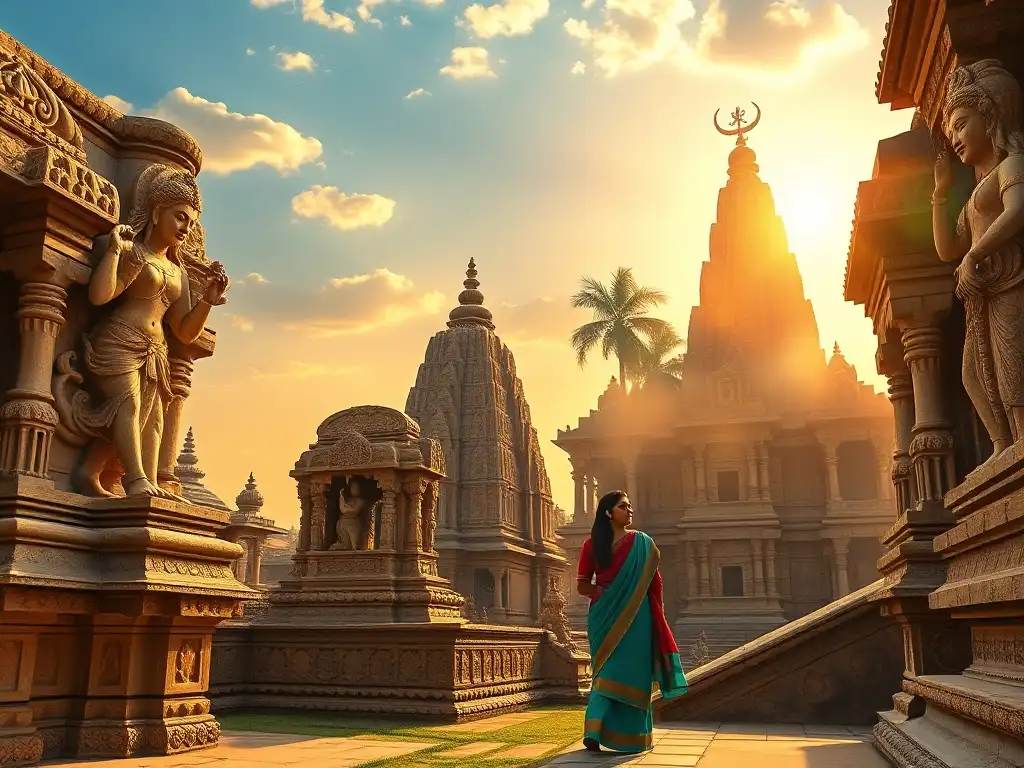
Welcome to Ancient India History, where we embark on a captivating journey through the rich tapestry of ancient Indian civilizations! Delve into the fascinating world of art, architecture, and philosophy, and discover how these elements shaped a culture that continues to inspire today. In our featured article, we explore the masterpieces of Indian sculpture, from the intricate carvings of Khajuraho to the stunning monoliths of Mahabalipuram. Prepare to be amazed as you uncover the stories and significance behind these remarkable works of art, and let your curiosity guide you through the depths of India's historical legacy!
- Introduction to Ancient Indian Sculpture Masterpieces
- Historical Context of Ancient Indian Sculpture
- Khajuraho: The Epicenter of Sculptural Art
- Mahabalipuram: A Marvel of Rock-Cut Art
- Techniques and Materials in Ancient Indian Sculpture
- Artistic Themes in Ancient Indian Sculpture
- The Legacy of Ancient Indian Sculpture Masterpieces
- Conclusion: Celebrating the Masterpieces of Ancient Indian Sculpture
-
Frequently Asked Questions
- What are the key characteristics of ancient Indian sculpture?
- How do Khajuraho sculptures differ from those in Mahabalipuram?
- What cultural significance do the sculptures hold?
- How did ancient Indian sculpture influence modern art?
- Where can one view these ancient Indian sculpture masterpieces today?
- Final Reflection: The Timeless Legacy of Ancient Indian Sculpture Masterpieces
- Unleash Your Inner Art Enthusiast!
Introduction to Ancient Indian Sculpture Masterpieces
Ancient Indian sculpture is a profound expression of the country's rich cultural heritage, showcasing the artistic brilliance and spiritual depth of its civilizations. From the intricate carvings of deities and mythological narratives to the architectural marvels that have withstood the test of time, these masterpieces reveal the sophistication and diversity of ancient Indian art forms. This article embarks on a journey through the most celebrated sculptural sites, focusing on the renowned temples of Khajuraho and Mahabalipuram, both of which are pivotal in understanding the evolution of sculpture in ancient India.
By examining these masterpieces, we not only appreciate their aesthetic qualities but also gain insights into the societal values, religious beliefs, and cultural exchanges that shaped them. This exploration of ancient Indian sculpture masterpieces offers a window into the past, allowing us to connect with the artistic legacies that continue to inspire and influence contemporary art.
Importance of Sculpture in Ancient Indian Art
Sculpture has always played a pivotal role in the artistic expression of ancient Indian culture. It serves as a medium through which religious beliefs, social norms, and historical narratives are communicated. The significance of sculpture in this context can be understood through several dimensions:
- Spiritual Representation: Many sculptures were created to serve as divine representations. Temples adorned with intricate carvings often depicted gods and goddesses, reflecting the spiritual aspirations of the society. For instance:
- Brahmanical Deities: Sculptures of deities such as Vishnu and Shiva depicted in various forms.
- Jain Figures: The serene and detailed representations of Tirthankaras that emphasize peace and renunciation.
- Cultural Narratives: Sculptures often narrate stories from epics like the Mahabharata and Ramayana, illustrating moral lessons and cultural values. These narratives are not only artistic but also educational, serving to transmit knowledge across generations.
- Architectural Integration: Sculptures are integral to temple architecture, adding both aesthetic appeal and structural significance. The way sculptures are positioned within temple complexes enhances the viewer's experience and spiritual journey. Notable features include:
- Friezes: Continuous bands of relief sculptures that tell a story or depict a theme.
- Column Capitals: Artistic designs that blend functionality with beauty, often adorned with mythological motifs.
Overview of Key Locations: Khajuraho and Mahabalipuram
Khajuraho and Mahabalipuram stand out as two of the most significant sites for ancient Indian sculpture, each offering unique artistic perspectives and styles.
- Khajuraho: Known for its stunning temples, Khajuraho is famous for its intricate and explicit sculptures that celebrate love and sensuality. Key highlights include:
- Erotic Sculptures: Many carvings depict couples in various amorous poses, symbolizing the celebration of life and love.
- Architectural Style: The temples showcase the Nagara style of architecture, characterized by ornate spires and detailed carvings on every surface.
- Mahabalipuram: Also known as Mamallapuram, this coastal site is renowned for its rock-cut sculptures and monolithic temples. Distinct features include:
- Pancha Rathas: A group of five monolithic temples carved from rock, each representing different architectural styles.
- Arjuna's Penance: A massive bas-relief that narrates a mythological story, showcasing intricate details and a rich narrative style.
Both Khajuraho and Mahabalipuram not only highlight the technical prowess of ancient Indian sculptors but also reflect the socio-cultural context in which these masterpieces were created. The sculptures from these sites continue to be a source of inspiration and admiration, attracting scholars, artists, and tourists alike, thereby preserving the legacy of ancient Indian art for generations to come.
Historical Context of Ancient Indian Sculpture
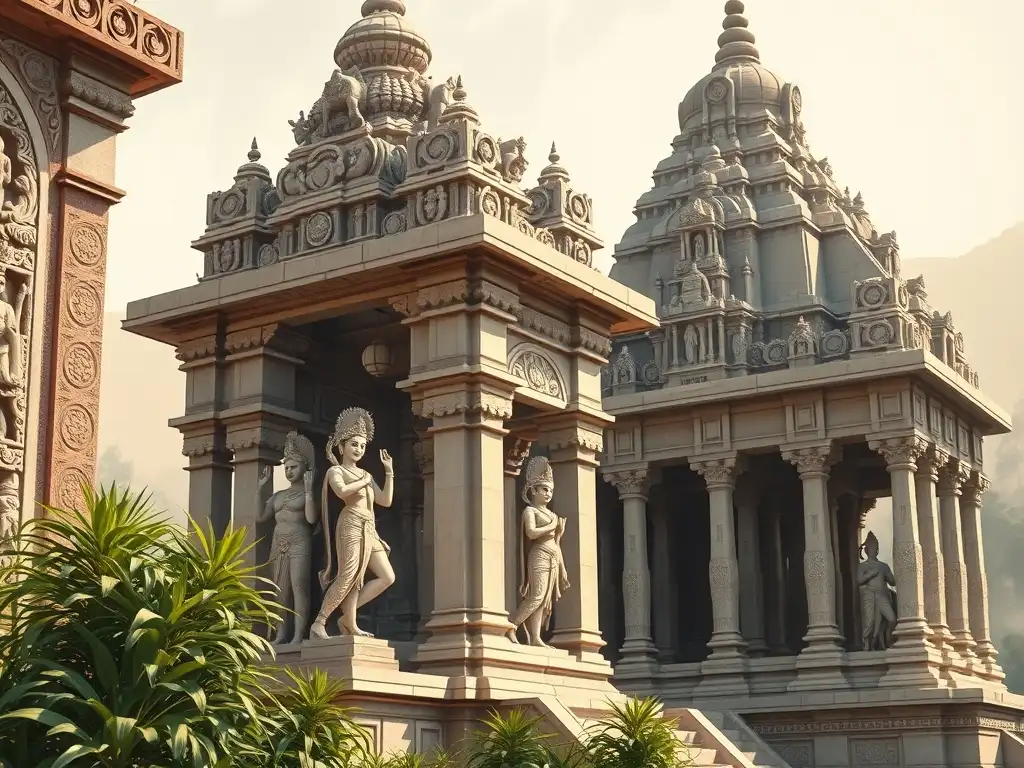
Ancient Indian sculpture is a profound reflection of the cultural, religious, and social dynamics of its time. Spanning several millennia, the development of sculpture in India showcases a variety of influences and styles that evolved in response to changes in society, religion, and political structures. The earliest examples of Indian sculpture can be traced back to the Indus Valley Civilization (circa 2500–1700 BCE), where terracotta figurines and seals depicted various forms, including animals and human figures.
As we move through history, Indian sculpture underwent significant transformations influenced by various dynasties and religious movements. The Mauryan period (322–185 BCE) marked a pivotal moment with the emergence of large-scale stone sculptures, including the famous Ashoka Pillars, which symbolize the spread of Buddhism. Subsequent periods saw the rise of other major styles, such as the Gupta period (circa 320–550 CE), known for its intricate carvings and remarkable realism, which are still celebrated as some of the masterpieces of ancient Indian sculpture.
Timeline of Indian Sculpture Development
| Period | Key Developments | Notable Sculptural Works |
|---|---|---|
| Indus Valley Civilization (2500–1700 BCE) | Terracotta figurines and seals, early human representations | Dancing Girl, Terracotta Figurines |
| Mauryan Period (322–185 BCE) | Introduction of stone sculpture, Buddhist influences | Ashoka Pillars, Lion Capital of Ashoka |
| Sunga and Kanva Periods (185 BCE–50 CE) | Growth of Buddhist art, narrative reliefs | Stupa at Sanchi, Bharhut Stupa |
| Gupta Period (320–550 CE) | Flourishing of classical sculpture, naturalism, and style | Vishnu from Deogarh, The Gupta Reliefs |
| Chola Dynasty (circa 850–1279 CE) | Bronze sculptures, temple architecture | Nataraja (Dancing Shiva), Brihadeeswarar Temple |
| Mughal Period (1526–1857 CE) | Fusion of Indian and Persian styles, intricate carvings | Tomb of Itimad-ud-Daulah, Jahangir's Tomb |
This timeline illustrates the remarkable evolution of ancient Indian sculpture, highlighting the continuous interplay between artistic expression and cultural developments throughout the ages. Each era contributed to the richness of Indian art, resulting in a vast array of masterpieces that continue to inspire awe today.
Influences on Ancient Indian Sculptural Styles
The sculptural traditions of ancient India were shaped by several key influences, both internal and external. Understanding these influences provides insight into the diverse styles that emerged over time.
- Religious and Philosophical Thought:
- Hinduism, Buddhism, and Jainism: Each religion brought its own ideologies and iconography that significantly impacted sculptural themes. For instance, Hindu deities like Vishnu and Shiva were commonly depicted in various poses and forms, while Buddhism introduced the portrayal of the Buddha in meditative postures.
- Philosophical Concepts: The underlying philosophies of these religions, such as the concepts of karma and dharma, influenced not only the subjects of the sculptures but also their stylistic representations.
- Regional Variations:
- Different regions of India developed their own unique styles based on local traditions and materials. For example, the intricate carvings of Khajuraho are distinct from the more austere yet expressive sculptures of Mahabalipuram, showcasing the diverse artistic expressions across the subcontinent.
- Political Patronage:
- The support of various dynasties played a crucial role in the development and preservation of sculptural arts. Rulers often commissioned large-scale works to glorify their reign and promote religious beliefs, leading to the creation of monumental sculptures and temple complexes.
- Cultural Exchanges:
- Trade routes and invasions facilitated cultural exchanges that introduced new artistic techniques and styles from other civilizations. The influence of Greek art during the Mauryan period is evident in the naturalistic portrayal of figures and drapery.
- Material and Technique:
- The choice of materials, such as stone, metal, and terracotta, influenced the techniques used in sculpting. For instance, the lost-wax casting technique in bronze sculpture allowed for intricate details that are characteristic of Chola masterpieces.
The influences on ancient Indian sculptural styles are vast and multifaceted, reflecting the interplay of religion, regional identity, political dynamics, and cultural interactions. These elements collectively contributed to the creation of ancient Indian sculpture masterpieces that continue to resonate through history and art.
Khajuraho: The Epicenter of Sculptural Art
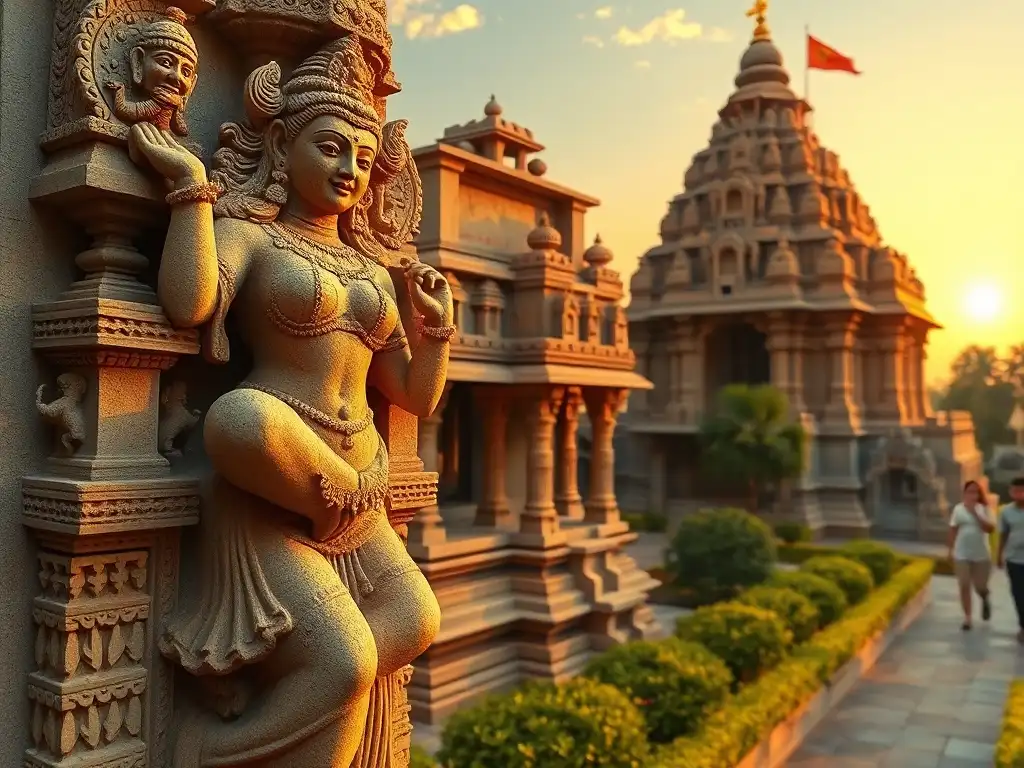
Khajuraho, a UNESCO World Heritage Site, stands as a testament to the artistic prowess of ancient Indian civilizations, particularly during the Chandela dynasty (950-1050 CE). This group of temples, renowned for their intricate sculptures and exquisite architecture, encapsulates the zenith of ancient Indian sculpture masterpieces. The temples are not only a visual feast but also a profound reflection of the socio-cultural dynamics of the time, merging spiritual devotion with artistic expression.
Architectural Overview of Khajuraho Temples
The temples of Khajuraho are characterized by their unique architectural style, which integrates Nagara architecture principles with intricate carvings. The temple complexes are generally divided into three groups: Western, Eastern, and Southern, with the Western group housing the most famous temples.
- Material and Structure: Built primarily from sandstone, the temples feature a distinct curvilinear shikhara (spire) rising above the sanctum. The exteriors are adorned with detailed sculptures that depict various themes, from divine to earthly.
- Plan and Layout: Each temple follows a similar layout, consisting of a garbhagriha (sanctum sanctorum) where the deity resides, an ardhamandapa (entrance hall), and a mandapa (assembly hall). The spatial arrangement emphasizes the connection between the divine and human realms.
- Symbolism in Architecture: The overall design represents the cosmic universe. The rising spires symbolize the ascent towards the divine, while the intricate carvings reflect the everyday life and beliefs of the people.
Notable Sculptures in Khajuraho
Khajuraho is celebrated for its diverse range of sculptures, which embody the richness of ancient Indian artistic traditions. The sculptures can be broadly categorized into two main themes: eroticism and spirituality, each revealing layers of meaning and cultural significance.
Erotic Sculptures: Symbolism and Significance
The erotic sculptures of Khajuraho are perhaps the most iconic aspect of its artistic heritage. They portray a variety of sexual acts, depicting both heteronormative and same-sex relationships.
- Cultural Context: These sculptures are not mere representations of sexuality; they are deeply embedded in the philosophy of Kama Sutra, which emphasizes the importance of love and pleasure as essential aspects of life.
- Symbolism: The erotic themes are often interpreted as a celebration of love, fertility, and the union of opposites. They challenge the viewer's perceptions of morality, inviting introspection on the nature of desire and human relationships.
- Artistic Technique: The sculptures exhibit remarkable attention to detail, from the expressions of the figures to the intricate ornamentation. The fluidity of the forms captures movement and emotion, showcasing the skill of the artisans.
Deities and Mythological Figures: Representations in Stone
In addition to erotic themes, the temples of Khajuraho are adorned with depictions of deities and mythological figures, reflecting the rich tapestry of Hindu mythology.
- Divine Imagery: Numerous sculptures represent gods and goddesses such as Shiva, Parvati, Vishnu, and Durga. Each figure is crafted with symbolic attributes that convey their divine status and stories.
- Narratives in Stone: Many sculptures narrate stories from ancient texts like the Mahabharata and Ramayana, illustrating the moral and ethical dilemmas faced by their characters. These carvings serve as visual scriptures, educating devotees about their faith.
- Artistic Expression: The representation of these figures is marked by elaborate poses (mudras) and detailed costumes, which not only highlight the artistic skill of the sculptors but also the cultural significance of these deities in daily life.
The sculptures of Khajuraho are masterpieces of ancient Indian sculpture, offering a glimpse into the complex interplay of art, spirituality, and social norms of their time. They continue to inspire awe and admiration, standing as enduring symbols of India's rich artistic heritage.
Mahabalipuram: A Marvel of Rock-Cut Art
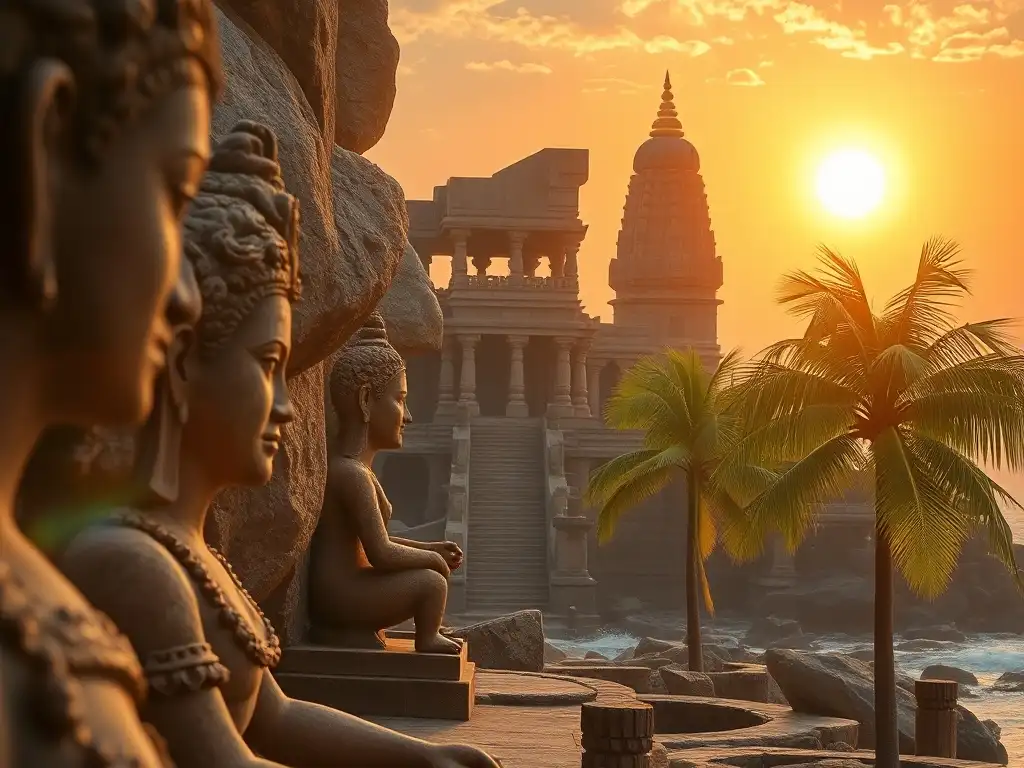
Historical Background of Mahabalipuram
Mahabalipuram, also known as Mamallapuram, is a UNESCO World Heritage Site located on the southeastern coast of India in Tamil Nadu. Established in the 7th century during the rule of the Pallava dynasty, it served as a significant port city and a cultural hub. The site is renowned for its exceptional rock-cut temples and sculptures, which were primarily commissioned by King Narasimhavarman I, also known as Mamalla.
The Pallavas were instrumental in the development of early Dravidian architecture, and Mahabalipuram stands as a testament to their artistic and architectural prowess. The region flourished as a center for trade with foreign lands, including Southeast Asia, which influenced its cultural exchanges and artistic innovations.
The sculptural masterpieces in Mahabalipuram illustrate the blend of art and spirituality, reflecting the religious beliefs of the time, particularly Hinduism and Buddhism. The intricate carvings, detailed reliefs, and monumental architecture highlight the skilled craftsmanship that characterized ancient Indian sculpture, establishing Mahabalipuram as a key site for understanding the evolution of Indian art forms.
Key Sculptural Elements in Mahabalipuram
Mahabalipuram's sculptures are distinguished by their intricate details and the diverse themes they portray, ranging from mythology to everyday life. The unique rock-cut architecture showcases the use of natural rock formations, which artisans skillfully transformed into stunning works of art.
Some of the key elements include:
- Naturalism: The sculptures exhibit a high level of realism, capturing human expressions and movements with remarkable precision.
- Iconography: Many sculptures depict deities, mythological narratives, and symbols that convey religious significance.
- Relief Techniques: The use of bas-relief and high relief in sculptures creates a dynamic interaction between the figures and the surrounding space.
These elements collectively contribute to the enduring legacy of Mahabalipuram as one of the prominent sites for ancient Indian sculpture masterpieces.
The Shore Temple: Architectural Significance
The Shore Temple, built in the 8th century, is one of the earliest structural temples in South India and a prime example of Pallava architecture. It is a complex of three temples dedicated to the deities Shiva and Vishnu, showcasing the architectural innovation of the period.
The Shore Temple stands out for several reasons:
- Structural Design: Unlike the rock-cut temples, the Shore Temple is a structural temple made from granite, showcasing the transition from rock-cut to structural forms in Indian architecture.
- Orientation: Positioned on the coast, the temple’s design incorporates elements that align with celestial bodies, reflecting the ancient Indian understanding of astronomy and its integration into architecture.
- Carvings and Reliefs: The temple is adorned with exquisite carvings of deities, celestial beings, and intricate motifs, exemplifying the craftsmanship that defines ancient Indian sculpture masterpieces.
The Shore Temple not only serves as a spiritual sanctuary but also as a crucial historical artifact that narrates the evolution of temple architecture in India.
Arjuna’s Penance: A Masterful Relief
Arjuna’s Penance, also known as Arjuna’s Tapas, is a monumental bas-relief carved out of a massive rock face, measuring approximately 27 meters long and 9 meters high. This masterpiece illustrates a significant episode from the Indian epic, the Mahabharata, where the warrior Arjuna performs penance to obtain the divine weapon, Pashupatastra, from Lord Shiva.
Key features of Arjuna’s Penance include:
- Narrative Depth: The relief captures a complex narrative with multiple figures, including gods, animals, and celestial beings, all intricately interwoven into the scene.
- Symbolism: The artwork symbolizes the themes of sacrifice, devotion, and the quest for knowledge, which are central to Indian philosophy and spirituality.
- Artistic Techniques: The use of depth and perspective in the carving creates a lifelike effect, drawing viewers into the narrative and enhancing the overall impact of the sculpture.
Arjuna’s Penance stands as a prime example of ancient Indian sculpture masterpieces, showcasing the technical skill and artistic vision of the Pallava artisans, and remains a pivotal attraction for historians and art enthusiasts alike.
Techniques and Materials in Ancient Indian Sculpture
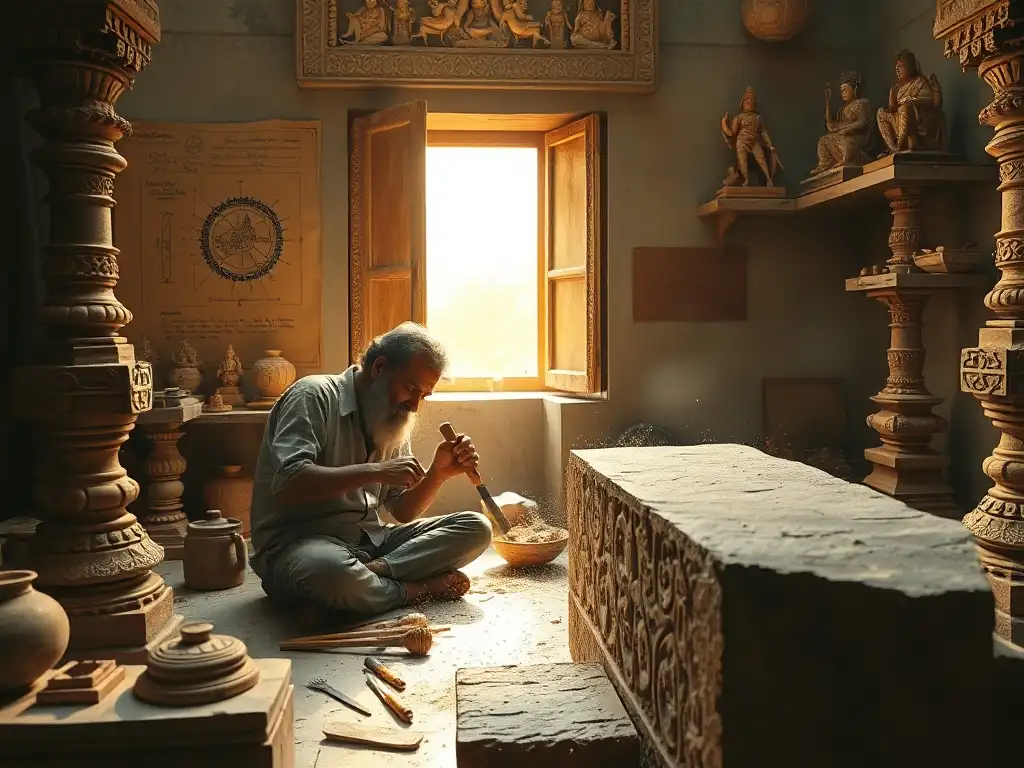
The art of sculpture in ancient India is a testament to the ingenuity and creativity of its artisans. The techniques and materials employed in creating these masterpieces not only reflect the aesthetic sensibilities of the time but also the cultural and religious values that permeated society. Understanding these techniques and materials provides deeper insight into the masterpieces of Indian sculpture, from the intricate carvings of Khajuraho to the colossal figures of Mahabalipuram.
Common Materials Used in Ancient Indian Sculpture
Ancient Indian sculptors utilized a variety of materials, each chosen for its unique properties and significance. Here are some of the most commonly used materials:
- Stone
- Sandstone: Predominantly used in temples, sandstone is favored for its workability and durability. The temples of Khajuraho, for instance, showcase exquisite sandstone carvings that depict mythological themes and deities.
- Granite: Known for its hardness, granite was often used for larger sculptures, such as the monumental carvings at Mahabalipuram. Its resilience makes it ideal for outdoor sculptures that withstand the test of time.
- Limestone: This softer stone allowed for detailed carving and was commonly utilized in various sculptures across India, particularly in the Deccan region.
- Bronze
- The use of bronze, especially in the Chola dynasty, resulted in some of the most celebrated sculptures, such as the Nataraja (Lord of Dance). Bronze casting techniques allowed for intricate details and dynamic poses.
- Wood
- Although less durable than stone or metal, wood was used for smaller sculptures and ritual objects. The intricate carvings found in South Indian temples often featured wooden panels depicting divine narratives.
- Terracotta
- Terracotta sculptures were commonly made for ritualistic purposes. The Indus Valley Civilization, for instance, produced numerous terracotta figurines that provide insight into the daily lives and beliefs of ancient peoples.
Sculptural Techniques: Carving and Chiseling Methods
The methods employed in ancient Indian sculpture were as diverse as the materials used. Here are some key techniques that highlight the craftsmanship of ancient sculptors:
- Direct Carving
- This method involved sculptors carving directly into the chosen material, such as stone or wood. The process required great skill and precision, allowing artisans to transform raw materials into intricate figures. For instance, the detailed carvings of divine figures in the temples of Khajuraho were achieved through direct carving techniques.
- Chiseling
- Chiseling was a primary technique used in stone sculpture that involved removing material from the surface to create depth and detail. Various chisels, each with a specific purpose, were employed to achieve different textures and effects. This technique was evident in the sculptures at Mahabalipuram, where chiseling created dramatic contrasts between figures and their backgrounds.
- Lost-Wax Casting
- Predominantly used for bronze sculptures, this technique involved creating a model in wax, which was then encased in clay. Once heated, the wax melted away, leaving a mold into which molten metal was poured. This method allowed for intricate details and was extensively used during the Chola dynasty to produce iconic sculptures.
- Polishing and Finishing
- After the carving was completed, sculptures often underwent polishing to enhance their visual appeal. Techniques varied, but the use of natural abrasives helped achieve a smooth, lustrous finish, making the sculptures not only aesthetically pleasing but also reflective of the divine.
These techniques and materials form the backbone of ancient Indian sculpture, illustrating the remarkable skills of artisans and their profound understanding of form, function, and symbolism. As we explore the masterpieces of Indian sculpture, it becomes evident that the legacy of these techniques continues to influence contemporary art forms, affirming the timelessness of ancient Indian creativity.
Artistic Themes in Ancient Indian Sculpture
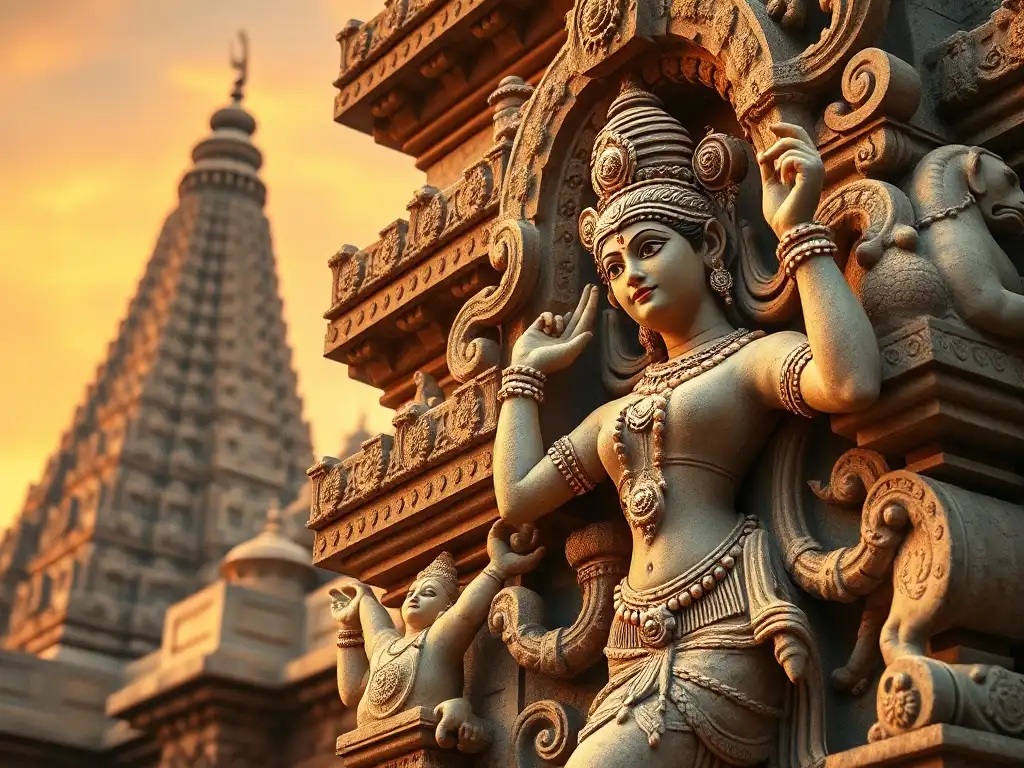
Ancient Indian sculpture is a vibrant reflection of the diverse cultures, philosophies, and beliefs that thrived in the subcontinent. The masterpieces created during various periods not only showcase artistic excellence but also reveal the intricate interplay of religious and cultural themes. This section delves into the prominent artistic themes present in ancient Indian sculpture, highlighting their significance and context.
Religious Themes: Depictions of Hinduism and Buddhism
Religious themes dominate ancient Indian sculpture, with a rich tapestry of representations that illustrate the beliefs and practices of Hinduism and Buddhism. These themes are often characterized by intricate iconography and symbolic representations.
- Hinduism: Hindu sculptures often depict deities in various forms, each embodying specific attributes and powers. For example:
- Brahma, the creator god, is typically represented with four heads, symbolizing the four Vedas.
- Vishnu, the preserver, is depicted in his ten avatars, including the popular forms of Rama and Krishna, showcasing his divine interventions in human affairs.
- Shiva, the destroyer, is frequently shown in his cosmic dance (Nataraja), symbolizing the cycle of creation and destruction.
- Buddhism: Similarly, Buddhist sculpture embodies the teachings of the Buddha and the ideals of enlightenment. Key features include:
- The Buddha is usually depicted in various postures (mudras), each signifying different aspects of his teachings, such as meditation or teaching.
- Bodhisattvas, enlightened beings who delay their own Nirvana to help others, are represented with elaborate adornments, reflecting their compassion and commitment.
These religious sculptures were not merely decorative; they served as objects of devotion and instruction, guiding worshippers in their spiritual practices. Temples like those in Khajuraho and Mahabalipuram showcase these themes through elaborate carvings and intricate relief work.
Cultural Themes: Daily Life and Nature in Sculpture
Beyond religious representations, ancient Indian sculpture also encapsulates everyday life and the natural world, providing insight into the socio-cultural fabric of the time.
- Depictions of Daily Life: Sculptures often reflect the daily activities, attire, and social customs of various communities. For instance:
- Scenes of agriculture, trade, and festivities are commonly portrayed, highlighting the agrarian lifestyle and communal activities of ancient societies.
- Artisans and craftsmen are depicted in various stages of their trades, showcasing the skills and professions prevalent during the period.
- Nature in Sculpture: Nature played a significant role in ancient Indian art, with numerous sculptures celebrating its beauty and significance:
- Animals, such as elephants and horses, are frequently represented, symbolizing strength, power, and nobility.
- Floral and faunal motifs embellish many sculptures, emphasizing the connection between humans and the natural world.
These cultural themes reveal the daily lives, aspirations, and values of ancient Indian societies, offering a more holistic view of their civilization. Through the lens of sculpture, one can appreciate not only the artistic prowess of ancient artisans but also the rich tapestry of life that defined ancient India.
The artistic themes in ancient Indian sculpture—ranging from profound religious depictions to vibrant cultural representations—underscore the mastery of Indian artisans and the depth of their civilization. The intricate details and symbolic meanings embedded in these masterpieces continue to inspire and educate, inviting further exploration into the rich history of ancient Indian art.
The Legacy of Ancient Indian Sculpture Masterpieces
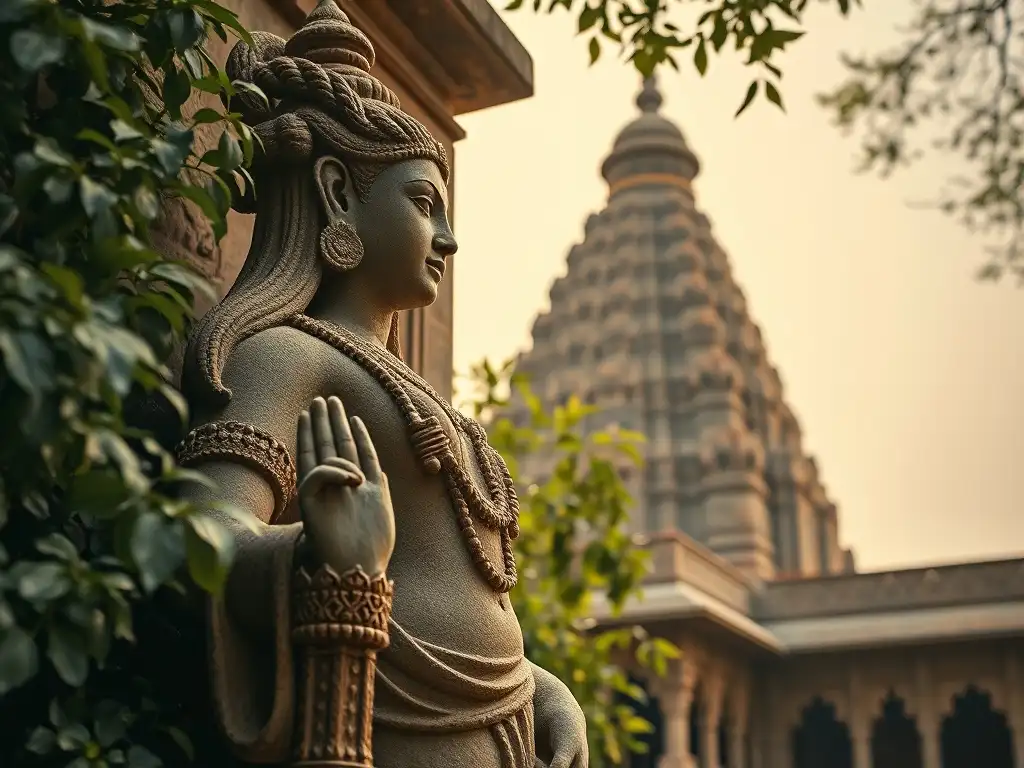
Ancient Indian sculpture masterpieces are not merely artistic representations; they embody the ethos, culture, and philosophical ideas of their time. From the intricate carvings of the Indus Valley Civilization to the detailed sculptures of the Gupta period, these masterpieces reflect a rich heritage that continues to resonate in contemporary art forms.
Influence on Modern Indian Art
The influence of ancient Indian sculpture on modern Indian art is profound, as many contemporary artists draw inspiration from the techniques, themes, and motifs established by their ancient predecessors. Here are some key aspects of this influence:
- Technique and Style: Modern artists often employ traditional sculpting methods, such as stone carving and casting, to create works that echo ancient styles. The precision and detail found in sculptures from sites like Khajuraho and Mahabalipuram serve as benchmarks for quality and craftsmanship.
- Thematic Resonance: Common themes found in ancient sculptures, such as spirituality, love, and nature, continue to be prevalent in modern works. For instance, the depiction of deities and mythological figures remains a popular subject, influencing both sculpture and other art forms like painting and textiles.
- Cultural Symbolism: Ancient sculptures often represent cultural narratives and social values. Modern artists utilize these symbols to comment on contemporary issues, bridging the past with the present. For example, the use of motifs like the lotus or peacock, deeply rooted in Indian culture, can be seen in various modern artworks.
- Revival of Traditional Forms: There has been a resurgence in the popularity of traditional art forms, such as Pattachitra and Madhubani, which are heavily influenced by ancient art. This revival is a testament to the enduring legacy of ancient sculptures, showcasing how they inspire and shape modern artistic expressions.
The interplay between ancient and modern Indian art forms enriches the cultural tapestry of India, ensuring that the legacy of these masterpieces endures through time.
Preservation Efforts for Ancient Sculptures
Preserving ancient Indian sculpture masterpieces is crucial for maintaining the cultural heritage and history of India. Several efforts are underway to protect and restore these invaluable works:
- Government Initiatives: The Archaeological Survey of India (ASI) plays a pivotal role in the preservation and restoration of ancient sculptures. This includes:
- Conducting regular maintenance and conservation work at historical sites.
- Implementing policies to protect heritage sites from urban development and pollution.
- Non-Governmental Organizations (NGOs): Various NGOs are actively involved in raising awareness about the importance of preserving ancient art. They often organize workshops, seminars, and community engagement programs to educate the public on the significance of these sculptures.
- Technological Advancements: The use of technology in conservation has proven to be beneficial. Techniques such as 3D scanning and digital modeling are helping to create detailed records of sculptures, aiding in restoration efforts and research.
- International Collaborations: Global partnerships have been established to share knowledge and resources for the preservation of Indian heritage. Collaborations with international museums and universities focus on best practices in conservation and the exchange of expertise.
- Community Involvement: Local communities are increasingly being engaged in preservation efforts. Educating residents about the importance of their cultural heritage encourages them to take pride in and actively participate in the safeguarding of ancient sculptures.
By focusing on these preservation efforts, we ensure that the ancient Indian sculpture masterpieces are not only protected but also appreciated by future generations.
Conclusion: Celebrating the Masterpieces of Ancient Indian Sculpture
The journey through the masterpieces of ancient Indian sculpture reveals a profound legacy that continues to inspire and captivate audiences worldwide. These remarkable works not only reflect the artistic brilliance of their creators but also encapsulate the rich cultural, religious, and social narratives of their time. From the intricate carvings of Khajuraho to the monumental sculptures of Mahabalipuram, each piece serves as a testament to the skill and creativity of ancient Indian artisans.
The significance of these sculptures goes beyond aesthetics; they are also vital historical documents that provide insights into the beliefs, values, and daily lives of ancient Indian civilizations. The themes depicted in these artworks often tell stories from mythology, philosophy, and spirituality, allowing us to connect with the past in a meaningful way. As we celebrate these masterpieces, we recognize the importance of preserving and promoting the rich heritage of ancient Indian sculpture.
Reflection on the Cultural Impact of Sculptural Art
The cultural impact of ancient Indian sculpture is vast and multifaceted. These artworks have transcended time and geography, influencing not only the Indian subcontinent but also various cultures across Asia and beyond. The intricate sculptures found in temples, caves, and public spaces served as visual narratives that communicated complex ideas and emotions, making art accessible to all, regardless of literacy levels.
One of the most notable aspects of ancient Indian sculpture is its ability to convey spirituality and divinity. The depiction of deities, celestial beings, and mythological narratives in sculpted form played a crucial role in the spiritual lives of the communities. Through these sculptures, rituals and worship practices were enriched, fostering a deeper connection between the divine and the devotees. This interaction between art and spirituality has laid the foundation for various art forms that followed, influencing artists and sculptors throughout history.
Moreover, the craftsmanship involved in creating these sculptures reflects the advanced techniques and materials used by artisans of the time. The use of local stone, meticulous detailing, and an understanding of proportion and scale are evident in masterpieces like the Pancha Rathas of Mahabalipuram, which showcase not just artistic talent but also an understanding of architectural principles.
The Future of Ancient Indian Sculpture Appreciation
As we look to the future, the appreciation of ancient Indian sculpture is poised to evolve and expand. With the advent of digital technology, there are new opportunities for showcasing these masterpieces to a global audience. Virtual tours, online exhibitions, and digital reconstructions offer innovative ways for people to engage with ancient Indian art. This accessibility can foster a greater understanding and appreciation of the historical context and artistic significance of these sculptures.
Furthermore, educational initiatives that focus on ancient Indian sculpture can play a pivotal role in preserving this rich heritage. By integrating art history into school curricula and promoting workshops that teach traditional sculpting techniques, we can inspire new generations of artists and historians. The revival of interest in local materials and methods can lead to a renaissance of sculptural art that honors the past while pushing the boundaries of contemporary expression.
The masterpieces of ancient Indian sculpture are not merely relics of the past; they are living embodiments of a vibrant culture that continues to resonate today. As we celebrate these treasures, it is essential to foster a collective commitment to their preservation and appreciation for future generations. Through continued exploration and engagement, we can ensure that the legacy of ancient Indian sculpture remains a vital part of our cultural narrative.
Frequently Asked Questions
What are the key characteristics of ancient Indian sculpture?
Ancient Indian sculpture is known for its intricate carvings and expressive figures, often depicting deities, mythical creatures, and everyday life. Styles varied significantly across regions and eras, showcasing cultural diversity.
How do Khajuraho sculptures differ from those in Mahabalipuram?
Khajuraho sculptures are famous for their erotic themes and detailed iconography, while Mahabalipuram is renowned for its rock-cut architecture and relief work, reflecting different cultural influences and artistic styles.
What cultural significance do the sculptures hold?
The sculptures of ancient India not only serve as artistic expressions but also reflect the religious beliefs, social norms, and historical events of their time, providing insight into the civilization’s values and traditions.
How did ancient Indian sculpture influence modern art?
Ancient Indian sculpture has inspired numerous modern artists and movements by introducing unique techniques and symbolic themes, blending traditional elements with contemporary styles in both sculpture and other art forms.
Where can one view these ancient Indian sculpture masterpieces today?
Many masterpieces can be found in UNESCO World Heritage Sites, such as the Khajuraho Temples and Mahabalipuram, as well as in various museums across India, showcasing the rich artistic heritage of ancient Indian civilizations.
Final Reflection: The Timeless Legacy of Ancient Indian Sculpture Masterpieces
The artistry of ancient Indian sculpture masterpieces remains profoundly relevant today, as it not only reflects the rich cultural heritage of India but also serves as a testament to the timeless human spirit. In an era where rapid modernization often overshadows traditional art forms, the intricate carvings and profound narratives found in sites like Khajuraho and Mahabalipuram remind us of the enduring power of creativity and expression. These masterpieces are not merely relics of the past; they are vibrant connections to our shared history and cultural identity.
The influence of ancient Indian sculpture extends far beyond the confines of history books; it shapes our contemporary understanding of art, spirituality, and community. The intricate details and spiritual themes depicted in these sculptures continue to inspire artists and art lovers alike, fostering a deep appreciation for craftsmanship and storytelling. As the renowned artist Anish Kapoor once said, Art is a reflection of the world, and in that reflection, we find ourselves.
This sentiment resonates profoundly as we explore how these ancient works continue to influence modern artistic expressions and cultural dialogues.
As you reflect on the beauty and significance of ancient Indian sculpture masterpieces, I invite you to consider how these lessons can be applied in your own life. Take a moment to appreciate the artistry around you, whether in nature, architecture, or human creativity.
Let the stories told through these sculptures inspire you to seek beauty and meaning in your own journey, reminding you that art transcends time and space, connecting us all in a shared human experience. Embrace the legacy of these masterpieces and allow them to guide your understanding of culture, history, and the profound impact of artistic expression.
Unleash Your Inner Art Enthusiast!
Thank you for diving into the captivating world of Indian sculpture with us! We hope you feel inspired by the rich history and intricate artistry of masterpieces from Khajuraho to Mahabalipuram. Now, let's take your exploration a step further!
Here are some exciting actions to consider:
- Plan a visit to a local museum or gallery featuring Indian art, and immerse yourself in the beauty and craftsmanship on display.
- Join a community group or online forum dedicated to Indian culture and art to share your thoughts and discover new perspectives.
- Consider signing up for a sculpting workshop to experience the creativity behind these stunning works firsthand!
Which aspect of Indian sculpture resonates with you the most, and how will you incorporate that into your next artistic adventure?