
Cooking with the Locals: Authentic Culinary Tours in Hidden Indian Gems

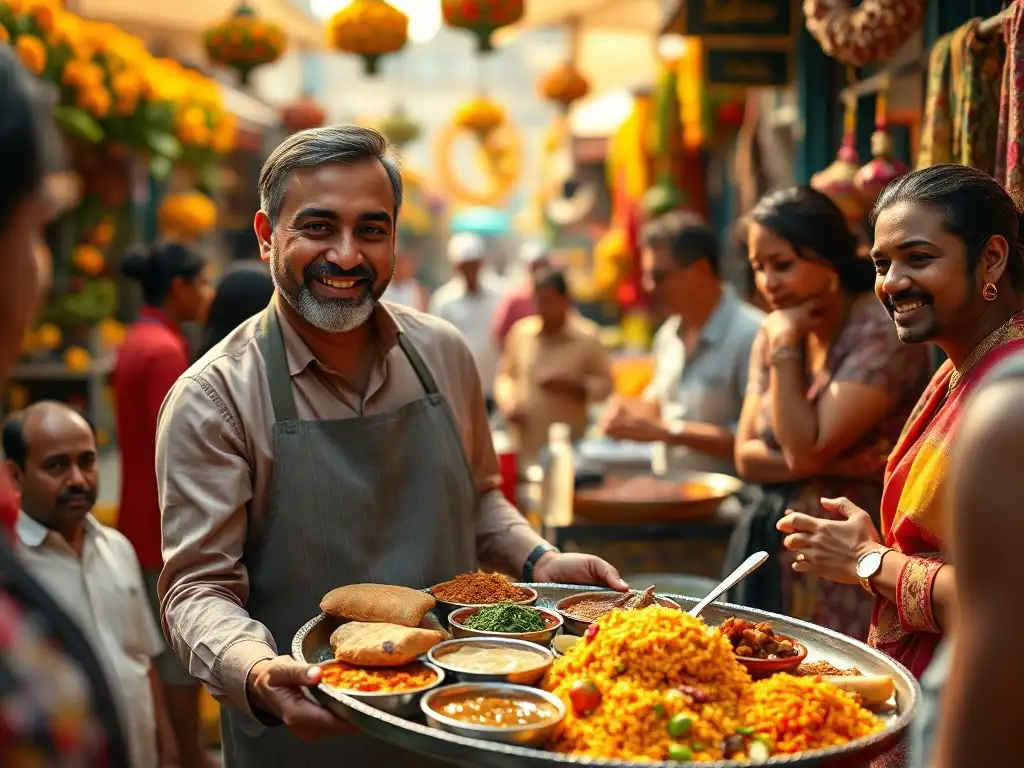
Welcome to Ancient India History, where we embark on a journey through the vibrant tapestry of one of the world’s oldest civilizations. Here, we not only explore the remarkable historical milestones from the Indus Valley to the Gupta Empire, but we also delve into the heart of Indian culture through its food.
In our latest article, "Cooking with the Locals: Authentic Culinary Tours in Hidden Indian Gems," we invite you to discover the authentic Indian culinary experiences that await beyond the well-trodden paths. Join us as we uncover the flavors and traditions that have shaped India’s rich heritage—your adventure in taste and history begins now!
Introduction to Authentic Indian Culinary Experiences
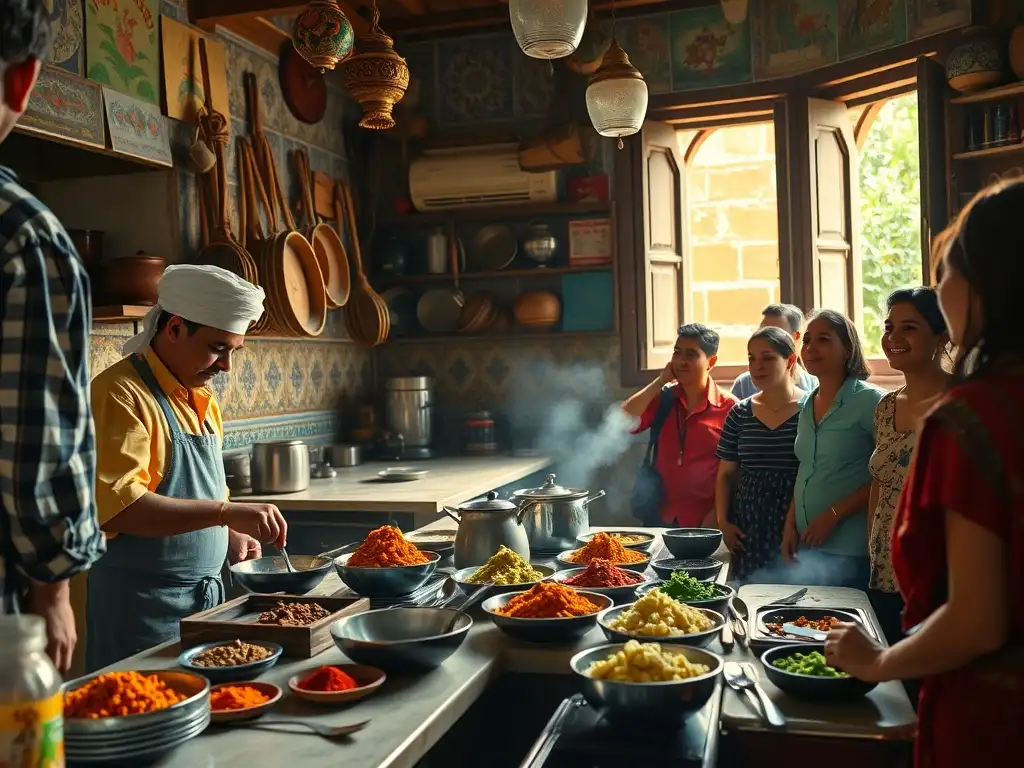
India's culinary landscape is as diverse and rich as its history, offering a vibrant tapestry of flavors, techniques, and traditions that have evolved over millennia. From the bustling streets of Delhi to the serene backwaters of Kerala, each region boasts its own unique culinary identity, shaped by its geography, culture, and historical influences. Authentic Indian culinary experiences are more than just meals; they are a journey into the heart of local traditions, showcasing the stories and practices that have been passed down through generations.
As travelers seek deeper connections with the cultures they visit, culinary tours have emerged as a popular way to explore India's hidden gems. These tours immerse participants in the local way of life, allowing them to engage with communities, learn from skilled home cooks, and savor dishes that reflect the essence of their surroundings. Whether it's participating in a family cooking session in a quaint village or exploring vibrant markets bursting with spices, the experiences provided through these tours create lasting memories and foster a genuine appreciation for India's gastronomic heritage.
In this article, we will delve into some of the most captivating culinary tours across India, highlighting the authentic experiences that await adventurous food lovers. Join us as we explore the flavors, techniques, and stories that make Indian cuisine a treasure trove for culinary enthusiasts.
Why Choose Culinary Tours in India?
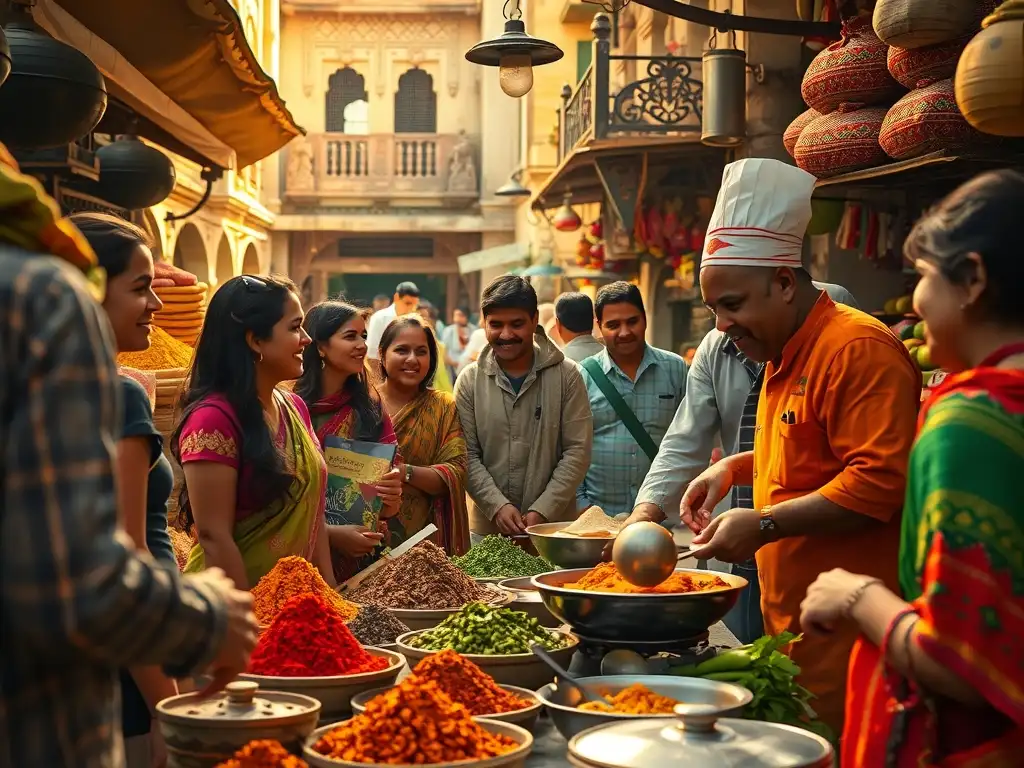
Culinary tours in India offer a unique opportunity to immerse oneself in the vibrant tapestry of Indian culture through its diverse and flavorful cuisine. With a history that spans thousands of years, Indian food reflects a blend of regional traditions, local ingredients, and historical influences. By choosing a culinary tour, travelers can experience the essence of India's rich culinary heritage firsthand, going beyond mere tasting to understanding the stories and techniques behind each dish.
The Rich Heritage of Indian Cuisine
Indian cuisine is renowned for its variety and complexity, which can be attributed to several factors:
- Regional Diversity: Each region of India boasts its own culinary style, influenced by geography, climate, and cultural practices. From the spicy curries of the South to the rich, buttery dishes of the North, the regional distinctions are profound. For example:
- North India: Known for dishes such as Butter Chicken and Rogan Josh, which are often paired with naan or rice.
- South India: Famous for its dosas and idlis, accompanied by coconut chutneys and sambar.
- East India: Offers sweet delights like Rasgulla and Pakhala, along with fish-based dishes.
- West India: Features vibrant flavors with dishes like Dhokla and Goan Fish Curry.
- Historical Influences: The culinary landscape of India has been shaped by centuries of trade, migration, and invasion. Spice trade routes brought in flavors from the Middle East and beyond, while historical rulers introduced royal cuisines that still influence modern cooking methods and recipes.
- Spices and Ingredients: Indian cooking is characterized by its extensive use of spices, each serving a dual role of flavoring and health benefits. Common spices include:
- Turmeric: Known for its anti-inflammatory properties.
- Cumin: Aids digestion and adds depth to dishes.
- Cardamom: Used in both savory and sweet preparations for its aromatic qualities.
- Culinary Techniques: Traditional cooking methods, such as slow-cooking, fermenting, and grilling, play a crucial role in developing flavors. Tour participants often engage in hands-on experiences, learning to cook using these age-old techniques, which enhances their appreciation for the cuisine.
Benefits of Participating in Culinary Tours
Participating in culinary tours not only satiates the palate but also enriches the travel experience in numerous ways:
- Authentic Indian Culinary Experiences: Travelers gain access to local kitchens and markets, allowing them to taste authentic dishes that are often not found in restaurants. This authenticity is key to understanding the true essence of Indian cuisine.
- Cultural Immersion: Culinary tours provide a platform for cultural exchange. Engaging with local chefs and families fosters a deeper connection to the community and provides insights into their daily lives and traditions.
- Hands-On Learning: Many culinary tours include cooking classes where participants can learn to prepare traditional dishes. This hands-on experience enhances culinary skills and knowledge about ingredients, preparation methods, and regional variations.
- Support Local Economies: By participating in culinary tours, travelers contribute to the local economy and support small businesses and family-run establishments. This sustainable approach helps preserve traditional cooking methods and recipes.
- Create Lasting Memories: Beyond just food, culinary tours often include visits to local attractions, markets, and festivals, creating a well-rounded travel experience. Participants leave with not just recipes but cherished memories of their culinary adventures.
Culinary tours in India offer a unique lens through which to explore the country's rich history and culture. They present an engaging way to appreciate the diversity of Indian cuisine while fostering connections with local communities. By embarking on these authentic culinary experiences, travelers can truly savor the essence of India.
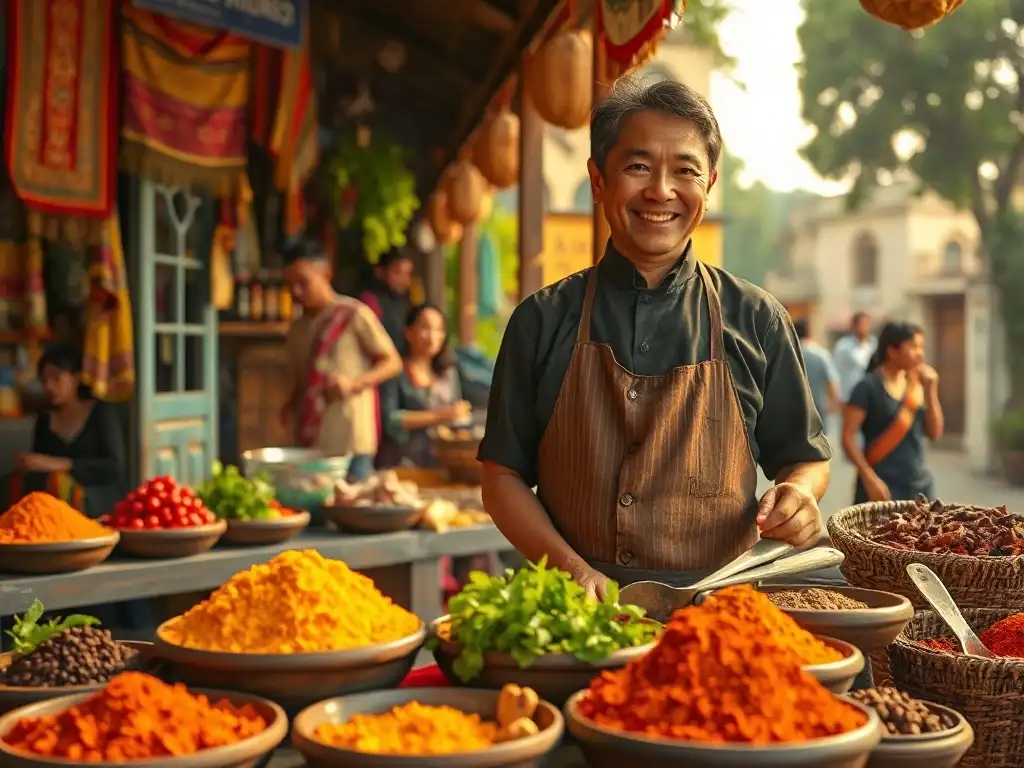
Exploring the culinary landscape of India reveals a treasure trove of unique flavors and cooking traditions, especially in lesser-known regions. Here, we delve into some of the most authentic Indian culinary experiences that allow travelers to immerse themselves in local culture and cuisine.
1. Culinary Tours in Rajasthan: A Taste of the Desert
Rajasthan, known for its vibrant culture and stunning landscapes, offers a rich tapestry of flavors that reflect its history and geography. The culinary tours here are designed to provide participants with an authentic taste of local delicacies, prepared using traditional methods.
Unique Dishes to Try
When in Rajasthan, you cannot miss the following dishes:
- Dal Baati Churma: A signature Rajasthani dish that consists of hard wheat rolls (baati) served with lentils (dal) and a sweet crumbled mixture (churma).
- Gatte ki Sabzi: A curry made from gram flour dumplings, cooked with spices and served with roti or rice.
- Ker Sangri: A unique dish made with dried beans and desert berries, showcasing the ingenuity of desert cooking.
- Laal Maas: A spicy mutton curry, known for its fiery red color and rich flavors, traditionally made with a variety of spices.
These dishes not only tantalize the taste buds but also tell stories of the region's heritage and local ingredients.
Recommended Tours
Several culinary tours offer immersive experiences in the heart of Rajasthan:
- Heritage Walk and Cooking Class in Jaipur: Participants explore local markets and learn to cook traditional dishes in a local home setting.
- Desert Safari with Culinary Delights in Jaisalmer: This tour combines adventure with culinary experiences, including a traditional meal under the stars.
- Rajasthani Feast in Udaipur: Enjoy a sumptuous meal prepared by local chefs, featuring a variety of traditional dishes, accompanied by folk music and dance.
These tours not only highlight the rich culinary traditions but also foster connections with local communities, making them some of the most authentic Indian culinary experiences available.
2. Exploring the Coastal Flavors of Kerala
Kerala, often dubbed "God's Own Country," is renowned for its lush landscapes and vibrant culinary scene. The coastal cuisine here is characterized by the use of fresh seafood and aromatic spices, making it a paradise for food lovers.
Signature Dishes and Ingredients
In Kerala, the food is a reflection of its geography and culture. Key dishes include:
- Fish Moilee: A coconut milk-based fish curry that is both flavorful and comforting.
- Appam with Stew: A soft rice pancake served with a spicy vegetable or meat stew, showcasing the blend of flavors in Keralite cuisine.
- Puttu and Kadala Curry: A traditional breakfast dish made of rice flour and coconut, served with black chickpeas in a spiced gravy.
- Karimeen Pollichathu: Pearl spot fish marinated and wrapped in banana leaves, then grilled to perfection, embodying the essence of Keralan cooking.
These dishes reflect the local ingredients and culinary techniques passed down through generations.
Best Culinary Experiences
For those keen on exploring Kerala's culinary treasures, consider these experiences:
- Backwater Culinary Cruise: A unique experience where guests can enjoy freshly prepared meals on a houseboat while cruising through the serene backwaters.
- Cooking Classes in Kochi: Participants learn to prepare traditional Keralan dishes using local spices and ingredients, often concluding with a communal meal.
- Market Tours and Seafood Tasting in Alleppey: This tour allows participants to explore local fish markets and sample fresh seafood dishes, providing insight into the coastal lifestyle.
These culinary experiences highlight the authenticity of Kerala’s cuisine, making them unforgettable and enriching for anyone seeking to explore the region's culinary heritage.
3. Discovering the Street Food of Delhi
Delhi, the bustling capital of India, is renowned for its vibrant street food scene. The city's streets are lined with vendors offering a plethora of flavors that reflect the rich tapestry of Indian culture and history. From spicy chaats to delectable kebabs, Delhi's street food is not just a meal; it's an experience that tells the story of its people and traditions.
Street food in Delhi is a blend of regional influences, historical migrations, and local ingredients, making it a true culinary adventure. As you wander through the narrow lanes of Chandni Chowk or the bustling markets of Connaught Place, the aromas of frying samosas and sizzling parathas will entice your senses. Engaging with local vendors not only enriches your palate but also connects you to the cultural fabric of this vibrant city.
Iconic Street Foods to Savor
- Chaat: A quintessential Delhi snack, chaat comes in various forms including aloo chaat, papri chaat, and dahi puri. The combination of crispy, tangy, and spicy elements makes it a must-try for any food lover.
- Parathe: The famous Paranthe Wali Gali in Chandni Chowk is home to a variety of stuffed parathas, served with pickles and yogurt. The crispy exterior and flavorful fillings make them irresistible.
- Kebabs: Delhi is famous for its kebabs, particularly those from the iconic Karim's and other establishments in Old Delhi. From seekh kebabs to tandoori chicken, these grilled delights are infused with aromatic spices.
- Jalebi: This sweet treat is made from deep-fried batter soaked in sugar syrup, often enjoyed hot. The crispy and sticky texture is perfect for ending a savory street food journey.
- Bhel Puri: A delicious mix of puffed rice, vegetables, and tangy tamarind sauce, bhel puri offers a refreshing contrast to the heavier dishes.
Top Street Food Tours
- Old Delhi Food Walks: This guided tour takes you through the narrow alleys of Old Delhi, where you can sample various iconic street foods while learning about their history and preparation.
- Connaught Place Culinary Tour: Focused on the upscale area of Connaught Place, this tour highlights modern interpretations of traditional street food, offering a blend of classic and contemporary flavors.
- Chandni Chowk Evening Tour: Experience the magic of Chandni Chowk after sunset, where street food vendors come alive. This tour includes tastings of various snacks and desserts.
- Custom Street Food Experiences: Many local chefs offer personalized street food tours, allowing you to explore specific cuisines or dishes tailored to your preferences.
4. Uncovering the Culinary Secrets of Bengal
Bengal, known for its lush landscapes and rich heritage, boasts a culinary tradition that is as diverse as its culture. The cuisine here is characterized by its use of fresh ingredients, aromatic spices, and a variety of cooking techniques. From the coastal regions to the lush countryside, Bengali food is a reflection of the region's history and geography, making it a fascinating culinary exploration.
Bengali cuisine is heavily influenced by its geography, with an emphasis on fish, rice, and lentils. The use of mustard oil and panch phoron (a blend of five spices) adds depth to the dishes, while sweets like rasgulla and sandesh showcase the region's penchant for dessert. Engaging in culinary experiences in Bengal allows you to learn about these unique cooking methods and the cultural significance behind each dish.
Must-Try Bengali Dishes
- Shorshe Ilish: This signature dish features hilsa fish cooked in a mustard sauce, a true delicacy that highlights the region's love for fish.
- Machher Jhol: A traditional Bengali fish curry, Machher Jhol is prepared with seasonal vegetables and spices, offering a comforting and homely flavor.
- Chingri Malai Curry: This luxurious prawn curry is cooked with coconut milk and spices, making it a favorite among seafood lovers.
- Pulao and Kosha Mangsho: A fragrant rice dish paired with spicy, slow-cooked mutton curry, this combination is perfect for a festive meal.
- Mishti Doi: A traditional Bengali sweet yogurt, Mishti Doi is a creamy dessert that is both delicious and refreshing.
Recommended Culinary Experiences
- Bengali Cooking Classes: Many local cooks and chefs offer classes where you can learn to make authentic Bengali dishes, gaining hands-on experience with traditional techniques and ingredients.
- Food Tours in Kolkata: Explore the culinary landscape of Kolkata with guided food tours that take you through markets and local eateries, sampling a variety of dishes and learning about their history.
- Home Dining Experiences: Enjoy a meal prepared by a local family, allowing you to experience authentic Bengali hospitality and home-cooked meals in a warm setting.
- Fish Markets and Culinary Workshops: Visit local fish markets, followed by a cooking workshop where you can learn to prepare traditional fish dishes using fresh catches.
By participating in these authentic culinary experiences, you not only indulge your taste buds but also gain a deeper understanding of Bengal's rich cultural heritage.
How to Choose the Right Culinary Tour for You
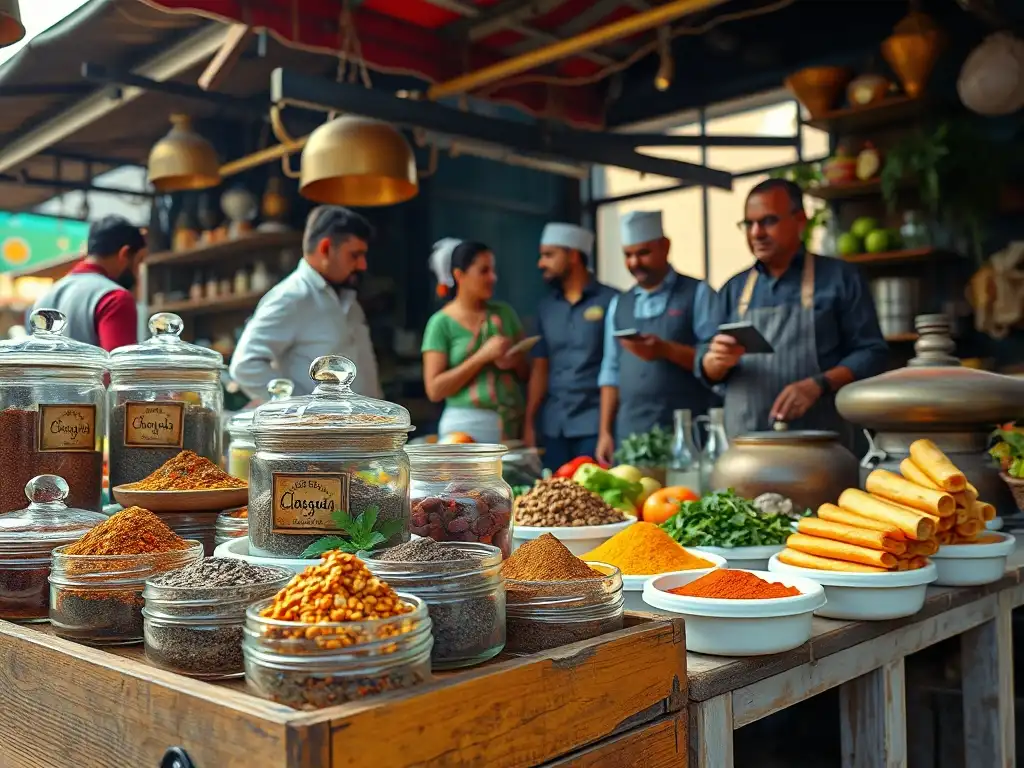
Choosing the right culinary tour in India can significantly enhance your experience and allow you to truly savor the authenticity of Indian cuisine. With a myriad of options available, it's essential to evaluate several factors to ensure you select a tour that aligns with your preferences, tastes, and expectations. Here we explore the critical considerations to help you make an informed decision.
Key Factors to Consider
-
Destination Focus
Different regions of India offer unique culinary experiences. Consider what cuisine or region intrigues you the most:
- North India: Known for its rich gravies, naan, and biryanis.
- South India: Famous for its dosas, idlis, and coconut-based dishes.
- East India: Renowned for its sweets like rasgulla and fish curries.
- West India: Offers a variety of spicy and tangy flavors, including street food.
-
Tour Duration and Itinerary
Evaluate how much time you have and the depth of experience you want. Some tours may be short, focusing on a single meal or market visit, while others may be extensive, involving multiple meals across several days. Look for detailed itineraries that include:
- Cooking classes
- Market visits
- Home dining experiences
-
Group Size and Personalization
The size of the tour group can affect your experience. Smaller groups tend to offer a more intimate setting, allowing for personalized interactions and deeper immersion. Consider whether the tour allows for customization based on your dietary preferences and interests.
-
Local Guides and Chefs
Authenticity is often tied to the knowledge and experience of your guides. Research the backgrounds of the chefs and guides leading the tours. Look for those who:
- Have a deep understanding of local ingredients and cooking techniques.
- Can share personal stories and insights into the culture.
-
Cost vs. Value
While budget is an important factor, it's crucial to differentiate between cost and value. Cheaper tours might skimp on quality or authenticity. Assess what is included in the price:
- Meals
- Cooking classes
- Transportation
- Any additional activities or experiences
Top Tips for an Authentic Experience
-
Engage with the Locals
One of the most enriching aspects of culinary tours is the opportunity to engage with local communities. Consider tours that emphasize interactions with local families, markets, and street vendors.
-
Be Open to New Flavors
Embrace the diverse and sometimes unfamiliar flavors of Indian cuisine. Be willing to try regional specialties and street food, as these often provide the most authentic experience.
-
Participate Actively
Whether it’s chopping vegetables, grinding spices, or rolling dough, engaging hands-on in cooking can deepen your understanding and appreciation of Indian culinary traditions.
-
Ask Questions
Don’t hesitate to ask your hosts about the history and cultural significance of the dishes you’re preparing and tasting. This dialogue can enrich your culinary journey.
-
Document Your Experience
Keep a journal or take notes on recipes, techniques, and insights you gain. This will not only help you remember your experiences but also allow you to recreate them at home.
By carefully considering these factors and employing these tips, you can choose a culinary tour that not only satisfies your taste buds but also enriches your understanding of the vibrant tapestry of Indian cuisine. Embrace the adventure and let the authentic flavors of India unfold before you!
Conclusion: Embrace Authentic Indian Culinary Experiences
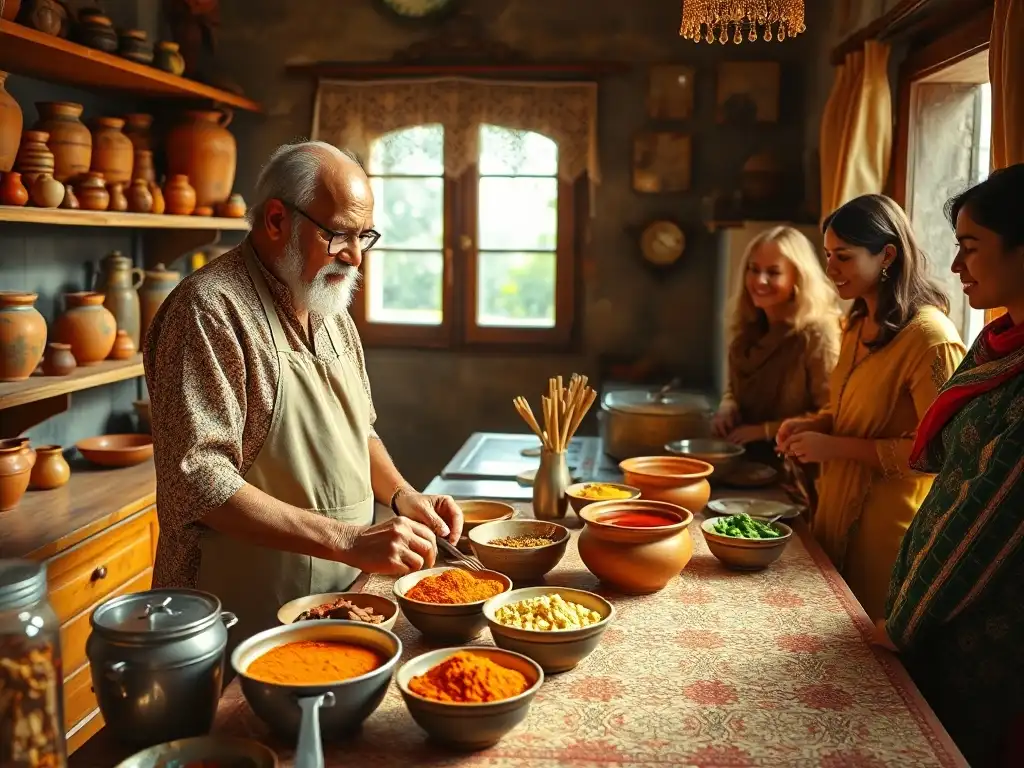
Exploring the depths of authentic Indian culinary experiences is not just about savouring the food but also about connecting with the rich traditions and cultures that have shaped these exquisite dishes over centuries. From the spice-laden streets of Delhi to the coastal flavours of Kerala, culinary tourism in India offers a unique opportunity to engage with local communities and learn firsthand the stories behind the recipes. By participating in these culinary tours, you are not merely tasting food; you are embarking on a journey through history, culture, and local lifestyles.
As you embrace these experiences, you will find that each dish tells a story, reflecting the land’s geography, climate, and the myriad influences of its people. This journey into the heart of India’s culinary scene allows travelers to appreciate the artistry and techniques that have been passed down through generations, making each meal a celebration of heritage.
The Lasting Impact of Culinary Tourism
Culinary tourism plays a pivotal role in preserving and promoting local cuisines, traditions, and agricultural practices. Here are some of the lasting impacts it has on communities:
- Cultural Preservation: Culinary tours help keep traditional cooking methods and recipes alive. By participating in these experiences, tourists contribute to the revitalization of local food culture, encouraging younger generations to embrace their culinary heritage.
- Economic Benefits: Local communities benefit economically from culinary tourism. As tourists seek authentic experiences, families and small businesses thrive by providing meals, cooking classes, and guided tours, thus bolstering the local economy.
- Sustainable Practices: Many culinary tours emphasize the importance of using local and seasonal ingredients. This focus not only promotes sustainability but also encourages farmers to maintain traditional agricultural practices, which can be more environmentally friendly.
- Community Building: Culinary tourism fosters connections between travelers and locals, promoting intercultural dialogue and understanding. These interactions can lead to lasting friendships and a deeper appreciation of different cultures.
Call to Action: Plan Your Culinary Adventure Today!
Are you ready to embark on your own culinary adventure in India? Don’t miss out on the chance to immerse yourself in the vibrant food culture that this incredible country has to offer! Here is how you can start planning:
- Research Culinary Tours: Look for tours that focus on authentic experiences, such as cooking classes, market visits, and home dining with local families.
- Choose Your Destination: Whether you’re drawn to the fiery curries of the North or the delicate flavours of South Indian cuisine, select a region that excites your palate.
- Connect with Local Guides: Engage with local chefs and culinary experts who can provide insights and enhance your experience.
- Prepare for the Journey: Pack your bags, bring your appetite, and get ready for a memorable adventure that includes tasting, learning, and sharing.
Additional Resources for Culinary Enthusiasts
To further enhance your culinary journey, consider the following resources:
- Cookbooks: Explore titles that delve into the regional cuisines of India, featuring authentic recipes and cooking techniques.
- Food Blogs: Follow culinary travel bloggers who share their experiences and tips for exploring local food scenes.
- Online Cooking Classes: Join virtual cooking classes hosted by Indian chefs to learn traditional recipes from the comfort of your home.
- Culinary Festivals: Keep an eye out for local food festivals that celebrate regional dishes and provide opportunities to taste a variety of cuisines.
By integrating these resources into your culinary exploration, you will deepen your appreciation for authentic Indian culinary experiences and discover the treasures that await you in every bite. 🌶️🍛
Frequently Asked Questions
What are authentic Indian culinary experiences?
Authentic Indian culinary experiences refer to immersive food tours and cooking classes that showcase the traditional recipes, local ingredients, and cultural significance of Indian cuisine.
To discover hidden gems, look for local tour operators that specialize in off-the-beaten-path experiences, or seek recommendations from food blogs and travel forums focusing on regional cuisine.
Are these culinary tours suitable for beginners in cooking?
Yes, many culinary tours are designed for all skill levels, including beginners. Participants can learn basic cooking techniques while enjoying the rich flavors of Indian cuisine.
What should I expect during a culinary tour in India?
During a culinary tour, you can expect to visit local markets, participate in hands-on cooking classes, and enjoy meals prepared with traditional techniques and authentic spices.
Do culinary tours offer insights into Indian culture?
Absolutely! Culinary tours provide a unique way to explore Indian culture through its food traditions, allowing participants to understand the historical context and regional variations of Indian cuisine.
Final Reflection: Embracing Authentic Indian Culinary Experiences
In a world where globalization often overshadows local traditions, the importance of authentic culinary experiences cannot be overstated. As we explored in this article, engaging with local chefs and their time-honored recipes not only enriches our palates but also deepens our understanding of cultural heritage. The vibrant tapestry of Indian cuisine, woven with diverse regional flavors and techniques, offers a unique opportunity to connect with the heart of a community. Now more than ever, these experiences serve as a bridge between cultures, fostering appreciation and respect in an increasingly homogenized world.
The impact of authentic culinary experiences extends far beyond the dinner table; it shapes our cultural landscape and influences how we perceive and interact with different communities. Participating in these culinary tours allows travelers to forge genuine connections with locals, creating memories that last a lifetime. The stories shared over a simmering pot of curry or a freshly baked naan resonate deeply, reminding us of the shared humanity that transcends borders. Food is our common ground, a universal experience.
– James Beard. This sentiment encapsulates the essence of our culinary journeys, highlighting how food can unite us in ways that words often cannot.
As you reflect on the insights gained from this article, I invite you to consider how you can incorporate authentic culinary experiences into your own life. Whether it's seeking out local eateries, participating in cooking classes, or simply trying your hand at a new recipe from a different culture, every small step contributes to a greater understanding of the world around us. Let us celebrate the rich diversity of culinary traditions and embrace the flavors that tell the stories of our shared humanity. Your journey toward culinary exploration awaits—are you ready to savor it?
Savor the Flavors: Embark on Your Culinary Adventure Today!
Thank you for exploring the rich tapestry of Indian cuisine with us! By delving into authentic culinary tours, you've opened the door to unforgettable experiences and connections with local culture. Now, it’s time to transform your newfound knowledge into action!
Here’s how you can dive deeper and make the most of your culinary journey:
- Book your next culinary tour to a hidden gem in India— experience the unique flavors and connect with the locals who bring these dishes to life.
- Share your experiences with friends and fellow food lovers on social media— inspire them to join you on this exciting journey.
- Join online cooking classes led by talented local chefs to keep the essence of Indian cuisine alive in your kitchen— you’ll be amazed at the authentic techniques you’ll master!
As you contemplate your next steps, we’d love to hear from you: What local dish are you most excited to try on your culinary adventure?