
Spice It Up: Mastering Traditional Indian Cooking Techniques for Beginners

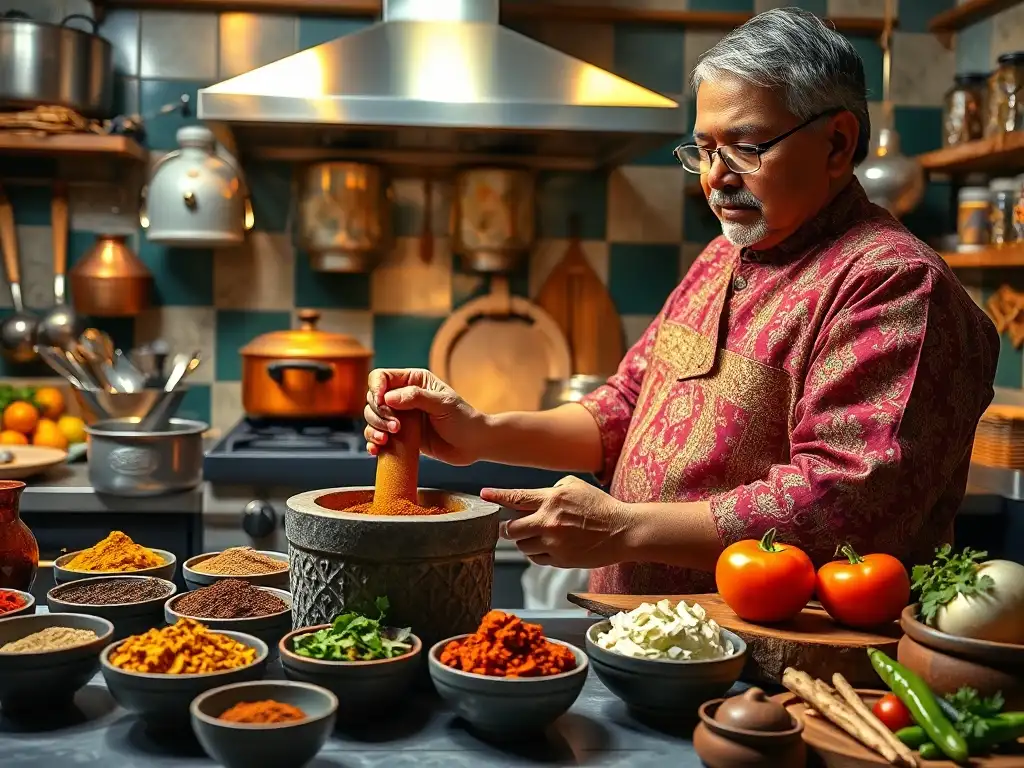
Welcome to Ancient India History, where we embark on a fascinating journey through the rich tapestry of ancient Indian civilizations. Dive deep into the vibrant world of traditional Indian cooking techniques, a culinary art that has been passed down through generations, embodying the flavors, cultures, and heritage of the subcontinent. In our featured article, "Spice It Up: Mastering Traditional Indian Cooking Techniques for Beginners," you'll discover how these time-honored methods not only enhance the taste of dishes but also reflect the intricate history of India itself.
Ready to whet your appetite for knowledge? Let’s explore the spices, stories, and secrets that await you!
Introduction to Traditional Indian Cooking Techniques
Embarking on a culinary journey through Traditional Indian cooking techniques offers a fascinating glimpse into the rich tapestry of India’s history and culture. With its diverse regions, each boasting unique flavors and cooking styles, Indian cuisine is a vibrant reflection of the ancient civilizations that shaped it. From the ancient kitchens of the Indus Valley civilization to the grand feasts of the Mughal Empire, understanding these traditional methods not only enhances your cooking skills but also deepens your appreciation for the cultural heritage they represent.
Indian cooking is characterized by its intricate use of spices, herbs, and cooking techniques that have been honed over thousands of years. Mastering these techniques is essential for anyone looking to recreate authentic Indian dishes at home. This article will guide you through the essential cooking methods, providing you with the foundational skills to spice up your culinary repertoire and impress your family and friends with delicious, traditional Indian meals.
Essential Traditional Indian Cooking Techniques
To truly grasp the essence of Indian cuisine, one must familiarize themselves with various cooking techniques that have stood the test of time. Here, we delve into some of the most significant methods that form the backbone of traditional Indian cooking.
Understanding the Basics of Indian Cooking
At the heart of Indian cooking lies an array of foundational techniques that contribute to the rich flavors and textures of the dishes. Here are a few key elements to understand:
- Tempering (Tadka): This technique involves frying spices in hot oil or ghee to release their essential oils and enhance their flavors. It is often the first step in preparing a dish, laying the groundwork for a rich taste profile.
- Braising (Dum): This slow-cooking method involves sealing the pot to trap steam and cook the ingredients in their own juices. It’s commonly used for meat and rice dishes, such as biryani, to develop deep flavors.
- Steaming (Bhaapa): A healthier cooking method that preserves nutrients and flavors. Steamed dishes like idli (fermented rice cakes) and dhokla (savory steamed cake) are staples in Indian breakfasts.
- Roasting (Bhuna): This technique involves cooking spices and ingredients over high heat until they are browned and aromatic. It is essential for developing complex flavors in curries and gravies.
Popular Traditional Indian Cooking Methods
In addition to the foundational techniques, several popular cooking methods are frequently employed in Indian kitchens:
- Frying: From deep frying samosas to shallow frying parathas, frying remains a key method for achieving crispy textures in many Indian snacks.
- Grilling (Tandoor): This traditional clay oven method imparts a unique smoky flavor to meats, breads, and vegetables. Tandoori chicken and naan are perfect examples of dishes that benefit from this technique.
- Stir-frying (Bhujna): Quick and efficient, this method involves frying ingredients at high heat while constantly stirring. It is ideal for preparing vegetable dishes that retain their crunch and color.
- Slow Cooking (Khar): A traditional method that involves cooking over low heat for extended periods, allowing flavors to meld beautifully. This technique is commonly used in curries and stews.
Mastering these traditional Indian cooking techniques will not only enhance your culinary skills but also allow you to appreciate the art of Indian cooking in its entirety. As you explore these methods, you’ll find that each technique brings its own unique set of flavors and textures, making the journey of learning as delightful as the dishes themselves.
Tools and Equipment for Traditional Indian Cooking
Mastering traditional Indian cooking techniques requires not only skills but also the right tools and equipment. These tools help in bringing out the authentic flavors and textures that characterize Indian cuisine. Understanding which tools are essential can make your cooking experience more enjoyable and your dishes more authentic.
Essential Kitchen Tools for Beginners
- Heavy-bottomed Pans and Pots: These are crucial for even heat distribution, preventing food from burning. A good kadai (wok) or a pressure cooker is a must-have in Indian kitchens.
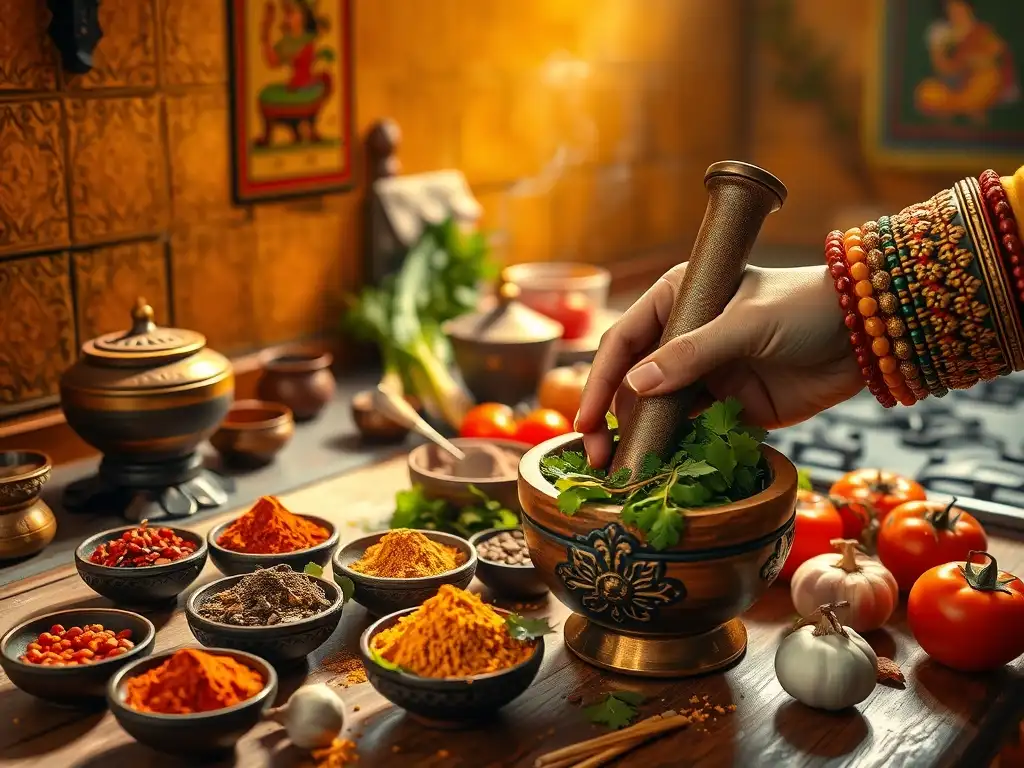
- Spice Grinder: Freshly ground spices significantly enhance the flavor of dishes. A traditional stone mortar and pestle or an electric spice grinder can be used for this purpose.
- Tawa (Griddle): For making flatbreads like chapati, paratha, and dosa, a tawa is indispensable. It’s typically made from cast iron or non-stick materials.
- Measuring Cups and Spoons: Accurate measurements are vital for achieving the right balance of flavors. Invest in a set of measuring cups and spoons designed for dry and wet ingredients.
- Mandoline or Vegetable Peeler: Cutting vegetables uniformly is essential for even cooking. A mandoline can help with this task, while a sturdy vegetable peeler is also necessary.
- Sieve or Strainer: Used for rinsing grains or straining sauces, a fine-mesh sieve is an essential tool in Indian cooking.
- Ladle and Spatula: These utensils are crucial for stirring, serving, and managing hot liquids and semi-solid foods, ensuring you don’t burn yourself while cooking.
- Storage Containers: Airtight containers for spices, lentils, and grains help keep your pantry organized and ingredients fresh.
Where to Buy Authentic Indian Cooking Tools
Finding authentic Indian cooking tools may require a bit of effort, but there are several excellent places to shop:
- Local Indian Grocery Stores: Many Indian grocery stores carry a variety of cooking tools, from traditional utensils to specialty items like spice boxes (masala dabba).
- Online Retailers: Websites that specialize in Indian cuisine often have a wide selection of cooking tools. Look for reputable online stores that focus on kitchenware.
- Cultural Festivals and Markets: Attending cultural festivals or local markets can sometimes yield unique finds, including handmade utensils that reflect traditional craftsmanship.
- Ethnic Home Goods Stores: Some home goods stores that focus on ethnic cooking might carry traditional Indian kitchenware, providing an opportunity to find unique pieces.
Step-by-Step Guide to Mastering Traditional Indian Recipes
Mastering traditional Indian recipes involves a series of steps that ensure you properly prepare and cook each dish, allowing the rich flavors to develop fully. Here’s a step-by-step guide to help beginners navigate through this culinary adventure.
Preparing Your Ingredients
- Mise en Place: This French term means “everything in its place.” Before you start cooking, gather all your ingredients and tools. Chop vegetables, measure spices, and set everything out.
- Soaking and Washing: Many Indian recipes require soaking lentils, beans, or rice. Rinse them thoroughly to remove impurities, and soak them for the recommended time to enhance cooking.
- Spice Preparation: Toast whole spices in a dry pan to release their essential oils, then grind them for the freshest flavor. Always prepare your spices in advance to streamline the cooking process.
- Chopping Techniques: Familiarize yourself with the various chopping techniques used in Indian cuisine, such as julienne, dice, and mince, to ensure your ingredients cook evenly.
Cooking Techniques in Action: Recipes for Beginners
- Tadka (Tempering): This technique involves heating oil and adding spices to release their flavors before adding them to the main dish. It is fundamental in many Indian recipes, such as dal (lentil soup) or curries.
- Braising: Ideal for tougher cuts of meat or vegetables, braising involves cooking them slowly in a bit of liquid. This technique is used in various dishes, including biryani and curry.
- Steaming: Dishes like idli (steamed rice cakes) and dhokla (steamed gram flour cake) showcase the importance of steaming in Indian cooking. A traditional idli stand or a steamer basket can help achieve perfect results.
- Sautéing and Stir-Frying: These techniques are essential for quickly cooking vegetables while retaining their crunch and color. Dishes like sabzi (vegetable stir-fry) exemplify these methods.
- Slow Cooking: Many Indian dishes develop better flavor when cooked slowly, allowing spices to meld beautifully. Recipes such as slow-cooked curries or biryanis benefit greatly from this technique.
By understanding the tools, preparing your ingredients meticulously, and mastering these cooking techniques, beginners can unlock the secrets of traditional Indian cooking and create delightful dishes that reflect the rich culinary heritage of India.
Common Mistakes in Traditional Indian Cooking
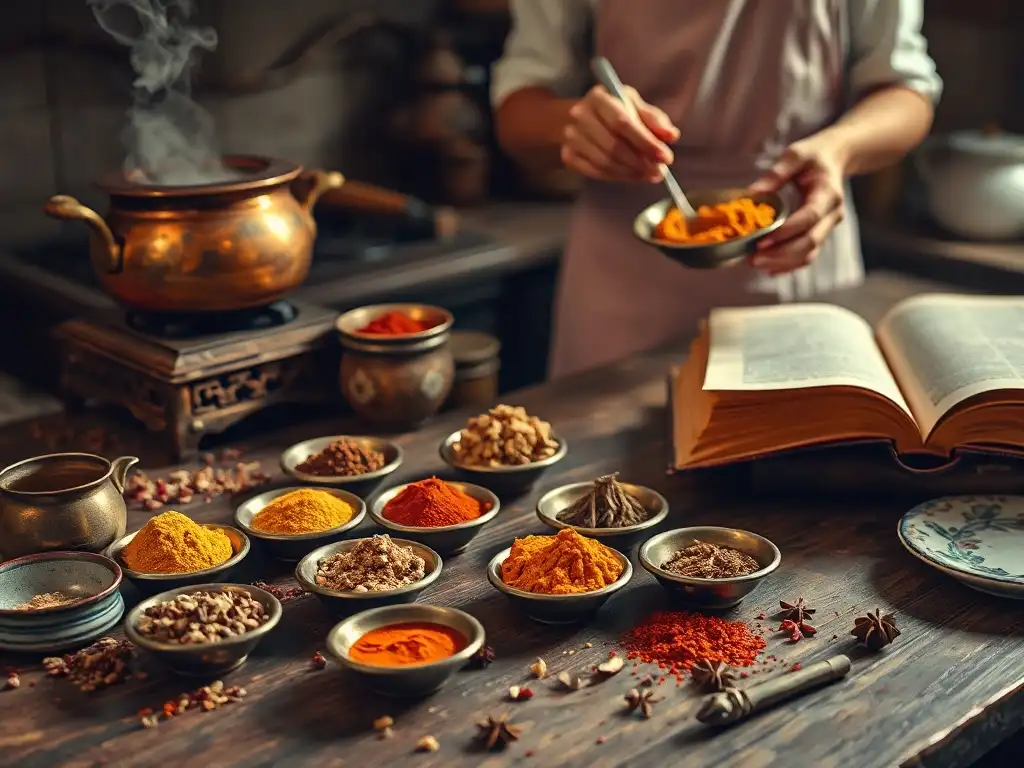
When delving into the world of Traditional Indian cooking, beginners often encounter specific pitfalls that can hinder the authenticity and flavor of their dishes. Understanding these common mistakes is crucial for mastering the art of Indian cuisine. Here are some of the key errors to avoid:
- Skipping the Marination Process: Marination is essential in Indian cooking as it enhances the flavor and tenderness of meats and vegetables. Many beginners overlook this step, leading to bland dishes. Allowing proteins to marinate for a few hours to overnight in yogurt-based marinades or spice mixes can significantly elevate the dish.
- Using Inaccurate Spice Quantities: Indian cooking relies heavily on spices, and precision is vital. Beginners may either under-season or over-season their dishes. It's essential to follow recipes closely and understand the purpose of each spice to achieve the intended flavor profile.
- Neglecting the Cooking Order: The order in which ingredients are added can greatly affect the final taste. For instance, adding spices too early can lead to bitterness, while adding them too late may result in a lack of depth. Cook onions until golden brown before introducing spices to build a rich base for your curries.
- Not Balancing Flavors: Traditional Indian dishes are known for their complex flavor profiles that balance spicy, sweet, sour, and salty. Beginners often miss this balance. Incorporating ingredients like tamarind, jaggery, and lemon juice can help achieve the necessary contrast.
- Rushing the Cooking Process: Indian cooking often requires patience, especially during the sautéing and simmering stages. Rushing through these processes can lead to undercooked ingredients and a lack of flavor development. Take the time needed to achieve the right consistency and depth of flavor.
Top Mistakes to Avoid for Beginners
- Overcooking or Undercooking Rice and Lentils: These staples are fundamental in Indian cuisine. Beginners may not know how to achieve the perfect texture, often resulting in mushy or hard grains. It's crucial to follow the right water-to-grain ratio and cooking times.
- Ignoring Fresh Ingredients: Fresh herbs like cilantro and mint play a crucial role in traditional Indian dishes. Using dried or stale herbs can significantly diminish the dish's flavor. Always opt for fresh ingredients when possible.
- Using the Wrong Type of Oil: Different oils impart varying flavors and cooking properties. For example, mustard oil is often used in North Indian cooking, while coconut oil is a staple in South Indian cuisine. Using the wrong oil can alter the intended flavor of the dish.
- Neglecting to Toast Spices: Toasting whole spices before use can enhance their flavors and aromas. Beginners may skip this step, leading to a less fragrant and flavorful dish. Always toast spices in a dry pan until they become aromatic.
- Failing to Taste as You Cook: One of the most important aspects of cooking is tasting. Beginners often forget to sample their dishes as they cook, which can lead to unbalanced flavors. Regular tasting allows for adjustments to ensure a well-rounded dish.
Tips for Perfecting Your Traditional Indian Cooking Skills
Mastering Traditional Indian cooking requires practice, patience, and a willingness to learn from mistakes. Here are some valuable tips to help you perfect your skills:
- Invest in Quality Spices: The quality of spices can make a significant difference in flavor. Purchase whole spices and grind them fresh whenever possible. Store spices in airtight containers away from light and moisture to preserve their potency.
- Understand Regional Variations: Indian cuisine is incredibly diverse, with each region having its unique cooking techniques and flavor profiles. Familiarize yourself with regional dishes and ingredients to broaden your culinary repertoire.
- Take Your Time: Indian cooking often requires time for flavors to develop, especially in dishes like curries and stews. Allow your food to simmer and meld together for the best results.
- Experiment with Techniques: Try different cooking methods such as tempering (tadka), slow cooking, and grilling. Each technique brings out distinct flavors and textures in the dishes.
- Learn from Traditional Recipes: Start with traditional recipes from reputable sources and follow them closely. Once you feel comfortable, you can begin to experiment and adapt them to your taste.
Practicing Traditional Techniques for Best Results
To truly master Traditional Indian cooking, practice is essential. Here are some techniques that you should focus on:
- Tempering Spices: Mastering the art of tempering spices is fundamental in Indian cooking. Heat oil in a pan, add whole spices like cumin or mustard seeds, and allow them to sizzle before adding other ingredients. This technique infuses the oil with flavor, enhancing the entire dish.
- Making Fresh Pastes: Many Indian dishes use fresh pastes made from grinding spices, herbs, and aromatics. Practice making your own masalas (spice blends) and pastes to achieve a fresher and more vibrant taste.
- Cooking Lentils and Legumes: Perfect the technique of cooking lentils and legumes, which are staples in Indian cuisine. Learn how to soak, boil, and season them properly to achieve the right texture and flavor.
- Developing a Good Base: The foundation of many Indian dishes lies in the sautéed onions, tomatoes, and spices. Practice creating this base by cooking until the onions are caramelized and the tomatoes are reduced, which adds depth to your dishes.
- Plating and Presentation: Lastly, presentation matters. Experiment with plating your dishes traditionally by using banana leaves or thalis (platters) to serve a variety of dishes. A well-presented meal enhances the dining experience and showcases the beauty of Indian cuisine.
By avoiding common mistakes and practicing these techniques, you'll be well on your way to mastering Traditional Indian cooking, elevating your culinary skills, and delighting your taste buds.
Conclusion: Embracing the Art of Traditional Indian Cooking
Mastering traditional Indian cooking techniques is not just about following recipes; it's about embracing a rich cultural heritage that has evolved over thousands of years. The skills and methods passed down through generations reflect the diverse regional influences, ingredients, and flavors that define Indian cuisine. By understanding the foundational techniques such as tempering, sautéing, and slow cooking, beginners can unlock the full potential of Indian dishes, bringing authenticity and depth to their culinary creations.
As you begin your journey into the world of traditional Indian cooking, remember that practice and patience are key. Each dish tells a story, and every cooking method contributes to a unique flavor profile. Don’t hesitate to experiment with spices and regional variations, as this will help you discover your personal style and preferences. Engaging with the process not only enhances your cooking skills but also allows for a deeper appreciation of the culinary traditions that have shaped Indian food.
Ultimately, mastering traditional Indian cooking techniques opens the door to a vibrant culinary landscape. It invites you to explore new tastes and textures while fostering a connection to the history and culture of India. Whether you're cooking for yourself, family, or friends, your efforts in the kitchen can create unforgettable experiences that celebrate the richness of Indian cuisine.
Call to Action
Are you ready to spice up your kitchen and dive into the world of traditional Indian cooking? Start by selecting a recipe that intrigues you and gather the necessary ingredients. Don't forget to utilize the techniques discussed in this article, such as tempering spices or slow-cooking curries, to enhance the flavors of your dish.
Join our community of cooking enthusiasts by sharing your culinary creations and experiences. Connect with fellow food lovers, ask questions, and exchange tips on mastering traditional Indian cooking techniques. Whether you’re a novice or looking to refine your skills, there’s always something new to learn and share.
So grab your apron, ignite your passion for cooking, and let the aromas of Indian spices fill your home. Happy cooking! 🥘✨
- Introduction to Traditional Indian Cooking Techniques
- Essential Traditional Indian Cooking Techniques
- Tools and Equipment for Traditional Indian Cooking
- Step-by-Step Guide to Mastering Traditional Indian Recipes
- Common Mistakes in Traditional Indian Cooking
- Tips for Perfecting Your Traditional Indian Cooking Skills
- Conclusion: Embracing the Art of Traditional Indian Cooking
- Call to Action
Frequently Asked Questions
What are traditional Indian cooking techniques?
Traditional Indian cooking techniques include slow cooking, tadka (tempering), dum (steaming), and bhuna (sautéing), which enhance the flavors and aromas of dishes.
How do spices play a role in Indian cooking?
Spices are integral to Indian cuisine, providing unique flavors and health benefits. Techniques like toasting spices before use can amplify their aromas and tastes.
Can beginners easily learn these cooking techniques?
Absolutely! Many traditional Indian cooking techniques are accessible to beginners. With practice and patience, anyone can master the art of Indian cooking.
What ingredients are essential for traditional Indian cooking?
Key ingredients include spices (like cumin and coriander), legumes, rice, and vegetables. Familiarizing oneself with these essentials is crucial for authentic flavors.
Where can I find resources to learn more about Indian cooking?
There are numerous cookbooks, online courses, and YouTube channels dedicated to traditional Indian cooking techniques. These resources can guide you in exploring Indian culinary traditions.
Final Reflection: Embracing the Art of Traditional Indian Cooking
In a world increasingly driven by convenience and fast-paced lifestyles, the essence of traditional Indian cooking techniques remains a beacon of cultural richness and culinary artistry. As we navigate through modernity, the importance of preserving these age-old methods becomes ever more significant, reminding us that food is not merely sustenance but a profound expression of heritage and community. The revival of these techniques not only enhances our culinary skills but also deepens our connection to the diverse tapestry of Indian culture.
The influence of traditional Indian cooking techniques extends far beyond the kitchen; it shapes our social interactions and cultural identity. As we gather around the table to share meals prepared with love and care, we foster connections that transcend generations. The act of cooking becomes a celebration of life, a way to honor our roots and pass down wisdom. Food is not just what we eat; it is a reflection of who we are.
This sentiment encapsulates the transformative power of cooking, reminding us that every spice, every technique, carries a story waiting to be told.
As you embark on your journey to master these traditional techniques, I invite you to reflect on the deeper significance of your culinary endeavors. Consider how each dish you create can serve as a bridge between the past and the future, connecting you to your heritage while inspiring those around you. Let the flavors of India not only tantalize your taste buds but also ignite a passion for exploration and creativity in your kitchen. Embrace the challenge, savor the process, and remember that every meal is an opportunity to share love, culture, and tradition.
Savor the Flavor: Transform Your Cooking Today!
Thank you for diving into the rich world of traditional Indian cooking techniques! You've gained invaluable insights that can elevate your culinary skills and deepen your appreciation for vibrant flavors. Now, it's time to put that knowledge into action and embark on your cooking journey!
Here’s how you can take the next step towards mastering Indian cuisine:
- Try your hand at a traditional dish: Choose a recipe you find appealing and cook it this week—share your creation with friends or family for a delightful experience!
- Explore local Indian markets: Discover unique ingredients and spices that will enhance your cooking. Don’t hesitate to ask vendors for tips on how to use them!
- Join or start a cooking group: Gather fellow food enthusiasts to cook together, share recipes, and learn from one another while building a sense of community.
What dish will you choose to prepare first, and how will it inspire your culinary adventures? Share your thoughts below!