
Perfecting the Art of Indian Pickles: Traditional Recipes for Modern Palates

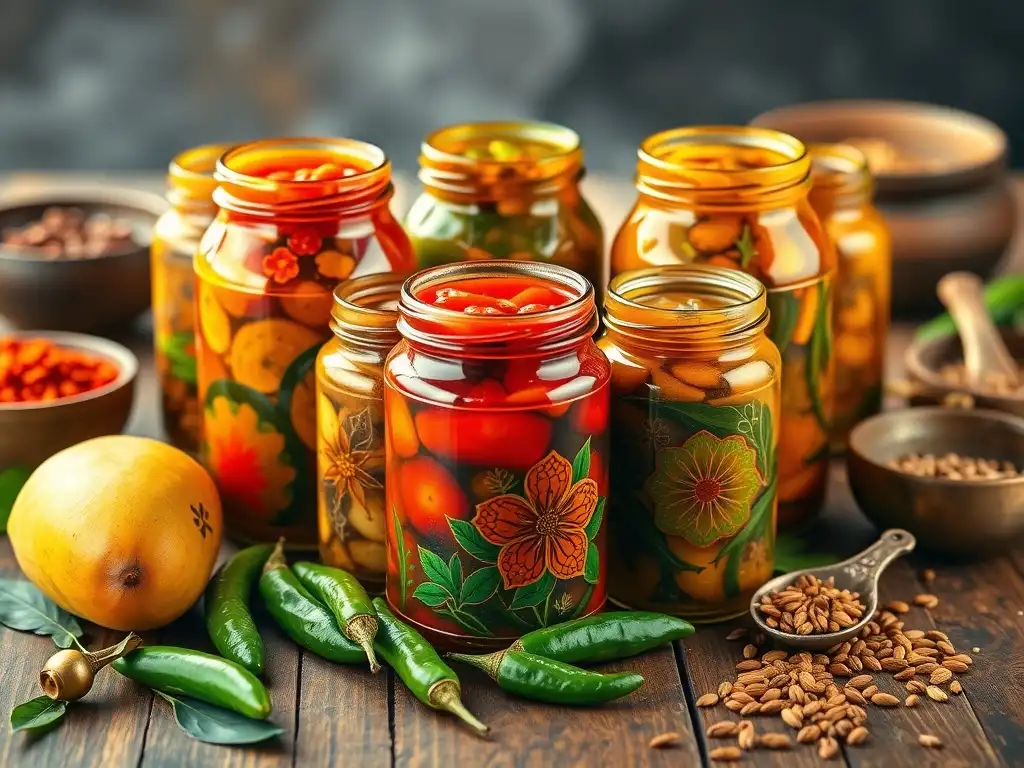
Welcome to Ancient India History, where we invite you to embark on a journey through the vibrant tapestry of India's past. From the intricate designs of the Indus Valley to the intellectual prowess of the Gupta Empire, our exploration of ancient civilizations reveals a wealth of cultural treasures. In this edition, we delve into the art of traditional Indian pickle recipes, showcasing how these time-honored flavors have transcended generations.
Discover the delightful balance of spices and techniques that make these pickles not just a culinary staple, but a flavorful connection to our rich heritage. Join us as we uncover the secrets behind these recipes and inspire your modern palate!
Introduction to Traditional Indian Pickle Recipes
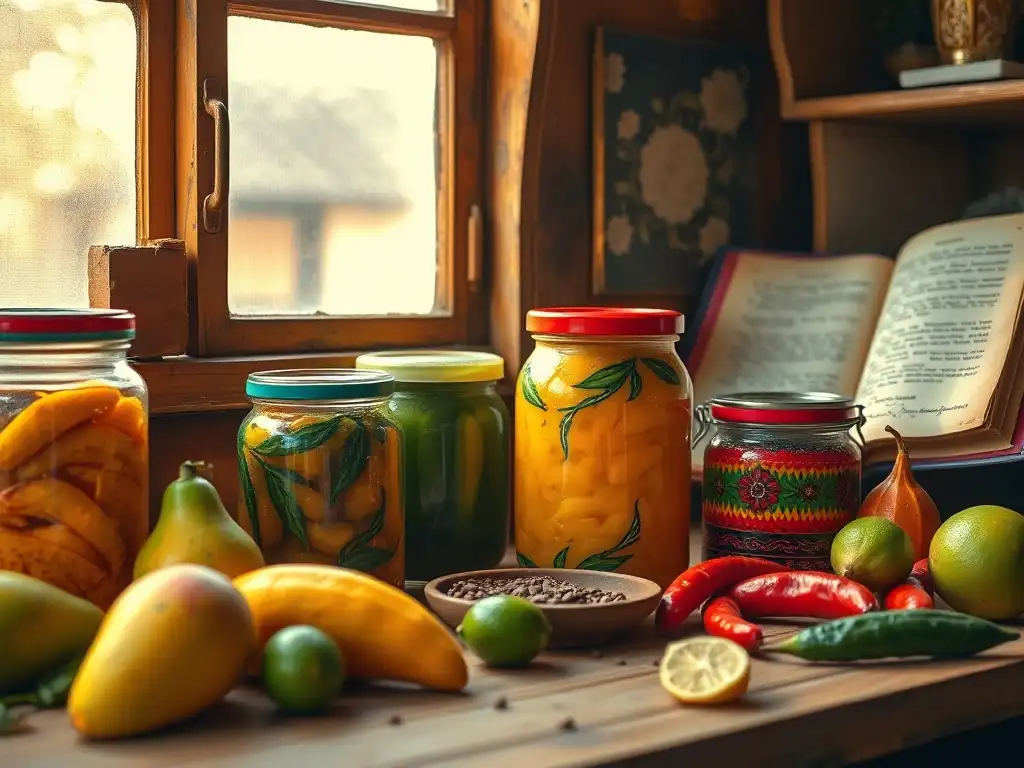
Indian pickles, known as achar, are more than just condiments; they are a vibrant reflection of the subcontinent's rich culinary heritage. These tangy, spicy, and sometimes sweet preparations have been an integral part of Indian cuisine for centuries, enhancing meals and providing a burst of flavor to everyday dishes. From the ancient methods of preservation used in the Indus Valley civilization to the contemporary twists adopted in modern kitchens, traditional Indian pickle recipes showcase the ingenuity and diversity of Indian food culture.
In this article, we will delve into the art of making traditional Indian pickles, exploring classic recipes that have stood the test of time while also adapting them for today's palates. As we journey through the essential ingredients and the techniques that define these delightful accompaniments, you will discover how to recreate the flavors of India in your own kitchen. 🍽️
Essential Ingredients for Traditional Indian Pickle Recipes
To craft authentic traditional Indian pickles, one must understand the foundational ingredients that bring these recipes to life. The art of pickling relies heavily on the use of spices, fresh produce, and sometimes even unique elements like oils and vinegar.
Spices That Define Indian Pickles
The spice blend is arguably the heart of any Indian pickle. Here are some spices that are commonly used:
- Mustard Seeds: These tiny seeds add a pungent flavor and are often used in tempering.
- Fenugreek Seeds: Known for their slightly bitter taste, they are essential in many pickle recipes.
- Turmeric Powder: This vibrant yellow spice not only adds color but also imparts a warm, earthy flavor.
- Red Chili Powder: For those who enjoy heat, red chili powder is a must-have to elevate the spice level.
- Asafoetida (Hing): A unique spice with a strong aroma, it is used sparingly to enhance the overall flavor.
Fresh Produce: Fruits and Vegetables for Pickling
The choice of produce is crucial in traditional Indian pickles. Here are some of the most popular fruits and vegetables used in these recipes:
- Mango: Unripe mangoes are a classic base for pickles, providing a tangy flavor.
- Lemon: The tartness of lemons adds brightness to any pickle mix.
- Carrots: Their natural sweetness balances out the spices nicely.
- Green Chilies: For those who love heat, whole green chilies can be pickled for an extra kick.
- Nimbu (Lime): Lime pickles are a staple, often enjoyed with a variety of Indian dishes.
By understanding these essential ingredients and their roles in traditional Indian pickle recipes, you can begin to appreciate the complexity and diversity of flavors that define this beloved culinary art form.
Traditional Indian Pickle Recipes for Modern Palates
Traditional Indian pickles are a delightful blend of flavors, spices, and techniques that resonate with the rich culinary heritage of India. These pickles not only enhance meals but also serve as a testament to the art of preserving seasonal produce. As modern palates evolve, the recipes adjust slightly, incorporating healthier ingredients and contemporary tastes while retaining the essence of traditional methods. Here, we explore some classic recipes that have been modernized for today's audience, showcasing how you can enjoy these tangy treats without compromising on health or flavor.
Classic Mango Pickle Recipe
A quintessential part of Indian cuisine, mango pickle is beloved for its vibrant taste and versatility. To create a modern version of this classic:
Ingredients:
- 2 raw mangoes, diced
- 1/4 cup mustard oil
- 2 tbsp mustard seeds
- 1 tbsp fenugreek seeds
- 1 tsp turmeric powder
- 1 tsp red chili powder
- Salt to taste
- A pinch of asafetida (hing)
Instructions:
- Preparation: Wash and dry the mangoes completely, then cut them into small cubes. Ensure they are free from moisture to prevent spoilage.
- Spice Mix: In a pan, heat mustard oil until it's smoking, then let it cool. In the same pan, add mustard and fenugreek seeds, allowing them to splutter.
- Combine: Add the mango pieces, turmeric, chili powder, salt, and asafetida to the pan. Mix well to coat the mangoes in the spice blend.
- Fermentation: Transfer the mixture into a clean, dry jar. Seal it tightly and let it sit in sunlight for a week, shaking it daily to ensure even mixing.
- Serving: After a week, the pickle is ready to be enjoyed with parathas, rice, or as a side with any meal.
This recipe retains the original flavors while using mustard oil, which is considered healthier than some refined oils.
Lemon Pickle with a Twist
Lemon pickle is another staple, cherished for its zesty tang. To modernize this recipe, consider adding an unexpected ingredient:
Ingredients:
- 4 lemons, quartered
- 1/4 cup sea salt
- 2 tbsp jaggery (or brown sugar)
- 1 tsp turmeric powder
- 1 tsp red chili powder
- 1/2 cup olive oil
- 1/2 tsp black pepper (optional)
Instructions:
- Lemon Prep: Clean the lemons and cut them into quarters, placing them in a glass bowl.
- Mixing Ingredients: Add salt, jaggery, turmeric, and chili powder to the lemons, mixing until well coated.
- Oil Addition: Drizzle olive oil over the mixture and stir to combine.
- Fermentation: Transfer the mixture to a sterilized jar and let it sit in a cool, dark place for 2-3 weeks. Shake the jar occasionally to mix the contents.
- Enjoying: This pickle pairs exquisitely with grilled meats and fish, bringing a fresh twist to traditional meals.
The addition of jaggery provides a unique sweetness that balances the tartness of lemons, making it appealing to a wider audience.
Carrot and Green Chili Pickle
For those looking to spice things up, this carrot and green chili pickle offers a crunchy, fiery experience:
Ingredients:
- 3 large carrots, grated
- 4-5 green chilies, slit
- 1/4 cup mustard oil
- 1 tbsp mustard seeds
- 1 tbsp grated ginger
- 1 tsp turmeric powder
- Salt to taste
Instructions:
- Carrot Prep: Peel and grate the carrots, then mix them in a bowl with the slit green chilies.
- Spice Infusion: Heat mustard oil in a pan, add mustard seeds, and let them splutter. Then, add the grated ginger, turmeric, and salt.
- Combine All: Pour the hot oil mixture over the carrot and chili mix, stirring thoroughly.
- Cooling and Storage: Allow the pickle to cool before transferring it to a clean jar. Keep it in the refrigerator for up to a month.
- Serving Suggestions: This pickle adds a spicy crunch to sandwiches, wraps, and rice dishes.
The combination of carrots and green chilies not only adds color but also introduces a wealth of vitamins and minerals.
Health Benefits of Traditional Indian Pickles
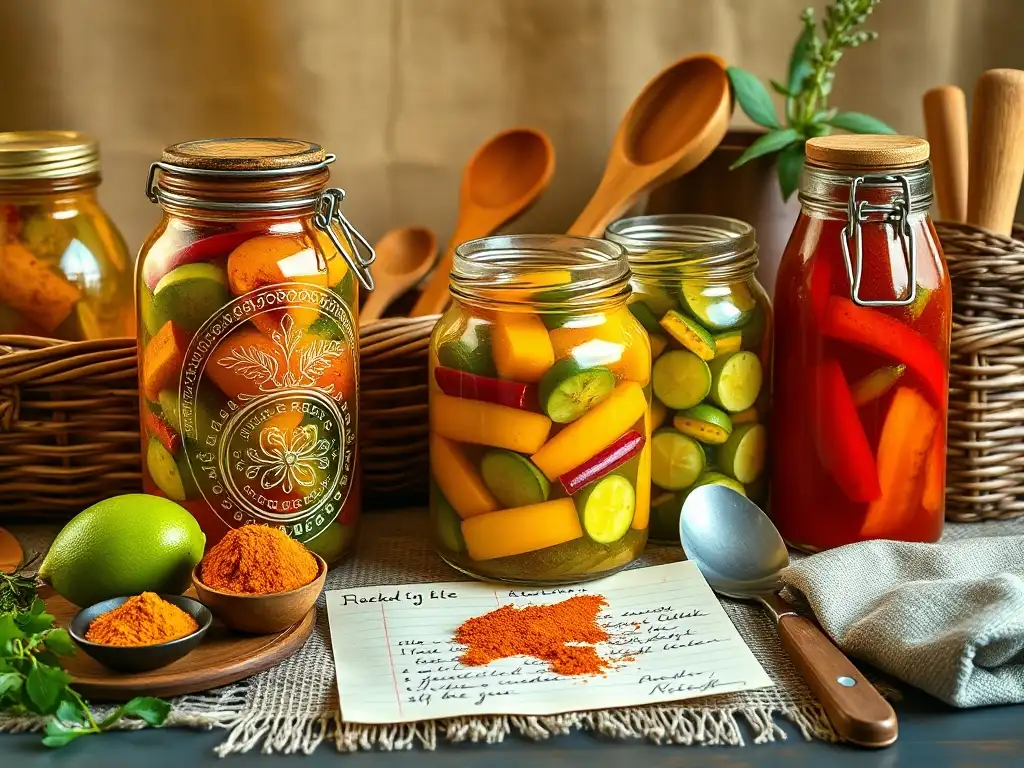
Traditional Indian pickles are not just about flavor; they are also rich in health benefits. These pickles incorporate a variety of ingredients that offer numerous advantages, from aiding digestion to boosting immunity.
Nutritional Value of Pickled Ingredients
The ingredients used in traditional Indian pickles, such as mangoes, lemons, and carrots, are packed with nutrients. For instance:
- Mangoes are high in vitamins A and C, which boost immunity and skin health.
- Lemons are excellent sources of vitamin C and antioxidants, aiding in digestion and detoxification.
- Carrots provide beta-carotene and fiber, promoting eye health and digestive regularity.
Additionally, the fermentation process enhances the bioavailability of these nutrients, making them easier for the body to absorb. The presence of spices like turmeric and mustard seeds further contributes to their anti-inflammatory and antioxidant properties.
How to Incorporate Pickles into a Balanced Diet
Integrating traditional Indian pickles into a balanced diet is simple and beneficial. Here are some tips:
- As Flavor Enhancers: Use pickles to add depth and flavor to otherwise bland dishes, such as plain rice or lentils.
- In Moderation: While pickles can enhance meals, they should be consumed in moderation due to their high salt content.
- Pairing: Combine pickles with fresh vegetables and proteins to create balanced meals. For example, serve mango pickle with grilled chicken and a side salad for a nutritious dinner.
By being mindful of portion sizes and pairing pickles with wholesome foods, you can enjoy their flavors while reaping their health benefits.
Tools and Techniques for Making Traditional Indian Pickles
Creating traditional Indian pickles is an art that combines the right tools with effective techniques. Understanding these aspects can greatly enhance the quality and flavor of your pickles, ensuring they resonate with the authentic tastes of Indian cuisine while appealing to modern palates.
Essential Kitchen Tools for Pickling
To embark on your pickling journey, having the right tools is crucial. Here’s a list of essential kitchen tools you will need:
- Glass Jars: Opt for sterilized glass jars with airtight lids to prevent contamination and ensure longevity.
- Spatula or Wooden Spoon: These are ideal for mixing ingredients without reacting with them, especially when using spices and acidic components.
- Measuring Cups and Spoons: Precision in measuring spices, salt, and liquids is key to achieving the desired flavor balance.
- Cutting Board and Knife: A sharp knife and a sturdy cutting board will help you chop vegetables and fruits uniformly.
- Funnel: This tool is useful for transferring the pickle mixture into jars without spilling.
- Muslin Cloth: For straining any liquids or for wrapping spices, a clean muslin cloth can be very handy.
Having these tools on hand will streamline the pickling process, allowing for a more enjoyable and efficient experience.
Techniques for Flavor Infusion and Preservation
The techniques used in making traditional Indian pickles greatly influence their flavor and shelf life. Here are some key methods:
- Sun-Drying: Many traditional recipes call for sun-drying the ingredients, especially raw mangoes and spices, to intensify flavors and reduce moisture content. This method also aids in preservation.
- Spice Roasting: Lightly roasting spices before adding them to the pickle mix can enhance their aromas and flavors. This technique is particularly common with mustard seeds and fenugreek.
- Salt and Oil: Using the right amount of salt not only preserves the pickles but also enhances the flavor. Similarly, the choice of oil (like mustard or sesame oil) can add depth to the pickles.
- Fermentation: Some pickles benefit from a fermentation period, which can develop complex flavors and improve probiotic content. Make sure to follow recommended fermentation times for best results.
By mastering these techniques, you can bring out the authentic flavors of traditional Indian pickles, making them a delightful addition to any meal.
Common Mistakes to Avoid When Making Indian Pickles
While making pickles can be enjoyable, there are pitfalls that can compromise the final product. Here are some common mistakes to avoid:
Overlooking Ingredient Quality
The quality of ingredients is paramount in pickling. Using overripe or damaged fruits and vegetables can lead to poor flavor and texture. Here are some tips to ensure high-quality ingredients:
- Freshness: Always choose fresh, unblemished produce. The better the quality of your base ingredients, the better your pickles will taste.
- Spice Quality: Opt for whole spices when possible, and grind them fresh for maximum flavor. Stale spices can diminish the overall taste of the pickle.
- Natural Preservatives: Avoid using artificial preservatives. Instead, focus on natural ingredients like salt and vinegar, which not only enhance flavor but also act as effective preservatives.
Improper Storage Methods
Improper storage can lead to spoilage and off-flavors. Here are crucial storage tips to consider:
- Temperature Control: Store pickles in a cool, dark place to prolong their shelf life. Excessive heat can accelerate spoilage and alter flavors.
- Seal Effectively: Ensure that jars are sealed tightly to prevent air from entering, which can lead to spoilage. If using metal lids, check for rust and replace as necessary.
- Avoid Contamination: Always use clean utensils when handling pickles to prevent introducing bacteria that can spoil the mixture.
By avoiding these common mistakes, you can create delicious, traditional Indian pickles that are safe to consume and bursting with flavor.
Conclusion: Embracing the Tradition of Indian Pickles
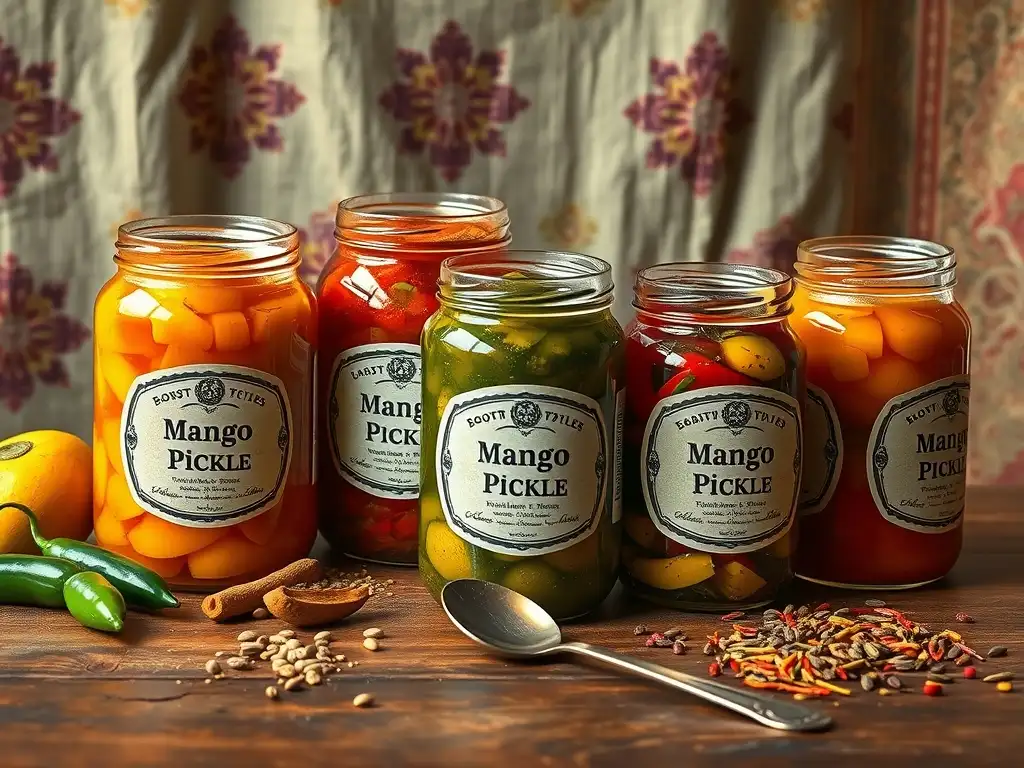
The art of making traditional Indian pickles is a time-honored practice that combines culinary skill, regional ingredients, and cultural significance. As we've explored, each pickle recipe tells a story of its origin, reflecting the diverse flavors and techniques of various Indian communities. Embracing the tradition of Indian pickles not only enhances our culinary repertoire but also connects us to the rich heritage of Indian cuisine.
Incorporating these pickles into our modern meals can elevate everyday dishes, adding a burst of flavor and a touch of authenticity. Whether you're enjoying a simple meal or hosting a lavish feast, serving traditional Indian pickles is a way to honor the past while delighting contemporary palates. As we continue to experiment with these recipes, we keep the tradition alive and ensure that the vibrant world of Indian pickles remains a cherished part of our culinary landscape.
Additional Resources for Exploring Indian Cuisine
To further delve into the rich tapestry of Indian cuisine and master the art of traditional pickle-making, consider exploring these invaluable resources. They offer insights into regional recipes, cooking techniques, and the cultural significance behind various dishes.
Recommended Cookbooks and Online Platforms
- Cookbooks:
- "Indian Pickles and Chutneys" by Priya Wickramasinghe: A comprehensive guide featuring a variety of traditional recipes that span different regions of India.
- "The Art of Indian Pickling" by Neelam Batra: This book combines personal anecdotes with recipes that capture the essence of Indian pickling techniques.
- "Vegetarian India: A Journey Through the Best of Indian Home Cooking" by Madhur Jaffrey: Although focused on vegetarian cuisine, this cookbook includes chapters on pickles and preserves, showcasing their role in Indian meals.
- Online Platforms:
- YouTube: Channels like "Sanjeev Kapoor Khazana" and "Nisha Madhulika" provide visual guides to making various Indian pickles, perfect for visual learners.
- Food Blogs: Websites like "Archana's Kitchen" and "Swasthi's Recipes" offer detailed recipes and tips for perfecting traditional Indian pickles, along with user-friendly instructions.
- Social Media Groups: Join Facebook groups dedicated to Indian cooking; these communities often share recipes, tips, and personal experiences related to pickling.
Where to Find Quality Ingredients for Traditional Indian Pickles
Finding the right ingredients is crucial for making authentic Indian pickles. Here are some reliable sources:
- Local Indian Grocery Stores: These shops typically carry a wide variety of spices, oils, and other essential ingredients used in traditional pickling. Look for stores that specialize in Indian or South Asian foods to ensure quality.
- Online Retailers: Websites like Amazon and specialty Indian grocery online stores offer a vast selection of spices and pickling ingredients. Brands like Deep Foods and Laxmi provide quality products that can be shipped directly to your home.
- Farmers' Markets: For the freshest vegetables and fruits, visit local farmers' markets. Fresh, seasonal produce is the backbone of any good pickle, enhancing flavor and ensuring the best results.
- Spice Shops: Consider visiting a dedicated spice shop where you can find fresh, high-quality spices. Many shops also offer bulk options, allowing you to buy only what you need.
By utilizing these resources, you can successfully embark on your journey to create traditional Indian pickles that will resonate with both your taste buds and your cultural heritage.
As you embark on your journey to explore the world of traditional Indian pickles, we invite you to share your experiences and creations with us! The art of pickling is not just about preserving food; it's a vibrant tradition that connects generations and cultures. Your stories, photos, and tips could inspire others to dive into this flavorful realm.
How to Share Your Adventures
- Social Media: Post pictures of your pickling process or final products on platforms like Instagram or Facebook. Use the hashtag #IndianPickleJourney so we can find and feature your posts!
- Recipe Submissions: Have a family recipe that has been passed down through generations? Share it with us! We are eager to publish unique traditional Indian pickle recipes that celebrate the rich heritage of Indian cuisine.
- Cooking Tips and Techniques: Did you discover a new technique or ingredient that enhanced your pickling? Write a short tip or trick and send it our way. Your insights can help others perfect their pickle-making skills.
Engage with the Community
Join our community of pickle enthusiasts! Engage in discussions, ask questions, and exchange recipes. Whether you’re a seasoned pro or a curious beginner, there’s always something new to learn and share.
- Comment Section: Leave a comment below with your thoughts on the recipes and any variations you’ve tried.
- Pickle Challenges: Participate in our seasonal pickle challenges where you can showcase your creativity and win exciting prizes!
Let's Celebrate Traditional Indian Pickles Together!
The vibrant flavors and diverse techniques of Indian pickling deserve to be celebrated. By sharing your adventures, you not only honor the tradition but also keep it alive for future generations. So grab your jars, spices, and fresh produce, and let’s make some pickles! We can’t wait to see what you create!
- Introduction to Traditional Indian Pickle Recipes
- Essential Ingredients for Traditional Indian Pickle Recipes
- Traditional Indian Pickle Recipes for Modern Palates
- Health Benefits of Traditional Indian Pickles
- Tools and Techniques for Making Traditional Indian Pickles
- Common Mistakes to Avoid When Making Indian Pickles
- Conclusion: Embracing the Tradition of Indian Pickles
- Additional Resources for Exploring Indian Cuisine
- Call to Action: Share Your Pickling Adventures!
Frequently Asked Questions
What are traditional Indian pickles?
Traditional Indian pickles, known as achar, are condiments made from various fruits, vegetables, and spices, often preserved in oil or vinegar. They are a staple in Indian cuisine, enhancing the flavor of meals.
How are Indian pickles made?
Indian pickles are typically made by marinating ingredients in a mixture of salt, spices, and sometimes oil. The process often involves fermentation, which enhances their flavor and shelf life.
What are some popular types of Indian pickles?
Some popular types include mango pickle, lime pickle, and mixed vegetable pickle. Each variety offers a unique taste, often reflecting the regional ingredients and culinary traditions of different areas in India.
Are traditional Indian pickles healthy?
Yes, traditional Indian pickles can be healthy when consumed in moderation. They are often rich in vitamins, antioxidants, and probiotics due to the fermentation process, which can aid in digestion.
How can I incorporate Indian pickles into modern meals?
You can incorporate Indian pickles into modern meals by using them as a condiment for sandwiches, salads, or curries. They can also add a zesty flavor to grilled dishes or be used as a marinade for meats.
Final Reflection: Embracing Tradition in a Modern World
In an era where culinary trends come and go, the art of traditional Indian pickles stands as a testament to the enduring power of heritage and flavor. As we navigate a fast-paced world, the recipes and techniques passed down through generations remind us of our roots and the rich tapestry of culture that shapes our culinary landscape. The revival of interest in traditional Indian pickle recipes not only enriches our palates but also connects us to the stories and traditions of our ancestors, making each bite a journey through time.
The influence of these pickles extends beyond mere taste; they are a symbol of resilience and creativity within the cultural fabric of India. Each jar of homemade pickle is a celebration of family, community, and the vibrant diversity of regional flavors.
The resurgence of traditional recipes in modern kitchens highlights a collective yearning to preserve these culinary treasures. As Mahatma Gandhi once said, “To forget how to dig the earth and to tend the soil is to forget ourselves.” > This sentiment resonates deeply as we embrace the art of pickling, reminding us that in every recipe lies a connection to our identity and heritage.
As you reflect on the importance of traditional Indian pickle recipes, I invite you to explore the flavors and stories that come with each jar. Consider how you can incorporate these time-honored practices into your own cooking, not just as a means of nourishment but as a way to honor the past and inspire future generations.
Let the vibrant colors and bold flavors of Indian pickles serve as a reminder that food is not just sustenance; it is a bridge between cultures, a celebration of life, and an opportunity to create lasting memories. Embrace the art of pickling, and in doing so, enrich your culinary journey and connect with the heart of tradition.
Unleash the Flavors: Dive into the World of Indian Pickles!
Thank you for taking the time to explore the delicious art of Indian pickles with us! We hope you’ve gained valuable insights and inspiration to bring these traditional recipes into your modern kitchen. Now, it's time to take action and elevate your culinary adventure!
- Start your pickling journey today by selecting your favorite recipe and gathering the necessary ingredients.
- Share your pickling creations on social media using #AncientIndianPickles to connect with fellow enthusiasts and inspire others to join the fun!
- Explore local markets for unique spices that can add a twist to your pickling experience, and experiment with flavors beyond the traditional recipes.
What’s your favorite ingredient or spice that you believe would make a unique addition to your homemade pickles? Share your thoughts in the comments below!