
The Role of Religion in Gupta Art: Intertwining Spirituality and Creativity

Welcome to Ancient India History, where we invite you to embark on a fascinating journey through the vibrant tapestry of ancient Indian civilizations. In our featured article, “The Role of Religion in Gupta Art: Intertwining Spirituality and Creativity,” we delve into the profound influence of religion on the artistic expressions of the Gupta Empire. Discover how spirituality shaped creativity and left a lasting legacy that resonates through time.
Prepare to be captivated as you explore the intricate connections between art and faith, and uncover the rich cultural heritage that defines this extraordinary era. Your adventure into the depths of ancient Indian history starts here—let's dive in!
- Introduction to Gupta Art and Religion Influence
- Historical Context of Gupta Art
- Key Features of Gupta Art
- Major Religious Themes in Gupta Art
- Case Studies of Gupta Art and Religion Influence
- The Interplay Between Spirituality and Creativity in Gupta Art
- Conclusion: The Legacy of Gupta Art and Religion Influence
- Frequently Asked Questions
- Final Reflection: The Interwoven Threads of Gupta Art and Religion
- Unveil the Spiritual Inspirations in Gupta Art!
Introduction to Gupta Art and Religion Influence
The Gupta Empire, often referred to as the "Golden Age" of India, stands out for its remarkable achievements in art, science, and culture. Spanning from approximately 320 to 550 CE, this period witnessed a flourishing of creativity, much of which was deeply intertwined with the spiritual and religious practices of the time.
The influence of religion on Gupta art is profound, manifesting in various forms such as sculpture, architecture, and painting. This article delves into the intricate relationship between Gupta art and religious beliefs, exploring how spirituality shaped creative expressions and contributed to the legacy of one of history's most significant civilizations.
Overview of Gupta Empire Art
The art of the Gupta Empire is characterized by its elegance and sophistication, showcasing a unique blend of indigenous styles and influences from other cultures. Key features include:
- Sculpture: Gupta sculptures are renowned for their intricate details and lifelike representations. Notable examples can be found in the Ajanta Caves, where Buddhist figures are depicted with grace and emotion.
- Architecture: The period saw the construction of stunning temples and stupas, which often incorporated elaborate carvings and iconography reflecting Hindu and Buddhist beliefs.
- Painting: Frescoes in the Ajanta Caves illustrate the narrative art of the Gupta period, with vibrant colors and dynamic compositions that convey spiritual themes.
The convergence of artistic skills and religious devotion during this era not only enriched the cultural landscape of ancient India but also laid the foundations for future artistic endeavors.
Importance of Religion in Gupta Society
Religion played a pivotal role in the daily lives of the Gupta people, influencing various aspects of society, including:
- Cultural Identity: The coexistence of Hinduism and Buddhism during the Gupta period fostered a rich tapestry of cultural practices. Temples dedicated to both religions served as centers for community gatherings and artistic expression.
- Patronage: Rulers of the Gupta Empire were known for their patronage of the arts, often commissioning works that reflected their religious beliefs and the divine order they sought to uphold. This led to a surge in artistic output that highlighted religious narratives and iconography.
- Spirituality in Art: Gupta artists imbued their creations with spiritual significance, using symbolism and themes that resonated with the populace. The portrayal of deities, scenes from religious texts, and spiritual motifs not only served aesthetic purposes but also aimed to inspire devotion and moral reflection.
The intricate interplay between religion and art during the Gupta Empire is essential to understanding the cultural legacy of this remarkable period. The influences of Gupta art resonate through centuries, continuing to inspire and inform contemporary interpretations of ancient Indian civilization.
Historical Context of Gupta Art
The Gupta Empire, which flourished from approximately 320 to 550 CE, is often referred to as the "Golden Age" of India. This period is marked by significant advancements in art, science, and culture. The artistic endeavors during this time were heavily influenced by the prevailing religious beliefs, which interwove spirituality with creativity, leading to the development of distinctive styles and iconographies in Gupta art.
The Gupta period saw a resurgence of cultural activity, driven by a stable political environment and the patronage of the ruling class. The emperors of the Gupta dynasty embraced various religions, including Hinduism, Buddhism, and Jainism, which played a crucial role in shaping the artistic landscape of the time. This era witnessed the creation of remarkable sculptures, paintings, and architectural marvels that reflected the rich tapestry of spiritual beliefs and practices.
The Rise of the Gupta Empire
The Gupta Empire emerged after the decline of the Maurya Empire and quickly established itself as a prominent political force in northern India. Under the leadership of Chandragupta I, the empire expanded its territories and consolidated power, paving the way for a flourishing cultural renaissance.
Key factors contributing to the rise of the Gupta Empire include:
- Strategic Marriages: The Gupta rulers often formed alliances through marriages, enhancing their political connections and stability.
- Military Prowess: The empire's military strength allowed it to subdue rival kingdoms and expand its influence across the Indian subcontinent.
- Trade and Economy: The Gupta Empire prospered through trade routes connecting India to Central Asia and the Mediterranean, resulting in increased wealth that funded artistic and cultural projects.
This period marked a significant shift in artistic expression, as artists began to explore themes that combined religious motifs with innovative techniques. Temples were constructed, adorned with intricate carvings and sculptures that depicted deities and mythological stories, showcasing the deep connection between Gupta art and religion.
Religious Landscape During the Gupta Period
The religious landscape of the Gupta Empire was characterized by a remarkable pluralism. Hinduism, Buddhism, and Jainism coexisted, influencing each other's practices and artistic representations. This syncretism is evident in the art and architecture of the time, which often blended elements from these religions.
- Hinduism: The resurgence of Hinduism during the Gupta period is reflected in the art that celebrated various deities such as Vishnu, Shiva, and Devi. Temples dedicated to these gods were constructed with elaborate sculptures that conveyed their divine attributes and stories.
- Iconography: The Gupta artists excelled in creating detailed icons that captured the essence of the deities. For instance, the sculptures of Vishnu often depicted him in various avatars, showcasing his protective and nurturing roles.
- Buddhism: Although Buddhism experienced a decline in some regions, it remained influential, particularly in eastern India. The construction of stupas and monasteries continued, with art that illustrated the life of Buddha and the Jataka tales.
- Artistic Techniques: The use of frescoes in Buddhist caves, such as those found in Ajanta, exemplifies the merging of narrative and spirituality through vibrant colors and intricate details.
- Jainism: Jain art also flourished during this period, with a focus on non-violence and the reverence of Tirthankaras. The depiction of these spiritual teachers in stone and metalwork showcases the meticulous craftsmanship of Gupta artists.
- Symbolism: Jain art often includes symbolic representations, such as the hand with a wheel (symbolizing non-violence), which is intricately carved in temples.
Overall, the interplay between Gupta art and religion influence during the Gupta Empire highlights a period of artistic innovation that was deeply rooted in spirituality. This rich legacy continues to inspire scholars and artists, reflecting the profound impact of religion on cultural expression in ancient India.
Key Features of Gupta Art
Gupta art, flourishing during the Gupta Empire (approximately 320 to 550 CE), is renowned for its remarkable sophistication and a unique blend of religious themes and artistic innovation. This period is often referred to as a golden age of Indian art and culture, primarily due to its detailed craftsmanship, rich iconography, and profound spiritual themes. Central to the understanding of Gupta art is the interplay of various factors, including the artistic techniques employed, the iconographic elements depicted, and the overarching influence of religion on creative expression.
Artistic Techniques and Materials
Gupta art is characterized by its exquisite craftsmanship and the employment of diverse artistic techniques. The artisans of this era utilized a variety of materials, including stone, metal, and clay, to create remarkable sculptures, frescoes, and intricate carvings. Notable features of Gupta artistic techniques include:
- Sculpture: Gupta sculptors excelled in carving stone, particularly sandstone, into intricate figures. The use of smooth, polished finishes created lifelike representations of deities and humans.
- Bronze Casting: The Gupta period saw advancements in metalwork, particularly in bronze casting. Artisans created stunning statues of deities, notable for their detailed features and elegant postures, using the lost-wax casting technique.
- Fresco Painting: Wall paintings adorned numerous temples and caves, showcasing scenes from mythology and daily life. The use of vibrant mineral-based pigments contributed to the luminosity and durability of these artworks.
- Relief Work: Gupta artists often employed high and low relief techniques to create dynamic compositions that conveyed movement and emotion, enhancing the narrative quality of the artworks.
These techniques not only reflect the artistic prowess of the era but also signify the cultural and religious values that influenced their creation.
Iconography in Gupta Art
Iconography plays a pivotal role in Gupta art, serving as a visual language that conveys deep spiritual and cultural meanings. The iconographic elements of Gupta art can be categorized into several significant themes:
- Buddhist Imagery: Many artworks depict scenes from the life of Buddha, including his birth, enlightenment, and teachings. The Bodhisattvas are often portrayed with elaborate attire and serene expressions, symbolizing compassion and wisdom.
- Hindu Deities: The pantheon of Hindu gods and goddesses is richly represented in Gupta art. Figures such as Vishnu, Shiva, and Durga are often depicted with intricate details, showcasing their attributes and symbolic significance.
- Mythological Narratives: Gupta artists frequently illustrated stories from epics like the Ramayana and Mahabharata, capturing the heroic deeds of characters and the moral lessons embedded in these narratives.
- Symbolic Motifs: Common motifs, such as lotus flowers, swastikas, and geometric patterns, are prevalent in Gupta art. These symbols often represent purity, auspiciousness, and the cyclical nature of life.
The iconography of Gupta art not only serves religious purposes but also reflects the socio-political context of the time, highlighting the interconnections between art, culture, and spirituality.
The Influence of Religion on Artistic Expression
Religion was a central pillar in the artistic endeavors of the Gupta period, profoundly shaping the themes and styles of the artworks produced. The influence of religion on Gupta art can be elucidated through several key aspects:
- Patronage: The Gupta rulers were known for their patronage of art, particularly in religious contexts. Temples and monasteries were constructed, serving as centers for artistic expression and spiritual practice. This support facilitated the creation of numerous artworks dedicated to various deities.
- Spiritual Themes: The dominant religions of the time, namely Hinduism and Buddhism, were not just subjects of artistic representation but also sources of inspiration. The artists aimed to evoke a sense of spirituality and transcendence in their works, aligning with the religious sentiments of the people.
- Integration of Beliefs: Gupta art reflects a synthesis of different religious beliefs, as seen in the harmonious coexistence of Buddhist and Hindu themes. This integration signifies the pluralistic nature of Indian society during the Gupta period, where multiple faiths thrived side by side.
- Symbolism and Meaning: Artistic expressions were imbued with religious symbolism, which conveyed deeper meanings and values. For instance, the depiction of divine figures with specific attributes often carried moral implications, guiding viewers toward spiritual understanding.
The intricate relationship between Gupta art and religion is evident in the techniques, iconography, and overall artistic expression of the time. The synthesis of creativity and spirituality not only defines Gupta art but also serves as a testament to the rich cultural heritage of ancient Indian civilizations.
Major Religious Themes in Gupta Art
The Gupta period, often referred to as the Golden Age of India, saw a remarkable flourishing of art and culture deeply intertwined with religion. This era witnessed a synthesis of spirituality and creativity, as religious beliefs significantly shaped artistic expressions. The major religious themes in Gupta art reflect the profound influence of Hinduism, Buddhism, and Jainism, each contributing uniquely to the artistic landscape of the time.
Hinduism and Its Representation in Gupta Art
Hinduism played a pivotal role in shaping Gupta art, with numerous sculptures and temple architectures showcasing the religion's rich mythology and iconography.
- Iconography: The depiction of deities such as Vishnu, Shiva, and Devi became increasingly sophisticated. Artists focused on intricate details, portraying divine attributes and symbols. For instance, the Vishnu image at Deogarh, dating back to the 5th century CE, illustrates Vishnu reclining on the serpent Ananta, surrounded by celestial beings, serving as a prime example of divine representation.
- Temple Architecture: The Gupta period also saw the construction of significant temples, like the Dashavatara Temple in Deogarh. The temple's architectural style, featuring intricate carvings and reliefs, reflects the devotion and artistic skill of the time. The sanctum often housed a centrally placed idol, inviting worshippers to connect spiritually.
- Narrative Reliefs: Many artworks from this period include narrative reliefs that depict scenes from Hindu epics such as the Ramayana and Mahabharata. These stories were not just artistic expressions but also served as moral and spiritual lessons for the community.
In essence, Gupta art under Hinduism was characterized by a blend of aesthetic beauty and spiritual depth, creating a visual language that conveyed religious narratives and values.
Buddhism's Impact on Gupta Artistic Traditions
Buddhism continued to flourish during the Gupta period, and its influence on art is both profound and multifaceted.
- Stupas and Monasteries: The construction of stupas and monasteries, such as the Sarnath Stupa, reflects the importance of Buddhist architecture. These structures often featured intricate carvings that depicted the life of Buddha, the Jataka tales, and various Bodhisattvas, showcasing the artistic innovation of the time.
- Sculptural Representations: The period is marked by the emergence of exquisite sculptures, particularly of the Buddha. The Buddha statue from Sarnath, with its serene expression and detailed drapery, exemplifies the ideal of spiritual calmness and enlightenment. The use of soft lines and harmonious proportions became defining features of Gupta Buddhist art.
- Influence on Iconography: The Gupta period saw a shift in Buddhist iconography, with an increasing emphasis on the Bodhisattvas such as Avalokiteshvara and Maitreya. This change reflected the evolving nature of Buddhism, where the emphasis on compassion and salvation became prominent.
The influence of Buddhism on Gupta art not only enriched the artistic expressions of the time but also contributed to the spread of Buddhist teachings, making art a medium for spiritual enlightenment.
Jainism and Its Artistic Contributions
Jainism, while less dominant than Hinduism and Buddhism during the Gupta period, still made significant artistic contributions that reflect its unique spiritual values.
- Iconography of Tirthankaras: The depiction of Tirthankaras (spiritual teachers) in art served as a central theme. The intricate carvings of Tirthankara images, such as Rishabhanatha (the first Tirthankara), highlight aspects of non-violence, truth, and asceticism that are fundamental to Jain philosophy.
- Temples and Sculptural Elements: Jain temples, like the Shatrunjaya Temple complex, are renowned for their elaborate carvings and sculptures. Each temple features detailed representations of Tirthankaras, celestial beings, and intricate floral designs, showcasing the high level of craftsmanship and devotion in Jain art.
- Narrative and Symbolic Art: Jain art often includes narrative reliefs that depict stories from their scriptures, conveying moral lessons and spiritual teachings. The use of symbolism is prominent, with motifs like the hand with a wheel (representing right conduct) often featured in sculptures.
Jainism's artistic contributions during the Gupta period emphasize the importance of spiritual purity and ethical living, enriching the overall tapestry of religious art in ancient India.
The Gupta era's artistic landscape is a testament to the profound influence of religion, with Hinduism, Buddhism, and Jainism each contributing distinct themes and styles that continue to resonate in the study of ancient Indian art.
Case Studies of Gupta Art and Religion Influence
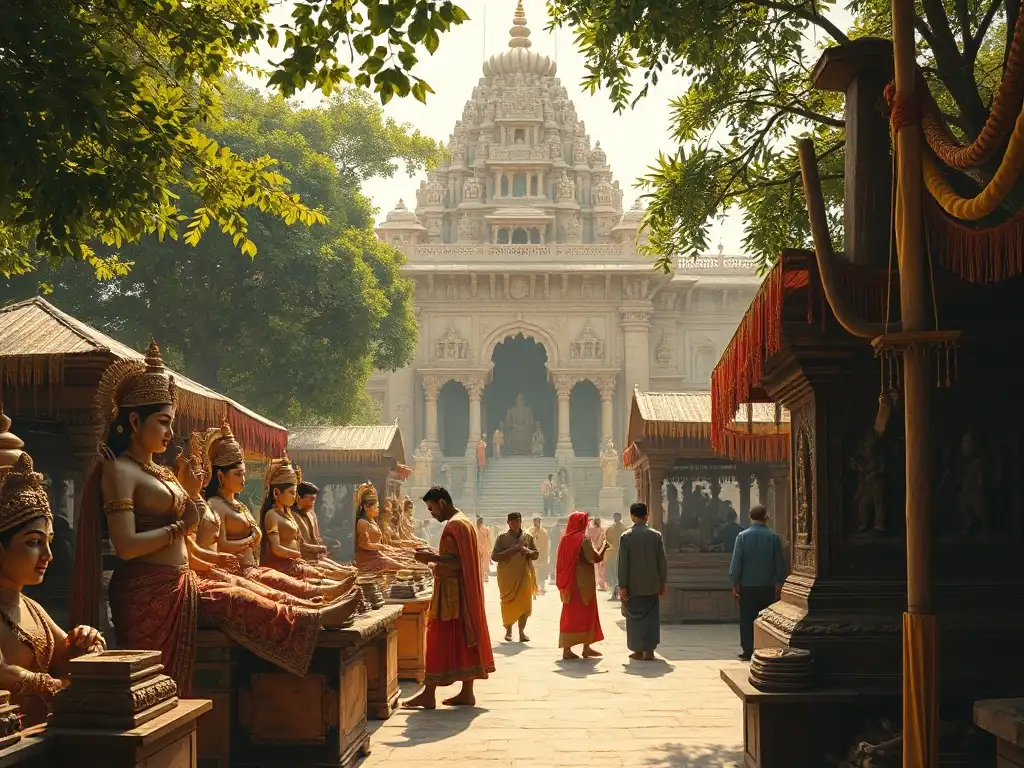
The Gupta Empire (approximately 320-550 CE) is often heralded as the Golden Age of India, particularly in the realms of art and culture. The interplay between religion and artistic expression during this period is a significant area of study, revealing how spirituality not only inspired creativity but also shaped the cultural landscape of ancient India. This section delves into specific case studies that illustrate the profound influence of religion on Gupta art.
Temples as Artistic Expressions of Faith
Temples during the Gupta period served not only as places of worship but also as magnificent artistic endeavors that encapsulated the spiritual and cultural ethos of the time. The architectural designs of these temples were heavily influenced by Hinduism and Buddhism, with intricate carvings and sculptures that depict deities, mythological scenes, and religious symbolism.
Key Features of Gupta Temples:
- Shikhara Structure: The rising tower above the sanctum, known as the shikhara, became a hallmark of Gupta temple architecture, symbolizing the mountain of Meru, a sacred mountain in Hindu cosmology.
- Bas Reliefs and Carvings: Temples featured extensive bas reliefs and carvings that told stories from Hindu epics like the Mahabharata and Ramayana, as well as Buddhist narratives, thereby serving as visual storytelling mediums.
- Sacred Geometry: The layout and design of these temples often followed sacred geometric principles, reflecting the cosmic order and the divine.
One prime example is the Dashavatara Temple in Deogarh, which showcases exquisite carvings of Vishnu in various avatars, illustrating the deep-rooted connection between spirituality and artistry.
Sculpture and Relief Work: Religious Narratives
Sculpture during the Gupta period was characterized by its finesse and intricate detailing, often serving as a reflection of the religious narratives that dominated the era. The Gupta sculptors were adept at creating lifelike forms that conveyed both emotion and divinity.
Notable Aspects of Gupta Sculpture:
- Buddhist Influence: The influence of Buddhism led to the creation of many sculptures of the Buddha, depicted in various mudras (hand gestures) that convey different spiritual messages.
- Divine Iconography: Hindu deities such as Shiva, Vishnu, and Durga were prominently represented, with sculptures emphasizing their divine attributes and narratives, which served both decorative and educational purposes.
- Narrative Reliefs: Relief work often depicted scenes from religious texts, allowing devotees to engage with the narratives visually. For instance, the reliefs at the Ajanta Caves present captivating stories from the Jataka tales, illustrating the past lives of the Buddha.
These sculptures not only adorned temples but also played a crucial role in religious practices, elevating the spiritual experience of worshippers.
Paintings and Frescoes: Spirituality Captured on Walls
The Gupta Empire is also renowned for its exquisite paintings and frescoes, particularly those found in cave complexes such as Ajanta and Ellora. These artworks transcended mere decoration, embodying the spiritual essence of the time.
Characteristics of Gupta Paintings:
- Vibrant Colors and Detailing: The use of natural pigments resulted in vibrant colors that have remarkably survived the test of time. Detailed brushwork captured the essence of divine figures and serene landscapes.
- Thematic Focus: Many paintings centered around religious themes, portraying scenes from Hindu epics and Buddhist teachings. For instance, the Cave 1 at Ajanta features a stunning depiction of the Buddha preaching to his disciples, a powerful representation of the spread of religious teachings.
- Symbolism: Colors and forms were often imbued with symbolic meanings; for example, the use of blue for Krishna denoted his divine nature.
The frescoes not only adorned the walls of sacred spaces but also served as a medium for spiritual instruction, allowing individuals to connect with the divine through visual storytelling.
The Gupta Empire's art was profoundly influenced by religion, with temples, sculptures, and paintings all serving as reflections of the spiritual beliefs and practices of the time. Each artistic expression was interwoven with religious narratives, enhancing the cultural richness of ancient India.
The Interplay Between Spirituality and Creativity in Gupta Art
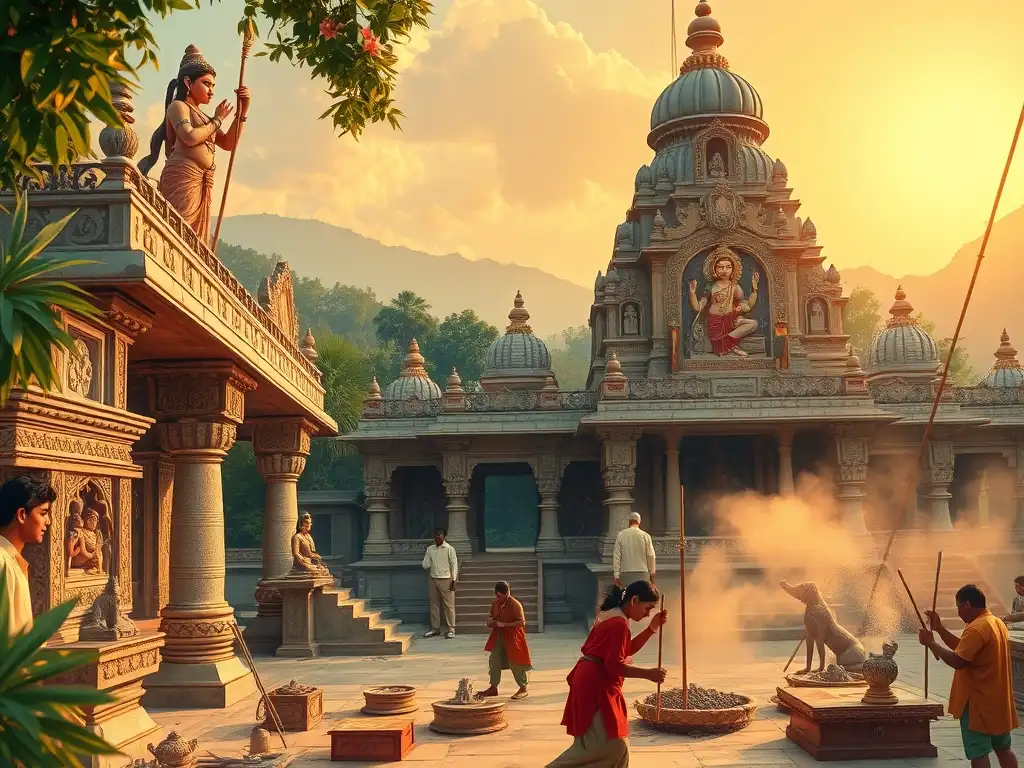
The Gupta Empire (approximately 320 to 550 CE) is often heralded as a golden age of Indian culture, particularly in the realms of art and religion. During this period, the interplay between spirituality and creativity became a defining feature of Gupta art, leading to a flourishing of artistic expression deeply intertwined with religious themes.
Gupta artists were heavily influenced by the prevailing religious sentiments of the time, primarily Hinduism and Buddhism. This dual religious influence manifested in various forms of art, including sculpture, painting, and architecture. Temples and monasteries became significant centers of artistic production, where artisans crafted intricate carvings and frescoes that narrated sacred stories and depicted deities.
The concept of Darshan, or the act of seeing and being seen by the divine, played a crucial role in shaping the aesthetics of Gupta art. Artists sought to create works that not only represented religious figures but also invited the viewer into a spiritual experience. The emphasis on proportion, symmetry, and a sense of divine presence reflects an understanding of how art could elevate the soul and foster a deeper connection with the divine.
How Religion Shaped Artistic Styles and Techniques
Religious themes were pivotal in determining the styles and techniques employed in Gupta art. Artists adopted various stylistic elements that reflected the doctrines and narratives of Hindu and Buddhist beliefs.
- Iconography: The depiction of deities was essential, and artists followed specific iconographic conventions to ensure that the representations were both recognizable and spiritually significant. For instance, the images of Vishnu and Shiva were characterized by distinct attributes that conveyed their divine powers.
- Material and Technique: The choice of materials, such as sandstone and terracotta, along with techniques like chisel carving and stucco modeling, allowed for intricate detailing. The use of vibrant colors in frescoes was also significant, as it brought life to religious narratives, enhancing the overall visual impact.
- Symbolism: Many artworks incorporated symbolic elements that conveyed deeper religious meanings. For example, the lotus flower often symbolized purity and spiritual awakening in both Hindu and Buddhist contexts.
- Narrative Art: Storytelling through art became prevalent, with sculptures and wall paintings depicting scenes from religious texts such as the Ramayana and Mahabharata. This narrative technique not only served a decorative purpose but also acted as a didactic tool for the faithful.
Through these artistic styles and techniques, Gupta art became a medium for spiritual expression, reflecting the rich tapestry of religious beliefs prevalent in society.
The Role of Patronage in Religious Art
Patronage played a vital role in the development of Gupta art, particularly in the context of religious art. The Gupta rulers, known for their devotion to Hinduism and Buddhism, actively supported the creation of temples and monasteries, which in turn fostered artistic innovation.
- Royal Patronage: The Gupta emperors, such as Chandragupta II, were instrumental in commissioning large-scale projects that showcased the empire's religious devotion. Temples like the Dashavatara Temple at Deogarh exemplify this patronage, featuring exquisite carvings and sculptures that reflect both religious fervor and artistic excellence.
- Monastic Support: Buddhist monasteries received patronage from wealthy merchants and nobles, further promoting the creation of religious art. The Ajanta Caves, adorned with stunning frescoes and sculptures, were funded by donations, showcasing the community's collective effort in supporting the arts.
- Cultural Exchange: The Gupta Empire was a melting pot of cultures, which allowed for the exchange of artistic ideas. Artists who traveled for trade or pilgrimage brought new influences, enriching the local artistic vocabulary and contributing to the unique style characteristic of Gupta art.
- Art as a Spiritual Offering: The act of creating art was often seen as a form of worship. Artisans viewed their work as a way to honor the divine, and this intrinsic motivation led to a high level of craftsmanship and creativity that defined the era.
The confluence of religion and artistic expression during the Gupta Empire not only shaped the visual landscape of ancient India but also established a legacy that would influence subsequent generations. The profound relationship between Gupta art and religion influence continues to inspire scholars and art enthusiasts, revealing the enduring power of spirituality in the creative process.
Conclusion: The Legacy of Gupta Art and Religion Influence
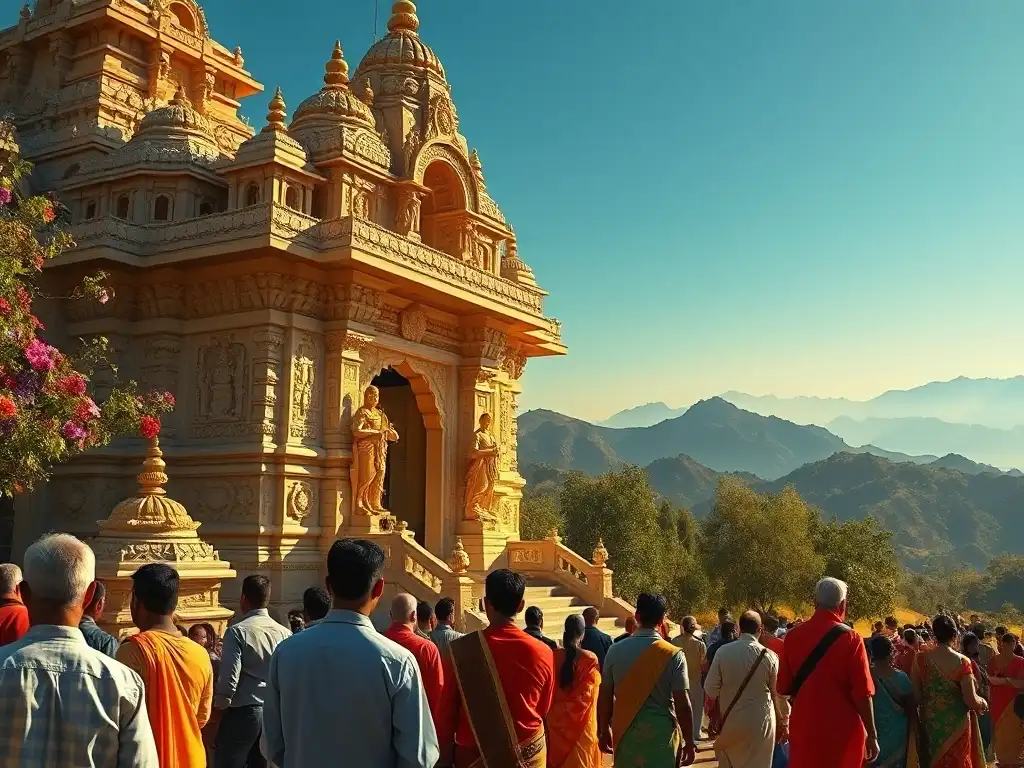
The Gupta Empire (circa 320 to 550 CE) is often regarded as a golden age of Indian history, particularly in terms of art and culture. One of the most remarkable aspects of this era is the profound influence of religion on Gupta art. This intricate relationship between Gupta art and religion influence not only shaped the artistic expressions of the time but also left a lasting legacy that continues to resonate in Indian culture today.
Lasting Impact on Indian Art and Culture
The art produced during the Gupta period exemplifies a unique synthesis of religious themes and artistic innovation. Temples, sculptures, and paintings from this era reflect a deep reverence for Hinduism, Buddhism, and Jainism, showcasing how religious beliefs were integral to the creative process. The following points highlight the enduring impact of Gupta art influenced by religion:
- Architectural Masterpieces: The construction of temples during the Gupta period, such as the famous Vishnu Temple in Deogarh, demonstrates extraordinary craftsmanship. These temples not only served as places of worship but also as cultural hubs that fostered community and artistic expression.
- Sculptural Excellence: Gupta sculptures, characterized by their grace and intricate detailing, often depict deities and mythological narratives. The iconic Buddha statues and Hindu deities carved during this period reflect an understanding of human emotion and spirituality that was unprecedented.
- Motifs and Symbolism: The use of various motifs—floral patterns, geometric designs, and symbolic representations—was prevalent in Gupta art. These elements were imbued with religious significance, enhancing the viewer’s spiritual experience and connection to the divine.
- Influence Beyond Borders: The Gupta Empire's artistic achievements influenced not just India but extended to Southeast Asia, where Indian art forms merged with local traditions, leading to a rich tapestry of cultural exchange. Temples in places like Cambodia and Indonesia showcase this cross-cultural influence.
Reflections on the Interconnection of Spirituality and Creativity
The interconnection between spirituality and creativity during the Gupta period can be observed through various artistic forms. The following reflections highlight how religion served as a catalyst for artistic expression:
- Inspiration from Sacred Texts: Many artworks were inspired by sacred Hindu texts like the Mahabharata and Ramayana, as well as Buddhist scriptures. Artists infused their work with narratives and teachings that conveyed spiritual wisdom, making art a medium for storytelling and religious instruction.
- Ritualistic Significance: Art in the Gupta period often served ritualistic purposes. Murals and sculptures were not merely decorative; they were integral to worship practices, enhancing the spiritual ambiance of temples and influencing the devotees' experiences.
- Philosophical Underpinnings: Gupta art often reflected the philosophical ideas prevalent at the time, such as Vedanta and Buddhism’s concept of enlightenment. This philosophical depth added layers of meaning to the artwork, making it a profound exploration of existence and the divine.
- A Harmonious Blend: The Gupta period is characterized by a harmonious blend of various artistic styles and religious themes. This amalgamation led to a distinctive artistic identity that celebrated both individual creativity and collective spirituality.
The Gupta art and religion influence is a testament to the vibrant cultural landscape of ancient India, where spirituality and creativity coalesced to produce some of the most remarkable artistic achievements in history. The legacy of Gupta art continues to inspire contemporary artists and serves as a reminder of the rich spiritual heritage that shapes India's cultural identity.
Frequently Asked Questions
What is Gupta art?
Gupta art refers to the artistic style that flourished during the Gupta Empire (approximately 320-550 CE), characterized by its realism, elegance, and spiritual themes that reflected the period's rich cultural and religious diversity.
How did religion influence Gupta art?
Religion played a crucial role in Gupta art, as it often depicted Hindu deities, Buddhist figures, and Jain symbols, intertwining spiritual beliefs with creative expression to convey deep philosophical and moral messages.
What are some key features of Gupta art?
Key features include intricate sculptures, vivid frescoes, and detailed carvings that showcase a blend of naturalism and symbolism, highlighting the divine and mythological aspects of life during the Gupta period.
Why is Gupta art significant in historical studies?
Gupta art is significant as it provides insights into the cultural and religious practices of ancient India, reflecting the societal values, artistic innovations, and interactions between different faiths during this pivotal time in history.
How does Gupta art impact modern art?
The influence of Gupta art can be seen in modern art through its depictions of spirituality, use of symbolism, and the integration of cultural themes, inspiring contemporary artists to explore religion and identity in their works.
Final Reflection: The Interwoven Threads of Gupta Art and Religion
The exploration of Gupta art reveals a profound connection between creativity and spirituality that remains relevant today. As we navigate a world increasingly marked by secularism and individualism, the enduring influence of religion on artistic expression reminds us of the power of belief systems to shape culture and identity. The legacy of Gupta art serves as a testament to how spirituality can inspire creativity, resulting in works that transcend time and continue to resonate with contemporary audiences.
The impact of Gupta art is not confined to its historical context; rather, it continues to influence modern artistic practices and cultural expressions. The intricate sculptures and vibrant murals of the Gupta period invite us to reflect on the spiritual narratives that inform our own creative endeavors. As we witness the revival of interest in traditional art forms, we can draw parallels to the Gupta era, where religion and art coalesced to create a rich tapestry of meaning. Art is the most beautiful of all lies.
This quote encapsulates the essence of how art, much like religion, can convey deeper truths and evoke profound emotions, bridging the gap between the sacred and the aesthetic.
As you reflect on the insights presented in this article, consider how the themes of spirituality and creativity manifest in your own life. How can you draw inspiration from the Gupta tradition to enrich your personal or artistic journey? Embrace the idea that your beliefs and values can serve as a wellspring of creativity, encouraging you to explore new avenues of expression. Let the legacy of Gupta art inspire you to intertwine your own spiritual experiences with your creative pursuits, fostering a deeper connection to both your art and your beliefs.
Unveil the Spiritual Inspirations in Gupta Art!
Thank you for diving into the fascinating world of Gupta art and its rich spiritual connections. You’ve explored how religion shaped creativity during this remarkable period—now it’s time to take that inspiration further!
Here's how you can connect deeper with the artistic heritage of Ancient India:
- Visit local museums or take virtual tours that showcase artifacts from the Gupta era to experience the art firsthand.
- Engage in online forums or social media groups focused on ancient Indian art, where you can share your insights and questions with fellow enthusiasts.
- Create your own art piece inspired by the aesthetics of Gupta art—be it a painting, sculpture, or poem. Share it with friends or on social media to ignite meaningful discussions!
What aspects of spirituality in Gupta art resonate with you, and how might they inspire your own creative expressions?