
The Mystery of the Indus Valley Figurines: What Do They Represent?

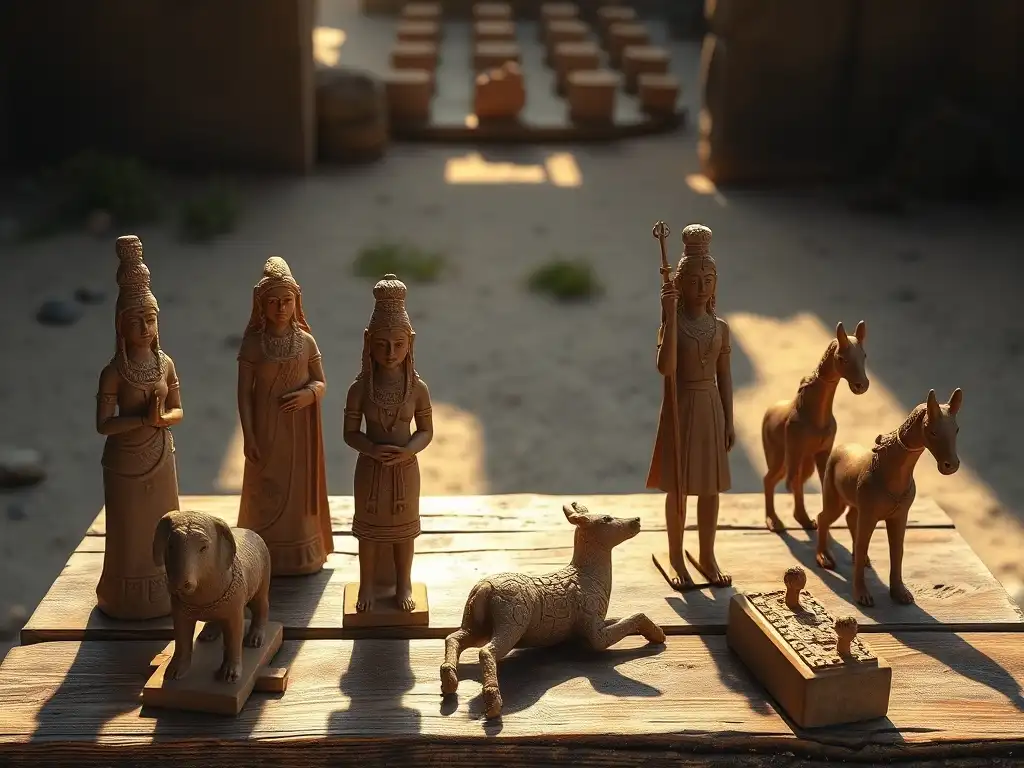
Welcome to Ancient India History, where we embark on a fascinating journey through the rich tapestry of India’s ancient past. Dive into the enigma of the Indus Valley civilization figurines as we unravel their significance and the stories they tell about a civilization that thrived thousands of years ago. What secrets do these intricate artifacts hold? Join us as we explore the cultural and historical context that shaped one of the world's earliest urban societies. Prepare to be captivated and inspired—your adventure into the mysteries of ancient India begins here!
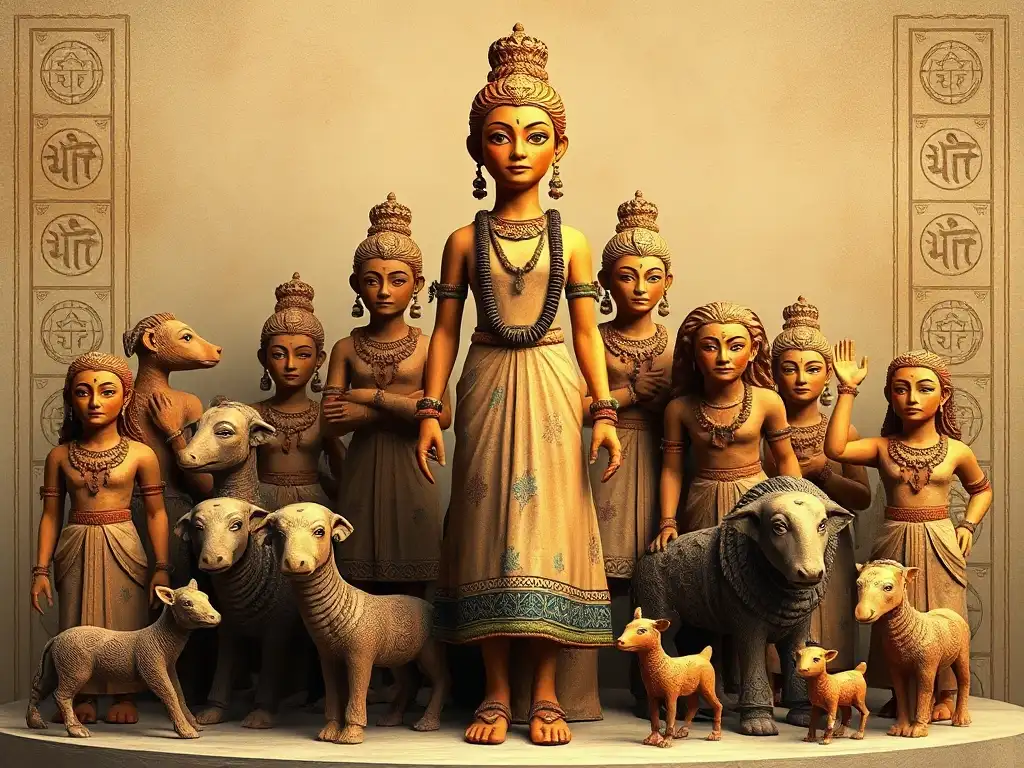
The Indus Valley civilization, one of the earliest urban cultures in the world, thrived in the northwestern regions of South Asia from approximately 3300 to 1300 BCE. Known for its advanced urban planning, architecture, and rich artistic expressions, this ancient civilization left behind a treasure trove of artifacts, among which the figurines stand out as particularly intriguing.
These small sculptures, made from various materials, carry significant implications for understanding the socio-cultural, religious, and economic aspects of the Indus Valley people. As we delve into the mystery of the Indus Valley civilization figurines, we will explore their characteristics, symbolism, and the insights they provide into a long-lost world.
Introduction to Indus Valley Civilization Figurines
Overview of the Indus Valley Civilization
The Indus Valley civilization, also known as the Harappan civilization, flourished along the banks of the Indus River and its tributaries. This civilization is noted for its remarkable urban centers such as Harappa and Mohenjo-Daro, characterized by their sophisticated drainage systems, grid-patterned streets, and advanced architecture. The inhabitants of this civilization engaged in agriculture, trade, and craft production, leading to a vibrant economy and cultural exchange.
The figurines discovered at various archaeological sites provide a window into the daily lives, beliefs, and artistic endeavors of the Indus Valley people. Made primarily from terracotta, but also from stone and metal, these small sculptures often depict human figures, animals, and mythological beings, suggesting a complex relationship with their environment and spiritual world.
Significance of Artifacts in Understanding Ancient Cultures
Artifacts from ancient cultures serve as vital clues in piecing together historical narratives. They help archaeologists and historians understand not only the technological advancements of a civilization but also its cultural values, social structures, and religious practices. The Indus Valley civilization figurines are no exception; they offer insights into the artistic expression and symbolic thought prevalent among its people.
By studying the context in which these figurines were found—such as domestic spaces, burial sites, or marketplaces—researchers can infer their potential uses and meanings. Whether serving as toys, religious icons, or status symbols, the figurines reveal much about the priorities and beliefs of the Indus Valley society.
Characteristics of Indus Valley Civilization Figurines
Materials Used in Figurine Creation
The figurines of the Indus Valley civilization were crafted using a variety of materials, reflecting both practicality and artistry. The most common materials include:
- Terracotta: The most prevalent medium, terracotta figurines are often found in large quantities at archaeological sites. They were relatively easy to mold and bake, making them accessible to artisans.
- Stone: Some figurines were carved from soft stones such as limestone, which allowed for intricate detailing. These stone figurines often represent more significant cultural or religious figures.
- Metal: Although rare, metal figurines made from bronze or copper have been discovered, indicating advanced metallurgy skills and possibly signifying their importance.
These materials not only highlight the technological capabilities of the Indus Valley craftsmen but also the potential trade networks that may have facilitated the exchange of goods.
Common Themes and Designs in Figurines
The themes depicted in the Indus Valley civilization figurines often reflect the culture's values and beliefs. Common designs include:
- Human Figures: Many figurines depict male and female forms, often adorned with elaborate clothing and jewelry, which may suggest a focus on social status or ritualistic practices.
- Animal Representations: Animals such as bulls, elephants, and monkeys are frequently portrayed, hinting at their significance in daily life, agriculture, and possibly religious symbolism.
- Mythological Creatures: Some figurines depict hybrid beings or mythological creatures, indicating a rich tapestry of folklore and spiritual beliefs.
These themes provide clues about the societal structure, religious practices, and the daily lives of the Indus Valley civilization's inhabitants.
Size and Scale of Figurines: What It Tells Us About Their Use
The size of Indus Valley civilization figurines varies widely, ranging from a few centimeters to larger pieces measuring over half a meter. This diversity in scale might suggest different functions:
- Small Figurines: Often found in domestic settings, these smaller pieces may have served as toys for children or as personal talismans for adults.
- Larger Figurines: Typically unearthed in ceremonial or burial contexts, these larger pieces could represent deities, ancestors, or significant cultural symbols.
Understanding the size and scale of these figurines helps archaeologists deduce their intended use and the cultural practices surrounding them, providing a deeper insight into the lives of the people who created them.
Cultural Context of Indus Valley Figurines
The figurines of the Indus Valley civilization are not merely artistic expressions but are deeply embedded within the cultural context of the society that produced them. Emerging around 2500 BCE, the Indus Valley civilization thrived in a region that is now modern-day Pakistan and northwest India. The figurines reflect the daily lives, societal norms, and beliefs of the people during this era.
Crafted primarily from terracotta, these small representations served various purposes, from domestic decor to potential religious artifacts. The diverse forms and styles found at sites like Mohenjo-Daro and Harappa suggest a complex society with varied roles for these items. The presence of figurines in residential and public spaces hints at their importance in both private and communal life, indicating a shared cultural narrative and aesthetic sensibility.
Moreover, the figurines are often linked to the broader themes of fertility, motherhood, and the natural world, suggesting that they were integral to the spiritual and social practices of the time. Understanding the cultural context of these figurines allows us to appreciate the sophistication of the Indus Valley civilization and its contributions to ancient art and culture.
Role of Figurines in Indus Valley Society
Figurines played a multifaceted role in the society of the Indus Valley civilization, serving both practical and symbolic functions. These objects were likely used in domestic settings, possibly as toys for children or as representations of deities and ancestors. Their prevalence in household artifacts indicates that they were part of everyday life, helping to foster familial and communal bonds.
Additionally, the figurines may have served as status symbols, reflecting the social hierarchy within the community. Certain figures, especially those depicting elite individuals or adorned with intricate designs, suggest the existence of a class system where wealth and power could be visually represented through art.
The role of figurines also extends to the economic realm, as their production would have required specialized craftsmanship, indicating a division of labor and trade networks within the civilization. This intricate interplay between art, society, and economy highlights the importance of figurines as more than just artistic creations; they are vital to understanding the societal structure of the Indus Valley civilization.
Religious and Ritual Significance of Figurines
The religious and ritual significance of Indus Valley figurines is a topic of considerable interest among archaeologists and historians. Many scholars believe that these artifacts were integral to various religious practices, possibly serving as offerings or ritual objects in ceremonies aimed at fertility, prosperity, and protection.
For instance, several female figurines with exaggerated features, often referred to as "Mother Goddesses," may indicate a focus on fertility cults. These representations suggest a reverence for femininity and the role of women in both societal and religious contexts. The emphasis on reproductive attributes in these figurines points towards a belief system that celebrated the life-giving aspects of nature.
Moreover, the presence of animal figurines, such as bulls and elephants, may denote totemic or ritualistic significance, possibly representing deities or spiritual protectors. The use of figurines in burial sites suggests that they were also thought to accompany the deceased in the afterlife, reinforcing their spiritual importance within the Indus Valley civilization.
Symbolism in Indus Valley Art: A Deeper Look
The symbolism embedded in Indus Valley art, including its figurines, offers a profound insight into the civilization's values and beliefs. Many of the figurines possess distinct features that may symbolize various aspects of life and spirituality. For example, the prominence of female figures often points to fertility and motherhood, reflecting the civilization’s reverence for these qualities.
Animal figurines also play a significant symbolic role, with different species representing varying attributes. For instance, the bull is often associated with strength and agricultural fertility, indicating its importance in the agrarian lifestyle of the Indus people. The recurring motifs and themes found within these figurines suggest a rich tapestry of cultural narratives and mythologies that were central to community identity.
Additionally, certain symbols, such as geometric patterns and stylized representations, might indicate a shared language of art that transcended individual communities within the Indus Valley. This interconnectedness of symbolism in art not only enhances our understanding of Indus Valley civilization but also highlights the sophistication of their cultural expressions.
Types of Indus Valley Civilization Figurines
The diversity of figurines from the Indus Valley civilization showcases the artistic ingenuity and cultural complexity of this ancient society. These artifacts can be categorized into several types, each revealing unique insights into the civilization's values and practices.
Human Figurines: Forms and Features
Human figurines from the Indus Valley civilization exhibit a range of forms and artistic styles. Many of these figures are characterized by their stylized features, often portraying women with elaborate hairstyles, jewelry, and clothing. The prominent use of exaggerated forms in female figurines suggests a cultural emphasis on femininity and fertility.
In contrast, male figurines tend to be less common, and when they do appear, they often depict figures in a more simplified manner. The variations in size and detail among human figurines may indicate different roles or statuses within society, suggesting that these artifacts were not only artistic expressions but also social commentaries.
Some figurines, particularly those with movable limbs or articulated joints, may have served as toys for children, while others could have been used in rituals or as forms of ancestor worship. This diversity of human figurines reflects the complexity of social roles and cultural practices in the Indus Valley civilization.
Animal Figurines: Symbolism and Importance
Animal figurines are another significant aspect of the Indus Valley civilization's artistic repertoire. These figurines often depict domesticated animals, such as cattle, goats, and dogs, as well as wild animals like elephants and tigers. Each of these creatures carries its own symbolic meaning, reflecting the civilization's relationship with nature and the importance of animals in their daily lives.
The prominence of cattle figurines, for instance, signifies the agricultural foundation of the society, highlighting the importance of livestock for sustenance and trade. Similarly, the depiction of animals in ritual contexts suggests their potential role in spiritual practices, possibly as offerings to deities or representations of protective spirits.
The intricate craftsmanship displayed in animal figurines, often featuring detailed expressions and postures, indicates a high level of artistic skill and cultural appreciation for the natural world. This focus on animal representations underscores the interconnectedness of human life and nature within the Indus Valley civilization.
Terracotta vs. Stone Figurines: Differences and Similarities
The Indus Valley civilization produced figurines from various materials, with terracotta and stone being the most common. Each material offers unique qualities that influence the figurines' forms, purposes, and cultural significance.
Terracotta figurines are characterized by their lightweight and malleable nature, allowing for detailed craftsmanship and varied forms. They were often produced in large quantities and are typically associated with domestic settings. The ease of production and accessibility of clay made terracotta a favored medium for creating both decorative and functional objects.
In contrast, stone figurines, made from materials such as steatite or limestone, tend to exhibit greater durability and are often more intricately carved. These figurines may have been used in more formal or ritualistic contexts, reflecting a different level of investment and intention behind their creation. The scarcity of stone compared to clay may also indicate that stone figurines were crafted for special occasions or as status symbols.
Despite these differences, both terracotta and stone figurines share common themes, such as the representation of human and animal forms, and often embody similar cultural and symbolic meanings. The coexistence of these two mediums within the Indus Valley civilization highlights the diversity of artistic expression and the complexity of their cultural heritage.
Theories about the Meaning of Indus Valley Figurines
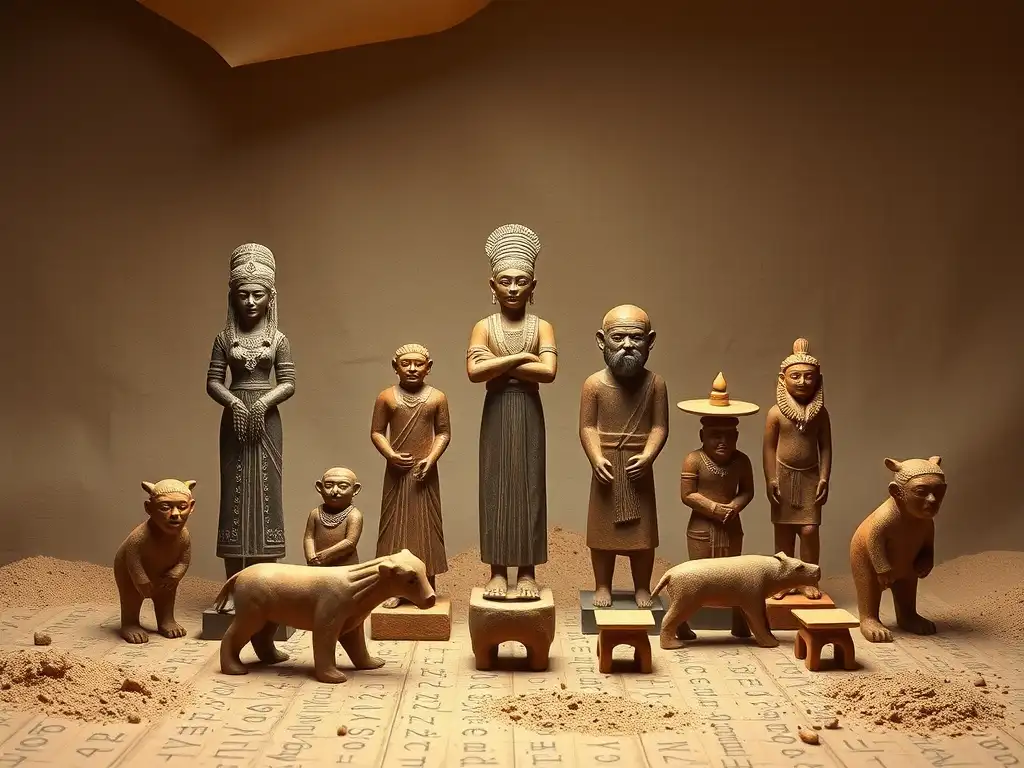
The Indus Valley civilization, one of the world's earliest urban cultures, has left behind numerous artifacts, among which figurines stand out for their enigmatic designs and potential meanings. Scholars have proposed various theories regarding the significance of these figurines, ranging from religious representations to everyday objects. The diversity in form—ranging from animals to humans—indicates that these artifacts might serve multiple purposes, reflecting the complexity of the civilization’s social and spiritual life.
One prevalent theory suggests that these figurines were used in religious or spiritual practices. Many of the humanoid figures exhibit features that may correspond to deities or mythical beings, hinting at a rich spiritual landscape. Conversely, some researchers argue that the figurines were primarily toys for children, utilized in play, which would provide insight into the daily lives of the inhabitants. This duality of purpose reflects the multifaceted nature of the Indus Valley civilization and emphasizes the ongoing debate surrounding these artifacts.
Anthropological Perspectives on Figurine Use
From an anthropological standpoint, the use of figurines in the Indus Valley civilization can be viewed through the lens of cultural practices and social structures. Anthropologists often analyze such artifacts to understand how societies convey meaning, identity, and cultural values. The stylistic variations in the figurines suggest that they were not merely uniform objects but varied based on regional and temporal contexts, pointing to the existence of diverse communities within the civilization.
Moreover, the presence of female figurines, often characterized by exaggerated features, has prompted discussions about gender roles and representations in ancient societies. These figurines may reflect societal norms and values regarding femininity, fertility, and motherhood, which were likely significant in the cultural fabric of the Indus Valley. The examination of these artifacts allows anthropologists to piece together not only the artistic expressions of the time but also the social dynamics that influenced their creation and use.
Possible Functions: Toys, Ritual Objects, or Deities?
The multifunctionality of the Indus Valley figurines poses intriguing questions regarding their primary roles. Many scholars propose that these artifacts served as toys, engaging children in imaginative play. This perspective offers a glimpse into the daily lives of families and highlights the importance of play in socialization during childhood.
On the other hand, a significant portion of the academic community argues that the figurines served ritualistic or religious purposes. The presence of animal figures and those depicting possible deities suggests a connection to spirituality, where these artifacts might have been used in worship or as offerings. Some researchers even propose that certain figurines functioned as amulets, believed to possess protective qualities or to invoke blessings.
Comparative studies with contemporaneous civilizations, such as Mesopotamia and Egypt, indicate that figurines often held profound spiritual significance, serving as mediators between the divine and the human realms. Ultimately, the true purpose of these figurines remains subject to interpretation, reflecting the diverse lenses through which scholars examine ancient artifacts.
Comparative Analysis with Figurines from Other Ancient Civilizations
A comparative analysis of Indus Valley figurines with those from other ancient civilizations reveals both similarities and distinctions in their artistic styles and functions. For instance, figurines from Mesopotamia often depict deities and mythological creatures, much like those found in the Indus Valley. However, while Mesopotamian figurines tend to emphasize grandeur and divine power, Indus Valley figurines often portray a more intimate and personal connection to human experiences and daily life.
Additionally, Egyptian figurines typically reflect the culture's focus on the afterlife, with many serving as grave goods intended to accompany the deceased in the journey beyond. In contrast, Indus Valley figurines may not exhibit such a clear funerary role, suggesting different cultural attitudes toward death and the afterlife.
The diversity in figurine forms and functions across these ancient civilizations highlights the unique cultural narratives and values that shaped their creation. By examining these similarities and differences, researchers can gain a deeper understanding of the social and religious frameworks that influenced the artistic expressions of the Indus Valley civilization.
Conclusion: The Legacy of Indus Valley Civilization Figurines
The figurines of the Indus Valley civilization encapsulate a rich tapestry of cultural, social, and spiritual meanings. Their enduring legacy continues to captivate researchers and enthusiasts alike, serving as a window into the past and illuminating the complexities of ancient life.
Lasting Impact on Modern Understanding of Ancient Cultures
The study of Indus Valley figurines has fundamentally shaped modern understanding of ancient cultures, particularly in terms of art, religion, and daily life. By analyzing these artifacts, scholars have been able to reconstruct aspects of the civilization's social structure, belief systems, and even economic activities. The diversity of figurine forms indicates a vibrant cultural milieu, showcasing both artistic creativity and the importance of symbolic representation in human societies.
Furthermore, these figurines challenge the notion of ancient civilizations as monolithic entities, emphasizing instead their dynamic and multifaceted nature. The ongoing exploration of these artifacts continues to enrich the narrative of human history, revealing the interconnectedness of ancient cultures across regions and time periods.
Ongoing Research and Discoveries Related to Figurines
Research into Indus Valley civilization figurines remains an active and evolving field. Ongoing excavations and advancements in archaeological methodologies continue to unearth new findings, leading to fresh insights into the significance of these artifacts. Collaboration between archaeologists, anthropologists, and historians is crucial in piecing together the complex stories these figurines tell.
Recent technological developments, such as 3D modeling and digital analysis, enhance the study of these ancient objects, allowing for a more nuanced understanding of their production and use. As researchers delve deeper into the meanings and contexts of Indus Valley figurines, the dialogue surrounding their interpretation will undoubtedly continue to develop, keeping the mystery alive and fostering a deeper appreciation for the rich legacy of the Indus Valley civilization.
References and Further Reading on Indus Valley Civilization Figurines
The Indus Valley civilization, known for its sophisticated urban planning and art, presents a wealth of knowledge through its figurines. These artifacts not only intrigue archaeologists and historians but also capture the imagination of those interested in ancient cultures. Below, we provide a curated list of recommended books, articles, and online resources to further explore the significance and interpretations of these figurines.
Recommended Books and Articles
- "The Indus Civilization: A Contemporary Perspective" by Gregory L. Possehl
- This book offers a comprehensive overview of the Indus Valley civilization, detailing its art, culture, and society, with a dedicated chapter on figurines that discusses their potential meanings and uses.
- "Indus Valley Figurines: A Study of Their Iconography and Cultural Context" by Shereen Ratnagar
- Ratnagar delves into the intricacies of the figurines found in the Indus Valley, analyzing their designs and the possible religious or social functions they served.
- "The Archaeology of Early Historic South Asia: An Interpretive Guide" by Robin Coningham and Ruth Young
- This text provides insights into the broader archaeological context of South Asia, including a section on the Indus Valley figurines, exploring their evolution and significance.
- Journal of South Asian Studies
- Various articles within this journal investigate different aspects of the Indus Valley civilization, including studies on symbolic representations in figurines.
- "The Art of the Indus Valley" by Joan Aruz
- A detailed exploration of the artistic achievements of the Indus Valley civilization, including a focus on the figurines and their roles in ancient society.
Online Resources for Exploring Indus Valley Art and Culture
- Harappa.com
- A comprehensive website dedicated to the Indus Valley civilization, featuring articles, images, and discussions about the figurines and their cultural backgrounds.
- British Museum's Indus Valley Collection
- The British Museum's online collection includes high-resolution images and descriptions of figurines, alongside scholarly interpretations that enhance understanding of their significance.
- Indus Valley Civilization on Ancient History Encyclopedia
- This resource offers a broad overview of the Indus Valley civilization, including sections on art and figurines, providing a good starting point for those new to the topic.
- Online Courses from Coursera and edX
- Platforms like Coursera and edX offer courses focusing on ancient civilizations, including modules on the Indus Valley, which cover art, culture, and figurines.
- YouTube Documentaries
- Several educational channels on YouTube provide documentaries on the Indus Valley civilization, showcasing artifacts and discussing their relevance in understanding ancient Indian history.
These resources serve as excellent starting points for anyone looking to deepen their understanding of Indus Valley civilization figurines, their artistic expression, and their cultural significance.
- Introduction to Indus Valley Civilization Figurines
- Characteristics of Indus Valley Civilization Figurines
- Cultural Context of Indus Valley Figurines
- Types of Indus Valley Civilization Figurines
- Theories about the Meaning of Indus Valley Figurines
- Conclusion: The Legacy of Indus Valley Civilization Figurines
- References and Further Reading on Indus Valley Civilization Figurines
Frequently Asked Questions
What are the Indus Valley civilization figurines?
The Indus Valley civilization figurines are small sculptures, often made of terracotta, representing various figures, including animals and humans. They provide valuable insights into the cultural practices of ancient Indian societies.
Why are the figurines considered a mystery?
The mystery surrounding the figurines stems from their unclear purposes and meanings. Scholars have debated whether they were used for religious rituals, as toys, or for other cultural practices, leaving many questions unanswered.
What materials were used to create these figurines?
The figurines were primarily made from terracotta, though some were crafted from stone or metal. The choice of materials reflects the artistic skills and resources available to the Indus Valley people.
How do the figurines contribute to our understanding of ancient Indian culture?
These figurines help historians and archaeologists understand the social structure, religious beliefs, and artistic expressions of the Indus Valley civilization, illuminating aspects of daily life and cultural significance.
Where can one find these figurines today?
Many of the Indus Valley civilization figurines are housed in museums around the world, particularly in India and Pakistan, where they are displayed as part of archaeological collections, showcasing the rich heritage of ancient India.
Final Reflection: Unveiling the Significance of Indus Valley Civilization Figurines
The exploration of Indus Valley civilization figurines reveals not only the artistic prowess of an ancient society but also their profound connection to cultural identity and spiritual beliefs. Today, as we navigate a world increasingly defined by globalization and cultural exchange, these figurines serve as a reminder of the rich tapestry of human history and the importance of understanding our roots. The intricate designs and diverse representations found in these artifacts challenge us to appreciate the complexity of past civilizations and their enduring legacies.
The impact of these figurines extends far beyond their archaeological significance; they resonate deeply within our contemporary cultural landscape. As we reflect on the narratives woven into these small yet powerful artifacts, we recognize their role in shaping our understanding of identity, community, and spirituality. The past is never dead. It's not even past.
– William Faulkner. This quote encapsulates the ongoing dialogue between our present and the ancient world, urging us to consider how the values and beliefs of the Indus Valley civilization continue to influence our lives today.
As we conclude this exploration, I invite you to reflect on the lessons embedded within the Indus Valley civilization figurines. Consider how the themes of creativity, identity, and spirituality resonate in your own life. Let these ancient artifacts inspire you to seek deeper connections with your own cultural heritage and to appreciate the stories that shape who we are. Embrace the mystery of the past, and allow it to guide you in forging a more meaningful future.
Unveil the Secrets of the Indus Valley Figurines!
Thank you for diving into the fascinating world of the Indus Valley civilization with us! We hope you’ve gained valuable insights into the mysterious figurines and their potential meanings. Now, it's time to take those insights further and connect with this rich history in new ways!
Here are some engaging actions you can take right now:
- Explore local museums or online exhibitions that showcase collections related to the Indus Valley—experience the artistry firsthand!
- Join an online forum or social media group dedicated to ancient civilizations, and share your thoughts about what these figurines might represent.
- Create a personal blog or journal entry discussing your interpretation of the figurines and invite your friends to contribute their own ideas.
What do you think these ancient figurines reveal about the lives and beliefs of the Indus Valley people? Share your thoughts below!