
The Influence of Buddhism on Indian Literature: Epics and Poems


Welcome to Ancient India History, where we embark on a captivating journey through the rich tapestry of ancient Indian civilizations. From the mystique of the Indus Valley to the grandeur of the Gupta Empire, we delve into the profound cultural and historical contributions that have shaped India as we know it today.
In our featured article, “The Influence of Buddhism on Indian Literature: Epics and Poems,” we uncover the remarkable ways Buddhism has woven itself into the fabric of Indian literature, leaving an indelible mark on epics and poetry alike. Prepare to be intrigued as we explore this fascinating intersection of faith and creativity—your adventure into the depths of ancient Indian history begins here!
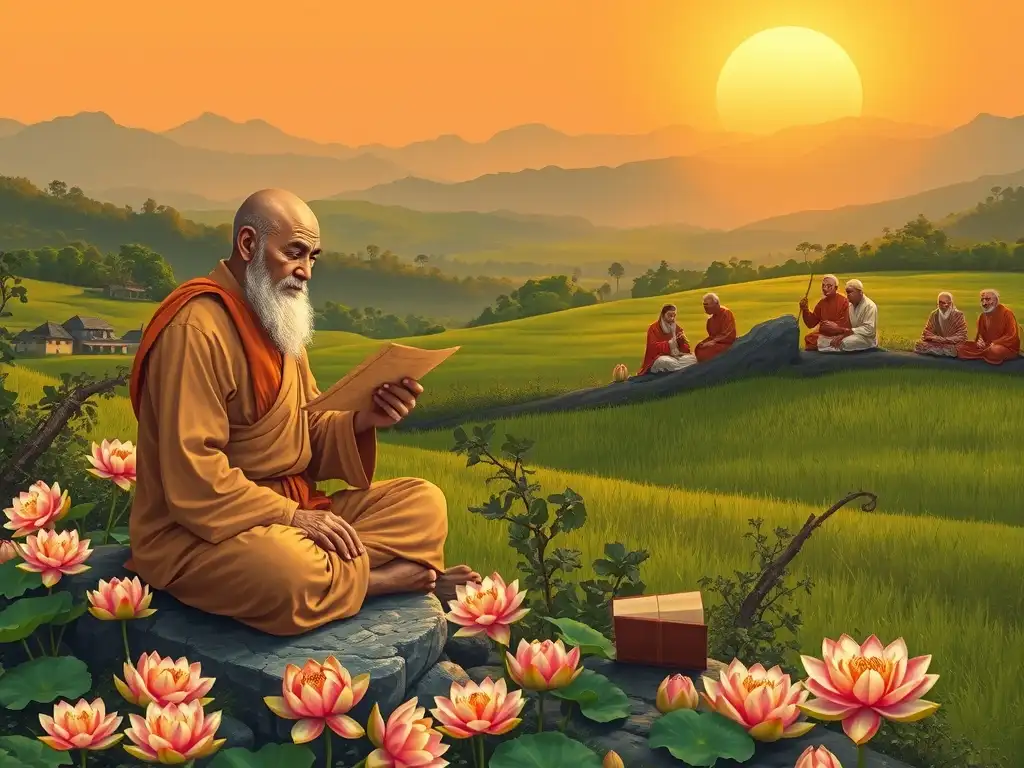
Introduction to Buddhism and Indian Literature
Buddhism, one of the prominent religions to emerge from ancient India, has significantly influenced various aspects of Indian culture, particularly literature. The interplay between Buddhism and Indian literature is a fascinating subject that reveals the richness of ancient narratives, philosophies, and poetic expressions. From the early teachings of the Buddha to the intricate narratives found in epics and poems, the influence of Buddhism on Indian literature is profound and multi-dimensional. This article aims to explore the Buddhism influence on Indian literature, highlighting key texts, themes, and the enduring legacy of Buddhist thought in shaping literary traditions.
Overview of Buddhism in Ancient India
Buddhism originated in the 5th century BCE with the enlightenment of Siddhartha Gautama, known as the Buddha. It quickly spread across various regions of India and beyond, establishing monasteries and communities that contributed to the cultural and intellectual landscape of the time. The teachings of Buddhism emphasized the Four Noble Truths and the Eightfold Path, which not only influenced religious practices but also inspired literary expressions.
- Key Concepts:
- The Four Noble Truths: Understanding suffering and the path to liberation.
- The Eightfold Path: A guide to ethical and mental development.
- Compassion and Non-violence: Central themes reflected in literary works.
The Buddhist texts, including the Tripitaka and various sutras, played a crucial role in shaping literary forms and themes in Indian literature. These texts were not only religious in nature but also served as a medium for moral and philosophical teachings, which resonated with poets and writers of the time.
Importance of Literature in Buddhist Tradition
Literature in the Buddhist tradition is not merely a form of artistic expression; it serves a higher purpose. Buddhist literature is characterized by its didactic nature, aiming to educate, inspire, and promote moral values. The use of narrative techniques, parables, and poetry in Buddhist texts helped disseminate complex ideas in an accessible manner.
- Key Contributions:
- Jataka Tales: Stories of the Buddha's previous lives, illustrating moral lessons.
- Dhammapada: A collection of sayings of the Buddha, expressing ethical teachings.
- Poetic Forms: The use of verse to convey spiritual insights.
Through these literary forms, Buddhism has left an indelible mark on Indian literature, encouraging a blending of spiritual and artistic expression that continues to influence contemporary writers and poets.
The Historical Context of Buddhism's Influence on Indian Literature
The Emergence of Buddhism and Its Spread
The emergence of Buddhism coincided with significant socio-political changes in ancient India. As the Mauryan Empire rose to prominence, the patronage of Emperor Ashoka played a pivotal role in the spread of Buddhism. His support not only facilitated the establishment of Buddhist monasteries but also encouraged the translation and dissemination of Buddhist texts, which significantly impacted the literary landscape.
- Factors Contributing to Spread:
- Royal Patronage: Support from emperors like Ashoka.
- Trade Routes: Facilitated cultural exchanges between India and other regions.
- Cultural Syncretism: Interaction with other religions and philosophies.
The spread of Buddhism led to the emergence of diverse literary forms, including prose, poetry, and drama, that reflected Buddhist themes and values.
Interaction Between Buddhism and Other Literary Traditions
Buddhism did not exist in isolation; it interacted dynamically with other literary traditions in ancient India, such as Hinduism and Jainism. This interaction fostered a rich tapestry of cross-cultural influences, leading to the development of unique literary styles and themes.
- Literary Exchanges:
- Sanskrit Literature: The incorporation of Buddhist themes in plays and epics.
- Pali Texts: Preservation of oral traditions and teachings in written form.
- Regional Variations: Adaptations of Buddhist narratives in local dialects and cultures.
The synthesis of these diverse traditions has resulted in a legacy of literature that not only reflects the tenets of Buddhism but also showcases the broader cultural dialogues that shaped ancient Indian civilization.
Key Epics Reflecting Buddhism's Influence
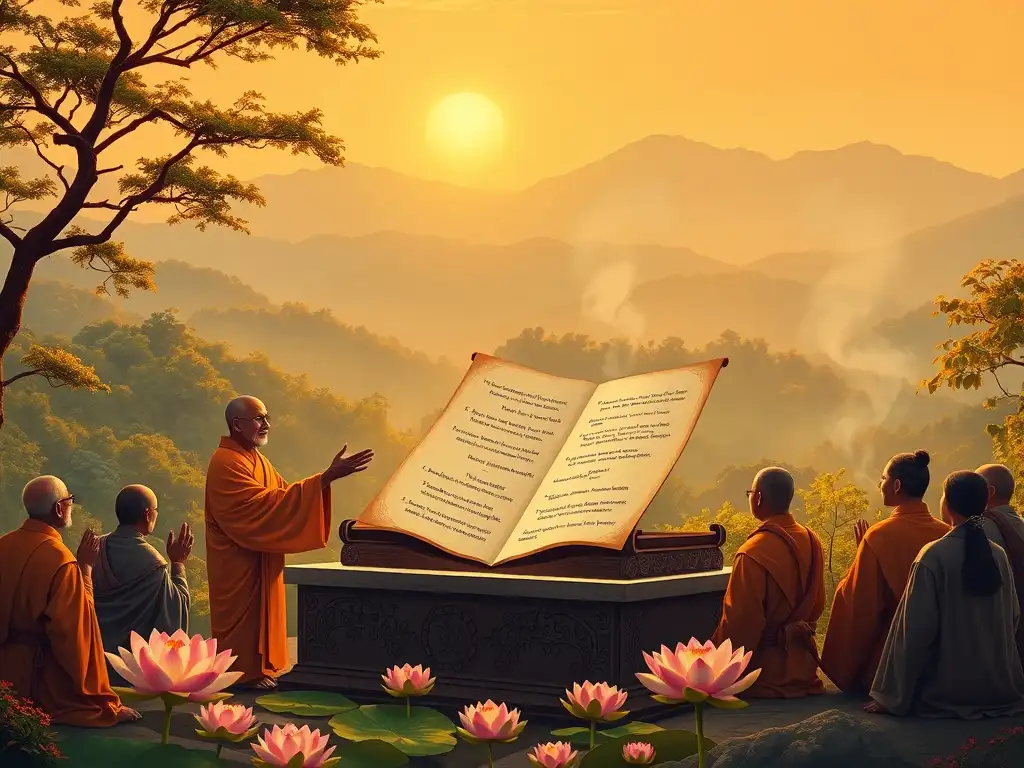
Buddhism has significantly influenced Indian literature, particularly the epics and poems that emerged during and after its rise. This influence is evident in various themes, characters, and philosophical underpinnings found in these literary works. The integration of Buddhist ideas into the fabric of Indian epics has contributed to the richness of the narratives, weaving together moral lessons and spiritual insights that resonate with both Buddhist and non-Buddhist audiences.
The Ramayana: Buddhist Themes and Characters
The Ramayana, traditionally attributed to Valmiki, encompasses numerous themes that echo Buddhist teachings. Although it primarily focuses on the life of Lord Rama, the epic subtly incorporates concepts such as compassion, the transient nature of life, and the importance of ethical conduct—principles central to Buddhism.
Characters like Hanuman embody qualities of devotion and selflessness, reflecting the ideals of Mahayana Buddhism. Furthermore, the portrayal of conflict and moral dilemmas in the Ramayana resonates with Buddhist concepts of suffering and the path to enlightenment, encouraging readers to reflect on the nature of good and evil. Such thematic parallels suggest a confluence of Hindu and Buddhist thought, showcasing the interdependence of these traditions in shaping Indian literature.
The Mahabharata: Buddhist Ideals and Philosophical Underpinnings
Similarly, the Mahabharata, attributed to Vyasa, serves as a treasure trove of philosophical inquiry and ethical exploration influenced by Buddhist ideals. The epic's extensive narrative includes discussions on dharma (righteousness) and karma (action), themes that are also central to Buddhist philosophy.
Key figures, such as Yudhishthira, embody the moral struggles faced when adhering to dharma amid chaos, paralleling the Buddhist teachings on ethical living and the consequences of one's actions. Additionally, the presence of characters like the sage Vidura, known for his wisdom and counsel, reflects the Buddhist emphasis on enlightenment and moral integrity. The Mahabharata's multifaceted narrative invites readers to engage with complex moral questions, fostering a deeper understanding of human nature and the pursuit of truth, akin to Buddhist practices.
Analysis of Buddhist Elements in Indian Epics
A comprehensive analysis of the Indian epics reveals that Buddhist elements are not merely incidental; they are integral to the narratives' structure and moral framework. The themes of impermanence, compassion, and the quest for understanding human suffering permeate both the Ramayana and the Mahabharata.
The use of allegorical storytelling allows authors to convey profound philosophical concepts. By embedding Buddhist values within the narratives, these epics serve as vehicles for moral instruction, providing guidance on ethical conduct and spiritual growth. This blending of narratives illustrates the interconnectedness of Indian philosophical traditions, highlighting Buddhism's enduring impact on the literary landscape of ancient India.
Prominent Poems and Literary Works Inspired by Buddhism
The literary impact of Buddhism extends beyond epic narratives into poetry and other literary forms. Buddhist themes have inspired a diverse range of poetic expressions that explore spirituality, morality, and the human experience.
The Jataka Tales: Morality and Storytelling
The Jataka Tales, a collection of stories about the previous lives of the Buddha, exemplify the moral storytelling tradition influenced by Buddhism. Each tale conveys ethical lessons, often illustrating virtues such as compassion, generosity, and wisdom.
These narratives not only entertain but also educate readers about the principles of Buddhism, making them accessible to a broader audience. The use of animals and relatable characters in the Jataka Tales adds to their charm, allowing for a seamless integration of moral teachings into captivating stories. This storytelling method has influenced subsequent Indian literature, reinforcing the importance of moral values and ethical conduct.
Buddhist Poetry: Forms and Themes
Buddhist poetry, which emerged during the early centuries of the common era, showcases various forms and themes that resonate with the teachings of Buddha. Poets like Ashvagosa and Buddhaghosa employed lyrical styles to express profound spiritual insights and the quest for enlightenment.
Themes such as detachment, the nature of existence, and the pursuit of inner peace dominate this poetic tradition. The use of metaphors and vivid imagery in Buddhist poetry serves to evoke emotional responses, inviting readers to reflect on their own spiritual journeys. As a result, these works contribute to a rich literary tradition that underscores the transformative power of poetry in conveying complex philosophical ideas.
Notable Poets Influenced by Buddhism
Several notable poets have drawn inspiration from Buddhist teachings, enriching Indian literature with their insights and creativity. Kalidasa, often celebrated as one of the greatest Sanskrit poets, subtly incorporates Buddhist elements into his works, exploring themes of love, nature, and existential reflection.
Additionally, Buddhist monk poets, such as Shantideva, have made significant contributions to the literary canon, combining poetry with philosophical discourse. Their works emphasize the interconnectedness of all beings and the importance of compassion, resonating deeply within the broader scope of Indian literary traditions. By weaving Buddhist principles into their poetry, these writers have not only preserved the essence of Buddhist thought but have also enriched the cultural tapestry of ancient India.
Thematic Elements of Buddhism in Indian Literature
Buddhism has profoundly influenced Indian literature, manifesting in various thematic elements that reflect its core principles and teachings. Central to this influence are the themes of impermanence, suffering, and enlightenment, which permeate the narratives of both epics and poems. The concept of Anicca (impermanence) shapes the portrayal of characters and situations, emphasizing the transient nature of life and the importance of recognizing this truth. Such themes resonate deeply with readers, encouraging introspection and a deeper understanding of the human condition.
Moreover, the Four Noble Truths serve as a foundation for many literary explorations. These truths illustrate the nature of suffering and the path toward liberation, which can be seen in works that explore the struggles and eventual realizations of their protagonists. This intertwining of narrative and philosophy not only enhances the richness of the texts but also invites readers to engage with the spiritual dimensions of existence.
The literature also reflects the Buddhist idea of interconnectedness, showcasing characters whose fates are intertwined, further reinforcing the notion that actions have consequences. This is particularly evident in the moral dilemmas faced by characters, which often lead to profound insights about life, ethics, and communal harmony.
Concepts of Karma and Dharma in Literature
The concepts of Karma and Dharma play a pivotal role in shaping the moral landscape of Buddhist-influenced literature. Karma, the law of moral causation, is frequently illustrated through the consequences of characters' actions, serving as a narrative device that guides the plot and character development. This concept emphasizes accountability and encourages readers to reflect on their own actions and their repercussions in the world around them.
Dharma, or righteous duty, is another significant theme that informs the ethical dimensions of various literary works. In Buddhist literature, characters often grapple with their dharmic responsibilities, leading to conflicts that highlight the struggle between personal desires and moral obligations. This exploration of duty is not only relevant to Buddhist teachings but also resonates with other Indian philosophical traditions, creating a rich tapestry of ethical inquiry within the literature.
Through narratives that embody these principles, authors convey the importance of living a life aligned with moral virtues, thereby influencing readers' perceptions of duty, ethics, and personal growth.
The Role of Compassion and Non-Violence in Literary Works
Compassion and non-violence are foundational tenets of Buddhism that have significantly influenced Indian literature. These themes are often depicted through the actions and motivations of characters who embody the ideals of Karuna (compassion) and Ahimsa (non-violence). Literary works inspired by Buddhist philosophy often feature protagonists who confront violence and suffering with a compassionate outlook, advocating for peace and understanding over conflict.
The portrayal of compassion extends beyond individual characters to encompass broader societal themes, encouraging readers to reflect on the importance of empathy and kindness in human interactions. This is particularly evident in poems and narratives that explore the plight of the marginalized, urging society to cultivate a sense of responsibility towards others.
Moreover, the commitment to non-violence is often woven into the narrative fabric, challenging traditional heroic tropes that glorify violence. Instead, Buddhist literature celebrates peaceful resolutions and the transformative power of understanding, thereby fostering a culture of dialogue and reconciliation. Through these literary expressions, the ideals of compassion and non-violence resonate deeply with readers, shaping ethical perspectives that transcend the boundaries of time and culture.
Influence of Buddhist Philosophy on Narrative Structure
Buddhist philosophy has also significantly impacted the narrative structure of Indian literature. The use of cyclical narratives mirrors the concept of samsara, the cycle of birth, death, and rebirth, allowing for a multifaceted exploration of characters and events. This narrative approach emphasizes the interconnectedness of all beings and the continuity of life, reflecting key Buddhist teachings.
Additionally, literary works often employ frame narratives, a technique that allows for multiple stories to be interwoven, each contributing to a larger moral or philosophical lesson. This structure not only enriches the reading experience but also aligns with the Buddhist approach to understanding truth as multifaceted and complex.
The incorporation of parables and allegories, common in Buddhist texts, further enhances the narrative depth, allowing authors to convey profound truths through symbolic storytelling. These techniques encourage readers to engage actively with the text, inviting them to draw their own interpretations and insights, thus fostering a deeper appreciation of the philosophical underpinnings of the narratives.
Comparative Analysis: Buddhism and Other Indian Philosophical Traditions
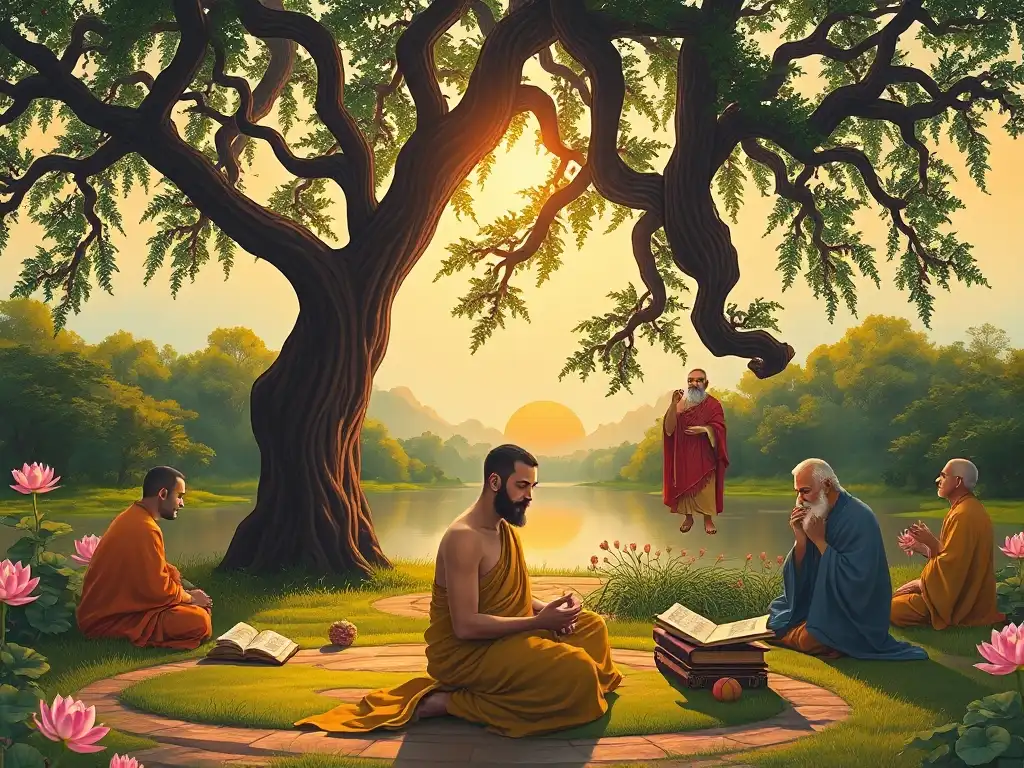
The interplay between Buddhism and other Indian philosophical traditions, particularly Hinduism and Jainism, offers a rich field for comparative analysis within literature. By examining the similarities and distinctions between these traditions, one can gain a deeper understanding of their respective influences on Indian literary heritage.
Shared Themes with Hindu Literature
Buddhism and Hinduism share several thematic elements that are prevalent in their respective literary traditions. Both emphasize the concepts of Karma and Dharma, exploring the moral implications of actions and the importance of fulfilling one's duties. This common ground allows for a rich dialogue between the two traditions, with literature often reflecting a synthesis of ideas that transcends doctrinal boundaries.
Additionally, themes of spiritual quest and enlightenment are central to both traditions. Characters in Hindu epics, much like those in Buddhist narratives, embark on journeys of self-discovery and transformation, seeking higher truths and moral clarity. This shared pursuit of understanding the nature of existence fosters a literary tradition that emphasizes the importance of introspection and personal growth.
Moreover, the portrayal of deities and enlightened beings, while differing in form and function, often serves similar purposes in guiding characters and readers towards moral and spiritual ideals.
Distinctions Between Buddhist and Jain Literary Contributions
While Buddhism and Jainism share a commitment to non-violence and asceticism, they diverge significantly in their philosophical underpinnings and literary expressions. Jain literature typically emphasizes the extreme nature of ascetic practices and the pursuit of liberation through rigorous self-discipline, often portraying the lives of Tirthankaras as exemplars of this path. In contrast, Buddhist literature presents a more balanced approach, advocating for the Middle Way, which encourages moderation and mindfulness rather than extreme asceticism.
In terms of narrative style, Jain texts often utilize didactic storytelling, focusing on moral lessons and ethical conduct, whereas Buddhist literature frequently employs parables and allegories that highlight the transformative power of understanding and compassion. This distinction reflects the broader philosophical differences between the two traditions, with Jainism placing greater emphasis on individual effort in the pursuit of liberation.
Additionally, the depiction of cosmology and metaphysics varies significantly between the two, with Jain literature often detailing a more elaborate cosmological framework. This divergence not only influences the thematic content of their respective literary works but also shapes the cultural narratives that arise from each tradition, contributing to the rich tapestry of ancient Indian literature.
The Legacy of Buddhism on Indian Literature
The legacy of Buddhism on Indian literature is profound and multifaceted, extending through centuries and influencing various literary forms and genres. From the time of its emergence in the 6th century BCE, Buddhism began to weave its narratives and philosophies into the fabric of Indian storytelling, leading to the creation of texts that not only conveyed spiritual teachings but also explored themes of morality, compassion, and the human condition.
Prominent works such as the Jataka Tales, which recount the previous lives of the Buddha, became foundational stories that merged moral fables with rich cultural traditions, influencing both oral and written literature extensively.
Buddhistic teachings, particularly those related to the nature of suffering and the quest for enlightenment, inspired poets and playwrights to delve into the complexities of existence, weaving intricate narratives that examined human emotions and ethical dilemmas. As Buddhism spread across India and beyond, it catalyzed the development of unique literary forms, including poetry that celebrated the virtues of non-attachment and compassion. The intertwining of Buddhist philosophy with literary expression not only enriched the Indian literary landscape but also established a framework for exploring deeper existential questions, thereby leaving an indelible mark on the evolution of literature in the region.
Lasting Impact on Subsequent Literary Movements
The influence of Buddhism on subsequent literary movements in India is evident in various forms, including the resurgence of spiritual themes in later texts. As Buddhism evolved, so did its impact on Hindu literature, especially during the medieval period when Bhakti poets like Kabir and Mirabai incorporated Buddhist principles, such as devotion and the transcendence of the self, into their verses. This synthesis of ideas fostered a literary milieu that emphasized emotional expression and personal spirituality, bridging the gap between different religious traditions.
Moreover, Buddhist literature contributed to the development of narrative forms in Indian epics and poetry. The Mahabharata and the Ramayana, while primarily Hindu epics, also reflect Buddhist themes in their exploration of moral dilemmas and the quest for dharma (righteousness). The incorporation of Buddhist motifs not only enriched these texts but also facilitated dialogues between differing philosophical schools, creating a legacy of literary intertextuality that continues to resonate in contemporary Indian literature.
Modern Interpretations of Buddhist Literature in India
In contemporary times, modern interpretations of Buddhist literature have emerged, reflecting a renewed interest in its themes and philosophies. Authors and poets are increasingly drawn to the ethical and philosophical dimensions of Buddhism, interpreting ancient texts through modern lenses. Works by writers such as Thich Nhat Hanh and Pema Chödrön, although originally from different cultural backgrounds, have found resonance in India, where they address contemporary issues through the lens of Buddhist teachings.
Literary adaptations and reinterpretations of classic Buddhist texts have also proliferated, showcasing the timeless relevance of their messages. Contemporary Indian writers are exploring Buddhist narratives in novels, poetry, and essays, often addressing themes such as mindfulness, compassion, and the interconnectedness of life. This modern engagement with Buddhist literature not only highlights its enduring influence but also reveals how these ancient teachings continue to inspire new generations of writers and thinkers.
Conclusion: The Enduring Influence of Buddhism on Indian Literature
The enduring influence of Buddhism on Indian literature is a testament to the power of its teachings and narratives. The integration of Buddhist ideas into various literary forms has not only enriched the cultural landscape of India but also established a dialogue between different philosophical traditions. As literature continues to evolve, the foundational concepts introduced by Buddhism remain relevant, offering insights into the complexities of human existence and the pursuit of meaning.
Summary of Key Influences
The key influences of Buddhism on Indian literature include:
- The introduction of moral and ethical themes that explore the human condition.
- The blending of Buddhist narratives with traditional Indian epics and poetry.
- The inspiration behind modern literary movements that draw from Buddhist philosophy.
- The continued relevance of Buddhist teachings in contemporary literary contexts.
Reflection on the Relevance of Buddhist Themes in Contemporary Literature
Reflecting on the relevance of Buddhist themes in contemporary literature reveals a persistent search for understanding, compassion, and mindfulness in a rapidly changing world. Modern writers continue to grapple with the timeless questions posed by Buddhism regarding suffering, attachment, and the nature of reality. As these themes find their way into contemporary narratives, they resonate with readers seeking deeper insights into their personal and societal challenges. The rich legacy of Buddhism in Indian literature not only endures but evolves, shaping the future of literary expression in meaningful ways.
- Introduction to Buddhism and Indian Literature
- Overview of Buddhism in Ancient India
- The Historical Context of Buddhism's Influence on Indian Literature
- Key Epics Reflecting Buddhism's Influence
- Prominent Poems and Literary Works Inspired by Buddhism
- Thematic Elements of Buddhism in Indian Literature
- Comparative Analysis: Buddhism and Other Indian Philosophical Traditions
- The Legacy of Buddhism on Indian Literature
- Conclusion: The Enduring Influence of Buddhism on Indian Literature
- What is the main focus of the article on Buddhism's influence on Indian literature?
- How did Buddhism contribute to the development of Indian epics?
- What role did Buddhist texts play in Indian poetry?
- Can you provide examples of literature influenced by Buddhism?
- How did the Gupta Empire impact the intersection of Buddhism and literature?
Frequently Asked Questions
What is the main focus of the article on Buddhism's influence on Indian literature?
The article explores how Buddhism has shaped Indian literature, particularly through epics and poems, highlighting its themes and stylistic elements.
How did Buddhism contribute to the development of Indian epics?
Buddhism influenced Indian epics by introducing moral and philosophical themes, which enriched the storytelling and character development found in works like the Mahabharata and Ramayana.
What role did Buddhist texts play in Indian poetry?
Buddhist texts served as a source of inspiration for poets, incorporating spiritual and ethical themes, which reflected the values and teachings of Buddhism in their works.
Can you provide examples of literature influenced by Buddhism?
Notable examples include Buddhist Jataka tales, which are stories about the previous lives of the Buddha, and various Sanskrit poems that echo Buddhist teachings and values.
How did the Gupta Empire impact the intersection of Buddhism and literature?
The Gupta Empire was a golden age for literature, where Buddhism flourished alongside Hinduism, leading to a rich blend of cultural and literary influences that are evident in the period's writings.
Final Reflection: The Enduring Legacy of Buddhism in Indian Literature
The profound impact of Buddhism on Indian literature is not just a historical curiosity; it is a vibrant thread woven into the fabric of contemporary cultural expression. As we explore the epics and poems shaped by Buddhist thought, we recognize that these narratives continue to resonate with modern audiences, offering timeless insights into the human experience. The teachings of compassion, mindfulness, and interconnectedness found in Buddhist literature are as relevant today as they were centuries ago, reminding us that the quest for understanding and peace transcends time.
Cultural landscapes are often shaped by the narratives we tell, and Buddhism has undeniably influenced the evolution of Indian literature. From the intricate verses of the Pali Canon to the lyrical beauty of modern poetry, the themes of suffering, enlightenment, and moral integrity echo through the ages. As poet Rabindranath Tagore once said, The highest education is that which does not merely give us information but makes our life in harmony with all existence.
This harmony, deeply rooted in Buddhist philosophy, continues to inspire writers and thinkers, urging us to reflect on our own lives and the stories we share with the world.
As you contemplate the influence of Buddhism on Indian literature, I invite you to consider how these teachings can enrich your own narrative. Reflect on the values of compassion and mindfulness in your daily interactions, and let the wisdom of these ancient texts guide you toward a deeper understanding of yourself and others. Embrace the opportunity to weave these principles into your life, transforming not only your personal story but also the collective narrative we all contribute to in our shared human experience.
Unveil the Transformative Power of Buddhism in Literature!
Thank you for exploring the profound connection between Buddhism and Indian literature with us. We hope you found inspiration in the rich tapestry of epics and poems that showcase this powerful influence. Now, let's put that inspiration into action!
Here’s how you can dive deeper:
- Read a Buddhist Epic: Start with a revered text like the "Dhammapada" or the "Jataka Tales" to experience firsthand the poetic depth and moral teachings of Buddhism.
- Join a Community Discussion: Share your insights or questions with fellow literature enthusiasts in dedicated forums or social media groups focused on Buddhism and literature.
- Create Your Own Poem: Inspired by what you’ve learned, try writing a short poem that reflects Buddhist themes. You might discover your own unique voice in the process!
What aspect of Buddhist influence in literature resonates most with you? Is it the themes of compassion, the intricate narratives, or perhaps the spiritual insights? We’d love to hear your thoughts!