
The Interplay of Ancient Indian and Persian Philosophies


Welcome to Ancient India History, where we embark on a fascinating journey through time to uncover the profound interplay of ancient Indian and Persian philosophies. As we delve into this captivating dialogue between two rich cultures, you’ll discover how their philosophies shaped not only their societies but also left a lasting impact on the world. Prepare to be intrigued as we explore the intricate connections and exchanges that defined an era, sparking curiosity and inspiring thoughts that resonate even today. Join us in unraveling the layers of history and culture that await you in our featured article!
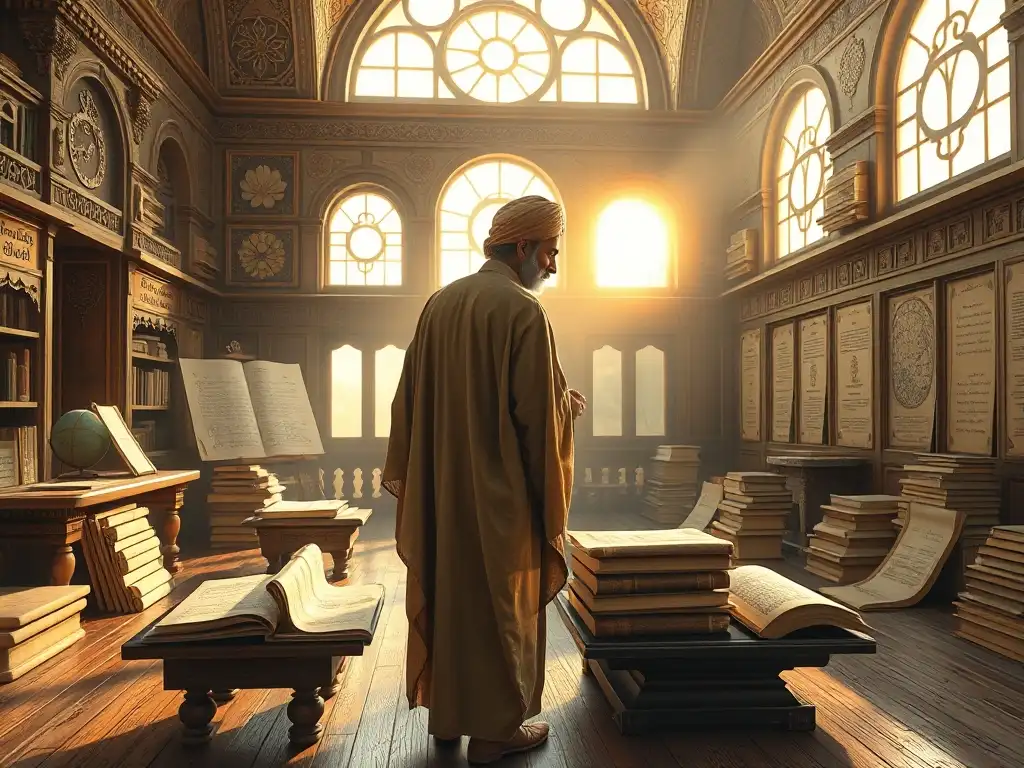
Introduction to Ancient Indian and Persian Philosophies
The philosophical traditions of ancient India and Persia represent two of the most influential and profound intellectual landscapes in human history. Both civilizations, rich in their respective cultural heritages, have contributed significantly to the development of philosophical thought, spirituality, and ethics. This article aims to delve into the intricate interplay between Ancient Indian and Persian philosophies, highlighting how their interactions shaped each other over centuries. The examination of these philosophies not only underscores the Ancient Indian-Persian philosophy influence but also reveals the broader implications of cross-cultural exchanges in the realm of ideas.
Overview of Ancient Indian Philosophy
Ancient Indian philosophy is characterized by a diverse range of schools of thought, each offering unique perspectives on metaphysics, ethics, and epistemology. Key schools include:
- Vedanta: Focuses on the ultimate reality (Brahman) and the nature of the individual soul (Atman).
- Buddhism: Centers on the Four Noble Truths and the path to enlightenment, emphasizing impermanence and the cessation of suffering.
- Jainism: Advocates for non-violence (Ahimsa) and the pursuit of truth, emphasizing the importance of self-discipline and asceticism.
The philosophical discourse in ancient India often intertwined with spiritual practices, leading to a comprehensive understanding of existence that emphasizes the unity of the self with the universe.
Overview of Persian Philosophy
Persian philosophy, particularly during the Achaemenid and later periods, was heavily influenced by Zoroastrian teachings and later Hellenistic thought. Key aspects include:
- Zoroastrianism: Introduced concepts of dualism, good versus evil, and the importance of individual choice in the cosmic battle.
- Neoplatonism: Influenced Persian thinkers like Plotinus, leading to a synthesis of Greek and Persian ideas, especially in the realm of metaphysics and the nature of the divine.
Persian philosophy is marked by its focus on ethical living, the significance of wisdom, and the pursuit of truth, which resonated deeply with contemporary Indian philosophies.
Significance of Philosophical Exchange between Cultures
The interaction between ancient Indian and Persian philosophies fostered a rich exchange of ideas that enhanced the intellectual landscapes of both cultures. This exchange is significant for several reasons:
- Mutual Enrichment: Philosophical ideas from both traditions influenced ethical and metaphysical discussions, leading to a broader understanding of concepts like morality and the nature of existence.
- Cultural Synthesis: The blending of ideas contributed to the development of syncretic philosophical schools that drew from both traditions, enhancing their relevance and applicability.
- Legacy of Thought: The dialogue between these philosophies laid the groundwork for later interactions, influencing subsequent generations and contributing to the global philosophical discourse.
Historical Context of Indian-Persian Interactions
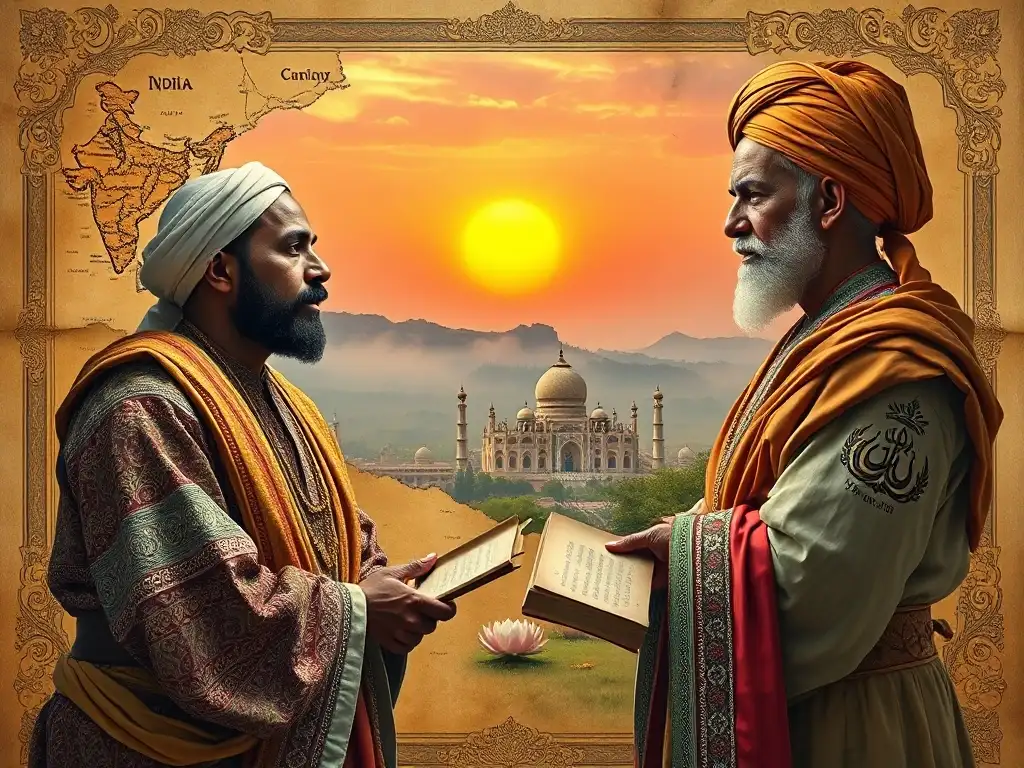
The historical interactions between India and Persia can be traced through various trade routes, conquests, and cultural exchanges that facilitated the flow of ideas and philosophies.
Trade Routes and Cultural Exchanges
The ancient trade routes, particularly the Silk Road and maritime routes, served as vital conduits for not just goods but also knowledge and cultural practices. These exchanges allowed for the dissemination of philosophical texts, religious beliefs, and artistic expressions, fostering a rich tapestry of shared intellectual heritage.
Key Historical Periods of Interaction
Several key periods marked significant Indian-Persian interactions:
- Achaemenid Empire (c. 550-330 BCE): The Persian Empire's expansion into the Indian subcontinent facilitated early interactions.
- Mauryan Empire (c. 322-185 BCE): Established diplomatic relations with the Persian Empire, leading to philosophical exchanges.
- Medieval Period (c. 8th-12th centuries CE): The rise of Islamic philosophy in Persia coincided with the flourishing of Indian philosophical traditions, fostering a vibrant intellectual dialogue.
Influential Figures in Indian-Persian Philosophy
Throughout history, numerous philosophers and scholars emerged as key figures who bridged the gap between Indian and Persian thought:
- Aldous Huxley: Although not an ancient figure, his synthesis of Eastern and Western philosophies highlights the ongoing influence of these ancient traditions.
- Al-Biruni: A Persian scholar who profoundly studied Indian culture and philosophy, contributing to a mutual understanding of both traditions.
Through their works and ideas, these figures played pivotal roles in the exchange and evolution of philosophical thought across cultures.
Key Themes in Ancient Indian and Persian Philosophies
The philosophies of ancient India and Persia share a rich tapestry of themes that reflect their respective cultural contexts while also revealing points of intersection. Central to both traditions are discussions around reality, existence, and the nature of the self. Additionally, ethics and morality play pivotal roles, highlighting how individuals ought to live in harmony with one another and the universe. Spiritual practices further enrich these philosophical landscapes, providing a pathway to understanding the divine and the cosmos.
Both traditions emphasize the importance of knowledge and wisdom, yet they approach these concepts through diverse lenses. For instance, ancient Indian philosophy often discusses knowledge as a means of liberation (moksha), while Persian thought frequently focuses on the balance between the material and spiritual worlds. This interplay of themes illustrates not only the uniqueness of each tradition but also the ways in which they have influenced one another over centuries.
Concepts of Reality and Existence
In ancient Indian philosophy, particularly within the Vedanta and Samkhya schools, the concept of reality is often dualistic, distinguishing between Brahman (the ultimate reality) and Atman (the individual self). This duality underscores the belief that understanding the relationship between the two is key to achieving spiritual enlightenment.
Conversely, Persian philosophy, particularly as seen in the works of Zoroastrianism, posits a more monotheistic view of existence, primarily focusing on Ahura Mazda as the supreme being and the source of all truth. The Persian perspective emphasizes a cosmic struggle between good and evil, shaping its understanding of existence as a battleground of moral choices.
Despite these differences, there are striking parallels. Both traditions recognize the impermanence of the material world and the quest for a deeper, transcendent truth. This shared understanding facilitates a rich dialogue between the two philosophies, with thinkers from both cultures drawing on each other's insights.
Views on Ethics and Morality
Ethics and morality are foundational to both ancient Indian and Persian philosophies, albeit articulated through different frameworks. In Indian thought, the concept of Dharma encompasses duty, righteousness, and moral law, guiding individuals toward ethical living within their societal roles. This idea emphasizes the importance of context and individual responsibility, allowing for a flexible interpretation of what constitutes moral behavior.
Persian philosophy, influenced by Zoroastrian tenets, focuses on the dichotomy of good and evil, advocating for Asha (truth and order) as the ethical ideal. This perspective promotes a clear moral framework where individuals are encouraged to align themselves with the forces of order against chaos and deceit.
Both traditions recognize the interconnectedness of all beings, which fosters a sense of communal ethics. The emphasis on moral behavior not only serves individual well-being but also aims for the collective harmony of society, showcasing a profound understanding of the human condition.
Spiritual Practices and their Influence
Spiritual practices in ancient India are diverse, ranging from yoga and meditation to ritualistic offerings and philosophical inquiry. These practices are often aimed at self-realization and communion with the divine, reflecting the rich spiritual heritage of the subcontinent.
In contrast, Persian spirituality, particularly within Zoroastrianism, incorporates rituals such as fire worship and various rites that celebrate the elements and the divine order of the universe. These practices serve as a means to connect with Ahura Mazda and promote righteousness in daily life.
The interaction between these spiritual practices reveals a fascinating blend of ideas. For instance, the emphasis on meditation in Indian philosophy may have influenced Persian contemplative practices, leading to a cross-pollination of spiritual techniques that enriched both traditions. This interplay underscores the dynamic nature of ancient Indian and Persian philosophies, where spiritual pursuits are seen as essential to understanding the greater truths of existence.
The Influence of Ancient Indian Philosophy on Persian Thought
The interactions between ancient Indian and Persian philosophies led to a noteworthy exchange of ideas. Persian scholars were not only influenced by Indian philosophical thought but also actively engaged with it, leading to the adoption of various concepts that enriched Persian intellectual traditions.
Adoption of Indian Philosophical Concepts by Persian Scholars
Persian scholars, particularly during the Achaemenid and Sassanian periods, exhibited a keen interest in Indian philosophies, especially those pertaining to metaphysics and ethics. Concepts such as the cyclical nature of time and the idea of karma found resonance within Persian thought, leading to a unique synthesis of ideas.
Notably, the Avesta, the sacred text of Zoroastrianism, reflects philosophical ideas that echo Indian thought, particularly in its discussions of duality and the nature of the soul. Persian philosophers adapted these Indian concepts, integrating them into their own philosophical frameworks, which facilitated a broader understanding of existence and morality.
Textual Evidence of Influence in Persian Literature
Persian literature from various periods showcases the influence of ancient Indian philosophy through allegorical tales and poetry. The Shahnameh, for instance, contains elements that parallel Indian epics, depicting moral dilemmas and philosophical inquiries reminiscent of Indian narratives.
Moreover, Persian poets such as Rumi and Omar Khayyam often incorporated Indian philosophical themes into their works, exploring concepts of love, existence, and the quest for truth. These interactions not only enriched Persian literature but also served as a bridge connecting the two philosophical traditions.
Case Study: The Impact of Vedic Texts on Persian Philosophy
The Vedic texts, particularly the Upanishads, have had a profound impact on Persian philosophy. These texts introduce concepts of metaphysics and ethics that resonate with Persian thinkers. The idea of Brahman as the ultimate reality parallels the Persian understanding of a singular divine source.
Furthermore, the Vedic emphasis on meditative practices and the pursuit of knowledge influenced Persian traditions, fostering a philosophical environment where inquiry and contemplation were highly valued. This case study illustrates the significant role that ancient Indian philosophy played in shaping Persian thought, revealing a rich history of intellectual exchange that transcended geographical boundaries.
The Influence of Persian Philosophy on Ancient Indian Thought
The influence of Persian philosophy on ancient Indian thought is a fascinating area of study that highlights the rich intercultural exchanges between these two civilizations. While Persia and India had distinct philosophical traditions, the interactions between them, particularly through trade and cultural exchanges, led to a significant cross-pollination of ideas. Persian philosophy, characterized by its emphasis on logic, ethics, and metaphysical inquiry, found a receptive audience in ancient Indian intellectual circles, particularly during the time of the Maurya and Gupta empires.
One of the primary conduits for this influence was the establishment of trade routes that connected the Indian subcontinent with Persia. As merchants and scholars traveled between these regions, they brought with them not only goods but also philosophical texts and ideas. This exchange fostered a dialogue that allowed for the blending of Eastern and Western thought. Additionally, the rise of the Persian Empire under the Achaemenids created a political landscape that encouraged the movement of philosophers and thinkers across borders, further enriching the philosophical discourse in ancient India.
Persian Contributions to Indian Educational Systems
The Persian influence on Indian educational systems can be traced back to the establishment of madrasas and educational institutions during the medieval period. These institutions, which were inspired by Persian models, emphasized a curriculum that included not only religious studies but also subjects such as astronomy, mathematics, and philosophy. Persian scholars played a crucial role in the development of these educational frameworks, introducing new methodologies of teaching and learning.
Moreover, the Persian language became a medium of instruction in many schools, particularly in North India. This shift not only facilitated the spread of Persian philosophical ideas but also led to the creation of a unique Indo-Persian literary tradition. The combination of Persian and Indian educational practices enriched the intellectual landscape of the time, fostering a spirit of inquiry and debate that was essential for the growth of philosophical thought.
Integration of Persian Ideas in Indian Philosophical Schools
The integration of Persian ideas into Indian philosophical schools is particularly evident in the fields of logic and ethics. Thinkers such as Adi Shankaracharya and later philosophers began to incorporate elements of Persian logical reasoning into their works, enhancing the rigor of Indian philosophical discourse. This synthesis allowed for a more nuanced understanding of concepts such as causality and existence.
Additionally, Persian ethical concepts, particularly those related to justice and governance, found their way into Indian texts, influencing the way rulers and philosophers approached moral dilemmas. The ethical frameworks established by Persian philosophers like Zarathustra resonated with Indian thinkers, leading to a cross-cultural dialogue that enriched both traditions. This integration not only demonstrated the adaptability of Indian philosophy but also highlighted the interconnectedness of ancient civilizations.
Notable Persian Figures in Indian Philosophy
Several Persian figures made significant contributions to Indian philosophy, leaving a lasting impact on the intellectual landscape. One notable figure is Al-Biruni, a Persian scholar who traveled to India in the 11th century. His works on Indian philosophy and science, particularly "Kitab al-Hind," provide valuable insights into the philosophical exchanges between India and Persia. Al-Biruni's observations on Indian practices, beliefs, and philosophical ideas were instrumental in bridging the gap between the two cultures.
Another key figure is Amir Khusrau, a 13th-century poet and philosopher of Persian descent, who played a crucial role in the development of Indo-Persian literature and philosophy. His writings often reflected a blend of Persian and Indian thought, showcasing the harmonious coexistence of these two rich traditions. Through their works, these figures not only contributed to the philosophical discourse but also facilitated a deeper understanding of the cultural interconnections between ancient India and Persia.
Comparative Analysis of Philosophical Ideas

A comparative analysis of philosophical ideas between ancient Indian and Persian thought reveals both striking similarities and notable differences. This interplay not only illustrates the unique characteristics of each tradition but also highlights the ways in which they influenced one another.
Similarities in Metaphysical Concepts
Both ancient Indian and Persian philosophies share a profound interest in metaphysical concepts, particularly regarding the nature of existence and reality. In Indian philosophy, schools like Vedanta explore the nature of Brahman (ultimate reality) and the relationship between the self (Atman) and the universe. Similarly, Persian metaphysical thought, particularly influenced by Zoroastrianism, delves into the duality of existence, emphasizing the struggle between good and evil.
Moreover, both traditions exhibit a tendency towards abstract reasoning and a search for universal truths. This shared pursuit of understanding the fundamental nature of reality has fostered a rich dialogue between Indian and Persian thinkers, leading to the development of sophisticated metaphysical frameworks that continue to resonate in contemporary philosophical discussions.
Differences in Ethical Frameworks
While both traditions emphasize ethical considerations, their frameworks differ significantly. Indian philosophy often centers around concepts like dharma (duty/righteousness) and karma (action and its consequences), which guide moral conduct and societal roles. In contrast, Persian ethical thought is heavily influenced by Zoroastrian principles, which emphasize the dichotomy between good and evil and the moral responsibility of individuals to choose the path of truth and righteousness.
These differences reflect the distinct cultural and religious contexts from which each philosophy emerged. Indian thought tends to be more holistic, integrating ethics within a broader metaphysical framework, while Persian philosophy emphasizes individual moral agency and the consequences of one's choices in a cosmic struggle.
The Role of Mysticism in Both Philosophies
Mysticism plays a significant role in both ancient Indian and Persian philosophies, albeit in different manifestations. In Indian philosophy, particularly in the traditions of Vedanta and Buddhism, mysticism is often expressed through meditation, introspection, and the pursuit of enlightenment. The emphasis is on transcending the material world to experience a direct connection with the divine or ultimate reality.
Conversely, Persian mysticism, particularly evident in Sufism, focuses on the personal experience of God through love, devotion, and poetry. Persian mystics, such as Rumi and Hafez, articulated their spiritual insights through rich literary expressions, emphasizing the importance of love and unity with the divine.
Despite these differences, the mystical traditions of both cultures share a common goal: the pursuit of a deeper understanding of existence and the divine. This shared aspiration underscores the interconnectedness of human experience and the universal quest for meaning across cultures.
Legacy of Ancient Indian and Persian Philosophical Interplay
The legacy of the philosophical interplay between ancient India and Persia is profound and multifaceted. This interaction not only enriched both traditions but also laid the groundwork for the development of various schools of thought. The exchange of ideas facilitated by trade routes and cultural exchanges led to a synthesis of concepts, particularly in metaphysics, ethics, and cosmology. Notable philosophers from both cultures, such as the Indian sage Adi Shankaracharya and the Persian thinker Zoroaster, contributed to a rich dialogue that emphasized the quest for truth and understanding of existence.
The incorporation of Persian elements into Indian philosophical texts, especially during the Maurya and Gupta periods, is evident in the works of various scholars. The translation and adaptation of philosophical texts—such as the Vedas and the Avesta—highlight the mutual respect and interest between the two civilizations. This legacy continues to influence contemporary philosophical discourse, as modern scholars revisit these ancient texts to explore their relevance in today's context.
Continued Influence in Modern Philosophies
The influence of ancient Indian and Persian philosophies is still visible in modern philosophical thought. Concepts such as karma and dharma from Indian philosophy find parallels in Persian ideas of moral responsibility and the cosmic order. Furthermore, the integration of metaphysical ideas from both traditions into contemporary philosophical frameworks has led to a broader understanding of ethics and morality.
Modern philosophers and spiritual leaders often draw upon these ancient teachings to address contemporary issues such as environmental ethics, social justice, and personal well-being. The emphasis on interconnectedness in both Indian and Persian philosophies resonates with current global movements advocating for sustainability and cooperation among cultures.
The Role of Ancient Philosophies in Contemporary Thought
Ancient Indian and Persian philosophies play a crucial role in shaping contemporary thought by providing foundational frameworks for understanding human existence and societal values. The dialectical methods employed in both traditions encourage critical thinking and dialogue, which are essential in today's increasingly polarized world.
Moreover, the philosophical inquiry into the nature of reality, consciousness, and ethics continues to inspire various fields, including psychology, sociology, and political theory. The teachings of compassion and empathy found in both traditions serve as guiding principles for addressing modern societal challenges, fostering a sense of shared humanity.
Preservation of Philosophical Texts and Traditions
The preservation of ancient philosophical texts and traditions is vital for understanding the interplay between Indian and Persian philosophies. Manuscripts, inscriptions, and oral traditions have been meticulously maintained through the centuries, allowing scholars to study and interpret these rich legacies. Institutions dedicated to the study of philosophy, such as universities and research centers, play a crucial role in this preservation effort.
Many ancient texts have been translated into various languages, making them accessible to a broader audience. This accessibility promotes cross-cultural dialogue and encourages a deeper appreciation of the philosophical contributions from both civilizations. Furthermore, the revival of interest in ancient philosophies among modern scholars and practitioners underscores the timeless relevance of these teachings.
Conclusion
The interplay of ancient Indian and Persian philosophies has created a lasting legacy that continues to influence contemporary thought and discourse. The synthesis of ideas from both traditions, enriched by cultural exchanges, has shaped various philosophical frameworks and ethical considerations throughout history.
Summary of Ancient Indian Persian Philosophy Influence
The influence of ancient Indian and Persian philosophies is characterized by the blending of metaphysical concepts, ethical frameworks, and spiritual practices. This cross-pollination of ideas has led to a more nuanced understanding of human existence and societal values, providing a rich tapestry of thought that continues to inspire modern scholars and thinkers.
Reflection on the Importance of Cross-Cultural Philosophical Dialogues
Cross-cultural philosophical dialogues between ancient India and Persia highlight the importance of collaboration in the pursuit of knowledge and understanding. These interactions fostered a spirit of inquiry and respect for diverse perspectives, essential for addressing contemporary global challenges. Reflecting on this historical dialogue reminds us of the potential for philosophy to bridge cultural divides and promote mutual understanding.
Future Directions for Research in Indian-Persian Interactions
Future research in Indian-Persian interactions should focus on exploring the nuances of philosophical exchanges during key historical periods, such as the Maurya and Gupta empires. Scholars may also examine the impact of these interactions on subsequent philosophical developments in both regions and their influence on other cultures. Additionally, interdisciplinary studies that incorporate anthropology, history, and religious studies can provide a more comprehensive understanding of the enduring legacy of ancient Indian and Persian philosophies.
- Introduction to Ancient Indian and Persian Philosophies
- Overview of Ancient Indian Philosophy
- Overview of Persian Philosophy
- Significance of Philosophical Exchange between Cultures
- Historical Context of Indian-Persian Interactions
- Key Themes in Ancient Indian and Persian Philosophies
- The Influence of Ancient Indian Philosophy on Persian Thought
- The Influence of Persian Philosophy on Ancient Indian Thought
- Comparative Analysis of Philosophical Ideas
- Legacy of Ancient Indian and Persian Philosophical Interplay
- Conclusion
- What is the main theme of the article "The Interplay of Ancient Indian and Persian Philosophies"?
- How did ancient Indian philosophy influence Persian thought?
- What contributions did the Gupta Empire make to philosophy?
- How did trade routes facilitate the exchange of ideas between India and Persia?
- Why is the study of ancient Indian and Persian philosophies important today?
Frequently Asked Questions
What is the main theme of the article "The Interplay of Ancient Indian and Persian Philosophies"?
The article explores the rich and diverse history of ancient Indian civilizations and their interactions with Persian philosophies, highlighting their cultural and intellectual exchanges.
How did ancient Indian philosophy influence Persian thought?
Ancient Indian philosophy introduced concepts such as karma and dharma, which significantly shaped Persian philosophical ideas, leading to a synthesis of spiritual and ethical principles.
What contributions did the Gupta Empire make to philosophy?
The Gupta Empire is known for its advancements in philosophy and science, fostering an environment that encouraged intellectual growth and the blending of various philosophical traditions.
How did trade routes facilitate the exchange of ideas between India and Persia?
Trade routes played a crucial role in the cultural exchange, allowing for the movement of philosophers and ideas, which enriched both Persian and Indian thought systems.
Why is the study of ancient Indian and Persian philosophies important today?
Studying the interplay between these philosophies helps us understand the foundational ideas that shaped modern thought and the global philosophical landscape, promoting a deeper appreciation of cultural diversity.
Final Reflection: The Enduring Influence of Ancient Indian and Persian Philosophies
The interplay of Ancient Indian and Persian philosophies continues to resonate profoundly in today's world, highlighting the timeless quest for knowledge and understanding. As we navigate an increasingly complex global landscape, the philosophical dialogues that emerged from these ancient traditions remind us of the shared human experience and the universal search for meaning. The insights gleaned from these rich intellectual heritages not only shape our cultural narratives but also challenge us to rethink our perspectives on existence and morality.
Cross-cultural exchanges between Ancient Indian and Persian philosophies have left an indelible mark on our social and cultural fabric. These philosophies have influenced art, literature, and even modern ethical frameworks, fostering a spirit of inquiry and dialogue that transcends borders. As the philosopher Rumi once said, "> The wound is the place where the Light enters you." This sentiment encapsulates the transformative power of philosophical exploration, urging us to embrace the complexities of our shared histories and learn from one another.
As we reflect on the lessons of Ancient Indian and Persian philosophies, I invite you to consider how these teachings can be woven into the fabric of your own life. Take a moment to explore the wisdom of these traditions and apply their insights to your daily experiences. Whether through meditation, ethical contemplation, or engaging in meaningful conversations, let the influence of these ancient philosophies guide you toward a deeper understanding of yourself and the world around you. Embrace the journey of exploration, for it is in this pursuit that we find the light that illuminates our path forward.
Unveil the Wisdom of Ancient Philosophies Today!
Thank you for diving into the fascinating interplay of Ancient Indian and Persian philosophies! Your curiosity opens doors to profound insights that have shaped human thought for centuries. Now, it’s time to take your exploration further and apply this wisdom to enrich your understanding and enhance your life.
- Dive Deeper: Explore the teachings of influential philosophers from both traditions. Reflect on their ideas and consider how they relate to your personal experiences.
- Join the Conversation: Engage with others who share your interest! Participate in discussions within communities or forums where you can share thoughts on the relevance of these philosophies today.
- Create Your Own Fusion: Incorporate concepts from both philosophies into your daily practices, such as meditation or ethical living, and observe the positive changes in your life.
What insights from these ancient philosophies resonate with you the most, and how can you integrate them into your daily routine?