
The Persian Court: How Indian Envoys Shaped Diplomatic Relations

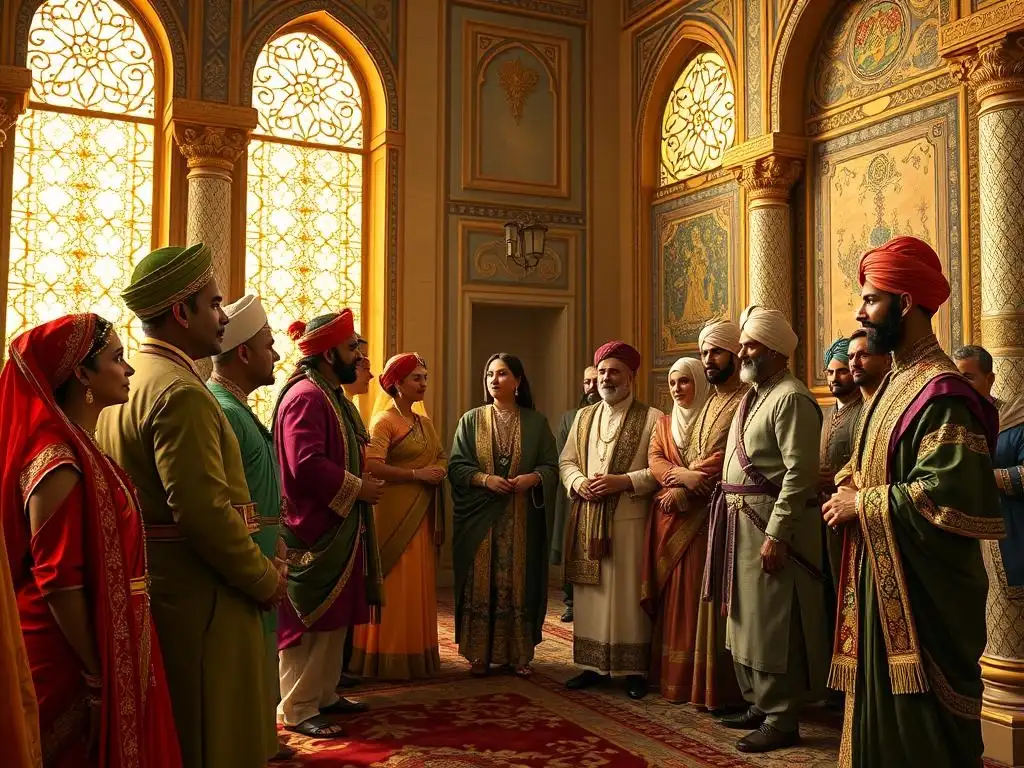
Welcome to Ancient India History, where we embark on a journey through the fascinating tapestry of ancient Indian civilizations. Discover how the intricate dynamics of diplomacy were woven through the lives of Indian envoys in the Persian court, shaping not only their era but also the course of cultural exchange that resonates to this day.
In our featured article, "The Persian Court: How Indian Envoys Shaped Diplomatic Relations," we delve into the compelling tales of these diplomats, revealing their pivotal roles in fostering connections that transcended borders. Join us as we unravel the stories that define our past and illuminate the legacy of a remarkable civilization.
Introduction to Indian Envoys in the Persian Court
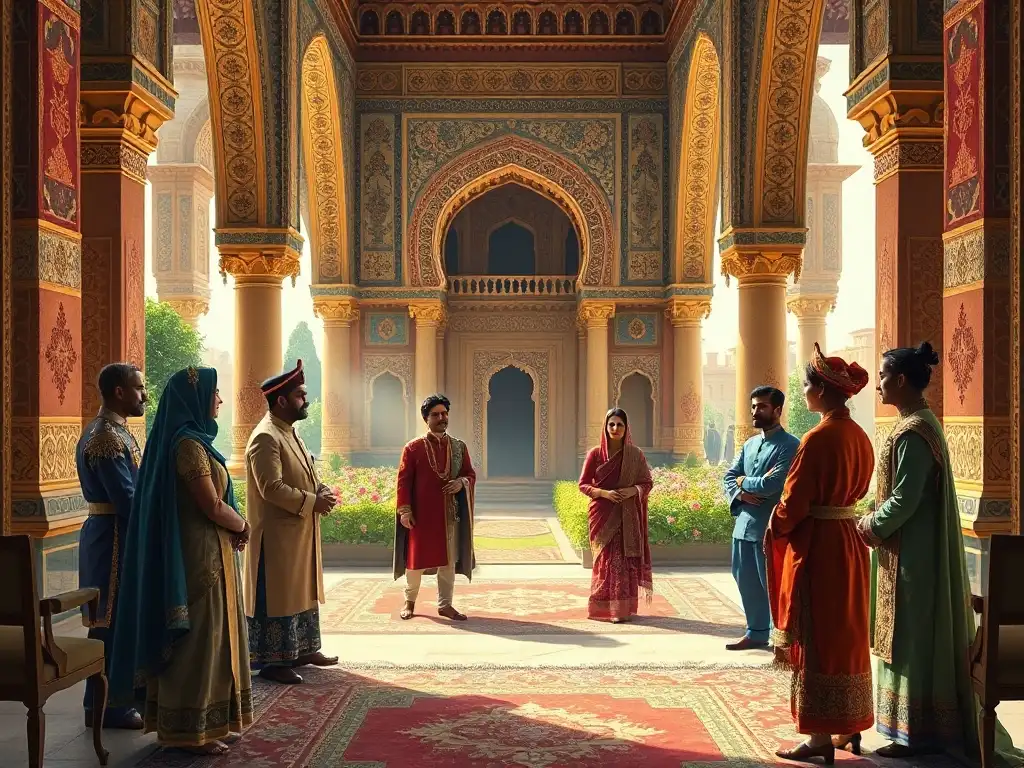
The intricate tapestry of ancient diplomacy reveals a fascinating interplay between the Indian subcontinent and the Persian Empire. Indian envoys in the Persian court played a pivotal role in shaping diplomatic relations, facilitating not just political alliances but also cultural exchanges that enriched both civilizations. This article delves into the historical significance of these envoys, exploring how their contributions influenced the political landscape and fostered mutual understanding between India and Persia. By examining the dynamics of their interactions, we can appreciate the depth of ancient Indian diplomacy and its lasting impact on regional relations.
Overview of Indian-Persian Diplomatic Relations
The relationship between India and Persia dates back to antiquity, characterized by a complex web of trade, culture, and politics. Envoys were instrumental in establishing and maintaining these connections, often acting as intermediaries who conveyed messages, negotiated treaties, and facilitated trade. The Persian Empire, known for its vast reach and administrative prowess, recognized the strategic importance of India as a key partner in both commerce and diplomacy.
- Key Aspects of Indian-Persian Relations:
- Trade routes facilitating the exchange of goods and ideas.
- Cultural exchanges that enriched both civilizations.
- Political alliances forged through diplomatic missions.
Importance of Envoys in Ancient Diplomacy
In ancient times, envoys were more than mere messengers; they were crucial actors in the diplomatic arena. Their roles included:
- Negotiation: Envoys played a key role in negotiating treaties and alliances, ensuring that both parties understood each other's interests and concerns.
- Cultural Diplomacy: They facilitated the exchange of cultural practices, art, and knowledge, which helped to foster goodwill and mutual respect between nations.
- Information Gathering: Envoys were often tasked with gathering intelligence about the political climate, military capabilities, and economic conditions of their host nations.
Historical Context of Indian Envoys in the Persian Court
To fully understand the role of Indian envoys in the Persian court, it is essential to explore the broader historical context that shaped these interactions.
The Rise of the Persian Empire
The Persian Empire, emerging in the 6th century BCE under the Achaemenid dynasty, became one of the largest empires in history. Its expansion brought it into direct contact with the Indian subcontinent, leading to significant diplomatic engagements. The empire's administrative sophistication allowed it to manage diverse cultures and peoples, including Indian states, which were seen as valuable allies and trading partners.
The Role of India in Ancient Trade Networks
India's strategic location made it a central hub in ancient trade networks, connecting the East and West. The exchange of goods, such as spices, textiles, and precious stones, played a crucial role in fostering economic ties between Indian states and the Persian Empire. Indian envoys often participated in trade missions, negotiating terms that benefited both parties.
Early Interactions Between Indian and Persian Civilizations
The interactions between Indian and Persian civilizations can be traced back to the early days of the Achaemenid Empire. Notable events include:
- The Invasion of India by Darius I: This marked one of the earliest direct encounters, leading to the incorporation of parts of northwest India into the Persian Empire.
- Cultural Exchanges: Artistic and architectural influences flowed both ways, as seen in the adoption of Persian motifs in Indian art and the introduction of Indian customs in Persian society.
Understanding these historical contexts provides valuable insights into how Indian envoys navigated the complexities of diplomacy and contributed to shaping the relations between two great civilizations.
Key Indian Envoys and Their Contributions
Throughout history, Indian envoys played a crucial role in shaping the diplomatic landscape between India and Persia. These envoys were not merely representatives; they were skilled negotiators and cultural ambassadors who facilitated both political and cultural exchanges. Their contributions significantly influenced the relationship between the two civilizations, opening avenues for trade, cultural interactions, and mutual respect.
Some of the key Indian envoys, such as Kautilya (Chanakya) and Megasthenes, not only represented their kingdoms but also chronicled their experiences, providing invaluable insights into the socio-political dynamics of the time. The presence of such figures in the Persian court underscored the importance of diplomacy in ancient times, highlighting how well-planned missions could lead to favorable outcomes for their home states.
Notable Indian Envoys in the Persian Court
- Kautilya (Chanakya): Known primarily for his work "Arthashastra," Kautilya was an influential figure who served as a strategist and envoy during the Maurya Empire. His diplomatic acumen was pivotal in establishing strong ties with Persian rulers.
- Megasthenes: The Greek ambassador to the Mauryan court, Megasthenes, provided a bridge between Indian and Persian cultures. His accounts in "Indica" reveal the intricacies of Indian society and governance, influencing Persian perceptions of India.
- Other Envoys: Various other diplomats from Indian kingdoms, including emissaries from the Satavahana and Gupta dynasties, contributed to the ongoing dialogue between India and Persia, enhancing trade relations and cultural understanding.
Cultural Exchanges Facilitated by Indian Envoys
The role of Indian envoys extended beyond mere diplomacy; they were instrumental in facilitating rich cultural exchanges. The interactions led to:
- Art and Architecture: The exchange of artistic styles and architectural techniques influenced both Indian and Persian designs, leading to a fusion of aesthetics that is still evident in historical structures.
- Literature and Philosophy: Indian envoys brought with them literary works and philosophical thoughts, contributing to a broader understanding of Indian philosophies such as Buddhism and Jainism in Persian circles.
- Trade and Commerce: Envoys often engaged in trade negotiations that resulted in the exchange of goods such as spices, textiles, and precious stones, enriching both economies.
Diplomatic Relations: Strategies and Outcomes
The strategies employed by Indian envoys in the Persian court were multifaceted and often tailored to the political climate of the time. By leveraging their understanding of Persian culture and politics, they successfully navigated complex diplomatic waters.
Methods of Communication between Indian Envoys and Persian Rulers
Communication between Indian envoys and Persian rulers was intricate and involved various methods:
- Written Correspondence: Letters and formal documents were exchanged, often written in multiple languages to ensure clarity and mutual understanding.
- Cultural Delegations: Envoys would often travel with cultural delegations that included artists, scholars, and merchants, creating a more profound impact through shared experiences and presentations.
- Personal Meetings: Face-to-face interactions were crucial. Envoys would engage in direct dialogues with Persian officials, which allowed them to negotiate effectively and address issues on the spot.
Key Treaties and Agreements Influenced by Indian Envoys
Several treaties and agreements emerged from the efforts of Indian envoys, shaping the political landscape:
- Trade Agreements: Various trade treaties were established, allowing for regulated commerce and the exchange of resources, which benefitted both empires.
- Peace Treaties: Diplomatic missions often resulted in peace treaties that resolved conflicts and ensured stability along the borders, highlighting the role of diplomacy in maintaining regional peace.
- Cultural Pacts: Agreements were sometimes focused on cultural exchanges, allowing scholars and artists to travel freely between the two civilizations, fostering a spirit of collaboration and mutual respect.
The Impact of Indian Diplomacy on Persian Policies
Indian diplomacy had a significant impact on Persian policies, influencing their approach to governance and international relations.
- Cultural Integration: The influx of Indian ideas and practices led Persian rulers to adopt certain cultural aspects, enhancing the diversity of their own courts.
- Trade Policy Adjustments: The success of trade negotiations prompted Persian rulers to adjust their trade policies, creating more favorable conditions for Indian merchants.
- Political Alliances: The relationships built through these diplomatic channels often led to strategic alliances, allowing Persia to strengthen its position in the region while providing Indian states with allies in their own political endeavors.
The influence of Indian envoys in the Persian court was profound, shaping not only diplomatic relations but also cultural exchanges that enriched both civilizations. Their contributions laid the foundation for a lasting legacy of cooperation and mutual respect.
Case Study: A Specific Envoy's Journey
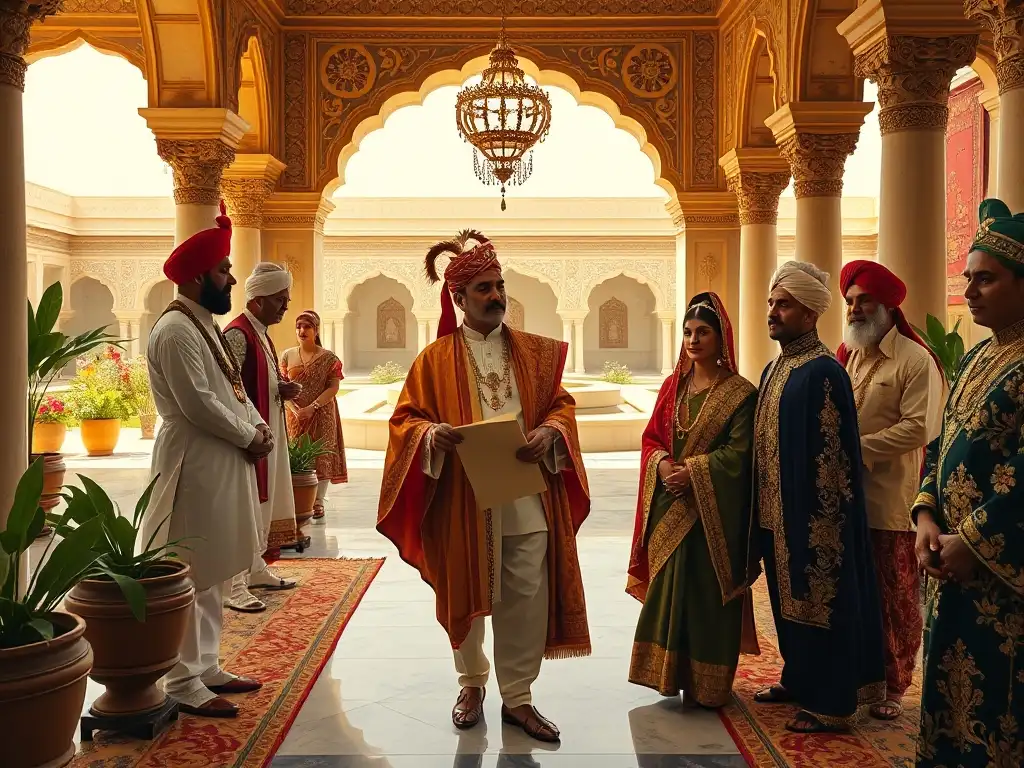
The journey of Indian envoys to the Persian court serves as a fascinating case study that elucidates the intricate web of diplomatic relations between ancient India and Persia. One of the most notable envoys was Kautilya, also known as Chanakya, who not only played a pivotal role in the establishment of the Maurya Empire but also made significant contributions to diplomatic relations with Persia. His journey encapsulates the complexities of diplomacy during that era, showcasing the cultural and political exchanges that occurred between these two great civilizations.
Background of the Envoy Kautilya
Kautilya, often hailed as one of the greatest political strategists of ancient India, was born in approximately 350 BCE in a Brahmin family. He is best known for his work, the Arthashastra, which is a treatise on statecraft, economic policy, and military strategy. Kautilya's early experiences as a scholar and his subsequent role as a chief advisor to Chandragupta Maurya positioned him uniquely as a diplomat. His understanding of both Indian and Persian cultures enabled him to craft nuanced approaches to diplomacy.
His background as a learned Brahmin gave him a unique perspective on governance and administration, which he applied effectively during his diplomatic missions. Kautilya's ability to assess and adapt to the political dynamics of the Persian court was crucial in shaping the interactions between India and Persia.
The Mission to the Persian Court
Kautilya's mission to the Persian court was primarily motivated by the need to establish a strategic alliance against common adversaries, particularly the Greek forces that were expanding through the region. The Mauryan Empire sought to solidify its power and enhance trade relations with Persia, which was a dominant empire at the time.
During his journey, Kautilya was tasked with negotiating terms that would benefit both empires. His approach involved not only diplomatic negotiations but also cultural exchanges, which played a significant role in fostering goodwill. He adeptly navigated the complexities of the Persian court, engaging with local customs and practices to establish rapport with Persian officials.
Outcomes of Kautilya's Diplomacy
Kautilya's diplomatic efforts yielded several significant outcomes. Firstly, he successfully forged a political alliance that allowed for mutual support against external threats, particularly from the incursions of Alexander the Great. This alliance not only fortified the Mauryan Empire's position in the region but also enhanced its legitimacy.
Secondly, the trade agreements established during Kautilya's mission facilitated economic exchanges that benefited both empires. Indian goods such as spices, textiles, and precious stones found their way to Persian markets, while Persian artisans and agricultural products were introduced to India.
Finally, Kautilya's interactions left a lasting legacy in the realm of diplomacy. His strategies and insights into statecraft influenced subsequent generations of Indian diplomats and rulers, laying the groundwork for future diplomatic engagements.
The Legacy of Indian Envoys in Persian Relations
The legacy of Indian envoys, particularly Kautilya, in shaping diplomatic relations with Persia is profound and multifaceted. Their contributions were not merely transactional but also cultural, impacting both civilizations in numerous ways.
Long-term Effects on Indian-Persian Relations
The long-term effects of Indian envoys in Persian relations were significant. The alliances forged during this period established a framework for future diplomatic interactions. The mutual respect and understanding cultivated through these early exchanges contributed to a sustained relationship that lasted for centuries, influencing trade, culture, and political dynamics between the two regions.
Furthermore, the diplomatic missions undertaken by envoys like Kautilya set a precedent for engagement that would be emulated by future rulers. The mechanisms of diplomacy developed during this time became essential tools in the arsenal of Indian rulers, allowing them to navigate complex international relations.
Influence on Subsequent Diplomatic Practices in the Region
The influence of Indian envoys in the Persian court extended beyond immediate outcomes; it shaped subsequent diplomatic practices in the region. The strategies employed by Kautilya and his contemporaries were studied and adapted by later diplomats, both Indian and Persian.
The emphasis on cultural understanding, economic cooperation, and strategic alliances became hallmarks of diplomatic practice in the region. This legacy is evident in the way future envoys approached their missions, often employing similar tactics of negotiation and cultural exchange to foster strong diplomatic ties.
Historical Significance in the Context of Ancient Civilizations
The historical significance of Indian envoys in the Persian court can be understood in the broader context of ancient civilizations. This interaction exemplifies the interconnectedness of cultures and the importance of diplomacy in maintaining peace and stability.
By examining the relationships between Indian and Persian civilizations, scholars gain insight into the complexities of ancient diplomacy, trade, and cultural exchange. The legacy of envoys like Kautilya underscores the importance of diplomacy in shaping historical narratives and highlights the enduring impact of these early interactions on contemporary relations. The diplomatic groundwork laid during this period remains a point of reference for understanding modern international relations in the region.
Conclusion
The interplay between Indian envoys and the Persian court is a significant chapter in the annals of ancient diplomacy. This relationship not only facilitated trade and cultural exchange but also laid the groundwork for understanding the complexities of international relations of the time. The Indian envoys served as crucial intermediaries, bridging the vast cultural and geographical divide between the Indian subcontinent and Persia. Their contributions were instrumental in shaping political alliances and fostering mutual respect between these two great civilizations.
Summary of the Role of Indian Envoys in the Persian Court
Indian envoys in the Persian court were pivotal in establishing diplomatic relations that transcended mere trade. These emissaries, often well-versed in the languages and customs of Persia, brought with them knowledge, cultural exchanges, and goods that enriched both societies. Their roles included:
- Negotiating Treaties: Indian envoys often facilitated treaties that defined trade routes and alliances, ensuring a stable environment for commerce.
- Cultural Exchange: They introduced Persian culture to India and vice versa, leading to a blend of artistic and literary traditions that enriched both civilizations.
- Political Alliances: Envoys played a crucial role in forming alliances against common adversaries, cementing the political landscape of the region.
Through these multifaceted roles, Indian envoys left an indelible mark on the diplomatic history of the ancient world, showcasing how effective communication and understanding can lead to significant historical outcomes.
Reflection on the Importance of Diplomatic Relations in Ancient History
Diplomatic relations in ancient history were vital for the survival and prosperity of civilizations. The interactions between Indian envoys and the Persian court exemplify how diplomacy can lead to peaceful coexistence and mutual advancement. Such relationships were crucial for:
- Stability: Diplomatic ties helped maintain peace and stability, reducing the likelihood of wars and conflicts.
- Cultural Flourishment: The exchange of ideas, art, and technology fostered a rich cultural milieu, allowing both civilizations to thrive.
- Economic Growth: Through trade agreements and mutual cooperation, economies flourished, leading to advancements in various sectors, including agriculture, craftsmanship, and science.
Understanding these diplomatic nuances allows us to appreciate the intricate web of relationships that formed the backbone of ancient civilizations, highlighting the enduring legacy of diplomacy throughout history.
Further Reading and Resources
To delve deeper into the fascinating interactions between Indian and Persian civilizations, several resources are available that provide comprehensive insights into their diplomatic relations.
Recommended Books on Indian-Persian Interactions
- "The Great Empires of Asia: A History of Indian-Persian Relations" by Ramesh Kumar
- This book explores the historical ties and interactions between India and Persia, emphasizing the role of envoys in shaping diplomatic relations.
- "Diplomacy in Ancient India: Indian Envoys and Their Impact" by Anjali Sharma
- A detailed look into the practices of diplomacy in ancient India and the significant contributions of Indian envoys to foreign courts, including Persia.
- "Cultural Exchanges between India and Persia: A Historical Perspective" by Farah Rasool
- This work highlights the cultural exchanges that occurred through diplomatic channels, exploring how these interactions influenced art, literature, and philosophy.
Articles and Journals on Ancient Diplomacy
- "The Role of Envoys in Ancient Diplomacy" - An academic journal article that outlines the functions and significance of envoys in various ancient civilizations, with a special focus on Indian and Persian interactions.
- "Trade and Diplomacy: The Indian Perspective": - A comprehensive analysis of how trade routes influenced diplomatic relations in ancient times, featuring case studies of Indian envoys in Persia.
- "Persian Influence on Indian Culture: An Analytical Review": - This article investigates the cultural impact of Persian diplomacy on Indian society, showcasing how envoys facilitated this exchange.
These resources provide a deeper understanding of the rich tapestry of Indian-Persian interactions and the pivotal role of envoys in shaping their historical narrative.
- Introduction to Indian Envoys in the Persian Court
- Historical Context of Indian Envoys in the Persian Court
- Key Indian Envoys and Their Contributions
- Diplomatic Relations: Strategies and Outcomes
- Case Study: A Specific Envoy's Journey
- The Legacy of Indian Envoys in Persian Relations
- Conclusion
- Further Reading and Resources
- What role did Indian envoys play in the Persian court?
- How did the Persian court influence ancient Indian civilizations?
- What were the key contributions of Indian envoys during their time in the Persian court?
- How did the relationship between Indian envoys and the Persian court evolve over time?
- Why is the study of Indian envoys in the Persian court significant today?
Frequently Asked Questions
What role did Indian envoys play in the Persian court?
Indian envoys were crucial in establishing and maintaining diplomatic relations between India and Persia, often facilitating trade and cultural exchanges.
How did the Persian court influence ancient Indian civilizations?
The Persian court impacted ancient Indian civilizations through the introduction of administrative practices and cultural exchanges that enriched Indian governance and society.
What were the key contributions of Indian envoys during their time in the Persian court?
Indian envoys contributed to the political landscape by negotiating treaties, promoting trade routes, and sharing cultural knowledge that influenced both regions.
How did the relationship between Indian envoys and the Persian court evolve over time?
The relationship evolved from initial diplomatic missions to more structured alliances, reflecting the changing political dynamics and mutual interests of both civilizations.
Why is the study of Indian envoys in the Persian court significant today?
Studying Indian envoys in the Persian court is significant as it highlights the historical interconnectedness of ancient cultures and the foundations of modern diplomatic practices.
Final Reflection: The Enduring Legacy of Indian Envoys in the Persian Court
The intricate dance of diplomacy between India and Persia, as explored in this article, reveals how Indian envoys in the Persian court have not only shaped historical relations but continue to resonate in today's global diplomatic landscape. The significance of these early interactions underscores the importance of cultural exchange and mutual understanding in fostering international ties. The lessons learned from these envoys remind us that diplomacy is not merely about politics; it is about building bridges across cultures.
The influence of Indian envoys in the Persian court has left an indelible mark on both nations, shaping their cultural and social dynamics throughout history. This legacy is evident in the shared art, literature, and trade practices that emerged from these interactions. As we reflect on this historical narrative, we are reminded of the words of the renowned historian Will Durant: Civilization exists by geological consent, subject to change without notice.
This quote encapsulates the idea that the foundations of our societies are built on the interactions and relationships we cultivate, emphasizing the ongoing relevance of these early diplomatic efforts.
As we look to the future, let us take inspiration from the remarkable journeys of these Indian envoys and their contributions to diplomacy. I invite you to reflect on how you can foster understanding and collaboration in your own life, whether through cultural exchanges, open dialogue, or simply by embracing diversity. The spirit of these envoys lives on, encouraging us to engage with the world around us and to build connections that transcend borders.
Unveil New Diplomatic Pathways!
Thank you for diving into the fascinating world of Indian envoys and their impact on diplomatic relations with the Persian Court! You've gained valuable insights into a pivotal era that shaped history. Now, let’s take that knowledge and transform it into action.
Here’s how you can further explore and engage with this captivating topic:
- Dive Deeper: Research specific Indian envoys and their unique contributions to diplomacy—who were they and what were their accomplishments?
- Share Your Findings: Start a discussion with friends or on social media about how these historical connections can inspire modern diplomatic relations.
- Join the Conversation: Comment below your thoughts on how the role of envoys has changed over time and share any surprising facts you discover!
How do you think understanding historical diplomacy can influence today’s international relationships?