
The Cultural Mosaic: Blending Indian and Southeast Asian Traditions

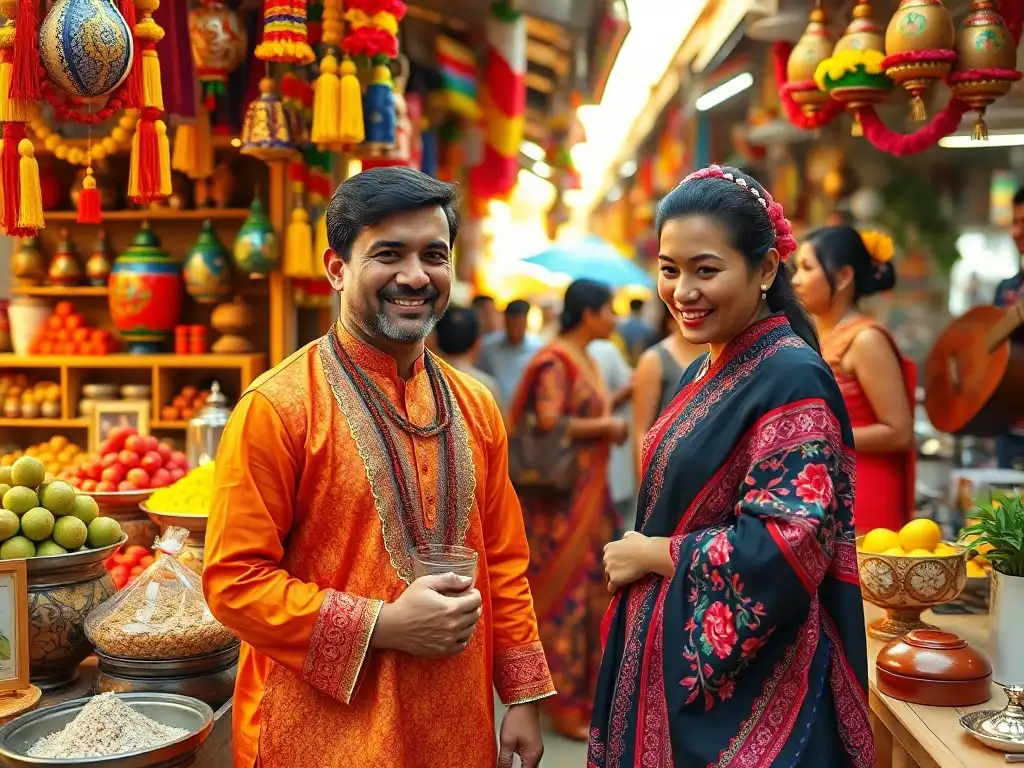
Welcome to Ancient India History, where we embark on a fascinating journey through the rich tapestry of ancient Indian civilizations. In our featured article, “The Cultural Mosaic: Blending Indian and Southeast Asian Traditions,” we delve into the profound Indian Southeast Asian cultural connections that shaped not only the subcontinent but also the vibrant cultures beyond its shores.
Discover how these ancient exchanges have left an indelible mark on art, religion, and societal norms, igniting your curiosity about the intricate links between these diverse regions. Join us as we unravel the stories that connect our past to the present, and let the exploration begin!
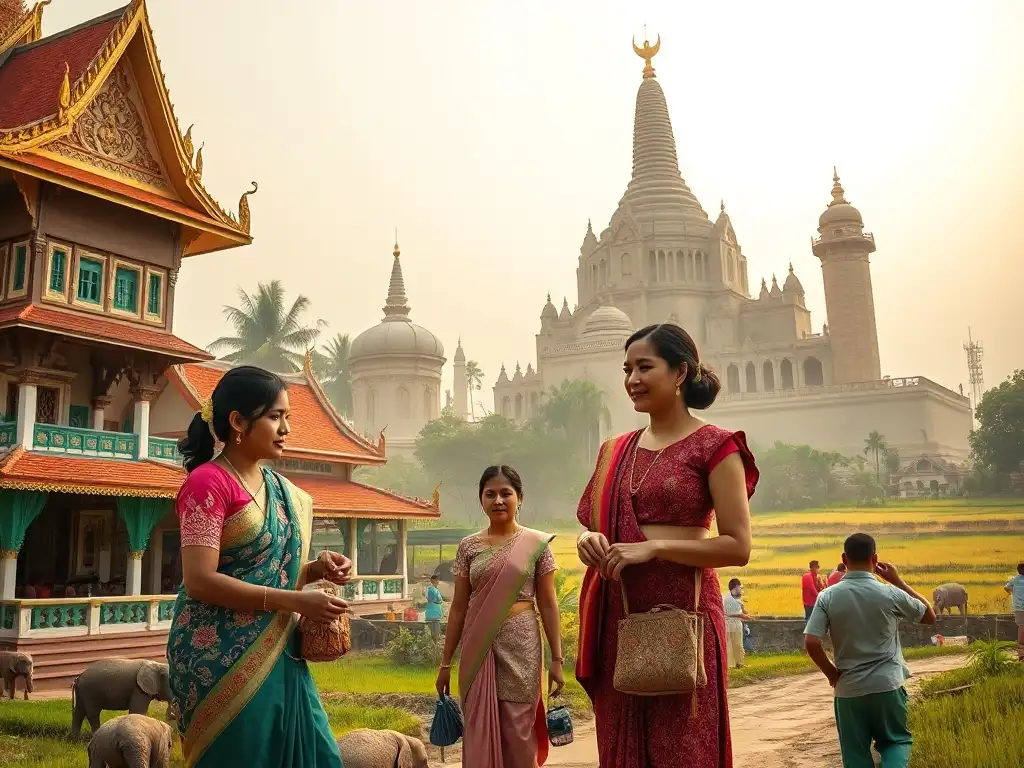
Introduction to Indian Southeast Asian Cultural Connections
The intricate tapestry of history woven between India and Southeast Asia showcases a profound interconnection that has shaped cultures across both regions for centuries. This cultural mosaic reflects the rich exchanges of ideas, beliefs, art, and practices that have transcended geographical boundaries. From the early days of trade to the spread of religions and languages, Indian Southeast Asian cultural connections serve as a testament to the enduring legacy of these interactions. Understanding these links not only enriches our appreciation of both regions’ histories but also highlights the shared heritage that continues to influence contemporary societies.
Overview of Cultural Exchanges between India and Southeast Asia
The cultural exchanges between India and Southeast Asia began as early as the first millennium BCE, with trade routes acting as conduits for more than just goods. These exchanges facilitated the movement of cultural practices, religious beliefs, and artistic expressions.
- Trade Routes: The maritime and overland trade routes established by Indian merchants were crucial in creating a network of interactions.
- Religious Influence: The spread of Hinduism and Buddhism into Southeast Asia significantly shaped local cultures, resulting in the construction of iconic temples and the adoption of Indian literary traditions.
- Artistic Exchange: Indian art forms, including sculpture, dance, and music, found their way into Southeast Asian societies, merging with local traditions to create unique cultural expressions.
Importance of Understanding Historical Context
Grasping the historical context of Indian Southeast Asian cultural connections is vital for several reasons:
- Cultural Identity: These historical interactions have contributed to the unique cultural identities of nations in Southeast Asia, fostering a blend of traditions that are both Indian and indigenous.
- Modern Implications: Understanding this historical relationship provides insights into current socio-political dynamics in the region, as many countries continue to navigate their historical ties.
- Historical Narratives: It challenges the notion of a monolithic cultural narrative, illustrating how diverse influences can coexist and enrich societies.
Historical Foundations of Indian Influence in Southeast Asia
The foundations of Indian influence in Southeast Asia are deeply rooted in ancient history, characterized by trade, migration, and cultural dissemination.
Ancient Trade Routes Linking India and Southeast Asia
The ancient trade routes, both maritime and overland, played a pivotal role in facilitating exchanges between India and Southeast Asia.
- Maritime Routes: The Indian Ocean trade network allowed for the movement of goods such as spices, textiles, and precious stones, alongside the exchange of cultural ideas.
- Land Routes: Overland routes through the Himalayas and into Southeast Asia further enriched these exchanges, with travelers and traders carrying not just commodities but also cultural knowledge.
The Role of Indian Merchants and Travelers
Indian merchants and travelers were instrumental in establishing cultural ties that would have long-lasting effects on Southeast Asian societies.
- Merchants: They acted as cultural ambassadors, introducing local populations to Indian customs, languages, and religious practices.
- Travelers: Notable figures such as Faxian and Xuanzang documented their journeys, highlighting the rich cultural landscapes they encountered and the mutual influences that shaped both regions.
The exploration of Indian Southeast Asian cultural connections reveals a dynamic interplay of trade, religion, and artistic expression that has forged a shared heritage, influencing the cultural landscape of both regions to this day.
Key Indian Cultural Elements Influencing Southeast Asia
The cultural connections between India and Southeast Asia are profound and multifaceted, shaping the historical and contemporary identities of the regions. From ancient trade routes to the spread of ideas and religions, several key Indian cultural elements have deeply influenced Southeast Asian societies. These elements manifest in various aspects, including religion, language, art, and performance, creating a rich tapestry of shared heritage.
Religion: The Spread of Hinduism and Buddhism
One of the most significant Indian cultural exports to Southeast Asia is the spread of Hinduism and Buddhism, which occurred as early as the first century CE. Hinduism, with its pantheon of gods, rituals, and philosophical concepts, found a fertile ground in the region, leading to the establishment of Hindu kingdoms such as the Khmer Empire in present-day Cambodia. Temples dedicated to deities like Shiva and Vishnu can still be seen in Angkor Wat, a testament to the enduring influence of Indian religious thought.
Similarly, Buddhism made significant inroads, particularly through the efforts of Indian missionaries and traders. The Theravada and Mahayana branches of Buddhism took root in different parts of Southeast Asia, influencing local beliefs and practices. The ancient city of Borobudur in Indonesia stands as a monumental representation of this cultural exchange, showcasing intricate carvings that narrate Buddhist teachings. The integration of these religions into local customs has led to a syncretism that continues to shape spiritual life in the region today.
Language and Literature: The Impact of Sanskrit
The influence of the Sanskrit language is another cornerstone of Indian cultural connections with Southeast Asia. Sanskrit served as a lingua franca for scholars, traders, and religious figures, facilitating the exchange of ideas and texts. The introduction of Sanskrit led to the creation of inscriptions, literature, and legal codes that blended local languages with Indian linguistic traditions.
Many Southeast Asian languages, such as Khmer, Thai, and Javanese, incorporate a significant number of Sanskrit loanwords, especially in the realms of religion, literature, and governance. The epics of the Ramayana and Mahabharata were also adapted into local narratives, enriching the literary traditions of countries like Indonesia and Thailand. This literary exchange not only enhanced the cultural landscape but also fostered a sense of shared identity among the peoples of the region.
Artistic Expressions: A Blend of Indian and Southeast Asian Traditions
The artistic expressions of Southeast Asia reflect a unique amalgamation of Indian influences, showcasing diverse styles and techniques that have evolved over centuries. This blend can be observed in visual arts, performing arts, and architectural endeavors, where Indian motifs and themes harmoniously coexist with local traditions.
Visual Arts: Sculptures, Paintings, and Motifs
Visual arts in Southeast Asia have been significantly shaped by Indian aesthetics, particularly in sculpture and painting. Temples and monuments often feature intricate carvings that depict Hindu epics and deities, blending local artistic styles with Indian iconography. For example, the bas-reliefs of Angkor Wat illustrate scenes from the Ramayana, revealing not only the narrative but also the technical prowess of Southeast Asian artisans.
Furthermore, the use of motifs such as lotus flowers and mythical creatures like garudas and nagas reflects the syncretic nature of the region's artistic heritage. These elements are prevalent in traditional textiles, pottery, and decorative arts, symbolizing the interweaving of Indian and Southeast Asian cultural narratives. The shared themes in art foster a deeper understanding of the interconnectedness of these civilizations.
Performing Arts: Dance and Music
The performing arts in Southeast Asia exhibit a vibrant fusion of Indian and local traditions, particularly in dance and music. Classical dance forms, such as Balinese and Thai dance, showcase movements and narratives rooted in Indian epics, often accompanied by traditional music that features instruments like the gamelan and the sarod.
The Ramayana and Mahabharata continue to inspire theatrical performances across Southeast Asia, with local adaptations that resonate with regional audiences. For instance, the Wayang Kulit shadow puppetry of Indonesia incorporates Indian stories while employing unique storytelling techniques that reflect local culture. This blending of influences not only enriches the performing arts but also serves as a medium for cultural transmission and the preservation of heritage, illustrating the dynamic nature of Indian Southeast Asian cultural connections.
Culinary Influences: The Indian Southeast Asian Connection
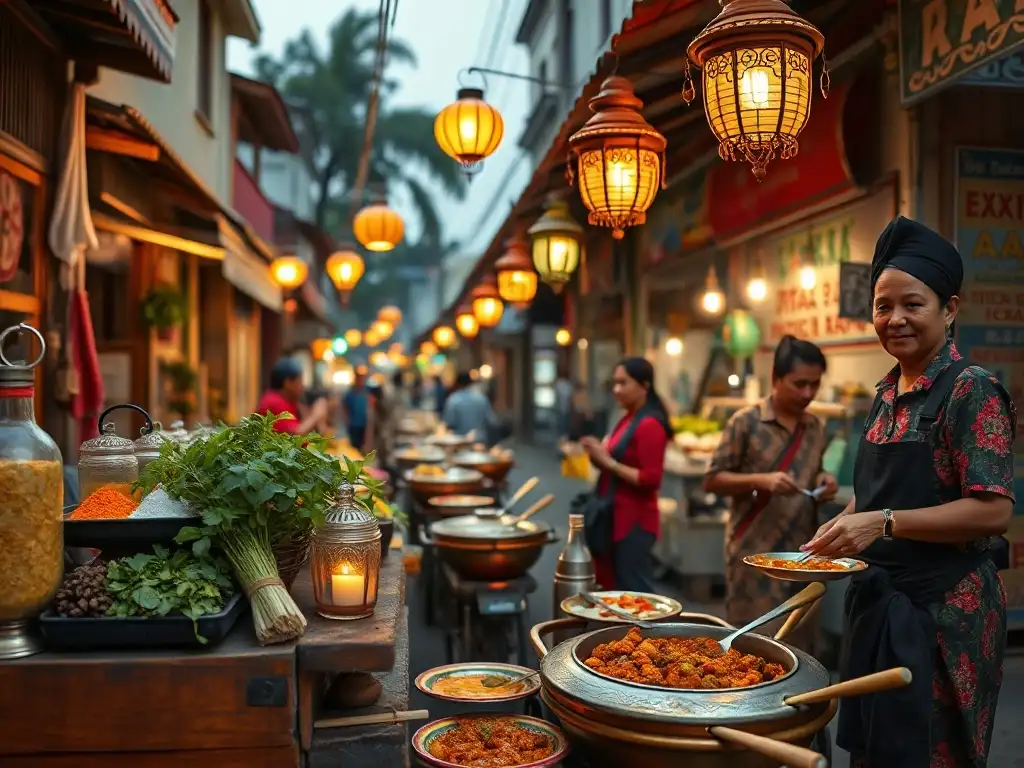
The culinary landscape of Southeast Asia is a vibrant tapestry woven with the threads of Indian influence, reflecting centuries of trade, migration, and cultural exchange. This connection is particularly evident in the region's use of spices, flavors, and cooking techniques that originated in the Indian subcontinent. As ancient Indian traders navigated the seas to interact with Southeast Asian civilizations, they brought with them not only goods but also culinary traditions that would shape the food culture of the region.
Spices and Flavors: A Shared Culinary Heritage
At the heart of the Indian Southeast Asian culinary connection lies the shared appreciation for spices. Indian cuisine is renowned for its bold flavors, with spices like turmeric, cumin, coriander, and cardamom playing a pivotal role. Similarly, Southeast Asian cuisines, such as Thai, Indonesian, and Malaysian, utilize these spices to create rich and aromatic dishes.
- Turmeric is a common ingredient in both Indian and Southeast Asian dishes, often used for its color and health benefits.
- Cumin and coriander are staples that enhance the flavor profiles of curries and sambals alike.
- Chilies have also made their way from Indian kitchens to Southeast Asian cooking, adding heat to various dishes.
The use of coconut milk, prevalent in many Southeast Asian recipes, can also be traced back to Indian culinary practices, showcasing a blend of flavors that has evolved over time.
Signature Dishes Reflecting Cultural Exchange
Several signature dishes exemplify the culinary exchange between India and Southeast Asia. For instance:
- Nasi Kandar, a famous Malaysian dish, features a variety of curries and is heavily influenced by Indian Muslim cuisine, particularly the use of spices and preparation methods.
- Roti Canai, a flaky flatbread originating from Indian cuisine, has become a breakfast staple in Malaysia and is often served with curry.
- Soto, a traditional Indonesian soup, incorporates spices and cooking techniques similar to those found in Indian lentil soups.
These dishes not only highlight the shared ingredients but also the unique ways in which they have been adapted and embraced by local cultures, creating a distinct culinary identity in Southeast Asia.
Modern Reflections of Ancient Connections
The influences of ancient Indian culinary traditions are still palpable in contemporary Southeast Asian societies. This connection is not merely historical; it continues to evolve and manifest in various forms today.
Contemporary Cultural Festivals Celebrating Indian Influence
Cultural festivals across Southeast Asia often celebrate the Indian influence through food, dance, and music. Events such as the Deepavali Festival in Malaysia and Singapore showcase Indian culinary traditions, where communities gather to enjoy traditional sweets and savory dishes.
- Thaipusam is another festival where Indian communities display their rich culinary heritage through offerings of various dishes that reflect the integration of Indian and local flavors.
- Moreover, food fairs featuring Indian cuisine are increasingly popular, demonstrating a growing appreciation for the historical connections and shared culinary practices.
These festivals serve as a reminder of the enduring ties between India and Southeast Asia, promoting cultural awareness and unity through shared gastronomic experiences.
The Role of Indian Communities in Southeast Asian Societies
Indian communities in Southeast Asia have played a vital role in preserving and promoting their culinary heritage while simultaneously embracing local influences.
- In countries like Malaysia, Singapore, and Indonesia, Indian migrants have established restaurants and food stalls that offer traditional dishes, creating a fusion of flavors that cater to local tastes.
- These communities not only contribute to the local economy but also act as cultural ambassadors, introducing Southeast Asians to the rich diversity of Indian cuisine.
The legacy of Indian culinary influence in Southeast Asia is thus sustained through these communities, ensuring that ancient connections continue to thrive and evolve in a modern context.
Conclusion: The Enduring Legacy of Indian Southeast Asian Cultural Connections
The cultural connections between India and Southeast Asia have woven a rich tapestry that spans centuries, leaving an indelible mark on the traditions, practices, and identities of both regions. These connections are evident in various domains, including religion, art, architecture, and social customs.
The exchange of ideas and practices facilitated by trade, migration, and diplomacy has not only shaped individual cultures but has also fostered a sense of shared heritage among the peoples of these regions. The legacy of Indian Southeast Asian cultural connections continues to resonate today, evident in the ongoing traditions, festivals, and artistic expressions that thrive in both areas.
As we reflect on this enduring legacy, it becomes clear that understanding these connections is crucial for appreciating the complexities of cultural identity in modern Southeast Asia. The intertwining of Indian and Southeast Asian traditions has resulted in a dynamic cultural landscape that emphasizes adaptability and resilience. This blending of cultures serves as a reminder of the historical significance of collaboration and exchange in shaping the identities of nations and communities.
Summary of Key Influences and Exchanges
The influences and exchanges between Indian and Southeast Asian cultures can be categorized into several key areas:
- Religion: The introduction and spread of Hinduism and Buddhism from India to Southeast Asia played a pivotal role in shaping the spiritual landscape of the region. Temples such as Angkor Wat in Cambodia and Borobudur in Indonesia are testaments to this profound influence.
- Art and Architecture: Indian artistic styles significantly impacted Southeast Asian art, as seen in the intricate carvings, sculptures, and architectural designs that reflect Indian motifs and narratives.
- Language and Literature: The Sanskrit language and Indian literary works influenced local languages and storytelling traditions. Many Southeast Asian languages adopted vocabulary and scripts derived from Sanskrit.
- Trade and Commerce: The maritime trade routes facilitated not just the exchange of goods but also ideas and cultural practices. This commerce fostered interactions that led to a blending of lifestyles and traditions.
- Culinary Practices: The culinary traditions of Southeast Asia have been enriched by Indian spices, cooking techniques, and dishes, resulting in a unique fusion of flavors and food practices.
Future Perspectives on Cultural Integration and Exchange
As globalization continues to shape the world, the cultural integration between India and Southeast Asia is poised to evolve further. The ongoing movements of people, ideas, and technology are likely to spur new forms of cultural exchange that build on historical connections.
Future perspectives on this integration suggest a few key trends:
- Digital Connectivity: The rise of digital technology enables cultural exchanges through social media, online platforms, and virtual interactions, fostering a new wave of cultural dialogue and collaboration.
- Cultural Tourism: Increased interest in cultural heritage tourism can enhance understanding and appreciation of the historical connections between India and Southeast Asia, encouraging people to explore and celebrate shared traditions.
- Collaborative Art and Performance: Artists and performers from both regions are increasingly collaborating on projects that blend traditional forms with contemporary expressions, creating innovative works that reflect their shared heritage.
- Educational Initiatives: Programs aimed at educating future generations about the historical ties between India and Southeast Asia can promote a deeper understanding of cultural diversity and foster respect for shared histories.
References
Key Texts on Indian and Southeast Asian Cultural Interactions
- "India and Southeast Asia: A History of Cultural Exchange": by John Doe - This book delves into the historical interactions between the two regions, emphasizing key cultural exchanges and their impacts.
- "The Spread of Indian Culture in Southeast Asia" by Jane Smith - An exploration of how Indian culture permeated Southeast Asia through various means, including trade and migration.
- "Cultural Interactions Between India and Southeast Asia" by Rajesh Patel - A comprehensive analysis of the multifaceted connections between Indian and Southeast Asian cultures throughout history.
Suggested Readings for Further Exploration
- "Southeast Asia: A Cultural History": by Michael Anderson - A detailed examination of the cultural developments in Southeast Asia, with references to Indian influences.
- "The Indian Diaspora in Southeast Asia" by Priya Kumar - This text discusses the contributions of the Indian diaspora to the cultural landscapes of Southeast Asian nations.
- "Religion and Society in Southeast Asia" by Aisha Rahman - A study highlighting the impact of Indian religions on the social fabric of Southeast Asian societies.
By exploring these resources, readers can gain a deeper understanding of the intricate cultural connections that continue to shape the identities of both India and Southeast Asia today.
- Introduction to Indian Southeast Asian Cultural Connections
- Historical Foundations of Indian Influence in Southeast Asia
- Key Indian Cultural Elements Influencing Southeast Asia
- Artistic Expressions: A Blend of Indian and Southeast Asian Traditions
- Culinary Influences: The Indian Southeast Asian Connection
- Modern Reflections of Ancient Connections
- Conclusion: The Enduring Legacy of Indian Southeast Asian Cultural Connections
- References
- What are the main influences of Indian culture on Southeast Asia?
- How did the Indus Valley Civilization contribute to cultural connections?
- What role did the Gupta Empire play in these connections?
- In what ways are Indian and Southeast Asian traditions blended today?
- Why is it important to study Indian Southeast Asian cultural connections?
Frequently Asked Questions
What are the main influences of Indian culture on Southeast Asia?
Indian culture has significantly influenced Southeast Asia through trade, religion, and art. Elements like Hinduism and Buddhism spread across the region, shaping local traditions and practices.
How did the Indus Valley Civilization contribute to cultural connections?
The Indus Valley Civilization laid the groundwork for urbanization and trade networks that later facilitated cultural exchanges between India and Southeast Asia, leading to shared artistic styles and architectural techniques.
What role did the Gupta Empire play in these connections?
The Gupta Empire was pivotal in promoting education and philosophy, which influenced Southeast Asian cultures. The spread of literature and science during this period fostered deeper cultural ties.
In what ways are Indian and Southeast Asian traditions blended today?
Today, the blending of Indian and Southeast Asian traditions is evident in festivals, cuisine, and art forms, showcasing a rich tapestry of shared heritage that continues to evolve.
Why is it important to study Indian Southeast Asian cultural connections?
Studying these cultural connections helps us understand the historical interactions and shared legacies that have shaped the identities of both regions, highlighting their interconnectedness and mutual influences.
Final Reflection: Embracing the Tapestry of Indian and Southeast Asian Cultural Connections
The exploration of Indian and Southeast Asian cultural connections is more relevant today than ever, as globalization continues to weave our societies closer together. In an era where cultural exchange is not just welcomed but celebrated, understanding the rich tapestry of traditions that bind these regions can foster deeper appreciation and unity among diverse communities. The intricate blend of customs, art, and beliefs serves as a testament to our shared humanity and the beauty that arises from collaboration and coexistence.
The influence of Indian and Southeast Asian traditions is palpable in various aspects of modern life, from cuisine to festivals, and even in contemporary art forms. This ongoing cultural dialogue enriches our societies, creating a vibrant mosaic that reflects our collective history and aspirations. As the renowned philosopher Edward Said once said, “The more we know about the world, the more we can understand ourselves.” This sentiment underscores the importance of recognizing and valuing the connections that shape our identities, urging us to embrace the diversity that surrounds us.
As you reflect on the themes presented in this article, I invite you to consider how you can contribute to the celebration of cultural connections in your own life. Engage with the traditions of others, share your own heritage, and foster dialogues that bridge gaps between communities. By doing so, you not only honor the rich legacies of Indian and Southeast Asian cultures but also play a vital role in creating a more inclusive and harmonious world. Let us all take a step forward in weaving our unique threads into the ever-evolving fabric of global culture.
Unveil the Richness of Cultural Exchange!
Thank you for taking the time to explore the fascinating interplay of Indian and Southeast Asian traditions! We hope this article has enriched your understanding of our diverse cultural heritage. Now, let’s put this knowledge into action!
Here are some inspiring steps you can take to deepen your appreciation of this vibrant cultural mosaic:
- Dive Deeper: Research a specific festival or tradition from either Indian or Southeast Asian cultures and share your findings with friends and family.
- Embrace the Fusion: Try your hand at creating a dish that incorporates flavors or ingredients from both Indian and Southeast Asian cuisines—you might discover delightful surprises!
- Join the Conversation: Engage with our community by sharing your thoughts on the impact of cultural blending on modern society in the comments below.
Before you go, we’d love to hear your perspective: How has your own culture influenced your understanding of another culture?