
The Art of Calligraphy: How Ancient Indian Scripts Influenced Neighboring Cultures

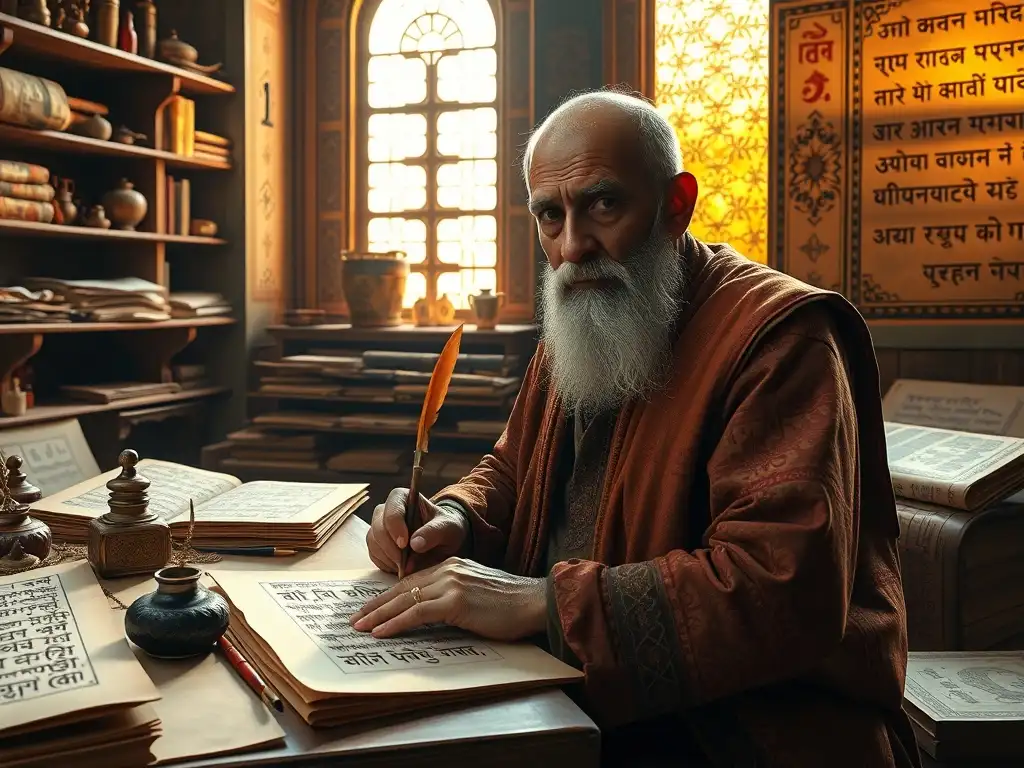
Welcome to Ancient India History, where we embark on a captivating journey through the rich tapestry of ancient Indian civilizations! Discover the profound influence of ancient Indian calligraphy, a hidden gem that not only shaped the cultural landscape of India but also reached out to neighboring cultures, leaving an indelible mark on their artistic expressions.
In our featured article, "The Art of Calligraphy: How Ancient Indian Scripts Influenced Neighboring Cultures," we delve into the fascinating interplay of art and culture, revealing how these exquisite scripts transcended borders and time. Prepare to be intrigued as we unlock the secrets of a world where ink and tradition intertwine, inviting you to explore the depths of this remarkable legacy.
Introduction to Ancient Indian Calligraphy Influence
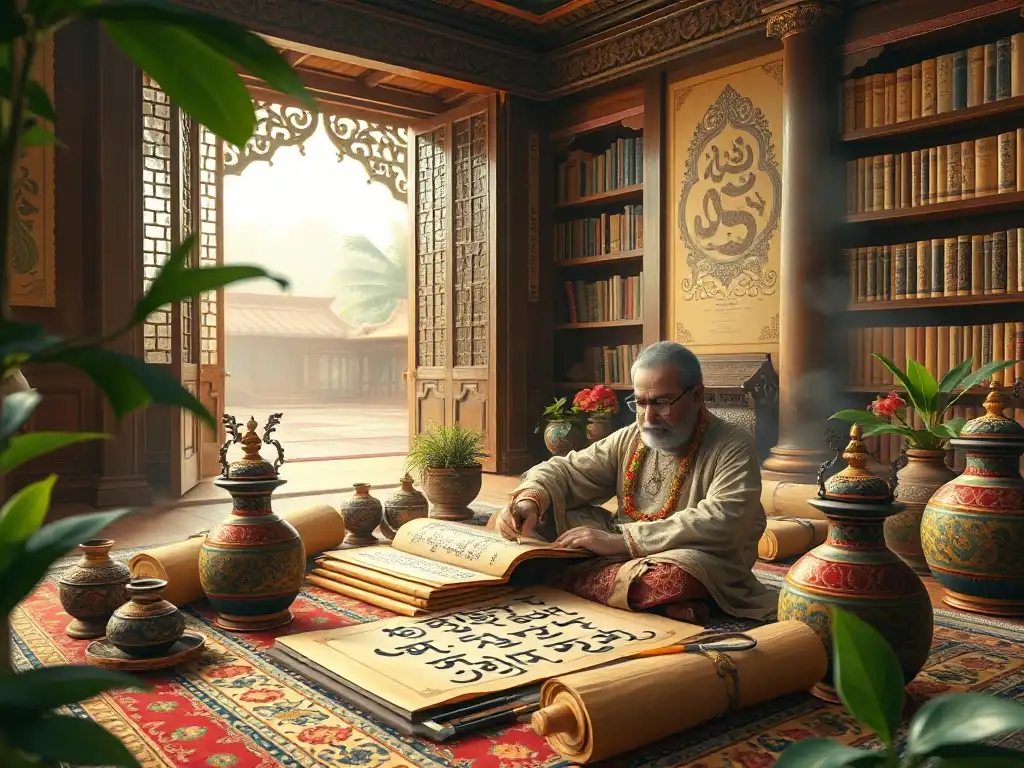
The intricate world of ancient Indian calligraphy serves as a fascinating lens through which we can explore the rich cultural tapestry of the subcontinent. This art form, characterized by its fluid strokes and artistic embellishments, not only reflects the aesthetics of ancient Indian civilization but also encapsulates the profound influences it had on neighboring cultures.
As we delve into this topic, we will uncover how ancient Indian scripts, through their unique forms and styles, transcended geographical boundaries and impacted the artistic expressions of surrounding regions. The significance of calligraphy in ancient India extends beyond mere writing; it is a testament to the cultural exchanges and syncretism that shaped the very fabric of society during various historical epochs.
Overview of Calligraphy in Ancient India
Calligraphy in ancient India was more than just a means of communication; it was an art form that embodied the philosophical and spiritual beliefs of its time. Various scripts, such as Brahmi and Kharosthi, emerged as vital components of administrative and literary practices. The beauty and intricacy of these scripts were celebrated in manuscripts, inscriptions, and religious texts, showcasing a deep appreciation for aesthetics and craftsmanship.
- Brahmi Script: Considered one of the earliest writing systems in India, Brahmi laid the foundation for many other scripts in the region.
- Kharosthi Script: Used primarily in the northwest, Kharosthi was instrumental in trade and cultural exchanges with Central Asia.
The significance of calligraphy in ancient India is evident not only in its ornamental qualities but also in its role as a vehicle for transmitting knowledge, culture, and religious teachings.
Importance of Calligraphy in Cultural Expression
Calligraphy was an essential medium for cultural expression in ancient India, serving as a bridge between the spiritual and the temporal. It played a crucial role in:
- Preservation of Knowledge: Texts inscribed in elegant scripts contributed to the preservation of religious, philosophical, and historical knowledge.
- Artistic Representation: Calligraphy often adorned temples, manuscripts, and monuments, reflecting the artistic sensibilities of the time.
- Cultural Identity: Different regions developed their unique styles of calligraphy, fostering a sense of identity and belonging among communities.
The intricate designs and styles of ancient Indian calligraphy not only captivated the imagination of its contemporaries but also influenced artistic traditions beyond its borders.
Historical Context of Ancient Indian Scripts
To fully appreciate the influence of ancient Indian calligraphy, it is essential to understand its historical context. The evolution of scripts and writing systems in ancient India was deeply intertwined with political, social, and cultural developments.
Major Ancient Indian Scripts and Their Origins
- Brahmi: Originating around the 3rd century BCE, Brahmi is often regarded as the precursor to many scripts in South and Southeast Asia. It evolved from earlier pictographic symbols and became the foundation for various regional scripts.
- Kharosthi: Predominantly used in the northwest of India, Kharosthi dates back to the same period as Brahmi and was influenced by Aramaic scripts, showcasing the interaction of cultures along trade routes.
- Other Scripts: Scripts such as Tamil, Siddham, and Devanagari emerged later, each contributing to the rich tapestry of Indian calligraphy.
Evolution of Calligraphy Techniques in Ancient India
The techniques of calligraphy in ancient India evolved significantly over the centuries. Initially, inscriptions were carved into stone and metal, demanding precision and skill. With the advent of palm leaf manuscripts, the focus shifted to inked scripts, allowing for greater artistic freedom and expression.
- Materials Used: Various materials, including palm leaves, birch bark, and handmade paper, played a crucial role in the development of calligraphy.
- Tools and Techniques: The use of reed pens and natural inks allowed calligraphers to create intricate designs, leading to the flourishing of this art form.
As we continue to explore the influence of ancient Indian calligraphy on neighboring cultures, we will uncover how these artistic expressions transcended boundaries and inspired diverse traditions across Asia.
The Influence of Ancient Indian Calligraphy on Neighboring Cultures
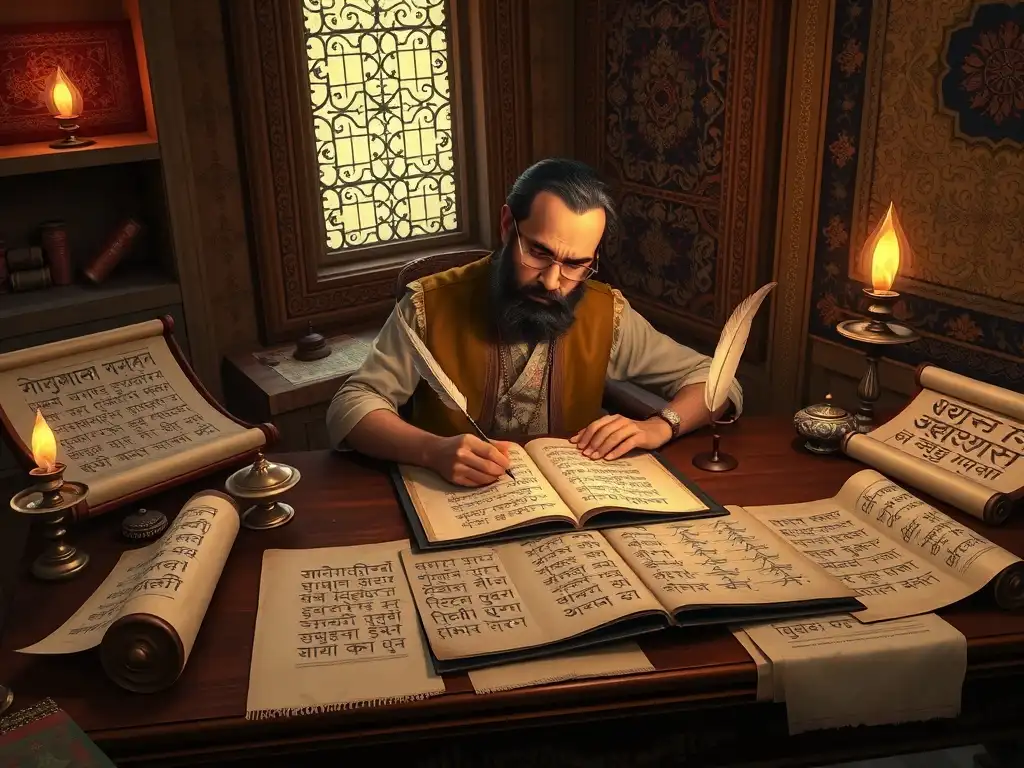
The influence of ancient Indian calligraphy extends far beyond the borders of India, impacting neighboring cultures through trade, migration, and cultural exchanges. As a sophisticated form of artistic expression, ancient Indian scripts such as Brahmi and Kharosthi not only served functional purposes in communication but also played vital roles in the dissemination of ideas, religion, and art across South Asia and beyond. The fluid lines and aesthetic appeal of these scripts inspired numerous adaptations and variations among neighboring civilizations, particularly in regions such as Southeast Asia, Central Asia, and even parts of the Middle East.
The spread of Buddhism was a significant catalyst for this influence, as the sacred texts were often inscribed in these scripts, allowing for their transmission across vast distances. As monks and traders traveled along the Silk Road and maritime routes, they carried with them not just religious teachings but also the artistic styles embedded in the calligraphy. This led to the emergence of hybrid scripts and artistic forms that retained the essence of their Indian origins while developing unique local characteristics.
Overview of Cultural Exchanges in South Asia
Cultural exchanges in South Asia have historically been marked by a rich tapestry of interactions among diverse groups. The region's geographical location facilitated contact between various civilizations, including the Persians, Greeks, Central Asians, and later the Chinese and Southeast Asians. The interactions were not solely limited to trade but encompassed religion, art, and philosophy.
One of the most notable periods of cultural exchange occurred during the reign of the Maurya and Gupta Empires, where trade routes flourished, and cultural ideas flowed freely. The establishment of Buddhist stupas and monasteries became centers of learning and artistic expression, fostering an environment where calligraphy could thrive alongside other art forms. This exchange allowed for the cross-pollination of artistic techniques and script styles, further amplifying the influence of ancient Indian calligraphy.
Specific Examples of Script Influence on Neighboring Regions
The impact of ancient Indian calligraphy can be observed in various neighboring regions, each adapting the scripts to fit their linguistic and cultural contexts. For instance:
- Southeast Asia: The Pallava script, which evolved from Brahmi, significantly influenced the development of scripts in countries like Thailand, Cambodia, and Indonesia. The Khmer script, used for the Khmer language, shows distinct similarities to Brahmi, illustrating how Indian calligraphy laid the foundation for regional script development.
- Central Asia: The Kharosthi script, initially used in the northwest of India, made its way into regions like Afghanistan and Pakistan. Its influence is evident in the Bactrian script, which adapted Kharosthi features to accommodate local languages.
- Tibet: The Tibetan script, developed in the 7th century, drew inspiration from the Gupta period Brahmi script. This adaptation not only affected the written language but also influenced Tibetan artistic styles in manuscripts and religious texts.
The exchanges of calligraphic styles across these regions reflect a blend of ancient Indian aesthetics with local traditions, resulting in a rich cultural syncretism.
Characteristics of Ancient Indian Calligraphy
Ancient Indian calligraphy is defined by its intricate and varied characteristics, which reflect the socio-cultural contexts in which they were developed. The scripts demonstrate a high degree of artistry, with unique forms and structures that have evolved over centuries.
In addition to their visual appeal, these scripts also served practical functions in administration, literature, and religious texts, embodying the cultural values and beliefs of the time. The interplay between form and meaning in ancient calligraphy is a testament to the sophisticated understanding of language and art possessed by ancient Indian civilizations.
Aesthetic Features of Ancient Indian Scripts
The aesthetic features of ancient Indian scripts are characterized by their distinct geometric shapes, fluid strokes, and decorative elements. For instance, the Brahmi script exhibits a combination of straight and curved lines that create a rhythmic flow, enhancing its visual appeal. The use of ligatures—where two or more characters are combined into a single glyph—adds complexity and beauty to the written form.
Moreover, the scripts often incorporated decorative motifs, such as floral patterns and geometric designs, which were especially prominent in inscriptions found on temple walls and manuscripts. This attention to detail not only served to beautify the text but also reflected the cultural and spiritual significance of the written word.
Techniques and Materials Used in Calligraphy
The techniques and materials employed in ancient Indian calligraphy varied significantly depending on the context and the type of script. Calligraphers utilized a range of tools, including reed pens and brushes, to achieve different effects. The choice of ink, made from natural materials like soot mixed with water, contributed to the richness of the written text.
Manuscripts were typically inscribed on materials such as palm leaves, birch bark, and later, paper. The preparation of these materials was an art in itself, with meticulous processes to ensure durability and quality. The practice of calligraphy was not only about writing but also about creating an object of beauty, which was often accompanied by illustrations and ornamentation, enhancing the overall aesthetic experience of the text.
Ancient Indian calligraphy, with its profound influence on neighboring cultures, reflects a rich history of artistic expression and cultural exchange. Its aesthetic qualities and the techniques employed underscore the significance of written communication in ancient Indian society, leaving a legacy that continues to resonate in the modern world.
The Role of Religion and Philosophy in Calligraphy
Calligraphy in ancient India was deeply intertwined with the spiritual and philosophical beliefs of the time. Religious texts, scriptures, and philosophical writings were not merely sources of knowledge; they were considered sacred, and the act of writing them was viewed as a spiritual practice. Each letter and stroke was infused with meaning, reflecting both the divine and the earthly realms. This profound connection to spirituality played a pivotal role in shaping the aesthetic and functional aspects of calligraphy.
The influence of Hinduism, Buddhism, and Jainism contributed significantly to the evolution of calligraphic styles. These religions emphasized the importance of sacred texts, which led to the development of various scripts designed specifically for religious scriptures. For instance, the writing of mantras and prayers was often done in a stylized manner that heightened their spiritual significance. The philosophical concepts of dharma and karma also found expression through calligraphy, where the beauty of the script was seen as a reflection of moral values and inner truth.
Spiritual Significance of Calligraphy in Ancient India
In ancient India, calligraphy was regarded as a form of meditation and a connection to the divine. The meticulous process of crafting letters and symbols was believed to align the writer's mind and spirit with higher consciousness. This practice was especially prominent in the copying of sacred texts, where each character was imbued with reverence. The act of writing was not just about communication; it was an offering to the divine.
The use of intricate designs and embellishments in calligraphy further amplified its spiritual essence. Scripts such as Siddham and Brahmi were often adorned with motifs symbolizing cosmic elements, reinforcing the interconnectedness of the universe. Monks and scribes would spend years perfecting their skills, understanding that every stroke carried profound meaning. This spiritual dimension of calligraphy fostered a culture where written words were seen as vessels of divine knowledge.
The Impact of Religious Texts on Calligraphic Styles
Religious texts played a crucial role in shaping the styles of ancient Indian calligraphy. The Vedas, Upanishads, and Buddhist scriptures served as primary sources for scribes, leading to the creation of distinctive scripts that catered to specific religious needs. For example, the Pali Canon, a significant Buddhist text, was often transcribed in a stylized manner that reflected the principles of Buddhism, emphasizing clarity and purity.
Moreover, the need for accessibility and preservation of these texts influenced the development of scripts. As communities embraced different religions, they adapted existing calligraphic styles to meet their linguistic and cultural requirements. This adaptability resulted in a rich tapestry of calligraphic traditions, where styles evolved to reflect the philosophical and theological nuances of various belief systems.
Case Studies of Calligraphic Influence
Exploring specific instances of calligraphic influence reveals the broader impact of ancient Indian scripts on neighboring cultures. Two notable case studies highlight how these scripts transcended geographical boundaries and shaped artistic traditions in different regions.
Case Study 1: The Impact of Brahmi Script on Southeast Asia
The Brahmi script, one of the earliest writing systems in India, had a profound influence on the development of scripts in Southeast Asia. During the expansion of trade and the spread of Buddhism, Brahmi was adopted by various cultures, leading to the emergence of scripts such as Khmer and Thai. These scripts not only retained the phonetic qualities of Brahmi but also integrated local artistic elements.
Inscriptions in Brahmi can be found in ancient monuments across Southeast Asia, demonstrating its role in the dissemination of Buddhist teachings. The stylistic features of Brahmi—such as its angular forms and systematic structure—were adapted and transformed by local artisans, resulting in unique calligraphic traditions that reflected regional aesthetics and cultural identities. This case study exemplifies how ancient Indian calligraphy influenced the written heritage of neighboring civilizations.
Case Study 2: The Adoption of Devanagari in Neighboring Cultures
Devanagari, one of the most widely used scripts in India, has also left a lasting impact on neighboring cultures. As trade routes expanded and cultural exchanges became more frequent, Devanagari found its way into languages such as Nepali and Marathi, adapting to the phonetics and grammatical structures of these languages.
The elegance and versatility of Devanagari made it a popular choice for literary and scholarly works, fostering a rich tradition of poetry and prose in these cultures. Furthermore, the script’s use in religious texts, particularly in Hinduism, facilitated its acceptance and adaptation beyond Indian borders. This case study highlights how Devanagari not only served as a means of communication but also as a bridge connecting diverse cultural narratives across South Asia.
Through these case studies, it becomes evident that ancient Indian calligraphy was not an isolated art form; instead, it catalyzed artistic and cultural syncretism that shaped the written traditions of neighboring regions.
Preservation of Calligraphy and Its Cultural Legacy
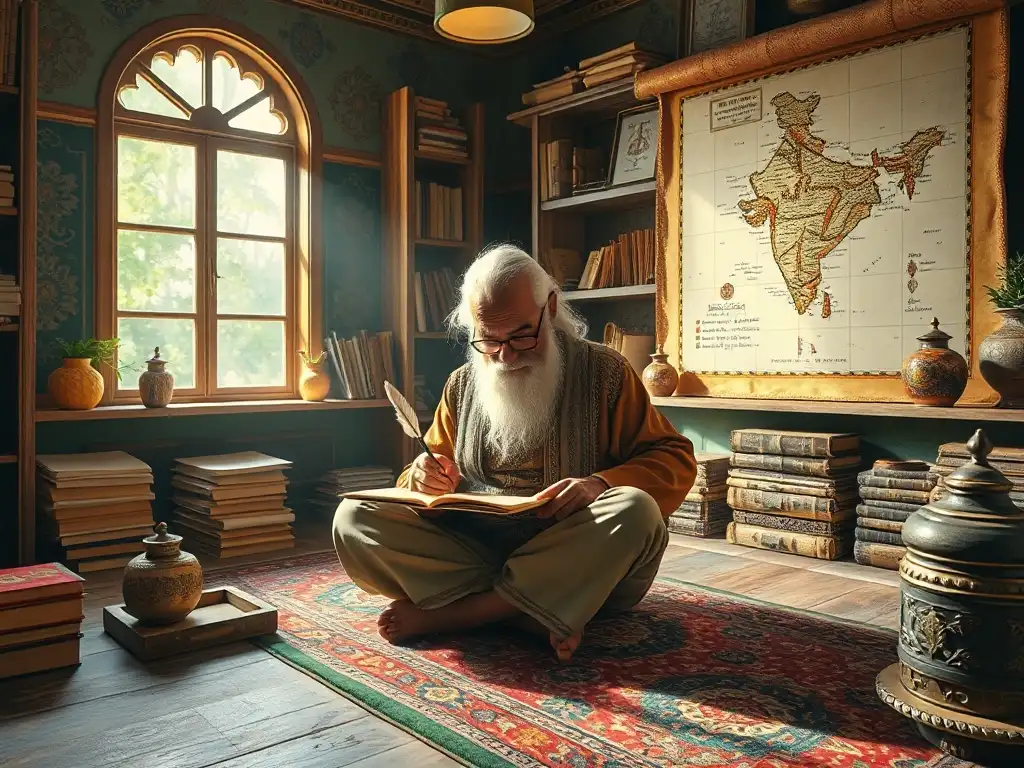
The preservation of ancient Indian calligraphy is a testament to the rich cultural legacy that has shaped the subcontinent and its neighboring regions. From the intricate inscriptions found on temple walls to the delicate scripts on palm leaves, ancient Indian scripts such as Brahmi and Devanagari have played a crucial role in documenting history, religion, literature, and art. These scripts are not merely forms of writing; they represent the philosophies, beliefs, and practices of the communities that created them.
The cultural legacy of ancient Indian calligraphy extends beyond its aesthetic appeal. It serves as a bridge connecting various ethnicities and cultures, showcasing the syncretism that occurred through trade, migration, and conquests. This legacy has influenced various art forms, religious texts, and even the scripts of neighboring cultures, demonstrating the far-reaching impact of Indian calligraphy.
Modern Representation of Ancient Indian Calligraphy
In contemporary times, ancient Indian calligraphy finds representation in various artistic endeavors. Artists and calligraphers are rediscovering traditional scripts, integrating them into modern art forms such as graphic design, paintings, and digital media. Institutions and art schools are increasingly incorporating ancient scripts into their curricula, fostering a new generation of artists who appreciate the historical significance and beauty of these scripts.
Exhibitions and workshops dedicated to ancient calligraphy have gained popularity, allowing the public to engage with this art form. These events not only celebrate the intricate beauty of calligraphy but also educate attendees about its historical context and cultural significance. By blending ancient techniques with modern sensibilities, artists are breathing new life into the art of calligraphy, ensuring its relevance in today’s artistic landscape.
Efforts to Preserve Calligraphic Arts in Contemporary Society
Efforts to preserve ancient Indian calligraphy in contemporary society are multifaceted. Several organizations, both governmental and non-governmental, are actively working to document, conserve, and promote this art form. Initiatives include the digitization of ancient manuscripts, which allows for greater accessibility and preservation of fragile texts.
Moreover, cultural festivals and art fairs often feature stalls dedicated to calligraphy, where skilled artisans demonstrate traditional writing techniques. These events help raise awareness about the importance of calligraphic arts and encourage young artists to explore this discipline. Educational programs aimed at schools and universities also play a pivotal role in fostering an appreciation for ancient scripts, ensuring that the legacy of Indian calligraphy continues to thrive.
Conclusion
Summary of Ancient Indian Calligraphy Influence
The influence of ancient Indian calligraphy extends far beyond the borders of India. Its scripts have inspired neighboring cultures, leading to the development of various writing systems across Asia. For instance, the Brahmi script is considered the progenitor of many scripts used in South and Southeast Asia, including those in present-day Myanmar and Thailand. This cross-cultural exchange highlights the significance of ancient Indian calligraphy as a powerful medium of communication and cultural expression.
Reflection on the Interconnectedness of Cultures Through Calligraphy
Calligraphy serves as a reminder of the interconnectedness of cultures throughout history. The intricate designs and philosophical underpinnings of ancient Indian scripts reflect the shared human experiences and aspirations that transcend geographical boundaries. As ancient Indian calligraphy continues to influence modern art and culture, it reinforces the idea that, despite our diverse backgrounds, we are united through a shared appreciation for beauty, creativity, and expression. This interconnectedness, fostered through calligraphy, offers valuable insights into the importance of cultural exchanges and the lasting impact of artistic traditions.
- Introduction to Ancient Indian Calligraphy Influence
- Overview of Calligraphy in Ancient India
- Importance of Calligraphy in Cultural Expression
- Historical Context of Ancient Indian Scripts
- The Influence of Ancient Indian Calligraphy on Neighboring Cultures
- Characteristics of Ancient Indian Calligraphy
- The Role of Religion and Philosophy in Calligraphy
- Case Studies of Calligraphic Influence
- Preservation of Calligraphy and Its Cultural Legacy
- Modern Representation of Ancient Indian Calligraphy
- Efforts to Preserve Calligraphic Arts in Contemporary Society
- Conclusion
- What is the significance of ancient Indian calligraphy in history?
- How did ancient Indian scripts influence neighboring cultures?
- What are some of the key ancient Indian scripts discussed in the article?
- How does the article explore the relationship between art and culture in ancient India?
- What can modern calligraphers learn from ancient Indian calligraphy?
Frequently Asked Questions
What is the significance of ancient Indian calligraphy in history?
Ancient Indian calligraphy plays a crucial role in understanding the cultural and artistic expressions of ancient civilizations, showcasing their literary traditions and spiritual philosophies.
How did ancient Indian scripts influence neighboring cultures?
The influence of ancient Indian scripts extended to various regions, leading to the development of new scripts and literary forms in cultures such as Southeast Asia and Tibet, demonstrating the interconnectedness of civilizations.
What are some of the key ancient Indian scripts discussed in the article?
The article highlights several significant ancient Indian scripts, such as Brahmi and Kharosthi, which served as foundational scripts for many modern writing systems in the region.
How does the article explore the relationship between art and culture in ancient India?
The article examines how calligraphy was not just a form of writing but also an artistic expression that reflected the philosophies and beliefs of ancient Indian society, intertwining art and culture.
What can modern calligraphers learn from ancient Indian calligraphy?
Modern calligraphers can draw inspiration from the techniques and styles of ancient Indian calligraphy, which emphasize intricacy and aesthetic beauty, enriching contemporary artistic practices.
Final Reflection: The Enduring Legacy of Ancient Indian Calligraphy
The influence of ancient Indian calligraphy transcends borders and time, shaping not only the scripts of neighboring cultures but also the very essence of artistic expression. In an age where digital communication often overshadows traditional forms, the intricate beauty and cultural significance of calligraphy remind us of the power of the written word. This art form is not merely a method of communication; it embodies the history, philosophy, and spirituality of a civilization, urging us to appreciate the depth of our shared human experience.
The impact of ancient Indian scripts on the cultural and social landscape of neighboring regions is profound and ongoing. From the delicate strokes of Brahmi to the elegant curves of Devanagari, these scripts have inspired countless artists and scholars across generations. The beauty of calligraphy lies not just in its aesthetic appeal but in its ability to connect people through shared stories and traditions. As the renowned calligrapher Edward Johnston once said, The art of writing is the art of discovering what you believe.
This sentiment resonates deeply as we explore how ancient Indian calligraphy has shaped identities and fostered intercultural dialogue.
As we reflect on the lessons of ancient Indian calligraphy, let us embrace the art of writing as a means of personal and collective expression. I invite you to explore your own relationship with words—whether through journaling, creating art, or simply appreciating the beauty of handwritten notes. By honoring the legacy of ancient scripts, we not only celebrate our history but also cultivate a deeper understanding of ourselves and the world around us. In doing so, we ensure that the art of calligraphy continues to inspire future generations, bridging gaps and fostering connections that transcend time and culture.
Unleash Your Inner Calligrapher!
Thank you for exploring the fascinating world of ancient Indian calligraphy and its cultural impact! By diving into the intricacies of various scripts, you've uncovered a treasure trove of historical connections that continue to inspire creativity today. Now, it's time to put your newfound knowledge into action!
- Start your own calligraphy journey: Grab a pen and paper, or even better, enroll in an online calligraphy class to master techniques inspired by ancient scripts.
- Experiment with local scripts: Try replicating a few letters from your favorite ancient Indian script. Share your creations on social media and connect with a growing community of calligraphy enthusiasts!
- Host a calligraphy night: Gather friends or family for a relaxed evening where everyone can explore the art together—don’t forget to share your experiences and insights from this article!
What unique script or style will you try first, and how do you believe it can enrich your own artistic expression?