
The Silk Road’s Artistic Legacy: India’s Role in Global Cultural Exchange

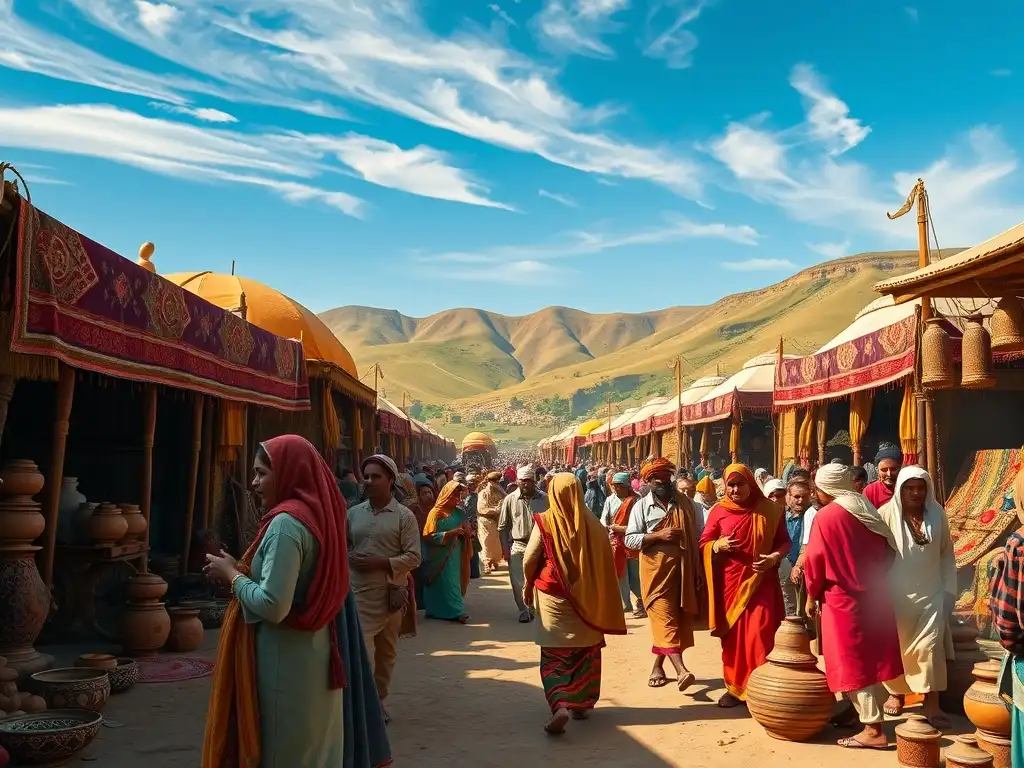
Welcome to Ancient India History, where we embark on a captivating journey through time to uncover the rich tapestry of India's past. In this exploration, we delve into India's role in the Silk Road, a vital artery of cultural exchange that connected diverse civilizations and left an indelible mark on global art and culture. As you navigate through our pages, prepare to be intrigued by the stories of ancient trade routes and the artistic legacies they fostered.
Join us in uncovering how these interactions shaped not only India’s identity but also the world’s cultural landscape. Your adventure into the depths of history awaits!
Introduction to the Silk Road
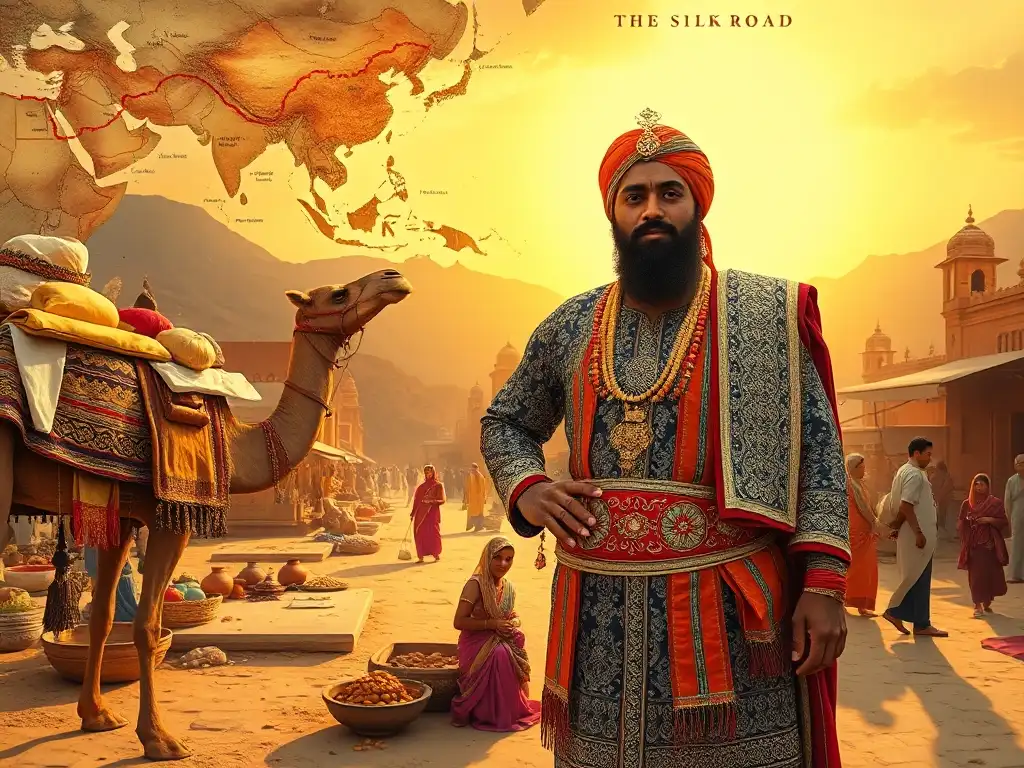
The Silk Road, a vast network of trade routes that connected the East and West, played a pivotal role in shaping the cultural landscape of ancient civilizations. This intricate web of paths facilitated not only the exchange of goods but also the sharing of ideas, art, religion, and technology among diverse cultures.
Among the many regions impacted by this global interaction, India stands out for its significant contributions to the artistic legacy of the Silk Road. This article explores India's role in the Silk Road, highlighting how its rich cultural heritage influenced and was influenced by the diverse exchanges that occurred along these trade routes.
Overview of the Silk Road
The Silk Road encompassed multiple routes that linked China, India, Persia, and the Mediterranean, thriving from approximately 130 BCE until the 1450s CE. The name "Silk Road" is derived from the lucrative silk trade that was a major driver of commerce along these routes. However, the Silk Road was not merely a conduit for silk; it facilitated the movement of a wide array of products, including spices, precious metals, textiles, and more.
Key Features of the Silk Road:
- Geographical Diversity: Spanning thousands of miles, the Silk Road traversed deserts, mountains, and plains, contributing to its unique cultural exchanges.
- Cultural Melting Pot: The interaction of traders, travelers, and local populations led to a rich tapestry of cultural syncretism, blending various artistic styles and traditions.
- Religious Exchange: The Silk Road was instrumental in the spread of religions such as Buddhism, Zoroastrianism, and later, Islam, influencing art and philosophy across regions.
Importance of Cultural Exchange Along the Silk Road
Cultural exchange along the Silk Road was essential for several reasons:
- Artistic Influences: Art forms from different regions influenced one another, leading to the creation of new styles and techniques.
- Technological Advancement: Innovations in various fields, including agriculture, astronomy, and medicine, were shared, enhancing the knowledge base of civilizations.
- Philosophical Dialogues: The exchange of ideas fostered discussions on ethics, governance, and human nature, enriching the intellectual landscape of societies involved.
India’s Role in the Silk Road
India's strategic location along the Silk Road positioned it as a crucial player in the flow of goods and ideas between the East and West. The subcontinent's diverse culture and wealth of resources made it an attractive destination for traders and travelers.
Historical Context of India’s Involvement
From the early centuries of the Common Era, India was engaged in trade with various regions, including Central Asia, the Middle East, and beyond. The establishment of the Maurya Empire and later the Gupta Empire facilitated trade and cultural exchanges. Indian merchants, often organized into guilds, played a vital role in transporting goods such as spices, textiles, and gemstones along the Silk Road.
Key Indian Cities as Cultural Hubs
Several Indian cities emerged as prominent cultural hubs along the Silk Road, serving as vital centers for trade and cultural exchange:
- Taxila: An ancient city known for its great university and as a melting pot of various cultures.
- Ujjain: A significant trade center that linked India to the Mediterranean and beyond.
- Vallabhi: An important center for trade and learning, contributing to the spread of Buddhism and other philosophies.
Prominent Indian Traders and Travelers
Indian traders and travelers were instrumental in the Silk Road's cultural exchanges. Notable figures include:
- Fa-Hien: A Chinese monk who traveled to India in the 5th century, documenting his observations of Indian culture and Buddhism.
- I-Tsing: Another Chinese monk who journeyed to India during the 7th century, contributing to the understanding of Buddhist texts and practices.
- Silk merchants: Various unnamed traders who facilitated the exchange of silks for Indian spices and textiles, creating a vibrant trade network.
Through these contributions, India not only influenced the Silk Road's artistic legacy but also played a crucial role in the broader narrative of cultural exchange that shaped ancient civilizations.
Artistic Contributions of India
India's role in the Silk Road's artistic legacy is profound and multifaceted. As a vital hub of cultural exchange, India not only absorbed influences from other civilizations but also disseminated its own rich artistic traditions. The confluence of various cultures along the Silk Road facilitated the creation of unique art forms, characterized by the integration of diverse styles, motifs, and techniques. This artistic cross-pollination enriched Indian art, allowing it to evolve and adapt while simultaneously influencing cultures across Asia and beyond.
Indian artisans and craftsmen were instrumental in the production of various art forms, including sculpture, painting, textiles, and metalwork. The intricate carvings of Indian temples, the vibrant colors of miniatures, and the elaborate designs of textiles are testaments to this artistic flourishing. These creations often depicted religious themes, mythological narratives, and natural landscapes, reflecting the spiritual and cultural ethos of ancient India. The exchange of ideas and techniques along the Silk Road fostered a dynamic artistic environment that laid the groundwork for future innovations.
Indian Art Forms Influenced by Silk Road Interactions
The interactions along the Silk Road introduced Indian artists to a multitude of techniques and styles from different cultures, leading to a remarkable evolution of traditional Indian art forms. One notable example is the influence of Greco-Buddhist art, which emerged when Hellenistic aesthetics merged with Indian Buddhist themes. This fusion is evident in the sculptures of the Gandhara region, where the portrayal of Buddha began to adopt realistic human features and draped clothing styles reminiscent of Greek art.
Additionally, the introduction of new materials such as silk and various pigments facilitated advancements in textile production and painting. The use of vibrant dyes and intricate weaving techniques led to the creation of exquisite textiles, which became highly sought after along the trade routes. Furthermore, the practice of mural painting in Indian temples saw significant influence from Persian and Central Asian styles, resulting in a rich tapestry of visual storytelling that resonated with diverse audiences.
The Influence of Indian Art on Other Cultures
Indian art's impact on other cultures along the Silk Road is evident in various artistic traditions. As Indian merchants and travelers engaged with neighboring civilizations, they brought their artistic sensibilities, which significantly influenced local artistic practices. For instance, the spread of Buddhism played a crucial role in disseminating Indian artistic motifs across Asia, particularly in regions such as Southeast Asia, China, and Japan.
The adaptation of Indian motifs can be seen in the architectural styles of Southeast Asia, where temple complexes like Angkor Wat in Cambodia and Borobudur in Indonesia reflect the influence of Indian design principles. Furthermore, Indian miniature painting techniques found their way to Persia, where they were integrated into Persian art, leading to the emergence of distinct styles that blended Indian and Persian elements.
Cultural Syncretism: A Meeting of Traditions
Cultural syncretism, a key aspect of the Silk Road's legacy, refers to the blending of different cultural traditions to create new, hybrid forms. In the context of India, this concept is particularly relevant in understanding how various art forms evolved through interactions with diverse cultures along the trade routes. The Silk Road served as a melting pot where ideas, beliefs, and artistic expressions converged, resulting in a rich tapestry of cultural influences.
This syncretic process was not limited to art alone; it extended to religion, philosophy, and social practices, reflecting the dynamic nature of cultural exchange. As Indian and foreign cultures interacted, they influenced each other's artistic expressions, leading to the creation of unique styles that resonated with the diverse populations along the Silk Road.
Definition of Cultural Syncretism
Cultural syncretism can be defined as the process through which different cultural elements, such as beliefs, practices, and artistic styles, merge to form new, cohesive systems. This phenomenon often occurs in contexts of migration, trade, and conquest, where diverse groups come into contact and share their distinct cultural legacies. In the case of the Silk Road, cultural syncretism played a pivotal role in shaping the artistic landscape of ancient India and its neighboring regions.
The resulting hybrid forms often reflect the unique characteristics of the cultures involved, highlighting the importance of dialogue and exchange in the development of artistic traditions. This blending of cultures not only enriched the local art scene but also facilitated a deeper understanding and appreciation of diverse artistic expressions.
Examples of Artistic Blending Along the Silk Road
Several notable examples illustrate the artistic blending that occurred along the Silk Road:
- Gandhara Art: The fusion of Greek, Persian, and Indian styles in the Gandhara region produced distinctive sculptures of Buddha that combined Hellenistic realism with traditional Indian iconography.
- Sculpture and Architecture: The architectural styles of ancient Indian temples, influenced by Central Asian and Persian designs, showcased intricate carvings and expansive layouts that incorporated elements from various cultures.
- Textiles: Indian textiles, renowned for their vibrant colors and intricate patterns, absorbed influences from Persian and Central Asian weaving techniques, resulting in unique fabrics that became highly prized along trade routes.
- Miniature Paintings: The introduction of Persian painting techniques into Indian miniature art led to the creation of hybrid styles that blended Indian themes with Persian aesthetics, resulting in richly detailed and colorful artworks.
- Religious Art: The spread of Buddhism facilitated the exchange of artistic ideas, leading to the adaptation of Buddhist iconography in various Asian cultures, each infusing their interpretations and styles.
Through these examples, it becomes evident that the Silk Road was not merely a conduit for trade but a vibrant network of cultural interaction that shaped the artistic heritage of India and influenced global artistic expressions.
The Exchange of Ideas and Techniques
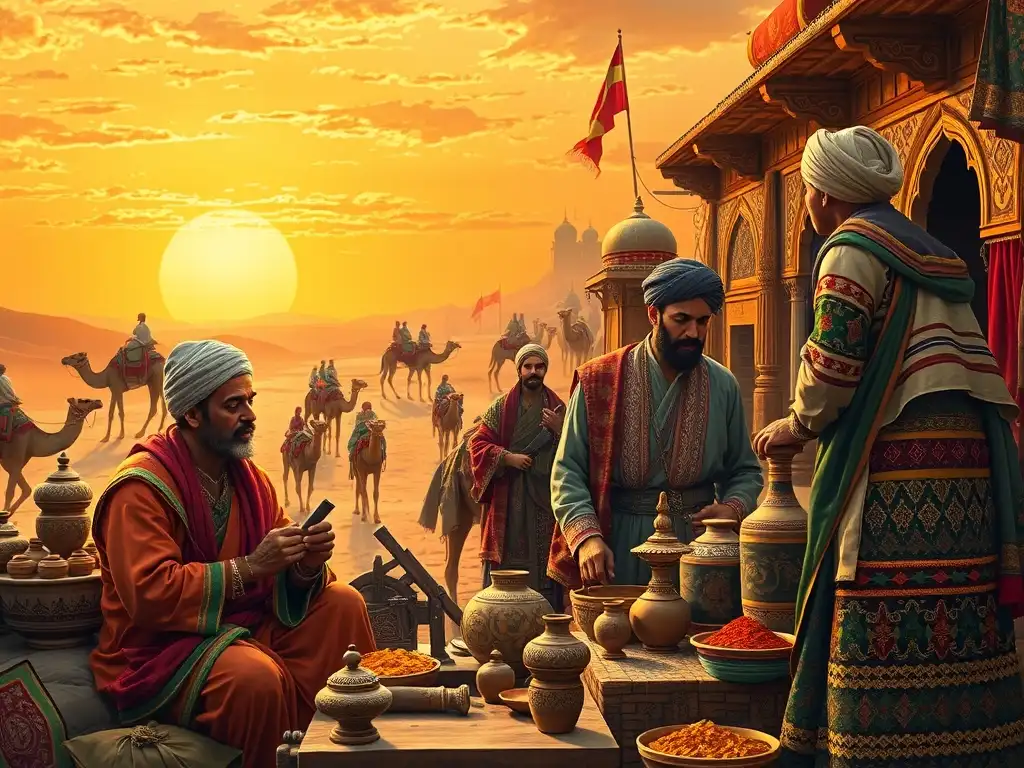
The Silk Road was not just a conduit for goods; it was a vibrant network that facilitated the exchange of ideas, culture, and artistic techniques across vast regions, including India. As traders, travelers, and monks journeyed along this route, they carried with them not only commodities but also philosophical concepts and artistic practices that would significantly influence the regions they interacted with.
The impact of this exchange can be seen in various forms of art and architecture that emerged in India during and after the height of the Silk Road trade. The blending of different cultural influences led to a unique syncretism that enriched Indian artistic expression. For instance, Indian artists adopted and adapted motifs and styles from Central Asia, Persia, and even Greco-Roman traditions, resulting in a distinctive fusion that characterized many artistic works.
Moreover, the exchange of ideas was not limited to visual arts. Indian philosophical and spiritual concepts, such as Buddhism and Hinduism, found their way along the Silk Road, influencing cultures as far as China, Tibet, and beyond. This mutual influence shaped the artistic landscapes of these regions, leading to a broader understanding of cultural and religious themes reflected in art.
Indian Philosophical and Artistic Ideals
Indian philosophical ideals, deeply rooted in spirituality and the quest for enlightenment, played a pivotal role in shaping the artistic expressions along the Silk Road. The principles of Dharma (moral duty), Karma (action and consequence), and Moksha (liberation) influenced artists and thinkers, resulting in works that sought to convey deeper meanings beyond mere aesthetics.
In addition, the spiritual narratives of Hinduism and Buddhism were often depicted in artistic forms, with stories of deities and enlightened beings serving as focal points in sculptures and paintings. This emphasis on storytelling not only enriched Indian art but also made it accessible and relatable to diverse audiences along the Silk Road.
As these artistic ideals spread, they were incorporated into local traditions, leading to the emergence of hybrid art forms. The synthesis of Indian artistic styles with local techniques and motifs resulted in a rich tapestry of visual culture that celebrated both the unique aspects of Indian philosophy and the influences of other civilizations.
Techniques Transferred Through Silk Road Exchanges
The Silk Road facilitated a remarkable exchange of artistic techniques that transformed the creative practices in India. Techniques such as fresco painting, intricate stone carving, and textile dyeing were shared among cultures, leading to innovation and evolution within Indian art.
For example, the method of using mineral-based pigments to create vibrant frescoes was refined through contact with Persian and Central Asian artisans. This technique is exemplified in the stunning murals of the Ajanta Caves, where the interplay of light and color creates a mesmerizing effect that draws viewers into the spiritual narratives depicted.
Similarly, the intricate carving techniques seen in Indian temples, such as those found in Khajuraho, reflect a synthesis of local craftsmanship and influences from other regions. The attention to detail and the complexity of design showcase the exchange of skills and ideas that flourished along the trade routes.
In addition, the introduction of new materials and tools, such as advanced chiseling techniques and the use of new types of stone, expanded the possibilities for Indian artists. This technological exchange allowed for the creation of more elaborate and refined works, contributing to the rich artistic legacy of ancient India.
Case Studies: Specific Artistic Works
The artistic exchanges along the Silk Road can be understood more clearly through specific case studies of significant works that illustrate the synthesis of ideas and techniques. Two prominent examples are the Ajanta Caves and the Khajuraho Temples, both of which exemplify the rich tapestry of artistic influence during this period.
Analysis of the Ajanta Caves
The Ajanta Caves, a UNESCO World Heritage site, are renowned for their exquisite frescoes and rock-cut sculptures that date back to the 2nd century BCE to the 6th century CE. These caves serve as a testament to the artistic mastery and spiritual depth of ancient Indian civilization.
The frescoes depict Buddhist Jataka tales, illustrating the previous lives of the Buddha and conveying moral lessons. The use of vibrant colors, intricate patterns, and a deep understanding of human emotion in these paintings demonstrates the advanced techniques that were likely influenced by interactions along the Silk Road.
Moreover, the architectural design of the caves themselves showcases a blend of artistic traditions, with influences from both Indian and foreign styles. The incorporation of elements such as vaulted ceilings and ornate pillars highlights the exchange of architectural knowledge through trade and cultural interaction.
Examination of the Khajuraho Temples
The Khajuraho Temples, built between 950 and 1050 CE, are known for their stunning sculptures and intricate carvings that celebrate both the divine and the human experience. These temples reflect a remarkable synthesis of artistic styles influenced by the diverse cultural exchanges facilitated by the Silk Road.
The sculptures found in Khajuraho depict a range of themes, from religious iconography to sensual representations of love and life. This diversity in subject matter can be attributed to the cross-cultural interactions that enriched Indian artistic traditions. The intricate detailing and dynamic poses of the figures suggest a sophisticated understanding of human anatomy, possibly influenced by techniques encountered through trade.
Additionally, the temples' architectural design illustrates a blend of local craftsmanship and influences from other regions, showcasing the adaptability and innovation of Indian artisans. The integration of various styles not only highlights India's role in the broader context of the Silk Road but also emphasizes the importance of cultural exchange in shaping artistic legacy.
The Legacy of India’s Artistic Contributions
India's artistic contributions along the Silk Road established a profound legacy that shaped not only regional aesthetics but also influenced global art movements. From the vibrant murals of the Ajanta Caves to intricate sculptures of Hindu and Buddhist deities, the artistry encapsulated the philosophical and spiritual narratives of ancient Indian society. Indian artisans were adept at creating masterpieces using diverse materials, including stone, metal, and textiles, which showcased their skills and cultural values.
Additionally, through the Silk Road, Indian art was disseminated across continents, blending with local traditions and inspiring new forms of expression. The intricate designs of Indian textiles, for example, influenced the craftsmanship of Central Asia and the Middle East, leading to the creation of unique hybrids that incorporated local motifs. Furthermore, the introduction of Buddhism from India significantly impacted art in countries like China, Japan, and beyond, leading to the development of distinct styles such as the Gandhara and the Dunhuang schools of art.
Thus, India's artistic contributions along the Silk Road were not merely regional expressions but rather pivotal elements in the broader narrative of global artistic development.
Long-term Impact on Global Art Movements
The long-term impact of India's artistic contributions on global art movements can be seen through various historical lenses. One of the primary avenues of influence was the spread of Buddhist art, which traveled from India to Central Asia, and further to East Asia. The Gandhara art style, which emerged in present-day Pakistan, is a prime example of this influence. It combined Hellenistic and Indian stylistic elements, creating a new visual language that resonated across cultures.
Moreover, the motifs and iconography found in Indian art, such as the lotus flower and the depiction of divine figures, traveled along trade routes, leaving an indelible mark on the artistic expressions of neighboring civilizations. This cross-pollination of ideas fostered a rich tapestry of artistic traditions that included Persian miniatures, Southeast Asian temple carvings, and even elements in Islamic art, which later emerged during the medieval period.
The legacy of India's art is also visible in contemporary practices. Artists today still draw inspiration from ancient Indian aesthetics, incorporating traditional techniques and themes into modern art forms. This continuity highlights the lasting influence of India’s artistic legacy on global art movements, affirming its role as a vital contributor to the world's cultural heritage.
Continuing Influence of Indian Aesthetics Today
The influence of Indian aesthetics continues to resonate in contemporary art and culture, illustrating the enduring nature of its legacy. Modern artists and designers worldwide often reference Indian motifs, colors, and techniques. For instance, the intricate patterns found in Indian textiles, such as block prints and tie-dye, have inspired fashion designers globally, leading to the incorporation of these styles into contemporary clothing.
In the realm of visual arts, the vibrant colors and themes of Indian traditional paintings, such as Madhubani and Warli, have gained international recognition and have been embraced in modern artistic expressions. Galleries and exhibitions showcasing Indian art have proliferated, reflecting a growing appreciation for its historical and cultural significance.
Furthermore, the practice of yoga and meditation, deeply rooted in Indian philosophy, has influenced art in various forms, including performance art and installation pieces that explore spiritual themes. This ongoing dialogue between ancient traditions and modern interpretations signifies the continuing relevance of Indian aesthetics in today’s global cultural landscape.
Conclusion
Summary of India’s Role in the Silk Road
India played a crucial role in the Silk Road's artistic legacy, serving as a conduit for cultural exchange that enriched the artistic landscape of multiple civilizations. Through trade and interaction, Indian artisans shared their remarkable skills and aesthetic sensibilities, giving rise to a vibrant fusion of artistic traditions. The dissemination of Indian art forms and philosophies not only impacted neighboring regions but also laid the groundwork for future art movements across the globe.
Reflection on the Importance of Cultural Exchange in History
Reflecting on the importance of cultural exchange in history, it becomes evident that the interactions along the Silk Road facilitated mutual understanding and appreciation among diverse cultures. Such exchanges fostered innovation and creativity, leading to the emergence of new artistic styles and practices. The legacy of India’s contributions exemplifies how art transcends geographical boundaries, narrating the shared human experience and collective identity. Understanding these historical connections enriches our appreciation of art and culture today, emphasizing the significance of preserving and promoting cultural exchanges for future generations.
- Introduction to the Silk Road
- India’s Role in the Silk Road
- Artistic Contributions of India
- Cultural Syncretism: A Meeting of Traditions
- The Exchange of Ideas and Techniques
- Case Studies: Specific Artistic Works
- The Legacy of India’s Artistic Contributions
- Conclusion
Frequently Asked Questions
What was the Silk Road, and why is it significant?
The Silk Road was an ancient trade network that connected the East and West, facilitating not only the exchange of goods but also ideas, art, and culture across continents.
How did India contribute to the Silk Road?
India played a vital role in the Silk Road by serving as a cultural bridge, trading spices, textiles, and jewelry, while also sharing its artistic styles and religious beliefs with other civilizations.
What are some artistic legacies from India along the Silk Road?
Indian artisans influenced sculpture, painting, and architecture, creating unique styles that blended with local traditions, exemplified in Buddhist art found in regions like Central Asia.
How did the Silk Road impact Indian society and culture?
The Silk Road enriched Indian society by introducing new technologies, cultural practices, and religions, fostering a dynamic cultural exchange that shaped Indian civilization throughout history.
Why is India's role in the Silk Road important today?
Understanding India's role in the Silk Road highlights the country's historical significance in global trade and cultural exchange, emphasizing its lasting impact on world history and cultural diversity.
Final Reflection: Embracing India's Role in the Silk Road's Artistic Legacy
The Silk Road was not merely a trade route; it was a vibrant tapestry of cultural exchange that shaped the artistic heritage of nations. Today, as we navigate an increasingly interconnected world, the significance of India's role in the Silk Road becomes ever more relevant. The rich confluence of ideas, art, and traditions that flourished along this ancient route serves as a powerful reminder of our shared humanity and the enduring impact of cross-cultural interactions.
Culture is not static; it evolves through the exchange of ideas and art. The legacy of the Silk Road continues to resonate in contemporary society, influencing everything from fashion to cuisine, and even philosophy. As we reflect on the intricate threads that connect us, we can appreciate how India's contributions to the artistic landscape have left an indelible mark on global culture. Art is the most beautiful of all lies.
– Claude Debussy. This sentiment encapsulates the transformative power of art, reminding us that creativity knows no borders and thrives on collaboration.
As we close this exploration of India's role in the Silk Road, I invite you to reflect on your own connections to the diverse cultures that shape our world today. Consider how you can engage with and celebrate the rich tapestry of artistic legacies that surround you. Whether through art, music, or literature, let us honor the spirit of exchange that the Silk Road embodied and continue to foster a world where creativity and cultural appreciation flourish.
Unveil India’s Artistic Heritage Today!
Thank you for exploring the rich tapestry of India’s impact on the Silk Road and its artistic legacy! Your journey through this cultural exchange highlights the profound and far-reaching influence of India in shaping global art. Now, let’s take your newfound knowledge and put it into action!
Here are a few engaging ways to continue your exploration:
- Dive deeper by visiting local museums or art galleries that showcase Indian art influenced by the Silk Road.
- Share your thoughts with friends and family! Discuss the fascinating connections between India and other cultures that you discovered during your exploration.
- Join an online community where you can connect with fellow history enthusiasts and exchange ideas about the artistic heritage along the Silk Road.
Which aspect of India’s artistic legacy excites you the most, and how do you plan to explore it further?