
Women in Power: The Role of Queens and Female Advisors in the Maurya Empire

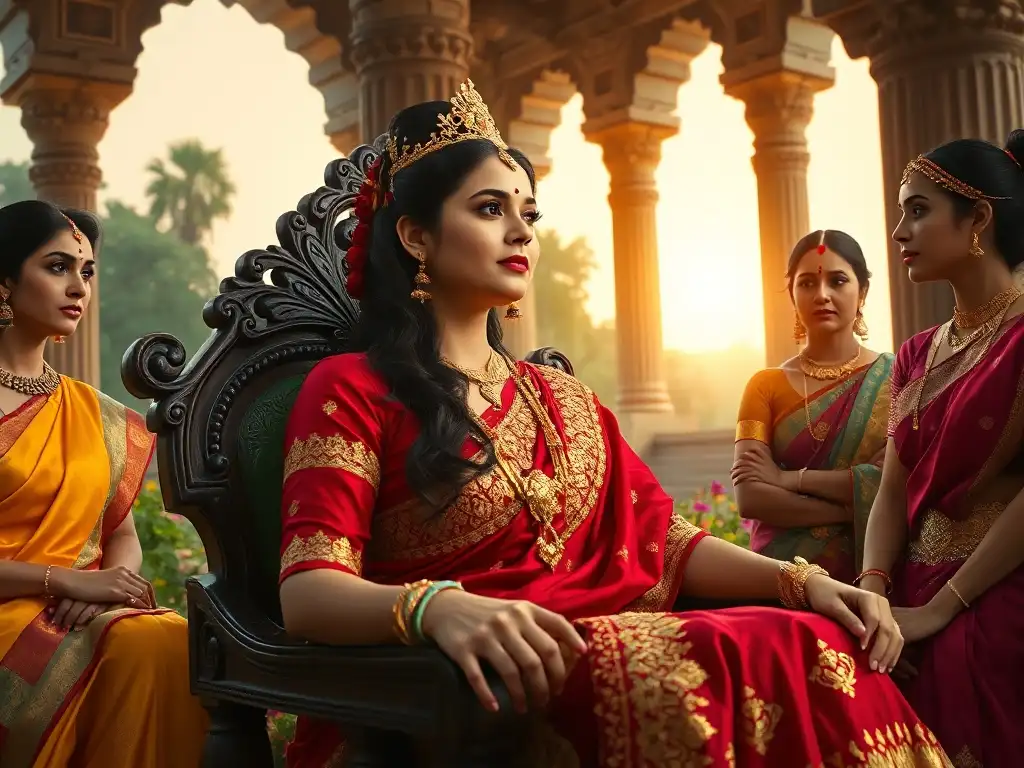
Welcome to Ancient India History, where we embark on a captivating journey through the rich tapestry of India's past. Dive deep into the intriguing world of Queens in Maurya Empire history, as we unveil the powerful roles women played in shaping one of the greatest empires of the ancient world. From influential queens to savvy female advisors, discover how these remarkable figures defied societal norms and left an indelible mark on history. Join us as we explore the vibrant narratives that celebrate the strength and wisdom of women in power—your adventure into the past awaits!
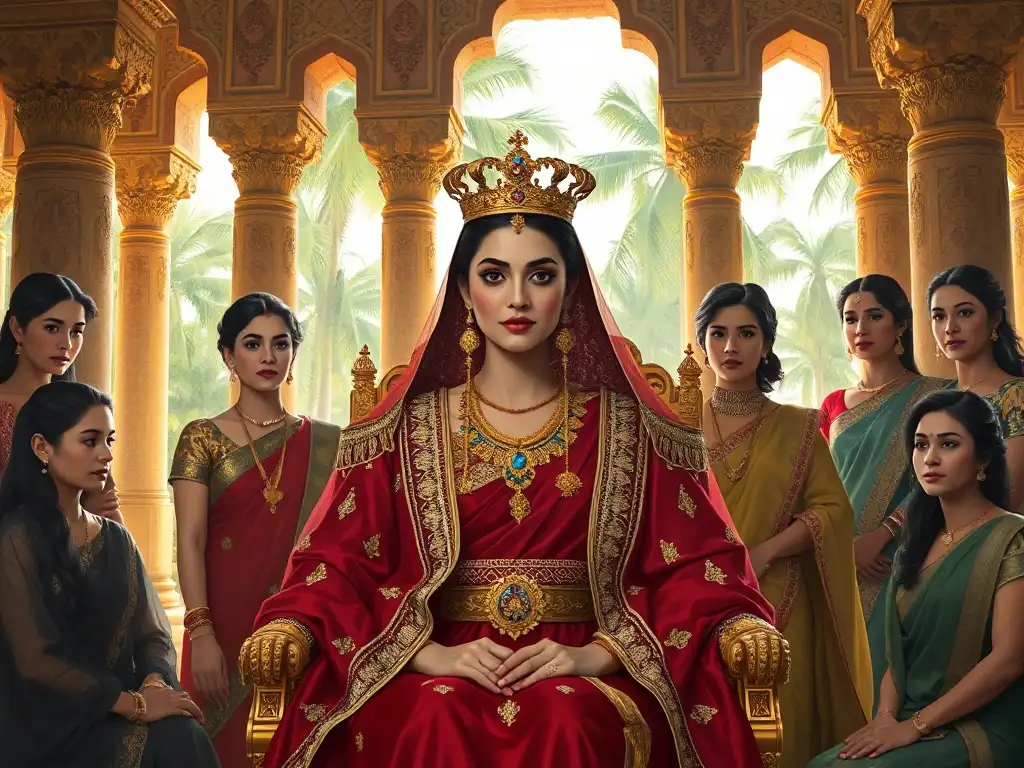
Introduction to Queens in Maurya Empire History
The Maurya Empire, one of the largest and most influential empires in ancient Indian history, is often celebrated for its groundbreaking contributions to governance, culture, and philosophy. However, an equally fascinating aspect lies in the role of women within this political structure, particularly the queens and female advisors who wielded significant influence.
These women not only participated in the political landscape but often shaped it through their strategic decisions, alliances, and counsel. Understanding the contributions of these queens in Maurya Empire history enriches our perspective on ancient governance and gender roles, highlighting the complexities of power dynamics in a historically male-dominated society.
Overview of the Maurya Empire
Founded in the 4th century BCE by Chandragupta Maurya, the Maurya Empire expanded to encompass vast regions of the Indian subcontinent. This era is marked by:
- Centralized Administration: The empire was known for its sophisticated bureaucratic system, which allowed for effective governance over diverse populations.
- Economic Prosperity: Trade flourished, and urban centers developed, contributing to the wealth of the empire.
- Cultural Flourishing: This period saw significant advancements in arts and sciences, including the promotion of Buddhism under Emperor Ashoka.
Importance of Women in Political Roles
Women in the Maurya Empire often held considerable power, both formally and informally. Their roles can be summarized as follows:
- Political Influence: Many queens acted as regents or advisors, playing crucial roles in decision-making processes.
- Diplomatic Alliances: Marriages were often used to forge alliances, with queens acting as vital links between families and states.
- Cultural Patrons: Many women supported the arts and religion, contributing to the cultural legacy of the empire.
Historical Context of Female Leadership in the Maurya Empire
The Rise of Female Authority in Ancient India
The status of women in ancient India, particularly during the Maurya Empire, saw notable evolution. With the establishment of centralized power, women began to emerge as influential figures. Factors that contributed to this rise included:
- Social Structures: The caste system allowed for varying degrees of power among women, with higher-ranking women enjoying more privileges.
- Cultural Shifts: The promotion of different religious ideologies, particularly Buddhism, encouraged more progressive views on gender roles.
Key Historical Figures: Queens and Advisors
Several remarkable women from the Maurya Empire stand out for their contributions to governance:
- Queen Chandragupta: The wife of Chandragupta Maurya, she played a crucial role in the empire's foundation and stability.
- Durdhara: The wife of Bindusara, she is noted for her influence during her husband's reign and her role in shaping future policies.
- Vajrayogini: A prominent advisor during Ashoka's reign, she is celebrated for her wisdom and significant influence on state affairs.
The study of these figures not only highlights their individual achievements but also underscores the broader role of women in shaping the political landscape of the Maurya Empire. Through their stories, we gain insight into the complexities of gender and power in ancient India.
Prominent Queens in Maurya Empire History

The Maurya Empire, one of the most significant ancient Indian empires, was notable not just for its political and military achievements but also for the influential roles played by women, particularly queens. These women were not merely relegated to domestic spheres; they actively participated in governance, diplomacy, and social reforms. The legacy of these queens provides insight into the gender dynamics of ancient India and highlights their contributions to the empire's stability and prosperity.
Chandragupta Maurya's Queens
Chandragupta Maurya, the founder of the Maurya Empire, had several queens whose influence helped shape the empire's early years. One of the most notable was Durdhara, his first wife, who played a crucial role in consolidating his power. Legends suggest that she was deeply involved in political decisions, demonstrating the significant trust Chandragupta placed in her judgement.
Durdhara's son, Bindusara, succeeded Chandragupta, and her legacy continued through her children. The queens of Chandragupta's court were often involved in diplomatic marriages, which served to strengthen alliances with neighboring regions. Their roles in nurturing and educating the future rulers showcased the importance of women in maintaining the royal lineage and imparting political wisdom.
Ashoka the Great’s Queens
Ashoka the Great, known for his transformative reign and the spread of Buddhism, also had influential queens. Among them was Mahadevi, often referred to as Asandhimitra, who is believed to have had considerable influence on Ashoka's policies, particularly in the promotion of moral governance and social welfare. Her role was not just as a consort; she was an essential partner in Ashoka's rule, encouraging him to adopt the principles of Dharma, which emphasized compassion and non-violence.
Another significant figure in Ashoka’s reign was Tishyaraksha, who is said to have been instrumental in political matters and possibly influenced decisions regarding Ashoka’s edicts. The queens of Ashoka’s court were pivotal in shaping the cultural and ethical landscape of the empire, ensuring that the values of peace and tolerance permeated both the royal family and the wider society.
Female Advisors in the Maurya Empire
The role of women in the Maurya Empire extended beyond queenship; many served as political advisors, wielding considerable influence behind the scenes. Their involvement in governance highlights the complexity of gender roles within the empire and the recognition of women's capabilities in leadership positions.
The Role of Women as Political Advisors
Women in the Maurya Empire, particularly those related to the royal family, often acted as key political advisors. Their insights were valued in matters of statecraft, diplomacy, and social reform. The presence of female advisors indicates that the patriarchal structure of society did not entirely exclude women from power dynamics.
These women often utilized their familial connections to navigate the political landscape, influencing decisions and policies that affected the empire's governance. Their roles were further legitimized through cultural narratives that celebrated their wisdom and leadership, placing them as vital components of the political framework.
Case Studies of Influential Female Advisors
Several historical accounts provide examples of influential female advisors during the Maurya Empire. One prominent figure is Vajrayogini, who is often cited in texts as a wise counselor to Ashoka. She was instrumental in advising on matters of state and was known for her deep understanding of the socio-political climate of the time.
Another example is Kumaradevi, a notable advisor who played a crucial role in negotiations with rival kingdoms. Her strategic input was pivotal in securing alliances that enhanced the empire's stability. These case studies highlight that women not only held positions of influence but also actively shaped the political landscape of the Maurya Empire, making significant contributions to its history and legacy.
The Socio-Political Influence of Queens and Female Advisors
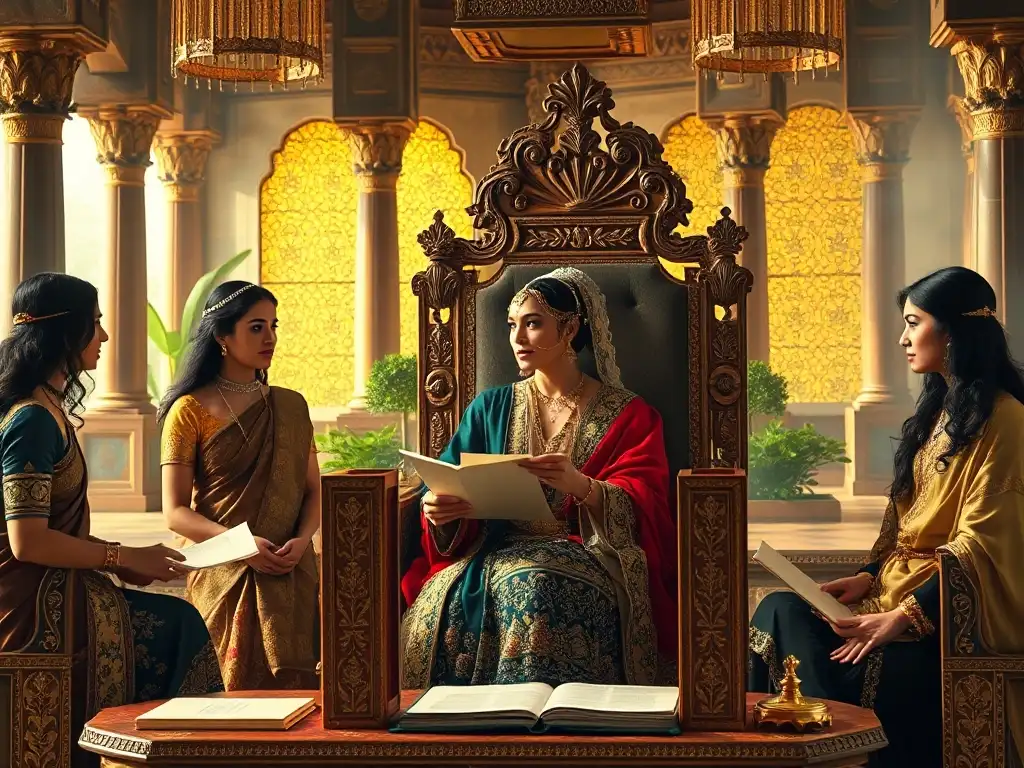
The Maurya Empire, one of the largest and most powerful empires in ancient India, saw the emergence of formidable queens and female advisors who played crucial roles in shaping its political landscape. These women were not mere figureheads; they wielded significant influence in governance, diplomacy, and strategy. Often regarded as symbols of power, they were integral in the decision-making processes that affected the empire’s stability and expansion. Their involvement was reflective of a broader socio-political framework that allowed women to transcend traditional roles, asserting their presence in an era dominated by patriarchal norms.
Queens in the Maurya Empire were known to engage in state affairs, with many participating directly in the administration. They were often educated and held knowledge of political affairs, which enabled them to provide strategic counsel to their male counterparts. Additionally, their roles extended to the management of royal estates and resources, thereby contributing to the economy of the empire. This multifaceted influence underscores the importance of female voices in a time when historical narratives often overshadow their contributions.
Queens as Symbols of Power and Authority
Queens in the Maurya Empire were more than consorts; they epitomized authority and power. One notable example is Queen Chandragupta Maurya's wife, Durdhara, who played a pivotal role in the early establishment of the empire. Her influence extended beyond the palace, as she was instrumental in reinforcing her husband's rule and legacy. The queens often acted as regents or acted in their husbands' absence, demonstrating their capability to govern effectively.
Moreover, the queens were often associated with divine attributes, enhancing their status as symbols of legitimacy. They were seen as protectors of dharma (moral order), which added a layer of reverence to their position. Their ceremonial roles, such as presiding over religious functions, further solidified their status in the eyes of the public. This duality of being both a political and spiritual figure allowed queens to navigate complex societal dynamics, ensuring their influence was felt across various strata of society.
The Role of Women in Diplomacy and Alliances
Women in the Maurya Empire played a crucial role in diplomatic relations, often acting as key figures in forming alliances through marriage. These matrimonial alliances were strategically important for maintaining peace and forging ties with powerful families and neighboring states. Through such unions, queens could exert political influence and contribute to the empire's stability. For instance, the marriage of a Mauryan prince to a local ruler's daughter could ensure loyalty and cooperation from that region, thereby expanding the empire's reach.
Furthermore, female advisors were instrumental in negotiating treaties or resolving conflicts. Their unique perspectives often provided a different approach to diplomacy, emphasizing negotiation over conflict. This ability to navigate complex political landscapes was vital in an era where warfare was common, and maintaining alliances was essential for survival. The diplomatic prowess of these women reflects their significant role in shaping the political fabric of the Maurya Empire.
Gender Dynamics in the Political Sphere
The political sphere of the Maurya Empire was characterized by a unique dynamic regarding gender roles. While men predominantly held positions of power, the presence of queens and female advisors challenged the conventional norms of governance. These women often operated within a patriarchal framework yet managed to carve out spaces of influence. The interplay between male rulers and their female counterparts highlights a complex gender dynamic where collaboration and mutual respect could flourish.
This environment allowed women to become adept at political maneuvering, leveraging their relationships with male rulers to secure their positions and influence. The duality of being both a supporter and a challenger in political discourse reflects the nuanced roles women occupied. Their contributions were not limited to the domestic sphere; instead, they extended into the heart of political decision-making, showcasing their ability to navigate a landscape traditionally dominated by men.
Legacy of Queens and Female Advisors in Maurya Empire History
The legacy of queens and female advisors in the Maurya Empire extends far beyond their lifetimes, leaving an indelible mark on Indian history. Their contributions serve as a testament to the significant roles women played in governance, diplomacy, and societal development. By challenging gender norms and asserting their authority, these women paved the way for future generations to envision a more inclusive political landscape.
Lasting Impact on Future Generations
The influence of queens and female advisors in the Maurya Empire has reverberated through history, inspiring subsequent generations of women leaders. Their ability to navigate complex political scenarios has set a precedent for female participation in governance. The narratives surrounding these women have become integral to discussions about women's empowerment in India, highlighting their roles as pioneers in a predominantly male-oriented society.
Moreover, the historical recognition of these women has led to a broader understanding of women's agency in ancient political structures. Their stories exemplify how women can wield influence and power, encouraging modern societies to reflect on the potential of female leadership. The legacies left behind by these queens continue to inspire movements advocating for gender equality and representation in various fields.
Reflections on Women's Leadership in Ancient India
The role of women in the Maurya Empire serves as a crucial point of reflection on women's leadership in ancient India. The historical accounts of queens and their advisors challenge the prevailing narratives that often marginalize women's contributions. By recognizing their impact, we gain a more comprehensive understanding of the political and social dynamics of ancient civilizations.
Additionally, the leadership styles exemplified by these women—marked by diplomacy, strategic acumen, and resilience—offer valuable lessons for contemporary leadership. Their ability to influence decisions while navigating societal constraints underscores the importance of inclusivity in leadership roles. As we reflect on the past, the stories of queens in Maurya Empire history remind us of the essential contributions women have made and continue to make in shaping societies.
Conclusion: The Enduring Legacy of Female Power in the Maurya Empire
The Maurya Empire, with its remarkable political and cultural advancements, witnessed significant contributions from women, particularly queens and female advisors. Their influence extended far beyond traditional domestic roles, shaping important political decisions and contributing to the empire's governance. The legacy of female power during this period is not merely a historical footnote; it resonates through time, illustrating the potential for women to hold positions of authority and influence in societies historically dominated by men.
The stories of queens such as Chandragupta Maurya's wife, Durdhara, and the formidable presence of female advisors underscore the complexity of women's roles in the Maurya Empire. Their contributions to diplomacy, administration, and even warfare highlight that women's influence was integral to the empire's stability and success. By examining these roles, we gain insight into a nuanced understanding of governance in ancient India, where the intersection of gender and power played a vital role in defining the Mauryan political landscape.
Summary of Key Contributions
Queens and female advisors in the Maurya Empire made several notable contributions, including:
- Political Influence: Women such as Durdhara and others wielded considerable power, often acting as key advisors to their husbands or sons, thereby shaping major political decisions.
- Diplomatic Engagement: Queens often played crucial roles in establishing alliances through marriage, which were vital for political stability and expansion of the empire.
- Cultural Patronage: Many queens supported the arts, education, and religious institutions, fostering a rich cultural environment that benefited the empire as a whole.
- Administrative Roles: Some women took on direct administrative responsibilities, managing estates and resources, which displayed their capability in governance.
These contributions reflect a society that, while patriarchal, allowed for significant female participation in the political and cultural spheres.
Relevance of Queens in Maurya Empire History Today
The role of queens in Maurya Empire history remains relevant today for several reasons:
- Inspiration for Gender Equality: The influence of women in ancient governance serves as a historical precedent, inspiring contemporary movements for gender equality and women's empowerment across various sectors.
- Reevaluation of Historical Narratives: Understanding the active participation of women in the Maurya Empire challenges the traditional male-centric narratives of history, prompting a reevaluation of women's roles in various cultures and epochs.
- Cultural Heritage: The stories of these queens are part of India's rich cultural heritage, reminding us of the diverse contributions women have made throughout history, which can inform current discussions about women's roles in society.
- Lessons in Leadership: The strategies and decisions made by women in power during the Maurya Empire offer valuable lessons in leadership and governance that can be applied to modern contexts.
By recognizing and celebrating the contributions of queens and female advisors in the Maurya Empire, we not only honor their legacy but also enrich our understanding of the complexities of power dynamics in ancient civilizations.
- Introduction to Queens in Maurya Empire History
- Overview of the Maurya Empire
- Importance of Women in Political Roles
- Historical Context of Female Leadership in the Maurya Empire
- Prominent Queens in Maurya Empire History
- Chandragupta Maurya's Queens
- Ashoka the Great’s Queens
- Female Advisors in the Maurya Empire
- The Socio-Political Influence of Queens and Female Advisors
- Legacy of Queens and Female Advisors in Maurya Empire History
- Conclusion: The Enduring Legacy of Female Power in the Maurya Empire
Frequently Asked Questions
What was the significance of Queens in Maurya Empire history?
The Queens in the Maurya Empire played a crucial role in political and social dynamics, influencing decisions and sometimes ruling alongside their husbands.
Who were some notable Queens in the Maurya Empire?
Prominent Queens include Queen Devi, known for her political acumen, and Queen Chandragupta, who exemplified the power of women during this era.
How did female advisors impact the Maurya Empire?
Female advisors often provided strategic counsel to kings, leveraging their knowledge and influence to shape key policies and decisions.
What was the societal view of women during the Maurya Empire?
Women held a significant status in society, with some ascending to positions of power as queens and advisors, reflecting a more progressive attitude towards female leadership.
How did the role of Queens and female advisors evolve over time?
The role of Queens and female advisors evolved from being primarily supportive to taking on more active leadership roles, especially during critical periods of the Maurya Empire's expansion.
Final Reflection: The Enduring Legacy of Queens in Maurya Empire History
The exploration of queens and female advisors in the Maurya Empire reveals their profound impact on governance and society, highlighting how their leadership transcends time. Today, as we navigate a world still grappling with gender inequality, the stories of these powerful women remind us that female leadership has always been a vital force in shaping history. Their contributions challenge the traditional narratives that often overlook women's roles in power, underscoring the importance of recognizing and celebrating these figures in our collective memory.
The influence of these queens and advisors continues to resonate in contemporary discussions about women's empowerment and representation in leadership roles. Their stories serve as a powerful reminder that women have always played crucial roles in political spheres, often behind the scenes but equally impactful. As historian R. S. Sharma noted, The history of women in power is not just a footnote; it is a testament to resilience and capability.
This ongoing dialogue about women's roles in history encourages us to reflect on the barriers that still exist and the progress that must be made to ensure equitable representation in all areas of society.
As we conclude our exploration of the queens in Maurya Empire history, I invite you to reflect on the lessons learned from these remarkable women. Consider how their legacies can inspire you to advocate for change in your own community, whether by supporting female leaders or challenging outdated perceptions of gender roles. Let us honor their contributions by committing to a future where women's voices are not only heard but celebrated, ensuring that the stories of powerful women continue to shape our world for generations to come.
Empower Your Knowledge: Connect with the Legacy of Women in Power!
Thank you for exploring the influential roles of queens and female advisors in the Maurya Empire! By diving into this rich history, you've gained valuable insights into the significant impact of women in leadership and governance. Now, let's take that knowledge further and make it actionable!
- Reflect on the past: Share your favorite story of a queen or female advisor from the Maurya Empire with your friends and on social media to inspire others to appreciate women's contributions to history!
- Dive deeper: Engage with our recommended readings on influential women throughout Indian history to broaden your understanding and appreciation.
- Join the conversation: Leave a comment below sharing your thoughts on how the lessons from the Maurya Empire can be applied to today's world of leadership and power!
What aspect of women's influence in leadership continues to inspire you the most, and how can it reshape the future?