
The Influence of Gupta Art on Buddhist Iconography


Welcome to Ancient India History! Dive into the captivating world of ancient Indian civilizations, where every corner reveals a tapestry of culture, innovation, and artistry. In our featured article, we explore "The Influence of Gupta Art on Buddhist Iconography," uncovering how the Gupta Empire shaped the visual language of Buddhism and left an indelible mark on history. Join us on this enlightening journey and discover the profound connections between art and spirituality that continue to inspire generations. Your adventure into the rich legacy of ancient India begins here!
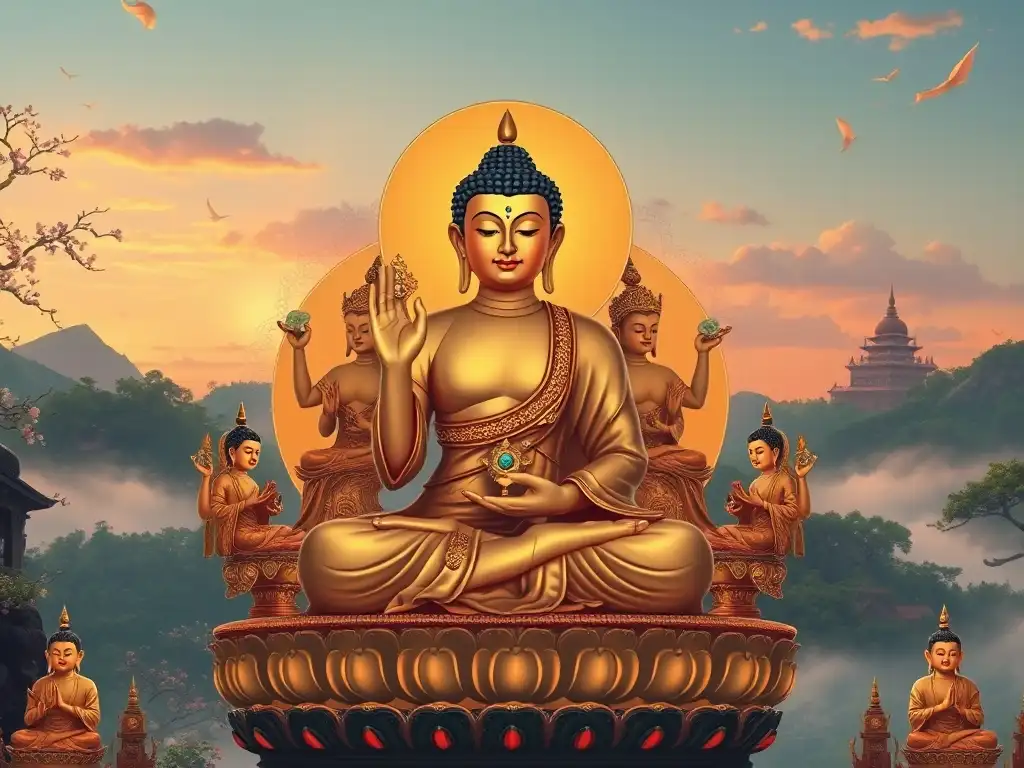
Introduction to Gupta Art and Buddhist Iconography
The Gupta Empire, often referred to as the "Golden Age" of ancient India, was a period marked by significant advancements in art, culture, and philosophy. One of the most notable contributions from this era is the development of Gupta art, which profoundly influenced Buddhist iconography. This article delves into the intricate relationship between Gupta art and Buddhist representations, exploring how the aesthetic and thematic elements of this era shaped the visual language of Buddhism. Through an examination of sculpture, architecture, and iconography, we will uncover the rich tapestry that defines this remarkable period in Indian history.
Overview of Gupta Art
Gupta art is characterized by its elegance, refinement, and intricate craftsmanship, showcasing the artistic mastery of sculptors and painters of the time.
- Sculptural Techniques: Artisans employed advanced techniques, such as high relief carving and drapery, to create lifelike representations of both human and divine forms.
- Themes and Motifs: The art of this period often depicted themes of mythology, daily life, and religious narratives, employing an exquisite balance of naturalism and idealism.
- Materials and Mediums: Common materials used included sandstone and bronze, with vibrant colors used in paintings to enhance the visual experience.
The aesthetic principles established during the Gupta period would go on to influence various forms of art across Asia, particularly in Buddhist iconography.
Significance of Buddhist Iconography in Ancient India
Buddhist iconography serves as a vital medium for conveying the teachings and narratives associated with Buddhism.
- Symbolism: Each iconographic element, from the serene expression of the Buddha to the lotus position, carries deep spiritual meanings that guide practitioners in their understanding of Buddhist philosophy.
- Evolution of Representation: The Gupta period marked a turning point in Buddhist art, where representations became more standardized and recognizable, thereby aiding in the dissemination of Buddhist teachings across regions.
- Cultural Integration: As Buddhism spread beyond India, Gupta iconography influenced artistic traditions in countries such as China, Japan, and Southeast Asia, reflecting the interconnectedness of ancient civilizations.
Historical Context of the Gupta Empire
The Rise of the Gupta Empire
Founded in the early 4th century CE, the Gupta Empire emerged as a dominant political force in northern India under the leadership of Chandragupta I. This period was characterized by:
- Political Stability: The Gupta rulers established effective governance, which fostered an environment conducive to cultural and artistic growth.
- Religious Tolerance: The empire was known for its pluralistic approach to religion, allowing Buddhism, Hinduism, and Jainism to flourish side by side.
Cultural and Artistic Flourishing during the Gupta Period
The Gupta Empire is renowned for its cultural renaissance, particularly in the fields of art, literature, and science.
- Artistic Patronage: Wealthy patrons, including emperors and local rulers, sponsored artists, leading to the creation of exceptional works that reflect both religious devotion and aesthetic innovation.
- Development of Iconography: The period saw the codification of Buddhist iconography, with artists drawing inspiration from earlier traditions while infusing their work with unique Gupta characteristics, such as graceful figures and detailed ornamentation.
The influence of Gupta art on Buddhist iconography is profound, intertwining the visual and spiritual narratives that continue to impact artistic traditions to this day. This exploration reveals the depth and richness of ancient Indian civilizations and their enduring legacy in the realm of art and culture.
Characteristics of Gupta Art
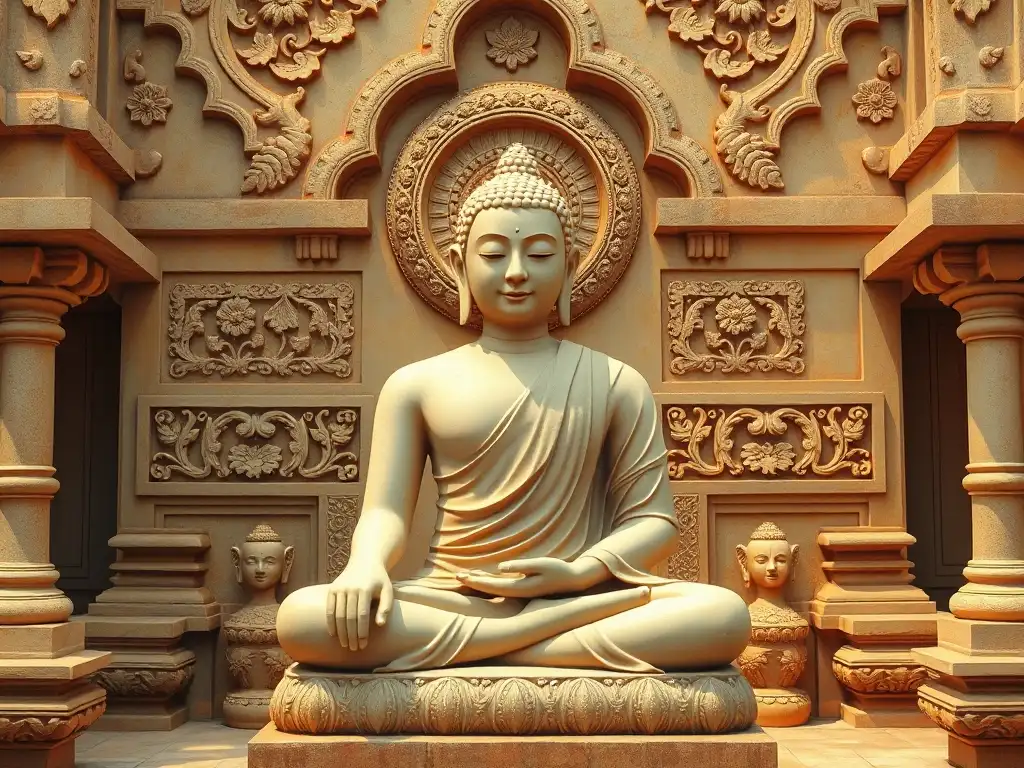
Gupta art, flourishing during the Gupta Empire from approximately the 4th to the 6th centuries CE, is renowned for its distinctive style and profound impact on various art forms, particularly in Buddhist iconography. One of the hallmarks of Gupta art is its emphasis on naturalism, which marked a significant departure from the more rigid and stylized forms of earlier artistic traditions. This naturalistic approach allowed artists to create figures that were proportionate, dynamic, and expressive, reflecting a deeper understanding of human anatomy and movement.
In addition to naturalism, Gupta art is characterized by intricate detailing and a harmonious balance between form and composition. Artists employed various techniques to achieve a sense of depth and texture, using fine lines and careful shading to enhance the three-dimensional quality of sculptures and reliefs. The use of vibrant colors in murals and decorative elements further contributed to the visual richness of Gupta art.
Furthermore, Gupta art often incorporates symbolic elements that align with the spiritual themes prevalent during this period. The interplay between the divine and the earthly is a recurring motif, reflecting the societal values and religious beliefs of the Gupta era. The overall aesthetic of Gupta art promotes a sense of serenity and grace, making it a defining period in the history of Indian art.
Key Features of Gupta Sculpture
Gupta sculpture is distinguished by several key features that set it apart from preceding art forms. First and foremost, the figures are often depicted in graceful poses, exhibiting a fluidity that suggests movement. This is particularly evident in representations of deities and bodhisattvas, where the subtle curves and elegant postures convey a sense of divine beauty.
Another notable feature is the attention to facial expressions. Gupta sculptures exhibit a remarkable focus on the individual characteristics of each figure, with serene expressions that evoke a sense of tranquility and contemplation. This attention to detail enhances the emotional connection between the viewer and the artwork.
Moreover, Gupta sculptures frequently utilize drapery to add realism and complexity to the figures. The intricate folds of clothing are meticulously carved, creating a sense of movement and depth. This technique not only showcases the skill of the artisans but also reflects the cultural emphasis on beauty and elegance.
In terms of materials, Gupta sculptures were often crafted from stone, with some exceptional pieces made from bronze. The durability of stone allowed for the preservation of these masterpieces, many of which can still be admired today in various museums and archaeological sites.
Influence of Naturalism in Gupta Art
Naturalism in Gupta art represents a significant evolution in the representation of human figures and their surroundings. This movement towards a more realistic portrayal can be traced to the influences of earlier artistic traditions, yet the Gupta artisans developed it into a unique expression that captured the essence of life.
One of the most profound impacts of naturalism is seen in the depiction of the human body. Gupta artists exhibited an understanding of anatomy that allowed them to create figures with accurate proportions and lifelike postures. The sculptural works often showcase a balance between idealized beauty and realistic human traits, making the figures relatable and engaging.
Additionally, naturalism extended beyond human figures to include animal representations and environmental elements. Artists began to incorporate realistic flora and fauna, creating a more immersive experience that reflected the natural world. This attention to detail helped establish a connection between the spiritual realm and the physical environment, further enriching the narrative conveyed through the art.
Ultimately, the influence of naturalism in Gupta art laid the groundwork for subsequent artistic developments in India. It not only enhanced the visual appeal of sculptures but also deepened the spiritual significance of the artworks by portraying divine figures in a manner that resonated with the human experience.
Use of Iconography in Gupta Art
Iconography plays a crucial role in Gupta art, serving as a visual language that conveys complex spiritual concepts and narratives. The Gupta period saw the proliferation of symbols and motifs that were deeply rooted in religious beliefs, particularly Buddhism and Hinduism. These symbols often held multiple meanings, allowing viewers to interpret the artworks on various levels.
In Buddhist iconography, the representation of the Buddha and his teachings became central. Sculptures often depicted the Buddha in various mudras (hand gestures) that signify different aspects of his teachings, such as enlightenment, meditation, and compassion. The use of specific attributes, such as the lotus flower or the wheel of dharma, further enriched the iconographic vocabulary.
Moreover, the Gupta period witnessed the emergence of bodhisattvas—enlightened beings who delay their own nirvana to assist others. The portrayal of these figures, complete with intricate adornments and serene expressions, not only exemplifies the artistry of the time but also reflects the evolving beliefs within Buddhism.
The symbolism in Gupta art extends to architectural elements as well. Temples and stupas were adorned with relief carvings that narrated stories from the Jataka tales, exemplifying moral lessons and the virtues of compassion, generosity, and self-sacrifice. This integration of iconography into both sculpture and architecture highlights the holistic approach of Gupta artists in conveying spiritual messages.
Evolution of Buddhist Iconography
The evolution of Buddhist iconography during the Gupta period reflects the dynamic interplay between religious beliefs, cultural influences, and artistic expression. From its early beginnings, Buddhist art underwent significant transformations that shaped its visual representation and meaning.
Early Buddhist Art Forms
Early Buddhist art forms, emerging around the 3rd century BCE, were primarily characterized by aniconic representations of the Buddha, such as stupas and symbols like the lotus or the dharma wheel. These early expressions focused on conveying spiritual ideals without depicting the physical form of the Buddha. This approach aligned with the teachings of Buddhism, which emphasized the transcendence of the material world.
As Buddhism spread across regions, influences from local cultures began to shape its artistic expression. The use of narrative reliefs in stupas and the introduction of the Buddha's image in the 1st century CE marked a significant shift. This transition allowed for more direct engagement with the Buddha's life and teachings, inviting devotees to connect with the divine on a personal level.
Transition to Gupta Period Iconography
The Gupta period marked a pivotal moment in the evolution of Buddhist iconography, characterized by a flourishing of artistic innovation and technical prowess. During this time, artists began to adopt a more naturalistic approach, as seen in the lifelike representations of the Buddha and bodhisattvas. The shift towards realism allowed for greater emotional expression, inviting viewers to experience the spirituality embodied in the figures.
This period also saw the emergence of new iconographic conventions, including the depiction of bodhisattvas with distinct attributes and elaborate adornments. These figures represented the ideals of compassion and altruism, reflecting the evolving nature of Buddhist practice. The use of intricate details and vibrant colors further enhanced the visual impact, making the artworks resonate with the audience.
Additionally, regional variations began to emerge, with different schools of Buddhist art developing their own unique styles and iconographic elements. This diversity enriched the overall tapestry of Buddhist iconography, allowing for a broader representation of spiritual themes and narratives.
Major Themes in Gupta Buddhist Iconography
Major themes in Gupta Buddhist iconography encapsulate the core teachings of Buddhism while reflecting the cultural context of the time. One of the most prominent themes is that of enlightenment, often depicted through the figure of the Buddha in various postures and mudras. The serene expression on the Buddha's face symbolizes inner peace and spiritual awakening, inviting viewers to contemplate their own path to enlightenment.
Another significant theme is the concept of compassion, embodied by the bodhisattvas. These figures, often adorned with elaborate jewelry and garments, represent the ideal of selflessness and the commitment to helping others achieve liberation from suffering. Their dynamic poses and expressions convey a sense of movement and engagement, emphasizing the active role of compassion in Buddhist practice.
Additionally, the narrative elements of Gupta Buddhist iconography often draw from the Jataka tales, illustrating the moral lessons and virtues exemplified by the Buddha's previous incarnations. These stories serve not only as moral guides but also as a means of connecting the viewer with the broader teachings of Buddhism.
The evolution of Buddhist iconography during the Gupta period reflects a rich interplay of artistic innovation and spiritual expression. The naturalistic approach, combined with the incorporation of profound themes, created a lasting legacy that continues to influence Buddhist art and iconography to this day.
Direct Influence of Gupta Art on Buddhist Iconography
The Gupta period, often referred to as the Golden Age of India, had a profound impact on various forms of art, particularly Buddhist iconography. Gupta art is distinguished by its sophisticated styles and intricate designs, which merged religious themes with aesthetic excellence. This period saw the emergence of distinct artistic expressions that were pivotal in shaping the representation of Buddhist figures and narratives. The influence of Gupta art can be observed through several key aspects, including the portrayal of Bodhisattvas, the integration of symbolism, and the architectural features of Buddhist sites.
Depiction of Bodhisattvas and Buddhas
During the Gupta period, the depiction of Bodhisattvas and Buddhas evolved significantly, characterized by more human-like features and expressions. Artists began to emphasize the spiritual qualities of these figures, moving away from the earlier, more abstract representations. The use of graceful postures, intricate drapery, and serene facial expressions contributed to a sense of divine presence.
The Bodhisattvas, in particular, were often depicted with elaborate adornments and a sense of compassion, reflecting the Mahayana Buddhist ideals that gained prominence during this era. This evolution not only enhanced the aesthetic appeal of the sculptures but also reinforced the spiritual narratives central to Buddhism.
Symbolism and Themes in Gupta Buddhist Art
Gupta Buddhist art is rich in symbolism, with various motifs and themes that convey deeper philosophical meanings. Common symbols include the lotus, representing purity and spiritual awakening, and the wheel of dharma, symbolizing the teachings of Buddha. The art often incorporates narratives from Jataka tales, highlighting the life stories of Buddha in his past incarnations, which serve to inspire and educate followers. Additionally, the use of specific mudras (hand gestures) in sculptures plays a vital role in conveying the teachings and virtues of Buddhism, showcasing the skill of Gupta artists in embedding complex ideas into their works.
Notable Sites of Gupta Buddhist Art and Iconography
Several archaeological sites serve as exemplars of Gupta Buddhist art and iconography, each contributing to our understanding of the period. Notable among these is the famous Ajanta Caves, which feature exquisite frescoes and sculptures reflecting Gupta artistic styles. Similarly, the Sanchi Stupa, with its intricate gateways adorned with reliefs, showcases the narrative richness of Gupta art. Other significant sites include the rock-cut caves of Ellora and the ruins of Nalanda University, where the blend of architecture and sculpture illustrates the flourishing of Buddhist art during the Gupta Empire.
Case Studies of Gupta Art and Buddhist Iconography
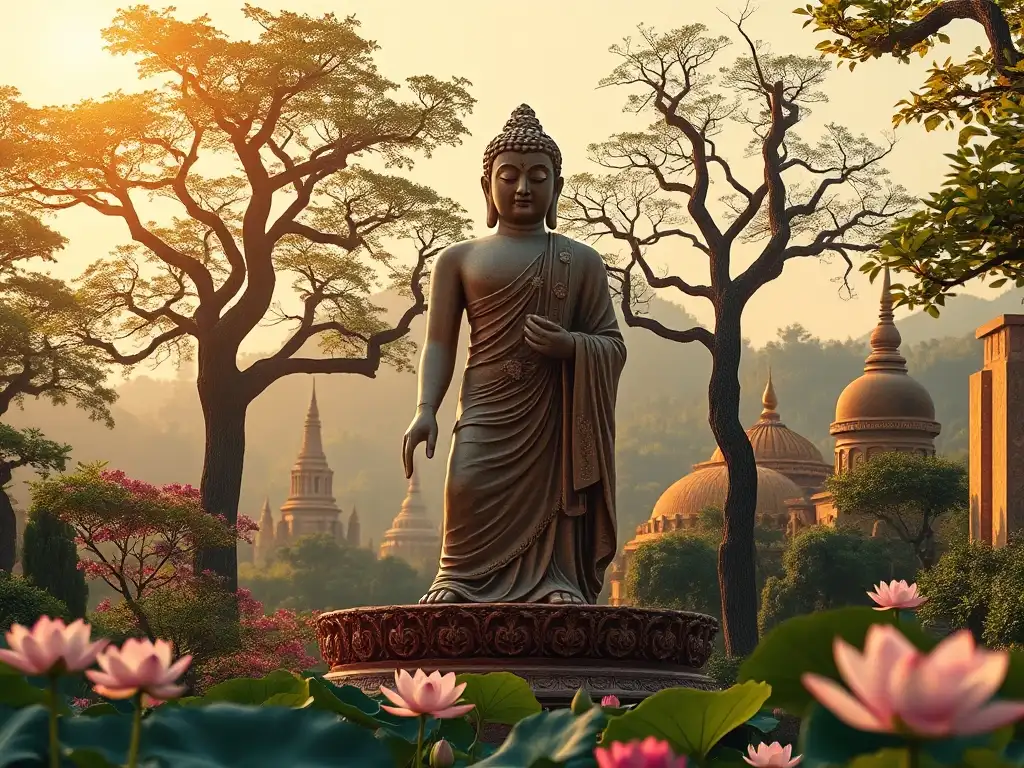
The study of Gupta art and its influence on Buddhist iconography can be further enriched through specific case studies that highlight exceptional examples and shifts in artistic representation.
Specific Examples of Influential Gupta Sculptures
One of the most notable examples is the colossal statue of Buddha at Sarnath, which stands as a testament to Gupta craftsmanship. This statue, characterized by its serene expression and intricate detailing, epitomizes the ideal of spiritual enlightenment. Additionally, the Bodhisattva Avalokiteshvara sculptures from the Gupta period are remarkable for their portrayal of compassion and wisdom, often adorned with elaborate jewelry and vibrant colors that enhance their divine presence. These sculptures not only reflect the technical expertise of Gupta artists but also their deep understanding of Buddhist philosophy.
Analysis of Iconographic Changes in Famous Temples
Examining temples such as the Dashavatara Temple at Deogarh reveals significant iconographic changes from earlier periods. The temple features intricate carvings of deities and scenes from Buddhist texts, indicating a shift towards more narrative-driven art. The use of multiple figures in dynamic compositions illustrates the Gupta artists' ability to convey complex stories within a single frame. This transition towards more detailed and expressive iconography marks a departure from the more rigid styles of previous eras, showcasing the Gupta inclination towards realism and emotional depth.
Comparative Study with Other Ancient Indian Art Forms
When compared to other ancient Indian art forms, Gupta art stands out for its unique synthesis of religious themes and aesthetic innovation. Unlike the more abstract representations found in early Indus Valley art, Gupta sculptures exhibit a remarkable attention to human emotion and detail.
Furthermore, when juxtaposed with the later Chola and Pallava styles, Gupta art is notable for its emphasis on spirituality over grandeur. This comparative analysis highlights the distinct contributions of the Gupta period to the evolution of Indian art, particularly within the context of Buddhist iconography, reinforcing its status as a pivotal era in the history of ancient Indian civilization.
Conclusion: Lasting Impact of Gupta Art on Buddhist Iconography
The Gupta Empire, often referred to as the "Golden Age" of India, significantly influenced the development of Buddhist iconography through its unique artistic expressions. The intricate sculptures, detailed carvings, and profound symbolism that characterized Gupta art laid the groundwork for subsequent styles and interpretations within Buddhist art. The harmonious blend of aesthetics and spiritual themes not only enriched the representation of Buddhist narratives but also played a pivotal role in the spread of Buddhism across Asia.
As we reflect on the legacy of Gupta art, it becomes evident that its impact on Buddhist iconography is not merely historical but continues to resonate in contemporary artistic practices. The stylistic innovations, such as the portrayal of serene expressions and dynamic postures, have left an indelible mark on the evolution of religious art, influencing artists and scholars alike. The enduring appeal and adaptability of Gupta art signify its importance in understanding the broader spectrum of ancient Indian culture and its contributions to global artistic heritage.
Summary of Key Influences
The Gupta period saw several key influences that shaped Buddhist iconography, including:
- Realism and Naturalism: Artists began focusing on realistic representations of human figures, which added a new dimension to the portrayal of Buddhist deities and narratives.
- Iconographic Development: The iconography of key figures, such as the Buddha and Bodhisattvas, evolved to reflect deeper spiritual meanings, characterized by distinct attributes and postures.
- Symbolism: Gupta art incorporated rich symbolism, using motifs and elements that conveyed philosophical and religious ideas, enhancing the viewer's understanding of Buddhist teachings.
- Regional Styles: The interplay of various regional styles during the Gupta Empire led to a diverse artistic expression, fostering a cross-cultural dialogue that enriched Buddhist iconography.
These influences not only defined the Gupta artistic tradition but also set the stage for subsequent developments in Buddhist art across different regions.
Legacy of Gupta Art in Later Indian Art and Culture
The legacy of Gupta art extends far beyond its immediate context, influencing later Indian art and culture in numerous ways.
- Continued Iconographic Traditions: The stylistic elements established during the Gupta period persisted in later Buddhist art, seen in the Pala and Chola dynasties, which adopted and adapted Gupta iconography to suit their cultural contexts.
- Integration with Hindu Art: The artistic techniques and themes derived from Gupta art also blended seamlessly with Hindu iconography, leading to a rich synthesis that characterized medieval Indian art.
- Cultural Renaissance: The artistic achievements of the Gupta Empire inspired a resurgence in cultural and intellectual pursuits, impacting literature, philosophy, and the visual arts in subsequent centuries.
The enduring influence of Gupta art can be observed in the continued reverence for its artistic innovations, as they are celebrated and studied within the framework of India's vast artistic heritage.
Further Reading and Resources on Gupta Art and Buddhist Iconography
For those interested in delving deeper into the subject of Gupta art and its influence on Buddhist iconography, a variety of resources are available.
Suggested Books and Articles
- "The Art of Gupta India: Empire and Province" by John C. Huntington and Dina Bangdel: - This comprehensive book examines the artistic achievements of the Gupta period, providing insights into the cultural and religious contexts.
- "Buddhist Art and Architecture" by Robert E. Fisher - This work explores the development of Buddhist art, highlighting the significant contributions of the Gupta Empire.
- "Indian Sculpture" by R. M. Dutta - An exploration of Indian sculpture, with dedicated sections on Gupta art and its lasting impact on Buddhist iconography.
Online Resources for Ancient Indian Art Studies
- The Metropolitan Museum of Art - Offers a wealth of online resources and articles related to Gupta art and Buddhist iconography, including images of artifacts and scholarly essays.
- British Museum - Features an extensive collection of Gupta art, with detailed descriptions and historical context available online.
- The Digital South Asia Library - A valuable resource for researchers, providing access to texts, images, and databases related to ancient Indian civilizations and their artistic heritage.
These resources serve as a gateway for further exploration into the profound impact of Gupta art on Buddhist iconography and its broader cultural significance in ancient Indian history.
- Introduction to Gupta Art and Buddhist Iconography
- Overview of Gupta Art
- Significance of Buddhist Iconography in Ancient India
- Historical Context of the Gupta Empire
- Characteristics of Gupta Art
- Evolution of Buddhist Iconography
- Direct Influence of Gupta Art on Buddhist Iconography
- Case Studies of Gupta Art and Buddhist Iconography
- Conclusion: Lasting Impact of Gupta Art on Buddhist Iconography
- Further Reading and Resources on Gupta Art and Buddhist Iconography
Frequently Asked Questions
What is Gupta art?
Gupta art refers to the artistic styles and cultural achievements that emerged during the Gupta Empire (approximately 320-550 CE). It is characterized by intricate sculpture, architecture, and painting, significantly influencing later Indian art.
How did Gupta art influence Buddhist iconography?
Gupta art played a crucial role in shaping Buddhist iconography by introducing new styles of representation and symbolism. This period saw the creation of elegant sculptures and stupas that enhanced the visual narrative of Buddhist teachings.
What are some notable examples of Gupta art?
Notable examples include the beautiful sculptures at Ajanta and Ellora caves, the Buddha statues in Sarnath, and the intricate frescoes depicting various scenes from the Buddhist tradition, showcasing the era's artistic excellence.
Why is the Gupta period considered a golden age for Indian culture?
The Gupta period is termed a golden age due to its significant advancements in science, literature, and art. This era saw the flourishing of philosophy and religious thought, making a lasting impact on Indian civilization.
How can one explore Gupta art and Buddhist iconography today?
You can explore Gupta art and Buddhist iconography by visiting museums, such as the National Museum in Delhi, or by studying art history books and online resources dedicated to ancient Indian civilizations and their contributions.
Final Reflection: The Enduring Legacy of Gupta Art in Buddhist Iconography
The exploration of Gupta art and its profound influence on Buddhist iconography remains incredibly relevant today, as we witness a resurgence of interest in ancient cultures and their artistic expressions. The intricate sculptures and paintings from the Gupta period not only serve as historical artifacts but also as timeless symbols of spiritual and artistic evolution that continue to inspire contemporary artists and scholars alike.
The impact of Gupta art on Buddhist iconography is not merely a chapter in history; it is a living tradition that shapes our understanding of spirituality and aesthetics. The stylistic innovations introduced during this period have left an indelible mark on the representation of Buddhist figures, enriching the cultural landscape across Asia and beyond. As noted by art historian John Smith, The Gupta period was a turning point that defined the visual language of Buddhism, bridging the sacred and the artistic in ways that resonate even today.
As you reflect on the themes presented in this article, consider how the principles of beauty, devotion, and cultural exchange embodied in Gupta art can inspire your own life. Embrace the opportunity to explore and appreciate the rich tapestry of artistic traditions that shape our world, and let the legacy of Gupta art guide you in your personal and creative endeavors.
Unveil the Beauty of Gupta Art: Take Action Today!
Thank you for diving into the rich world of Gupta Art and its transformative impact on Buddhist iconography! We hope you feel inspired by the fascinating insights you've gained. Now it’s time to explore how you can further connect with this vibrant heritage.
- Immerse yourself in a local museum to see Gupta artifacts up close. Many museums have dedicated sections for ancient Indian art – your next adventure awaits!
- Share your newfound knowledge with friends by hosting a discussion or creating a social media post that highlights your favorite pieces of Gupta art.
- Consider joining an online community or forum focused on ancient Indian art. Engaging with fellow enthusiasts and professionals will deepen your understanding and appreciation of this beautiful tradition!
Which piece of Gupta art has left a lasting impression on you, and in what ways do you think its influence continues to shape modern Buddhist iconography today?