
The Environmental Policies of Chandragupta Maurya: A Sustainable Approach


Welcome to Ancient India History, where we embark on a fascinating journey through the rich tapestry of India's past! Dive deep into the captivating world of ancient civilizations, from the innovative Indus Valley to the illustrious Gupta Empire. In our featured article, we uncover the environmental policies of Chandragupta Maurya, a pioneer of sustainable governance who prioritized the balance between nature and society. What can we learn from his approach, and how do these principles resonate in today's world? Join us as we explore the remarkable contributions of key historical figures and their enduring legacies. The adventure awaits!
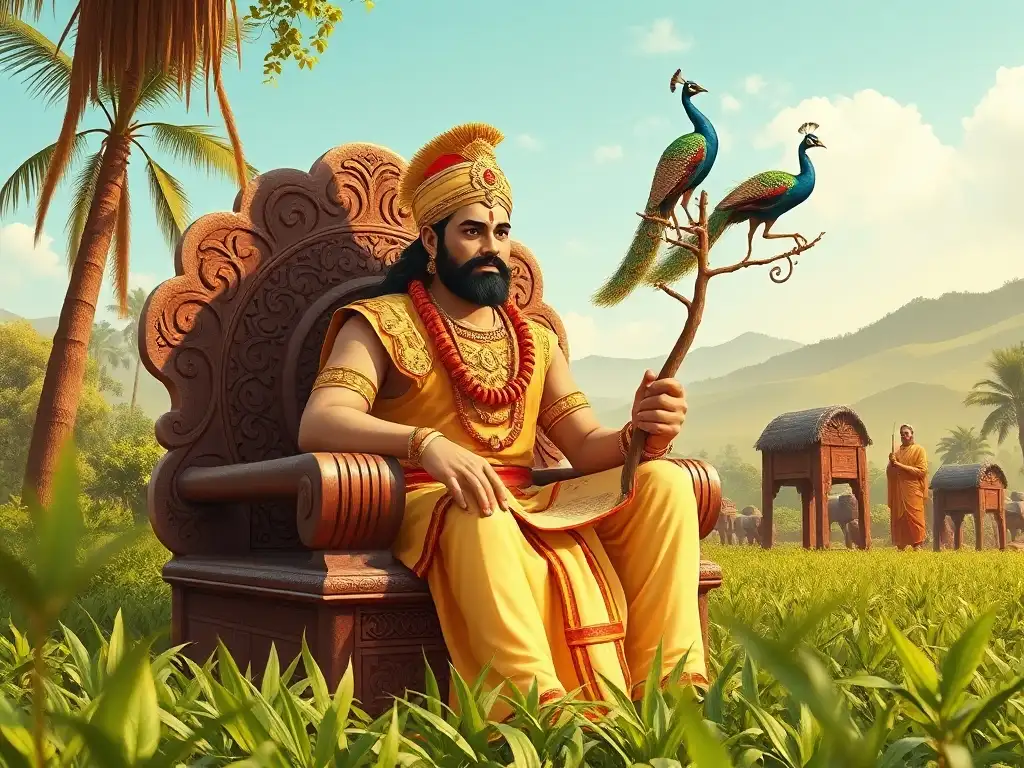
Introduction to Chandragupta Maurya and His Era
Chandragupta Maurya, a pivotal figure in ancient Indian history, founded the Mauryan Empire in the 4th century BCE. His reign marked a significant turning point in the subcontinent's history, characterized by remarkable political and economic transformations. As India transitioned from fragmented kingdoms to a unified empire, Chandragupta implemented a range of policies that not only consolidated his power but also emphasized the importance of sustainability in governance. This article delves into the environmental policies of Chandragupta Maurya, showcasing how his approach laid the groundwork for sustainable practices that resonated through the ages.
Overview of the Mauryan Empire
The Mauryan Empire, which flourished from approximately 322 to 185 BCE, was one of the largest and most powerful empires in ancient India. It encompassed a vast territory stretching from the northern regions of the subcontinent to parts of present-day Afghanistan. Under Chandragupta's leadership, the empire achieved remarkable advancements in administration, trade, and culture. The Mauryan governance system was notable for its emphasis on efficiency and organization, which included the establishment of a well-structured bureaucracy and a network of roads that facilitated trade and communication.
In addition to political and economic reforms, the Mauryan Empire is renowned for its commitment to environmental stewardship. Chandragupta recognized the intricate relationship between nature and human society, leading him to adopt policies aimed at preserving natural resources and promoting ecological balance. This foresight not only ensured the sustainability of the empire's resources but also set a precedent for future leaders in ancient India.
Chandragupta Maurya: A Key Historical Figure
Chandragupta Maurya's rise to power is a compelling narrative of ambition, strategy, and vision. Initially a young adventurer, he was mentored by the philosopher Chanakya, who played a crucial role in shaping his political ideology. Together, they devised a plan to overthrow the Nanda dynasty and establish a new order. Chandragupta's leadership style was marked by pragmatism and an understanding of the socio-political landscape of his time.
His reign is often characterized by significant achievements in governance, military strategy, and diplomacy. However, what sets Chandragupta apart is his innovative approach to environmental governance. He recognized that the prosperity of his empire relied heavily on the health of its environment, leading to the implementation of policies that prioritized the conservation of forests, water bodies, and agricultural lands. This understanding of the environment as a vital resource for sustaining life and economy demonstrates his visionary leadership.
The Importance of Environmental Policies in Ancient India
The environmental policies during Chandragupta Maurya's reign were groundbreaking for their time. They underscore the critical role that sustainable practices played in the longevity and success of ancient civilizations. By focusing on the conservation of natural resources, Chandragupta's administration ensured that future generations would inherit a thriving ecosystem capable of supporting a flourishing society.
Understanding Sustainability in Ancient Civilizations
Sustainability in ancient civilizations often revolved around the management of natural resources, agricultural practices, and community welfare. Unlike modern definitions that emphasize industrial and technological advancements, ancient sustainability was deeply rooted in the cyclical understanding of nature. Chandragupta's environmental policies reflected this ethos, illustrating how ancient leaders recognized the necessity of living in harmony with the environment.
The Impact of Environmental Decisions on Society and Economy
The environmental decisions made during the Mauryan era had profound impacts on both society and economy. Sustainable agricultural practices ensured food security, while the protection of forests and water sources contributed to a stable and prosperous economy. Furthermore, these policies fostered a sense of communal responsibility among citizens, encouraging them to engage in practices that benefited the environment.
The environmental policies of Chandragupta Maurya serve as a testament to the wisdom of ancient Indian civilizations. By prioritizing sustainability, Chandragupta not only secured the prosperity of his empire but also left a lasting legacy that resonates in contemporary discussions surrounding environmental stewardship.
Chandragupta Maurya's Environmental Policies

Chandragupta Maurya, the founder of the Mauryan Empire, is often celebrated for his military prowess and administrative innovations. However, his environmental policies deserve equal recognition as they laid the groundwork for sustainable governance. His strategies aimed to balance human needs with the preservation of natural resources, showcasing an early understanding of ecological stewardship. Through a systematic approach to agriculture, forestry, and water management, Chandragupta's reign exemplified an effort to create a sustainable environment that could support the growing population of his empire.
Key Principles of Chandragupta Maurya’s Environmental Philosophy
Chandragupta Maurya’s environmental philosophy was guided by several key principles that emphasized harmony between humans and nature.
- Sustainability: He recognized the importance of using resources wisely, ensuring that future generations could also benefit from them.
- Interconnectedness: The philosophy acknowledged the interconnected nature of ecosystems, where the well-being of one aspect directly impacts others.
- Respect for Nature: Chandragupta promoted a respect for natural habitats, understanding that preserving biodiversity was essential for ecological balance.
- Community Involvement: He believed in the active participation of local communities in environmental management, encouraging them to engage in sustainable practices.
These principles laid the foundation for various policies that sought to create a sustainable and prosperous empire.
Sustainable Agricultural Practices Under Chandragupta Maurya
Agriculture was the backbone of the Mauryan economy, and Chandragupta implemented several sustainable agricultural practices to enhance productivity while maintaining ecological balance.
- Crop Rotation: Emphasizing crop rotation helped maintain soil fertility and reduce pest infestations, allowing farmers to produce diverse crops throughout the year.
- Organic Fertilizers: The use of compost and natural fertilizers minimized dependence on chemical inputs, promoting healthier soil and crops.
- Terracing and Contour Farming: These methods were employed to prevent soil erosion, especially in hilly regions, ensuring that arable land remained productive.
- Research and Development: Agricultural research was encouraged, leading to the development of high-yielding crop varieties and innovative farming techniques.
These practices not only improved agricultural productivity but also ensured that the natural environment was preserved for future harvests.
Forest Conservation Efforts in the Mauryan Empire
Chandragupta Maurya recognized the vital role forests played in maintaining ecological balance. His government implemented several measures aimed at forest conservation:
- Protected Forest Areas: Designating certain forest regions as protected areas ensured the preservation of wildlife habitats and biodiversity.
- Regulation of Logging: Strict regulations were established to control deforestation and promote sustainable logging practices.
- Reforestation Initiatives: Efforts were made to replant trees in deforested areas, helping to restore ecosystems and preserve wildlife.
- Community Engagement: Local communities were encouraged to take part in conservation efforts, fostering a sense of responsibility towards the environment.
These initiatives not only contributed to environmental sustainability but also provided resources for the economy, such as timber and medicinal plants.
Water Management and Irrigation Systems
Effective water management was crucial for the success of the Mauryan Empire, particularly in supporting agriculture. Chandragupta Maurya’s approach included:
- Irrigation Systems: He invested in extensive irrigation projects, including canals and reservoirs, which ensured water supply to agricultural fields, particularly during dry seasons.
- Rainwater Harvesting: Techniques to capture and store rainwater were promoted, helping to recharge groundwater and maintain water levels.
- Water Quality Management: Efforts were made to maintain the cleanliness of water bodies to prevent contamination and ensure the health of the population.
- Community Involvement: Farmers were educated on sustainable water usage practices, fostering a communal approach to water management.
These strategies not only enhanced agricultural productivity but also ensured the long-term availability of water resources.
The Role of Advisors and Scholars in Environmental Policies
Chandragupta Maurya’s environmental policies were significantly influenced by his advisors and scholars, who provided valuable insights and expertise.
Contributions of Chanakya (Kautilya) to Environmental Strategy
Chanakya, also known as Kautilya, played a pivotal role in shaping Chandragupta’s environmental strategies. His seminal work, the Arthashastra, contained guidelines on resource management that included:
- Prudent Resource Allocation: Chanakya emphasized the importance of judiciously allocating resources to prevent wastage and ensure sustainability.
- Economic Incentives: He advocated for incentivizing sustainable practices among farmers and craftsmen to promote environmental conservation.
- Regulatory Frameworks: His recommendations for establishing laws and regulations helped create a structured approach to managing natural resources.
Through his strategic advice, Chanakya laid the foundation for an environmentally conscious governance model.
Influence of Ancient Texts on Chandragupta Maurya's Policies
Ancient texts played a critical role in shaping Chandragupta Maurya's environmental policies. The influence of various scriptures and treatises can be observed in several ways:
- Dharmashastras: These texts emphasized the moral duty towards nature, guiding rulers in making ethical decisions related to resource management.
- Agricultural Manuals: Ancient manuals provided insights into sustainable farming practices that were adopted by Chandragupta’s administration.
- Historical Accounts: Chronicles of past civilizations highlighted the consequences of environmental neglect, reinforcing the importance of sustainable governance.
By drawing from these ancient sources of wisdom, Chandragupta Maurya established policies that not only addressed the immediate needs of his empire but also considered the long-term health of the environment.
Comparative Analysis: Chandragupta Maurya vs. Other Ancient Leaders
Chandragupta Maurya’s environmental policies are remarkable when compared to those of other ancient leaders, both in India and beyond. His approach to governance emphasized sustainability, resource management, and environmental stewardship. While many rulers focused on territorial expansion and immediate wealth, Chandragupta distinguished himself by integrating ecological considerations into his policies.
For instance, while leaders like Ashurbanipal of Assyria prioritized military conquests and monumental architecture, often at the expense of local ecosystems, Chandragupta’s reign is characterized by a more holistic view of governance. He implemented agrarian reforms that promoted sustainable farming practices, ensuring the fertility of the land was preserved for future generations. Furthermore, his advisors, notably Chanakya, emphasized the importance of maintaining a balanced relationship with nature, which was not a common focus among many of his contemporaries.
Environmental Policies of Other Ancient Indian Rulers
In the context of ancient India, several rulers enacted environmental policies that mirrored or contrasted with those of Chandragupta Maurya. For example, the Mauryan Empire under Chandragupta's grandson, Ashoka, is well-known for its emphasis on non-violence and the protection of wildlife. Ashoka's edicts advocated for the planting of trees and the establishment of wildlife sanctuaries, reflecting a progressive approach to environmental conservation.
Conversely, rulers from earlier dynasties, such as the Harappan civilization, exhibited advanced urban planning and water management systems, suggesting an inherent understanding of environmental sustainability. However, these practices were often more focused on immediate urban needs rather than long-term ecological strategies.
Overall, while many ancient Indian rulers recognized the importance of natural resources, Chandragupta's policies stand out for their strategic foresight, combining environmental conservation with socio-economic development.
Similarities and Differences in Sustainable Approaches

A comparative study of sustainable approaches reveals both similarities and differences among various ancient leaders. For instance, both Chandragupta Maurya and Ashoka promoted agricultural productivity and environmental conservation, albeit with different methodologies. Chandragupta's strategies were focused on direct administrative control and resource management, while Ashoka leveraged moral and ethical principles to inspire a broader societal commitment to sustainability.
In contrast, rulers like Harshavardhana and various regional kings often prioritized the economic benefits of resource extraction without a corresponding commitment to environmental protection. These leaders implemented irrigation systems and agricultural expansion but did not create lasting frameworks for environmental stewardship.
Thus, while many ancient leaders recognized the significance of environmental policies, Chandragupta’s unique emphasis on sustainable governance intertwined with economic stability set his approach apart from others.
Legacy of Chandragupta Maurya's Environmental Policies
Chandragupta Maurya's environmental policies left a lasting legacy that influenced subsequent generations and shaped the ecological landscape of India. His initiatives laid the foundation for a governance model that recognized the interdependence between economic prosperity and environmental health. By prioritizing sustainable practices, he ensured that agriculture could thrive without depleting natural resources.
Long-term Effects on the Environment in Ancient India
The long-term effects of Chandragupta's environmental policies can be seen in the agricultural practices that persisted throughout the Mauryan Empire and beyond. The emphasis on sustainable farming techniques helped maintain soil fertility and encouraged biodiversity. Additionally, his commitment to forest conservation contributed to the preservation of vital ecosystems in the region.
Over time, these practices fostered a sense of ecological awareness among the populace, leading to more conscientious resource management. This legacy is particularly evident in the subsequent policies of later rulers who adopted similar environmental stewardship principles, reflecting the enduring impact of Chandragupta's vision.
Influence on Later Indian Dynasties and Environmental Practices
Chandragupta Maurya's environmental policies significantly influenced later Indian dynasties, particularly during the Gupta period, which is often viewed as a golden age of cultural and scientific advancement. The emphasis on sustainable agriculture and resource management continued to be a focal point for subsequent leaders, who recognized the importance of environmental health in sustaining their empires.
For instance, the Gupta rulers promoted irrigation and agricultural innovations that were rooted in the sustainable practices established by Chandragupta. This continuity demonstrates how his forward-thinking policies laid the groundwork for future environmental practices, reinforcing the idea that responsible governance and ecological balance are crucial for the prosperity of civilizations.
The environmental policies of Chandragupta Maurya not only impacted his own time but also resonated through the ages, shaping the environmental practices of later Indian dynasties and contributing to a legacy of sustainability in governance.
Conclusion: The Relevance of Chandragupta Maurya's Environmental Policies Today
Chandragupta Maurya's environmental policies are remarkably relevant in today's context, as they emphasize sustainable practices and responsible stewardship of natural resources. His administration's focus on agriculture, forestry, and water management laid the groundwork for a civilization that thrived on the harmony between human activity and the environment. In an age where climate change and environmental degradation are pressing issues, revisiting these ancient practices can provide insights into creating resilient communities.
The Mauryan Empire's emphasis on sustainable agriculture, such as crop rotation and soil management, serves as a model for modern agricultural practices aimed at increasing food security while minimizing ecological footprints. Additionally, the establishment of protected forests and wildlife reserves during his reign highlights the importance of biodiversity conservation, a principle that remains critical in contemporary environmental policies.
Lessons from Ancient Environmental Management for Modern Society
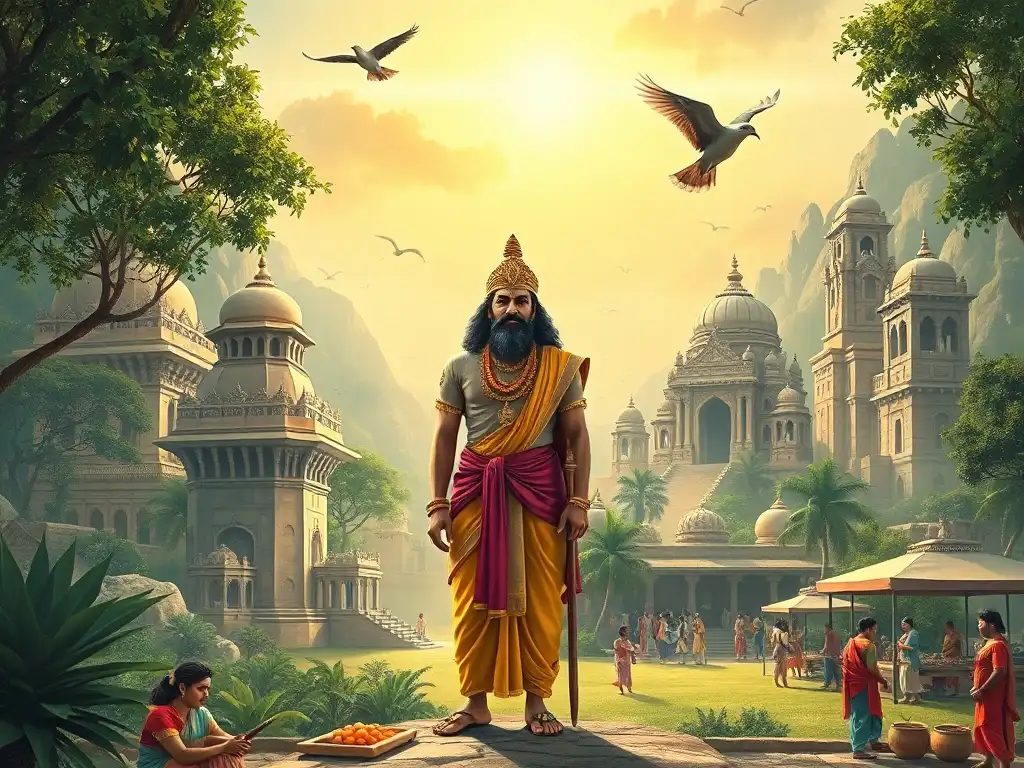
The environmental strategies employed by Chandragupta Maurya offer valuable lessons for modern society. Key takeaways include:
- Integration of Nature and Culture: The Mauryan approach recognized that cultural practices and natural ecosystems are interconnected. This holistic view can inspire today’s urban planning and development efforts to incorporate green spaces and biodiversity.
- Community Involvement: Chandragupta’s policies often involved local communities in managing resources. By fostering community engagement and stewardship, modern environmental initiatives can enhance sustainability and ensure the needs of local populations are met.
- Long-term Planning: The foresight demonstrated in the Mauryan administration's environmental policies underscores the necessity of long-term planning in resource management. This principle is vital for addressing current global challenges such as climate change, water scarcity, and habitat loss.
The Importance of Historical Perspectives in Sustainable Development
Understanding historical perspectives, such as those from the time of Chandragupta Maurya, is crucial for sustainable development. These perspectives provide context for modern environmental challenges and reveal how ancient societies adapted to their environments. By studying historical practices, contemporary societies can learn valuable lessons about resilience, adaptation, and the consequences of environmental neglect.
Moreover, historical insights can inform policy-making, encouraging a balanced approach that respects cultural traditions while addressing modern needs. Integrating historical knowledge into current sustainability frameworks can lead to more effective and culturally sensitive environmental policies, promoting a sustainable future rooted in a rich historical context.
References and Further Reading
Key Texts on Chandragupta Maurya and Environmental Policies
-
"The Mauryan Empire" by Romila Thapar
This comprehensive text explores the political and social structures of the Mauryan Empire, offering insights into Chandragupta's governance and environmental strategies.
-
"Chandragupta Maurya: The Rise of an Empire" by Sudhanshu K. Sinha
This book delves into the life of Chandragupta, highlighting his contributions to governance and environmental management.
-
"Ancient Indian Agriculture: Perspectives and Practices" by Ramesh Chandra Dutta
This work discusses agricultural practices in ancient India, including those implemented during the Mauryan era.
Recommended Books and Articles on Ancient Indian Environmental Practices
-
"The Ecology of Ancient India" by Jaya Mehta
A detailed analysis of ancient Indian environmental practices, this book examines how societies interacted with their natural surroundings.
-
"Sustainable Development in Ancient India" by Anjali Sharma
This article reviews historical practices that contributed to sustainable living in ancient India, with references to the Mauryan period.
-
"Environmental Sustainability in Ancient Civilizations" by Aditi Banerjee
This research paper explores various ancient civilizations, including the Mauryan Empire, and their approaches to environmental sustainability.
By studying these resources, readers can gain a deeper understanding of the environmental policies of Chandragupta Maurya and their significance in both historical and modern contexts.
- Introduction to Chandragupta Maurya and His Era
- Overview of the Mauryan Empire
- Chandragupta Maurya: A Key Historical Figure
- The Importance of Environmental Policies in Ancient India
- Chandragupta Maurya's Environmental Policies
- The Role of Advisors and Scholars in Environmental Policies
- Comparative Analysis: Chandragupta Maurya vs. Other Ancient Leaders
- Environmental Policies of Other Ancient Indian Rulers
- Similarities and Differences in Sustainable Approaches
- Legacy of Chandragupta Maurya's Environmental Policies
- Conclusion: The Relevance of Chandragupta Maurya's Environmental Policies Today
- Lessons from Ancient Environmental Management for Modern Society
- The Importance of Historical Perspectives in Sustainable Development
- References and Further Reading
- What were the main environmental policies of Chandragupta Maurya?
- How did Chandragupta Maurya's policies impact agriculture?
- What role did Buddhism play in the environmental approach of Chandragupta Maurya?
- How did Chandragupta Maurya ensure the enforcement of his environmental policies?
- Are Chandragupta Maurya's environmental policies relevant today?
Frequently Asked Questions
What were the main environmental policies of Chandragupta Maurya?
Chandragupta Maurya implemented sustainable practices focusing on forestation, water management, and agricultural efficiency to maintain a balanced ecosystem.
How did Chandragupta Maurya's policies impact agriculture?
His policies promoted agricultural sustainability by encouraging crop rotation and irrigation methods, which improved soil fertility and ensured food security.
What role did Buddhism play in the environmental approach of Chandragupta Maurya?
Buddhism, which emphasized harmony with nature, influenced his policies, promoting compassion for living beings and responsible resource use.
How did Chandragupta Maurya ensure the enforcement of his environmental policies?
He appointed officials responsible for monitoring natural resources and ensuring compliance with his eco-friendly regulations across the empire.
Are Chandragupta Maurya's environmental policies relevant today?
Yes, they serve as an inspiration for modern sustainable practices, highlighting the importance of conservation and balanced resource management in contemporary society.
Final Reflection: Chandragupta Maurya's Environmental Policies: A Timeless Blueprint for Sustainability
The environmental policies of Chandragupta Maurya serve as a profound reminder of the interconnectedness between governance and ecological stewardship. In today's world, where climate change and environmental degradation pose significant threats to our planet, revisiting the sustainable practices of ancient leaders like Maurya is not just relevant but essential. His holistic approach to environmental management underscores the idea that effective governance must prioritize ecological balance alongside economic growth. As we grapple with contemporary environmental challenges, the lessons from Maurya's era resonate more than ever, urging us to adopt sustainable practices that honor our planet.
The influence of Chandragupta Maurya's environmental policies extends beyond historical significance; it has shaped our cultural and social landscapes in ways that continue to inspire modern environmental movements. His commitment to sustainable agriculture and resource management reflects a deep understanding of the delicate balance between human needs and nature's limits. The greatest threat to our planet is the belief that someone else will save it.
This quote encapsulates the urgency of taking responsibility for our environment, a sentiment that echoes the principles laid out by Maurya. As we navigate the complexities of our current ecological crisis, his policies remind us that sustainability is not merely a modern concept but a timeless necessity.
As we reflect on the teachings of Chandragupta Maurya, I invite you to consider how these ancient principles can be applied in your own life. What steps can you take to embody a sustainable mindset in your daily choices? Whether it's reducing waste, supporting local ecosystems, or advocating for policies that protect our environment, every action counts. Let us honor the legacy of Maurya by committing ourselves to a future where environmental stewardship is at the forefront of our collective consciousness. Together, we can forge a path toward a more sustainable world, inspired by the wisdom of the past.
Embrace Sustainability Like Chandragupta Maurya!
Thank you for exploring the fascinating world of Chandragupta Maurya's environmental policies with us! By diving into this rich history, you've uncovered valuable insights into sustainable practices that are still relevant today. Now, it's time to put that inspiration into action!
Here’s how you can make a meaningful impact:
- Adopt sustainable practices in your daily life, such as reducing single-use plastics or starting a community garden to support local biodiversity.
- Share your newfound knowledge with friends and family by discussing the importance of sustainability and how ancient civilizations approached environmental challenges.
- Engage with local environmental groups—join organizations in your area that work to preserve nature and advocate for sustainable practices to make a broader impact.
How will you incorporate lessons from the past to enhance our future? We invite you to share your thoughts in the comments below!