
The Spiritual Landscape of the Indus Valley Civilization: Temples and Rituals

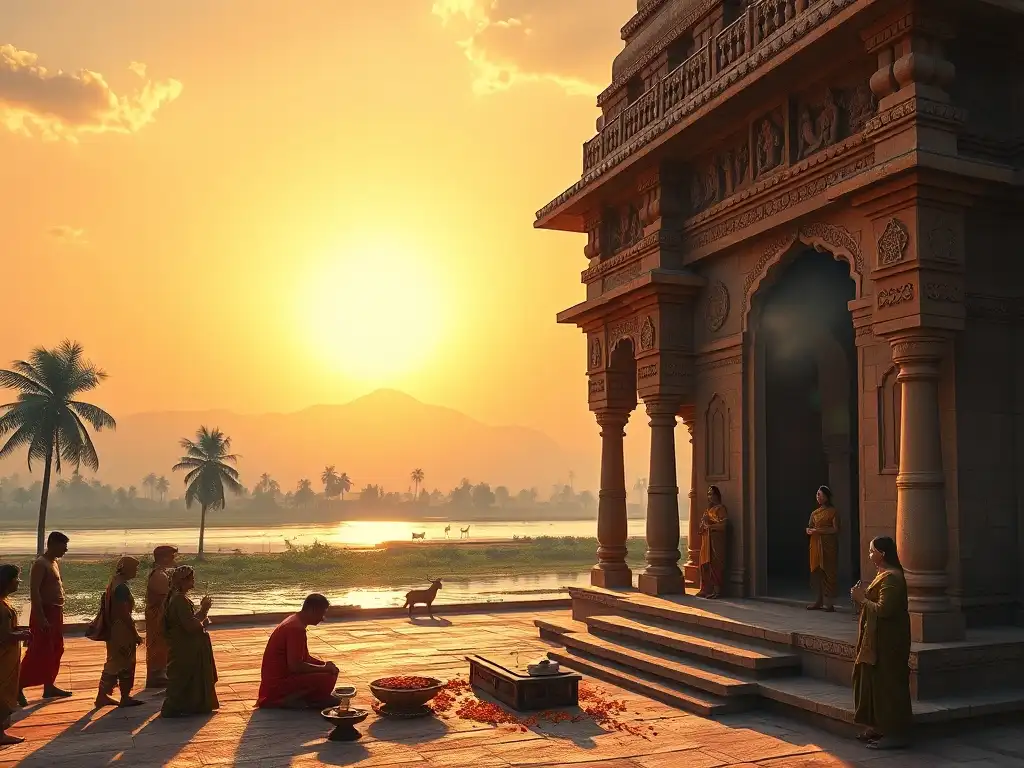
Welcome to Ancient India History, where we embark on a fascinating journey through time to uncover the rich tapestry of ancient Indian civilizations. In this exploration, we delve into the Indus Valley civilization, a remarkable society that laid the foundations for many cultural practices still celebrated today. Our featured article, "The Spiritual Landscape of the Indus Valley Civilization: Temples and Rituals," invites you to discover the intricate rituals and sacred spaces that defined this ancient culture.
Prepare to be captivated as we reveal the spiritual significance of these temples and the vibrant traditions that flourished within them—an adventure that promises to deepen your appreciation of India's historical legacy. Join us as we unravel these mysteries and inspire your curiosity to learn more!
The Indus Valley Civilization, one of the world's earliest urban cultures, flourished around 2500 BCE in what is now modern-day Pakistan and northwest India. Renowned for its advanced city planning, sophisticated drainage systems, and remarkable craftsmanship, this civilization also presents a profound spiritual landscape that reflects its inhabitants' beliefs and rituals. The exploration of Indus Valley civilization temples and rituals reveals not only the architectural ingenuity of the time but also the significant role spirituality played in the daily lives of its people.
As we delve into the spiritual aspects of the Indus Valley Civilization, we will uncover the evidence of temples that served as centers of worship, the rituals that were integral to their culture, and the symbolic meanings behind these practices. This exploration allows us to understand how spirituality intertwined with the social and political fabric of the civilization, influencing everything from urban development to community cohesion.
Through archaeological findings and scholarly interpretations, we will piece together a narrative that highlights the rich spiritual heritage of this ancient civilization, offering insights into how these early practices have shaped the cultural landscape of India today.
Overview of the Indus Valley Civilization's Spiritual Practices
The spiritual life of the Indus Valley Civilization is characterized by a unique blend of rituals, symbols, and architectural forms. Unlike many other ancient cultures, the evidence for organized religion in the Indus Valley is somewhat elusive, leading to intriguing discussions among historians and archaeologists. However, several key elements have emerged from the ruins of cities like Mohenjo-Daro and Harappa, which provide a glimpse into their spiritual practices.
- Temples and Sacred Spaces: While large-scale temples like those seen in later civilizations are not prominently found, the existence of certain structures suggests designated spaces for ritualistic purposes.
- Ritual Objects: Various artifacts, including terracotta figurines, seals, and pottery, indicate the presence of religious practices and possibly a form of worship.
- Symbolism in Art: The use of motifs, such as the sacred pipal tree and animal representations, points to a complex belief system possibly connected to fertility, nature, and the divine.
As we explore these themes further, we will examine the architectural features of potential temple sites, the significance of ritual practices, and the broader implications of spirituality in the life of the Indus Valley civilization.
- What are the key features of Indus Valley civilization temples?
- What types of rituals were practiced in the Indus Valley?
- How did the temples influence the society of the Indus Valley?
- What materials were commonly used in the construction of Indus Valley temples?
- Are there any modern interpretations of the rituals from the Indus Valley civilization?
Introduction to the Indus Valley Civilization
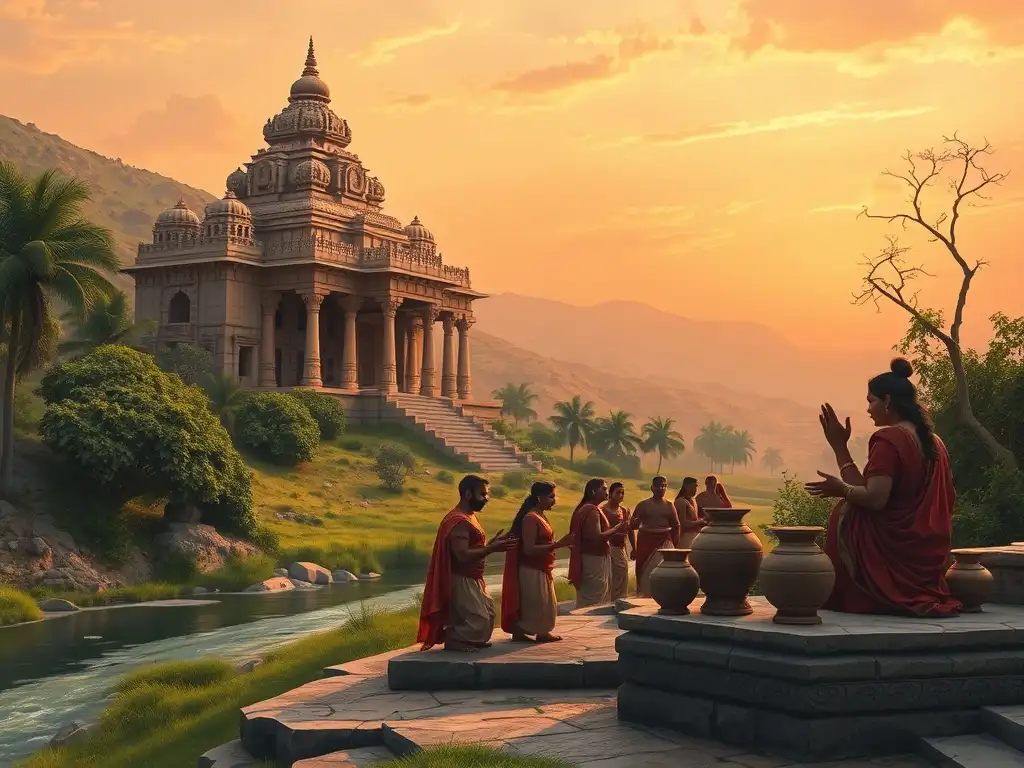
The Indus Valley Civilization (IVC), flourishing between 3300 BCE and 1300 BCE, represents one of the world's earliest urban cultures, with a significant footprint in modern-day Pakistan and northwest India. This civilization is renowned for its advanced urban planning, sophisticated drainage systems, and notable craftsmanship. However, an equally important aspect of the IVC is its spiritual landscape, characterized by temples and rituals that played a crucial role in the daily lives of its inhabitants.
Overview of the Indus Valley Civilization
The Indus Valley Civilization was marked by its highly organized cities such as Harappa and Mohenjo-Daro, which exhibited remarkable planning and architecture. Key features of the IVC include:
- Urban Planning: Cities were laid out in a grid pattern, highlighting advanced engineering skills.
- Advanced Drainage Systems: Homes were equipped with bathrooms and a complex drainage system, showcasing an understanding of sanitation.
- Trade Networks: The civilization engaged in extensive trade with neighboring regions, which facilitated cultural exchanges.
While much of the IVC's daily life remains shrouded in mystery due to the undeciphered script and limited archaeological findings, certain artifacts and structures hint at the spiritual practices that were integral to their society. Temples and rituals may have served not only as religious centers but also as social hubs, fostering community ties and cultural identity.
Importance of Spiritual Practices in Ancient Cultures
Spiritual practices in ancient cultures, including the Indus Valley, were pivotal in shaping the societal framework and influencing everyday life. The significance of these practices can be observed through several dimensions:
- Connection to the Divine: Temples acted as a bridge between the material and spiritual worlds, allowing people to engage with deities and seek divine guidance.
- Rituals as Community Events: Rituals often brought communities together, reinforcing social bonds and shared beliefs. They provided a platform for collective expression and participation, creating a sense of belonging.
- Cultural Identity: Spiritual practices and the associated architecture reflected the values and beliefs of a society, serving as a marker of cultural identity. In the case of the IVC, the presence of spiritual artifacts suggests a nuanced understanding of life and the afterlife.
Key Rituals and Practices
While specific details about Indus Valley rituals are still being uncovered, some prevalent themes include:
- Water Worship: The reverence for water sources, such as rivers, likely played a central role in spiritual practices, as water was essential for both survival and purification.
- Fertility Rites: Evidence suggests that fertility rituals may have been common, reflecting the agrarian nature of the civilization and their dependence on agriculture for sustenance.
- Ritual Artifacts: Various seals and figurines discovered indicate the presence of ritualistic elements, such as depictions of deities and symbols that might have held specific meanings related to worship and spirituality.
The spiritual practices of the Indus Valley Civilization, encapsulated in their temples and rituals, reveal a complex and rich cultural framework that went beyond mere survival. These practices not only shaped individual lives but also defined the collective identity of one of the earliest urban societies in human history. The exploration of these spiritual dimensions is essential for understanding the full depth of the Indus Valley civilization temples rituals and their lasting legacy in ancient Indian history.
Indus Valley Civilization Temples: Architecture and Significance
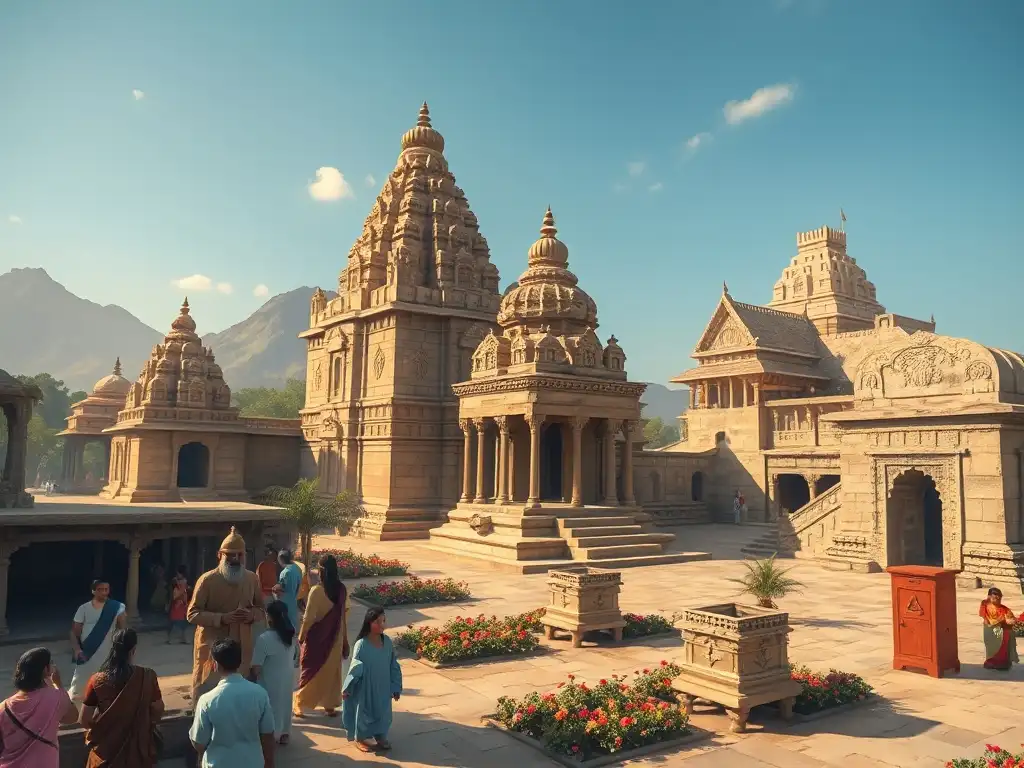
The Indus Valley Civilization (IVC), flourishing around 2500 BCE, is renowned for its sophisticated urban planning and advanced societal structures. Among its many contributions, the temples and ritual sites of this civilization stand out as critical components of its spiritual landscape. Understanding the architecture and significance of these temples reveals insights into the religious practices and cultural values of the people who inhabited this ancient civilization.
Characteristics of Indus Valley Temples
Indus Valley temples exhibit distinct architectural features that reflect the civilization's advanced engineering skills and aesthetic sensibilities. The following characteristics define these sacred spaces:
- Urban Integration: Temples were often integrated into the urban landscape, strategically situated within cities like Harappa and Mohenjo-Daro, making them accessible to the populace.
- Material and Design: Constructed primarily from baked brick, these structures showcased sophisticated masonry techniques. The use of uniform bricks indicates a standardized approach to construction, reflecting societal organization.
- Water Management: Many temple complexes included advanced drainage systems, indicating an awareness of hygiene and ritual purity. The presence of water channels suggests that rituals may have involved water as a purifying element.
- Ritual Spaces: The layout often included open courtyards, altars, and assembly areas, which facilitated communal rituals and gatherings. These spaces were likely designed to accommodate various religious ceremonies and festivals.
Overall, the architectural characteristics of Indus Valley temples not only served religious purposes but also played a vital role in the community's social and cultural life.
Examples of Notable Temples in the Indus Valley
The archaeological remains of the Indus Valley Civilization reveal several notable temple sites that offer a glimpse into the spiritual practices of the time. Two prominent examples are:
The Great Bath of Mohenjo-Daro
The Great Bath, located in the heart of Mohenjo-Daro, is one of the most iconic structures of the Indus Valley Civilization. Here are some key details:
- Structure: The Great Bath measures approximately 12 meters by 7 meters and is about 2.4 meters deep. Surrounded by a brick platform, it features staircases leading down to the water, indicating its use for ritual bathing.
- Purpose: Scholars believe that the Great Bath served a significant ritualistic function, possibly for purification rites or communal gatherings. Its size and design suggest it was a focal point for large groups, highlighting the importance of water in spiritual practices.
- Significance: The Great Bath's elaborate design and construction techniques illustrate the advanced engineering capabilities of the IVC. It represents the religious and social cohesion of the community, emphasizing collective participation in spiritual activities.
The Citadel of Harappa
The Citadel of Harappa is another significant site that showcases the architectural prowess and religious practices of the Indus Valley Civilization:
- Architecture: The Citadel features a complex layout with a series of platforms, walls, and large buildings, indicating a multifaceted purpose. Some structures within the Citadel may have served as temples or ritual spaces.
- Cultural Artifacts: Archaeological findings, including seals and figurines, suggest that the Citadel was a center for religious activities. The presence of fire altars and offerings indicates that rituals were likely conducted here.
- Strategic Location: Positioned on elevated ground, the Citadel served not only as a religious center but also as a defensive structure, reflecting the dual importance of spirituality and security in ancient urban planning.
The temples and ritual sites of the Indus Valley Civilization, such as the Great Bath of Mohenjo-Daro and the Citadel of Harappa, are pivotal in understanding the spiritual landscape of this ancient culture. They highlight the intricate relationship between architecture, community, and religious practice, underscoring the significance of temples in the daily lives of the Indus Valley people.
Rituals of the Indus Valley Civilization
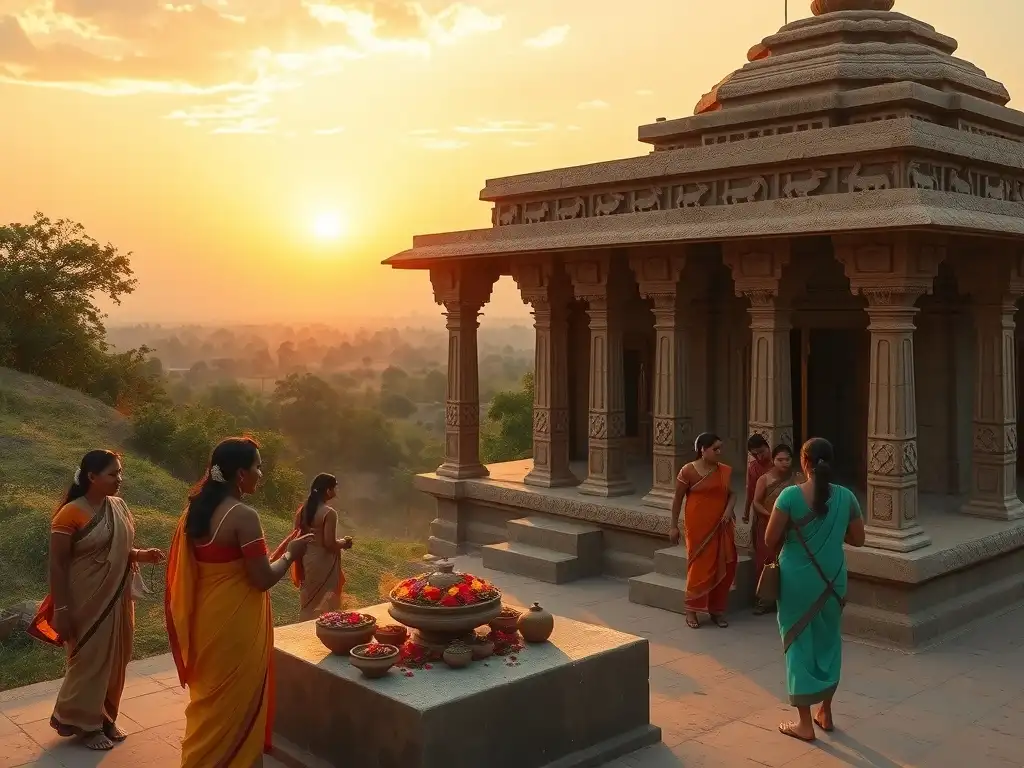
Common Ritual Practices in the Indus Valley
The Indus Valley Civilization (IVC), known for its advanced urban planning and social organization, also had a rich tapestry of rituals that played a crucial role in its cultural landscape. While archaeological evidence primarily consists of artifacts rather than written records, several common ritual practices have been inferred from findings at major sites like Harappa and Mohenjo-Daro.
Key rituals likely included:
- Purification Rites: Evidence suggests that water played a significant role in spiritual and purification practices. The presence of large public baths, such as the Great Bath of Mohenjo-Daro, indicates that bathing may have been a communal ritual aimed at spiritual cleansing.
- Fire Rituals: The discovery of numerous hearths and burnt offerings points towards the importance of fire in rituals. This could have included offerings to deities or ancestors, reflecting a belief in the power of fire as a medium between the physical and spiritual worlds.
- Iconic Worship: The presence of terracotta figurines, particularly those resembling deities or sacred animals, suggests that the people engaged in idol worship. These figurines may have been used in domestic shrines or community rituals to seek blessings for fertility, health, or prosperity.
The Role of Rituals in Daily Life
Rituals in the Indus Valley Civilization were not merely ceremonial; they were woven into the fabric of daily life, influencing social structures and communal cohesion. The role of rituals can be categorized into two main areas: domestic and community rituals.
Domestic Rituals and Household Worship
Domestic rituals were integral to family life in the IVC. Evidence from excavated homes indicates that families likely maintained small altars or shrines. These domestic worship practices may have included:
- Daily Offerings: Households may have dedicated specific times for offering food, incense, or flowers to household deities. This daily act would reinforce familial bonds and ensure divine protection.
- Ritualistic Objects: Various artifacts, such as miniature pottery, seals, and figurines, were likely used in these personal rituals. These items may have carried symbolic meanings, representing prosperity, fertility, or protection.
- Festivals and Special Occasions: Families likely celebrated significant life events such as marriages, births, and harvests with special rituals, combining domestic worship with community participation to enhance social ties.
Community Rituals and Public Ceremonies
Community rituals played a crucial role in fostering unity and shared beliefs among the inhabitants of the Indus Valley. These public ceremonies could have included:
- Seasonal Festivals: The cyclical nature of agricultural life likely led to seasonal celebrations. Rituals during the harvest season may have involved communal feasting and offerings to agricultural deities to ensure bountiful yields.
- Ritual Processions: Evidence of large public spaces suggests that processions and gatherings were common. These events would allow the community to collectively engage in rituals, enhancing social bonds and reinforcing shared cultural identities.
- Funeral Rites: Burial practices, including the use of grave goods, indicate that the people had specific rituals surrounding death. These rites could have involved communal mourning and remembrance, strengthening community ties and honoring the deceased.
Rituals in the Indus Valley Civilization were multifaceted, serving both personal and communal purposes. Through these practices, the inhabitants not only expressed their spiritual beliefs but also reinforced their social structures and cultural identity.
Symbolism and Art in Temples and Rituals
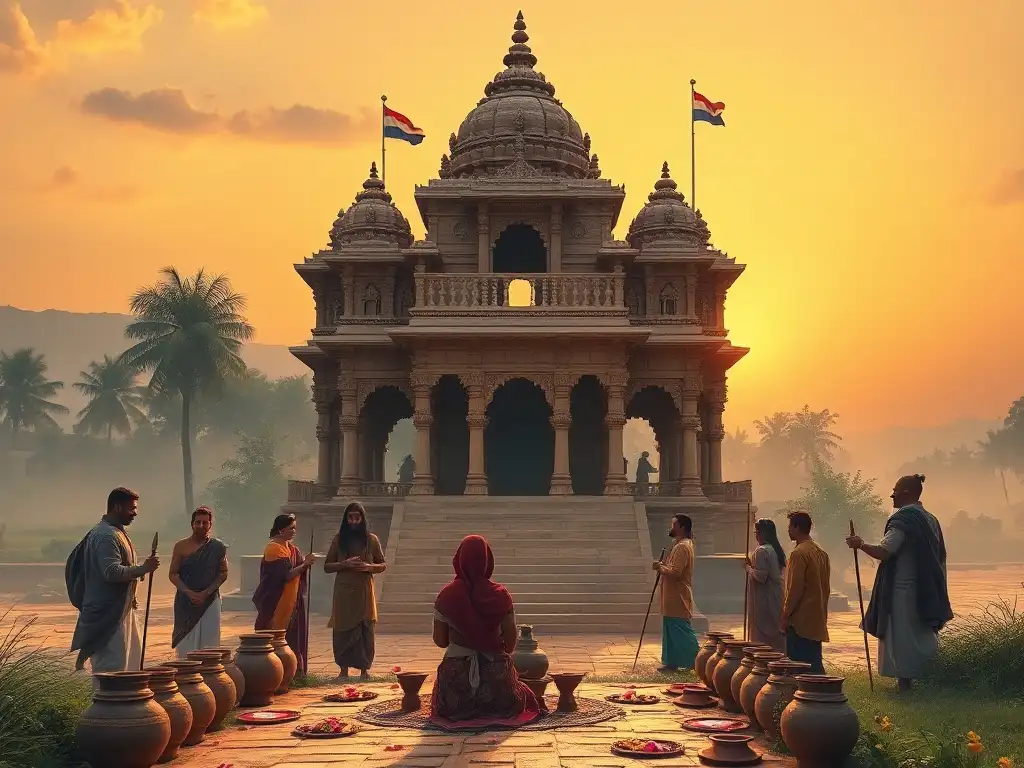
The Indus Valley Civilization (IVC) is renowned not only for its advanced urban planning and trade networks but also for its profound spiritual beliefs, which were intricately expressed through its temples and rituals. The symbolism embedded in the art and architecture of the IVC provides deep insights into the civilization's religious practices, societal values, and worldview.
Iconography of Indus Valley Temples
The temples of the Indus Valley Civilization, while not as overtly grand as those found in later Indian cultures, were rich in symbolism and iconography. Archaeological findings indicate that many structures served not only as places of worship but also as community gathering spaces.
- Deities and Symbols:
- The presence of seals bearing animal motifs, particularly the unicorn, suggests a reverence for nature and possibly mythological creatures. These seals might represent deities or spiritual concepts central to the IVC belief system.
- Example: The seal known as the "Unicorn Seal" exhibits a one-horned figure, often interpreted as a divine creature symbolizing purity and uniqueness.
- Sacred Geometry:
- Temples were often designed with an emphasis on geometric precision, reflecting the civilization's understanding of mathematics and its connection to the divine. The layout of some sites may imply a cosmological significance, aligning with celestial bodies.
- Geometric Patterns: The use of grids in city planning and temple architecture illustrates a deliberate intention to mirror the order of the universe.
- Ritualistic Artifacts:
- Artifacts such as pottery, figurines, and ritual implements found at temple sites indicate the practice of various ceremonies. Many of these items bear symbolic motifs like the lotus, which may represent spiritual enlightenment and rebirth.
Quote: "The art and symbols of the Indus Valley are not merely decorative; they are profound expressions of a civilization's connection to the spiritual realm."
Artistic Expressions in Ritual Practices
Artistic expression in the context of rituals was a significant aspect of the Indus Valley Civilization. Rituals were not only communal activities but also deeply personal practices that reflected the beliefs and values of the society.
- Ceremonial Artifacts:
- The discovery of terracotta figurines and pottery with intricate designs suggests that these items played a vital role in rituals. Many of these artifacts depict deities, animals, and human figures engaged in various activities, possibly related to worship or offerings.
- Noteworthy Items: The "Dancing Girl" statue exemplifies the artistic skill of the IVC and possibly serves as a representation of ritualistic dance, emphasizing a connection between art and spiritual expression.
- Ritualistic Practices:
- Evidence of fire altars and remains of burnt offerings point to the significance of fire in rituals. Fire rituals, common across many ancient cultures, likely held a central role in the spiritual practices of the IVC.
- Example of Rituals: The practice of bathing in water sources, as suggested by the Great Bath of Mohenjo-Daro, may have been a purifying ritual associated with worship.
- Integration of Nature:
- The incorporation of natural elements into ritual practices, such as flowers and water, reflects the IVC’s reverence for the environment. This connection is pivotal in many spiritual traditions, signifying the cycle of life and the unity of all beings.
Inline Quote: "Art was a language through which the people of the Indus Valley communicated their spiritual beliefs, blending the sacred with the everyday."
Through the exploration of symbolism and art in temples and rituals, we gain a richer understanding of the spiritual landscape of the Indus Valley Civilization. These elements not only illustrate the civilization's artistic achievements but also reveal the profound connection between their material culture and spiritual life, laying the groundwork for future Indian religious practices.
Comparison of Indus Valley Temples with Other Ancient Civilizations
Similarities with Mesopotamian Temples
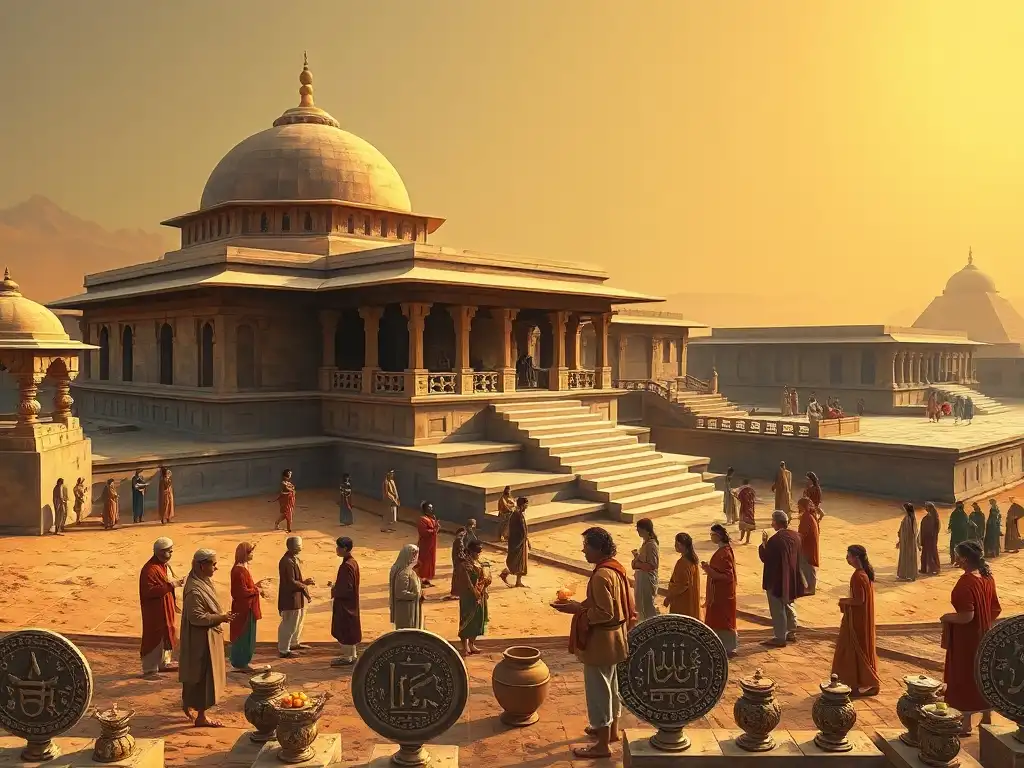
The temples of the Indus Valley civilization share several intriguing similarities with those found in Mesopotamia, reflecting common practices in ancient religious architecture and ritual. Both civilizations constructed elaborate temple complexes that served as focal points for worship and community gatherings.
- Architectural Features:
- Both the Indus Valley and Mesopotamian temples featured raised platforms, which elevated the sacred spaces above the surrounding areas. This design not only emphasized their religious significance but also provided a measure of protection against floods, an important consideration in both regions.
- The use of baked bricks in construction is notable in both civilizations, indicating advanced technological skills and a commitment to durability. The granaries and public baths found in Indus Valley sites, akin to storage facilities in Mesopotamian temples, suggest a functional aspect to their sacred spaces, integrating economic activities with religious life.
- Ritual Practices:
- Both civilizations engaged in similar rituals, including offerings and the use of altars. Archaeological findings suggest that the Indus Valley people may have performed fire rituals, akin to those documented in Mesopotamian practices, although the exact nature of these rituals remains a subject of ongoing research.
- Iconography is another area of overlap. The presence of seals in the Indus Valley, depicting animals and deities, echoes the use of amulets and statuary in Mesopotamia, suggesting a shared belief in the protective and ceremonial power of these objects.
- Community Involvement:
- In both civilizations, temples served as community centers. They facilitated not only religious practices but also social and economic interactions, reinforcing community ties and shared identity. This dual role of temples as spiritual and social hubs highlights the integral nature of religion in daily life.
Differences from Egyptian Ritual Practices
While there are notable similarities between the Indus Valley civilization and other ancient cultures, such as Mesopotamia, there are also distinct differences when contrasted with the ritual practices of the ancient Egyptians.
- Temple Design and Functionality:
- Egyptian temples, such as those dedicated to Amun at Karnak, were grandiose and often oriented towards the Nile, with massive columns and elaborate hieroglyphs. In contrast, the temples of the Indus Valley were typically more modest in scale and less ornamented, focusing on functionality and community accessibility rather than monumental grandeur.
- Unlike the solitary, monumental nature of Egyptian temples, the Indus Valley temples appear to have been integrated into urban planning, often surrounded by residential and commercial areas, promoting a more communal approach to worship.
- Ritual Practices and Deity Worship:
- The Egyptians placed significant emphasis on elaborate funeral rites and the worship of a pantheon of gods, with a clear hierarchy of priests and a focus on the afterlife. In contrast, the Indus Valley civilization's spiritual practices likely revolved around nature worship and fertility, as evidenced by the presence of fertility figurines and the emphasis on water management.
- Additionally, the lack of written records from the Indus Valley civilization limits our understanding of their rituals. In contrast, Egyptian hieroglyphics provide detailed accounts of religious practices, ceremonies, and the afterlife, highlighting the divergence in religious documentation and expression.
- Sacrificial Practices:
- Evidence suggests that the Egyptians engaged in animal sacrifices as part of their religious rituals, which were often depicted in temple reliefs. Conversely, Indus Valley archaeological evidence does not support the existence of such practices. Instead, it appears that the rituals may have focused on offerings of food or symbolic items, reflecting a different theological emphasis.
While there are intriguing parallels between the temples and rituals of the Indus Valley civilization and those of Mesopotamia, significant differences emerge when compared to Egyptian practices. These distinctions offer insights into the unique spiritual landscape and societal values of the Indus Valley civilization, highlighting its rich and diverse heritage within the broader context of ancient civilizations.
The Decline of the Indus Valley Civilization and Its Spiritual Legacy
Factors Leading to the Decline
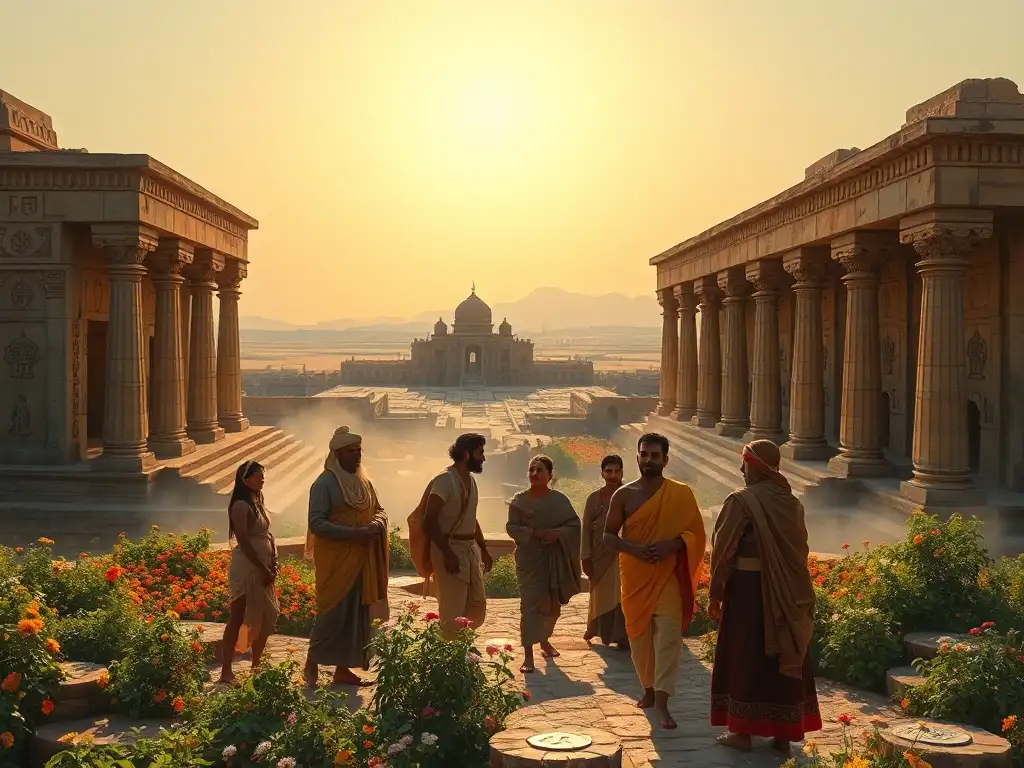
The decline of the Indus Valley Civilization, which flourished between approximately 3300 and 1300 BCE, is a topic of extensive research and debate among historians and archaeologists. Several interrelated factors contributed to its eventual decline, which can be broadly categorized into environmental, economic, and sociopolitical aspects.
- Environmental Changes:
- Climate Shift: Evidence suggests that a significant climate change occurred around 2000 BCE, leading to a reduction in monsoon rains. This shift would have severely affected agriculture, the backbone of the Indus economy.
- River Changes: The shifting courses of major rivers, such as the Ghaggar-Hakra system, likely contributed to flooding and desertification, further diminishing agricultural output and water supply.
- Economic Factors:
- Trade Decline: The decline of trade routes, particularly with Mesopotamia, might have led to economic instability. The disruption of commerce would have diminished access to essential resources and trade goods.
- Resource Depletion: Overexploitation of natural resources, including timber and minerals, may have contributed to economic decline. The increasing difficulty in sourcing materials for construction and daily needs could have hindered urban maintenance.
- Sociopolitical Issues:
- Internal Strife: Evidence of violence and conflict, such as the discovery of fortified settlements, suggests that social unrest may have played a role in the civilization's decline. Struggles for power or resources among different groups could have destabilized society.
- Invasion Theories: Some scholars propose that invasions by groups such as the Indo-Aryans might have contributed to the collapse. However, definitive archaeological evidence for large-scale invasions remains elusive and debated.
The interplay of these factors likely created a perfect storm that led to the gradual decline of the Indus Valley Civilization, resulting in the abandonment of urban centers and a shift towards more rural lifestyles.
Lasting Influence on Later Indian Cultures
Despite its decline, the Indus Valley Civilization left a profound spiritual legacy that influenced later Indian cultures in various ways. This legacy is evident in several aspects of religious practices, architectural styles, and cultural symbolism.
- Spiritual Practices:
- Continuity of Rituals: Many rituals and spiritual practices that emerged during the Indus Valley period have persisted in modified forms in later Indian religions, particularly Hinduism. The emphasis on purity, ritual cleanliness, and reverence for nature can be traced back to this ancient civilization.
- Deities and Symbolism: The worship of certain deities, as evidenced by seals and figurines, suggests the early formation of religious iconography that would later flourish in Hinduism. The horned figure, often interpreted as a proto-Shiva, indicates a continuity of spiritual motifs.
- Architectural Influence:
- Temple Design: The architectural techniques and urban planning of the Indus Valley, particularly in the construction of public baths and granaries, influenced later temple architecture. The use of standardized brick sizes and drainage systems can be seen in subsequent Indian architectural styles.
- Sacred Geography: The location of many later temples and settlements often aligns with the geographic features that were significant in the Indus Valley, such as rivers and hills, indicating a reverence for the same sacred landscapes.
- Cultural Symbolism:
- Artistic Expression: The artistic styles found in Indus Valley artifacts, such as pottery and seals, continue to inspire Indian art. The motifs used in these artifacts, including animals and nature, have re-emerged in various forms throughout Indian history.
- Philosophical Ideas: The emphasis on harmony with nature and the cosmos, evident in the spiritual practices of the Indus Valley, laid the groundwork for later philosophical and spiritual movements in India, including Jainism and Buddhism.
While the Indus Valley Civilization may have declined, its spiritual legacy endured, shaping the religious landscape of India for millennia and influencing the development of subsequent cultures and civilizations across the subcontinent.
Conclusion: The Enduring Spiritual Heritage of the Indus Valley Civilization
The Indus Valley Civilization (IVC) stands as one of the most remarkable epochs in ancient history, characterized not only by its urban sophistication but also by its profound spiritual landscape. The temples and rituals of the IVC reveal a complex web of religious beliefs and practices that have left an indelible mark on the subcontinent.
Reflection on Temples and Rituals in Contemporary Context
The spiritual practices rooted in the Indus Valley civilization temples continue to resonate in modern India. Temples, as focal points of worship and community gatherings, have evolved yet retain echoes of their ancient origins. Notably, many rituals that were integral to the IVC, such as water purification and fire offerings, are still prevalent in various forms today.
- Continuity of Rituals:
- Water Purification: The use of water for purification, which was significant in IVC rituals, persists in contemporary Hindu practices during ceremonies.
- Fire Offerings: Homa or Havan, fire rituals conducted to invoke deities, have origins that can be traced back to the spiritual practices of the Indus Valley.
The architectural remnants of ancient temples, though often in ruins, serve as a physical reminder of this spiritual continuum. Archaeological sites like Mohenjo-Daro offer insights into temple layouts and their intended functions, suggesting a highly organized approach to worship and community life.
Importance of Preserving Ancient Spiritual Practices in Modern India
Preserving the spiritual practices of ancient civilizations like the Indus Valley is crucial for several reasons:
- Cultural Identity: Understanding and continuing these practices helps foster a sense of identity and belonging among contemporary Indians.
- Historical Continuity: It provides a tangible connection to the past, allowing current generations to appreciate their heritage and the evolution of spiritual beliefs.
- Educational Value: Learning about the spiritual rituals of the IVC can enrich educational curricula, promoting knowledge about early civilizations and their contributions to modern society.
Efforts to preserve ancient spiritual practices can include:
- Cultural Festivals: Reviving festivals that honor the traditions of the IVC can enhance community engagement and attract interest in ancient history.
- Archaeological Conservation: Protecting and studying sites associated with the IVC ensures that the knowledge of these ancient practices is not lost.
By acknowledging the spiritual heritage of the Indus Valley civilization, modern society can both honor its past and find inspiration for contemporary spirituality, ensuring that these ancient rituals continue to inspire future generations.
Frequently Asked Questions
What are the key features of Indus Valley civilization temples?
The Indus Valley civilization temples were often characterized by their rectangular layouts, use of baked bricks, and intricate drainage systems. These structures indicate advanced urban planning and religious significance.
What types of rituals were practiced in the Indus Valley?
The rituals in the Indus Valley included water purification, fire offerings, and possibly fertility rites. These practices highlight the civilization's spiritual beliefs and connection to nature.
How did the temples influence the society of the Indus Valley?
The temples served as centers of community life, fostering social cohesion and shared beliefs. They were also likely sites for economic activities and gatherings, enhancing their importance in daily life.
What materials were commonly used in the construction of Indus Valley temples?
Baked bricks, stone, and possibly wood were the primary materials used in the construction of Indus Valley temples. These materials contributed to the durability and architectural significance of the structures.
Are there any modern interpretations of the rituals from the Indus Valley civilization?
Yes, modern interpretations often draw parallels between ancient Indus Valley rituals and contemporary Hindu practices. Researchers explore how these ancient spiritual traditions have influenced modern Indian culture.
Final Reflection: Embracing the Spiritual Legacy of the Indus Valley Civilization
The exploration of Indus Valley civilization temples and rituals reveals a profound connection between spirituality and daily life that resonates even today. As we delve into the architectural marvels and ceremonial practices of this ancient civilization, we uncover not only their historical significance but also their enduring relevance in our contemporary quest for meaning and connection. The spiritual landscape of the Indus Valley serves as a reminder that the search for transcendence and community is a timeless human endeavor.
The impact of these ancient practices continues to shape our cultural and social landscapes, inviting us to reflect on our own spiritual journeys. The rituals and temples of the Indus Valley civilization remind us that spirituality is not confined to the past but is a living, breathing aspect of our existence. As we navigate our modern lives, we can draw inspiration from their harmonious relationship with nature and the divine. The sacred is not a separate realm; it permeates the world we inhabit.
This quote encapsulates the essence of how spirituality can enrich our everyday experiences, urging us to seek the sacred in the mundane.
As we conclude this exploration, I invite you to reflect on how the lessons from the Indus Valley civilization can inform your own spiritual practices and rituals. Consider how you can incorporate moments of reflection, connection, and reverence into your daily life.
Let the legacy of these ancient temples inspire you to create your own sacred spaces, fostering a deeper connection with yourself, others, and the world around you. Embrace the richness of your spiritual journey, and remember that, like the Indus Valley civilization, your path is a tapestry woven with rituals that can elevate the ordinary into the extraordinary.
Unveil the Secrets of Indus Valley Spirituality!
Thank you for diving into the rich world of the Indus Valley civilization with us! By exploring their temples and rituals, you've gained valuable insights into how spirituality shaped their society. Now, it's time to take these discoveries further!
Here are some **exciting ways** you can engage with the mesmerizing facets of the Indus Valley's spiritual heritage:
- Visit a local museum featuring ancient artifacts or exhibitions on early civilizations to deepen your understanding.
- Join an online discussion group or forum to share your thoughts and learn from others who are equally passionate about ancient history.
- Consider volunteering for archaeological initiatives or participating in local heritage projects to contribute to the preservation of history.
What aspect of the Indus Valley’s spirituality intrigues you the most, and how do you think it continues to influence our understanding of ancient cultures today?