
The History Behind Indian Jewelry Styles: Finding Authentic Pieces with Cultural Value

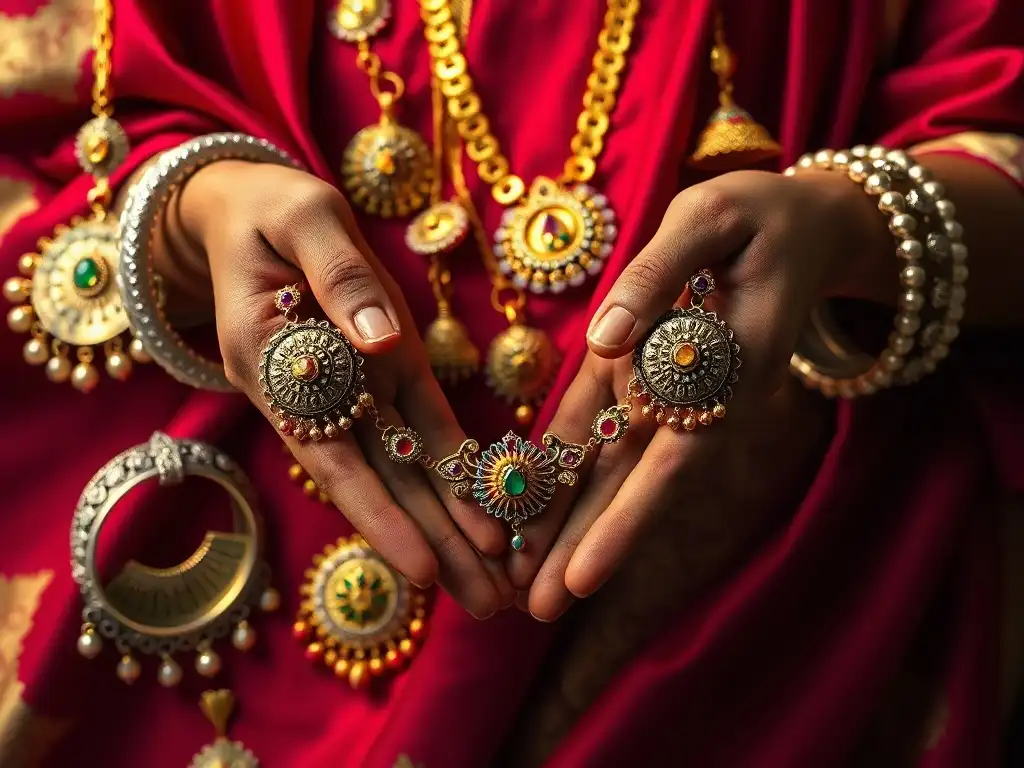
Welcome to Ancient India History, where we journey through the vibrant tapestry of time that shaped one of the world's oldest civilizations. Immerse yourself in the captivating narratives of the Indus Valley, the majestic Maurya, and the illustrious Gupta Empire. In our featured article, "The History Behind Indian Jewelry Styles: Finding Authentic Pieces with Cultural Value," we delve into the authentic Indian jewelry history, uncovering the intricate designs and profound meanings behind these timeless adornments. Prepare to be intrigued as we reveal the cultural significance and artistry that have adorned generations—your exploration of India's rich heritage begins here!
Introduction to Authentic Indian Jewelry History
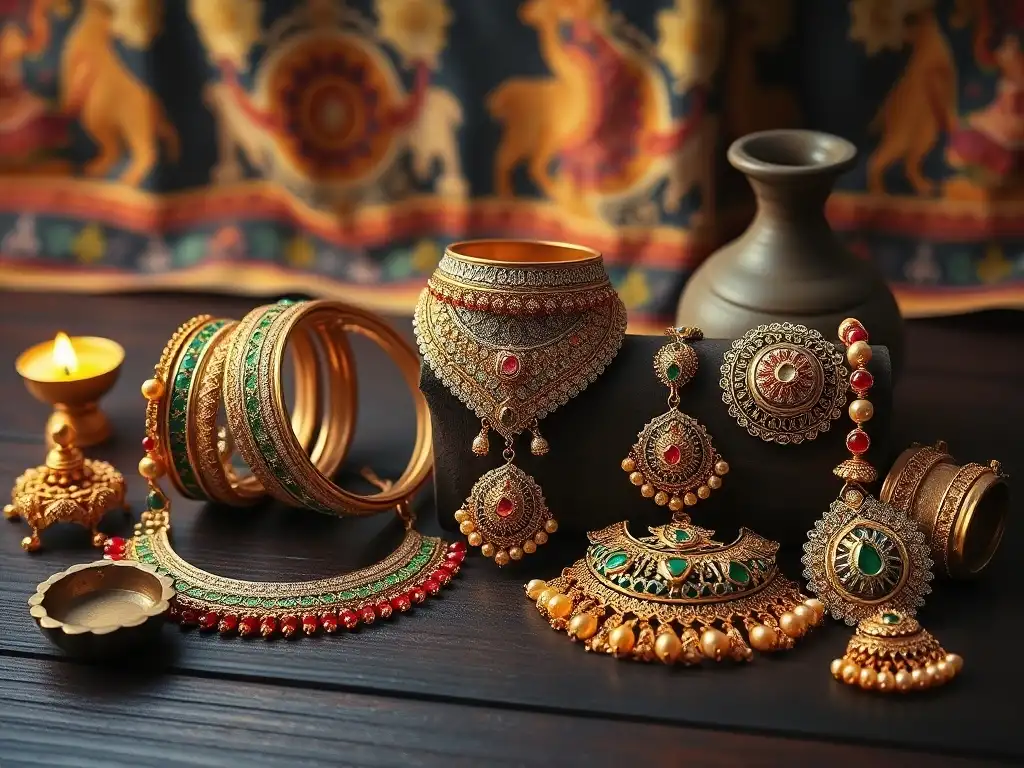
The history of Indian jewelry is a captivating tapestry woven through centuries of culture, tradition, and artistry. From the intricate designs of the Indus Valley civilization to the opulent adornments of the Gupta Empire, each era has contributed unique styles and techniques that reflect the social status, beliefs, and aesthetics of its time.
Authentic Indian jewelry is not merely ornamental; it serves as a testament to the rich heritage and craftsmanship that has been passed down through generations. This article seeks to explore the diverse history behind Indian jewelry styles, guiding you in finding authentic pieces that carry cultural value and historical significance.
The Evolution of Indian Jewelry Styles
The evolution of Indian jewelry is marked by significant changes influenced by various dynasties, regional practices, and cultural exchanges. Understanding this evolution provides valuable insights into the styles that define authentic Indian jewelry today.
Ancient Origins of Indian Jewelry
The origins of Indian jewelry can be traced back to the Indus Valley Civilization (circa 3300–1300 BCE), where archaeological finds reveal a sophisticated understanding of metallurgy and design. Jewelry from this era often featured:
- Materials: Gold, silver, semi-precious stones, and terracotta.
- Designs: Intricate motifs, animal shapes, and geometric patterns.
These early pieces were not only decorative but also held spiritual significance, often believed to offer protection and good fortune.
Jewelry Through the Ages: From Maurya to Gupta
As India transitioned through various dynasties, such as the Mauryan Empire (circa 322–185 BCE) and the Gupta Empire (circa 240–550 CE), jewelry styles evolved dramatically. Key characteristics of this period include:
- Increased Complexity: The introduction of more elaborate designs and the use of precious stones like diamonds and emeralds.
- Cultural Symbolism: Jewelry began to symbolize not just wealth but also status, religion, and identity. For example, the use of specific motifs often represented divine protection or prosperity.
During these periods, the craftsmanship reached new heights, with artisans using techniques like granulation and filigree, which allowed for more detailed and delicate pieces. The jewelry from these eras remains highly sought after today, as it embodies the artistic and cultural richness of ancient India.
In exploring the history of Indian jewelry, one uncovers not just beautiful artifacts but a narrative of cultural evolution that continues to inspire modern designs. This guide serves to help you navigate this rich landscape as you seek to acquire authentic pieces that resonate with both history and craftsmanship.
Major Types of Authentic Indian Jewelry
Indian jewelry is a profound reflection of the country’s rich cultural heritage and artistry. Each piece tells a story, often intertwined with the traditions and beliefs of the region it originates from. The major types of authentic Indian jewelry can be broadly categorized as follows:
- Gold Jewelry: Considered a symbol of wealth and prosperity, gold jewelry in India is often intricately designed and embellished with precious and semi-precious stones. Traditional pieces include necklaces, bangles, and earrings, commonly worn during festivals and weddings.
- Silver Jewelry: Silver has been used for centuries, especially in tribal and rural communities. Authentic silver jewelry often features elaborate designs, including filigree work and oxidized finishes, reflecting the craftsmanship of local artisans.
- Beaded Jewelry: This style incorporates a variety of materials, including gemstones, glass, and seeds. Beaded jewelry is particularly prevalent in traditional attire and is often handmade, showcasing the creativity of local craftspeople.
- Temple Jewelry: Originating from the South Indian tradition, temple jewelry is characterized by its intricate designs that often depict deities. These pieces are usually worn by dancers and during religious ceremonies, symbolizing devotion and reverence.
- Contemporary Fusion Jewelry: The blending of traditional and modern styles has given rise to contemporary fusion jewelry, which incorporates traditional motifs into modern designs. This type appeals to a younger audience and reflects evolving fashion trends.
Traditional Styles: A Cultural Reflection
Traditional Indian jewelry styles are deeply rooted in the cultural and historical landscape of the country. Each region boasts its own unique styles that reflect local customs, rituals, and artistic expressions.
- Kundan and Meenakari: Kundan jewelry, with its intricate use of gemstones set in gold, dates back to the Mughal era and represents royal heritage. Meenakari, on the other hand, involves the process of enameling, adding vibrant colors to the pieces. Together, they epitomize the grandeur of Indian craftsmanship.
- Jadau: This traditional craft involves uncut diamonds and gemstones set in gold, often seen in bridal jewelry. Jadau pieces are not only beautiful but also carry historical significance, often passed down through generations.
- Nath: The traditional nose ring, or nath, is a significant adornment in many Indian cultures, especially during weddings. Its design varies from simple hoops to elaborate pieces embellished with pearls and gemstones.
Each of these styles not only serves aesthetic purposes but also holds cultural significance, reflecting the values and traditions of the communities that create them.
Regional Variations in Jewelry Designs
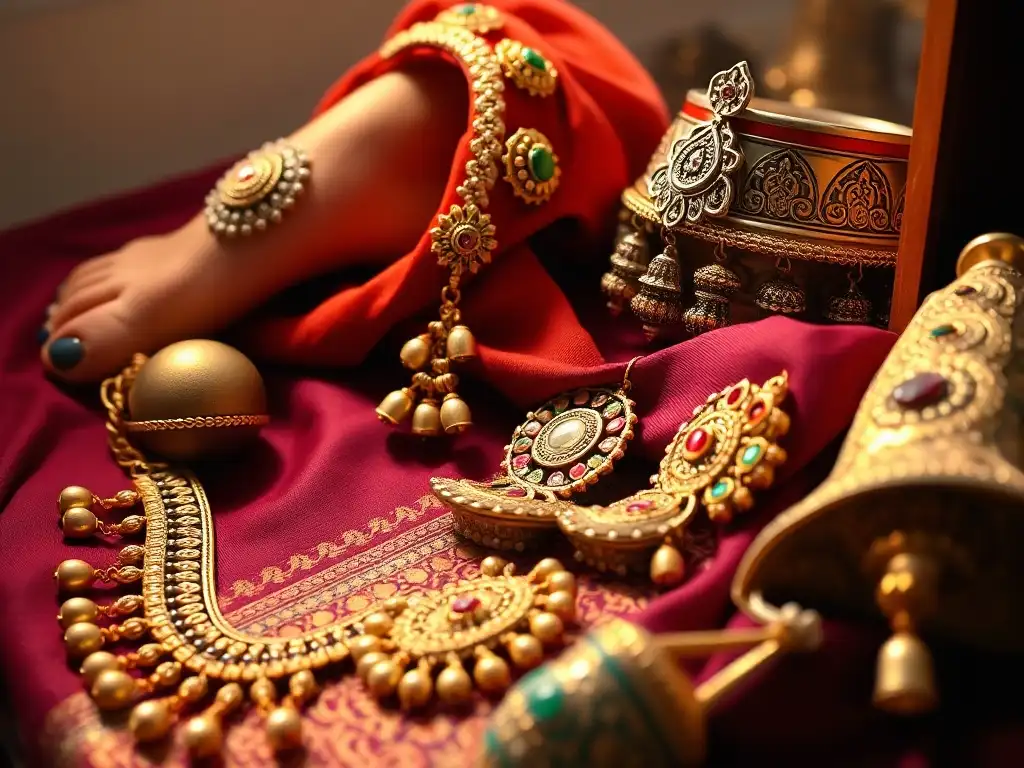
India’s vast geography and diverse cultures result in a plethora of regional jewelry styles, each with unique designs and materials.
- Punjabi Jewelry: Known for its bold and heavy designs, Punjabi jewelry often features jhumkas (earrings), chudiyan (bangles), and intricate necklaces. The use of vibrant colors and heavy gold is characteristic of this style.
- Rajasthani Jewelry: This region is famous for its antique jewelry, including the use of lac and gemstones. Rajasthani jewelry often incorporates traditional motifs and is known for its elaborate craftsmanship.
- South Indian Jewelry: Distinctive for its temple jewelry, South Indian adornments are often made from gold and feature intricate religious and floral designs. Items like the vanki (armlet) and harams (long necklaces) are popular.
- Bengali Jewelry: The traditional Bengali jewelry style emphasizes simplicity and elegance, often featuring gold with intricate designs. The use of the "shakha" and "pola" bangles, symbolizing marital status, is a notable feature.
These regional variations not only highlight the artistic diversity of India but also the cultural narratives that each piece carries.
How to Identify Authentic Indian Jewelry
The authenticity of Indian jewelry can often be determined through specific characteristics and details. Understanding these features is essential for collectors and buyers alike.
Key Features of Authentic Pieces
- Craftsmanship: Authentic Indian jewelry showcases intricate craftsmanship, often involving handwork. Look for detailed engravings, precise stone settings, and overall quality that indicates skilled artisanship.
- Material Quality: Genuine pieces are typically made from high-quality metals such as gold or silver. Check for hallmark stamps or certification that confirm the metal's purity.
- Design Elements: Traditional designs often incorporate cultural motifs and symbols. Authentic pieces will reflect the cultural significance and historical context of their origins, rather than mass-produced designs.
- Weight: Authentic jewelry, especially gold, tends to be heavier due to the quality of materials used. If a piece feels unusually light, it may not be genuine.
Common Myths About Indian Jewelry Authenticity
Several myths surround the authenticity of Indian jewelry that can mislead buyers:
- Myth 1: All Gold Jewelry is Genuine: Not all gold jewelry is authentic; some pieces may be plated or contain alloys. Always check for hallmarks and buy from reputable sources.
- Myth 2: Price Reflects Authenticity: While price can indicate quality, it is not a definitive marker of authenticity. Many factors, including craftsmanship and materials, influence the price.
- Myth 3: Vintage Means Valuable: Not all vintage jewelry is valuable or authentic. Some pieces may be reproductions or less desirable styles. Research and expert opinions are crucial.
By understanding these aspects, buyers can make informed decisions and appreciate the cultural value of authentic Indian jewelry.
Where to Find Authentic Indian Jewelry
Finding authentic Indian jewelry requires an understanding of where to look and whom to trust. With a rich history that spans thousands of years, Indian jewelry reflects the diverse cultures and traditions of the country. From intricate gold pieces to vibrant, gemstone-encrusted designs, the best way to ensure the authenticity of these treasures is to seek them from reputable sources. Below are some recommendations to help you navigate your search for genuine Indian jewelry.
Recommended Vendors and Online Platforms
When it comes to purchasing authentic Indian jewelry, several reputable vendors and online platforms stand out. Here are some of the most reliable options:
-
Craftsvilla
This platform specializes in handmade products, including traditional Indian jewelry. It features various artisans and showcases pieces that are rooted in cultural significance and craftsmanship.
-
Jaypore
Jaypore offers a curated collection of authentic Indian jewelry, focusing on traditional designs from various regions of India. Their commitment to sustainability and fair trade practices adds to their credibility.
-
Tanishq
As a leading Indian jewelry brand, Tanishq is known for its quality and authenticity. They offer a wide range of traditional and contemporary designs, ensuring that you acquire genuine pieces.
-
Etsy
While Etsy is a global marketplace, many Indian artisans sell their authentic jewelry here. Look for sellers with positive reviews and clear descriptions of their pieces to ensure authenticity.
-
Local Artisans and Craft Fairs
Supporting local artisans not only guarantees authenticity but also helps preserve traditional crafting techniques. Keep an eye out for craft fairs and exhibitions that showcase handmade jewelry.
Visiting Local Markets: A Guide to Authenticity
Exploring local markets is one of the best ways to find authentic Indian jewelry. These markets often feature a variety of styles, and engaging directly with artisans can provide insights into the history and significance of each piece. Here are some tips for ensuring authenticity when visiting local markets:
- Research Before You Go: Familiarize yourself with the types of jewelry that are traditionally made in the region you’re visiting. This knowledge will help you identify authentic pieces.
- Ask Questions: Inquire about the materials used, the crafting process, and the cultural significance of the jewelry. Genuine artisans are usually eager to share their knowledge.
- Inspect the Craftsmanship: Look for signs of quality craftsmanship. Authentic pieces often exhibit intricate designs, attention to detail, and the use of high-quality materials.
- Check for Certifications: Some markets may have certifications or labels that authenticate the jewelry. Look for these indicators, especially for gold and gemstones.
- Negotiate Wisely: While bargaining is common in local markets, be cautious of prices that seem too low. Extremely cheap jewelry may indicate poor quality or inauthentic materials.
Conclusion: The Cultural Value of Authentic Indian Jewelry
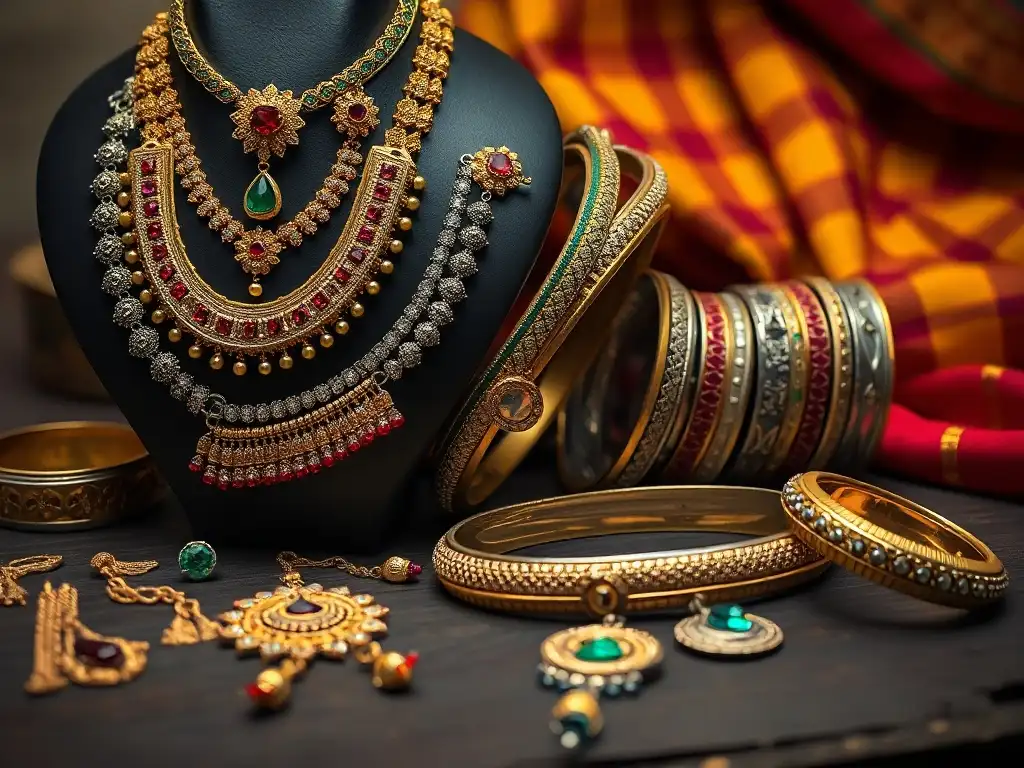
The cultural value of authentic Indian jewelry extends far beyond its aesthetic appeal. Each piece often tells a story, embodying the traditions, rituals, and artistry of the community from which it originates. From wedding ornaments to ceremonial pieces, jewelry in India is deeply intertwined with cultural identity and heritage.
Investing in authentic Indian jewelry not only enhances your collection but also supports traditional artisans and preserves age-old crafts. As you explore the rich history behind these jewelry styles, remember that each piece you acquire is a fragment of India's vast cultural tapestry. Embrace the stories, craftsmanship, and authenticity that come with every purchase, and wear your jewelry with pride, knowing you are part of this remarkable legacy.
Additional Resources for Authentic Indian Jewelry
When delving into the intricate world of authentic Indian jewelry, it is crucial to equip yourself with reliable resources that can enhance your understanding and appreciation of this rich art form. Here are some valuable resources to consider:
- Books and Literature
- "Jewels of India" by Nirmal Kumar offers a comprehensive look at the historical context and evolution of Indian jewelry styles.
- "Indian Jewelry: A History" by R. K. Keshavan provides insights into regional variations and cultural significance of various pieces.
- Online Platforms
- Websites such as the National Museum of India and the Indian Council of Cultural Relations provide extensive archives of jewelry artifacts, including descriptions of their historical and cultural contexts.
- YouTube channels focused on Indian culture often feature documentaries and videos that explore the craftsmanship and traditions behind Indian jewelry.
- Cultural Institutions and Exhibitions
- Visiting museums with dedicated exhibits on Indian art and jewelry can offer a hands-on experience. The Chhatrapati Shivaji Maharaj Vastu Sangrahalaya in Mumbai frequently hosts exhibitions showcasing traditional jewelry.
- Cultural festivals often feature stalls that display authentic jewelry, offering a chance to learn directly from artisans.
- Artisan Collaboratives and Workshops
- Participating in workshops held by local artisans can provide a deeper understanding of the techniques and materials used in authentic Indian jewelry making. Look for events in regions known for specific styles, such as Kutch for silver jewelry or Rajasthan for enamel work.
Engaging with these resources will not only enrich your knowledge but also help you make informed decisions when purchasing authentic Indian jewelry.
Call to Action: Embrace the Legacy of Authentic Indian Jewelry
As you explore the fascinating history and cultural significance of authentic Indian jewelry, consider integrating these exquisite pieces into your collection. Each item tells a story, reflecting the artistry, traditions, and heritage of the Indian subcontinent.
- Support Local Artisans: By purchasing jewelry directly from artisans or reputable sources, you contribute to the preservation of age-old crafts and ensure that these skills are passed down through generations.
- Invest in Timeless Pieces: Authentic Indian jewelry is not just an accessory; it is an investment in history and culture. Whether it's a traditional necklace from the South, a Kundan set from the North, or a tribal piece from the West, each piece holds value that transcends time.
- Celebrate Cultural Heritage: Wearing authentic Indian jewelry allows you to celebrate and honor the diverse cultures of India. Share the stories behind your pieces with others, fostering a greater appreciation for this beautiful heritage.
By embracing the legacy of authentic Indian jewelry, you are not just adorning yourself with beautiful items; you are becoming part of a living history that connects you with the vibrant tapestry of Indian culture. Don't just wear jewelry—wear history!
- Introduction to Authentic Indian Jewelry History
- The Evolution of Indian Jewelry Styles
- Major Types of Authentic Indian Jewelry
- Traditional Styles: A Cultural Reflection
- Regional Variations in Jewelry Designs
- How to Identify Authentic Indian Jewelry
- Where to Find Authentic Indian Jewelry
- Conclusion: The Cultural Value of Authentic Indian Jewelry
- Additional Resources for Authentic Indian Jewelry
- Call to Action: Embrace the Legacy of Authentic Indian Jewelry
- What is the significance of authentic Indian jewelry in history?
- How did the Indus Valley Civilization influence jewelry styles?
- What are some popular jewelry styles from ancient India?
- How can one identify authentic pieces of Indian jewelry?
- Why is it important to preserve the history of Indian jewelry?
Frequently Asked Questions
What is the significance of authentic Indian jewelry in history?
Authentic Indian jewelry is deeply intertwined with cultural traditions and reflects the diverse heritage of various regions in India. It often symbolizes status, wealth, and spiritual beliefs.
How did the Indus Valley Civilization influence jewelry styles?
The Indus Valley Civilization is known for its intricate beadwork and use of materials like gold, silver, and semi-precious stones. Their craftsmanship laid the groundwork for future Indian jewelry styles.
What are some popular jewelry styles from ancient India?
Some popular styles include Kundan, Meenakari, and Temple jewelry. Each style has its own unique techniques and cultural significance, often linked to regional traditions.
How can one identify authentic pieces of Indian jewelry?
To identify authentic pieces, look for traditional craftsmanship, use of genuine materials, and artistic details that reflect the historical context. Certifications from reputable sources can also help verify authenticity.
Why is it important to preserve the history of Indian jewelry?
Preserving the history of Indian jewelry helps maintain cultural heritage and allows future generations to appreciate the artistic contributions of ancient civilizations. It also supports the continuation of traditional crafts.
Final Reflection: The Timeless Legacy of Authentic Indian Jewelry
The exploration of authentic Indian jewelry history reveals a profound connection between culture and craftsmanship that remains incredibly relevant today. As we navigate a world increasingly driven by fast fashion and mass production, the significance of preserving traditional artistry becomes paramount. The intricate designs and rich narratives embedded in Indian jewelry not only reflect the heritage of a civilization but also serve as a reminder of the beauty that lies in authenticity and cultural value.
Cultural expressions through jewelry have shaped identities and fostered community ties across generations. The styles we admire today are not mere adornments; they are vessels of stories, traditions, and emotions. As we continue to appreciate and seek out authentic pieces, we honor the artisans who pour their heart and soul into their craft. Jewelry is a way of keeping memories alive.
This quote encapsulates the essence of how each piece carries the weight of history, connecting us to our roots and to one another.
As you reflect on the significance of authentic Indian jewelry, I invite you to consider how you can incorporate this appreciation into your own life. Seek out pieces that resonate with you, not just for their aesthetic appeal but for the stories they tell. By choosing to support artisans and embracing cultural heritage, you become a part of a larger narrative that values authenticity over imitation. Let us celebrate the timeless legacy of Indian jewelry, ensuring that its history continues to inspire and enrich our lives for generations to come.
Unveil the Beauty: Begin Your Journey with Authentic Indian Jewelry!
Thank you for exploring the rich history of Indian jewelry styles! We hope you’ve gained valuable insights into the cultural significance of these stunning pieces. Now, it's time to take your newfound knowledge and put it into action!
Here’s how you can connect further and truly embrace the beauty of authentic Indian jewelry:
- Explore local artisan markets to discover unique pieces that capture the essence of Indian craftsmanship.
- Share your journey! Post your favorite finds on social media with the hashtag #AncientIndianJewelry to connect with others who share your passion.
- Consider attending cultural events or workshops that showcase traditional Indian jewelry-making techniques to deepen your appreciation.
What unique stories or pieces of jewelry have inspired you on your journey into Indian culture?