
Decoding Indian Jewelry Terminology: A Guide for New Buyers

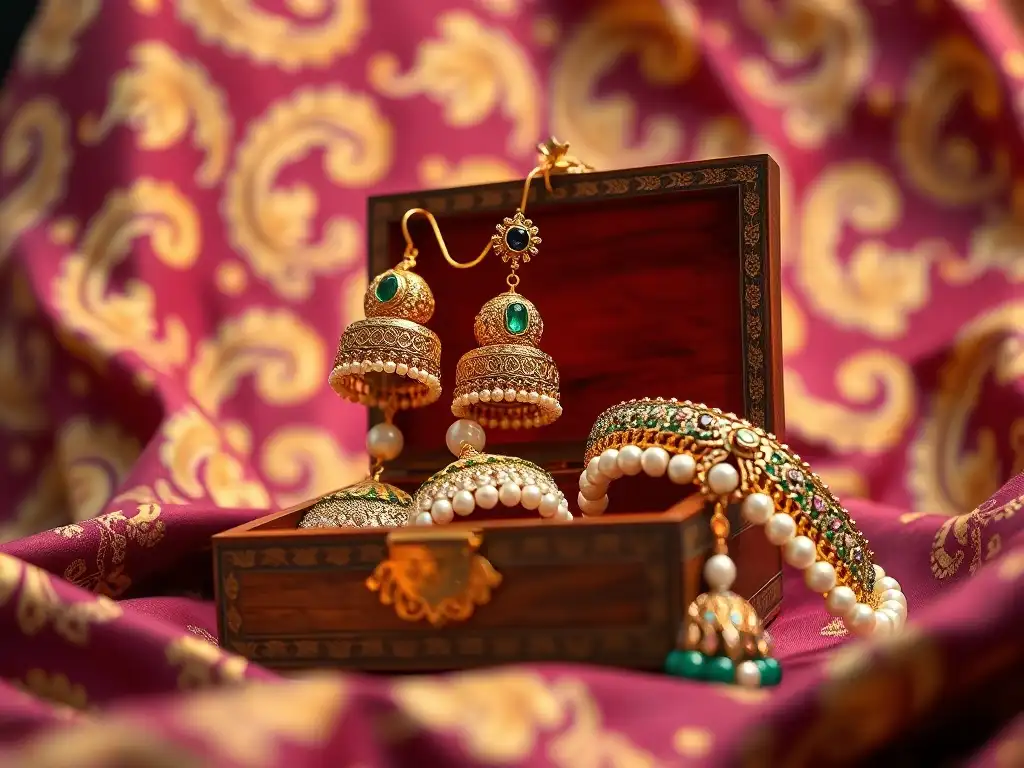
Welcome to Ancient India History, where we delve into the fascinating tapestry of our rich and diverse past! In this exploration, we invite you to uncover the captivating world of Indian jewelry terminology. Whether you're a novice buyer or simply curious about the exquisite art of jewelry from ancient civilizations, our guide— "Decoding Indian Jewelry Terminology: A Guide for New Buyers"—will illuminate the intricate language that defines this beautiful craft.
Join us as we unravel the stories behind the gems and craftsmanship that have adorned India for centuries. Get ready to embark on a journey that promises to enrich your understanding and appreciation of Indian jewelry!
Introduction to Indian Jewelry Terminology
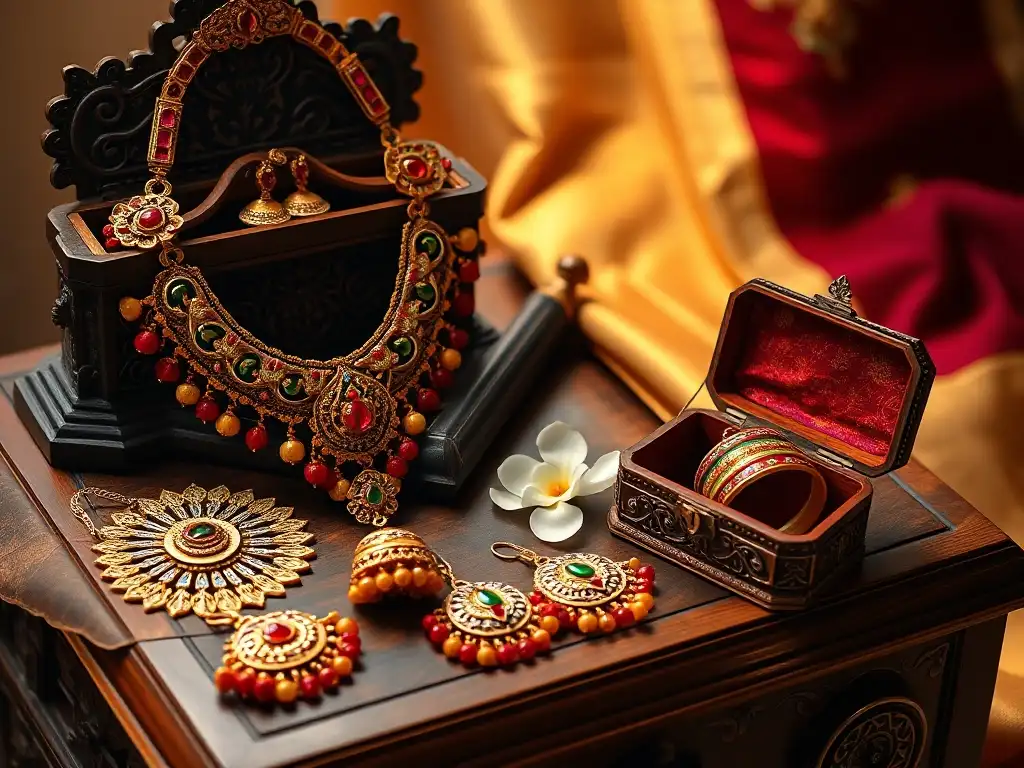
Indian jewelry is not just an adornment; it's a rich tapestry of history, culture, and artistry that reflects the diverse traditions of the subcontinent. From the intricate designs of the Indus Valley civilization to the opulent pieces favored during the Gupta Empire, the terminology used to describe Indian jewelry can often be as complex as the pieces themselves.
For new buyers, understanding this terminology is crucial not only for making informed purchases but also for appreciating the cultural significance behind each piece. This guide aims to decode the various terms associated with Indian jewelry, providing a comprehensive overview that will empower you to navigate the world of authentic Indian adornments with confidence.
Key Terms in Indian Jewelry
Navigating the realm of Indian jewelry requires familiarity with specific terms that denote different styles, techniques, and materials. In this section, we will explore the key terminologies that every new buyer should know to enhance their shopping experience.
1. Traditional Indian Jewelry Terms
- Kundal: Traditional round-shaped earrings, often embellished with intricate designs and gemstones.
- Jhumka: Bell-shaped earrings that dangle and are a staple in Indian bridal jewelry.
- Choker: A close-fitting necklace that sits high on the neck, often adorned with exquisite gems and intricate work.
- Bangles: Rigid bracelets that are commonly worn in multiples, symbolizing prosperity and marital status.
- Maang Tikka: A decorative piece worn on the forehead, often featuring a pendant that hangs down the center parting of the hair.
2. Modern Indian Jewelry Terminology
- Statement Piece: A bold accessory designed to stand out and make a fashion statement, often used in contemporary jewelry designs.
- Layering: The trend of wearing multiple necklaces or bracelets together to create a stylish and personalized look.
- Ethnic Fusion: A blend of traditional Indian designs with modern aesthetics, appealing to a wider audience.
- Semi-precious Stones: Stones like turquoise, amethyst, and citrine that are often used in contemporary jewelry for their beauty and affordability.
- Customization: The process of creating personalized jewelry tailored to individual preferences, a growing trend in modern jewelry shopping.
Understanding these terms not only enriches your knowledge but also enhances your appreciation of the craftsmanship involved in creating each piece. As you delve deeper into the world of Indian jewelry, these terminologies will serve as a valuable toolkit, guiding you towards making informed and meaningful purchases.
The Importance of Authenticity in Indian Jewelry
Authenticity is a cornerstone of Indian jewelry, representing not just the physical items but the rich cultural heritage and artistry of ancient civilizations. The intricate designs, traditional methods, and the unique stories behind each piece make authenticity crucial for collectors and new buyers alike. Purchasing authentic Indian jewelry ensures that you are acquiring not only a beautiful item but also a piece of history that reflects the craftsmanship and cultural significance of its origin.
In the market today, counterfeit items are prevalent, and distinguishing between authentic and imitation jewelry can be challenging. Authentic pieces are often made with high-quality materials and feature intricate designs that showcase the skills of the artisans. This authenticity not only enhances the aesthetic value of the jewelry but also its sentimental and financial worth. Therefore, understanding the characteristics of authentic Indian jewelry is essential for making informed purchasing decisions.
1. Recognizing Authentic Indian Jewelry
Recognizing authentic Indian jewelry involves several key factors:
- Material Composition: Authentic jewelry is typically made from high-quality metals such as gold, silver, or platinum, and often incorporates genuine gemstones. Familiarizing yourself with the common materials used in Indian jewelry is crucial.
- Hallmarks and Certifications: Many authentic pieces will include hallmarks or certificates that verify their quality and authenticity. For instance, look for markings that indicate the purity of gold (like 22K or 24K) or certifications from recognized authorities.
- Craftsmanship Details: Pay attention to the craftsmanship. Authentic Indian jewelry often features intricate detailing, such as hand-engraving, filigree work, or meena (enamel) work. The precision and skill in these details are often indicative of authenticity.
- Cultural Significance: Each piece of jewelry often tells a story, reflecting specific cultural or regional significance. Understanding the symbolism behind various designs can help recognize whether a piece is authentic.
By keeping these factors in mind, you can better navigate the market and identify genuine Indian jewelry.
2. The Role of Craftsmanship in Authenticity
Craftsmanship plays a vital role in the authenticity of Indian jewelry. The skills passed down through generations of artisans are what give Indian jewelry its unique character and value. Here are some aspects to consider:
- Artisanal Techniques: Traditional techniques such as Kundan, Jadau, and Meenakari are hallmark traits of authentic Indian jewelry. Each technique requires specialized skills and contributes to the aesthetic appeal and durability of the piece.
- Regional Styles: Different regions of India have distinct styles of jewelry. For example, Rajasthani jewelry is known for its vibrant colors and heavy use of gemstones, while South Indian jewelry often features intricate gold work and temple motifs. Understanding these regional differences can aid in identifying authentic craftsmanship.
- Attention to Detail: Authentic pieces often exhibit an exceptional level of detail, from the finishing of the metal to the setting of gemstones. This meticulous attention to detail is a hallmark of skilled artisanship.
Investing in jewelry that showcases high-quality craftsmanship not only elevates your collection but also supports artisans who keep these ancient traditions alive.
Navigating the world of Indian jewelry terminology can be overwhelming for new buyers. This guide will provide essential steps to ensure you make informed decisions when purchasing.
1. Steps to Take Before Making a Purchase
Before making a purchase, consider the following steps:
- Research Thoroughly: Familiarize yourself with the different types of Indian jewelry, common materials, and terminology. Understanding the basics will empower you during your shopping experience.
- Set a Budget: Determine how much you are willing to spend. Authentic Indian jewelry can vary significantly in price based on materials, craftsmanship, and design.
- Ask Questions: Don’t hesitate to inquire about the origins, craftsmanship, and authenticity of the pieces you are interested in. A reputable seller will gladly provide this information.
- Check Reviews and Ratings: If purchasing online, look for customer reviews and ratings to gauge the seller's reputation and the quality of their products.
- Verify Return Policies: Ensure that the seller offers a clear return policy in case the jewelry does not meet your expectations.
Following these steps will not only enhance your knowledge but also build your confidence in purchasing authentic Indian jewelry.
2. Recommended Places to Buy Authentic Indian Jewelry
When looking for authentic Indian jewelry, consider these recommended places:
- Local Artisan Markets: Visiting local artisan markets or craft fairs allows you to interact directly with artisans and learn about their work.
- Reputable Jewelers: Established jewelers known for their expertise in Indian jewelry often carry a selection of authentic pieces. Research their credentials and customer feedback.
- Online Platforms: Websites specializing in Indian jewelry can provide a wide range of options. Ensure that they offer authenticity guarantees and have a solid return policy.
- Cultural Festivals and Exhibitions: These events often feature artisans showcasing their work, providing an excellent opportunity to purchase directly from the source.
By exploring these avenues, new buyers can feel more assured in their pursuit of authentic Indian jewelry, enriching their collection with pieces that embody history, culture, and artistry.
Common Mistakes to Avoid When Buying Indian Jewelry
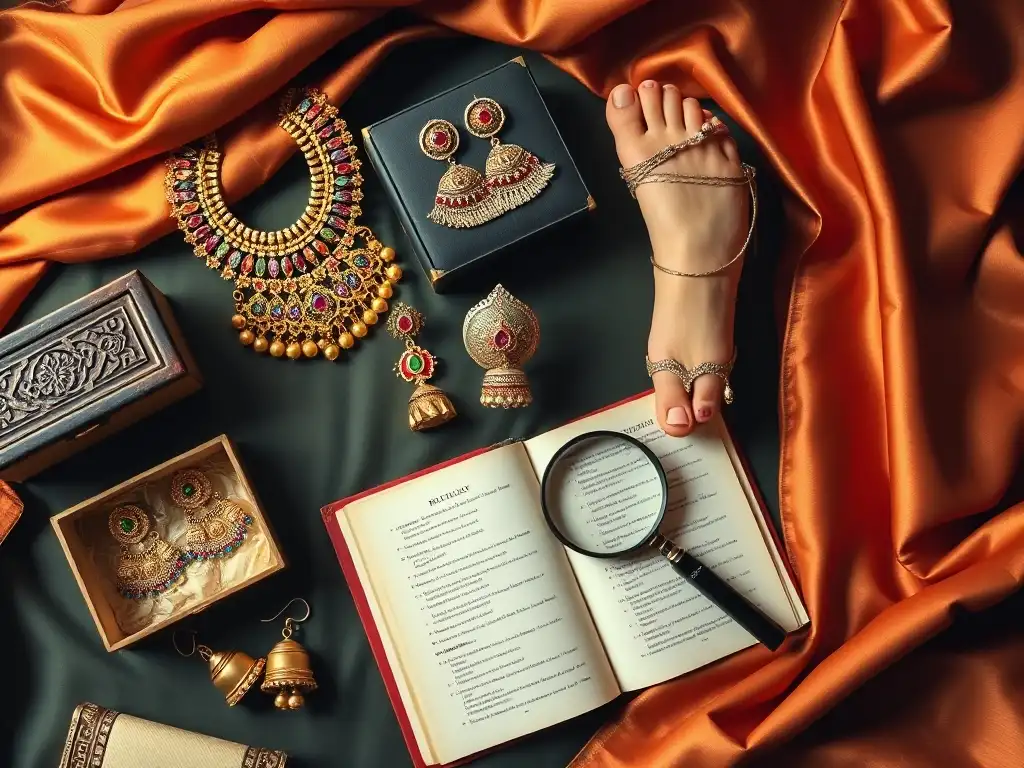
When venturing into the world of Indian jewelry, especially for new buyers, it is essential to understand the nuances and intricacies that come with this rich tradition. Here are some common mistakes to avoid:
1. Misunderstanding Terminology
Indian jewelry is steeped in a vocabulary that can be confusing for those unfamiliar with its terms. Misunderstanding this terminology can lead to poor purchasing decisions. Here are some key terms to be aware of:
- Kundan: A traditional form of Indian gemstone setting where stones are set in a bed of molten gold. It is renowned for its intricate designs and is often used in bridal jewelry.
- Meenakari: This refers to a technique of enameling on jewelry, which adds vibrant colors and patterns to the pieces. Buyers should look for pieces where the meenakari work is well-executed and durable.
- Jadau: This is a traditional jewelry-making technique that incorporates uncut diamonds and gemstones set in gold. It often features elaborate designs and is highly valued.
- Filigree: A delicate ornamental work made from twisted threads of gold or silver. Understanding filigree can help buyers appreciate the craftsmanship that goes into such pieces.
Misinterpretation of these terms can lead to buying jewelry that does not meet expectations. Conducting prior research and asking questions can help mitigate this issue.
2. Ignoring the Cultural Significance
Indian jewelry is not just about aesthetics; it is deeply intertwined with cultural and religious significance. Ignoring this aspect can lead to purchasing items that are not suitable for their intended purpose. For instance:
- Wedding Jewelry: Certain pieces are specifically designed for weddings and carry significant cultural weight. For example, the Mangal Sutra, a sacred necklace worn by married women, is more than mere adornment; it symbolizes marital bliss.
- Festive Jewelry: Different festivals in India, such as Diwali or Navratri, often have specific jewelry associated with them. Understanding this can enhance the connection to the piece being purchased.
- Regional Styles: India is diverse, and jewelry styles vary across regions. For instance, Nath (nose ring) is particularly popular in certain states and can signify marital status. Recognizing these regional distinctions can help buyers choose more meaningful pieces.
Being aware of the cultural significance behind different types of jewelry not only enriches the buying experience but also ensures that the jewelry serves its intended purpose within Indian traditions.
Conclusion
Navigating the world of Indian jewelry can be overwhelming for new buyers, but avoiding common mistakes such as misunderstanding terminology and ignoring cultural significance can lead to more informed purchases. By taking the time to educate oneself about the nuances of Indian jewelry, buyers can not only enhance their collection but also appreciate the rich cultural heritage that each piece represents.
Additional Resources for New Buyers
As a new buyer venturing into the world of Indian jewelry, it's essential to equip yourself with comprehensive resources that can enhance your understanding and confidence in making informed purchases. Here are some valuable resources to consider:
- Books and Publications: Look for books dedicated to Indian jewelry history, styles, and craftsmanship. Titles like "Indian Jewelry: A History" or "The Art of Indian Jewelry" provide insights into various techniques and cultural significance.
- Online Forums and Communities: Engaging with online communities can be incredibly beneficial. Websites like Reddit or dedicated jewelry forums often host discussions where you can ask questions and share experiences with other enthusiasts.
- Jewelry Workshops and Classes: Many cities offer workshops where you can learn about jewelry making and design firsthand. Participating in these classes not only enhances your knowledge but also connects you with experts in the field.
- YouTube Channels: Educational YouTube channels focusing on jewelry can be excellent visual resources. Look for channels that provide tutorials on identifying authentic pieces or explain different styles and terminologies.
- Artisan and Craft Fairs: Visiting local artisan fairs gives you the opportunity to meet jewelers directly. This interaction allows you to learn about the craftsmanship and materials used, as well as the stories behind various pieces.
These resources will empower you to navigate the intricate world of Indian jewelry with confidence, ensuring that you make informed and meaningful purchases.
Final Thoughts
Understanding Indian jewelry terminology is a vital step for anyone looking to purchase authentic pieces. With a rich heritage that spans thousands of years, Indian jewelry reflects cultural narratives, regional diversity, and exquisite craftsmanship. As you embark on your jewelry-buying journey, remember to research thoroughly, ask questions, and seek out knowledgeable artisans and sellers.
By familiarizing yourself with terms like Kundan, Meenakari, and Jadau, you can appreciate the artistry and significance of the jewelry you choose. Moreover, recognizing the importance of quality materials and authentic craftsmanship will help you discern between genuine articles and imitations.
Ultimately, your journey into Indian jewelry is not just about adornment; it's about connecting with a tradition that has shaped the cultural landscape of India. Embrace the experience, and may it lead you to beautiful pieces that resonate with your personal style and appreciation for history.
- Introduction to Indian Jewelry Terminology
- Key Terms in Indian Jewelry
- The Importance of Authenticity in Indian Jewelry
- Buying Guide for New Buyers: Navigating Indian Jewelry Terminology
- Common Mistakes to Avoid When Buying Indian Jewelry
- Conclusion
- Additional Resources for New Buyers
- Final Thoughts
Frequently Asked Questions
What is the significance of jewelry in ancient Indian culture?
Jewelry in ancient India was not just ornamental but also symbolized status, wealth, and identity. It often held cultural and religious significance, reflecting the rich traditions of various civilizations.
What are some common terms used in Indian jewelry?
Some key terms include Kundan, which refers to a traditional gem-setting technique, and Meenakari, a process of enameling. Understanding these terms is essential for new buyers to appreciate craftsmanship.
How can new buyers identify authentic Indian jewelry?
Authentic Indian jewelry can be identified by its craftsmanship, hallmarks, and the use of traditional techniques. Buyers should also look for certificates of authenticity from reputable sellers.
Are there specific considerations for buying Indian jewelry?
Yes, buyers should consider factors such as materials used, design, and cultural significance. It’s also important to understand the maintenance required for different types of jewelry to preserve their beauty.
Where can I learn more about Indian jewelry terminology?
To deepen your understanding, refer to resources like guides, books, and online articles specifically focused on Indian jewelry. Websites dedicated to Indian history and culture often provide comprehensive insights into terminology and styles.
Final Reflection: Embracing the Art of Indian Jewelry Terminology
Understanding Indian jewelry terminology is not just about acquiring knowledge; it is about connecting with a rich cultural heritage that transcends generations. In today's globalized world, where traditional craftsmanship meets modern aesthetics, knowing the nuances of Indian jewelry can empower buyers to make informed choices. The intricate designs and meanings behind each piece tell stories of history, tradition, and artistry that resonate deeply with our contemporary lives.
The influence of Indian jewelry extends far beyond mere adornment; it shapes our cultural identity and fosters a sense of belonging. As we navigate through the vibrant tapestry of Indian craftsmanship, we find that each term carries with it a legacy of artistry and emotion. Jewelry is a way of keeping memories alive,
as the saying goes, reminding us that every piece we wear is imbued with significance and personal connection. This ongoing dialogue between the past and present encourages us to appreciate the artistry and stories behind each creation, enriching our understanding of cultural diversity.
As you reflect on the insights shared in this guide, I invite you to embrace the beauty of Indian jewelry with a newfound appreciation. Consider how the terminology and traditions discussed can enhance your own jewelry journey. Whether you are a seasoned collector or a first-time buyer, let this knowledge inspire you to explore, celebrate, and share the stories woven into every piece you encounter. By doing so, you not only honor the artisans who create these masterpieces but also become a part of a timeless narrative that continues to evolve.
Unveil the Treasure of Indian Jewelry Today!
Thank you for diving into our guide on Indian jewelry terminology! We hope you've gained valuable insights that empower your buying journey. Now, it’s time to take that knowledge and translate it into action.
Here are some ways to get started on your jewelry adventure:
- Explore local markets: Visit nearby jewelry stores or artisan fairs to see and understand the terminology in person. Connecting with artisans can deepen your appreciation and insights!
- Join a jewelry workshop: Participate in classes that teach craftsmanship techniques or jewelry design, allowing you to engage with the art of jewelry-making directly.
- Share your findings: Discuss your new knowledge with friends or on social media. Inspiring others not only reinforces your own understanding but also helps build a community of informed jewelry lovers.
As you embark on this shiny journey, what piece of Indian jewelry are you most excited to add to your collection? Let’s chat in the comments!