
The Ultimate Guide to Identifying Authentic Indian Jewelry: What Every Buyer Should Know

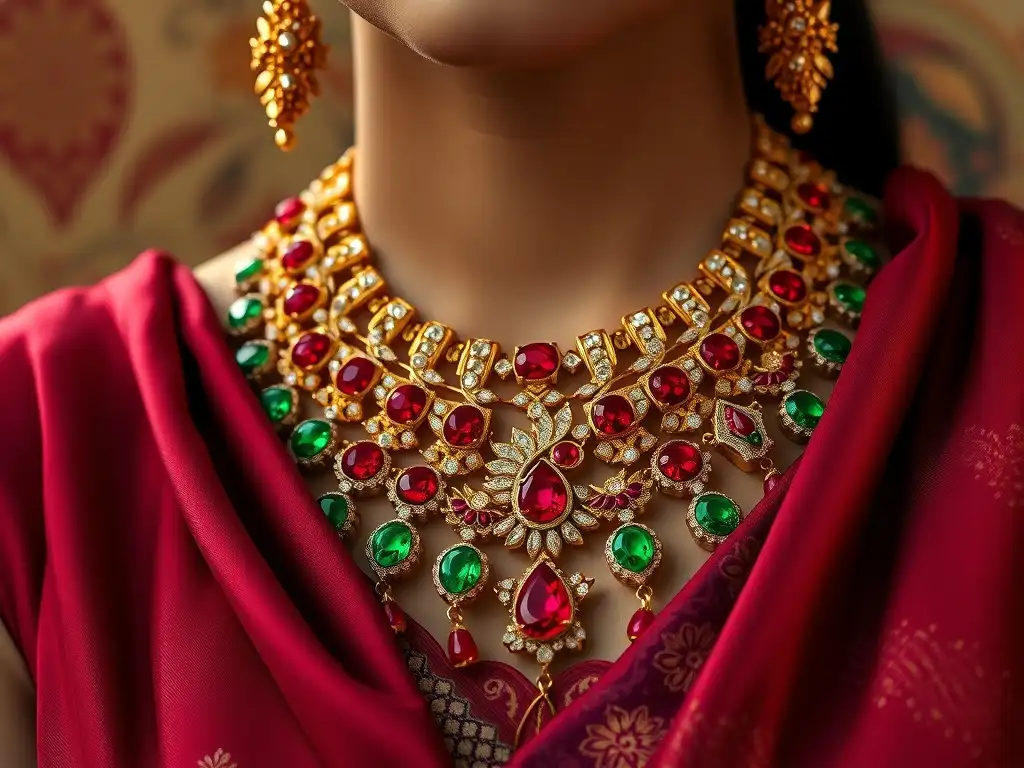
Welcome to Ancient India History, where we delve into the rich tapestry of India's past, exploring the vibrant cultures and remarkable contributions that have shaped our world. In our latest article, “The Ultimate Guide to Identifying Authentic Indian Jewelry: What Every Buyer Should Know,” we invite you to uncover the secrets behind exquisite craftsmanship and timeless elegance. Are you ready to navigate the intricate world of authentic Indian jewelry?
Join us on this journey as we unlock the treasures of history and guide you in making informed choices that celebrate the legacy of ancient artisans. Continue reading to discover more!
Introduction to Authentic Indian Jewelry
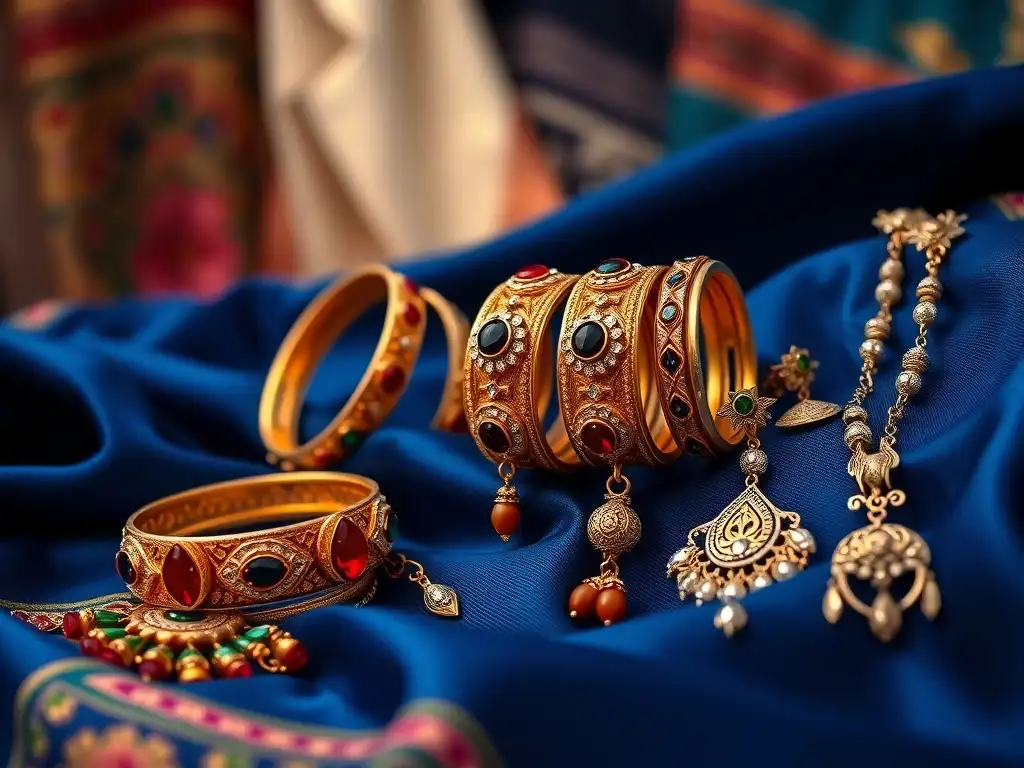
When it comes to the enchanting world of jewelry, few cultures can boast the depth and richness that ancient Indian civilizations provide. The legacy of Indian jewelry is a tapestry woven with history, artistry, and cultural significance. This guide, "The Ultimate Guide to Identifying Authentic Indian Jewelry," aims to arm buyers with essential knowledge to navigate the intricate landscape of Indian jewelry, ensuring they make informed decisions that honor this age-old craft.
From the intricate designs of the Indus Valley Civilization to the opulent adornments of the Gupta Empire, understanding the nuances of authentic Indian jewelry is critical for both collectors and casual buyers alike. Whether you're drawn to the vibrant colors, exceptional craftsmanship, or the stories behind each piece, knowing how to identify genuine items is crucial. This guide will explore the key characteristics, traditional techniques, and materials that define authentic Indian jewelry, equipping you with the insights necessary to appreciate and purchase these timeless treasures with confidence.
Understanding the Characteristics of Authentic Indian Jewelry
Authentic Indian jewelry is distinguished not only by its visual appeal but also by its underlying principles of craftsmanship and heritage.
Traditional Techniques in Craftsmanship
The craftsmanship of Indian jewelry is steeped in tradition, often passed down through generations. Here are some notable techniques:
- Meenakari: This is a unique enamel technique that involves applying vibrant colors to gold or silver surfaces, creating stunning contrasts and intricate designs.
- Kundan: A traditional method that involves setting gemstones in gold foil, providing a regal look and emphasizing the brilliance of the stones.
- Jadau: This technique combines intricate gold work with precious and semi-precious stones, resulting in elaborate pieces that reflect the opulence of royal patronage.
- Filigree: A delicate form of jewelry-making involving twisting and turning fine gold or silver wires into intricate motifs, showcasing the artisan's skill and creativity.
These techniques not only highlight the beauty of the jewelry but also embody the stories and traditions of the artisans who create them.
Materials Used in Authentic Indian Jewelry
The materials used in crafting authentic Indian jewelry play a crucial role in defining its authenticity. Common materials include:
- Gold: The most favored metal in Indian jewelry, often used in varying karats, each with different purity levels.
- Silver: Widely used in traditional pieces, silver has cultural significance and is often paired with gemstones.
- Gemstones: Precious stones like diamonds, rubies, emeralds, and pearls are frequently incorporated, reflecting the richness of Indian heritage.
- Natural Elements: Materials such as wood, seeds, and bones are also used in tribal jewelry, showcasing the diversity of styles across different regions.
By understanding the characteristics and materials that define authentic Indian jewelry, buyers can better appreciate the artistry and cultural significance behind each piece, ensuring their collection is both meaningful and genuine.
Recognizing Different Styles of Authentic Indian Jewelry
Indian jewelry is a vibrant reflection of the country's diverse cultures, traditions, and artistry. When exploring authentic Indian jewelry, it's essential to recognize the various styles that distinguish one piece from another. Each style often tells a story, representing the region's history, beliefs, and craftsmanship.
- Kundan Jewelry: This style originates from Rajasthan and is characterized by its intricate setting of gemstones in gold foil. Kundan pieces are known for their elaborate designs and are often worn during weddings and special occasions.
- Meenakari Jewelry: Also from Rajasthan, Meenakari involves the art of enameling, where colorful designs are painted on metal surfaces, usually gold or silver. This jewelry showcases vibrant colors and intricate patterns, making it unique and eye-catching.
- Temple Jewelry: Traditionally worn by dancers and during religious ceremonies, temple jewelry features motifs of deities and is often made of gold or silver. The craftsmanship is typically elaborate, highlighting the spiritual significance of the pieces.
- Oxidized Silver Jewelry: Popular among modern buyers, oxidized silver jewelry features a darkened finish that enhances its intricate designs. This style is often associated with tribal and folk traditions, providing a rustic charm.
- Jadau Jewelry: A fusion of Kundan and other techniques, Jadau jewelry features uncut diamonds and gemstones set in intricate gold designs. It is often embellished with floral motifs and is highly prized for its elegance.
Understanding these styles will help buyers appreciate the uniqueness and craftsmanship behind each piece, ensuring they choose jewelry that resonates with their personal taste and cultural significance.
Regional Variations in Indian Jewelry
India's vast geography and rich cultural diversity give rise to distinct regional variations in jewelry styles. Each region has its unique techniques, materials, and motifs, reflecting its local heritage and traditions.
- North India: The jewelry from this region often features heavy gold pieces adorned with precious and semi-precious stones. The use of Kundan and Meenakari techniques is prevalent, with intricate designs that are both ornate and vibrant.
- South India: Characterized by temple jewelry, South Indian pieces often incorporate religious motifs and are crafted from gold. The craftsmanship includes intricate carvings and the use of traditional techniques like that of Jadau and antique finishes.
- West India: Rajasthan and Gujarat are known for their colorful and intricate jewelry. Traditional styles include the use of mirror work, enamel, and the famous Kundan jewelry, which combines artistry with rich historical significance.
- East India: Bengal is famous for its intricate filigree work and use of pearls. The jewelry here often has a more delicate appearance, incorporating motifs from nature and local culture.
These regional variations not only enhance the beauty of Indian jewelry but also provide insights into the cultural narratives and artisanal practices of each area. Buyers should explore these differences to find pieces that reflect their personal style and appreciation for Indian heritage.
Iconic Pieces of Authentic Indian Jewelry
Several pieces stand out as iconic representations of authentic Indian jewelry, each with its unique history and significance. Here are some of the most notable types:
- Nath (Nose Ring): Traditionally worn by brides, the Nath symbolizes marital status and is often ornately designed with gemstones and intricate metalwork.
- Bangles: A staple in Indian jewelry, bangles come in various materials, including gold, silver, and glass. They are often worn in multiples and symbolize prosperity and femininity.
- Maang Tikka: This piece adorns the forehead and is typically worn by brides. It consists of a chain with a decorative pendant that signifies beauty and auspiciousness.
- Jhumka (Earrings): Known for their bell-shaped design, Jhumkas are often embellished with intricate carvings and gemstones. They are a timeless accessory that can elevate any outfit.
- Choker Necklaces: These close-fitting necklaces have gained popularity in recent years and often feature elaborate designs with gemstones. They add a regal touch to traditional and modern attire alike.
These iconic pieces not only enhance beauty but also carry deep cultural significance, making them treasured additions to any jewelry collection.
Essential Tips for Buyers: How to Identify Authentic Indian Jewelry
When purchasing authentic Indian jewelry, it's crucial to equip yourself with the right knowledge and tips to ensure that you make informed decisions. Here are some essential guidelines to help buyers identify genuine pieces.
Research and Education: Know Before You Buy
Before making a purchase, thorough research is vital. Understanding the different styles, materials, and regional variations of Indian jewelry will provide valuable context. Here are some steps to consider:
- Learn about Materials: Familiarize yourself with the metals and stones commonly used in Indian jewelry. Authentic pieces often use materials like gold, silver, and high-quality gemstones.
- Recognize Craftsmanship: Authentic Indian jewelry is characterized by intricate craftsmanship. Look for details such as the quality of engraving, stone setting, and overall design.
- Identify Authentic Sellers: Research reputable sellers who specialize in authentic Indian jewelry. Look for reviews, testimonials, and certifications that prove their authenticity.
- Ask Questions: Don’t hesitate to ask the seller about their sourcing, crafting processes, and the heritage of the pieces. Knowledgeable sellers will be happy to provide insights.
By investing time in education and research, buyers can enhance their confidence and ability to discern authentic Indian jewelry from imitations.
Where to Buy Authentic Indian Jewelry
Finding authentic Indian jewelry requires careful consideration of where to shop. Here are some recommended avenues to explore:
- Local Artisans and Craftsmen: Visiting local artisans can provide firsthand knowledge about the craftsmanship and authenticity of the jewelry. Supporting local artisans also contributes to the preservation of traditional techniques.
- Reputable Jewelry Stores: Established jewelry stores with a focus on Indian jewelry often have a wide selection of authentic pieces. Look for stores that provide certifications for their products.
- Cultural Festivals and Fairs: Many regions in India host cultural festivals and craft fairs where artisans showcase their work. These events are excellent opportunities to purchase authentic jewelry directly from makers.
- Online Marketplaces: Several online platforms specialize in authentic Indian jewelry. Ensure these platforms have strict verification processes for their sellers to minimize the risk of purchasing counterfeit products.
By choosing the right places to shop, buyers can enhance their chances of acquiring genuine Indian jewelry, enriching their collections with pieces that embody the rich heritage and artistry of India.
Common Myths About Indian Jewelry Authenticity
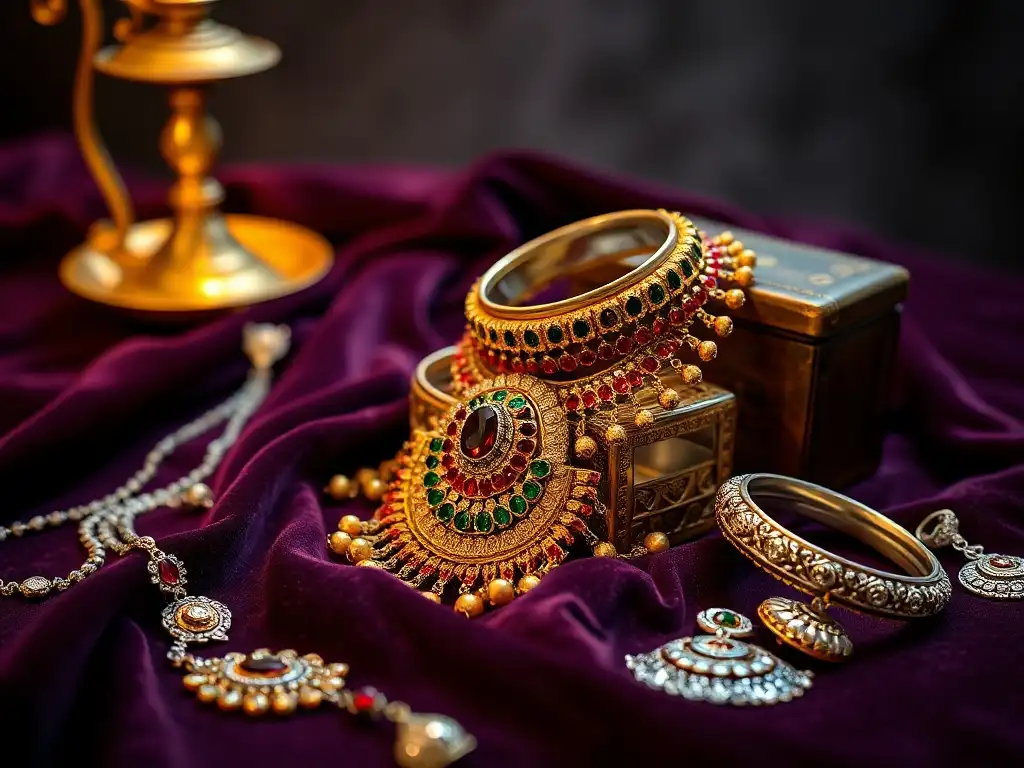
When it comes to purchasing Indian jewelry, many misconceptions can lead buyers astray. Understanding these myths is crucial for anyone looking to invest in authentic pieces. Here are some of the most common myths:
-
All Indian Jewelry is Made from Gold
Contrary to popular belief, not all Indian jewelry is crafted from gold. While gold jewelry is highly revered and often associated with traditional Indian adornments, many authentic pieces are made from silver, bronze, and other materials. Each metal carries its cultural significance and aesthetic appeal.
-
Fake Jewelry is Always Obvious
Many believe that counterfeit jewelry can quickly be identified by its appearance. However, skilled artisans can replicate traditional designs so well that even experienced buyers may struggle to distinguish genuine items from fakes. It requires a keen eye and knowledge of craftsmanship to identify authenticity.
-
Only Antique Jewelry is Authentic
Authenticity does not solely pertain to age. Many contemporary jewelers create pieces that honor traditional techniques and designs. These modern pieces can be just as authentic as their antique counterparts, provided they uphold the integrity of Indian craftsmanship.
-
All Indian Jewelry is Expensive
While it’s true that some authentic jewelry can be costly, there are many affordable options available. Buyers can find authentic pieces at various price points, especially if they explore local artisans and markets instead of high-end boutiques.
-
Certification Guarantees Authenticity
While certification can be a helpful indicator, it is not an absolute guarantee of authenticity. Certain certifications may come from less reputable sources. Buyers should also consider the jeweler’s reputation and the craftsmanship quality in addition to any certifications.
Debunking Myths Surrounding Indian Jewelry
Debunking these myths is essential for potential buyers. Understanding the rich cultural significance behind different jewelry styles—such as Kundan, Meenakari, and Terracotta—can enhance appreciation for their authenticity. Additionally, engaging with knowledgeable artisans or jewelers can provide deeper insights into the history and techniques used in creating authentic pieces.
Buyers are encouraged to do their research, seek reputable sources, and learn about the diverse materials and techniques that define authentic Indian jewelry. This knowledge not only empowers buyers but also supports the preservation of traditional craftsmanship.
Investing in Authentic Indian Jewelry
Investing in authentic Indian jewelry is not just about acquiring beautiful pieces; it's about preserving culture and heritage. Many buyers are recognizing the intrinsic value of these artworks beyond their aesthetic appeal.
-
Cultural Significance
Each piece of Indian jewelry often carries a story, rooted in traditions and customs. Investing in authentic jewelry means supporting an art form that has been passed down through generations, ensuring that these cultural narratives continue to thrive.
-
Craftsmanship and Artistry
Authentic Indian jewelry showcases exceptional craftsmanship that often involves intricate designs and labor-intensive techniques. The artistry involved adds to the value of the pieces, making them unique investments that appreciate over time.
-
Rarity and Uniqueness
Many authentic pieces are one-of-a-kind, crafted using traditional methods that are not commonly practiced today. This rarity can significantly increase their value, making them an attractive investment for collectors and enthusiasts.
-
Resale Potential
With the growing appreciation for authentic Indian jewelry globally, there is a strong resale market. Well-maintained pieces from reputable artisans can fetch higher prices, offering financial returns alongside aesthetic enjoyment.
The Value of Authentic Indian Jewelry
The value of authentic Indian jewelry extends beyond monetary worth; it embodies history, culture, and artistry. When investing in such pieces, buyers are not only acquiring beautiful items but also becoming part of a larger story. This connection to heritage adds emotional value and significance to each piece, making it a worthwhile investment for collectors and enthusiasts alike.
Understanding the myths and recognizing the true value of authentic Indian jewelry can lead to more informed purchasing decisions. With a focus on craftsmanship and culture, buyers can appreciate the depth and richness that these beautiful pieces offer.
Conclusion: Making Informed Decisions in Your Jewelry Purchases
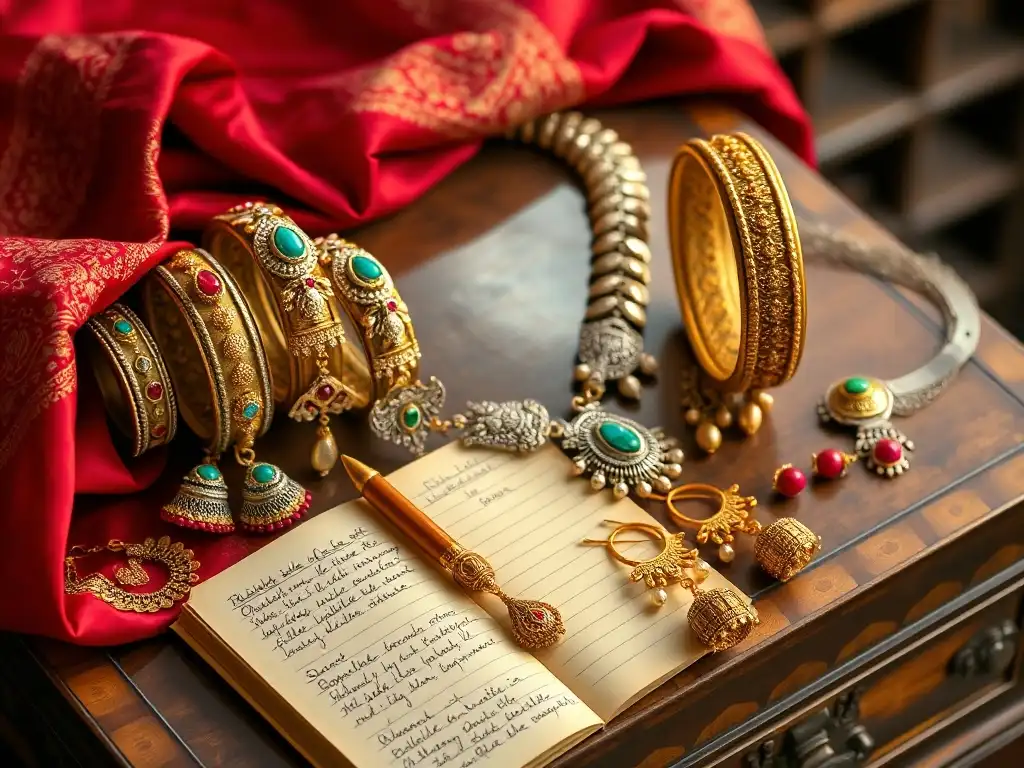
In the realm of Authentic Indian jewelry, informed purchasing decisions are paramount. The rich heritage of Indian craftsmanship is not just about aesthetics; it embodies a history of traditions, techniques, and cultural significance. By understanding the various styles, materials, and hallmarks of authenticity, buyers can ensure their investments are genuine and representative of the culture they admire.
When shopping for Indian jewelry, it's crucial to approach the process with a discerning eye. Always prioritize reputable sources, whether it be local artisans, established jewelers, or certified online platforms. Look for indicators of authenticity such as hallmark stamps, detailed descriptions of materials, and the story behind each piece. Engaging with the seller and asking questions can also provide insights into the craftsmanship and cultural relevance of the jewelry.
Ultimately, making informed decisions not only enhances your personal collection but also supports traditional artisans and the preservation of their crafts. By choosing authentically crafted pieces, you contribute to the sustainability of these age-old traditions, ensuring they continue to be celebrated and appreciated for generations to come.
Further Reading and Resources
To deepen your understanding of Authentic Indian jewelry, consider exploring the following resources:
- Books:
- "Indian Jewelry: A Guide to the Craft and Culture" – This book offers a comprehensive overview of Indian jewelry styles and their cultural significance.
- "The Art of Indian Jewelry" by A. S. Mehta – A detailed exploration of various techniques and materials used in Indian jewelry making.
- Websites and Blogs:
- Indian Artisans Network – A platform dedicated to promoting local artisans and their work, providing insights into authentic craftsmanship.
- Jewelry History Archive – A resource for historical context surrounding jewelry trends and practices in India.
- Documentaries:
- "The Artisans of India" – A visual journey through the lives and skills of Indian jewelry makers, highlighting their artistry and traditions.
Engaging with these resources will not only enhance your appreciation for Indian jewelry but also equip you with the knowledge necessary to make informed purchases.
Call to Action
Ready to embark on your journey into the world of Authentic Indian jewelry? Start by exploring local artisan markets or reputable online platforms specializing in Indian craftsmanship. Don’t hesitate to ask questions, seek advice, and share your experiences with other jewelry enthusiasts.
If you found this guide helpful, consider subscribing to our newsletter for more insights on Indian jewelry, culture, and history. Join our community of passionate collectors and stay updated on the latest trends, tips, and authentic sources in the world of Indian jewelry. Your next treasured piece awaits! ✨
- Introduction to Authentic Indian Jewelry
- Understanding the Characteristics of Authentic Indian Jewelry
- Recognizing Different Styles of Authentic Indian Jewelry
- Essential Tips for Buyers: How to Identify Authentic Indian Jewelry
- Common Myths About Indian Jewelry Authenticity
- Debunking Myths Surrounding Indian Jewelry
- Investing in Authentic Indian Jewelry
- Conclusion: Making Informed Decisions in Your Jewelry Purchases
- Further Reading and Resources
- Call to Action
Frequently Asked Questions
What defines authentic Indian jewelry?
Authentic Indian jewelry is characterized by its traditional craftsmanship, use of precious materials, and cultural significance. Each piece often reflects the heritage of the region it originates from.
How can I identify traditional craftsmanship in jewelry?
Look for signs of handmade artistry, such as intricate designs and unique imperfections. Authentic pieces often showcase techniques like kundan, meenakari, or filigree work.
What are the common materials used in Indian jewelry?
Authentic Indian jewelry often incorporates gold, silver, precious stones, and semi-precious gems. These materials are chosen not only for their beauty but also for their cultural symbolism.
Is there a way to verify the authenticity of jewelry?
Yes, buyers can ask for certificates of authenticity, check for hallmarks, and research reputable dealers. It's essential to shop from sources that have a proven track record.
Why is understanding the cultural significance of jewelry important?
Understanding the cultural significance helps buyers appreciate the history and meaning behind the pieces. This knowledge can enhance the value of the jewelry beyond just its monetary worth.
Final Reflection: Embracing the Beauty of Authentic Indian Jewelry
In a world increasingly driven by mass production and fleeting trends, the quest for authentic Indian jewelry stands as a testament to the enduring value of craftsmanship and cultural heritage. This guide not only illuminates the intricate details that define genuine pieces but also emphasizes the importance of supporting artisans who pour their heart and soul into every creation. As we navigate through a marketplace flooded with imitations, the significance of authenticity becomes ever more pronounced, reminding us that true beauty lies in the stories and traditions woven into each piece.
The influence of authentic Indian jewelry extends far beyond mere adornment; it is a reflection of cultural identity and a celebration of artistry. Each piece carries with it a legacy—an echo of the hands that crafted it and the history it represents.
The resurgence of interest in traditional craftsmanship has sparked a movement towards sustainability and ethical consumption, encouraging us to cherish the unique narratives behind our jewelry choices. As Mahatma Gandhi once said, “The best way to find yourself is to lose yourself in the service of others.” > This sentiment resonates deeply within the realm of authentic jewelry, where supporting artisans not only enriches our lives but also uplifts entire communities.
As you reflect on your own jewelry choices, consider the stories you wish to tell through your adornments. Embrace the opportunity to connect with the rich heritage of Indian craftsmanship and make informed decisions that honor authenticity. Let this guide inspire you to seek out pieces that resonate with your personal journey, fostering a deeper appreciation for the artistry and culture they embody. Remember, every piece of jewelry you wear is not just an accessory; it is a celebration of history, culture, and the beauty of human creativity.
Unearth Your Ideal Piece of Authentic Indian Jewelry Today!
Thank you for diving into our guide on identifying authentic Indian jewelry! We hope you’ve discovered valuable insights to help you make informed purchases. Now, it’s time to take your newfound knowledge and put it into action. Here’s how you can start your journey toward finding the perfect piece:
- Explore local artisan markets to find unique gems—support artists while growing your collection!
- Share this guide with fellow jewelry enthusiasts to spark discussions and broaden your community’s understanding of authenticity.
- Join online forums focused on Indian jewelry; engage with experts and learn about rare finds from your peers.
As you embark on this exciting quest, what’s the first authentic piece you’re hoping to add to your collection? We would love to hear your thoughts!