
The Legacy of Sangam Literature in Global Literature: Its Universal Appeal

Welcome to Ancient India History, where we embark on a fascinating journey through time, unveiling the rich tapestry of ancient Indian civilizations. In this exploration, we delve into the profound impact of Sangam literature, a remarkable body of work that has shaped not only the cultural landscape of India but has also left an indelible mark on global literature.
Are you curious about how these ancient texts resonate across cultures and epochs? Join us as we unravel the legacy of Sangam literature and discover its universal appeal, inviting you to delve deeper into the stories that transcend time and geography.
Introduction to Sangam Literature
Sangam literature stands as a remarkable testament to the profound cultural and literary heritage of ancient India, specifically from the Tamil region. Flourishing between 300 BCE and 300 CE, this body of work consists of poetry that encapsulates the diverse experiences, emotions, and philosophies of its time.
Characterized by its rich linguistic beauty and depth, Sangam literature not only mirrors the socio-political landscape of ancient Tamil society but also conveys universal themes that resonate across cultures and epochs. As we delve into the Sangam literature global influence, we uncover its significant contributions to world literature and its enduring appeal that transcends geographical and temporal boundaries.
Overview of Sangam Literature
Sangam literature encompasses a collection of poems composed by various poets, collectively known as the Sangam poets. This literary corpus is divided into two main categories: Aham (inner) and Puram (outer), which explore themes of love, valor, and the intricacies of human relationships. The poems are celebrated for their vivid imagery, emotional depth, and intricate metaphors. Significant works include the Ettuthokai and Pattupattu, which offer insights into the lives, customs, and traditions of the Tamil people.
Historical Context of Sangam Period
The Sangam period was marked by the emergence of powerful kingdoms in Tamil Nadu, such as the Chola, Pandya, and Chera dynasties. This era was characterized by relative political stability, which fostered an environment conducive to artistic expression and cultural flourishing. The patronage of kings and chieftains played a pivotal role in promoting literature, allowing poets to compose and share their works. Furthermore, the trade connections established with other civilizations, such as those in the Mediterranean and Southeast Asia, facilitated the exchange of ideas and helped in shaping the unique identity of Sangam literature.
Significance of Sangam Literature in Ancient Indian Culture
Sangam literature holds a distinguished place in ancient Indian culture due to its multifaceted representation of Tamil society. It reflects the values, aspirations, and challenges of the time, providing a lens through which we can understand the cultural ethos of ancient India.
The themes explored in Sangam poetry—love, heroism, and nature—are not merely artistic expressions but also serve as moral and ethical frameworks for society. The emphasis on community, honor, and the relationship between humans and nature is a testament to the rich philosophical thought that permeates the literature, making it a vital part of the cultural fabric of ancient India.
The Core Themes of Sangam Literature
The richness of Sangam literature lies in its exploration of various themes, each contributing to its universal appeal and relevance in global literature.
Love and Nature in Sangam Poetry
Love, often depicted through the lens of nature, is a predominant theme in Sangam poetry. Poets used natural imagery to express complex emotions and relationships, illustrating how human feelings are intertwined with the environment. The portrayal of seasonal changes, landscapes, and flora serves as metaphors for love's various phases, be it longing, joy, or sorrow. This connection between love and nature has influenced poets worldwide, highlighting the universality of these experiences.
Heroism and Valor in Sangam Literature
Sangam literature also extols the virtues of heroism and valor, celebrating the lives of warriors and their deeds. The heroic epics recount not only the valor of individuals but also encapsulate the values of loyalty, honor, and sacrifice. These themes resonate with the narratives found in global literary traditions, emphasizing the timeless nature of heroism and its vital role in shaping cultural identities.
Philosophical and Spiritual Insights in Sangam Texts
Beyond the celebration of human emotions and heroic deeds, Sangam literature offers profound philosophical and spiritual insights. The texts explore existential questions and the nature of life, reflecting a deep engagement with the human condition. This philosophical depth aligns with the contemplative traditions found in various global literatures, making Sangam literature a significant contributor to the discourse on spirituality and philosophy across cultures.
The legacy of Sangam literature is not confined to its historical context; it reverberates through global literature, inspiring countless works and continuing to resonate with audiences today. Its themes of love, valor, and philosophical inquiry highlight the shared human experience, ensuring its place in the pantheon of world literature.
The Global Influence of Sangam Literature
Sangam literature, a remarkable corpus of Tamil poetry composed between 300 BCE and 300 CE, has transcended its regional boundaries and established a significant presence in global literature. Its themes of love, valor, nature, and social life resonate with universal human experiences, making it relevant not only to Tamil culture but also to a broader audience.
The poetic forms and intricate structures of Sangam poetry showcase a depth of emotion and an understanding of the human condition that has been admired and emulated by writers around the world. This influence can be observed through various literary movements and cross-cultural exchanges.
How Sangam Literature Inspired Global Writers
Global writers have drawn inspiration from the thematic richness and stylistic nuances of Sangam literature. Renowned authors such as Rabindranath Tagore and Pablo Neruda have acknowledged the profound impact of Tamil poetry on their work. Tagore's exploration of nature and emotion mirrors the evocative imagery found in Sangam poems, while Neruda's passionate verses reflect the same fervor for love and existential reflection. The simplicity and depth of Sangam poetry have encouraged writers to explore similar themes in their own cultural contexts, fostering a cross-pollination of ideas that enrich the global literary tapestry.
Additionally, the focus on personal experiences found in Sangam literature has resonated with modernist writers, who often seek to capture the essence of human emotions in their narratives. The universality of Sangam themes, such as love's complexity and the beauty of nature, has enabled writers from diverse backgrounds to connect with these ancient texts, demonstrating the timelessness of their message.
Comparative Analysis with Other Global Literary Traditions
When comparing Sangam literature with other global literary traditions, such as Greek and Roman epics or Chinese poetry, distinct similarities and differences emerge. Like the works of Homer and Virgil, Sangam poetry often reflects a deep connection to the land and cultural identity. However, while Western epics frequently emphasize heroism and grand narratives, Sangam literature delves into the more intimate aspects of life, exploring the emotional landscapes of its characters.
Furthermore, the lyrical quality of Sangam poems can be likened to the haikus of Japanese literature, which also emphasize nature and fleeting moments of beauty. Both traditions utilize vivid imagery to evoke emotions, yet Sangam literature often employs a broader range of emotions and contexts, from the mundane to the profound. This comparison highlights the unique contributions of Sangam literature within the larger framework of global literary traditions, showcasing its distinct voice while also revealing shared human concerns.
The Role of Translation in Spreading Sangam Literature
Translation has played a pivotal role in disseminating Sangam literature beyond Tamil-speaking regions. Initiatives to translate these ancient texts into various languages have opened avenues for international readership, allowing global audiences to appreciate the intricate beauty and cultural significance of Sangam poetry. Translators such as A.K. Ramanujan and R. Parthasarathy have not only rendered the poems into English but have also provided critical interpretations that enhance understanding and appreciation.
The process of translation, however, is fraught with challenges. Capturing the nuances, rhythm, and cultural context of the original texts requires not only linguistic skill but also a deep understanding of the cultural backdrop. Despite these challenges, successful translations have facilitated academic interest, leading to research and discussions surrounding the themes and styles of Sangam literature in literary circles worldwide.
Case Studies of Sangam Literature’s Impact
Influential Modern Authors Inspired by Sangam Literature
Several modern authors have openly credited Sangam literature as a source of inspiration in their creative endeavors. Notably, Indian novelist Perumal Murugan, known for his poignant storytelling, often integrates the themes and aesthetics of Sangam poetry in his narratives. His works reflect the emotional depth and cultural richness of Tamil heritage, echoing the sentiments expressed in ancient texts.
Moreover, international authors have also acknowledged the significance of Sangam literature. Celebrated writer and essayist Salman Rushdie, in his exploration of identity and cultural plurality, draws parallels with the themes of belonging and dislocation found in Sangam poetry. By weaving these elements into their narratives, these authors showcase the enduring legacy of Sangam literature in contemporary storytelling.
Specific Works that Reflect Sangam Themes Globally
Numerous literary works around the globe embody themes reminiscent of Sangam literature. For instance, the novel "The God of Small Things" by Arundhati Roy captures the complexities of love and familial relationships, echoing the emotional depth found in Sangam poems. Similarly, the poetry of American poet Mary Oliver often reflects the reverence for nature that is quintessential in Sangam literature, highlighting the interconnectedness of all living beings.
These examples illustrate how Sangam themes—be they love, nature, or social commentary—continue to resonate with contemporary writers, encouraging them to explore similar ideas in their own cultural contexts. The universal appeal of these themes contributes to the sustained relevance of Sangam literature in global literary discussions.
Adaptations and Interpretations of Sangam Literature in Contemporary Art
The influence of Sangam literature extends beyond literature into various forms of contemporary art. Artists and performers have adapted Sangam themes into visual arts, dance, and theater, bringing these ancient narratives to life for modern audiences. For example, Bharatanatyam dancers often incorporate verses from Sangam poetry into their performances, utilizing the rich imagery and emotive language to enhance their storytelling.
Moreover, visual artists have drawn inspiration from the vivid descriptions of nature and human emotions in Sangam poetry, translating these themes into paintings and sculptures that reflect the essence of the original texts. This cross-disciplinary engagement not only preserves the legacy of Sangam literature but also revitalizes it for new generations, ensuring that its universal appeal continues to thrive in contemporary culture.
The Universal Appeal of Sangam Literature
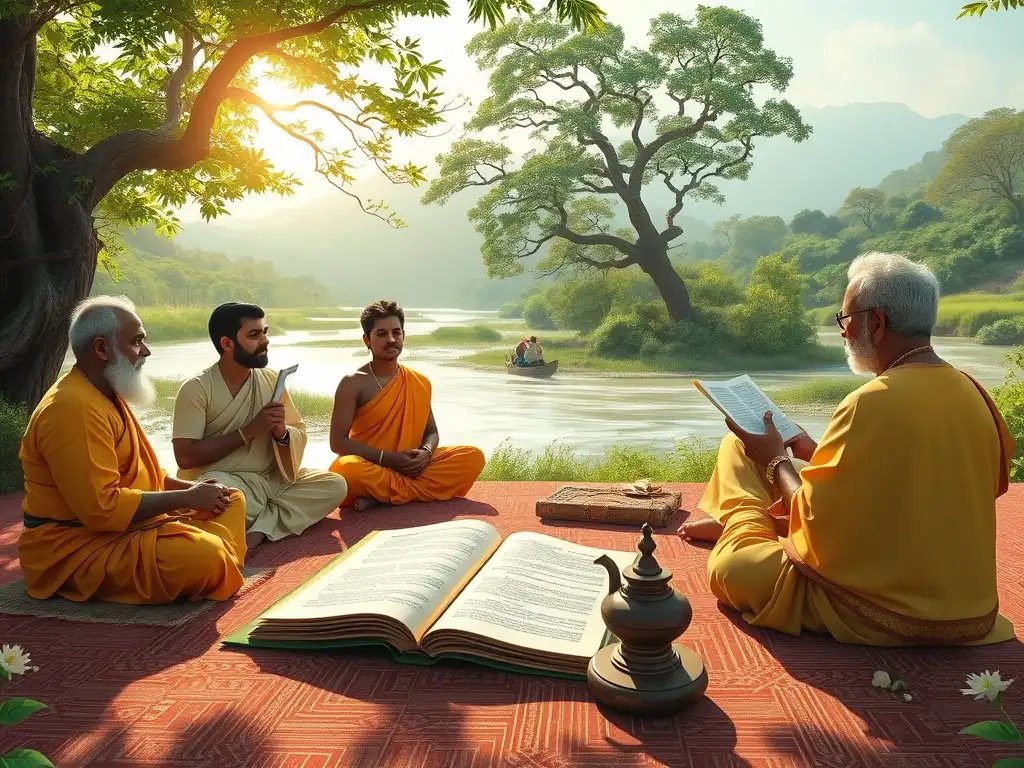
Sangam literature, a treasure trove of ancient Tamil poetry, has made significant contributions to the global literary landscape. Known for its profound themes and rich emotional expression, Sangam literature transcends time and cultural boundaries, making it relevant even in contemporary discourse. The vivid depiction of human experiences, nature, love, and societal norms resonates with audiences worldwide, highlighting its universal appeal. Through its intricate narratives and lyrical beauty, it invites readers and scholars to explore the depth of human emotion and cultural identity, establishing a connection that fosters appreciation across different cultures.
Timelessness of Themes in Sangam Poetry
The themes explored in Sangam poetry are remarkably timeless, addressing fundamental aspects of life that remain relevant today. Key themes include:
- Love (Akam): Focused on personal relationships, love poetry captures the joys, sorrows, and complexities of romantic entanglements, echoing emotions that transcend eras.
- Heroism (Puram): Celebrating valor, honor, and the heroic deeds of warriors, these poems reflect societal values that continue to inspire individuals and communities.
- Nature and Landscape: The vivid imagery of landscapes and natural elements in Sangam literature serves as a reminder of humanity's connection to nature, a theme increasingly pertinent in the context of environmental concerns.
- Philosophy and Ethics: The contemplative verses engage with moral dilemmas and philosophical inquiries, offering insights into human behavior and ethical conduct that resonate with modern ethical discussions.
By addressing these universal themes, Sangam literature offers a lens through which readers can explore their own experiences and emotions.
Cross-Cultural Resonance of Sangam Literature
Sangam literature's influence extends beyond the borders of Tamil Nadu, showcasing its cross-cultural resonance. The integration of various cultural expressions and traditions in its poetry invites comparisons with literary works from other civilizations. Notable aspects include:
- Cultural Syncretism: The themes and motifs found in Sangam literature often parallel those in other ancient literatures, such as Greek and Persian poetry, creating a rich tapestry of shared human experiences.
- Adaptation and Influence: Many modern poets and writers across cultures draw inspiration from Sangam literary forms, showcasing the adaptability of its themes to contemporary contexts.
- Translation and Global Reach: Translations of Sangam works into various languages have furthered its reach, allowing global audiences to engage with its profound insights and emotional depth.
This cross-cultural dialogue enriches global literature and promotes a greater understanding of the interconnectedness of human experiences.
The Enduring Legacy of Sangam Literature in Modern Literature
The legacy of Sangam literature is evident in the works of modern writers and poets who continue to draw from its vast reservoir of themes and styles. Contemporary literature often reflects:
- Intertextuality: Many modern authors reference Sangam texts, incorporating its motifs and themes into their narratives, thus preserving its relevance in the literary canon.
- Cultural Identity: Writers from the Tamil diaspora utilize Sangam literary forms to express their cultural identity and heritage, bridging the past and present.
- Literary Techniques: The use of metaphor, imagery, and emotional expression found in Sangam poetry influences contemporary poetic forms, showcasing its lasting impact on literary techniques.
These elements collectively contribute to the ongoing relevance of Sangam literature in shaping modern literary discourse.
Conclusion: The Continuing Legacy of Sangam Literature
The legacy of Sangam literature remains vibrant and influential in the global literary sphere. Its themes of love, nature, heroism, and philosophical inquiry continue to resonate with readers, affirming its place as a timeless source of inspiration.
The Relevance of Sangam Literature in Today's World
In today's rapidly changing world, the themes of Sangam literature provide profound insights into contemporary issues such as:
- Mental Health: The exploration of emotions in Sangam poetry fosters empathy and understanding, encouraging discussions around mental health and emotional well-being.
- Cultural Preservation: As globalization continues to shape cultural identities, Sangam literature serves as a vital link to Tamil heritage, promoting the importance of cultural preservation.
- Environmental Awareness: The deep connection to nature depicted in Sangam poetry aligns with modern environmental movements, highlighting the need for sustainable living.
These aspects underscore the relevance of Sangam literature in addressing modern challenges and fostering a deeper understanding of the human experience.
Future Prospects for Sangam Literature in Global Literature
The future of Sangam literature in the global literary landscape appears promising, with several avenues for exploration:
- Academic Research: Increased academic focus on Sangam literature can lead to a deeper understanding of its themes and their applicability in contemporary contexts.
- Literary Festivals and Workshops: Initiatives promoting Sangam literature through literary festivals and workshops can enhance its visibility and appreciation among diverse audiences.
- Digital Platforms: The rise of digital media allows for broader dissemination and accessibility of Sangam texts, encouraging new interpretations and adaptations.
By embracing these opportunities, Sangam literature can continue to thrive and inspire future generations, solidifying its status as a cornerstone of global literature.
References and Further Reading on Sangam Literature and Its Global Influence
To deepen your understanding of Sangam literature and its global influence, a variety of resources are available, ranging from academic texts to cultural analyses. Below is a curated list of references that provide valuable insights into the richness of Sangam literature and its significant impact beyond the Indian subcontinent.
Books
-
"The Sangam Landscape: A Study of the Poetry of the Sangam Period" by A. K. Ramanujan
This seminal work offers a comprehensive exploration of the geographical and cultural contexts that shaped Sangam poetry. Ramanujan’s analysis helps readers appreciate the intricate connections between the texts and their milieu.
-
"Sangam Literature: A New Perspective" by K. R. Srinivasa Iyengar
This book provides a detailed overview of the themes, styles, and historical significance of Sangam literature, making it an essential read for anyone interested in South Indian literary traditions.
-
"The Tamil Epic: The Silappatikaram" by R. Parthasarathy
Though primarily focused on the epic, this text discusses the larger Sangam context and its influence on subsequent Tamil literature, providing insights into the literary traditions that emerged from Sangam roots.
Journal Articles
-
"Sangam Literature and its Global Resonance" in the Journal of South Asian Literature
This article examines the thematic universality of Sangam works and how they resonate with global literary movements, making connections between ancient texts and contemporary global issues.
-
"Cultural Exchanges: The Influence of Sangam Literature on Southeast Asian Literatures" in the International Journal of Asian Studies
This research paper highlights the cross-cultural exchanges that allowed Sangam literature to impact literary traditions in Southeast Asia, illustrating its global reach.
Online Resources
-
The Sangam Literature Project (www.sangamliterature.org)
A digital initiative that offers translations, analyses, and discussions of Sangam texts. This resource is particularly useful for readers seeking to engage with the literature in a contemporary context.
-
The Tamil Heritage Foundation (www.tamilheritage.org)
This site provides resources related to Tamil culture and literature, including sections dedicated to Sangam literature, its history, and its influence on global literature.
Documentaries and Lectures
-
"Exploring Sangam Literature" – A Documentary Series
This documentary series explores the themes and narratives of Sangam poetry, featuring expert interviews and analyses that bring the texts to life for modern audiences.
-
Online Lectures by Universities
Many universities offer free online courses and lectures on South Asian literature that include modules specifically focused on Sangam literature. Platforms like Coursera or edX often host these relevant educational materials.
These resources collectively contribute to a richer understanding of Sangam literature's universal appeal and its enduring legacy in global literature. Whether you are a scholar, a student, or simply a literature enthusiast, these references will enhance your exploration of this vital aspect of ancient Indian literary heritage.
- Introduction to Sangam Literature
- The Core Themes of Sangam Literature
- The Global Influence of Sangam Literature
- Case Studies of Sangam Literature’s Impact
- The Universal Appeal of Sangam Literature
- Conclusion: The Continuing Legacy of Sangam Literature
- References and Further Reading on Sangam Literature and Its Global Influence
Frequently Asked Questions
What is Sangam literature?
Sangam literature refers to a collection of Tamil poems composed between 300 BCE and 300 CE, showcasing the rich cultural heritage and literary traditions of ancient Tamil Nadu.
How did Sangam literature influence global literature?
Sangam literature's themes of love, valor, and nature resonate universally, influencing poets and writers across different cultures and contributing to the global literary canon.
What are the main themes found in Sangam literature?
The primary themes include love, war, nature, and rural life, reflecting the societal values and emotional depth of the time, which continue to inspire writers today.
Several modern poets and writers, such as A. K. Ramanujan, have drawn inspiration from its lyrical beauty and philosophical insights, showcasing its lasting impact on global literature.
What makes Sangam literature universally appealing?
Its timeless themes, emotional resonance, and rich imagery enable Sangam literature to transcend cultural boundaries, making it a valuable part of world literature.
Final Reflection: The Enduring Legacy of Sangam Literature in Global Influence
The profound impact of Sangam literature on global literature cannot be overstated; it serves as a testament to the timelessness of human expression and the universal themes that resonate across cultures. In an age where cultural boundaries are increasingly blurred, the rich tapestry of Sangam literature offers a unique lens through which we can understand the interconnectedness of human experiences. Its exploration of love, nature, and the human condition remains relevant today, reminding us that the essence of storytelling transcends geographical and temporal divides.
Sangam literature has not only enriched the literary landscape of India but has also woven itself into the fabric of global narratives, influencing writers and thinkers across the world. The themes of Sangam poetry echo in the works of contemporary authors, illustrating how ancient wisdom can inform modern storytelling. As noted by literary scholar A.K. Ramanujan, “The past is not dead; it is not even past.” This observation underscores the ongoing relevance of Sangam literature, as it continues to inspire and provoke thought in diverse cultural contexts.
As we reflect on the legacy of Sangam literature, I invite you to consider how its universal themes can inspire your own storytelling and understanding of the world. Take a moment to explore the connections between your experiences and the narratives found in Sangam poetry. By embracing these timeless lessons, we can foster a greater appreciation for the shared human experience and contribute to the ongoing dialogue of global literature. Let us carry forward the torch of this rich heritage, allowing it to illuminate our paths and inspire future generations.
Unveil the Timeless Wisdom of Sangam Literature!
Thank you for diving into the captivating world of Sangam literature with us! By exploring its rich themes and universal appeal, you've taken the first step towards appreciating a literary legacy that transcends borders and generations. Now, it's time to further expand your understanding.
Here’s how you can engage with Sangam literature and share its beauty:
- Delve Deeper: Read a Sangam poem or prose piece today. Choose one that resonates with you, and reflect on its meanings and implications in today’s context.
- Share Your Insights: Discuss Sangam literature with friends or online communities. Start conversations on social media or forums, and let others know why this literature is significant.
- Create Art Inspired by Sangam: Embark on a creative project, whether it’s writing a poem, painting, or composing music that draws inspiration from the themes of love, nature, and valor found in Sangam texts.
What aspect of Sangam literature resonates most with you and why? We would love to hear your thoughts!