
The Role of Mythology in Understanding Ancient Indian Civilizations

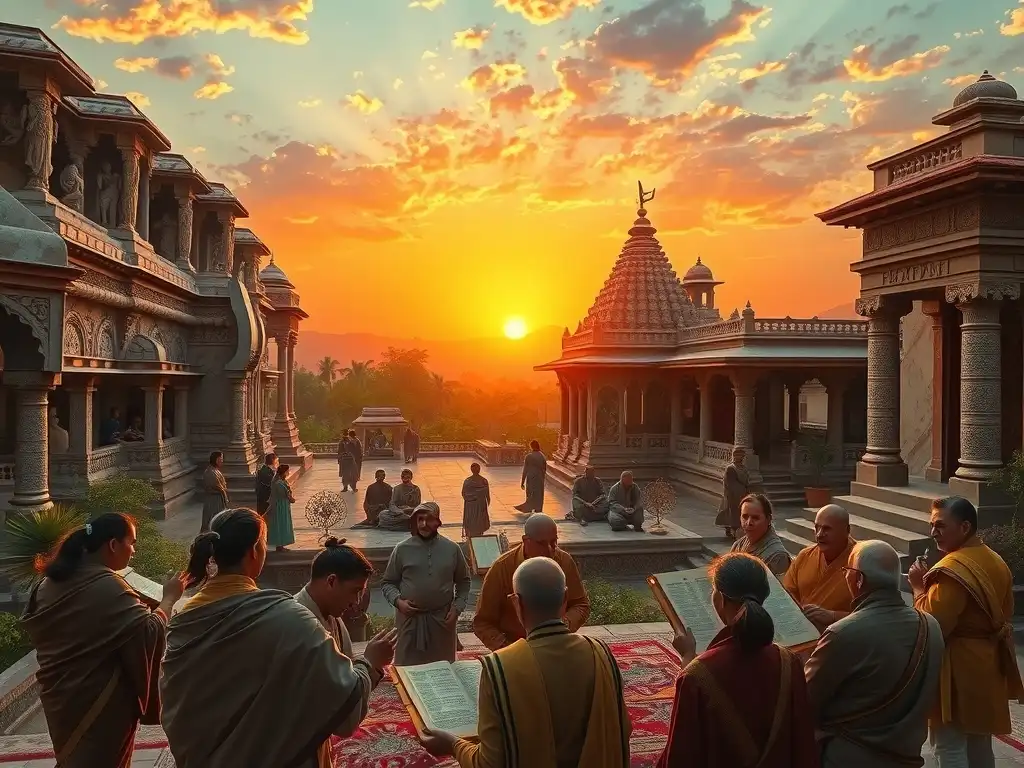
Welcome to Ancient India History, where we embark on a captivating journey through the rich tapestry of ancient Indian civilizations. From the enigmatic Indus Valley to the illustrious Gupta Empire, we delve into the profound contributions and cultural heritage that have shaped the subcontinent.
In our featured article, “The Role of Mythology in Understanding Ancient Indian Civilizations,” we explore how ancient myths and stories are not just tales of the past but crucial keys to unlocking the values, beliefs, and worldviews of these remarkable societies. Join us as we unravel the intricate connections between mythology and history, igniting your curiosity to discover more about the literary treasures that lie beyond the epics.
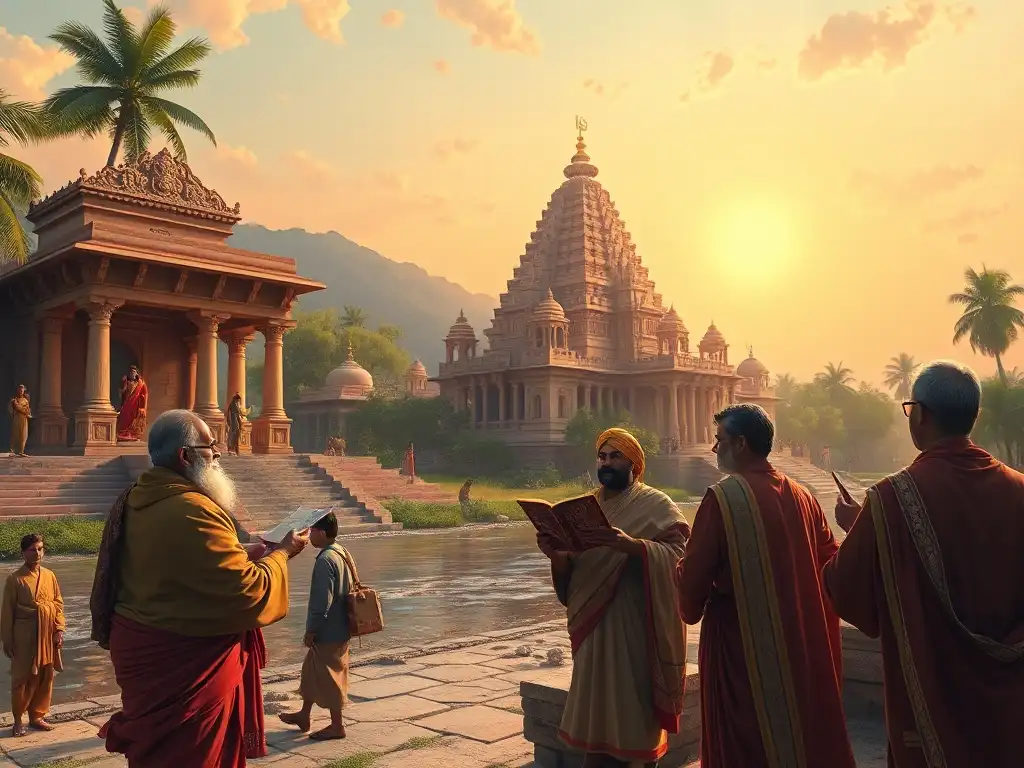
Introduction to Mythology in Ancient Indian History
Mythology holds a pivotal role in unraveling the complexities of ancient Indian civilizations, serving as a window into their beliefs, values, and social structures. The intricate weave of mythological narratives in the Puranas and Itihasas not only provides rich stories but also reflects the philosophical and moral frameworks that governed ancient Indian life.
By exploring mythology in ancient Indian history, we gain insights into the cultural identity, spiritual ethos, and historical context of various civilizations, from the enigmatic Indus Valley to the flourishing Gupta Empire. This exploration is vital for understanding how mythology influenced not only religious practices but also everyday life, governance, and social hierarchies in ancient India.
The Influence of Mythology on Ancient Indian Societies
Cultural Reflections in Puranas and Itihasas
The Puranas and Itihasas, including the Mahabharata and Ramayana, are significant texts that encapsulate the essence of ancient Indian mythology. These texts are not merely stories; they are repositories of cultural norms, rituals, and ethical dilemmas faced by society.
- Moral Lessons: The tales often convey profound moral lessons through the actions and choices of deities and heroes.
- Social Structure: They reflect the societal hierarchy and the roles assigned to different classes, showcasing the dynamics between them.
- Ritual Practices: Many rituals and festivals in contemporary India find their roots in these ancient narratives, revealing a continuity of cultural practices over millennia.
Through the lens of mythology, we can discern how these narratives shaped the identity and values of communities, influencing everything from art and literature to governance and law.
Mythological Narratives and Historical Context
Understanding the historical context of mythological narratives allows us to appreciate their significance in ancient Indian history.
- Symbolism and Allegory: Many mythological figures symbolize significant historical events or societal challenges, making them relevant to the time periods they represent.
- Integration with History: Some narratives intertwine with historical facts, blurring the lines between myth and reality. For instance, the epic battles in the Mahabharata can be seen as reflections of real conflicts that shaped the sociopolitical landscape of ancient India.
- Preservation of Knowledge: Mythology served as a means of preserving knowledge about the cosmos, nature, and human experiences, often encoded in allegorical tales that were passed down through generations.
Delving into the mythology of ancient India not only enriches our understanding of its civilizations but also highlights the interconnectedness of culture, history, and spirituality that continues to resonate in modern times.
Key Themes in Ancient Indian Mythology
Ancient Indian mythology encompasses a rich tapestry of narratives that extend beyond mere storytelling; they provide insight into the values, beliefs, and socio-political structures of the civilizations that produced them. Some of the key themes include creation and cosmology, the nature of divinity, and the relationship between humanity and the divine. These themes serve as the foundation for understanding how ancient societies viewed their existence, the universe, and their role within it.
The narratives often reflect the duality of existence—the interplay between good and evil, creation and destruction, order and chaos. This duality is embodied in the stories of deities like Vishnu, who preserves the universe, and Shiva, who represents destruction. Such themes not only highlight the philosophical thinking of the time but also reveal how myths were instrumental in shaping the moral and ethical frameworks of ancient Indian communities.
Creation Myths and Cosmology
Creation myths in ancient Indian mythology offer profound insights into how early civilizations conceptualized the universe. The Vedic texts, for instance, introduce the idea of Srishti, or creation, through various narratives that depict the emergence of the cosmos from the primordial chaos. The Nasadiya Sukta from the Rigveda presents a philosophical inquiry into the origins of the universe, questioning the very nature of creation and existence.
In contrast, the Puranas provide more elaborate accounts, such as the story of Vishnu's cosmic egg, which emphasizes the cyclical nature of creation and destruction. This cyclical cosmology not only reflects the ancient Indian understanding of time as non-linear but also illustrates the continuous process of rebirth and regeneration in the universe.
Deities and Their Cultural Significance
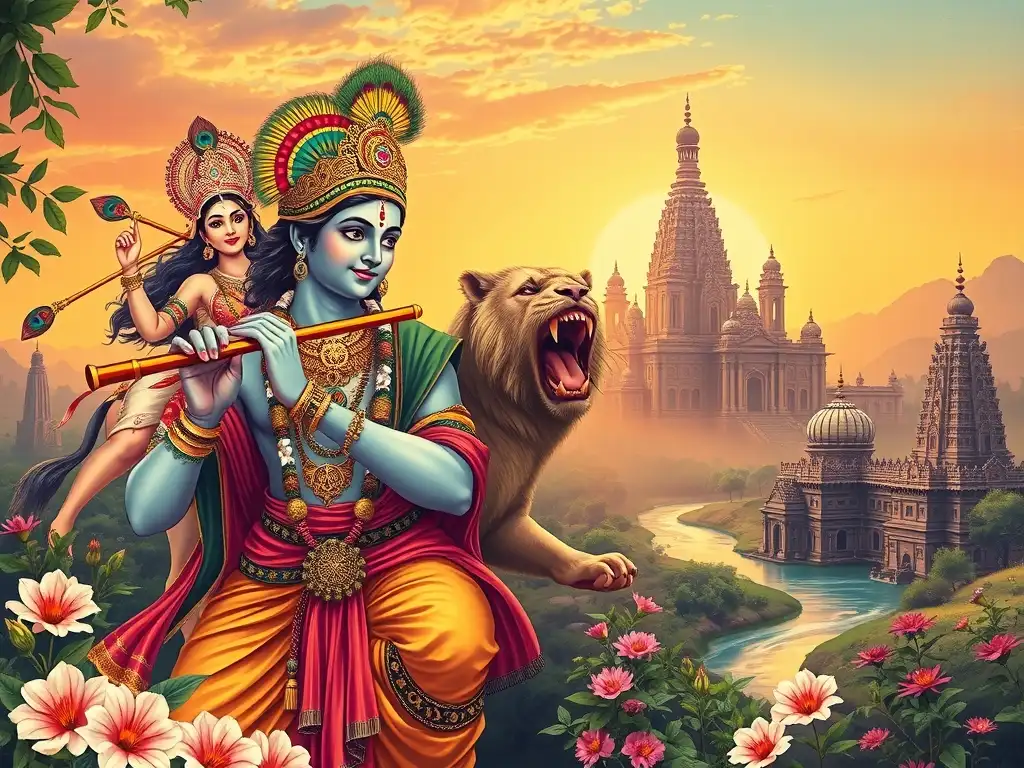
The deities of ancient Indian mythology are more than mere figures of worship; they embody the cultural ethos and values of the societies that revered them. Each deity represents specific aspects of life, nature, and human experience. For example, Ganesha, the remover of obstacles, symbolizes wisdom and new beginnings, while Lakshmi, the goddess of wealth, represents prosperity and abundance.
The worship of these deities often transcended religious practices, influencing art, literature, and societal norms. Temples dedicated to different deities became centers of cultural activity, where rituals and festivals celebrated their significance and fostered community bonds. This interplay of mythology and culture illustrates how deities served as mirrors reflecting the aspirations, fears, and moral dilemmas of ancient Indian civilizations.
Mythology as a Tool for Understanding Ancient Indian Civilizations
Mythology plays a crucial role in understanding the social, political, and cultural dynamics of ancient Indian civilizations. Through the analysis of mythological texts, scholars can glean insights into historical events, governance, and societal values that shaped these civilizations. The narratives often encode lessons about leadership, duty, and righteousness, as seen in the Ramayana and Mahabharata.
Additionally, mythology acts as a lens through which we can explore the collective identity of ancient Indian societies. The shared stories and beliefs fostered a sense of belonging and continuity, helping to unite diverse groups under common cultural narratives.
The social structure of ancient Indian civilizations is intricately linked to mythology. The caste system, for instance, has roots in mythological narratives that delineate the roles and duties of different societal groups. The Purusha Sukta from the Rigveda describes the cosmic being (Purusha) from whose body the four varnas (social classes) emerged, illustrating how mythology was used to justify social hierarchies.
Moreover, the roles of men and women in society were often shaped by mythological archetypes. For instance, the character of Sita from the Ramayana embodies the ideals of virtue and fidelity, which influenced contemporary views on gender roles and expectations in ancient India.
Mythological Festivals and Their Historical Roots
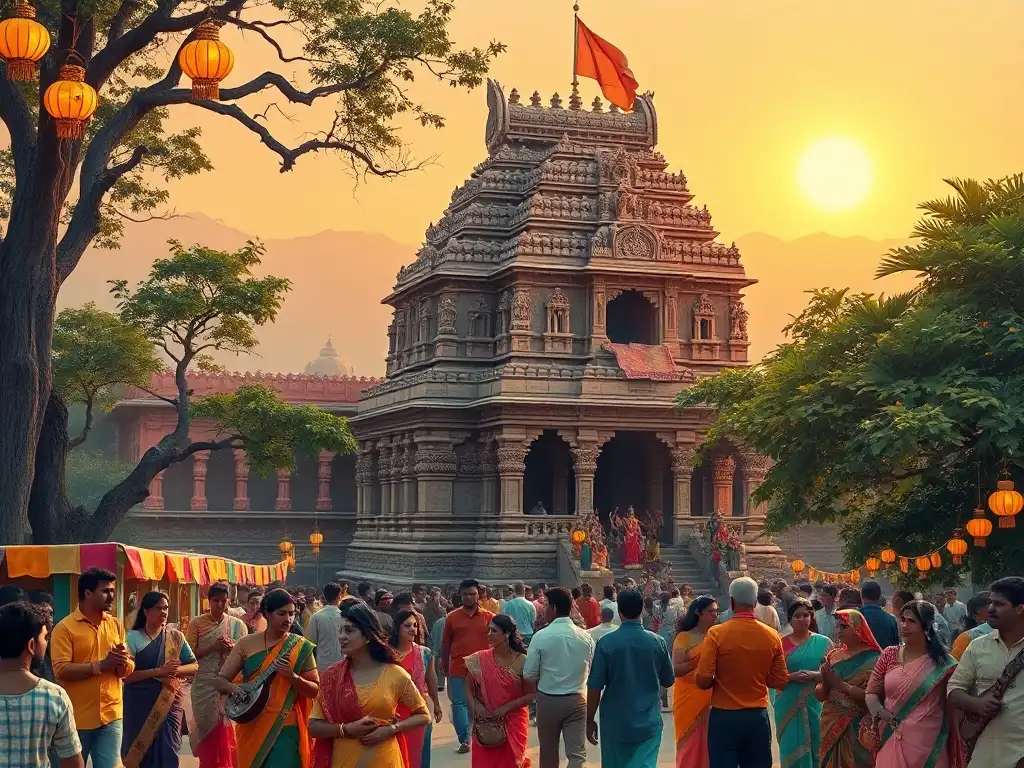
Mythological festivals in ancient India are vibrant celebrations that not only honor deities but also commemorate significant mythological events. These festivals often have deep historical roots, serving as a reminder of the narratives that shaped the civilization's identity. The festival of Diwali, for example, celebrates Lord Rama's return to Ayodhya, marking the triumph of good over evil.
These festivals foster community participation and reinforce cultural traditions, bridging the gap between the past and present. They also serve as an opportunity for the transmission of mythology, ensuring that the stories and lessons of ancient civilizations remain alive in contemporary society. The cyclical nature of these celebrations reflects the ongoing relevance of mythology in understanding and shaping cultural identities.
The Legacy of Mythology in Modern Indian Culture
The legacy of mythology in ancient Indian history is deeply ingrained in contemporary Indian culture, influencing a variety of aspects from daily life to social values. Myths and legends, once primarily oral traditions and texts, have transitioned into modern media, including films, television series, and literature, showcasing the timeless relevance of these narratives.
In modern India, mythological figures such as Lord Rama and Lord Krishna are not just religious icons but also symbols of moral and ethical values. Festivals like Diwali and Janmashtami are celebrated with vigor, drawing directly from these ancient stories. The rituals and customs associated with these celebrations often reflect the moral lessons embedded within the mythological narratives, reinforcing their significance in societal norms and values.
Moreover, mythology serves as a source of inspiration for contemporary Indian artists and writers. From traditional paintings depicting scenes from the Ramayana and Mahabharata to modern retellings and reinterpretations, the influence of these ancient stories is pervasive. This interweaving of myth and modernity highlights the adaptability of these narratives, showcasing their ability to resonate with new generations while preserving their core messages.
Continuation of Mythological Narratives
The continuation of mythological narratives in modern Indian culture can be observed in various forms, particularly through storytelling mediums. Television serials, films, and web series often adapt ancient tales for contemporary audiences, ensuring their relevance. For instance, popular television adaptations of epics like "Ramayana" and "Mahabharata" not only attract viewership but also educate audiences about these essential texts.
In literature, authors such as Devdutt Pattanaik and Amish Tripathi have reimagined mythological stories, blending them with modern themes and contexts. Their works often explore complex characters and moral dilemmas, offering fresh perspectives on traditional narratives. This evolution of storytelling keeps the ancient myths alive while inviting discussions on their implications in today's world.
Furthermore, mythology finds its way into everyday conversations, idioms, and cultural references, illustrating its pervasive presence in the collective consciousness of society. The narratives serve as moral compasses, guiding individuals in their personal and social lives. This ongoing dialogue between ancient myths and contemporary society showcases the dynamic nature of these stories and their ability to adapt to changing contexts.
Influence on Literature and Arts
The influence of mythology on literature and arts in ancient Indian history is profound, shaping not only creative expressions but also philosophical and spiritual discourses. Ancient texts such as the Puranas and Itihasas are foundational to understanding the cultural and societal frameworks of their time. These texts have inspired countless works of art, poetry, and drama throughout history.
In visual arts, mythology has provided rich themes and iconography. Traditional Indian painting styles, such as Tanjore and Pahari, often depict mythological scenes, bringing to life the vibrant stories of gods, heroes, and cosmic battles. Sculptures found in ancient temples also reflect mythological narratives, capturing moments from epics and Puranas in intricate carvings.
Moreover, the influence extends to classical dance forms, where mythology is portrayed through movements and expressions. Dances such as Bharatanatyam and Kathak often narrate mythological stories, allowing performers to embody the characters and convey their emotions. This integration of mythology into the performing arts ensures that these ancient narratives remain alive and relevant, fostering a deeper connection between audiences and the rich cultural heritage of India.
Conclusion: The Enduring Importance of Mythology in Ancient Indian History
The enduring importance of mythology in ancient Indian history cannot be overstated. It serves as a vital lens through which we can understand the values, beliefs, and social structures of ancient civilizations. The narratives encapsulated in texts like the Puranas and Itihasas not only provide insights into historical events but also offer moral and philosophical guidance.
As we explore the legacy of mythology in modern culture, it is clear that these ancient stories continue to shape identity and influence various aspects of life. From literature and arts to festivals and daily practices, the impact of mythology transcends time, demonstrating its adaptability and relevance.
Ultimately, the study of mythology in ancient Indian history enriches our understanding of human experience, illustrating how narratives can bridge the past and present, guiding societies in their quest for meaning and connection. Through this exploration, we can appreciate the profound role mythology plays in crafting the tapestry of ancient Indian civilization and its continuing legacy in contemporary society.
- Introduction to Mythology in Ancient Indian History
- The Influence of Mythology on Ancient Indian Societies
- Key Themes in Ancient Indian Mythology
- Creation Myths and Cosmology
- Deities and Their Cultural Significance
- Mythology as a Tool for Understanding Ancient Indian Civilizations
- Mythology and Social Structure
- Mythological Festivals and Their Historical Roots
- The Legacy of Mythology in Modern Indian Culture
- Conclusion: The Enduring Importance of Mythology in Ancient Indian History
- What is the significance of mythology in ancient Indian history?
- How did mythology influence ancient Indian literature?
- Can you name some major mythological texts from ancient India?
- How did ancient Indian civilizations view their mythological figures?
- What impact does mythology have on modern understanding of ancient Indian civilizations?
Frequently Asked Questions
What is the significance of mythology in ancient Indian history?
Mythology plays a crucial role in understanding cultural beliefs, social structures, and historical narratives of ancient Indian civilizations, providing insights into their values and traditions.
How did mythology influence ancient Indian literature?
Mythology served as a foundational element in ancient Indian literature, inspiring epic tales, poetry, and philosophical texts, which reflect the moral and ethical dilemmas faced by society.
Can you name some major mythological texts from ancient India?
Key mythological texts include the Mahabharata, Ramayana, and various Puranas, which contain rich stories about gods, heroes, and the cosmic order that shaped Indian culture.
How did ancient Indian civilizations view their mythological figures?
Mythological figures were often revered as deities or avatars, representing various aspects of life and nature, and were integral to rituals and religious practices in ancient Indian societies.
What impact does mythology have on modern understanding of ancient Indian civilizations?
Studying mythology provides valuable context for historians and scholars, revealing the interconnections between religion, art, and social dynamics in ancient Indian history, enriching our overall understanding of its civilizations.
Final Reflection: The Enduring Legacy of Mythology in Ancient Indian History
The exploration of mythology in ancient Indian history is not merely an academic pursuit; it is a vital key to understanding the cultural and spiritual fabric of one of the world's oldest civilizations. Today, as we navigate a rapidly changing world, the lessons and narratives embedded in these ancient myths resonate more than ever, offering profound insights into human behavior, societal values, and the quest for meaning.
The stories of gods, heroes, and cosmic battles serve as mirrors reflecting our own struggles and triumphs, reminding us that the past is not a distant memory but a living influence shaping our present.
The impact of mythology on our cultural and social landscape is profound and far-reaching. From literature and art to philosophy and ethics, these ancient tales continue to inspire and inform contemporary thought. They invite us to engage with our heritage and understand the complexities of human existence. As Joseph Campbell once said, Myth is much more than a story; it is a way of understanding the world.
This ongoing dialogue between the past and present underscores the importance of mythology in fostering a sense of identity and continuity within our diverse societies.
As we reflect on the invaluable lessons drawn from the myths of ancient Indian civilizations, I invite you to consider how these narratives can enrich your own life. Take a moment to explore the stories that resonate with you, and think about how they can guide your actions and decisions today. Embrace the wisdom of the past and allow it to illuminate your path forward, fostering a deeper connection to both your heritage and the universal human experience. In doing so, we not only honor our ancestors but also empower ourselves to create a more meaningful future.
Unveil the Mysteries of Ancient Indian Mythology!
Thank you for diving into the fascinating world of ancient Indian civilizations with us! We hope this exploration has enriched your understanding of how mythology shapes and reflects cultural narratives. Now, it's time to take what you've learned and put it into action!
- Dive deeper into mythology resources: Read a primary source text or a contemporary book on ancient Indian myths to expand your perspective.
- Join a discussion group: Connect with fellow enthusiasts on platforms like social media or forums to share insights and interpretations.
- Create a visual representation: Design an infographic or a mind map that captures key themes in ancient Indian mythology to share with your networks.
What aspect of ancient Indian mythology intrigues you the most, and how do you think it influences our understanding of contemporary culture?