
The Puranas as a Source of Ancient Indian Science and Technology


Welcome to Ancient India History, where we embark on a fascinating journey through the rich tapestry of ancient Indian civilizations. Today, we delve into the intriguing world of the Puranas, uncovering their profound insights into ancient Indian science and technology. What secrets do these ancient texts hold that can illuminate our understanding of historical innovations?
Join us as we explore how the Puranas serve not only as a literary treasure but also as a vital source of knowledge, revealing the remarkable contributions of our ancestors. Prepare to be captivated as we peel back the layers of time and discover the brilliance of ancient Indian thought!
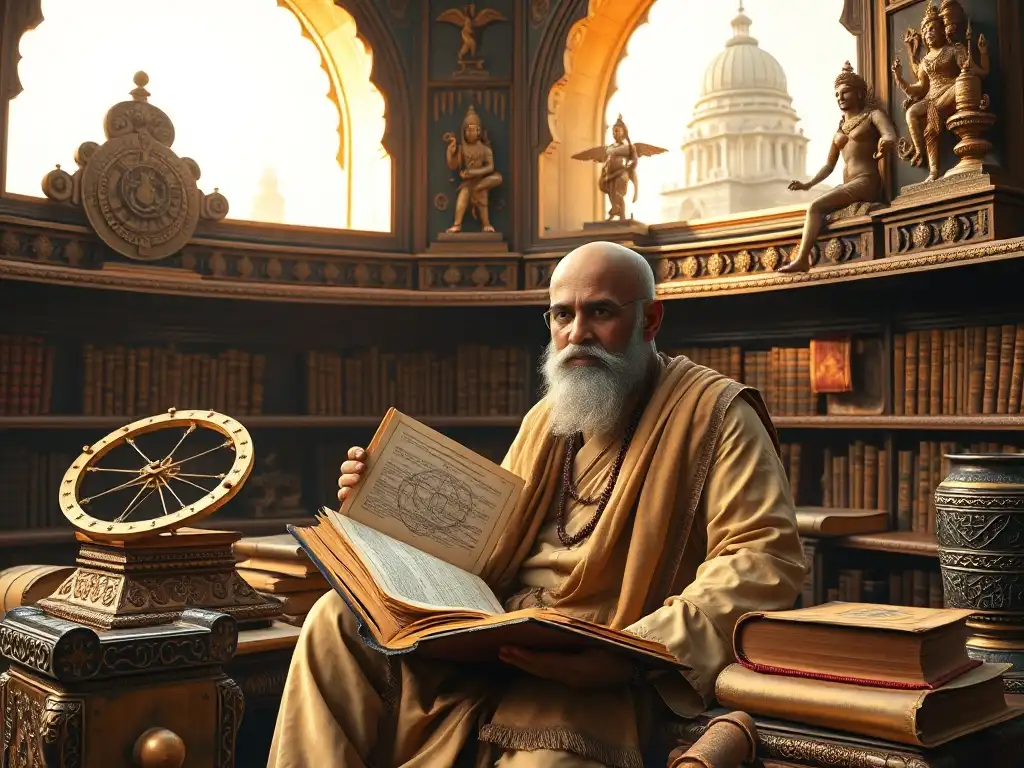
Exploring the rich tapestry of ancient Indian civilization reveals a profound connection between literature and the advancements in science and technology. The Puranas, a genre of ancient Indian texts, serve as a vital source of knowledge that encapsulates not only the myths and legends of the time but also significant insights into the scientific and technological prowess of ancient India.
Through the lens of the Puranas, we can uncover the intricate relationship between culture and innovation, shedding light on how these texts contributed to the development of various fields, including astronomy, mathematics, medicine, and architecture. This article delves into the significance of the Puranas as a reservoir of ancient Indian science and technology, exploring their historical context, timeline, and their enduring influence on civilization.
Introduction to Puranas and Their Significance
Definition of Puranas in Ancient Indian Literature
The Puranas, derived from the Sanskrit word "purāṇa" meaning "ancient," are a genre of ancient texts that encompass mythological narratives, cosmology, sacred geography, and the genealogies of gods, heroes, and sages. Traditionally, they are classified into 18 major Puranas (Mahāpurāṇas) and numerous minor ones (Upapurāṇas).
These texts, composed between the 3rd and 10th centuries CE, serve not only as spiritual guides but also as a repository of knowledge, reflecting the cultural and scientific ethos of ancient India. The Puranas are crucial for understanding the philosophical and ethical dimensions of ancient society, offering insights into the technology, practices, and advancements of the time.
Overview of Ancient Indian Science and Technology
Ancient Indian civilization was characterized by remarkable achievements in various fields of science and technology. From the sophisticated urban planning of the Indus Valley Civilization to the astronomical insights of Aryabhata, ancient India laid the groundwork for numerous disciplines. Notable advancements include:
- Mathematics: The concept of zero, decimal system, and contributions to algebra.
- Astronomy: Detailed observations of celestial bodies and calculations of planetary movements.
- Medicine: Development of Ayurveda, surgical techniques, and herbal remedies.
- Architecture: Engineering marvels such as temples, forts, and urban layouts.
These achievements highlight the advanced understanding of natural phenomena and the practical application of scientific principles in daily life, all of which are echoed within the narratives of the Puranas.
Historical Context of the Puranas
Timeline of Puranic Literature
The Puranas emerged during a transformative period in Indian history, corresponding with significant shifts in religious, social, and political landscapes. The timeline of Puranic literature can be outlined as follows:
- Early Composition (3rd to 5th centuries CE): Initial texts were created, reflecting the transition from Vedic traditions to more accessible spiritual narratives.
- Classical Development (6th to 10th centuries CE): The Puranas flourished, with extensive commentaries and expansions, becoming central to Hindu worship and education.
- Medieval Era (10th century onwards): The Puranas continued to influence culture, integrating local traditions and practices, while also being used as tools for political legitimization.
Influence of the Puranas on Ancient Indian Civilization
The Puranas played a pivotal role in shaping ancient Indian civilization, acting as a bridge between mythology and reality. Their influence can be observed in various aspects:
- Cultural Identity: The narratives fostered a sense of community and shared heritage among diverse groups within the subcontinent.
- Scientific Inquiry: The texts encouraged exploration and understanding of the natural world, inspiring generations of scholars and practitioners.
- Religious Practices: The Puranas provided guidelines for rituals and ethical living, embedding scientific knowledge within spiritual contexts.
Through their multifaceted contributions, the Puranas remain an invaluable source for understanding the interplay between ancient Indian science, technology, and culture, highlighting their enduring legacy in the annals of history.
The Puranas, a genre of ancient Indian literature, offer a treasure trove of information on various scientific and technological advancements of their time. These texts, which blend mythology, history, and cosmology, provide insights into key themes that reflect the understanding of science and technology in ancient India. The Puranas encompass themes such as astronomy, mathematics, medicine, and engineering, showcasing the sophisticated knowledge of ancient Indian scholars. Each theme is interwoven with narratives that not only impart knowledge but also emphasize the cultural and spiritual significance of science and technology in everyday life.
Astronomy and Cosmology in the Puranas
The Puranas reveal a profound understanding of astronomy and cosmology, illustrating the ancient Indians' ability to observe celestial phenomena and their attempts to explain the universe. Texts like the Vishnu Purana and the Bhagavata Purana describe the movements of celestial bodies and elaborate on the concept of time, including calculations of the yugas (epochs), which demonstrate an advanced grasp of cyclical time.
Ancient Indian astronomers devised sophisticated models to predict astronomical events, such as eclipses and planetary movements. The Puranas also contain details about the zodiac and the significance of various constellations, indicating that ancient Indians were not only observers but also theorists who sought to understand their place in the cosmos. This knowledge laid the groundwork for later developments in astronomy and astrology, influencing both scientific thought and spiritual beliefs.
Mathematics and Geometry in Ancient Indian Texts
Mathematics and geometry are crucial themes within the Puranas, underscoring the mathematical prowess of ancient Indian civilization. The texts often reference the use of numbers in calculations related to rituals, architecture, and astronomy. The Sulba Sutras, which are part of the larger Vedic literature but often associated with the Puranas, detail geometric principles used in constructing altars and other sacred structures.
The Puranas also hint at the early understanding of concepts such as zero, infinity, and the decimal system, which were pivotal in advancing mathematical thought. The systematic approach to problem-solving and calculations found in these ancient texts indicates a rich mathematical tradition that influenced later scholars and mathematicians, both in India and beyond.
Medical Science and Ayurveda in the Puranas
The Puranas serve as an important repository of knowledge on medical science and Ayurveda, the traditional system of medicine that originated in ancient India. Texts like the Charaka Samhita and Sushruta Samhita, while primarily classified under Ayurveda, are often referenced in the Puranas, highlighting the interconnectedness of medical practices and spiritual beliefs.
The Puranas describe various herbs, their medicinal properties, and the significance of certain rituals in healing practices. They also emphasize the holistic approach of Ayurveda, which considers physical, mental, and spiritual health. This comprehensive understanding of medicine, along with surgical techniques and preventive care, illustrates the advanced state of medical knowledge in ancient India and its enduring influence on modern practices.
Technological Innovations Mentioned in the Puranas
The Puranas document a variety of technological innovations that reflect the ingenuity of ancient Indian civilization. These innovations encompass engineering feats, water management techniques, and advancements in metallurgy, providing a glimpse into the practical applications of scientific knowledge in daily life.
Ancient Engineering and Architecture
The architectural marvels described in the Puranas highlight the sophisticated engineering skills of ancient Indians. Temples, forts, and cities were constructed with a keen understanding of materials, structural integrity, and aesthetics. The texts not only narrate the construction of grand structures but also detail the principles of design and urban planning.
For example, the construction of the city of Dvaraka is depicted in the Bhagavata Purana, showcasing advanced techniques in urban layout and architectural planning. The use of specific measurements, proportions, and orientations in these constructions reflects a deep understanding of both engineering principles and cosmological beliefs, intertwining the physical and spiritual realms.
Water Management and Irrigation Systems
Water management is another significant theme in the Puranas, illustrating the importance of agriculture and sustainability in ancient Indian society. The texts describe various irrigation systems, such as canals and reservoirs, that were essential for agricultural productivity.
For instance, the Puranas detail the construction of large water tanks and elaborate irrigation systems that facilitated farming in arid regions. These innovations not only supported economic stability but also demonstrated a sophisticated understanding of hydrology and environmental management, which is vital for sustaining agricultural societies.
Metallurgy and Material Science in the Puranas
The Puranas also delve into the realm of metallurgy and material science, showcasing the advanced techniques employed by ancient Indian metalworkers. These texts describe the crafting of various metals, including gold, silver, copper, and iron, and highlight the methods of extraction and refinement.
Particularly notable is the mention of “Ashtadhatu,” an eight-metal alloy used in sacred artifacts and sculptures. The Puranas emphasize the significance of metallurgy in both religious and practical applications, showcasing the artisans' skill in creating tools, weapons, and art. The knowledge of alloys and metallurgical processes laid the groundwork for subsequent advancements in material science, influencing various fields and cultures throughout history.
The Puranas stand as a testament to the rich scientific and technological heritage of ancient India. By exploring themes of astronomy, mathematics, medicine, and engineering, these texts not only enrich our understanding of the past but also highlight the continuous legacy of Indian science and technology.
Case Studies of Scientific Concepts in the Puranas
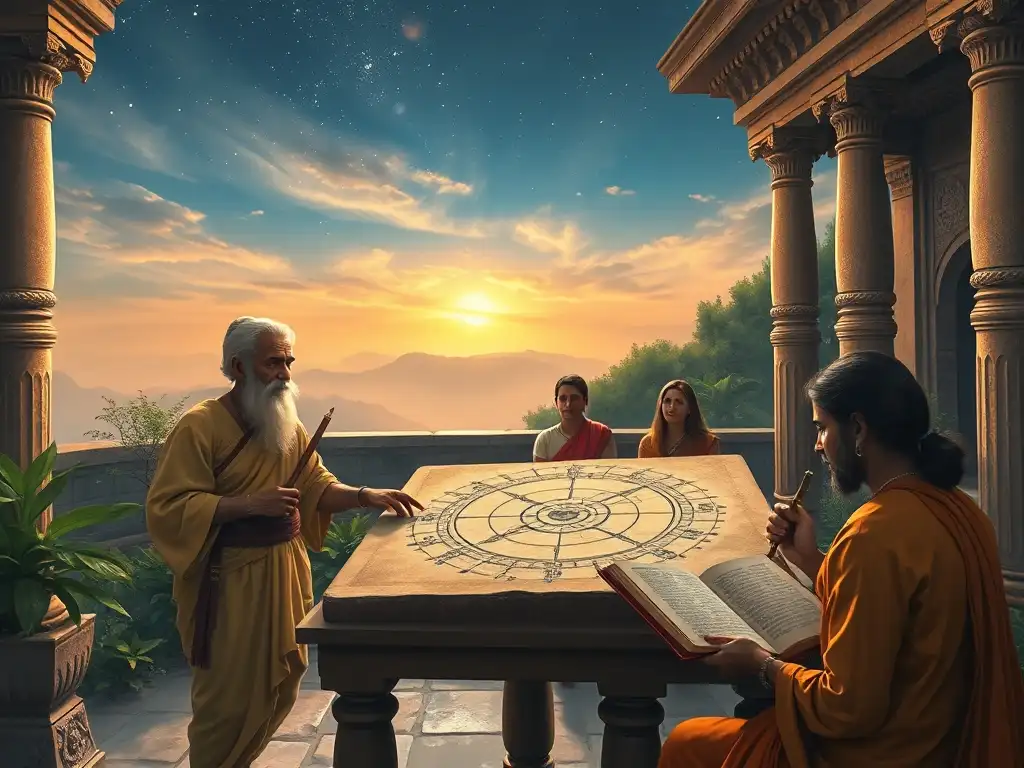
The Puranas, revered ancient texts in Indian literature, offer a rich tapestry of scientific concepts that reflect the advanced understanding of the natural world by ancient Indian scholars. By examining specific case studies within these texts, we can glean insights into their applications of mathematics, astronomy, agriculture, and other scientific fields. These concepts not only demonstrate the intellectual depth of the civilization but also highlight the Puranas' role in shaping ancient Indian science and technology.
The Concept of Time and Calendrical Systems
The Puranas present a sophisticated understanding of time that encompasses cosmic cycles and earthly calendars. For instance, the concept of Yugas — the four epochs of time (Satya, Treta, Dvapara, and Kali) — illustrates a cyclical view of history, suggesting an awareness of long-term temporal changes. Each Yuga is associated with specific characteristics and moral declines, reflecting the interplay between time and human behavior.
Additionally, texts like the Bhagavata Purana and Vishnu Purana describe various calendars used for religious and agricultural purposes. These calendars were meticulously aligned with lunar and solar cycles, facilitating agricultural planning and religious observances. The Panchaanga, an ancient Indian almanac still in use, draws its origins from these Puranic descriptions, demonstrating their lasting influence on contemporary calendrical practices.
The Description of Celestial Bodies and their Movements
The astronomical insights found in the Puranas are noteworthy, particularly in their descriptions of celestial bodies and their movements. The Surya Siddhanta, often referenced within the Puranic texts, outlines principles of astronomy that include the calculation of planetary positions and eclipses.
For example, the Markandeya Purana contains narratives that describe the movements of the sun, moon, and planets, portraying a detailed understanding of celestial mechanics. The Puranas also mention the Nakshatras (lunar mansions), which were crucial for astrological predictions and agricultural activities. This intricate knowledge of astronomy not only illustrates a scientific approach to observing the heavens but also underscores the cultural significance of celestial events in ancient Indian society.
Innovations in Agriculture and Food Production
Agricultural practices described in the Puranas reflect advanced techniques that contributed to food security and societal development. The Agricultural Samhitas within various Puranas detail methods for crop cultivation, irrigation systems, and the seasonal cycles essential for farming.
One notable example is the description of crop rotation and the use of fertilizers, which highlights an understanding of soil health and sustainability. The Bhagavata Purana also extols the virtues of specific crops, linking them to both nutritional value and religious significance, indicating an integration of science with cultural practices. Such innovations in agriculture were pivotal in supporting the growing populations of ancient Indian civilizations and laid the groundwork for future agricultural advancements.
Comparative Analysis of Puranas and Other Ancient Texts
A comparative analysis of the Puranas with other ancient texts reveals both shared and unique scientific concepts. By examining these similarities and distinctions, we can better appreciate the contributions of the Puranas to the broader tapestry of ancient knowledge.
Similarities with Other Ancient Civilizations
The scientific ideas presented in the Puranas resonate with those found in other ancient civilizations, such as Mesopotamia and Greece. For instance, the Puranic descriptions of celestial movements share similarities with the astronomical records of Babylonian texts. Both cultures recognized the significance of celestial observation for agricultural and religious purposes.
Moreover, the concept of time as a cyclical phenomenon is echoed in the philosophies of the Mayans and Greeks, suggesting a common understanding of temporal dynamics across cultures. Such parallels indicate a shared intellectual heritage, where knowledge may have traversed cultural boundaries, influencing various civilizations.
Unique Contributions of Puranas to Science and Technology
While there are similarities, the Puranas also offer unique contributions to the realm of science and technology. Their holistic approach to knowledge, integrating spirituality with empirical observation, sets them apart from other ancient texts. The Puranas intertwine scientific inquiry with mythological narratives, creating a framework where science serves both practical and spiritual needs.
Additionally, the detailed accounts of agriculture, architecture, and urban planning in the Puranas provide insights into the advanced engineering and organizational capabilities of ancient Indian society. For example, descriptions of city planning and water management systems reveal a level of sophistication that is distinctive to the Indian context.
The Puranas serve as a vital source of ancient Indian science and technology, showcasing both shared wisdom and unique insights that have contributed to the understanding of the natural world and human existence. Their rich narratives not only preserve scientific knowledge but also encapsulate the values and aspirations of ancient Indian civilization.
Conclusion: The Legacy of Puranas in Ancient Indian Science and Technology
The Puranas stand as monumental texts that not only provide a glimpse into the spiritual and mythological fabric of ancient Indian civilization but also encapsulate a wealth of knowledge pertaining to science and technology. These scriptures have significantly influenced various fields, including astronomy, medicine, architecture, and metallurgy. The intricate narratives and teachings found within the Puranas highlight the advanced understanding that ancient Indian scholars had of the natural world and its phenomena. Their legacy continues to resonate, offering insights into the innovative spirit of a civilization that thrived long before modern scientific methodologies were established.
The preservation of this knowledge through the Puranas underscores their importance in the continuum of Indian intellectual tradition. As both historical documents and repositories of scientific thought, the Puranas serve as a bridge connecting the past with the present, inviting contemporary scholars and enthusiasts to explore the profound contributions of ancient Indian civilization to the global scientific landscape.
Impact on Modern Scientific Thought
The impact of the Puranas on modern scientific thought is profound and multifaceted. Many principles outlined in these texts have been revisited by contemporary researchers seeking to validate ancient wisdom through modern techniques. For instance, concepts of cyclic time and the universe's formation presented in the Puranas have found parallels in modern cosmological theories, such as the Big Bang and the cyclical nature of the universe.
Moreover, ancient practices of medicine described in the Puranas, particularly Ayurveda, continue to influence holistic health practices today. The meticulous attention to herbal remedies, surgical procedures, and wellness philosophies reflects a sophisticated understanding of human biology and ecology that is increasingly recognized in modern health sciences. This enduring relevance showcases the foresight of ancient Indian scholars and emphasizes the importance of integrating historical perspectives into contemporary scientific discourse.
Preservation and Relevance of Puranic Knowledge Today
The preservation of Puranic knowledge has been facilitated through various means, including oral traditions, manuscript preservation, and modern translations. Institutions and scholars dedicated to the study of ancient texts play a crucial role in maintaining the integrity of this knowledge. Additionally, the proliferation of digital resources has made Puranic literature more accessible than ever before, allowing for broader engagement with these foundational texts.
Today, the relevance of Puranic knowledge is evident in various spheres, including education, sustainable practices, and environmental awareness. Many contemporary movements advocating for sustainability and eco-friendly practices draw inspiration from the ecological principles embedded in Puranic teachings. The emphasis on harmony with nature and respect for all living beings serves as a guiding philosophy for modern environmentalism, making ancient wisdom increasingly pertinent in today's world.
References and Further Reading on Puranas and Ancient Indian Science
Recommended Texts for In-Depth Study
- "The Puranas: A Historical Overview": – This text offers a comprehensive analysis of the historical context and significance of the Puranas in ancient Indian society.
- "Ancient Indian Science and Technology: A Historical Perspective": – A detailed examination of the scientific principles outlined in various texts, including the Puranas.
- "Ayurveda and the Puranas" – This book explores the connections between the traditional medical practices described in the Puranas and their applications in modern medicine.
Online Resources for Exploring Puranic Literature
- Sacred Texts Archive: A collection of translations and original texts of various Puranas, providing easy access for researchers and enthusiasts.
- Digital Library of India: Offers a vast repository of ancient Indian texts, including manuscripts of the Puranas.
- Indology.org: A forum for scholars of Indian studies, featuring discussions and resources related to the Puranas and their scientific implications.
The insights gleaned from these resources can enhance understanding and appreciation of the intricate relationship between the Puranas and ancient Indian science and technology.
- Introduction to Puranas and Their Significance
- Historical Context of the Puranas
- Key Themes in the Puranas Related to Science and Technology
- Technological Innovations Mentioned in the Puranas
- Case Studies of Scientific Concepts in the Puranas
- Comparative Analysis of Puranas and Other Ancient Texts
- Conclusion: The Legacy of Puranas in Ancient Indian Science and Technology
- References and Further Reading on Puranas and Ancient Indian Science
- What are the Puranas in the context of ancient Indian history?
- How do the Puranas contribute to our understanding of ancient Indian science and technology?
- Can you name some scientific concepts found in the Puranas?
- How were the Puranas preserved over time?
- Why are the Puranas significant for studying ancient Indian civilization?
Frequently Asked Questions
What are the Puranas in the context of ancient Indian history?
The Puranas are a genre of ancient Indian texts that provide mythological, historical, and cultural information, playing a crucial role in understanding ancient Indian civilization.
How do the Puranas contribute to our understanding of ancient Indian science and technology?
The Puranas contain valuable insights into ancient Indian science and technology, documenting advancements in astronomy, mathematics, and medicine that reflect the knowledge of the time.
Can you name some scientific concepts found in the Puranas?
The Puranas discuss various scientific concepts, such as theories of time, cosmology, and medicinal practices, showcasing the sophisticated understanding of these subjects in ancient India.
How were the Puranas preserved over time?
The Puranas were preserved through oral traditions and later in written form, ensuring that ancient knowledge was passed down through generations, despite changes in society and culture.
Why are the Puranas significant for studying ancient Indian civilization?
The Puranas are significant because they provide a comprehensive view of ancient Indian life, including cultural practices, religious beliefs, and technological advancements, making them essential for historical research.
Final Reflection: The Puranas as a Gateway to Ancient Wisdom
The Puranas serve as a profound testament to the intricate relationship between ancient Indian science and technology, revealing insights that resonate powerfully in today's world. In an era where we often overlook the wisdom of our ancestors, the Puranas remind us of the advanced understanding of natural phenomena, engineering, and cosmology that existed long before modern science took shape. Their teachings are not merely relics of the past; they are a call to recognize the depth of knowledge that has shaped our civilization.
The influence of the Puranas extends beyond mere historical significance; they continue to inspire contemporary discourse on sustainability, ethics, and innovation in science and technology. As we navigate the complexities of modern life, the principles embedded within these ancient texts encourage us to seek harmony with nature and to innovate responsibly. Ancient wisdom is not a thing of the past; it is a guide for the future.
This quote encapsulates the enduring relevance of the Puranas, urging us to draw from their teachings as we forge ahead.
As you reflect on the insights gleaned from the Puranas, consider how you can integrate their wisdom into your own life. Embrace the lessons of sustainability, balance, and respect for knowledge, and let them guide your actions and decisions. The journey of understanding ancient Indian science and technology is not just an academic pursuit; it is an invitation to cultivate a deeper connection with our heritage and to apply that knowledge in ways that benefit our communities and the world at large.
Unveil the Wonders of Ancient Indian Science!
Thank you for taking the time to explore the fascinating world of the Puranas! By delving into this ancient text, you've uncovered invaluable insights into how science and technology shaped the history of India. Now, let’s bring this knowledge to life with some exciting next steps:
- Dive deeper into the Puranas: Select a specific text that captivates you and investigate its scientific contributions in greater detail!
- Share your findings: Engage in discussions about what you’ve discovered with friends or online communities—help spread the wisdom of ancient science!
- Implement a technique or principle: Reflect on how ancient innovations can inspire modern solutions in your daily life or career.
What aspect of ancient Indian science excites you the most, and how do you envision it influencing today's advancements?