
The Philosophical Significance of Aesthetics in Indian Art and Culture

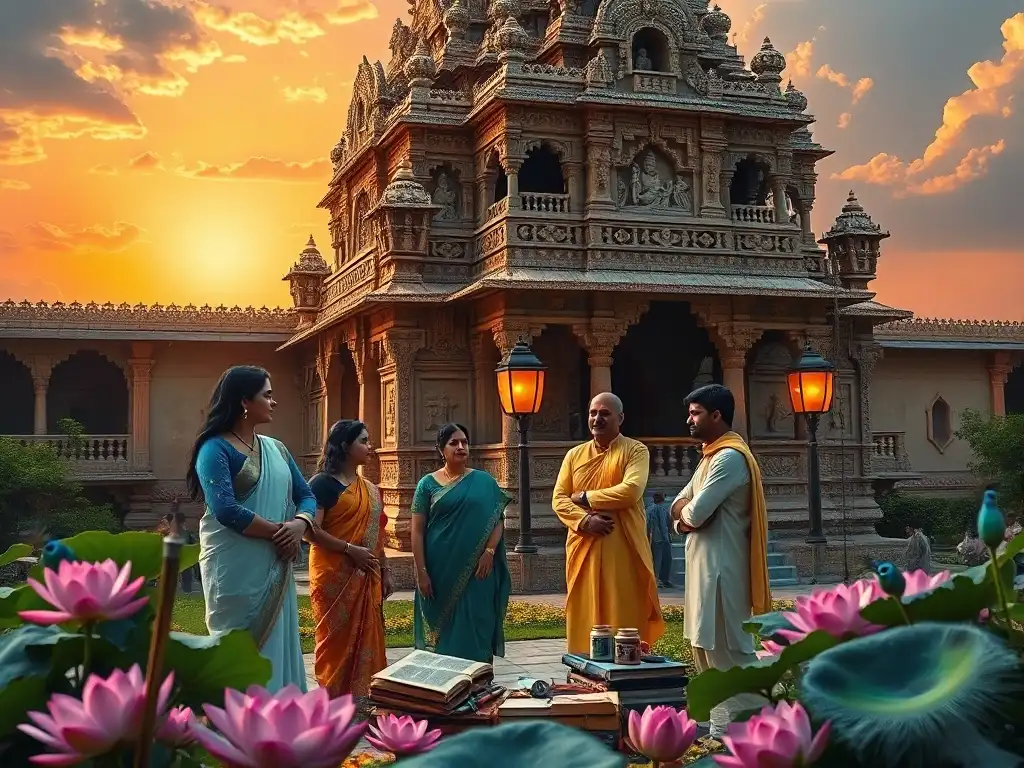
Welcome to Ancient India History, where we embark on a captivating journey through the rich tapestry of India's past. Here, we delve into the philosophical significance of Indian art, unraveling the profound connections between aesthetics and cultural expression in ancient civilizations. As you explore the intricate layers of meaning and beauty that define Indian art, prepare to discover how these artistic forms reflect the very essence of philosophical thought. Join us in this exploration, and let your curiosity guide you deeper into the vibrant world of ancient Indian culture!
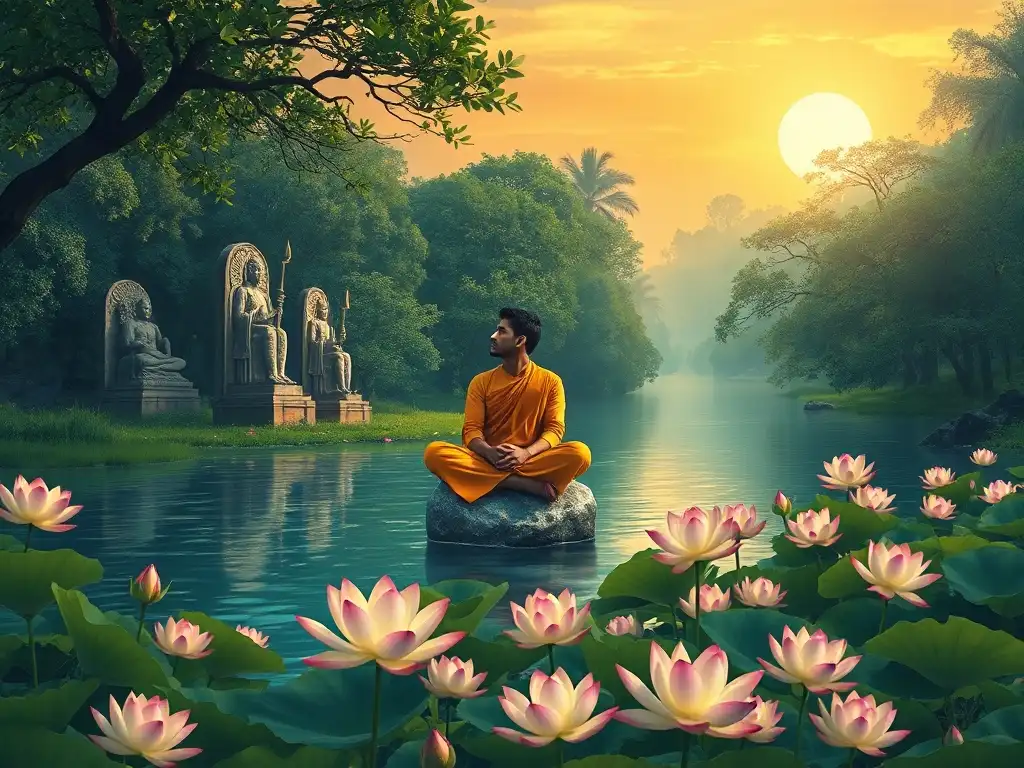
Exploring the philosophical significance of aesthetics in Indian art and culture unveils a profound understanding of how these elements intertwine to shape the spiritual and intellectual landscape of ancient India. From the intricate sculptures of the Indus Valley Civilization to the grand frescoes of the Gupta Empire, Indian art is not merely a visual representation but a vehicle for philosophical expression.
This article delves into the complexities of aesthetic principles that have pervaded Indian culture, revealing how they reflect the underlying philosophical tenets that guide the understanding of beauty, form, and meaning. By examining the historical context of Indian art, we uncover the evolution of these aesthetic ideals and their enduring influence on contemporary interpretations of art and culture.
Introduction to Indian Art and Philosophy
Indian art is deeply rooted in the philosophical traditions that emerged over millennia. The aesthetic experiences in art are often intertwined with spiritual and metaphysical beliefs, reflecting diverse philosophical doctrines such as Vedanta, Buddhism, and Jainism. The interplay between aesthetics and philosophy in Indian culture can be seen through:
- Sacred Symbolism: Many art forms embody religious narratives, where each motif conveys deeper philosophical meanings.
- Emotional Resonance: Art aims to evoke specific emotional states (rasa), which are central to Indian aesthetic theory.
- Unity of Form and Content: Art is considered a means to transcend the mundane, where the representation is as significant as the underlying philosophy.
Overview of Aesthetic Principles in Indian Culture
The aesthetic principles in Indian culture are encapsulated in various texts, notably the Natya Shastra and Dhvanyaloka. Key concepts include:
- Rasa (Flavor): The emotional essence or mood conveyed by a piece of art. It is categorized into nine primary rasas, including Shanta (peace), Bhayanaka (fear), and Karuna (compassion).
- Sadharanikaran: The process of universalizing individual experiences, allowing the audience to connect with the art on a personal level.
- Abhinaya (Expression): The art of conveying emotions through gestural and verbal communication, particularly prominent in classical dance forms.
Importance of Philosophy in Understanding Art
Understanding the philosophical significance of Indian art requires an appreciation of how these aesthetic principles reflect the cultural ethos. Philosophy provides the framework through which art is interpreted, revealing:
- Spiritual Dimensions: Art serves as a medium for spiritual exploration and enlightenment.
- Cultural Narratives: It encodes historical and mythological tales, offering insights into societal values and beliefs.
- Ethical Reflections: Art often questions moral dilemmas and human experiences, prompting philosophical inquiry.
Historical Context of Indian Art
The historical evolution of Indian art is marked by diverse influences, ranging from indigenous practices to foreign interactions. Each period brought unique styles and philosophies, contributing to a rich tapestry of artistic expression.
Evolution of Art Forms in Ancient India
The journey of Indian art can be traced through notable periods:
- Indus Valley Civilization: Characterized by intricate seals and figurines that hint at ritualistic and aesthetic sensibilities.
- Maurya and Post-Maurya Periods: The emergence of monumental sculptures and stupas, with a focus on Buddhist themes.
- Gupta Empire: Known for its classical art forms, including exquisite temple architecture and fresco painting that encapsulated the height of aesthetic philosophy.
This historical overview provides a foundation for understanding the philosophical significance of Indian art, illustrating how the evolution of artistic forms is inextricably linked to the cultural and philosophical currents of the time.
The philosophical significance of aesthetics in Indian art is deeply intertwined with various key concepts that have evolved over centuries. Central to these ideas is the understanding that art is not merely an expression of beauty but a means to convey deeper philosophical and spiritual truths. The aesthetic experience in Indian art is often seen as a pathway to realization and enlightenment, wherein the viewer transcends the mundane to connect with the divine.
One of the foundational concepts is Dharma, which refers to the moral and ethical obligations individuals have within the cosmos. Art, in this context, serves as a reflection of these duties and values, making it essential for both personal and societal harmony. Additionally, the Rasa Theory, which postulates that art evokes specific emotional responses, plays a vital role in how art is perceived and appreciated. Each rasa corresponds to a particular emotion, allowing artists to create works that resonate deeply with viewers on an emotional and spiritual level.
The Role of Dharma in Art Creation
Dharma, as a guiding principle in Indian philosophy, significantly influences the creation and interpretation of art. Artists are often expected to adhere to dharmic principles, ensuring that their work not only embodies aesthetic qualities but also serves a higher purpose within society. This integration of dharma into art creation is seen in various forms, such as temple sculptures, paintings, and dance performances, which often depict stories from epics like the Ramayana and Mahabharata.
In this context, art becomes a medium for moral instruction and cultural preservation. By embodying dharma, artworks serve to educate viewers about ethical behavior, societal responsibilities, and the importance of righteousness. Thus, the role of dharma in art creation transcends mere aesthetics, positioning art as a vital component of cultural and spiritual education within Indian civilization.
Rasa Theory: Emotional Experience in Art
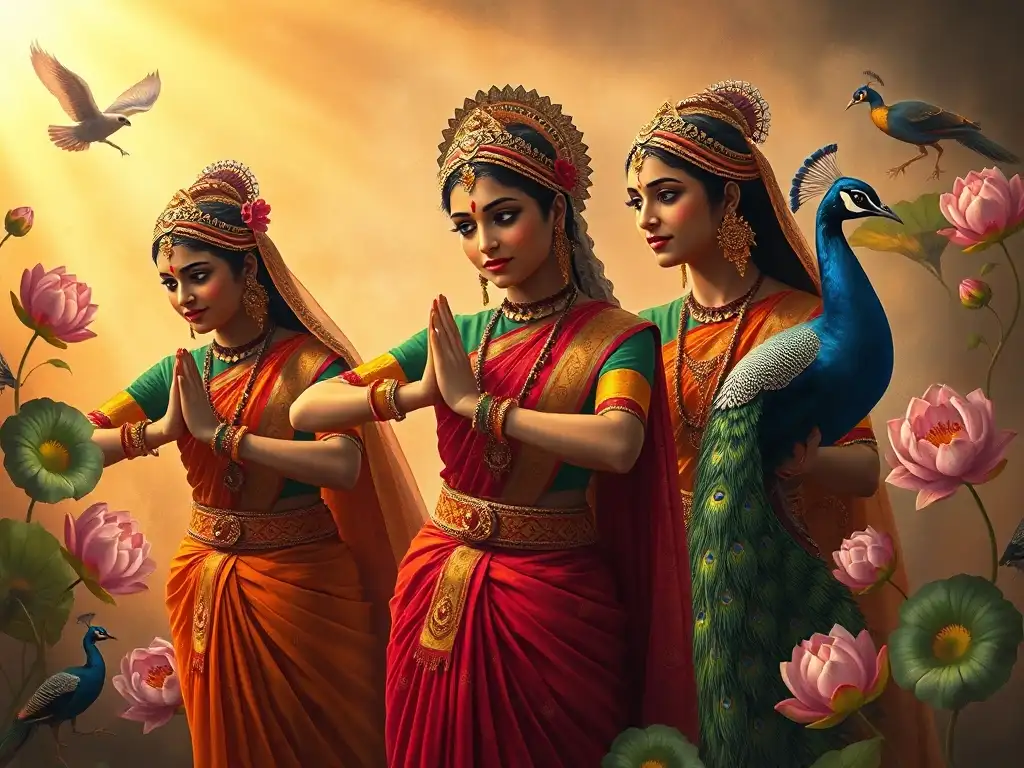
Rasa Theory, articulated by the ancient Indian sage Bharata in the Natyashastra, is a profound framework that explores the emotional experience evoked by art. According to this theory, there are nine primary rasas—shringara (love), hasya (laughter), karuna (compassion), raudra (anger), veera (heroism), bhayanaka (fear), bibhatsa (disgust), adbhuta (wonder), and shanta (peace)—each representing a distinct emotional state that art can elicit.
The significance of rasa lies in its ability to transform the viewer's experience, allowing them to engage with the artwork on an emotional level. This emotional engagement is not merely passive; it encourages introspection and empathy, fostering a deeper understanding of human experience. Rasa Theory underscores the idea that the appreciation of art transcends visual beauty, inviting viewers to partake in a collective emotional journey that resonates with their own life experiences.
The Concept of Beauty (Sundara) in Indian Philosophy
In Indian philosophy, the concept of beauty, or Sundara, is viewed as a multifaceted notion that encompasses not only the visual appeal of an object but also its moral and spiritual dimensions. Beauty is perceived as a reflection of harmony and balance, both in nature and in human creations. The appreciation of beauty in art is thus linked to the pursuit of truth and the divine.
Sundara is often associated with the idea of Sat-Chit-Ananda, which translates to truth, consciousness, and bliss. This triad suggests that true beauty is found when an artwork resonates with these elements, leading to a transcendent experience for the viewer. Consequently, the philosophical exploration of beauty in Indian art encourages a holistic understanding that integrates the aesthetic, ethical, and spiritual, making it a vital aspect of cultural expression.
Influence of Religion on Indian Art Aesthetics
The aesthetics of Indian art have been profoundly shaped by religious beliefs and practices throughout history. Each major religion in India—Hinduism, Buddhism, and Islam—has contributed unique elements to the artistic landscape, creating a rich tapestry of diverse styles and themes. The intermingling of these religious influences fosters a dynamic dialogue within Indian art, where aesthetic values are deeply connected to spiritual aspirations.
Hindu Philosophy and Artistic Representation
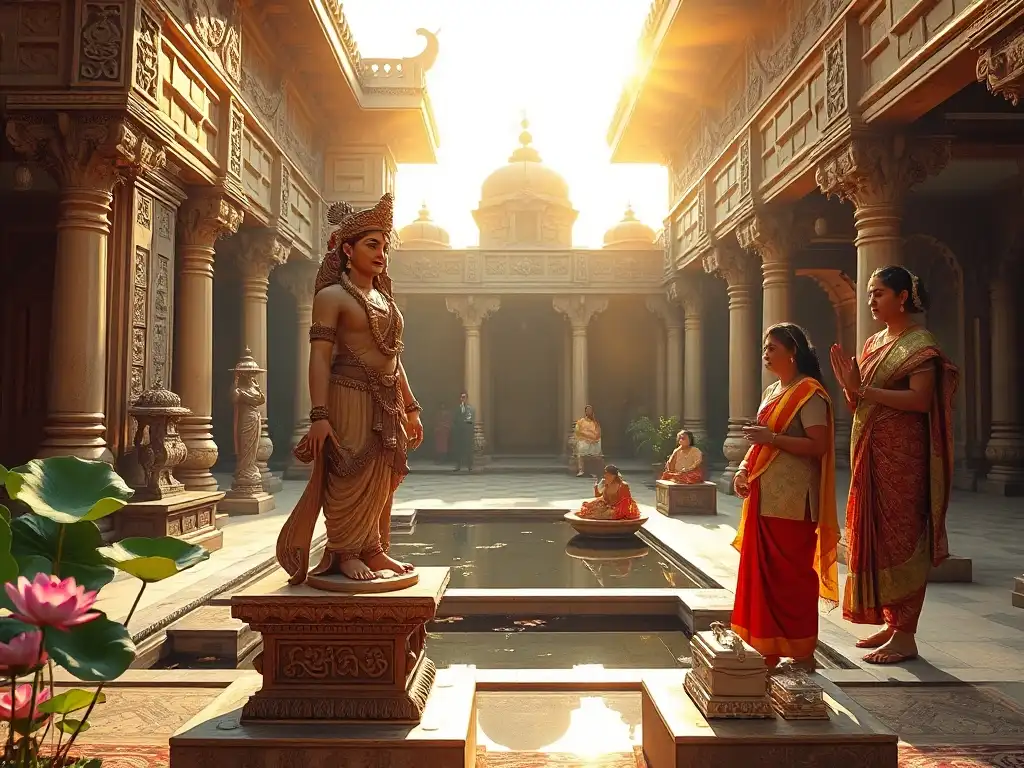
Hindu philosophy places great emphasis on the representation of deities and mythological narratives in art. Temples, sculptures, and paintings often depict intricate iconography that communicates spiritual truths and moral lessons. The artistic representation of gods and goddesses serves not only as a means of worship but also as a visual narrative that conveys complex philosophical ideas.
In this context, artists are seen as spiritual practitioners, tasked with embodying divine qualities through their creations. The use of symbolism, such as the lotus representing purity and rebirth, highlights the interconnectedness of aesthetics and spirituality in Hindu art. Thus, artistic representation within Hindu philosophy becomes a conduit for exploring existential questions and the nature of the divine.
Buddhist Art: Symbolism and Spiritual Significance
Buddhist art is characterized by its profound symbolism and emphasis on spiritual enlightenment. The representation of the Buddha and various Bodhisattvas in art serves as a reminder of the path to Nirvana and the principles of compassion and mindfulness. Iconographic elements, such as the lotus, wheel, and stupa, are imbued with rich meanings that encourage reflection and meditation.
The aesthetic qualities of Buddhist art aim to create a serene and contemplative atmosphere, inviting viewers to engage with the teachings of Buddhism. This art form emphasizes the impermanence of life and the importance of detachment, aligning closely with Buddhist philosophy. Consequently, Buddhist art is not merely decorative; it serves as a spiritual guide, encouraging practitioners to seek deeper understanding and inner peace.
Islamic Influences on Indian Art and Aesthetics
The arrival of Islam in India brought significant changes to the artistic landscape, introducing new styles and techniques that complemented existing traditions. Islamic art is characterized by its intricate patterns, calligraphy, and aniconic representations, which emphasize geometric forms and floral motifs. The emphasis on symmetry and balance reflects a philosophical inclination towards order and harmony.
Islamic influences on Indian art can be seen in various structures, such as the majestic Taj Mahal and the intricate designs of Mughal architecture. These works exemplify a synthesis of indigenous styles and Islamic principles, resulting in a unique aesthetic that celebrates beauty and spirituality. Furthermore, the integration of Persian artistic elements with local traditions illustrates the dynamic exchange of ideas that enriched Indian art, making it a profound reflection of cultural coexistence and philosophical pluralism.
Comparative Analysis of Aesthetic Philosophies
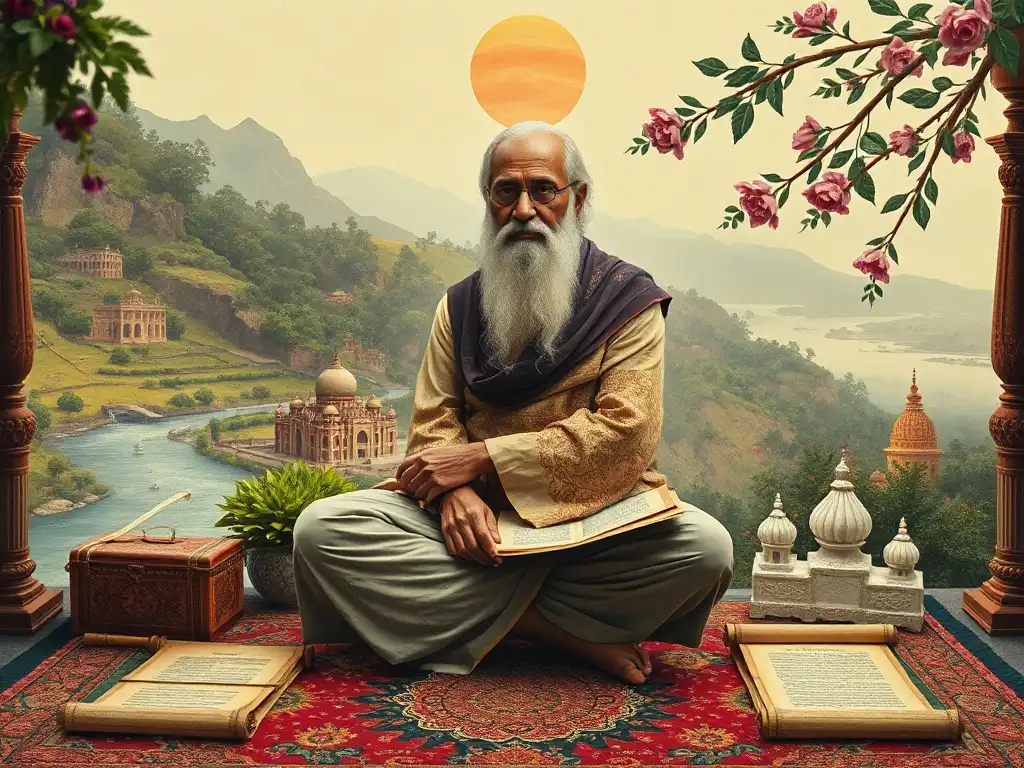
Aesthetic philosophies provide a framework through which art and culture can be understood, appreciated, and critiqued. In the context of Indian art, the philosophical significance of aesthetics is deeply rooted in its spiritual, cultural, and historical narratives. By examining the aesthetic philosophies across cultures, particularly between Eastern and Western traditions, one can uncover the unique elements that characterize Indian art.
Eastern vs. Western Perspectives on Aesthetics
Eastern aesthetics, particularly in Indian philosophy, is often intertwined with spiritual and metaphysical considerations. Concepts such as Rasa (emotional essence) emphasize the viewer's emotional response and the transformative power of art. Indian aesthetics often focuses on the experience of beauty through a spiritual lens, where art serves as a vehicle for enlightenment and self-realization.
In contrast, Western aesthetics has historically leaned toward a more objective analysis of beauty, often focusing on form, symmetry, and the inherent qualities of the artwork itself. Philosophers like Plato and Aristotle emphasized the idea of beauty as an ideal form, while later theorists such as Kant introduced the notion of subjective experience. This divergence highlights a fundamental difference: while Western perspectives may prioritize the artist's intention and the artwork's physical attributes, Eastern philosophies, especially in India, often seek a deeper connection between the art, the artist, and the observer.
Unique Aspects of Indian Aesthetic Philosophy
Indian aesthetic philosophy stands out through its incorporation of dharmic principles, which govern moral and ethical standards within art. The Natyashastra, an ancient text on performing arts, outlines the importance of Rasa, emphasizing that art should evoke specific emotions in the audience, thereby leading to a higher understanding of existence. This principle not only enhances the aesthetic experience but also aligns with the spiritual goals of life in Hindu and Buddhist contexts.
Moreover, the aesthetic appreciation in Indian art is deeply linked to the idea of Samsara (the cycle of life, death, and rebirth) and Moksha (liberation). Art is seen as a reflection of the cosmos and a medium through which individuals can transcend their material existence. This metaphysical connection distinguishes Indian art, allowing it to function as both a form of expression and a means of spiritual exploration.
Cross-Cultural Influences on Indian Art
Throughout history, Indian art has been shaped by a myriad of cultural exchanges, leading to a rich tapestry of influences from various civilizations. The arrival of Buddhism in India, for instance, introduced new iconography and stylistic elements that blended with indigenous traditions. The Gandhara and Mathura schools of art exemplify this synthesis, showcasing Greco-Roman influences alongside traditional Indian motifs.
Additionally, the Islamic conquests brought about further interaction, leading to the development of Indo-Islamic art, where Persian aesthetics influenced Indian architecture and decorative arts. This cross-pollination of ideas has allowed Indian art to evolve while retaining its philosophical underpinnings, creating a unique confluence that continues to inspire contemporary artists.
Contemporary Relevance of Aesthetic Philosophies
In today's globalized world, the philosophical significance of Indian aesthetics remains relevant, influencing modern artistic expressions and cultural discourse. Artists are increasingly drawing from traditional Indian philosophies to address contemporary issues, bridging the past with the present.
Modern Interpretations of Traditional Indian Art
Contemporary artists often reinterpret traditional Indian artistic styles and motifs, infusing them with modern themes and techniques. This practice not only preserves the rich heritage of Indian art but also allows for a dialogue between ancient philosophies and contemporary societal issues. For instance, artists like Subodh Gupta and Bharti Kher incorporate elements of traditional Indian aesthetics while addressing themes such as identity, migration, and globalization.
Furthermore, the rise of digital art has enabled artists to explore new mediums while remaining connected to their cultural roots. Digital representations of traditional forms, such as Miniature paintings or Madhubani art, exemplify how ancient philosophies continue to shape artistic expressions in the modern context.
The Continuing Impact of Ancient Philosophical Ideas on Current Art Forms
The philosophical ideas that underpin Indian art continue to influence various contemporary art forms, including performance, visual arts, and literature. The concept of Rasa, for example, is not limited to traditional art forms but extends to modern performances and cinema, where emotional engagement remains a central focus.
Moreover, the dialogue between different philosophical traditions fosters a rich environment for artistic innovation. As artists and scholars explore the intersections of Indian aesthetics with global art movements, the essence of ancient philosophies is revitalized, ensuring their persistence in the evolving landscape of contemporary art. This ongoing engagement with India's philosophical heritage underscores the timeless relevance of its aesthetic traditions, inviting new generations to explore and contribute to this rich legacy.
Conclusion: The Lasting Philosophical Significance of Indian Art
The philosophical significance of Indian art transcends mere aesthetic appreciation, embedding profound insights into the nature of existence, consciousness, and the cosmos. Indian art, from the intricate carvings of ancient temples to the vibrant colors of traditional paintings, serves as a reflection of the philosophical underpinnings of its time. This rich tapestry of artistic expression has not only preserved cultural narratives but has also been a medium for exploring the metaphysical inquiries that define humanity's quest for meaning.
The enduring legacy of Indian art reveals a deep interconnection between aesthetics and philosophy. It embodies concepts such as Rasa, which articulates the emotional experience evoked in the viewer, and Dharma, which underscores the moral and ethical dimensions of creativity. The synthesis of these ideas has enriched the philosophical discourse, allowing for a multidimensional understanding of human experience and the universe.
The philosophical significance of Indian art is a testament to its ability to provoke thought, inspire spirituality, and foster a sense of community. As scholars and practitioners continue to engage with these works, the dialogue surrounding their meanings will undoubtedly evolve, ensuring that the impact of Indian aesthetics remains relevant for generations to come.
Summary of Key Contributions to Aesthetics
The contributions of Indian art to the field of aesthetics are manifold and can be summarized as follows:
- Rasa Theory: Introduced in classical texts like the Natyashastra, this concept articulates the emotional flavors of art, suggesting that true art transcends the physical to evoke profound emotional responses.
- Integration of Philosophy and Practice: Indian art is characterized by a seamless blend of philosophical ideas with artistic expression, where every motif, color, and form carries symbolic significance that reflects deeper truths about existence and reality.
- Spiritual and Moral Dimensions: Much of Indian art is imbued with spiritual and ethical narratives, which serve not only to beautify but also to instruct and inspire moral conduct among viewers.
- Cultural Syncretism: Indian art showcases a rich tapestry of influences, reflecting the philosophical exchanges that occurred over centuries, particularly with Buddhism and later Islamic art, enhancing the complexity of aesthetic experience.
- Temporal and Spatial Awareness: Indian art often embodies a profound understanding of the relationship between time and space, encouraging viewers to reflect on their place within the continuum of existence.
These contributions have established a unique framework within aesthetics, emphasizing the interconnectedness of art, philosophy, and life.
The Future of Philosophical Discourse in Indian Art and Culture
The future of philosophical discourse in Indian art and culture is poised for a dynamic evolution, driven by several factors:
- Globalization: As Indian art continues to gain international recognition, the cross-cultural exchange will foster new interpretations and philosophical dialogues, enriching the understanding of its aesthetic significance.
- Interdisciplinary Approaches: The trend towards interdisciplinary studies encourages the integration of art history, philosophy, psychology, and cultural studies, creating a multi-faceted framework to explore the philosophical implications of Indian art.
- Modern Interpretations: Contemporary artists and thinkers are reinterpreting traditional themes, bridging ancient philosophies with modern sensibilities. This blend is likely to lead to innovative artistic expressions that resonate with current societal issues.
- Digital Platforms: The advent of digital media enables broader access to Indian art, allowing for diverse interpretations and dialogues. Online platforms can facilitate discussions that engage global audiences in philosophical explorations of aesthetics.
- Education and Awareness: Increased emphasis on art education and awareness around the philosophical significance of aesthetics in Indian culture will play a critical role in nurturing future generations of artists, scholars, and audiences.
The philosophical discourse surrounding Indian art is not static but rather a continually evolving conversation that reflects the complexities of human experience and cultural identity. As such, it holds the potential to inspire profound insights and foster deeper connections across diverse communities.
- Introduction to Indian Art and Philosophy
- Historical Context of Indian Art
- Key Philosophical Concepts Related to Aesthetics
- The Role of Dharma in Art Creation
- Rasa Theory: Emotional Experience in Art
- The Concept of Beauty (Sundara) in Indian Philosophy
- Influence of Religion on Indian Art Aesthetics
- Hindu Philosophy and Artistic Representation
- Buddhist Art: Symbolism and Spiritual Significance
- Islamic Influences on Indian Art and Aesthetics
- Comparative Analysis of Aesthetic Philosophies
- Contemporary Relevance of Aesthetic Philosophies
- Conclusion: The Lasting Philosophical Significance of Indian Art
- What is the philosophical significance of Indian art?
- How does Indian art reflect cultural values?
- What role did the Indus Valley Civilization play in the development of Indian art?
- How did the Gupta Empire contribute to the evolution of Indian art?
- What are some key philosophical themes depicted in Indian art?
Frequently Asked Questions
What is the philosophical significance of Indian art?
The philosophical significance lies in its ability to convey spiritual concepts and cultural values, reflecting the deeper meanings of existence, morality, and the universe.
How does Indian art reflect cultural values?
Indian art embodies cultural values through its themes, symbolism, and styles, often representing religious beliefs, life philosophies, and social norms that are integral to Indian society.
What role did the Indus Valley Civilization play in the development of Indian art?
The Indus Valley Civilization is significant as it laid the foundation for artistic techniques and motifs that influenced later artistic expressions, showcasing advanced skills in pottery, sculpture, and urban planning.
How did the Gupta Empire contribute to the evolution of Indian art?
The Gupta Empire is known as a golden age for Indian art, characterized by advancements in sculpture, architecture, and painting, which integrated philosophical ideas and aesthetics into the works.
What are some key philosophical themes depicted in Indian art?
Key philosophical themes include dharma (duty), karma (action), and moksha (liberation), which are often illustrated through visual narratives that encourage contemplation and deeper understanding of life.
Final Reflection: The Enduring Philosophical Significance of Indian Art
The philosophical significance of Indian art resonates profoundly in today’s world, where the intersection of aesthetics and spirituality continues to shape cultural identities. As we navigate a rapidly changing global landscape, the timeless principles embedded in Indian art remind us of the deeper meanings behind creativity and expression. The intricate designs, vibrant colors, and profound symbolism serve not only as a visual feast but also as a gateway to understanding the human experience and our connection to the cosmos.
The influence of Indian art transcends geographical boundaries, weaving its way into contemporary discussions about identity, culture, and spirituality. This art form has the power to evoke emotions, provoke thoughts, and inspire dialogue, making it a vital part of our collective consciousness. As Mahatma Gandhi once said, A nation's greatness is measured by how it treats its weakest members.
This quote encapsulates the essence of Indian art, which often reflects the values of compassion, community, and the pursuit of truth, urging us to consider our responsibilities to one another and to the world around us.
As you reflect on the philosophical significance of Indian art, I invite you to explore how these principles can be integrated into your own life. Consider the ways in which art can serve as a mirror to your values and beliefs, prompting you to engage with the world more deeply.
Let the beauty and wisdom of Indian aesthetics inspire you to seek meaning in your own creative expressions and to appreciate the diverse narratives that shape our shared human experience. Embrace the call to action that art presents, and allow it to guide you toward a more profound understanding of yourself and the world.
Unveil the Transformative Power of Indian Aesthetics!
Thank you for diving into the intricate world of aesthetics in Indian art and culture! Your exploration of this rich topic has surely deepened your appreciation for the profound connections between beauty, philosophy, and cultural identity. Now, let’s take action to further embrace and engage with these insights.
- Immerse yourself in Indian art by visiting a local gallery or museum. Discover works that resonate with you and reflect the rich cultural narratives of the region.
- Share your favorite insights from this article with friends or on social media. Let’s spark a conversation about the significance of aesthetics in art and how they influence our perception of beauty!
- Consider attending a workshop or lecture focused on various Indian art forms. This experience can significantly enhance your understanding and appreciation of the subject.
What aspects of Indian aesthetics resonate with you the most? How do you think they shape our understanding of beauty within different cultures? Let’s discuss!