
The Relevance of Ancient Indian Philosophical Teachings in Today’s World

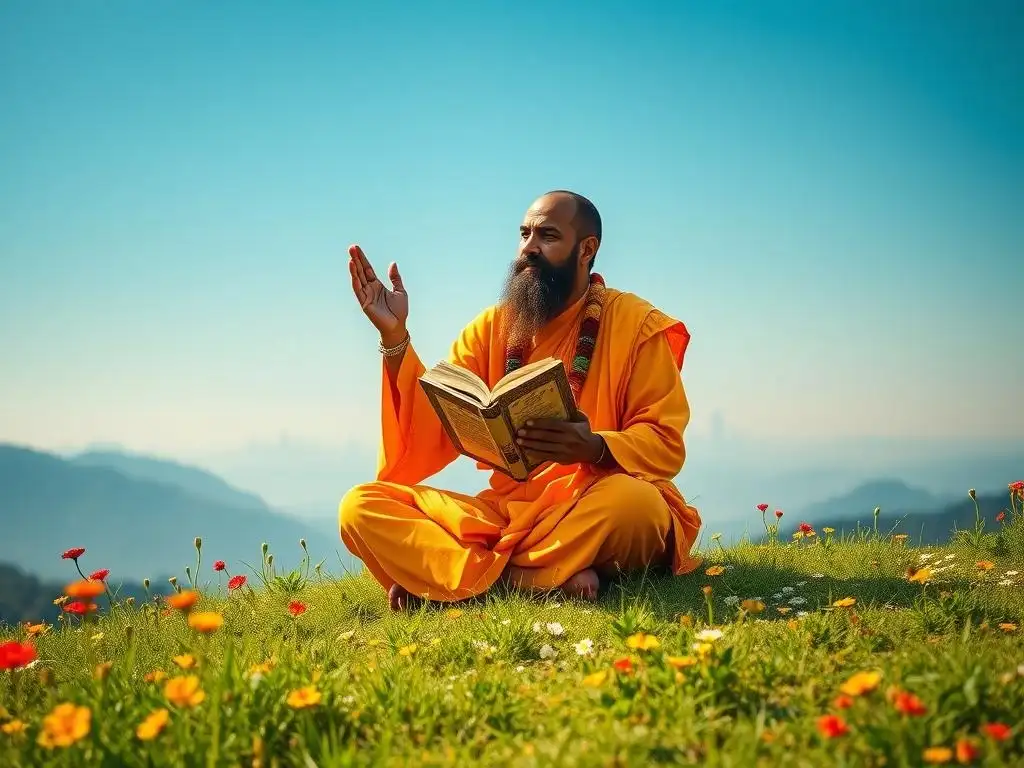
Welcome to Ancient India History, where we embark on a journey through the vibrant tapestry of India’s past! Here, we delve into the profound depths of ancient Indian philosophy and its extraordinary relevance today. Have you ever wondered how the wisdom of thinkers from the Indus Valley to the Gupta Empire continues to resonate in our modern lives? Join us as we unravel the connections between age-old teachings and contemporary issues, sparking your curiosity and inspiring you to explore further. Discover how the echoes of ancient wisdom can guide us in navigating the complexities of the present!

Ancient Indian philosophy encompasses a vast and intricate tapestry of thought that has significantly shaped not only the Indian subcontinent but also the global intellectual landscape. Rooted in a rich historical context, the teachings of ancient Indian philosophers offer profound insights into the nature of existence, morality, and the pursuit of knowledge.
As we navigate the complexities of the modern world, the relevance of these ancient philosophies becomes increasingly apparent, providing valuable frameworks for addressing contemporary issues. This article delves into the enduring significance of ancient Indian philosophy and its teachings, exploring how they resonate with today's societal challenges and ethical dilemmas.
Understanding Ancient Indian Philosophy
Ancient Indian philosophy is a diverse field comprising various schools of thought, each contributing unique perspectives on life, reality, and the human experience. From the systematic analysis of the Nyaya school to the contemplative insights of Advaita Vedanta, these philosophical traditions collectively explore fundamental questions regarding the self, the universe, and the nature of knowledge.
Overview of Ancient Indian Philosophical Schools
- Heterodox Schools: These include Buddhism and Jainism, which emerged as alternative perspectives to Vedic thought. They emphasize concepts like non-violence (ahimsa) and the pursuit of enlightenment.
- Orthodox Schools: These are rooted in Vedic texts and include:
- Vedanta: Focuses on the nature of reality and the relationship between the individual soul (Atman) and the universal soul (Brahman).
- Sankhya: A dualistic philosophy that distinguishes between consciousness (Purusha) and matter (Prakriti).
- Yoga: Integrates physical practices with philosophical inquiry, emphasizing self-discipline and meditation.
Key Philosophical Concepts in Ancient India
Ancient Indian philosophy introduces several key concepts that continue to influence thought today:
- Dharma: Refers to the ethical and moral duties that individuals must follow to maintain harmony in society.
- Karma: The principle of cause and effect, highlighting the impact of one's actions on future experiences.
- Moksha: The ultimate goal of liberation from the cycle of birth and rebirth (samsara), representing spiritual enlightenment.
Evolution of Philosophical Thought in Ancient India
The evolution of philosophical thought in ancient India reflects a dynamic interplay between various traditions and cultural influences. Over centuries, philosophical dialogues and debates led to the synthesis of ideas, resulting in a rich intellectual heritage. Key texts such as the Upanishads, the Bhagavad Gita, and the writings of philosophers like Adi Shankaracharya and Nagarjuna illustrate this evolution, showcasing the depth and diversity of ancient Indian thought.
Ancient Indian Philosophy Relevance Today
The relevance of ancient Indian philosophy in today’s world is not merely academic; it has practical implications that resonate with contemporary issues. As societies grapple with ethical challenges, existential questions, and the quest for meaning, the teachings of ancient Indian philosophers offer timeless wisdom.
The Universal Principles Found in Ancient Indian Philosophy
Ancient Indian philosophy is grounded in universal principles that transcend cultural boundaries. Concepts such as compassion, truth, and non-attachment find resonance across various philosophical and spiritual traditions, promoting a holistic approach to understanding human existence. These principles encourage individuals to cultivate mindfulness, empathy, and a sense of interconnectedness.
How Ancient Indian Philosophical Teachings Address Modern Challenges
In an era marked by rapid technological advancement and societal change, ancient Indian philosophical teachings provide valuable insights into addressing modern challenges:
- Mental Health: Practices derived from Yoga and meditation promote mental well-being, offering tools for stress management and emotional resilience.
- Ethical Living: The concept of dharma encourages individuals to act with integrity and responsibility, fostering a sense of purpose in a complex world.
The Role of Ancient Indian Philosophy in Contemporary Ethics
As ethical dilemmas become increasingly complex in today’s globalized society, ancient Indian philosophy offers frameworks for examining moral questions. By emphasizing the importance of context, intention, and the interconnectedness of all beings, these teachings encourage a more nuanced understanding of ethics, guiding individuals and communities towards harmonious coexistence.
The teachings of ancient Indian philosophy remain profoundly relevant in today's world, offering insights and guidance that can help navigate the complexities of modern life. By exploring these timeless ideas, we can cultivate a deeper understanding of ourselves and our place within the universe.
Practical Applications of Ancient Indian Philosophy
Ancient Indian philosophy offers a wealth of wisdom that can be applied to various aspects of contemporary life. Its teachings are not merely abstract concepts; they provide practical guidance on ethical living, social harmony, and personal transformation. For instance, principles derived from texts like the Bhagavad Gita emphasize duty (dharma), righteousness, and the pursuit of knowledge, which can help individuals navigate moral dilemmas and contribute positively to society.
In the realm of governance and leadership, the ancient Indian concept of 'Rajdharma' encourages leaders to act in accordance with ethical principles for the greater good. This concept remains relevant today, as it can guide modern leaders in making decisions that prioritize justice and welfare over personal gain. Furthermore, the focus on community and collective responsibility in ancient texts promotes social cohesion, an increasingly important aspect in today's fragmented world.
Incorporating Ancient Indian Philosophy in Modern Education
The integration of ancient Indian philosophy into modern educational frameworks can enrich student learning experiences and cultivate critical thinking. Schools and universities can incorporate philosophical discussions from texts like the Upanishads and the Yogasutras, encouraging students to explore concepts such as self-realization, the nature of reality, and ethical living.
Moreover, pedagogical approaches inspired by ancient philosophies can promote holistic education, emphasizing not only intellectual growth but also emotional and spiritual development. For instance, incorporating values from the Jain principle of 'Ahiṃsā' (non-violence) can help foster empathy and compassion among students, creating a more inclusive and respectful learning environment.
Mindfulness and Meditation: Insights from Ancient Indian Teachings

Mindfulness and meditation have gained immense popularity in recent years, with roots deeply embedded in ancient Indian philosophy. Practices such as yoga and meditation, as outlined in the Yoga Sutras of Patanjali, are recognized for their ability to enhance mental clarity, emotional stability, and overall well-being. These techniques encourage individuals to cultivate a present-centered awareness, reducing stress and anxiety in an increasingly fast-paced world.
Incorporating mindfulness practices into daily routines can lead to significant improvements in mental health and productivity. Many organizations are now adopting meditation programs inspired by ancient teachings, recognizing their potential to foster a more focused and harmonious work environment. The insights from these practices not only enhance personal wellness but also promote a sense of interconnectedness and community.
Ancient Indian Philosophy in Personal Development and Well-being
Ancient Indian philosophical teachings provide valuable frameworks for personal development and well-being. Concepts such as 'Samsara' (the cycle of life and rebirth) and 'Karma' (the law of cause and effect) encourage individuals to reflect on their actions and their consequences, fostering a sense of responsibility and ethical living.
In the pursuit of self-improvement, the principles of detachment and balance found in Stoicism and Buddhism resonate with ancient Indian philosophies. By adopting a balanced approach to desires and attachments, individuals can achieve a greater sense of peace and fulfillment. Additionally, the emphasis on self-awareness and self-inquiry in schools of thought like Advaita Vedanta encourages individuals to seek deeper understanding and connection with their true selves, which is increasingly relevant in today's quest for authentic living.
Comparative Analysis: Ancient Indian Philosophy and Other Philosophical Traditions
A comparative analysis of ancient Indian philosophy with other philosophical traditions reveals both unique insights and shared themes that resonate across cultures. This analysis can help highlight the universal relevance of ancient Indian teachings while illustrating the distinct perspectives they offer.
Similarities Between Ancient Indian Philosophy and Western Philosophical Thought
Ancient Indian philosophy shares several commonalities with Western philosophical thought, particularly in areas such as ethics, metaphysics, and epistemology. For instance, concepts of virtue ethics found in Plato's works show parallels with the idea of 'Dharma' in Indian philosophy, emphasizing moral duty and ethical conduct.
Furthermore, both traditions explore the nature of reality and existence, with ancient Indian schools like Samkhya and Western metaphysics engaging in deep inquiries about the nature of the self and the universe. This intersection of ideas fosters dialogue and understanding between cultures, enriching the philosophical landscape.
Contrasts Between Ancient Indian Philosophical Teachings and Modern Philosophy

While ancient Indian philosophy shares similarities with modern philosophical thought, it also presents stark contrasts. For example, ancient Indian teachings often emphasize interconnectedness and the idea of the collective self, whereas modern philosophy frequently focuses on individualism and personal autonomy.
Additionally, the spiritual and metaphysical dimensions of ancient Indian philosophy, particularly in schools like Vedanta, contrast with the empirical and materialistic tendencies of contemporary philosophy. This divergence highlights the need for a more integrative approach that values both individual experience and collective well-being, encouraging a holistic understanding of human existence that draws from ancient wisdom.
The Influence of Ancient Indian Philosophy on Global Thought
Ancient Indian philosophy has significantly influenced global thought, weaving its way into various philosophical traditions across the world. The core teachings of Indian philosophers, such as those from the Vedic texts, Upanishads, and major schools like Vedanta, Buddhism, and Jainism, have contributed to the evolution of metaphysical, ethical, and epistemological discourses internationally. Scholars like Aldous Huxley and Carl Jung have referenced Indian philosophical concepts, highlighting their depth and relevance.
Moreover, the holistic understanding of life found in ancient Indian philosophy, which emphasizes the interconnectedness of all beings, resonates with contemporary ecological and sustainability movements. This perspective challenges the reductionist view prevalent in modern Western thought, offering a more integrated approach to understanding human existence and the universe.
Contributions of Ancient Indian Philosophy to World Religions
Ancient Indian philosophy has been a bedrock for several world religions, most notably Hinduism, Buddhism, and Jainism. Each of these religious traditions carries philosophical insights that have shaped their practices and principles.
- Hinduism: Central tenets such as Dharma (righteous duty), Karma (cause and effect), and Moksha (liberation) offer profound ethical and spiritual frameworks that guide millions of adherents today.
- Buddhism: The Four Noble Truths and the Eightfold Path provide a philosophical foundation for understanding suffering and the pursuit of enlightenment, influencing not only Asian cultures but also Western thought.
- Jainism: Its emphasis on non-violence (Ahimsa) and truthfulness has impacted ethical discussions globally, advocating for compassion and respect for all living beings.
These contributions highlight how ancient Indian philosophical teachings have transcended cultural boundaries, fostering interfaith dialogues and enriching spiritual practices worldwide.
The Impact of Ancient Indian Philosophical Ideas on Contemporary Philosophers
The ideas stemming from ancient Indian philosophy continue to inspire contemporary philosophers and thinkers. Figures such as J. Krishnamurti and Sri Aurobindo have integrated ancient wisdom into modern existential inquiries, emphasizing the importance of self-awareness and the nature of consciousness.
Moreover, the resurgence of interest in mindfulness and meditation in the West can be traced back to ancient Indian practices, particularly those derived from Buddhist and yogic traditions. This shift signifies a broader acceptance of Eastern philosophies in Western academic and therapeutic settings, underscoring their relevance in addressing modern psychological issues.
Conclusion: Embracing the Relevance of Ancient Indian Philosophy Today
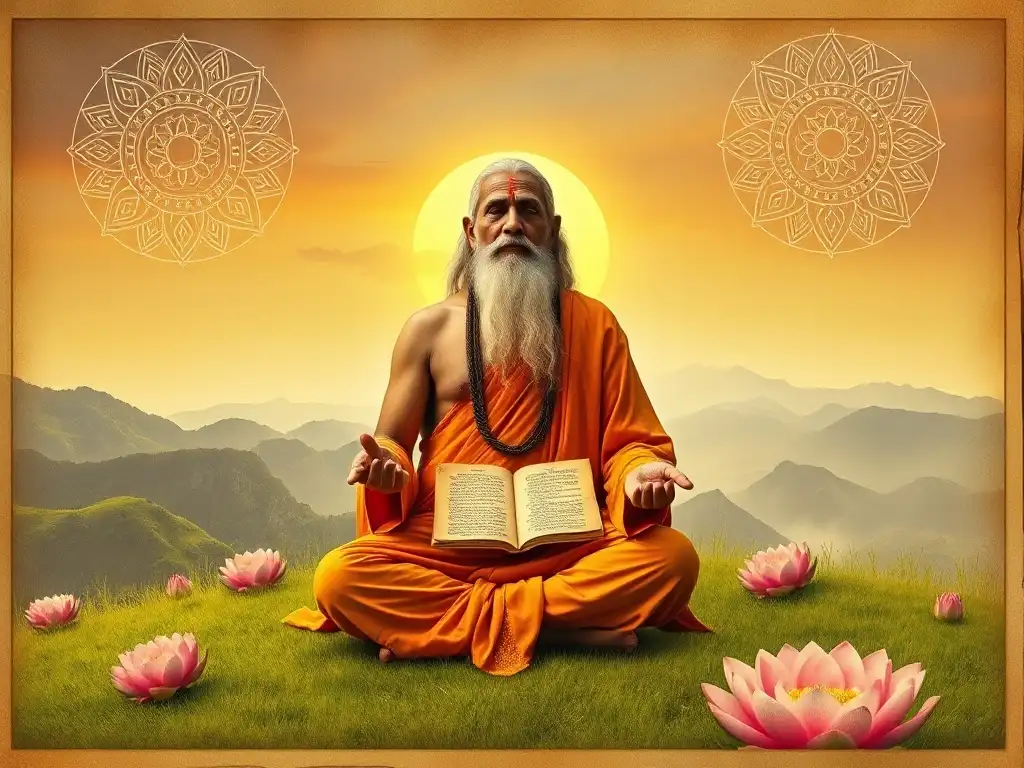
The teachings of ancient Indian philosophy offer invaluable insights that remain pertinent in today’s rapidly changing world. Their emphasis on ethical living, self-discipline, and understanding the nature of reality provides a solid foundation for addressing contemporary challenges such as environmental degradation, social justice, and mental health crises.
By embracing these teachings, individuals and societies can cultivate a more harmonious existence, fostering a sense of interconnectedness that is crucial for sustainable development. This relevance is not merely historical but serves as a guide for contemporary life.
The Future of Ancient Indian Philosophy in a Modern Context
As society evolves, the potential for ancient Indian philosophy to adapt and find new interpretations is immense. Educational institutions and philosophical societies are increasingly incorporating these teachings into their curricula, promoting a greater understanding of their principles.
The digital age also presents opportunities for ancient wisdom to reach wider audiences through online platforms, workshops, and interfaith dialogues. This evolution ensures that ancient Indian philosophy continues to be a vital part of global discourse, encouraging diverse interpretations that resonate with modern sensibilities.
Encouraging a Return to Ancient Wisdom for Modern Solutions
In a world grappling with complex issues, a return to ancient Indian philosophical insights can provide innovative solutions.
- Sustainability: The interconnectedness emphasized in ancient texts can inform modern ecological practices, promoting a lifestyle that honors the balance between nature and human needs.
- Mental Health: Mindfulness and meditation techniques rooted in ancient traditions offer practical tools for stress management and emotional well-being.
- Ethical Leadership: The principles of Dharma can guide leaders in making decisions that prioritize the common good, fostering a sense of responsibility and integrity in governance.
By rediscovering and applying ancient wisdom, we can forge pathways toward holistic solutions that resonate with the challenges of contemporary life.
- Understanding Ancient Indian Philosophy
- Ancient Indian Philosophy Relevance Today
- Practical Applications of Ancient Indian Philosophy
- Incorporating Ancient Indian Philosophy in Modern Education
- Mindfulness and Meditation: Insights from Ancient Indian Teachings
- Ancient Indian Philosophy in Personal Development and Well-being
- Comparative Analysis: Ancient Indian Philosophy and Other Philosophical Traditions
- Similarities Between Ancient Indian Philosophy and Western Philosophical Thought
- Contrasts Between Ancient Indian Philosophical Teachings and Modern Philosophy
- The Influence of Ancient Indian Philosophy on Global Thought
- Contributions of Ancient Indian Philosophy to World Religions
- The Impact of Ancient Indian Philosophical Ideas on Contemporary Philosophers
- Conclusion: Embracing the Relevance of Ancient Indian Philosophy Today
- The Future of Ancient Indian Philosophy in a Modern Context
- Encouraging a Return to Ancient Wisdom for Modern Solutions
- What are the main themes of ancient Indian philosophy?
- How do ancient Indian philosophical teachings apply to modern life?
- Why is studying ancient Indian philosophy important today?
- What contributions did ancient Indian philosophers make to global thought?
- How does ancient Indian philosophy address contemporary issues?
Frequently Asked Questions
What are the main themes of ancient Indian philosophy?
Ancient Indian philosophy encompasses various themes such as ethics, metaphysics, and epistemology, influencing both spiritual and practical aspects of life.
How do ancient Indian philosophical teachings apply to modern life?
These teachings emphasize self-realization, non-attachment, and mindfulness, providing valuable insights for personal growth and emotional well-being in today's fast-paced society.
Why is studying ancient Indian philosophy important today?
Studying ancient Indian philosophy helps us understand cultural values, promotes tolerance, and encourages a holistic approach to life, fostering harmony in a diverse world.
What contributions did ancient Indian philosophers make to global thought?
Philosophers like Gautama Buddha and Adi Shankaracharya introduced ideas that shaped ethics and spirituality, contributing significantly to both Eastern and Western philosophical traditions.
How does ancient Indian philosophy address contemporary issues?
Ancient Indian philosophy offers insights on sustainability, community living, and mental health, which are increasingly relevant as we face challenges like climate change and a growing sense of isolation.
Final Reflection: The Enduring Relevance of Ancient Indian Philosophy in Today’s World
Ancient Indian philosophical teachings resonate profoundly in our contemporary society, offering timeless wisdom that addresses the complexities of modern life. As we navigate a world filled with rapid change, uncertainty, and existential challenges, the insights from ancient texts remind us of the importance of introspection, ethical living, and the pursuit of knowledge. The relevance of these teachings today is not merely academic; it serves as a guiding light for individuals seeking meaning and purpose in their lives.
Cultural and social landscapes are continually shaped by the philosophies we embrace. Ancient Indian philosophy, with its rich tapestry of ideas on interconnectedness, mindfulness, and the nature of reality, has influenced countless movements and practices, from yoga to holistic wellness. As we witness a growing interest in mental health and well-being, the teachings of sages like Patanjali and Buddha provide a framework for understanding the self and our relationship with the universe. The mind is everything. What you think you become.
- Buddha. This quote encapsulates the transformative power of thought, a core principle that remains relevant as we strive for personal growth and societal harmony.
As we reflect on the lessons of ancient Indian philosophy, I invite you to consider how these teachings can enrich your own life. Take a moment to explore the depths of your thoughts and actions, and ask yourself how you can incorporate these timeless principles into your daily routine. Whether through meditation, ethical living, or a deeper understanding of your place in the world, the wisdom of the ancients can guide you toward a more fulfilling existence. Embrace this opportunity to connect with the past, and let it illuminate your path forward.
Embrace Timeless Wisdom and Transform Your Life!
Thank you for diving into the enlightening world of Ancient Indian philosophical teachings with us! You've uncovered valuable insights that resonate deeply in our modern lives. Now, it's time to take that knowledge and apply it in practical ways.
Here’s how you can continue your journey of growth and connection:
- Integrate the teachings: Start by selecting a principle from the philosophies that speaks to you and apply it in your daily life. Reflect on how it alters your perspective on various situations.
- Join the conversation: Share your insights and experiences on social media or in our community forums! Engaging with others can deepen your understanding and inspire new ideas.
- Explore further: Read a book on Ancient Indian philosophy or join a local group where these teachings are discussed. You might discover even more unexpected life lessons!
Which principle from ancient Indian philosophy do you believe can have the greatest impact in today's fast-paced world? We’d love to hear your thoughts!