
The Rhetoric of Persuasion in Classical Indian Prose: A Guide for Writers

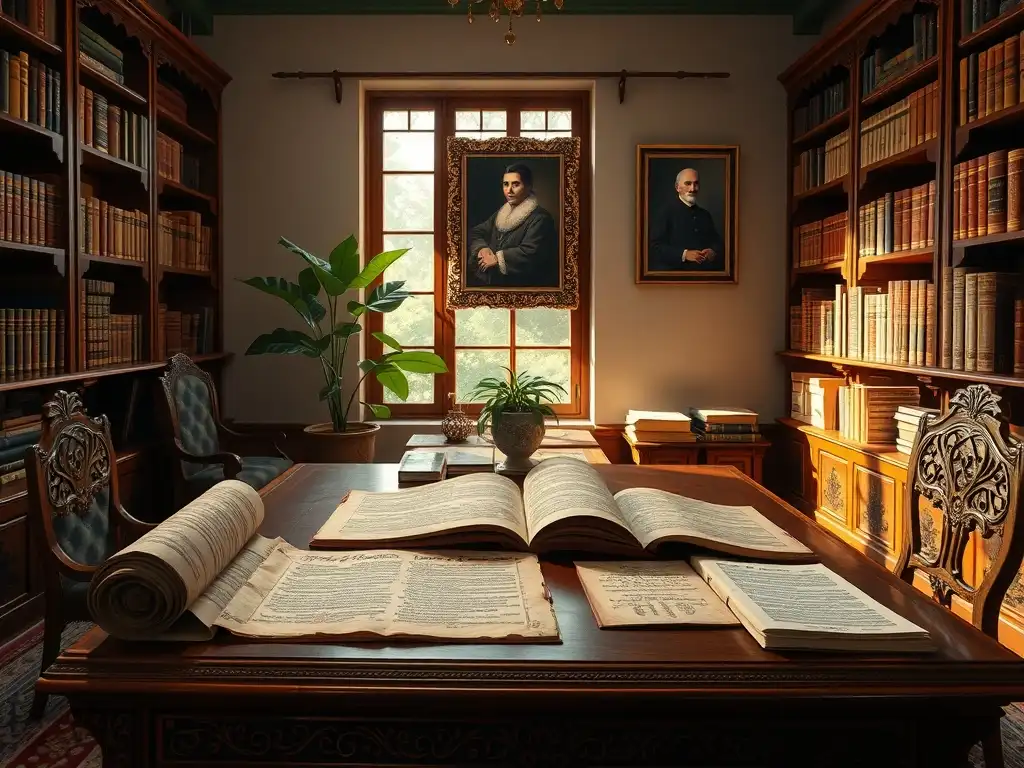
Welcome to Ancient India History, where we journey through the captivating tapestry of India's rich past, unraveling the intricate threads of culture, civilization, and innovation. In this exploration, we invite you to delve into the realm of Classical Indian prose techniques, a fascinating aspect of our literary heritage that shaped the art of persuasion for generations.
Discover how the eloquence of ancient writers not only influenced their contemporaries but continues to resonate in today's literary landscape. Prepare to be intrigued as we guide you through the nuances of rhetoric and storytelling—your adventure into the depths of ancient wisdom begins here!
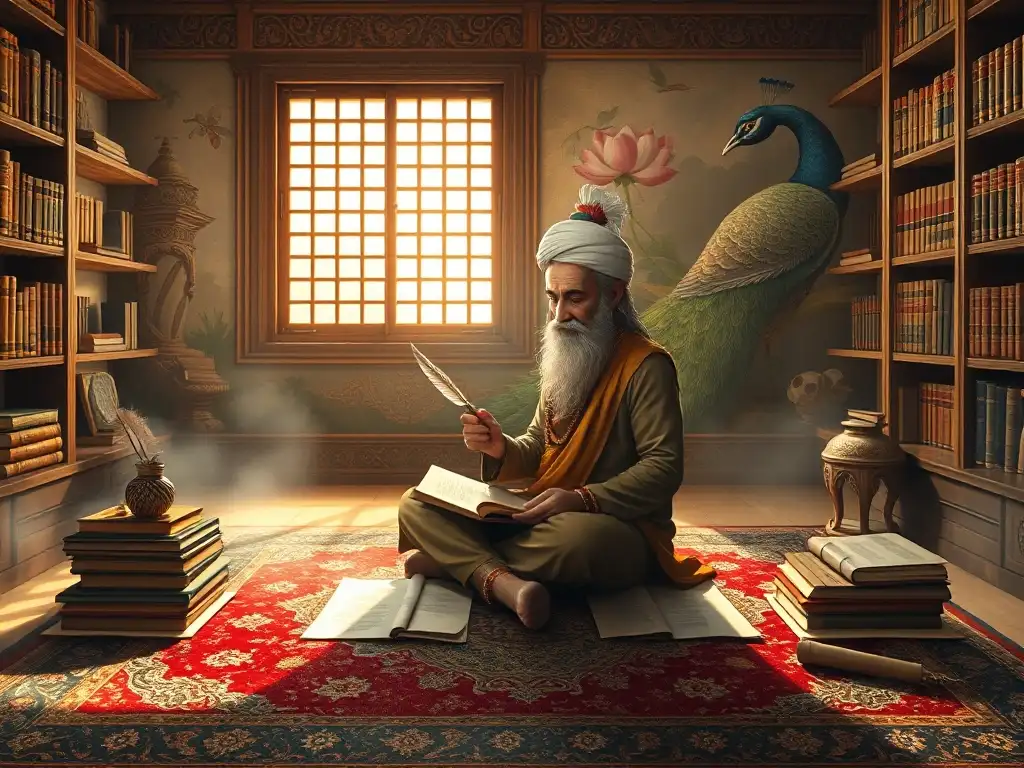
Exploring the rich tapestry of ancient Indian literature reveals a profound depth of thought and expression, particularly in the realm of prose. Classical Indian prose techniques are not merely tools for communication; they embody the ethos, cultural values, and philosophical underpinnings of their time.
This article delves into the rhetoric of persuasion as manifested in classical Indian prose, offering writers and literary enthusiasts insights into the stylistic and rhetorical strategies that shaped some of the most significant works of ancient India. By understanding these techniques, contemporary writers can draw inspiration from the past to enhance their own narrative styles and persuasive capabilities.
Introduction to Classical Indian Prose Techniques
Overview of Classical Indian Prose
Classical Indian prose emerged as a dynamic form of expression, characterized by its eloquence and philosophical depth. Unlike the structured constraints of poetry, prose in ancient India allowed for a more expansive exploration of ideas, emotions, and narratives. Notable examples include Buddhist texts, philosophical treatises, and historical accounts, which employed various rhetorical devices to engage readers and convey complex messages. The prose styles varied significantly across different regions and periods, reflecting the diverse cultural milieu of ancient India.
Importance of Rhetoric in Ancient Indian Literature
Rhetoric played a crucial role in ancient Indian prose, serving as a vehicle for persuasion and moral instruction. The use of rhetorical techniques not only enhanced the beauty of the language but also facilitated the transmission of wisdom and cultural values. In texts such as the Arthashastra and the Mahabharata, authors employed persuasive strategies to guide listeners and readers towards ethical conduct and social harmony. This underscores the significance of mastering classical Indian prose techniques for anyone looking to create impactful writing today.
Historical Context of Classical Indian Prose
Evolution of Prose in Ancient India
The evolution of prose in ancient India can be traced through various stages, beginning with the Vedic texts, which were primarily oral traditions. Over time, prose began to take written form, evolving through the Brahmanical, Buddhist, and Jain traditions. Each phase contributed to the richness of prose, introducing new themes, styles, and rhetorical techniques. The Gupta period marked a significant advancement in prose literature, characterized by a blend of eloquence and clarity, which set the foundation for future literary endeavors.
Influential Authors and Works in Classical Prose
Several authors and works stand out in the realm of classical Indian prose, showcasing the diverse approaches to rhetoric and narrative structure. Some notable figures include:
- Vishnu Sharma: Known for the Panchatantra, a collection of fables that used storytelling to impart moral lessons.
- Bhasa: A playwright whose works exhibit a rich use of dialogue and character development, enhancing persuasive elements within the narrative.
- Kalidasa: Often celebrated for his lyrical poetry, his prose also reveals intricate rhetorical techniques that resonate with readers.
These authors not only shaped the landscape of classical prose but also left a lasting influence on subsequent generations of writers in India and beyond. By studying their techniques, modern writers can gain valuable insights into the art of persuasion in literature.
Key Features of Classical Indian Prose Techniques
Classical Indian prose techniques are characterized by their rich literary tradition and intricate rhetorical strategies. These features serve to engage the reader while effectively conveying persuasive messages. Key elements include:
- Layered Meaning: Classical Indian prose often employs multi-layered meanings through nuanced language, allowing authors to convey deeper insights and philosophical ideas.
- Aesthetic Use of Language: The beauty of language is paramount, with writers using rhythmic patterns and lyrical qualities to enhance the reader's experience.
- Cultural Context: Prose techniques are deeply rooted in the cultural and philosophical traditions of ancient India, reflecting the values, beliefs, and social norms of the time.
- Rhetorical Questions: These are frequently used to provoke thought and engage the audience, inviting them to explore their own beliefs and assumptions.
By integrating these features, classical Indian prose not only informs but also influences the reader's perspective and understanding.
Use of Metaphor and Allegory in Persuasion
Metaphors and allegories are powerful tools in classical Indian prose, often used to convey complex ideas in an accessible manner. These devices allow writers to illustrate abstract concepts through relatable imagery.
- Symbolic Representation: Metaphors provide symbolic meanings that resonate with cultural narratives, making them effective in persuading audiences by connecting with their lived experiences.
- Layering of Meanings: Allegory enables authors to weave multiple interpretations into their narratives, encouraging readers to engage deeply with the text. For example, works like the Mahabharata often employ allegorical figures to represent moral and ethical dilemmas.
- Enhanced Emotional Impact: Both techniques create emotional connections, allowing readers to feel the weight of the concepts being discussed, thus enhancing persuasive impact.
Through the careful use of these rhetorical devices, writers can craft messages that are not only intellectually stimulating but also emotionally resonant.
The Role of Dialogue in Classical Indian Prose
Dialogue serves as a vital mechanism in classical Indian prose, facilitating dynamic exchanges that enhance persuasion.
- Character Development: Through dialogue, characters are fleshed out, allowing readers to understand their motivations and viewpoints, which can sway opinions and foster empathy.
- Debate and Discourse: Engaging in dialogues often mirrors real-life debates, presenting multiple sides of an argument and enabling readers to evaluate different perspectives critically.
- Cultural Reflection: Dialogue reflects the societal norms and values of the time, providing insights into the historical context and the persuasive techniques employed in various narratives.
This technique not only serves to advance the plot but also functions as a means of persuasion, as the interactions between characters can influence the reader's understanding and acceptance of ideas.
Emotional Appeal: Pathos in Ancient Texts
Pathos, or emotional appeal, is a cornerstone of persuasion in classical Indian prose. Writers skillfully evoke emotions to connect with their audience on a personal level.
- Use of Personal Stories: Many classical texts incorporate personal anecdotes or experiences that elicit empathy and compassion from readers, making arguments more relatable.
- Imagery and Sensory Details: Vivid descriptions and sensory language evoke emotions, allowing readers to experience the narrative viscerally, thereby deepening their engagement with the text.
- Moral Lessons: The emotional weight of moral dilemmas presented in stories encourages readers to reflect on their values, motivating them to accept the author's perspective.
By harnessing the power of pathos, classical Indian prose not only informs but also inspires readers to internalize and act upon the themes presented.
Structure and Organization of Persuasive Prose
The structure and organization of classical Indian prose are integral to its persuasive effectiveness. A well-organized text guides readers through arguments systematically, enhancing clarity and impact.
- Introduction of Themes: Prose often begins by introducing the central themes or problems, setting the stage for the arguments that follow.
- Sequential Development: Arguments are developed in a logical sequence, with each section building on the previous one, leading to a compelling conclusion.
- Use of Subheadings: Organizing content with subheadings allows readers to navigate complex ideas easily, promoting better understanding and retention.
This methodical approach not only aids comprehension but also reinforces the persuasive intent of the writing.
Narrative Techniques in Classical Indian Writing
Narrative techniques play a significant role in shaping the persuasive power of classical Indian prose.
- Storytelling: The art of storytelling is central, with narratives that engage the audience through relatable characters and compelling plots.
- Foreshadowing and Flashbacks: These devices enhance the narrative depth, allowing writers to weave past events with current dilemmas, enriching the reader's understanding of the characters’ motivations.
- Symbolism: Writers often incorporate symbolic elements that resonate with cultural themes, providing layers of meaning that invite deeper reflection.
By employing these narrative techniques, classical Indian prose captivates readers and effectively communicates persuasive messages.
The Role of Exposition and Argumentation
Exposition and argumentation are fundamental to classical Indian prose, enabling writers to present their ideas clearly and convincingly.
- Clear Exposition: Writers often provide thorough explanations of complex ideas, ensuring that readers grasp the context before engaging with the arguments.
- Logical Argumentation: Classical texts frequently employ logical reasoning, where premises lead to conclusions, making the persuasive case more robust.
- Counterarguments: Addressing potential counterarguments demonstrates the writer’s awareness of differing viewpoints, which can enhance credibility and persuade skeptical readers.
This combination of exposition and argumentation creates a compelling framework that guides readers toward acceptance of the author's stance.
Conclusion Techniques in Persuasive Prose
Effective conclusion techniques are crucial in classical Indian prose, as they leave a lasting impression on the reader.
- Summary of Key Points: A concise recap of the main arguments reinforces the message and aids retention.
- Call to Action: Many writers conclude with a call to action, urging readers to reflect, change their perspectives, or take specific actions based on the arguments presented.
- Philosophical Reflection: Concluding with a philosophical insight or moral lesson can resonate deeply, prompting readers to consider the broader implications of the text.
By employing these techniques, classical Indian prose ensures that the persuasive impact lingers long after the reader has finished the text.
The Influence of Classical Indian Prose on Modern Writing
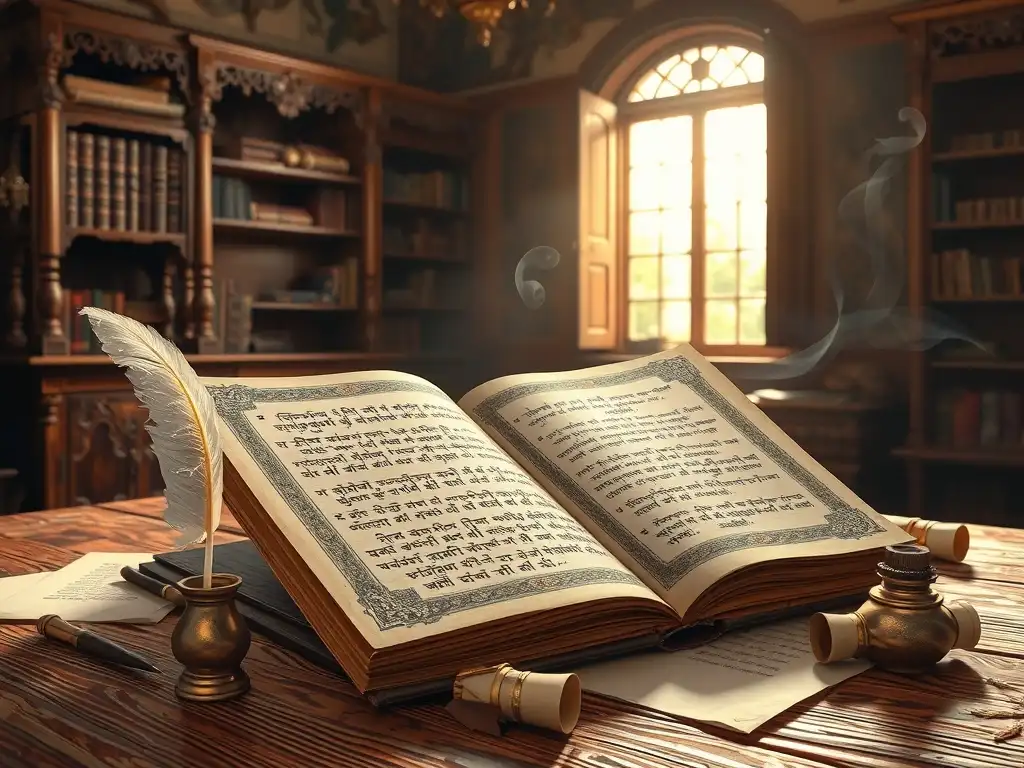
Classical Indian prose, with its rich tapestry of rhetorical devices, has profoundly influenced modern literary and rhetorical practices. The legacy of ancient texts, such as those by Kalidasa, Bhasa, and the works collected in the Sanskrit Mahabharata and Ramayana, has provided contemporary writers with a wealth of stylistic and persuasive techniques. These classical texts utilized a variety of linguistic strategies, such as metaphor, simile, and alliteration, which are still relevant in today's writing landscape.
One notable aspect of classical Indian prose is its emphasis on contextuality and cultural resonance. Writers are encouraged to reflect their audience's values and beliefs, a technique that remains vital in modern writing. The use of narrative framing—where stories are told within a story—also finds parallels in contemporary literature, allowing for layered meanings and deeper engagement with the reader.
Furthermore, the intricate structure of classical prose, often marked by rhythmic cadences and persuasive appeals, continues to inform the way modern writers craft their arguments. By integrating the ancient rhetorical strategies of ethos, pathos, and logos, today's authors can enhance their persuasive capabilities, drawing upon timeless techniques that resonate across eras.
Lessons for Contemporary Writers
Contemporary writers can draw numerous lessons from classical Indian prose, particularly in how to engage readers emotionally and intellectually. One key lesson is the art of storytelling. Ancient prose often weaves narratives that are not just informative but also evoke empathy and connection. Writers today can adopt this approach by embedding personal anecdotes or relatable characters in their work, fostering a deeper connection with the audience.
Another important lesson is the use of figurative language. Classical texts are rich in imagery and symbolism, which serve to enhance the message and create vivid mental pictures. Modern writers can improve their craft by incorporating similar techniques, using metaphors and similes that resonate with their themes and capture the readers' imagination.
Additionally, the structured approach to argumentation found in classical prose can serve as a model for contemporary writing. This includes the careful development of ideas in a logical sequence, ensuring clarity and coherence in arguments. Writers should also consider the audience's perspective and anticipate counterarguments, a strategy that not only strengthens their position but also enriches the discourse.
Bridging Ancient and Modern Rhetorical Techniques
Bridging ancient and modern rhetorical techniques involves recognizing the timeless nature of effective persuasion. Classical Indian prose employed various rhetorical devices, such as anaphora (the repetition of a word or phrase at the beginning of successive clauses) and antithesis (juxtaposing contrasting ideas), which can be applied in modern contexts to create rhythm and emphasis in writing.
Moreover, the ancient practice of employing rhetorical questions can stimulate thought and engagement, prompting readers to reflect on their own beliefs and experiences. By using this technique, writers can encourage a more interactive reading experience, drawing the audience into a dialogue.
The integration of cultural references is another area where ancient and modern techniques can converge. Classical Indian prose often included allusions to mythology and history, enriching the text's meaning. Modern writers can similarly enhance their work by weaving in contemporary cultural references that resonate with their audience, thus creating a familiar and relatable context.
Practical Applications for Writers
Incorporating classical Indian prose techniques into modern writing can significantly enhance the effectiveness of communication. Understanding these applications allows writers to craft compelling narratives that resonate deeply with their audience and convey their messages persuasively.
Tips for Employing Classical Prose Techniques
- Use Vivid Imagery: Incorporate strong visual language to paint a picture in the reader's mind. Utilize metaphors and similes that align with your theme.
- Engage Emotionally: Connect with your audience on an emotional level by sharing personal stories or relatable experiences that illustrate your points.
- Structure Arguments Logically: Organize your ideas in a clear progression. Start with an introduction, followed by evidence and examples, and conclude with a strong closing statement.
- Incorporate Rhetorical Devices: Use techniques such as anaphora and antithesis to emphasize key points and create a rhythm in your writing.
- Anticipate Counterarguments: Address potential objections to your arguments, demonstrating your understanding of the topic and strengthening your position.
Exercises to Enhance Persuasion in Writing
- Rewriting Exercise: Take a passage from a classical Indian text and rewrite it in your own style while maintaining the original message. Focus on using modern language and techniques.
- Imagery Creation: Spend fifteen minutes describing a scene using rich imagery and figurative language. Challenge yourself to use at least three different metaphors.
- Rhetorical Question Practice: Create a list of rhetorical questions related to your writing topic. Experiment with incorporating them into your draft to enhance engagement.
- Peer Review: Exchange drafts with a peer and provide feedback specifically on the use of classical techniques. Discuss how well these elements enhance the persuasive quality of the writing.
By applying these classical Indian prose techniques, modern writers can enrich their narratives, engage their audiences, and effectively convey their messages.
Conclusion
The exploration of classical Indian prose techniques reveals a rich tapestry of rhetorical strategies that have influenced not only Indian literature but also the broader landscape of literary arts. From the meticulous use of metaphors and similes to the nuanced articulation of emotions through stylistic devices, classical Indian prose showcases a depth of understanding regarding human experience and communication. The ancient texts provide a treasure trove of techniques that modern writers can adapt and incorporate into their own work, enhancing their persuasive capabilities and enriching their narratives.
Understanding the historical context and the cultural significance of these techniques adds layers of meaning to the writing process. The art of persuasion in classical Indian prose is not merely about convincing an audience but also about evoking profound emotions and fostering a connection with readers. As writers delve into these ancient texts, they can uncover timeless principles that remain relevant in today’s literary landscape.
Recap of Classical Indian Prose Techniques
To summarize the key techniques of classical Indian prose, we can categorize them as follows:
- Metaphorical Language: The frequent use of metaphors and similes to create vivid imagery and convey complex ideas succinctly.
- Narrative Structures: Skillful manipulation of narrative forms, utilizing anecdotes and parables to illustrate moral lessons and cultural values.
- Emotional Appeal: A focus on evoking emotions through carefully chosen diction and rhetorical questions, inviting readers to engage more deeply with the text.
- Repetition and Parallelism: Emphasizing important points through repetition and the use of parallel structures, enhancing the rhythmic quality of the prose.
- Cultural Referencing: Integrating cultural, religious, or philosophical references to ground arguments and resonate with the audience's values and beliefs.
These techniques not only serve to persuade but also enrich the reader’s experience, making classical Indian prose a vital study for any writer seeking to hone their craft.
Encouragement for Writers to Explore Ancient Rhetoric
Writers today are encouraged to explore the depths of ancient rhetoric found in classical Indian prose. Engaging with these texts opens up new avenues for creativity and expression. By studying the persuasive techniques employed by classical writers, contemporary authors can gain insights into crafting compelling arguments and narratives that resonate with audiences.
Furthermore, embracing these ancient rhetorical strategies can foster a greater appreciation for the cultural and historical contexts that shaped them. Writers are urged to not only analyze but also experiment with these techniques, weaving them into their own styles to create unique and impactful prose.
In a world where effective communication is paramount, the wisdom of classical Indian prose techniques offers invaluable guidance. By incorporating these age-old methods into contemporary writing, authors can enhance their persuasive powers and contribute to a rich literary tradition that spans centuries. Embrace the journey into the past, and let the eloquence of ancient rhetoric inspire your writing today!
- Introduction to Classical Indian Prose Techniques
- Historical Context of Classical Indian Prose
- Key Features of Classical Indian Prose Techniques
- Structure and Organization of Persuasive Prose
- The Influence of Classical Indian Prose on Modern Writing
- Practical Applications for Writers
- Conclusion
Frequently Asked Questions
What are Classical Indian prose techniques?
Classical Indian prose techniques refer to literary methods and rhetorical devices used in ancient Indian literature to enhance expression and persuasion.
How did the Indus Valley civilization influence prose?
The Indus Valley civilization contributed to the development of writing systems and cultural narratives, laying the foundation for later prose forms in India.
What role did the Gupta Empire play in shaping prose?
During the Gupta Empire, there was a flourishing of literature and scholarship, leading to refined rhetorical techniques in prose that influenced future writers.
Are there specific examples of classical prose from ancient India?
Yes, texts like the Mahabharata and Panchatantra showcase rich prose techniques such as metaphor, allegory, and narrative structure.
How can modern writers apply classical prose techniques?
Modern writers can utilize classical prose techniques by integrating persuasive rhetoric, vivid imagery, and structured narratives to enhance their writing.
Final Reflection: The Enduring Power of Classical Indian Prose Techniques
The art of persuasion in classical Indian prose remains profoundly relevant in today's world, where effective communication is essential for connection and influence. As we navigate an increasingly complex landscape of information and opinion, the techniques rooted in ancient texts offer timeless strategies for writers seeking to engage and inspire their audiences. The ability to persuade through eloquence and clarity is not just a skill; it is a necessity in fostering understanding and dialogue in our diverse society.
Classical Indian prose techniques have shaped not only literary traditions but also the broader cultural and social discourse. The principles of rhetoric found in works such as the "Kālidāsa" and "Bhartrhari" continue to resonate, reminding us of the power of language to bridge divides and convey profound truths. As we reflect on the influence of these techniques, we are reminded of the words of the great philosopher Aristotle: The greatest thing by far is to be a master of metaphor.
This mastery, as demonstrated in classical Indian prose, invites us to explore the depths of our own creativity and the impact our words can have on the world around us.
As you ponder the insights shared in this article, I encourage you to embrace the lessons of classical Indian prose in your own writing and communication. Consider how the art of persuasion can enhance your ability to connect with others, inspire change, and contribute to meaningful conversations.
Let the wisdom of the past guide you as you craft your narrative, and remember that every word you choose holds the potential to shape perceptions and ignite passions. The journey of a writer is not just about conveying information; it is about weaving a tapestry of understanding that transcends time and culture.
Unveil the Power of Persuasion Today!
Thank you for diving into this exploration of the rhetoric of persuasion in classical Indian prose! You’ve gained invaluable insights that can elevate your writing and communication. Now, let’s put that knowledge into action and unlock your potential as a persuasive writer.
Here are some powerful steps you can take right now:
- Practice your persuasion skills: Write a short piece applying the techniques discussed. Utilize elements of classical Indian rhetoric to craft a compelling story or argument.
- Join our community: Engage with fellow writers on social media or in our forums to share your work and receive constructive feedback. Collaboration can significantly enhance your growth!
- Explore further: Read excerpts from classical Indian texts to observe rhetoric in action. You may discover inspiration in the words of great authors!
Which rhetorical technique are you most eager to implement in your next writing project? Let’s discuss it in the comments below!