
Chandragupta Maurya: The Emperor Who Inspired Generations

Welcome to Ancient India History, where we embark on an enlightening journey through the rich tapestry of India’s past! Delve into the compelling story of Chandragupta Maurya, a pivotal figure whose reign not only shaped the foundations of the Mauryan Empire but also inspired generations to come. What is it about his historical significance that continues to resonate through the ages? Join us as we unravel the mysteries and achievements of this extraordinary emperor, inviting you to explore the profound impact he had on the culture and governance of ancient India. Your adventure into history begins here!
- Introduction to Chandragupta Maurya
- Early Life of Chandragupta Maurya
- The Rise of Chandragupta Maurya
- Chandragupta Maurya's Historical Significance
- Chandragupta Maurya's Legacy
- Conclusion: The Enduring Influence of Chandragupta Maurya
- Further Reading on Chandragupta Maurya
- Frequently Asked Questions
- Final Reflection: The Enduring Legacy of Chandragupta Maurya
- Unleash Your Curiosity About Chandragupta Maurya!
Introduction to Chandragupta Maurya
Chandragupta Maurya stands as a monumental figure in the annals of ancient Indian history, renowned for his pivotal role in establishing one of the largest empires in the Indian subcontinent. His life and achievements resonate with the themes of resilience, strategic acumen, and visionary leadership that have inspired generations.
As the founder of the Maurya Empire, Chandragupta not only laid the groundwork for a unified India but also set a precedent for governance, military strategy, and cultural integration. His historical significance extends beyond mere conquests; he represents a transformative era that marked the transition from fragmented kingdoms to a centralized authority, influencing the socio-political landscape of the region for centuries to come.
Overview of Chandragupta Maurya’s Life
Chandragupta Maurya was born around 340 BCE into a humble family in the region that is now modern-day Bihar, India. His early life was shaped by the constant strife and chaos that characterized the period of the Nanda Dynasty's rule. Driven by ambition and a desire to carve out a legacy, Chandragupta, with the inspiration of his mentor Chanakya (also known as Kautilya), embarked on a journey that would change the course of Indian history.
Key Events in His Life:
- Rise to Power: After gathering a small army, Chandragupta successfully overthrew the Nanda Dynasty around 322 BCE. This marked the beginning of the Maurya Empire.
- Alliance with Chanakya: Chanakya, a learned Brahmin and strategist, played a crucial role in Chandragupta's rise, providing guidance and military tactics that were instrumental in his conquests.
- Conquests and Expansion: Under his leadership, the Maurya Empire expanded significantly, encompassing much of northern and central India. He defeated notable adversaries, including the Persian satraps and the Nanda king, Dhana Nanda.
Chandragupta's reign was characterized by a strong central government and an extensive administrative system, which laid the foundation for his successors, particularly his grandson Ashoka, to further develop and promote the empire.
Importance of Chandragupta Maurya in Ancient India
Chandragupta Maurya's historical significance is multifaceted, influencing not only political structures but also cultural and economic dimensions of ancient Indian civilization.
Key Contributions:
- Unification of India: He is credited with unifying various warring states into a single political entity, which fostered trade, cultural exchange, and stability across the region.
- Administrative Innovations: His governance model included a well-organized bureaucracy and a system of taxation that allowed for efficient resource management and public welfare.
- Cultural Patronage: Chandragupta's reign marked a flourishing of arts and culture, with significant contributions to architecture, literature, and philosophy.
Through his visionary leadership, Chandragupta Maurya not only transformed the political landscape of ancient India but also set the stage for the cultural and intellectual advancements that would follow. His legacy continues to inspire and inform discussions about governance and statecraft, making him a key historical figure in the study of ancient Indian history.
Early Life of Chandragupta Maurya

Birth and Family Background
Chandragupta Maurya was born around 340 BCE, in a humble family, likely from the Kshatriya (warrior) caste, although the precise details of his family lineage remain somewhat obscure. Historical texts, primarily the Mudrarakshasa and the accounts of later historians, suggest that he hailed from the region of present-day Bihar, India. His birth in this area positioned him strategically within the evolving socio-political landscape of ancient India, particularly as the Maurya Empire would later encompass vast territories across the subcontinent.
The lack of concrete records about his family's wealth or status has led to various interpretations among historians. Some posit that he was born into a family of modest means, which would later fuel his ambition to rise against the prevailing powers of his time. Others speculate that he might have descended from a royal lineage, which could explain his inherent leadership qualities. Despite the ambiguity surrounding his origins, it is clear that his early life was marked by the challenges and aspirations that would shape his future as a formidable leader.
Influences on His Early Development
Chandragupta's formative years were significantly influenced by the tumultuous political environment of ancient India, characterized by the decline of the Nanda dynasty and the expansion of regional powers. His early exposure to the struggles against the Nandas, who were often despised for their autocratic rule, instilled in him a sense of justice and the desire for a more equitable governance model.
One of the pivotal influences in his life was the philosopher and strategist Chanakya (also known as Kautilya), who played a crucial role in Chandragupta's rise to power. Chanakya, disillusioned by the Nanda rule after an affront to his dignity, recognized Chandragupta's potential and took him under his wing. Together, they devised a strategy to overthrow the Nandas, blending military tactics with political acumen. This partnership not only provided Chandragupta with the necessary skills to lead but also offered him a vision for unifying the fragmented Indian states under a single rule.
Furthermore, the cultural and philosophical teachings prevalent in ancient India during this period laid the groundwork for Chandragupta's governance style. The concepts of Dharma (righteousness) and Artha (wealth/power) from texts like the Arthashastra influenced his approach to statecraft, emphasizing the balance between ethical governance and the effective administration of the empire.
Chandragupta Maurya's early life was shaped by his modest beginnings, the political upheaval of his time, and the mentorship of Chanakya, all of which contributed to his development into one of ancient India's most significant historical figures.
The Rise of Chandragupta Maurya
Establishing the Maurya Empire
Chandragupta Maurya's ascent to power marked the beginning of one of the most significant empires in ancient India. His rise can be traced back to the political instability following the decline of the Nanda dynasty. The Nandas were known for their wealth and military might, but their unpopularity among certain sections of society created a fertile ground for rebellion.
Chandragupta, born into a humble family, was inspired to challenge the Nanda rule after encountering the sage Chanakya, who had a personal vendetta against the Nandas. Together, they strategized to forge alliances and recruit a loyal army. By leveraging local discontent, Chandragupta successfully gathered support from various factions, including disillusioned mercenaries and local rulers disenchanted with Nanda's oppressive regime.
Once he had amassed a formidable force, Chandragupta launched a series of campaigns against the Nanda dynasty. His military tactics were innovative for the time, utilizing speed and surprise to outmaneuver larger Nanda armies. In 321 BCE, after a series of confrontations, he ultimately overthrew the Nandas and established the Maurya Empire, which stretched across much of northern India.
Key Battles and Strategies for Power
Chandragupta Maurya's military campaigns were characterized by a blend of strategic brilliance and tactical innovation. Notable battles that solidified his rule include the conquest of the Nanda dynasty and subsequent territorial expansions.
- Battle of Pataliputra: This was a crucial engagement where Chandragupta faced the Nanda forces directly. His strategy involved guerrilla warfare, employing quick strikes to disrupt enemy formations and supply lines. The success of this battle not only secured Pataliputra as the capital of the Maurya Empire but also established Chandragupta as a formidable military leader.
- Utilization of Elephants: Chandragupta effectively incorporated war elephants into his military tactics. These majestic creatures were used to intimidate opponents and break enemy lines, providing a significant advantage in battles.
- Alliance Building: Beyond brute force, Chandragupta understood the importance of diplomacy. He formed strategic alliances with local kings and tribes, ensuring that his empire was not just built on conquest but also on cooperation. This approach helped to stabilize his rule and integrate various regions into the Maurya Empire.
Chandragupta's military prowess and strategic acumen laid the foundation for a vast empire, which would later thrive under his grandson, Ashoka the Great.
Role of Chanakya in Chandragupta’s Ascendancy
Chanakya, also known as Kautilya, played a pivotal role in the rise of Chandragupta Maurya. A scholar and strategist, Chanakya's vision and political acumen were instrumental in shaping the early Maurya Empire.
- Mentorship and Guidance: After being humiliated by the Nandas, Chanakya vowed to dethrone them. He discovered Chandragupta and recognized his potential as a leader. Through rigorous training in statecraft, military tactics, and governance, Chanakya prepared Chandragupta to take on the Nandas.
- Strategic Planning: Chanakya was the mastermind behind many of the strategies employed by Chandragupta. His understanding of political dynamics enabled them to exploit weaknesses in the Nanda administration. Chanakya's emphasis on espionage and intelligence gathering allowed Chandragupta to stay one step ahead of his adversaries.
- Philosopher-King Concept: Chanakya's teachings also influenced Chandragupta's approach to governance. He instilled in him the importance of a ruler being a philosopher-king, combining wisdom with power. This ideology not only guided Chandragupta's rule but also left a lasting impact on Indian political thought.
The collaboration between Chandragupta Maurya and Chanakya was foundational to the establishment of the Maurya Empire. Their combined efforts not only led to the overthrow of the Nandas but also set a precedent for future leaders in the region, showcasing the significance of strategic alliances and wise governance.
Chandragupta Maurya's Historical Significance
Unification of India Under Maurya Rule
Chandragupta Maurya's rise to power marked a pivotal moment in Indian history, as he was instrumental in the unification of a fragmented subcontinent. Prior to his reign, India was a patchwork of small kingdoms and republics, often engaged in conflicts that hindered trade and cultural exchange. Through a combination of military prowess, strategic alliances, and diplomacy, Chandragupta succeeded in consolidating these various territories into a single empire, known as the Maurya Empire.
- Military Campaigns: Chandragupta's military strategies were crucial for his conquests. He employed a well-trained army, which was not only large but also adept in the use of war elephants and chariots. His campaigns against the Nanda Dynasty, and later the territories of present-day Punjab and parts of the Deccan Plateau, showcased his tactical brilliance.
- Formation of a Centralized State: The unification under Maurya rule established a centralized administration that facilitated more effective governance. This centralization allowed for uniformity in law, trade regulations, and taxation, which in turn promoted economic stability and growth.
- Cultural Exchange: The vast empire created under Chandragupta facilitated cultural interactions among diverse groups, leading to a rich tapestry of languages, religions, and traditions. This cultural synthesis laid the groundwork for the flourishing of arts and philosophy in subsequent generations.
Economic and Cultural Contributions
Chandragupta Maurya's reign was not merely about military conquest; it also heralded significant economic and cultural advancements that had lasting impacts on the Indian subcontinent.
- Trade Networks: Under the Maurya Empire, trade flourished due to improved infrastructure, such as roads and trade routes that connected various regions. The establishment of these trade networks not only enhanced commerce with neighboring regions but also integrated diverse cultures and ideas.
- Agricultural Reforms: The Mauryan administration implemented agrarian policies that improved agricultural productivity. By encouraging irrigation projects and agricultural innovations, Chandragupta ensured food security, which was vital for the growing population of his empire.
- Patronage of Arts and Culture: Chandragupta's court became a hub for scholars and artists. The support for various art forms, including sculpture and literature, led to the emergence of a vibrant cultural scene. The eventual patronage by his grandson, Ashoka, further amplified these cultural contributions.
Administrative Innovations and Governance
Chandragupta Maurya's approach to governance was marked by innovative administrative practices that laid the foundation for effective statecraft in ancient India.
- Bureaucracy: Under Chandragupta, a sophisticated bureaucracy was established, with officials appointed to oversee different regions of the empire. This system ensured efficient governance and accountability at various levels.
- Legal Framework: The Mauryan administration introduced a codified set of laws that provided a uniform legal framework across the empire. This was significant in promoting justice and order, reducing instances of conflict and corruption.
- Spiritual and Ethical Governance: Chandragupta was influenced by the teachings of Jainism, which emphasized non-violence and ethical conduct. This influence was reflected in his governance style, promoting ethical behavior among officials and citizens alike.
Chandragupta Maurya's historical significance lies in his remarkable ability to unify India, promote economic development, and implement administrative innovations that transformed the governance of ancient India. His legacy continues to inspire generations, illustrating the enduring impact of his reign on the subcontinent.
Chandragupta Maurya's Legacy
Chandragupta Maurya, the founder of the Maurya Empire, left an indelible mark on Indian history that resonates through the ages. His legacy is multifaceted, encompassing political, cultural, and philosophical dimensions that influenced not only his contemporaries but also future generations of rulers and thinkers.
Influence on Subsequent Indian Rulers
Chandragupta's establishment of a vast empire set a precedent for future Indian rulers. His ability to unify various kingdoms and tribes under a centralized administration became a model for subsequent dynasties, including the Gupta Empire and the Mughal Empire.
- Centralized Administration: Chandragupta implemented a sophisticated bureaucratic system that allowed for efficient governance. He divided his empire into provinces, each overseen by a governor, which helped maintain order and facilitate communication. This administrative structure was emulated by later rulers, reinforcing the importance of centralized power in Indian governance.
- Military Strategies: The military tactics employed by Chandragupta, particularly against the powerful armies of Alexander the Great, demonstrated the effectiveness of guerilla warfare and strategic alliances. His methods influenced military leaders in the subcontinent for centuries, shaping the art of warfare in India.
- Legal and Ethical Frameworks: Under Chandragupta, the foundations of law and justice began to take shape. His adoption of Kautilya's Arthashastra emphasized statecraft and realpolitik, which informed the governance philosophies of later rulers, advocating for a pragmatic approach to leadership.
Cultural Impact on Indian Civilization
Chandragupta Maurya's reign marked a significant turning point in the cultural landscape of ancient India. His policies and patronage fostered a flourishing of arts, literature, and philosophy.
- Patronage of Arts: The Maurya Empire saw a surge in artistic expression, including sculpture and architecture. The construction of stupas, such as the Sanchi Stupa, reflects the artistic advancements during his rule. These monumental structures not only served religious purposes but also symbolized the empire's strength and stability.
- Promotion of Buddhism: Chandragupta's conversion to Jainism later in his life and his support for Buddhist monks played a crucial role in the spread of Buddhism across India. His grandson, Ashoka, would further propagate these teachings, embedding Buddhist philosophy into the cultural fabric of Indian society.
- Literature and Philosophy: The period of the Maurya Empire was characterized by significant literary contributions. The Arthashastra is just one example, but other texts from this era laid foundational thoughts in politics and ethics that continued to resonate in Indian philosophy.
Inspiring Generations: Stories and Myths
The life of Chandragupta Maurya is steeped in stories and legends that have inspired countless generations. His journey from a humble background to an emperor symbolizes determination, intelligence, and strategic acumen.
- Legendary Origins: As a young man, Chandragupta was said to have been guided by the sage Chanakya (Kautilya), who recognized his potential. This narrative emphasizes the theme of mentorship and the idea that great leaders often rise through the support of wise advisors.
- Symbol of Unity: The unification of fragmented kingdoms under Chandragupta is often depicted as a grand struggle against tyranny and chaos. His story is frequently used in literature and folklore to illustrate the importance of unity in the face of adversity.
- Cultural Heroes: Over time, Chandragupta has become a cultural hero, featured in various forms of media, including novels, dramas, and films. These representations often highlight his virtues, such as bravery and strategic prowess, reinforcing his status as an inspirational figure in Indian history.
The historical significance of Chandragupta Maurya lies not only in his achievements as a ruler but also in the enduring legacy he left behind. His influence on governance, culture, and the myths surrounding his life continue to inspire and inform the identity of India today.
Conclusion: The Enduring Influence of Chandragupta Maurya
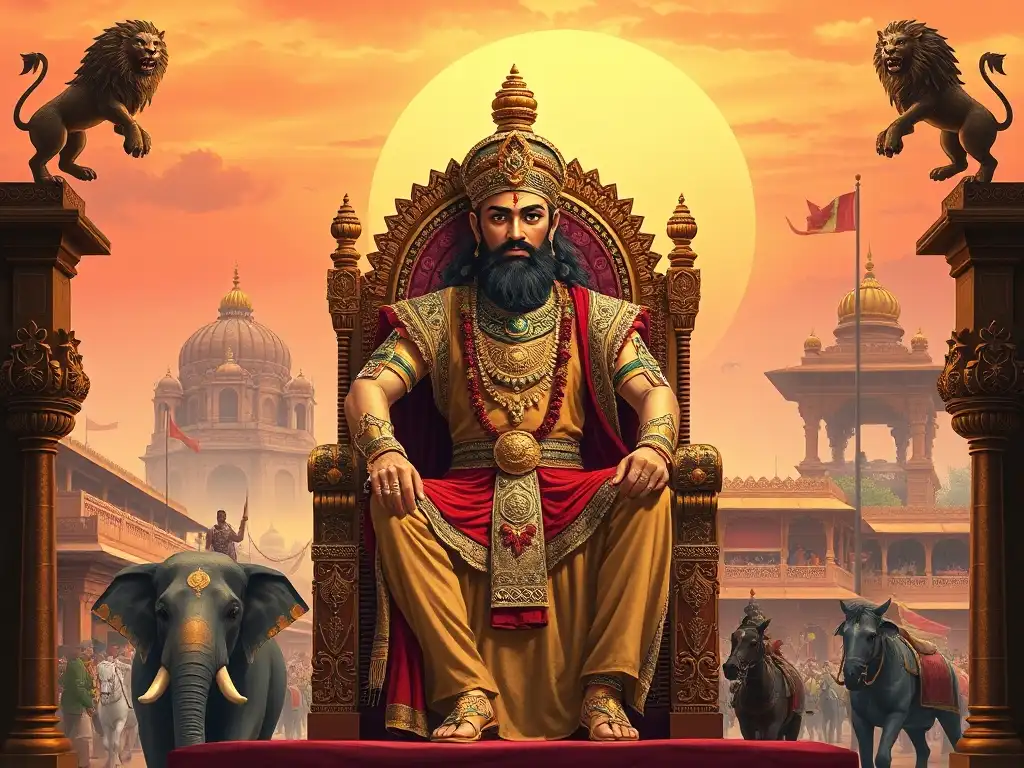
Summary of His Historical Significance
Chandragupta Maurya remains a pivotal figure in ancient Indian history, primarily for his role in establishing the Maurya Empire, which marked a significant turning point in political organization and governance in the Indian subcontinent. His rise to power, around 322 BCE, came after he united numerous smaller kingdoms, effectively ending the fragmented rule that characterized the period following the decline of the Indus Valley Civilization.
His establishment of a centralized administration was revolutionary, laying the groundwork for future empires. Chandragupta's governance strategies included a sophisticated bureaucracy and a standing army, which were instrumental in maintaining order and implementing policies across vast territories. This organizational prowess is highlighted in Kautilya's Arthashastra, a treatise on statecraft and economic policy that Chandragupta's mentor, Chanakya, authored. The principles outlined in this text not only influenced his reign but also served as a foundation for political thought in India for centuries.
Moreover, Chandragupta's historical significance is also tied to his relationship with Alexander the Great. His resistance against the Macedonian invasion showcased the determination and military prowess of Indian rulers. By confronting such a formidable adversary, he inspired future generations of leaders to defend the sovereignty of their territories.
Reflection on His Role in Shaping Ancient India
Chandragupta Maurya's impact on ancient Indian civilization transcends mere political achievements; it encompasses cultural and philosophical dimensions that shaped the identity of the region. His reign fostered an environment where trade flourished, leading to economic prosperity. The Maurya Empire became a hub of commerce, connecting various regions and enhancing cultural exchanges with neighboring civilizations.
His policies also laid the foundations for religious tolerance and the promotion of various faiths. Although he initially embraced Jainism later in his life, his empire was marked by a pluralistic society where Hinduism, Buddhism, and Jainism coexisted. This ethos of coexistence significantly influenced the cultural tapestry of India, promoting a legacy of harmony and dialogue among different communities.
In essence, Chandragupta Maurya's legacy is reflected in the enduring structures of governance, trade, and cultural exchanges that emerged during his reign. His ability to unify and administer a vast empire set a precedent for future rulers and established a model of governance that would be emulated throughout Indian history. Today, his significance is not only a subject of academic study but also a source of inspiration for leaders and thinkers who seek to navigate the complexities of governance and societal cohesion.
Further Reading on Chandragupta Maurya
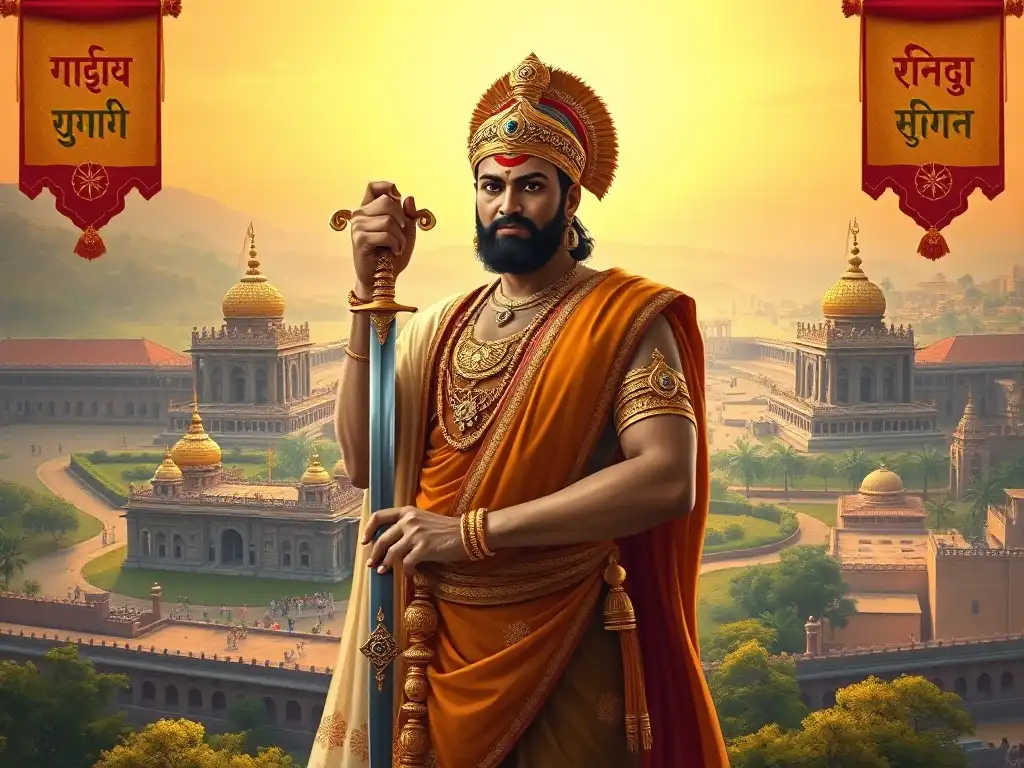
Recommended Books and Articles
For those interested in delving deeper into the life and legacy of Chandragupta Maurya, a variety of books and scholarly articles are available that provide extensive insights into his historical significance. Here is a curated list of recommended readings:
- "The Mauryan Empire" by Romila Thapar
- This book offers a comprehensive overview of the Mauryan dynasty, with a focus on Chandragupta's reign. Thapar examines the political strategies and administrative innovations that characterized this era.
- "Chandragupta Maurya: The Unifier of India" by R. C. Majumdar
- Majumdar’s detailed narrative explores Chandragupta’s rise to power, his military conquests, and his role in establishing one of the largest empires in ancient India.
- "The Arthashastra" by Kautilya (Chanakya)
- While not exclusively about Chandragupta, this ancient treatise on statecraft and military strategy was authored by Chanakya, his mentor. It provides insight into the political philosophies that shaped Chandragupta's governance.
- Scholarly Articles:
- "Chandragupta Maurya and the Foundation of the Mauryan Empire" in Journal of Ancient Indian History – This article analyzes the socio-political context in which Chandragupta emerged as a key figure.
- "The Influence of Chanakya on Chandragupta’s Policies" in Indian Historical Review – A study that focuses on the relationship between Chandragupta and Chanakya, highlighting their collaborative efforts in state-building.
These resources will provide a richer understanding of Chandragupta Maurya's historical significance and his contributions to ancient Indian civilization.
Chandragupta Maurya was not an isolated figure in the historical landscape of ancient India. Several contemporaries and successors played crucial roles in shaping the political and cultural milieu of the time. Here are some notable historical figures associated with him:
- Chanakya (Kautilya):
- The chief advisor and strategist for Chandragupta, Chanakya is often credited with laying the foundations of the Mauryan Empire through his political acumen and writings on governance.
- Bindusara:
- The son of Chandragupta, Bindusara succeeded him as the emperor of the Mauryan Empire. His reign saw the expansion of the empire and the continuation of the policies established by his father.
- Ashoka the Great:
- The grandson of Chandragupta, Ashoka is renowned for his transformative reign, particularly his embrace of Buddhism and promotion of non-violence. His contributions significantly shaped the cultural and religious landscape of India.
- Alexander the Great:
- Although not an Indian figure, Alexander's incursions into India set the stage for Chandragupta's rise as he capitalized on the political fragmentation left in the wake of Alexander's conquests.
These figures, among others, contribute to the rich tapestry of ancient Indian history and underscore the interconnectedness of political, cultural, and intellectual developments during and after Chandragupta Maurya’s reign.
Frequently Asked Questions
What is the historical significance of Chandragupta Maurya?
Chandragupta Maurya is significant for founding the Maurya Empire in ancient India and establishing a centralized governance system that influenced future dynasties.
How did Chandragupta Maurya rise to power?
He rose to power by overthrowing the Nanda Dynasty with the assistance of his mentor, Chanakya, who provided both strategic guidance and political wisdom.
What were the major achievements of Chandragupta Maurya?
His major achievements include the unification of northern India, the establishment of a vast empire, and the creation of an efficient administrative system based on legal reforms.
How did Chandragupta Maurya influence future generations?
Chandragupta's rule set the foundation for future empires in India, showcasing the importance of strong leadership and centralized governance, which inspired many rulers that followed.
What role did Chanakya play in Chandragupta Maurya's reign?
Chanakya, also known as Kautilya, was crucial in shaping Chandragupta's strategies in both politics and military tactics, ultimately helping him to secure and maintain his empire.
Final Reflection: The Enduring Legacy of Chandragupta Maurya
Chandragupta Maurya's historical significance resonates profoundly in today's world, illustrating how visionary leadership can shape the course of nations. His ability to unify fragmented territories into a powerful empire serves as a reminder of the strength found in collaboration and strategic foresight. In an era where division often prevails, his story stands as a beacon of hope, urging us to embrace unity and purpose in our endeavors.
The influence of Chandragupta extends beyond mere historical accounts; it permeates our cultural and social fabric, inspiring leaders and thinkers alike. His journey from humble beginnings to the founder of one of India's greatest empires exemplifies resilience and ambition. As we navigate the complexities of modern society, we can draw inspiration from his life. The greatest conqueror is not the one who defeats others, but the one who conquers himself.
This quote encapsulates the essence of self-mastery that Chandragupta embodied, reminding us that true leadership begins within.
As we reflect on the lessons imparted by Chandragupta Maurya, let us take a moment to consider how we can apply his principles of unity, resilience, and self-governance in our own lives. I invite you to explore your potential as a leader in your community, to foster connections, and to inspire those around you. By embodying the spirit of Chandragupta, we can create a legacy that not only honors the past but also paves the way for a brighter future.
Unleash Your Curiosity About Chandragupta Maurya!
Thank you for diving into the remarkable journey of Chandragupta Maurya and discovering how his legacy continues to inspire. The insights you've gained not only illuminate his significance but also empower you to explore further. Now, let’s take the next steps together!
- Join a Discussion: Connect with fellow history enthusiasts in our community forum to share your thoughts and insights about Chandragupta and his impact on contemporary leadership.
- Explore Further: Read our curated articles on the Mauryan Empire to deepen your understanding of this fascinating era in ancient India.
- Share the Knowledge: Spread the word about this inspiring figure by sharing this article on your social media platforms!
Which aspect of Chandragupta Maurya's reign do you find most inspiring, and how might it influence your own approach to leadership?