
Chandragupta Maurya's Relationship with His Successors: A Historical Analysis

Welcome to Ancient India History, where we embark on an enlightening journey through the rich tapestry of India's past. In this exploration, we delve into the lives of pivotal figures and their profound impact on civilization. Our featured article, “Chandragupta Maurya's Relationship with His Successors: A Historical Analysis,” uncovers the intricate dynamics between this legendary ruler and those who followed in his footsteps.
What secrets lie in the legacy of Chandragupta Maurya and the path he paved for his successors? Join us as we unravel this fascinating chapter of history, igniting your curiosity about the triumphs and tribulations of ancient Indian civilizations. Dive in and let the stories of the past inspire your understanding of our shared heritage!
- Introduction to Chandragupta Maurya's Successors in History
- The Rise of Chandragupta Maurya
- Relationship with Successors
- Successors of Chandragupta Maurya
- The Legacy of Chandragupta Maurya’s Successors
- Conclusion: The Enduring Influence of Chandragupta Maurya's Successors in Indian History
-
Frequently Asked Questions
- What was the role of Chandragupta Maurya in ancient Indian history?
- Who were the main successors of Chandragupta Maurya?
- How did Chandragupta Maurya influence his successors?
- What were the major contributions of Chandragupta Maurya's successors?
- How is the history of Chandragupta Maurya's successors relevant today?
- Final Reflection: The Legacy of Chandragupta Maurya and His Successors
- Unleash the Legacy of Chandragupta Maurya!
Introduction to Chandragupta Maurya's Successors in History
Chandragupta Maurya, a pivotal figure in ancient Indian history, is best known for founding the Mauryan Empire, one of the largest and most powerful empires in the Indian subcontinent. His reign marked the beginning of a significant transformation in political, economic, and cultural aspects of Indian society. However, the enduring legacy of Chandragupta Maurya extends beyond his own rule; it is profoundly intertwined with the actions and policies of his successors.
Understanding the relationship between Chandragupta and his successors is crucial for grasping the full scope of the Mauryan Empire's history, as it reveals the foundational principles that guided the empire’s governance and expansion. This article aims to explore the intricate dynamics between Chandragupta Maurya and his successors, examining their contributions and the historical context that shaped their leadership.
Overview of Chandragupta Maurya's Legacy
Chandragupta Maurya's legacy is characterized by several key achievements that laid the groundwork for the Mauryan Empire's future. His rise to power, facilitated by the guidance of his mentor Chanakya, culminated in the overthrow of the Nanda dynasty, establishing a centralized administration that emphasized governance and economic stability. Some notable aspects of his legacy include:
- Unification of India: Chandragupta’s military conquests and strategic alliances allowed him to unify a fragmented India under one banner, which significantly influenced the political landscape of the region.
- Administrative Innovations: He implemented a sophisticated bureaucratic system that served as a model for future Indian empires. This included measures for taxation, law enforcement, and public welfare.
- Cultural Flourishing: His reign saw a cultural renaissance, with advancements in art, literature, and philosophy, influenced by the diverse populations within the empire.
These elements not only defined Chandragupta's rule but also set a precedent for his successors, who would build upon this foundation.
Importance of Successors in Mauryan Empire History
The successors of Chandragupta Maurya played a critical role in shaping the trajectory of the Mauryan Empire. Their leadership styles, policies, and decisions significantly influenced the empire's stability and expansion. Key successors include:
- Bindusara: Chandragupta's son, who continued his father's policies and expanded the empire further into southern India. His reign is noted for diplomatic relations with foreign kingdoms and further centralization of power.
- Ashoka the Great: Perhaps the most renowned of Chandragupta’s successors, Ashoka's conversion to Buddhism and subsequent promotion of non-violence and dharma marked a transformative period in Indian history. His reign is often seen as the pinnacle of the Mauryan Empire, with a focus on cultural integration and public welfare.
Understanding the relationship between Chandragupta Maurya and his successors is essential for comprehending the complexities of Mauryan rule and its enduring influence on Indian civilization. The policies they enacted and the legacies they left behind continue to resonate through the annals of history, shaping the cultural and political landscape of India for centuries to come.
The Rise of Chandragupta Maurya
Chandragupta Maurya is often celebrated as the founder of the Mauryan Empire, a significant turning point in ancient Indian history. His rise to power marked the beginning of a centralized and expansive empire that would set the stage for future political and cultural developments in India. This section delves into the early life of Chandragupta and the establishment of his empire, laying the groundwork for understanding his relationships with his successors.
Early Life and Background of Chandragupta Maurya
Chandragupta Maurya was born around 340 BCE in a region that is now part of modern-day Bihar, India. His early life is shrouded in mystery, but several historical accounts provide insights into his formative years. He belonged to the Kshatriya (warrior) caste, which likely influenced his aspirations for power and governance.
- Family and Upbringing:
- According to some sources, he was the son of a local ruler or a peasant. His family background instilled a sense of leadership and ambition from a young age.
- He was reportedly influenced by a sage named Chanakya (Kautilya), who recognized his potential and became his mentor. Chanakya played a pivotal role in shaping Chandragupta's political acumen and strategies.
- Early Influences:
- The political landscape of India during Chandragupta's youth was tumultuous, characterized by the decline of the Nanda Dynasty, which had ruled much of northern India. This environment provided the perfect opportunity for an ambitious leader like Chandragupta to rise.
- His early encounters with local rulers and military tactics contributed to his understanding of governance and warfare.
Chandragupta's early life, marked by significant influences and the socio-political conditions of his time, laid a strong foundation for his subsequent achievements.
Establishment of the Mauryan Empire
The establishment of the Mauryan Empire is a remarkable chapter in ancient Indian history, showcasing Chandragupta's military prowess and strategic brilliance. His ascent to power was marked by several key events and strategies:
- Overthrowing the Nanda Dynasty:
- In 321 BCE, with the backing of Chanakya, Chandragupta launched a campaign against the Nanda Dynasty. Despite facing a much larger and well-equipped army, his guerrilla tactics and local support enabled him to defeat Nanda ruler Dhanananda.
- This victory was crucial as it marked the end of Nanda rule and the beginning of Chandragupta's reign.
- Formation of a Centralized Administration:
- Chandragupta implemented a centralized system of governance, which included a well-organized bureaucracy and a network of spies to maintain order and collect intelligence. This system was revolutionary for its time and laid the groundwork for future empires.
- He divided the empire into provinces, each governed by appointed officials, ensuring effective administration over vast territories.
- Military Expansion:
- Following the establishment of his rule, Chandragupta focused on expanding the Mauryan Empire. He engaged in numerous military campaigns, significantly extending his territory across northern and central India.
- His most notable conquest was against Alexander the Great’s successors in the northwest, where he successfully defended his empire and expanded his influence.
- Cultural Integration:
- Chandragupta also promoted the integration of diverse cultures within his empire. His reign saw the blending of various traditions, which contributed to the rich cultural tapestry of ancient India.
The establishment of the Mauryan Empire not only marked the zenith of Chandragupta Maurya's power but also created a legacy that would influence his successors profoundly. His strategies and administrative innovations set the stage for future rulers, particularly his grandson Ashoka, who would further expand and enrich the empire's legacy.
Relationship with Successors
Chandragupta Maurya, the founder of the Maurya Empire, established a strong central authority that laid the groundwork for a unified Indian state. His relationship with his successors was pivotal in ensuring the continuity and stability of the empire. This relationship was characterized by a blend of mentorship, political acumen, and strategic alliances that shaped the trajectory of the Maurya dynasty.
Chandragupta Maurya's Governance Style
Chandragupta's governance style was marked by a pragmatic approach to rule, focusing on both military strength and administrative efficiency. He implemented several key strategies that not only consolidated his power but also influenced his successors:
- Centralized Administration: He established a bureaucratic system that allowed for effective governance across vast territories. This system provided a model that his successors would follow, ensuring a stable administration.
- Military Organization: Chandragupta meticulously organized the military, employing a standing army that could respond quickly to threats. This emphasis on military readiness became a hallmark of Maurya rule and was crucial for the defense of the empire.
- Legal and Economic Reforms: He introduced reforms focused on law and order, taxation, and trade regulation. These reforms helped in creating a prosperous economy that his successors would later rely on.
- Diplomatic Relations: Chandragupta also engaged in diplomacy with neighboring states, forming alliances that secured the empire's borders. This diplomatic acumen was an essential lesson for his successors, especially during times of external threats.
Chandragupta's governance style emphasized a balance between authority and benevolence, which served as a guideline for his successors as they navigated the complexities of ruling a vast empire.
Influence on Successors: Key Principles and Policies
The influence of Chandragupta Maurya on his successors is evident in several key principles and policies that they adopted. His immediate successors, particularly his son Bindusara and grandson Ashoka, carried forward his legacy with nuanced adaptations:
- Continuation of Centralized Power: Bindusara maintained the centralized authority established by Chandragupta, reinforcing the bureaucratic system and ensuring that the principles of governance remained intact.
- Promotion of Trade and Agriculture: Chandragupta's focus on economic stability influenced his successors to prioritize trade routes and agricultural productivity. Ashoka, in particular, extended these policies, leading to unprecedented economic growth.
- Buddhism and Religious Tolerance: While Chandragupta initially followed Jainism, his grandson Ashoka's embrace of Buddhism marked a significant ideological shift. However, the foundation laid by Chandragupta regarding religious tolerance allowed for a smoother transition and acceptance of Ashoka's policies.
- Administrative Reforms: Chandragupta's governance principles inspired his successors to implement further administrative reforms, including local governance systems that empowered regional leaders, ensuring loyalty to the central authority.
The legacy of Chandragupta Maurya is a testament to his effective governance and visionary leadership, which not only shaped his reign but also provided a robust framework for the success of his successors in maintaining and expanding the Maurya Empire.
Successors of Chandragupta Maurya
Bindusara: The First Successor
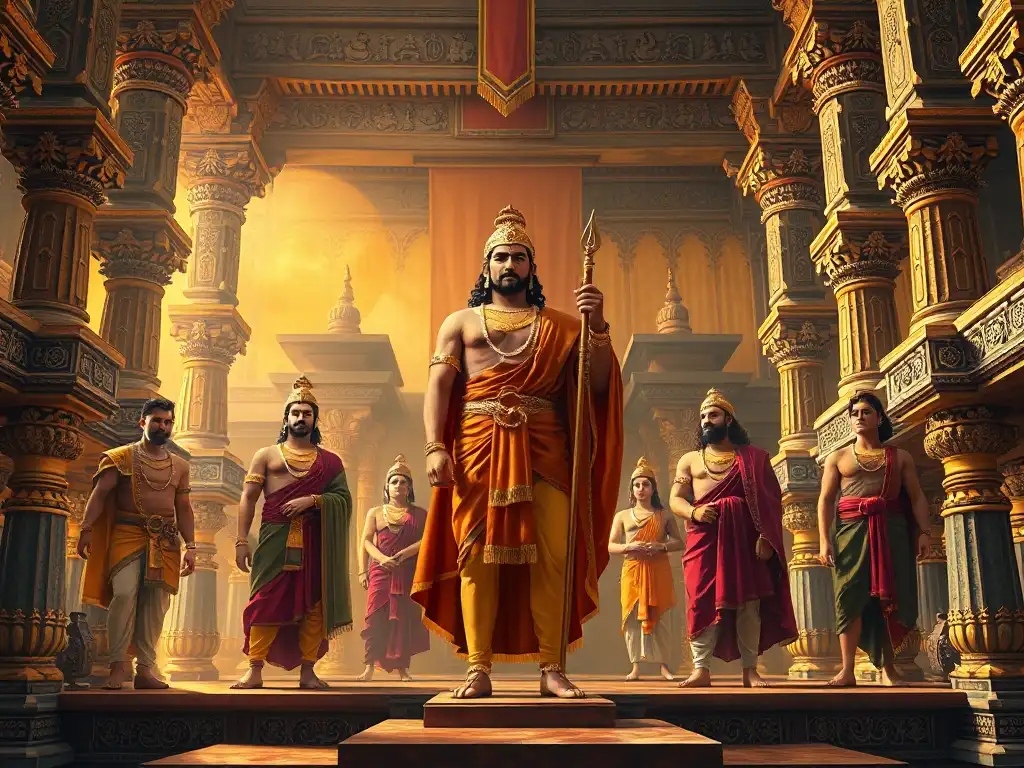
Bindusara, the son of Chandragupta Maurya, ascended the throne of the Maurya Empire after his father's abdication around 297 BCE. His reign, which lasted until approximately 273 BCE, marked a crucial period in the early expansion and consolidation of the Mauryan Empire. Bindusara's leadership was characterized by diplomatic strategies and military campaigns that further strengthened the empire established by his father.
Achievements and Challenges of Bindusara
Bindusara faced various challenges during his rule, primarily in the realm of governance and territorial expansion. His achievements include:
- Territorial Expansion: Under Bindusara, the Mauryan Empire expanded southward, absorbing several territories in present-day India. His military campaigns extended Mauryan influence over the Deccan region.
- Diplomatic Relations: He established diplomatic relations with foreign kingdoms, which helped in fostering trade and cultural exchanges. Notably, Bindusara is said to have maintained connections with the Greek kingdoms, further enhancing the empire's international standing.
- Administration: Bindusara continued his father's policies, promoting a centralized administration that allowed for effective governance across the vast empire.
Despite these successes, Bindusara faced significant challenges, including:
- Internal Revolts: The vastness of the empire often led to local dissensions and revolts, which Bindusara had to manage effectively to maintain stability.
- Succession Issues: The question of succession became a critical issue as Bindusara's own sons vied for power, leading to tensions that would later influence the political landscape of the Mauryan Empire.
Relationship with Chandragupta Maurya
The relationship between Bindusara and his father, Chandragupta Maurya, was one of respect and continuity. Chandragupta’s guidance and the foundational principles he established for governance significantly influenced Bindusara’s approach to ruling.
- Mentorship: Chandragupta's experiences in building the empire served as a valuable resource for Bindusara, who sought to emulate his father's strategies while also forging his own path.
- Cultural Legacy: Chandragupta instilled a sense of cultural identity in Bindusara, who continued to promote the values and practices that characterized Mauryan society, including religious tolerance and economic prosperity.
- Political Stability: The stable governance established by Chandragupta provided a solid foundation for Bindusara, allowing him to focus on expansion and diplomacy without the immediate threat of internal collapse.
Ashoka the Great: The Most Notable Successor
Ashoka, the grandson of Chandragupta Maurya, is often regarded as one of the most significant rulers of the Mauryan Empire. His reign, which began in 268 BCE and lasted until approximately 232 BCE, is notable not only for its territorial expansions but also for the profound cultural and ethical transformations he initiated.
Ashoka’s Reign and Contributions
Ashoka's reign is often characterized by a stark transformation from a warrior king to a proponent of peace and non-violence following the Kalinga War. His contributions include:
- Promotion of Buddhism: After witnessing the horrors of war, Ashoka embraced Buddhism and became a patron of the religion, leading to its spread across Asia. He established numerous stupas and monasteries, facilitating the growth of Buddhist communities.
- Edicts of Ashoka: He is renowned for his inscriptions, known as the Edicts of Ashoka, which communicated his policies on morality, ethics, and governance to his subjects. These edicts emphasized values such as compassion, tolerance, and respect for all living beings.
- Public Welfare Initiatives: Ashoka implemented various public welfare programs, including the construction of hospitals, roads, and rest houses. His initiatives significantly improved the quality of life for his subjects.
Impact of Chandragupta Maurya on Ashoka’s Policies
Chandragupta Maurya's legacy had a profound impact on Ashoka's policies and governance style.
- Administrative Framework: The bureaucratic structure established by Chandragupta provided Ashoka with a robust administrative system, enabling him to implement his reforms efficiently.
- Cultural Foundations: Chandragupta's promotion of cultural unity and religious tolerance laid the groundwork for Ashoka’s policies, which further embraced these ideals, fostering a sense of national identity within the diverse population of the Mauryan Empire.
- Ethical Leadership: The values of ethical governance and moral responsibility that Chandragupta espoused resonated deeply with Ashoka, influencing his transition from a military leader to a ruler committed to peace and humanitarian principles.
The relationship between Chandragupta Maurya and his successors, Bindusara and Ashoka, reveals a continuum of leadership that shaped the Mauryan Empire's trajectory, leaving a lasting legacy on the history of ancient India.
The Legacy of Chandragupta Maurya’s Successors
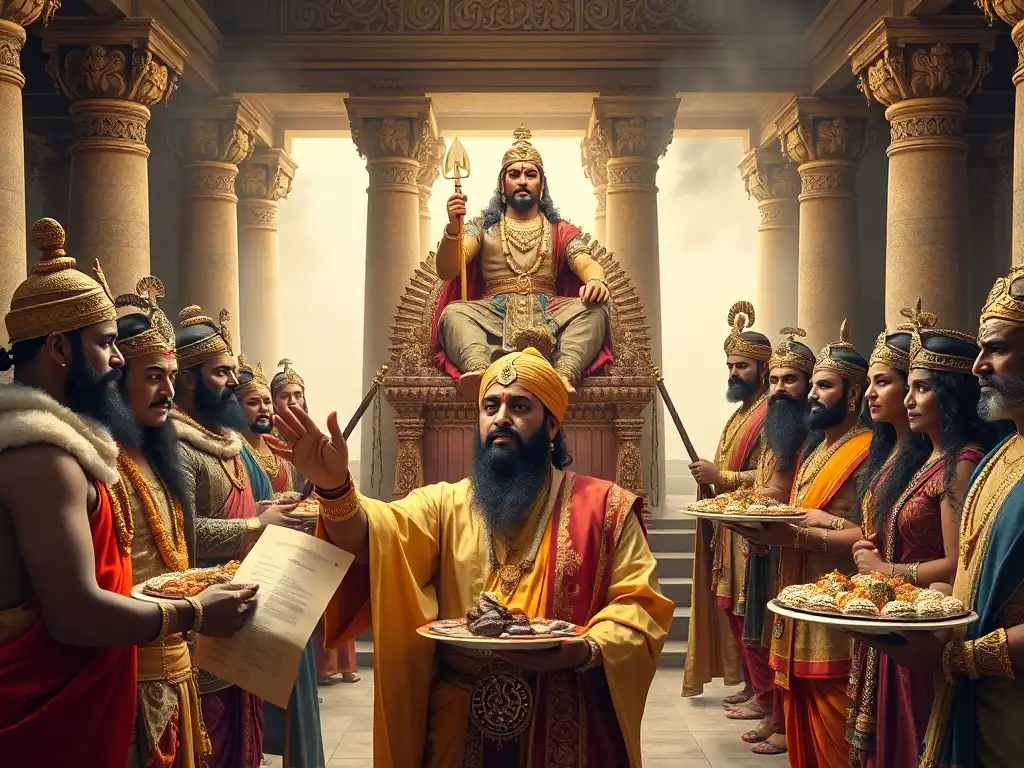
Chandragupta Maurya, the founder of the Mauryan Empire, laid a strong foundation for one of the largest empires in ancient India. His successors, particularly his son Bindusara and grandson Ashoka, played pivotal roles in shaping the trajectory of the empire. This section delves into the significance of their contributions, examining how they built upon Chandragupta’s legacy and affected the historical landscape of ancient India.
Historical Impact on the Mauryan Empire
The successors of Chandragupta Maurya were instrumental in expanding and consolidating the Mauryan Empire. Under the reign of Bindusara (c. 297–273 BCE), the empire saw significant territorial expansion. Bindusara continued his father’s policies, maintaining strong diplomatic ties and engaging in military conquests that extended Mauryan control across much of the Indian subcontinent. Notably, he is credited with the annexation of regions in present-day Gujarat and parts of southern India.
Ashoka the Great (c. 268–232 BCE), Bindusara's son, is perhaps the most renowned successor due to his transformative approach to governance. After a brutal conquest of Kalinga, Ashoka experienced a profound change of heart, leading him to embrace Buddhism and promote non-violence. His policies significantly altered the empire's direction, emphasizing moral governance over military might. Ashoka’s edicts, inscribed on rocks and pillars across the empire, communicated his commitment to dharma (righteousness) and heralded a shift towards a more inclusive and humane administration.
| Successor | Reign Period | Key Contributions |
|---|---|---|
| Chandragupta Maurya | c. 322–297 BCE | Founded the Mauryan Empire; established a centralized administration. |
| Bindusara | c. 297–273 BCE | Expanded the empire and strengthened diplomatic relations. |
| Ashoka | c. 268–232 BCE | Promoted Buddhism; instituted moral governance; issued edicts advocating non-violence. |
The historical impact of these successors is not limited to territorial expansion; they also established administrative systems that facilitated trade, communication, and governance. The Mauryan Empire became a model of political organization, influencing subsequent empires in India and beyond.
Cultural Contributions and Developments
The cultural contributions of Chandragupta Maurya’s successors were equally significant, as they fostered an environment where art, architecture, and philosophy flourished. The Mauryan period is marked by the emergence of distinctive artistic styles and the proliferation of Buddhist architecture.
Bindusara is credited with continuing the patronage of the arts initiated by his father. He supported the construction of monastic complexes and stupas, which served as centers for Buddhist learning and practice. These developments set the stage for the later architectural marvels during Ashoka's reign.
Under Ashoka, the cultural landscape transformed dramatically. His promotion of Buddhism led to the establishment of numerous stupas, such as the famous Sanchi Stupa, which are exemplary of Mauryan architecture. The rock-cut caves at Barabar and Nagarjuna also showcase advanced engineering and artistic skills. Ashoka’s edicts reflect not only a commitment to governance but also a rich philosophical discourse, emphasizing ethics and compassion.
In addition to architectural advancements, the Mauryan Empire under Chandragupta’s successors saw a synthesis of cultures due to extensive trade networks. Interaction with Greek and Persian traders introduced new ideas and goods, fostering a cosmopolitan culture that thrived on diversity.
The legacy of Chandragupta Maurya’s successors continues to resonate in modern India, as their contributions to governance, culture, and philosophy laid a foundation that would influence subsequent generations. Their emphasis on ethical leadership and cultural richness remains a testament to the enduring spirit of the Mauryan Empire.
Conclusion: The Enduring Influence of Chandragupta Maurya's Successors in Indian History
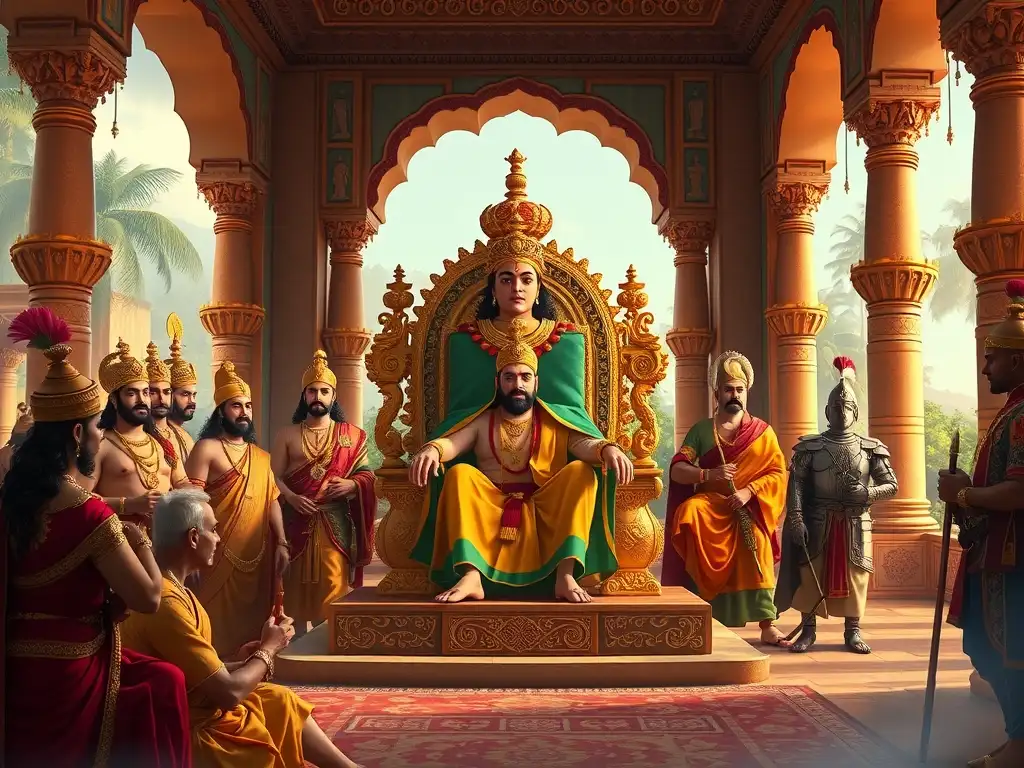
The legacy of Chandragupta Maurya, the founder of the Mauryan Empire, is profoundly intertwined with the achievements and policies of his successors. This relationship not only shaped the trajectory of the Mauryan Dynasty but also left an indelible mark on the history of ancient India. The successors of Chandragupta, particularly his son Bindusara and grandson Ashoka, played pivotal roles in expanding and consolidating the empire, influencing the sociopolitical landscape of the region.
Reflection on the Mauryan Dynasty's Legacy
The Mauryan Dynasty is often celebrated for its remarkable administrative innovations and cultural advancements. Chandragupta’s establishment of a centralized government laid the groundwork for the expansive empire that his successors would inherit. Bindusara furthered this legacy by maintaining stability and fostering trade, which was crucial for economic prosperity.
However, it was Ashoka who truly transformed the empire’s legacy. His conversion to Buddhism and subsequent promotion of Dhamma, or moral law, marked a significant shift in governance. Ashoka’s edicts, inscribed on pillars and rocks, reflect his commitment to justice and non-violence, creating a legacy that transcended the empire's political boundaries. The emphasis on ethical governance and social welfare initiated by Ashoka continues to resonate in contemporary Indian society, reinforcing the importance of moral leadership.
Importance of Understanding the Successors in Ancient Indian History
Understanding the history of Chandragupta Maurya’s successors is crucial for several reasons:
- Historical Continuity: The policies and decisions made by Chandragupta's successors provide insight into the continuity and evolution of governance in ancient India. This continuity reveals how the foundational strategies laid down by Chandragupta were adapted to meet the challenges faced by later rulers.
- Cultural Development: The Mauryan Empire was not only a political entity but also a cultural powerhouse. The patronage of art, architecture, and religion by Chandragupta’s successors led to significant cultural developments. For example, Ashoka's support for Buddhism facilitated the spread of the religion beyond India, influencing various cultures across Asia.
- Lessons in Leadership: The contrasting leadership styles of Chandragupta, Bindusara, and Ashoka offer valuable lessons in governance and ethical leadership. Each ruler faced unique challenges that required different approaches, highlighting the complexities of leadership in a vast empire.
- Impact on Future Dynasties: The effects of the Mauryan rulers’ policies and administration had lasting impacts on subsequent Indian dynasties. Understanding these influences helps historians trace the evolution of political thought and governance in India.
The successors of Chandragupta Maurya not only upheld his legacy but also carved their own paths that significantly shaped ancient Indian history. Their contributions provide essential insights into the dynamics of power, culture, and ethical governance, making the study of this period invaluable for understanding the broader historical narrative of India.
Frequently Asked Questions
What was the role of Chandragupta Maurya in ancient Indian history?
Chandragupta Maurya was the founder of the Maurya Empire and is known for unifying northern India, establishing a centralized administration, and laying the groundwork for future rulers.
Who were the main successors of Chandragupta Maurya?
Chandragupta Maurya's key successors included his son Bindusara and grandson Ashoka, both of whom significantly contributed to the empire's expansion and cultural development.
How did Chandragupta Maurya influence his successors?
His policies and strategies set a precedent for his successors, emphasizing administrative efficiency, military organization, and the promotion of trade, which helped maintain the stability of the empire.
What were the major contributions of Chandragupta Maurya's successors?
The successors expanded the Maurya Empire, with Ashoka promoting Buddhism and non-violence, and implementing policies that improved social welfare and infrastructure across the realm.
How is the history of Chandragupta Maurya's successors relevant today?
Understanding the history of Chandragupta Maurya's successors provides insights into the development of governance, culture, and religion in ancient India, influencing contemporary Indian society and politics.
Final Reflection: The Legacy of Chandragupta Maurya and His Successors
Chandragupta Maurya's relationship with his successors is not just a historical narrative; it is a profound lesson on leadership, governance, and the complexities of power. In today's world, where political dynamics are constantly shifting, understanding the intricacies of such relationships can provide valuable insights into effective leadership. The legacy of Chandragupta and his successors continues to resonate, reminding us that the foundations of strong governance are built on collaboration, vision, and the ability to adapt to changing circumstances.
The impact of Chandragupta Maurya's reign and his successors extends far beyond the annals of history; it shapes our understanding of political structures and cultural evolution. The way in which he navigated his relationships with successors like his son, Bindusara, and grandson, Ashoka, illustrates the importance of mentorship and continuity in leadership. The greatest leader is not necessarily the one who does the greatest things. He is the one that gets the people to do the greatest things.
This quote encapsulates the essence of Chandragupta's influence, as he laid the groundwork for a dynasty that would flourish under the guidance of capable successors.
As we reflect on the lessons from Chandragupta Maurya's history, let us consider how these insights can be applied in our own lives and communities. Take a moment to think about the leaders in your life—whether in your career, your family, or your community—and how you can foster relationships that promote growth and collaboration.
Embrace the spirit of mentorship and support, recognizing that each of us has the potential to shape the future through our actions and connections. The legacy of Chandragupta and his successors is a call to action for all of us to become better leaders and stewards of our shared history.
Unleash the Legacy of Chandragupta Maurya!
Thank you for diving into the intricate world of Chandragupta Maurya and his successors! Your interest in this pivotal era enriches your understanding of Ancient India. Now, it’s time to take the insights you've gained and turn them into actions that honor this remarkable history!
Here are some powerful steps to deepen your exploration:
- Dive deeper into the Mauryan Empire: Research and read more about Chandragupta's reign and its lasting impact on governance. Look for books or documentaries that highlight his administration and policies to gain a comprehensive understanding.
- Share your newfound knowledge: Discuss this topic with friends or share your reflections on social media. Engaging with others can spark meaningful conversations about historical influences and their relevance today!
- Join an online discussion group: Participate in forums dedicated to Ancient Indian history. Connecting with fellow enthusiasts can provide fresh perspectives and insights into Chandragupta’s legacy.
As you embark on these actions, consider this: How do you think Chandragupta’s leadership style influences modern governance? We invite you to share your thoughts!