
The Enigma of Syncretism: Understanding India's Diverse Artistic Heritage

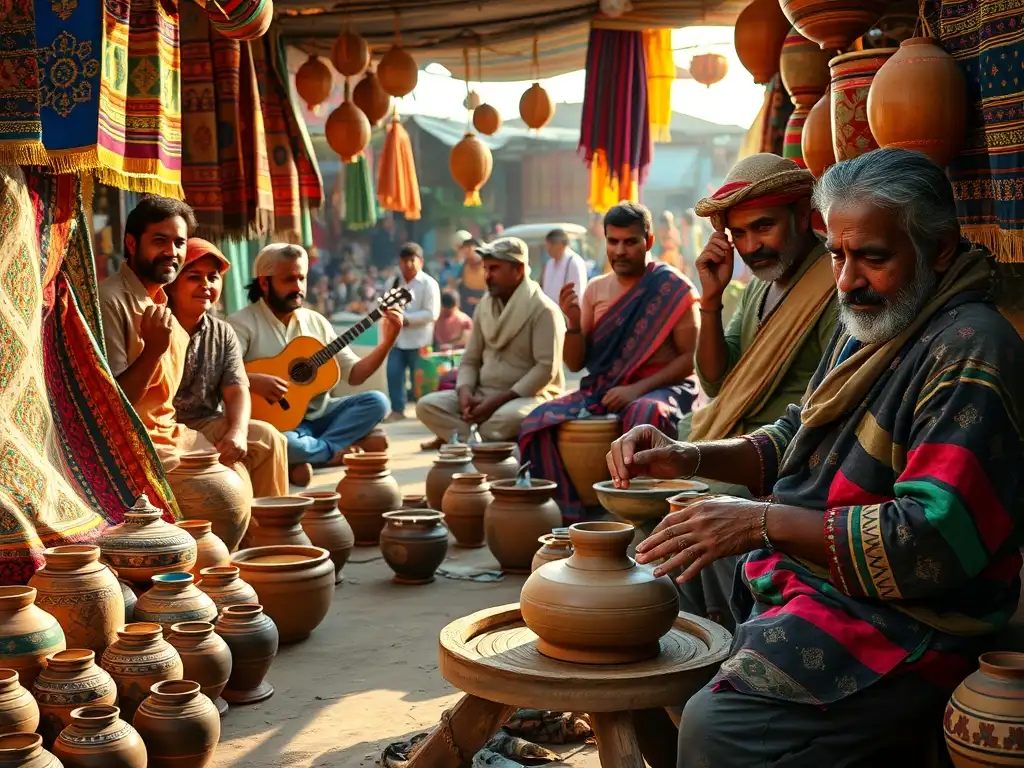
Welcome to Ancient India History, where we invite you to embark on a fascinating journey through the vibrant tapestry of India's diverse artistic heritage. From the intricate sculptures of the Indus Valley to the exquisite frescoes of the Gupta Empire, each piece of art tells a story steeped in cultural exchanges and profound influences. In our featured article, “The Enigma of Syncretism: Understanding India's Diverse Artistic Heritage,” we delve into how these artistic expressions reflect the rich and diverse history of ancient Indian civilizations.
Prepare to uncover the layers of creativity and innovation that have shaped not only India but the world. Your exploration begins here—dive deeper to discover what lies beneath the surface!
Introduction to India's Diverse Artistic Heritage
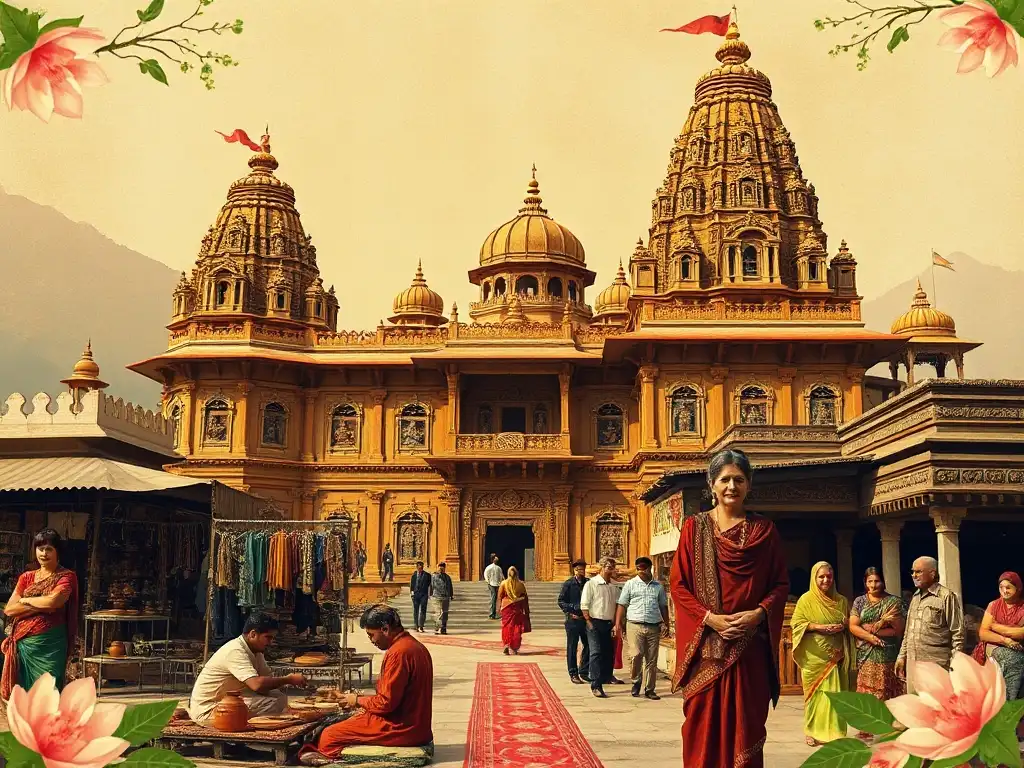
India's artistic heritage is a tapestry woven from the threads of numerous cultures, traditions, and influences that have coexisted and interacted through the ages. This rich and diverse heritage reflects the complex history of the subcontinent, characterized by a continuous process of cultural exchange and assimilation. From the intricate carvings of temple architecture to the vibrant colors of traditional textiles, each artistic expression tells a story of India's multifaceted identity. Understanding India's diverse artistic heritage is essential for appreciating how various civilizations have contributed to the evolution of art forms that resonate with spiritual, historical, and social significance.
Definition of Syncretism in Art and Culture
Syncretism refers to the blending of different beliefs, practices, or artistic styles to form new, cohesive systems. In the context of art and culture, it involves the amalgamation of various artistic influences, resulting in unique creations that reflect a fusion of ideas and aesthetics. This phenomenon is particularly evident in India, where diverse religious and cultural traditions have coalesced over millennia. For instance, the synthesis of Hindu, Buddhist, and Islamic art forms showcases how syncretism has enriched India's artistic landscape, creating a legacy that is both varied and profound.
Importance of Studying India's Artistic Syncretism
Examining India's artistic syncretism is vital for several reasons:
- Cultural Understanding: It fosters a deeper appreciation of how different cultures have influenced one another, leading to enriched artistic expressions.
- Historical Insights: Studying syncretic art reveals the socio-political dynamics of various periods, illustrating how historical events shaped cultural exchanges.
- Contemporary Relevance: Understanding past syncretism can inform current artistic practices and encourage dialogue about cultural identity in a globalized world.
Historical Context of Artistic Syncretism in India
Overview of India's Ancient Civilizations
India's artistic heritage is rooted in its ancient civilizations, which laid the groundwork for future cultural developments. The Indus Valley Civilization (c. 3300–1300 BCE) is one of the earliest examples, known for its urban planning and sophisticated craftsmanship. Following this, various empires, such as the Maurya (c. 322–185 BCE) and Gupta (c. 240–550 CE), contributed significantly to India's artistic legacy through advancements in sculpture, painting, and architecture. These civilizations provided fertile ground for artistic syncretism by integrating local traditions with external influences.
Key Periods Influencing Artistic Heritage
Several key periods have played a pivotal role in shaping India's artistic heritage:
- Mauryan Period: The introduction of Buddhism led to the creation of remarkable art forms, such as the Sanchi Stupa and Ajanta Caves, which exemplify the integration of indigenous styles with foreign influences.
- Gupta Period: Often referred to as the "Golden Age" of India, this era saw a flourishing of arts, including the exquisite Gupta sculptures that combined realism with spiritual themes.
- Medieval Period: The arrival of Islamic rulers brought new artistic elements, leading to a fusion seen in Indo-Islamic architecture, exemplified by the Taj Mahal and Qutub Minar.
- Colonial Period: This era introduced Western artistic principles, resulting in unique syncretic forms such as Company paintings, which blended Indian themes with European styles.
Understanding these periods helps us appreciate the vast canvas of India's diverse artistic heritage, where each brush stroke and chisel mark narrates a story of cultural intermingling and artistic evolution.
Influences on India's Artistic Heritage
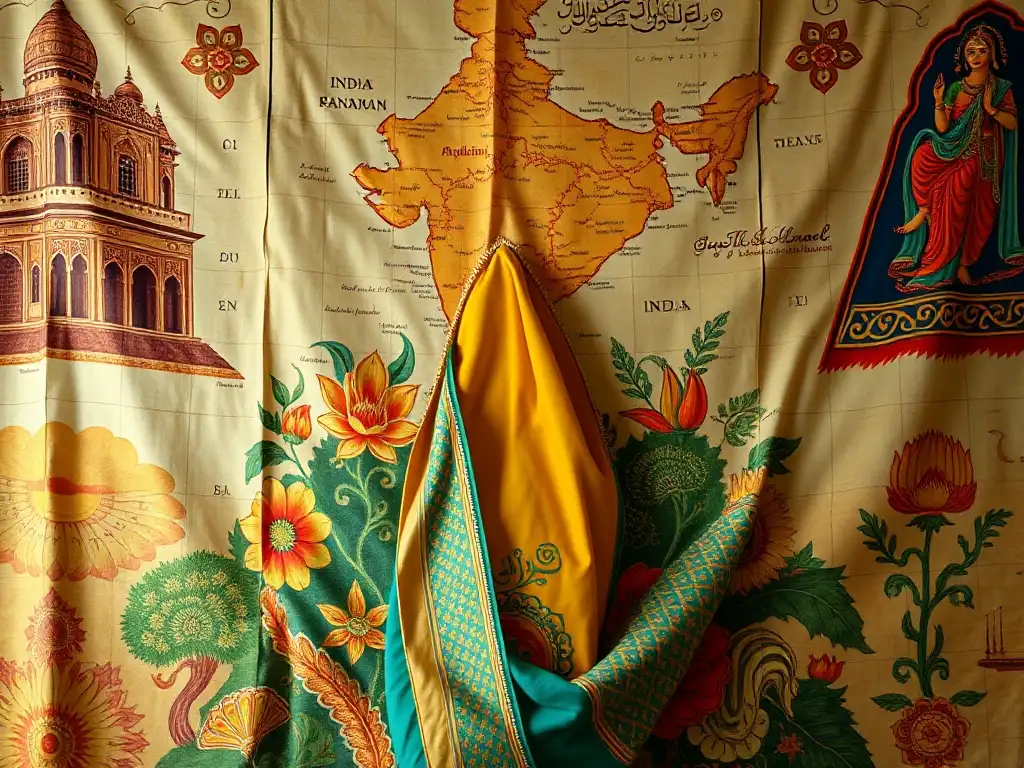
India's artistic heritage is a vibrant tapestry woven from various influences that stem from both indigenous traditions and external interactions. This syncretism has played a pivotal role in shaping the country's art, resulting in a unique fusion of styles, techniques, and themes that reflect the diverse cultural landscape of ancient India. Understanding these influences allows us to appreciate how historical events, migrations, and trade have contributed to the richness of India's artistic expressions.
Indigenous Artistic Traditions
At the heart of India's artistic heritage lie its indigenous artistic traditions, which date back thousands of years. From the intricate pottery of the Indus Valley Civilization to the elaborate murals of ancient temples, these traditions reflect the deep connection between art and daily life in ancient societies.
- Craftsmanship: Various regional crafts, such as textiles, metalwork, and pottery, showcase the skills and creativity of local artisans. Each region developed its own unique styles and techniques based on available materials and cultural practices.
- Spirituality: Indigenous art often carries spiritual significance, with many artworks serving religious or ceremonial purposes. For example, the paintings in the Ajanta Caves depict Buddhist themes and narratives, demonstrating how art was used to convey spiritual teachings.
- Nature and Symbolism: Nature played a significant role in indigenous art, with motifs representing flora, fauna, and celestial bodies. These elements often symbolized deeper meanings, reflecting the beliefs and philosophies of the time.
External Influences from Invaders and Traders
Throughout history, India has been a crossroads of cultures, inviting a range of external influences through invasions and trade. Each wave of interaction brought new ideas, techniques, and materials that enriched India's artistic landscape.
- Persian and Mughal Influences: The arrival of Persian and later Mughal rulers introduced new artistic styles, particularly in painting and architecture. The intricate patterns and vibrant colors characteristic of Mughal art can be seen in masterpieces like the Taj Mahal.
- Trade Routes: The Silk Road and maritime trade routes facilitated cultural exchanges, allowing the infusion of foreign elements into Indian art. Goods and ideas from far-off lands, such as China and the Middle East, influenced local artisans and their craft practices.
- Colonial Impact: The British colonial period also left a significant mark on Indian art, leading to the emergence of new styles and movements that blended traditional Indian aesthetics with European techniques. This period saw the rise of Indian artists who adapted Western mediums while retaining their cultural essence.
Major Forms of Syncretism in Indian Art
The syncretism inherent in India's artistic heritage manifests in various forms, each showcasing the dynamic interplay between different influences and styles. This blending is evident across multiple artistic disciplines.
Sculpture: A Blend of Styles and Techniques
Indian sculpture exemplifies the syncretic nature of the country's art, where indigenous forms coexist with external influences. The intricate carvings found in temples, such as those in Khajuraho, reflect a synthesis of local craftsmanship and techniques introduced by foreign cultures.
- Diversity of Themes: Sculptural themes range from religious deities to secular representations, embodying both local and foreign narratives. This duality adds depth to the artistic dialogue within Indian sculpture.
- Materials and Techniques: The use of various materials, including stone, bronze, and terracotta, showcases the adaptability of Indian sculptors. Techniques like lost-wax casting, introduced through trade, further enhanced the complexity of Indian sculptural art.
Painting: Fusion of Techniques and Themes
Indian painting is a remarkable testament to the syncretism of styles and themes, blending traditional motifs with influences from different cultures.
- Miniature Paintings: The Mughal miniature painting style, characterized by its detailed and vibrant imagery, illustrates the fusion of Persian and Indian techniques. These paintings often depict court life, nature, and religious themes, showcasing the interconnectedness of cultural narratives.
- Folk Art: Folk art traditions, such as Warli and Madhubani, also reflect a blend of styles, incorporating contemporary themes while retaining indigenous elements. These artworks often serve as a form of cultural storytelling.
Architecture: A Harmonious Blend of Styles
The architectural heritage of India stands as a testament to the syncretism of various influences, resulting in structures that reflect a harmonious blending of different styles.
- Temple Architecture: The evolution of temple architecture in India showcases a synthesis of indigenous styles with influences from Buddhism, Jainism, and later Islamic architecture. The intricate carvings and unique layouts of temples represent this rich confluence.
- Fortress and Palace Designs: Structures like forts and palaces highlight the fusion of functionality and aesthetics, incorporating elements from both Hindu and Islamic architectural traditions. The use of domes, arches, and ornate detailing exemplifies this interconnectedness.
India's diverse artistic heritage is a living testament to the complexities of cultural syncretism. By understanding the influences and major forms of syncretism in Indian art, we gain a deeper appreciation for the rich tapestry of history, tradition, and creativity that defines this remarkable civilization.
Case Studies of India's Diverse Artistic Heritage
India's artistic heritage is a complex tapestry woven from various cultural influences and historical contexts. This section explores specific case studies that illustrate the syncretic nature of Indian art across different periods and regions. Each example highlights the intricate blend of styles, techniques, and philosophies that have emerged from India's rich history.
The Ajanta Caves: A Testament to Artistic Fusion
The Ajanta Caves, located in Maharashtra, are a stunning example of ancient India's artistic achievement, showcasing a blend of Buddhist influences and local craftsmanship. Dating back to the 2nd century BCE to the 6th century CE, these rock-cut caves exhibit intricate frescoes and sculptures that reflect both spiritual themes and the cultural milieu of the time.
- Artistic Techniques: The use of natural pigments and the technique of fresco painting reveal a high level of skill and artistry. The narratives depicted on the walls illustrate the Jataka tales, which recount the previous lives of the Buddha, merging religious devotion with artistic expression.
- Cultural Influences: The caves demonstrate a synthesis of Indian and Hellenistic artistic traditions, particularly in the representation of human figures and the emotional depth conveyed in the sculptures. This fusion signifies the cross-cultural exchanges that occurred along ancient trade routes.
Through the Ajanta Caves, one can observe how religious art served not only as a means of conveying spiritual messages but also as a canvas for cultural dialogue and exchange.
The Fatehpur Sikri: Merging Mughal and Indian Styles
Fatehpur Sikri, built during the reign of Emperor Akbar in the late 16th century, stands as a monumental illustration of the syncretism that characterized Mughal architecture. This city showcases a harmonious synthesis of Persian, Islamic, and indigenous Indian architectural styles.
- Architectural Features: The use of red sandstone and intricate inlay work with precious stones highlights the blending of materials and techniques. Structures like the Buland Darwaza and the Tomb of Salim Chishti exemplify the grandeur of Mughal design while incorporating local craftsmanship.
- Cultural Significance: Akbar's policy of religious tolerance and his efforts to promote a syncretic culture are reflected in the architecture and urban planning of Fatehpur Sikri. The city served as a melting pot for various religious and cultural traditions, fostering an environment of artistic collaboration.
Fatehpur Sikri is not merely an architectural marvel; it encapsulates a pivotal moment in Indian history where cultural fusion led to a distinct and enduring artistic legacy.
The Brihadeeswarar Temple: A Symbol of Cultural Synthesis
The Brihadeeswarar Temple, located in Thanjavur, Tamil Nadu, is a prime example of Chola architecture and reflects the deep-rooted syncretism in Indian religious and artistic traditions. Completed in the early 11th century, this UNESCO World Heritage site showcases a blend of Dravidian architectural style and intricate sculptural work.
- Architectural Mastery: The temple's towering vimana (temple tower) and the grand Nandi statue are testaments to the engineering prowess of the Chola dynasty. The use of granite stones and the detailed carvings depict various deities, showcasing the integration of local artistic styles with religious iconography.
- Cultural Interactions: The temple not only serves as a place of worship but also as a center for the arts. It reflects the influence of various dynasties and regions, highlighting how religious practices and artistic expressions evolved through cultural interactions.
The Brihadeeswarar Temple stands as a monumental representation of how religion and art coalesce, creating a unique identity that resonates through centuries.
Contemporary Reflections of India's Artistic Heritage
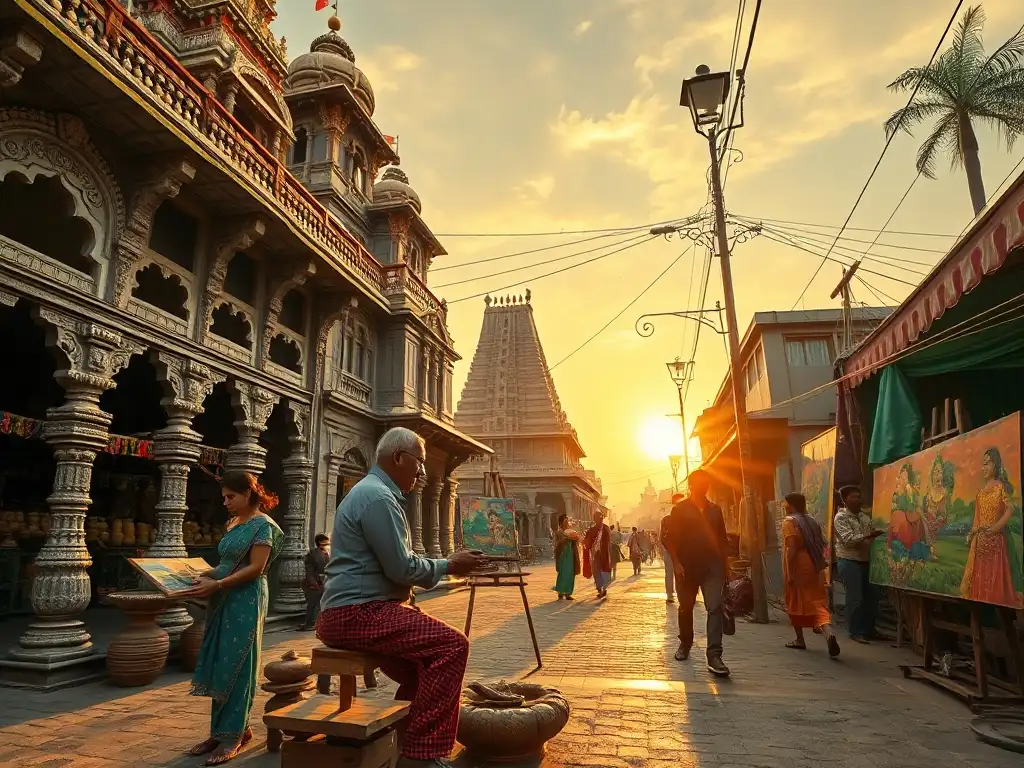
In contemporary India, the legacy of artistic syncretism continues to inspire and influence modern artists and cultural practices. This section examines how traditional art forms are being reinterpreted and celebrated in today's society.
Modern Artists Inspired by Traditional Syncretism
A new generation of artists in India is drawing inspiration from the country's diverse artistic heritage, often blending traditional techniques with contemporary themes. This revival of interest in syncretic art forms reflects a growing recognition of the importance of cultural identity.
- Innovative Practices: Artists such as Subodh Gupta and Bharti Kher incorporate traditional motifs and materials into their works, creating a dialogue between the past and present. Their art often challenges societal norms while celebrating the rich tapestry of Indian culture.
- Exhibitions and Collaborations: Many contemporary art exhibitions showcase works that explore themes of identity and cultural fusion, encouraging dialogue among artists from various backgrounds. This collaborative spirit fosters an environment where traditional techniques can be appreciated and reinterpreted.
Through these modern interpretations, India's artistic heritage remains vibrant and relevant, ensuring that the legacy of syncretism continues to thrive.
The Role of Festivals in Celebrating Artistic Diversity
Festivals in India serve as vibrant expressions of the country's diverse artistic heritage, bringing together various cultural traditions and artistic forms. These celebrations not only honor religious beliefs but also highlight the syncretic nature of Indian art.
- Cultural Showcases: Events such as the Kumbh Mela and Durga Puja showcase traditional music, dance, and visual arts, often merging different regional styles. This fusion creates a dynamic atmosphere that reflects the unity in diversity that characterizes Indian culture.
- Artistic Collaborations: Festivals often encourage collaborations among artists, artisans, and performers, leading to the creation of new works that blend various influences. These interactions highlight the contemporary relevance of traditional art forms and foster a spirit of community.
Festivals play a crucial role in preserving and promoting India's artistic heritage, offering a platform for cultural exchange and reinforcing the significance of syncretism in the nation’s identity.
Conclusion: The Significance of Understanding India's Artistic Syncretism
The exploration of India's artistic syncretism reveals a vibrant tapestry woven from diverse cultural influences that have shaped the subcontinent's history. Understanding this syncretism is crucial for several reasons. Firstly, it acknowledges the complexity of India's identity, which cannot be reduced to a single narrative or tradition. Instead, the rich interplay of various artistic expressions—from the intricate carvings of temples to the colorful tapestries of folk art—illustrates a confluence of ideas, beliefs, and practices that reflect the historical movements and exchanges among different communities.
Moreover, recognizing the significance of artistic syncretism fosters a deeper appreciation for the shared heritage that transcends regional and linguistic divides in India. This understanding encourages dialogue and respect among diverse groups, promoting unity in a country characterized by its plurality. Lastly, it serves as a reminder of the importance of preserving these artistic traditions, as they encapsulate the wisdom, creativity, and resilience of past civilizations, offering insights into contemporary social and cultural dynamics.
The Impact of Syncretism on Modern Indian Identity
The legacy of artistic syncretism in India continues to influence modern Indian identity in profound ways. Contemporary art forms often draw inspiration from traditional motifs, techniques, and narratives that have been passed down through generations. This fusion creates a unique space where the past and present coexist, allowing artists to express their cultural heritage while also addressing contemporary issues.
Additionally, syncretism has played a pivotal role in shaping regional identities within India. Different states and communities have embraced and adapted various artistic styles, leading to the emergence of distinctive regional art forms that celebrate local narratives while remaining connected to broader national themes. This dynamic interplay not only enriches the cultural landscape but also fosters a sense of belonging and pride among different communities.
Furthermore, in a globalized world, the syncretic nature of Indian art allows for cross-cultural exchanges that resonate with international audiences. Indian artists today often blend traditional elements with global influences, creating works that speak to universal themes while retaining a distinctly Indian essence. This adaptability enhances India's position in the global art scene, showcasing the country's rich and diverse artistic heritage.
Preserving and Promoting India's Diverse Artistic Heritage
Preserving India's diverse artistic heritage is vital for maintaining cultural continuity and fostering future generations of artists. Efforts to protect traditional art forms are crucial, especially as modernization poses threats to their survival. Initiatives such as documentation projects, workshops, and cultural festivals play an essential role in revitalizing interest in these practices, ensuring they are passed down through apprenticeships and community engagement.
Moreover, governmental and non-governmental organizations have stepped up to promote awareness of India's artistic heritage. Programs aimed at educating the public, both nationally and internationally, highlight the significance of preserving traditional art forms. For example, exhibitions showcasing the craftsmanship of local artisans can enhance appreciation for their work and encourage sustainable practices.
Incorporating artistic heritage into educational curricula is another effective approach to preserve and promote these traditions. Schools and universities can include courses on traditional arts, folklore, and the history of artistic syncretism, cultivating a sense of pride and understanding among students. By fostering an appreciation for their cultural roots, future generations are more likely to engage with and contribute to India's rich artistic heritage.
References for Further Exploration
For those interested in delving deeper into the subject of India's diverse artistic heritage, a variety of resources are available, including books, documentaries, and online platforms. These references provide valuable insights into the historical contexts, artistic practices, and cultural exchanges that have shaped India's artistic landscape.
Recommended Books on India's Artistic Heritage
-
"The Art of India: 3000 BC to AD 1200" by John Guy
This book offers an in-depth exploration of Indian art from its earliest manifestations to the medieval period, highlighting significant regional variations and influences.
-
"Indian Art" by Partha Mitter
Mitter's work examines the evolution of Indian art across different periods, focusing on the syncretic nature of artistic practices and their cultural implications.
-
"The Hindu Temple: An Introduction to Its Meaning and Forms" by George Michell
This book provides insights into the architectural and artistic significance of Hindu temples, highlighting their role in the cultural and spiritual life of India.
-
"Shaping the Body in Sanskrit Literature: The Vedic and Epic Traditions" by David M. Scharff
Scharff explores the relationships between body and art in ancient Indian texts, offering a unique perspective on the cultural context of artistic expressions.
Online Resources and Documentaries on Artistic Syncretism in India
-
Documentary: "Indian Art: A Journey Through Time"
This documentary takes viewers on a visual journey through India's artistic heritage, showcasing various art forms and their historical significance.
-
Website: Sahapedia
Sahapedia is an online resource that offers a wealth of information on Indian culture, including articles, videos, and research on various artistic traditions and practices.
-
Online Course: "Indian Art and Culture" on Coursera
This course provides an overview of the major art forms in India, discussing their historical contexts and contemporary relevance.
-
YouTube Channel: "The Art of India"
This channel features videos that explore different aspects of Indian art, including techniques, styles, and the stories behind various art forms.
- Introduction to India's Diverse Artistic Heritage
- Definition of Syncretism in Art and Culture
- Importance of Studying India's Artistic Syncretism
- Historical Context of Artistic Syncretism in India
- Influences on India's Artistic Heritage
- Major Forms of Syncretism in Indian Art
- Case Studies of India's Diverse Artistic Heritage
- Contemporary Reflections of India's Artistic Heritage
- Conclusion: The Significance of Understanding India's Artistic Syncretism
- References for Further Exploration
- What is syncretism in the context of India's artistic heritage?
- How did the Indus Valley civilization contribute to India's artistic heritage?
- What role did the Gupta Empire play in shaping artistic traditions?
- How does India's diverse artistic heritage reflect its cultural history?
- Why is it important to study India's artistic heritage today?
Frequently Asked Questions
What is syncretism in the context of India's artistic heritage?
Syncretism refers to the blending of different cultural traditions and artistic styles. In India, it illustrates how diverse influences have contributed to creating a rich tapestry of artistic expressions throughout history.
How did the Indus Valley civilization contribute to India's artistic heritage?
The Indus Valley civilization is known for its sophisticated urban planning and craftsmanship. Its artifacts, including pottery and seals, reflect a high level of artistry that laid the groundwork for future artistic developments in India.
What role did the Gupta Empire play in shaping artistic traditions?
The Gupta Empire (circa 320-550 CE) is often referred to as the Golden Age of India. It was during this time that there was a remarkable flourishing of art, particularly in sculpture, painting, and architecture, influencing subsequent generations.
How does India's diverse artistic heritage reflect its cultural history?
India's artistic heritage is a reflection of its multicultural society, showcasing influences from various religions and regions. This diversity in art emphasizes the country's ability to absorb and integrate different cultural elements over centuries.
Why is it important to study India's artistic heritage today?
Studying India's diverse artistic heritage helps us understand the historical narratives and cultural exchanges that shaped the nation. It also promotes appreciation for the rich traditions that continue to influence contemporary art and culture.
Final Reflection: Embracing the Tapestry of India's Diverse Artistic Heritage
India's diverse artistic heritage is not merely a collection of styles and forms; it is a living testament to the country's rich history and cultural dialogues. As we navigate the complexities of a globalized world, understanding how syncretism has shaped India's artistic expressions becomes increasingly relevant. The intricate blend of traditions and influences serves as a reminder that creativity knows no boundaries and that art can be a powerful vehicle for unity amidst diversity.
The ongoing influence of India's diverse artistic heritage is evident in contemporary art, fashion, and design, where traditional motifs are reinterpreted to resonate with modern sensibilities. This fusion not only honors the past but also fosters a sense of identity in a rapidly changing society. As the renowned artist Anish Kapoor once said, "> Art is a way of making sense of the world." This sentiment encapsulates the essence of how India's artistic heritage continues to inspire and challenge us, urging us to reflect on our own identities and the narratives we choose to embrace.
As you ponder the themes explored in this article, I invite you to take a moment to reflect on your own relationship with art and culture. Consider how the stories woven into India's diverse artistic heritage can inspire you to celebrate the unique tapestry of your own experiences. Let this exploration encourage you to seek connections, appreciate diversity, and contribute to the ongoing dialogue that art fosters in our lives. Together, we can honor the past while creating a vibrant future that embraces the beauty of our shared humanity.
Unveil the Treasures of India's Artistic Heritage!
Thank you for immersing yourself in the fascinating world of syncretism and India's rich artistic heritage. By exploring this blend of cultures, you’ve opened the door to a deeper understanding of the creative expressions that make India unique. Now, it’s time to take your experience further!
Here are a few action-packed steps you can take:
- Dive Deeper: Visit local museums or art galleries that showcase the vibrant tapestry of Indian art to witness these diverse influences firsthand.
- Join the Conversation: Share your thoughts on social media using the hashtag #IndianArtMagic, and engage with others who are equally passionate about preserving and celebrating cultural heritage.
- Create Your Own Art: Experiment with blending different artistic styles inspired by your favorite pieces from India's rich history and traditions.
What unique elements from India's artistic culture do you plan to explore next in your creative journey? We would love to hear your thoughts in the comments!