
The Role of Women in the Mauryan Empire During Chandragupta's Reign

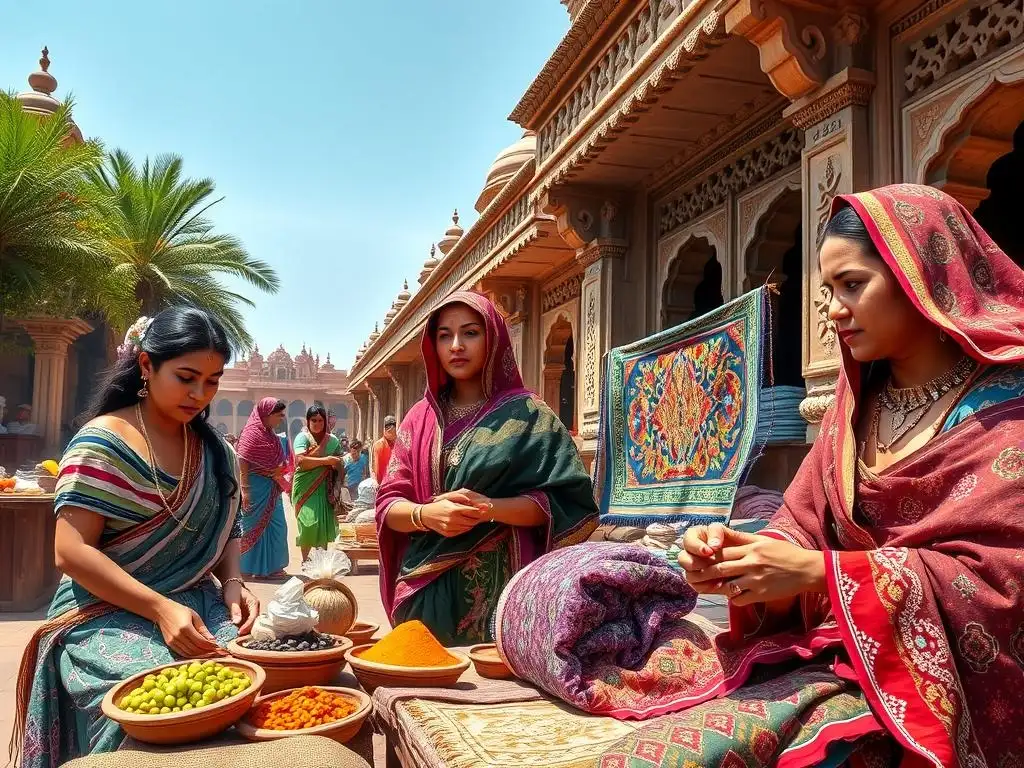
Welcome to Ancient India History, where we embark on a fascinating journey through the rich tapestry of India's past. In our featured article, "The Role of Women in the Mauryan Empire During Chandragupta's Reign," we delve into the pivotal contributions and societal positions of women during one of the most significant periods in ancient Indian history. What roles did women play in shaping the Mauryan Empire, and how did their influence ripple through the fabric of society? Join us as we uncover the untold stories and remarkable legacies that continue to resonate today.
Introduction to Women's Roles in the Mauryan Empire
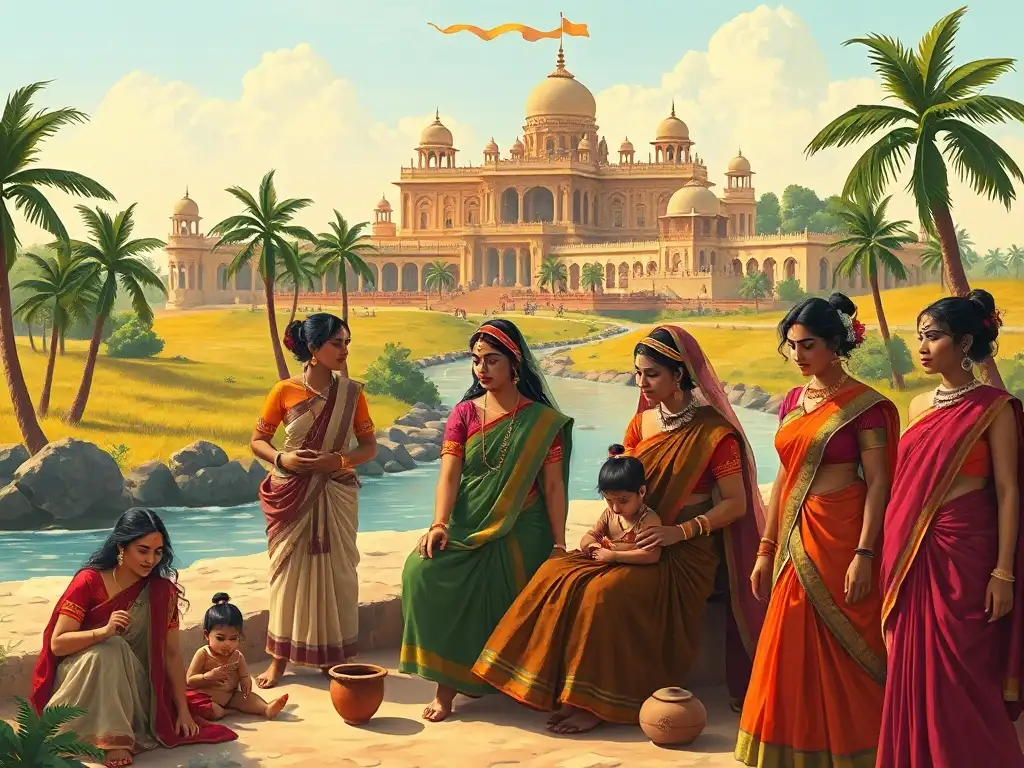
The Mauryan Empire, one of the largest and most powerful empires in ancient India, flourished from 322 to 185 BCE under the leadership of Chandragupta Maurya. This period is not only significant for its political and military achievements but also for the nuanced roles that women played within the society of the time. Understanding women's roles in the Mauryan Empire reveals much about the social structure, cultural practices, and the dynamics of power. Women in this era were not mere passive participants; they had significant influence in various spheres, including family, religion, and even politics.
From the well-documented accounts of ancient texts, we learn that women in the Mauryan Empire enjoyed a range of rights and responsibilities, a contrast to the often-restrictive roles assigned to them in later periods of Indian history. This exploration delves into the lives of women during Chandragupta's reign, highlighting their multifaceted contributions and the prevailing societal norms that shaped their existence.
Overview of the Mauryan Empire
The Mauryan Empire stands as a pivotal chapter in Indian history, marked by remarkable achievements in governance, culture, and trade. Established by Chandragupta Maurya, the empire expanded rapidly, covering a majority of the Indian subcontinent.
Key Features of the Mauryan Empire:
- Political Structure: The Mauryan Empire was characterized by a centralized government, with Chandragupta implementing a bureaucratic system that facilitated efficient administration. This political framework not only strengthened the empire but also had implications for the roles women played in society.
- Economic Prosperity: The empire thrived on trade, agriculture, and craftsmanship, leading to economic stability. This prosperity allowed for a more dynamic social structure, where women could engage in various economic activities, from trade to artisanal crafts.
- Cultural Flourishing: The Mauryan period saw significant advancements in art, science, and philosophy. The patronage of figures like Emperor Ashoka later on helped spread Buddhism, which also influenced women's roles by promoting education and moral virtue.
Understanding the Mauryan Empire's structure and dynamics sets the stage for a deeper examination of how women navigated their roles within this complex society. As we explore further, we will uncover the specific rights, responsibilities, and societal expectations that defined women's lives during this remarkable era.
Chandragupta Maurya: A Historical Context
Chandragupta Maurya, the founder of the Mauryan Empire, played a pivotal role in shaping the history of ancient India. His reign, which began around 322 BCE, marked the transition of India from smaller kingdoms to a centralized empire. Under his leadership, the Mauryan Empire expanded significantly, encompassing vast territories across the subcontinent. This era not only witnessed political consolidation but also profound social and cultural transformations.
Chandragupta's administration was characterized by a well-structured governance system, which included various ministries and a network of spies to maintain control and security. The establishment of a bureaucratic system facilitated trade and economic growth, resulting in increased prosperity for many, including women. Notably, Chandragupta's alliance with influential figures such as Chanakya, a brilliant strategist and philosopher, provided philosophical and political underpinnings that influenced the societal norms of the time. The Mauryan Empire, thus, was not only significant for its political achievements but also for its cultural and societal advancements, particularly concerning women's roles and statuses within the empire.
The Status of Women in Ancient India
In ancient India, women's status varied widely based on social classes, local customs, and historical contexts. During the Mauryan Empire, women generally enjoyed a relatively favorable position compared to some of their contemporaries in other ancient civilizations. While patriarchal norms were prevalent, women's roles were multifaceted, encompassing domestic, economic, and spiritual dimensions. The legal texts of the time, such as the Arthashastra attributed to Chanakya, provide insights into women's rights regarding property ownership, inheritance, and participation in religious activities, reflecting a complex interplay between autonomy and societal expectations.
Women were recognized for their contributions in various spheres, including agriculture, textiles, and trade. They played essential roles in family businesses, and some even held positions of influence in the courts. However, the degree of freedom and agency could significantly differ based on caste and social hierarchy, with higher caste women often restricted more than those of lower castes. Nevertheless, the overall narrative depicts a society where women had defined roles and responsibilities, contributing to the broader tapestry of Mauryan life.
Social Stratification and Gender Roles
The Mauryan Empire was marked by a rigid social stratification system, primarily influenced by the varna (class) and jati (sub-caste) systems. These structures significantly impacted gender roles, as the responsibilities and rights of women were closely tied to their social status. In higher caste families, women were generally expected to manage the household and uphold family honor, which often limited their public engagement and access to education.
Conversely, women from lower castes enjoyed slightly more freedom, participating in various economic activities and even holding positions in trade. Despite the limitations imposed by social stratification, women across different strata exhibited resilience and adaptability. Some women, notably from royal families, wielded significant influence, acting as advisors or negotiators in political matters.
The coexistence of stringent norms alongside women's active participation in societal roles illustrates the complexity of gender dynamics during this period. While patriarchal structures constrained many women, the diversity within social classes allowed for different expressions of agency and influence, challenging the notion of a monolithic experience for women in the Mauryan Empire.
Cultural Influences on Women's Status
Cultural influences during Chandragupta's reign significantly shaped the status and roles of women in the Mauryan Empire. The synthesis of various cultural traditions, including those from the Indus Valley civilization and Vedic texts, created a rich backdrop against which women's roles evolved. Religious practices, particularly those associated with Hinduism and Buddhism, contributed to defining women's societal positions. For instance, the reverence for female deities and the concept of Shakti (divine feminine energy) elevated the status of women in certain contexts, allowing them a degree of spiritual agency.
Literary texts from the period indicate that women participated in religious rituals and festivals, reinforcing their importance in maintaining cultural traditions. Additionally, the Mauryan Empire's engagement in trade and interaction with various cultures facilitated the exchange of ideas, which could have influenced perceptions of gender roles.
Despite the presence of patriarchal norms, the cultural canvas of the Mauryan Empire was interwoven with narratives of women's strength and influence, as seen in stories of queens and goddesses. This duality of restriction and reverence encapsulated the complex experience of women during this historical period, illustrating that while societal constraints existed, avenues for empowerment and respect were also present.
Women's Contributions to Society in the Mauryan Empire
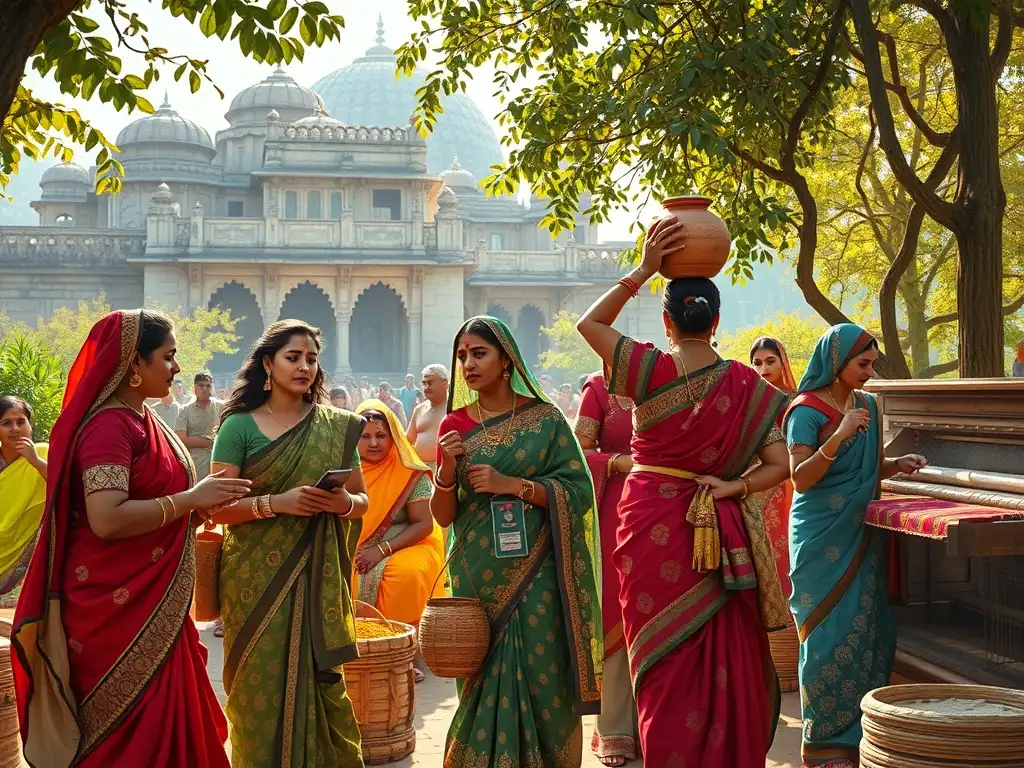
During the Mauryan Empire, particularly under the reign of Chandragupta Maurya, women played a significant and multifaceted role in society. Their contributions spanned various dimensions, including governance, economics, religion, and education. While prevailing social norms often confined women to domestic roles, many were instrumental in shaping the socio-political landscape of their time. The recognition of women's roles in the Mauryan Empire highlights their influence not only within households but also in broader societal contexts.
Women in Governance and Politics
Women in the Mauryan Empire occasionally held positions of influence and authority. Although the patriarchal structure dominated, evidence suggests that women from royal families participated in governance either directly or indirectly. For instance, queens and empresses often acted as advisors to their husbands, guiding political decisions and state affairs. The presence of influential figures like Chandragupta's wife, Durdhara, indicates that women could wield power behind the scenes, and their counsel was valued in matters of statecraft.
Moreover, women from noble families sometimes engaged in land ownership and management, granting them a degree of economic and political autonomy. Historical texts reference instances where women served as regents, particularly during transitions of power, ensuring stability in governance during critical periods. This involvement in political spheres underscores the complexity of women's roles in the Mauryan Empire, illustrating that they were not mere bystanders in political processes.
Economic Contributions of Women
Women's economic contributions in the Mauryan Empire were vital to the sustenance and growth of society. Many women were actively engaged in agriculture, weaving, and pottery, contributing to the household economy. They managed family businesses, particularly in urban centers, where they played a crucial role in trade and commerce. Artisanship was another area where women excelled, with records indicating their participation in the production of textiles and handicrafts that were essential to both local and regional markets.
Additionally, women were involved in the management of resources, often overseeing agricultural activities and ensuring the welfare of their families. Their ability to contribute economically not only supported their households but also played a role in the broader economic framework of the Mauryan Empire, demonstrating their significance in both subsistence and trade.
The Role of Women in Religion and Spirituality
Religion and spirituality were integral to life in the Mauryan Empire, and women participated actively in various religious practices and rituals. Many women were devoted to spiritual pursuits, engaging in worship, rituals, and festivals that were an essential aspect of societal life. They often held significant roles within domestic religious practices, guiding their families in spiritual matters and ensuring the continuity of traditions.
Furthermore, some women became prominent figures in religious movements, contributing to the spread of Buddhism and Jainism during this era. The support of women in religious institutions, including nunneries, highlighted their commitment to spiritual life. These contributions not only enriched the cultural tapestry of the Mauryan Empire but also underscored women's agency in religious domains.
Education and Intellectual Pursuits
The educational landscape for women during the Mauryan Empire was complex. While formal education was primarily accessible to men, select women from elite families had opportunities to engage in intellectual pursuits. The societal emphasis on literacy and knowledge during this period fostered a culture where some women could access education, albeit limited.
Access to Education for Women
Access to education for women in the Mauryan Empire was largely determined by social class and family status. Women from affluent or royal families often received education in literature, philosophy, and the arts, enabling them to contribute intellectually to society. However, for the majority of women, especially those from lower socio-economic backgrounds, educational opportunities were scarce.
Despite these limitations, some women sought knowledge through informal means, such as oral traditions and familial teachings. The presence of female scholars, although not widely documented, indicates that there were exceptions where women could engage with intellectual discourses, contributing to the overall knowledge and cultural understanding of the period.
Notable Female Figures in Mauryan Scholarship
While historical records predominantly highlight male scholars, a few notable female figures emerged during the Mauryan era, contributing to the intellectual and cultural discourse. These women, often from noble backgrounds, engaged with philosophical texts and contributed to the arts and literature. Their insights, although not extensively recorded, are indicative of the potential for women's intellectual engagement during this period.
The legacy of these women, such as those who participated in the philosophical debates of the time or who were patrons of the arts, reflects a nuanced understanding of women's roles in the Mauryan Empire. They served as inspiration for future generations, showcasing that women were not only participants in but also contributors to the intellectual and cultural life of their society.
The Impact of Women on Family and Society
During the Mauryan Empire, particularly during the reign of Chandragupta Maurya, women played a significant role in shaping family structures and social dynamics. They were not only caretakers of the household but also wielded influence in familial and societal matters. The impact of women on family and society can be observed through their roles in nurturing, education, and economic contributions.
Women were often responsible for instilling moral values and cultural practices in their children, which contributed to the preservation and transmission of traditions across generations. Additionally, their involvement in economic activities, such as textile production and trade, positioned them as vital contributors to the family’s financial stability.
Family Structures in the Mauryan Empire
Family structures in the Mauryan Empire were predominantly patriarchal, where men were seen as the heads of households. However, women had defined roles that were respected within these structures. Marriages were often arranged, and the family unit typically included extended relatives, which fostered a sense of community and support. The concept of stridharma, or the duty of women, emphasized their roles in managing households and upholding family honor. Despite the patriarchal nature, women were afforded certain rights, such as inheritance and participation in rituals, which underscored their importance within the family framework.
Women's Influence on Family Dynamics and Legacy
Women's influence on family dynamics extended beyond mere domestic responsibilities. They played critical roles in shaping family legacies through their involvement in religious and cultural practices. Women often engaged in rituals and festivals that celebrated familial ties and community cohesion. Furthermore, their contributions to the arts and education, particularly in the context of educating children and preserving cultural narratives, ensured that the values and histories of the family were passed down through generations. The legacy of women in the Mauryan Empire is evident in historical texts that highlight their pivotal roles in the socio-cultural fabric of the time.
The Evolution of Women's Roles During Chandragupta's Reign
The reign of Chandragupta Maurya marked a significant period in the evolution of women's roles in ancient India. While traditional expectations remained, a shift began to occur in women's rights and societal perceptions. The establishment of a centralized state under Chandragupta provided opportunities for women to engage more actively in various domains, including politics and religion. This period saw the emergence of influential women who played critical roles in court politics and governance, challenging the conventional notions of female subservience.
Changes in Women's Rights and Freedoms
During Chandragupta's rule, women began to experience gradual changes in their rights and freedoms. Legal texts from this period indicate that women had rights to property and could participate in certain legal transactions. Additionally, the presence of women in royal courts and their involvement in patronage of arts and religion highlighted a growing recognition of their capabilities. This new recognition allowed women to assert their influence beyond the confines of the home, contributing to societal and cultural developments.
Comparison with Pre-Mauryan Period
In comparison to the pre-Mauryan period, women's roles during Chandragupta's reign reflected both continuity and change. Prior to the Mauryan Empire, women's roles were largely confined to domestic spheres with limited rights. However, the formation of a centralized political structure under Chandragupta facilitated advancements in women's rights and participation in society. While patriarchal norms still dominated, the acknowledgment of women's contributions and the expansion of their roles marked a significant evolution from earlier periods. This transition set the stage for further developments in women's rights in subsequent dynasties, leading to more pronounced societal changes in ancient India.
Challenges Faced by Women in the Mauryan Empire
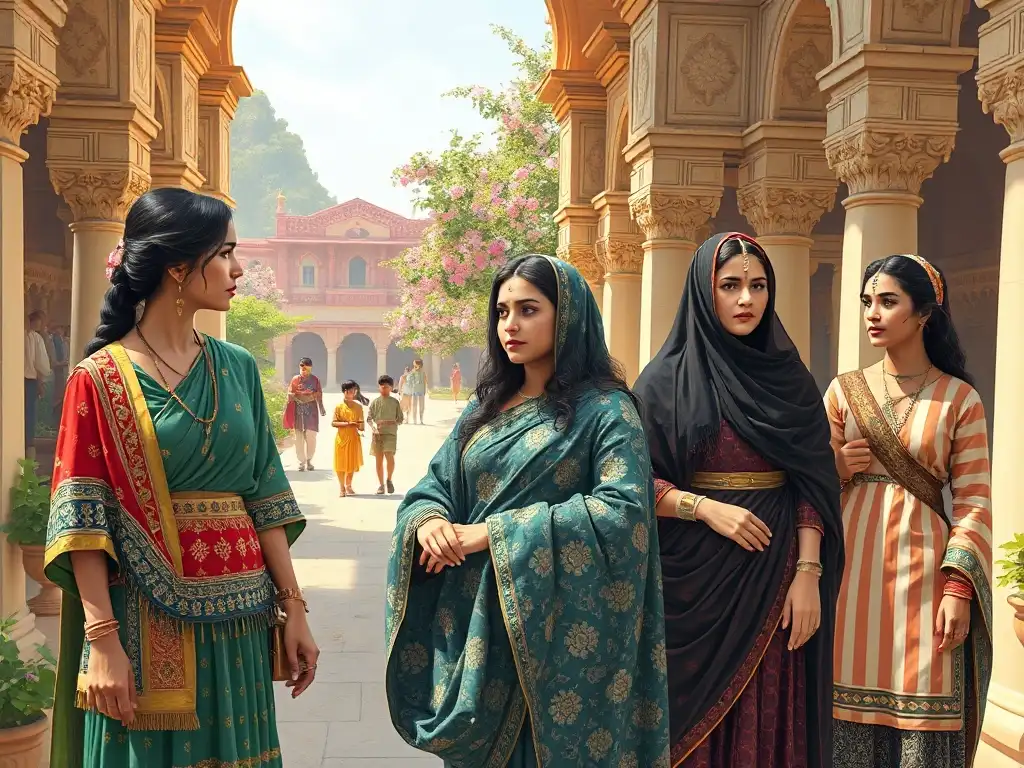
The Mauryan Empire, particularly during the reign of Chandragupta Maurya, was marked by a complex social structure that posed significant challenges for women. While women played vital roles in various aspects of society, they also faced numerous obstacles, including societal norms, legal restrictions, and cultural expectations. Understanding these challenges allows us to appreciate the nuanced position of women within this ancient civilization.
Societal Norms and Restrictions
In the Mauryan Empire, societal norms heavily influenced women's lives, often confining them to traditional roles. The prevailing patriarchal structure dictated that women were primarily seen as caretakers and homemakers, responsible for managing the household and raising children. Their participation in public life was limited, and many cultural practices reinforced the idea that women should remain in the domestic sphere.
Legal restrictions further compounded these societal norms. Women had limited rights concerning property ownership and inheritance, which were predominantly reserved for men. Even when women could hold property, they often needed a male guardian to manage it. Additionally, practices such as child marriage were common, which curtailed women's opportunities for education and personal development.
Despite these constraints, women in the Mauryan Empire were not wholly powerless. Some managed to navigate these restrictions through family connections or by taking on roles that allowed them to exert influence, albeit subtly.
Resistance and Resilience of Women
Despite the challenging environment, many women in the Mauryan Empire exhibited remarkable resilience and resistance. While societal expectations sought to limit their roles, women found ways to assert their agency. Historical texts suggest that some women became influential figures, particularly in the realms of spirituality and politics.
For instance, women were often involved in religious practices and could serve as priestesses in temples. This spiritual involvement allowed them to gain respect and recognition within their communities. Additionally, some women from noble families wielded significant political influence, acting as advisors or regents during times of transition or crisis.
The resilience of women is also evident in their contributions to arts and culture. Women participated in various artistic endeavors, contributing to the rich tapestry of Mauryan culture through music, dance, and storytelling. This cultural participation not only provided a means for self-expression but also helped preserve their legacies for future generations.
Conclusion: Legacy of Women's Roles in the Mauryan Empire
The legacy of women's roles in the Mauryan Empire during Chandragupta's reign is complex and multifaceted. While they faced substantial challenges due to societal norms and restrictions, many women demonstrated resilience and resistance, asserting their influence in various spheres.
Their contributions, both in the domestic realm and beyond, played a crucial role in shaping the cultural and social fabric of the Mauryan Empire. As historical narratives continue to evolve, the recognition of women's roles in this period highlights the need for a more inclusive understanding of ancient Indian history. Ultimately, the stories of these women remind us that even in restrictive environments, agency and influence can emerge, leaving a lasting impact on society.
Reflection on the Importance of Understanding Women's History in Ancient India
Understanding women's history in ancient India, particularly during the Mauryan Empire under Chandragupta Maurya, is crucial for several reasons. Firstly, it allows us to appreciate the complexities of social structures and gender roles that were prevalent in historical contexts. Women's roles in the Mauryan Empire were not merely confined to domestic spheres; they were integral to the socio-political fabric of the time. By examining these roles, we gain insights into how women influenced and participated in various aspects of life, including governance, economy, and culture.
Moreover, recognizing the contributions of women in ancient India challenges the often male-centric narratives that dominate historical discourse. This broader perspective helps in rectifying historical biases and acknowledges the diverse experiences of women. For instance, women in the Mauryan Empire engaged in various activities, from managing household finances to participating in religious and political events. This involvement reflects their agency and the recognition of their capabilities within their societal roles.
Additionally, understanding women's history in this context can inspire contemporary discussions on gender equality and women's empowerment. By learning about the historical precedents of women’s agency and influence, modern societies can draw lessons on the importance of inclusive governance and social structures. The narratives of figures like Chandragupta's mother, Moha Devi, who played a pivotal role in shaping his reign, serve as reminders of the significant yet often overlooked impact women have had in shaping historical trajectories.
Lastly, reflecting on women's roles in the Mauryan Empire contributes to a more holistic understanding of ancient Indian civilization. It underscores the interconnectedness of gender, culture, and power, revealing how these elements coalesced to form a rich historical tapestry. By studying this aspect of history, we not only honor the contributions of women but also enrich our understanding of the past, paving the way for a more nuanced appreciation of India's ancient heritage.
- Introduction to Women's Roles in the Mauryan Empire
- Overview of the Mauryan Empire
- Chandragupta Maurya: A Historical Context
- The Status of Women in Ancient India
- Women's Contributions to Society in the Mauryan Empire
- Education and Intellectual Pursuits
- The Impact of Women on Family and Society
- The Evolution of Women's Roles During Chandragupta's Reign
- Challenges Faced by Women in the Mauryan Empire
- Conclusion: Legacy of Women's Roles in the Mauryan Empire
- Reflection on the Importance of Understanding Women's History in Ancient India
- What were the primary roles of women in the Mauryan Empire?
- Did women have any political influence during Chandragupta's reign?
- Were there any notable women in the Mauryan Empire?
- How did the status of women in the Mauryan Empire compare to previous eras?
- What were the laws and customs affecting women during this time?
Frequently Asked Questions
What were the primary roles of women in the Mauryan Empire?
Women in the Mauryan Empire primarily engaged in household management, caring for children, and some participated in agricultural work and crafts, reflecting their vital contributions to family and economy.
Did women have any political influence during Chandragupta's reign?
While women's political influence was limited, some noble women wielded indirect power through their relationships with male leaders and could affect decisions in the royal court.
Were there any notable women in the Mauryan Empire?
Yes, historical texts mention women like Durdhara, Chandragupta's wife, who played a pivotal role in political alliances, showcasing the influence of royal women in society.
How did the status of women in the Mauryan Empire compare to previous eras?
The status of women in the Mauryan Empire saw both continuity and change; while they maintained traditional roles, some gained greater visibility in society and economy than in earlier periods.
What were the laws and customs affecting women during this time?
Women were subject to patrilineal customs and legal restrictions, but texts also indicate that they had rights to inherit property and engage in religious practices, highlighting a complex legal status.
Final Reflection: The Enduring Legacy of Women's Roles in the Mauryan Empire
**The exploration of women's roles in the Mauryan Empire during Chandragupta's reign reveals a profound truth: **the contributions of women have always been integral to the fabric of society, shaping its culture and governance. Today, as we continue to advocate for gender equality and women's empowerment, understanding the historical context of women's influence in ancient civilizations is more relevant than ever. The stories of these women remind us that their legacies are not confined to the past but resonate in our ongoing struggle for equity and recognition.
Clearly, the roles women played in the Mauryan Empire were multifaceted, influencing various aspects of life from politics to culture. Their presence in historical narratives challenges us to reconsider the traditional views of women's contributions throughout history. As we reflect on this, we can recall the words of historian R. S. Sharma: The history of a society cannot be understood without recognizing the roles played by women.
This insight emphasizes that the impact of women in the Mauryan Empire is not merely a footnote in history but a vital chapter that continues to inform our understanding of gender dynamics today.
As we move forward, let us take a moment to reflect on the lessons from the past and recognize the importance of women's roles in shaping societies. I invite you to consider how you can honor and amplify women's voices in your own community. Whether through advocacy, education, or simply sharing stories, each of us has the power to contribute to a more equitable future. By acknowledging the significance of women's contributions throughout history, we can inspire a new generation to continue this vital work, ensuring that the legacy of women in the Mauryan Empire—and beyond—remains alive and influential.
Embrace the Legacy: Act on the Insights of Women in the Mauryan Empire!
Thank you for diving into the fascinating world of the Mauryan Empire and discovering the impactful roles women held during Chandragupta's reign. You've uncovered not only historical facts but also **inspirational narratives** that resonate even in today’s context. Now, it's time to take what you’ve learned and put it into action!
- Reflect on the inspiring stories of women leaders from history—consider writing a personal blog or sharing on social media about the significance of these narratives in your life.
- Engage with our community! Join our discussions on Ancient India History's social media platforms to share your insights and connect with others who share your passion for history.
- Explore further! Discover additional resources on the roles of women in various ancient civilizations—who knows what new insights may await you?
What qualities do you think the women of the Mauryan Empire can teach us today about leadership and resilience? Share your thoughts below!