
The Intrepid Travelers: Women Who Explored Ancient India

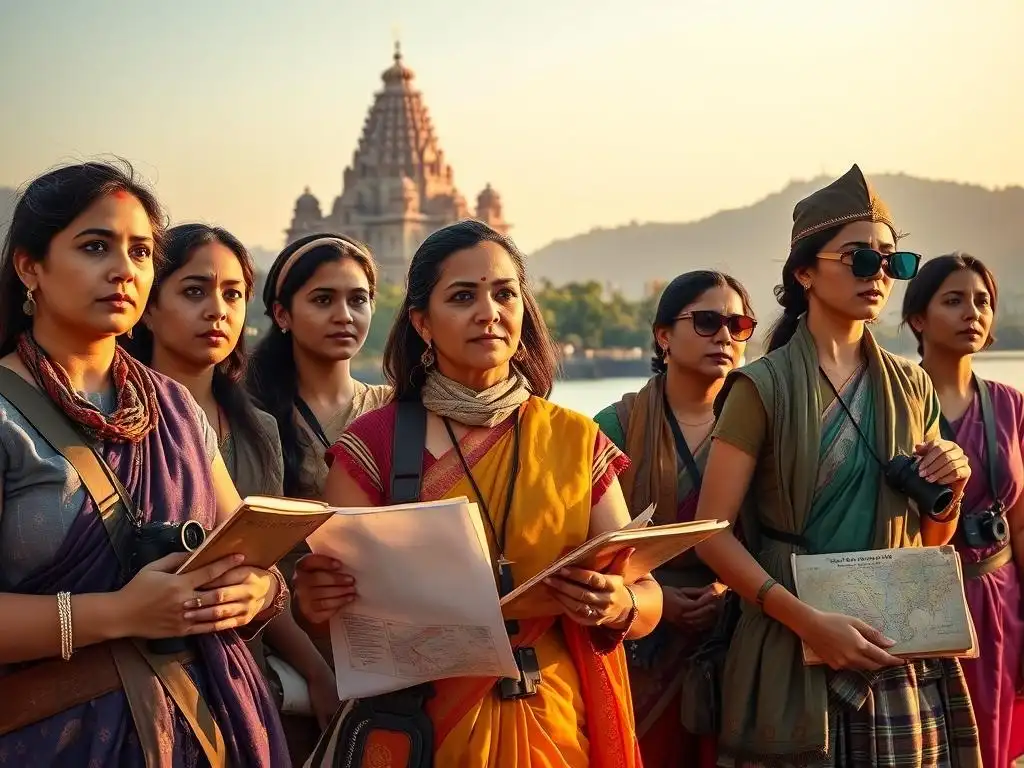
Welcome to Ancient India History, where we embark on a fascinating journey through the vibrant tapestry of our past. In this exploration, we shine a spotlight on Women Explorers of Ancient India, delving into the remarkable stories of those intrepid travelers who broke barriers and left their mark on history. Join us as we uncover the often-overlooked contributions of women who navigated the complexities of their time, inspiring generations to come. Are you ready to discover the hidden narratives that shaped ancient civilizations? Read on to explore their incredible adventures!
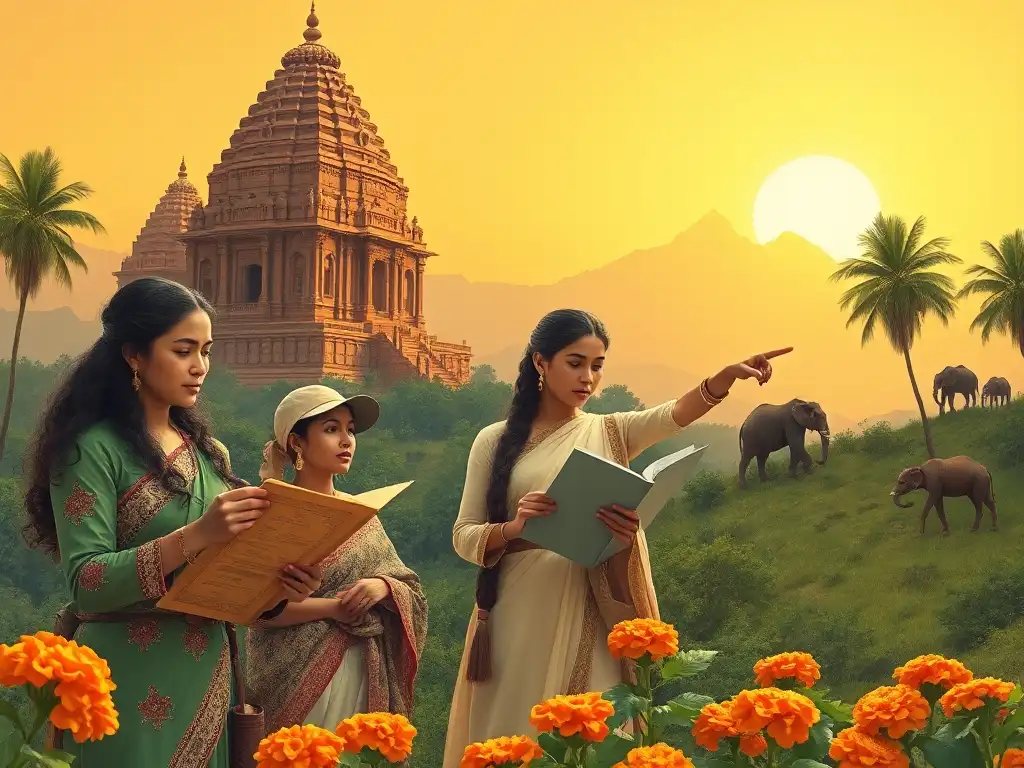
Introduction to Women Explorers of Ancient India
The history of ancient India is a rich tapestry woven with the threads of diverse cultures, philosophies, and explorations. Among the myriad of characters that populated this vibrant landscape, women played a pivotal role not only in domestic spheres but also as intrepid explorers who ventured beyond the familiar.
This article delves into the remarkable lives of women explorers of ancient India, shedding light on their contributions to the understanding of geography, culture, and trade. As we explore their journeys and challenges, we will uncover the stories of women who defied societal norms to chart new territories, both literally and metaphorically.
Overview of Ancient India’s Exploration
Ancient India was a land of unparalleled diversity, characterized by its vast geography and rich cultural heritage. The Indus Valley Civilization, one of the earliest urban cultures, laid the groundwork for trade and exploration. By the time of the Maurya and Gupta Empires, the scope of exploration expanded significantly, with trade routes connecting India to the Mediterranean and beyond. Women, often overlooked in historical narratives, played crucial roles in these explorations. They were not just passive participants; many were knowledgeable merchants, skilled navigators, and astute observers of the world around them.
Importance of Women's Roles in Exploration
The contributions of women to ancient exploration are significant for several reasons:
- Cultural Exchange: Women often acted as intermediaries who facilitated cultural and commercial exchanges between different regions.
- Documentation: Many women chronicled their travels and experiences, providing invaluable insights into the societies they encountered.
- Role Models: Their explorations serve as inspiring examples of courage and resilience, challenging the traditional gender roles of their time.
These aspects underscore the importance of recognizing women's roles in the broader narrative of ancient exploration.
Historical Context of Women in Ancient India
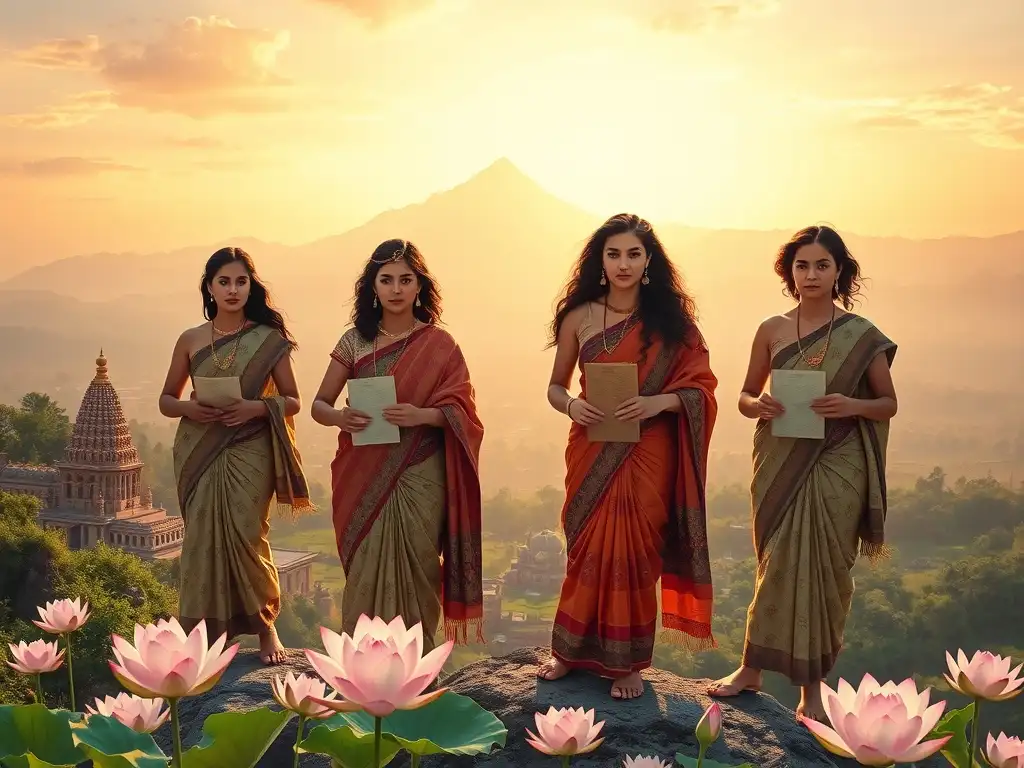
In order to appreciate the contributions of women explorers, it is essential to understand the historical context of their existence in ancient Indian society.
Women in Ancient Indian Society
Women in ancient India were often relegated to domestic roles, yet they also held significant power and influence in various contexts. Texts such as the Rigveda and Manusmriti highlight the diverse roles women played, from scholars and poets to leaders and warriors. Despite societal constraints, many women defied expectations, engaging in trade and exploration, thereby expanding their horizons and redefining their identities.
Cultural Significance of Female Explorers
The journeys undertaken by female explorers were not merely personal adventures; they symbolized a broader cultural significance. These women contributed to the exchange of ideas, goods, and traditions across different civilizations. Their travels often led to the establishment of trade networks that benefited not only themselves but also their communities. By examining the lives and journeys of these women, we gain a deeper understanding of the fluidity of gender roles in ancient India and the lasting impact of their explorations on subsequent generations.
The exploration of ancient India was not solely a male endeavor. Women explorers carved their own paths, contributing richly to the historical narrative of this remarkable civilization. Their stories deserve to be highlighted, celebrated, and studied, as they offer valuable lessons in resilience, courage, and the pursuit of knowledge.
Notable Women Explorers of Ancient India
Ancient India was home to several remarkable women who defied societal norms and ventured into the world as explorers and scholars. Their journeys not only expanded their horizons but also contributed significantly to the understanding of various regions and cultures. Among these intrepid travelers, notable figures include:
- Ishvaku Devi: Known for her extensive travels across the Indian subcontinent, Ishvaku Devi documented the diverse cultures and practices she encountered, paving the way for future generations of explorers.
- Maitreyee: A philosopher and explorer, Maitreyee engaged in dialogues about spirituality and knowledge, influencing both her contemporaries and later thinkers.
- Vishnupriya: An ancient cartographer, she created maps of trade routes, enhancing trade connections and providing insights into the geography of ancient India.
These women, along with others, played pivotal roles in the exploration of ancient India, showcasing not only their courage but also their intellectual contributions to the historical narrative.
Overview of Influential Women Explorers
The exploration undertaken by women in ancient India was often overlooked in historical accounts, yet their influence was profound. These women traveled for various reasons, including trade, diplomacy, and religious pilgrimages. They often faced significant challenges, from societal restrictions to harsh travel conditions. Nevertheless, their resilience and determination enabled them to forge paths that men often dominated.
For instance, many women explorers were involved in the trade networks that connected India to distant lands, such as the Silk Road. Their firsthand accounts of different cultures and practices enriched the historical records and provided valuable insights into the sociopolitical dynamics of their time.
Contributions of Women Explorers to Ancient Indian History
Women explorers of ancient India made invaluable contributions that shaped the historical landscape. Their journeys facilitated not only personal growth but also significant advancements in various fields, including trade, culture, and scholarship.
Impact on Trade and Cultural Exchange
The involvement of women in trade routes significantly impacted the economic and cultural exchanges between ancient Indian civilizations and neighboring regions. Women often acted as intermediaries in trade, facilitating the flow of goods such as spices, textiles, and precious stones.
Their unique position enabled them to establish relationships across different cultures, leading to a richer tapestry of artistic and cultural influences. For example, the exchange of ideas between Indian and Persian cultures was partly due to the efforts of women traders who traveled between these regions, sharing knowledge and fostering mutual respect.
Role in Documentation of Ancient Indian Civilizations
Women explorers were not only travelers but also chroniclers of their experiences. Through the documentation of their journeys, they preserved valuable information about ancient Indian civilizations. These accounts provided insights into daily life, customs, religious practices, and societal structures.
The writings of these women often included observations on architecture, art, and the natural environment, contributing to the understanding of ancient India's rich heritage. Their narratives helped to create a more nuanced picture of the past, allowing historians to piece together the lives of women and their roles in society.
Influence on Later Generations of Explorers
The legacy of women explorers in ancient India has had a lasting influence on subsequent generations. Their pioneering spirit inspired future women to pursue exploration, scholarship, and adventure, breaking free from traditional constraints.
The stories and accounts of these women served as examples of courage and resilience, encouraging later explorers to document their own experiences. As a result, the contributions of women explorers were gradually recognized, leading to a broader appreciation of their roles in shaping the historical narrative of ancient India. Their impact continues to resonate, reminding us of the essential place of women in the annals of exploration and history.
Challenges Faced by Women Explorers in Ancient India
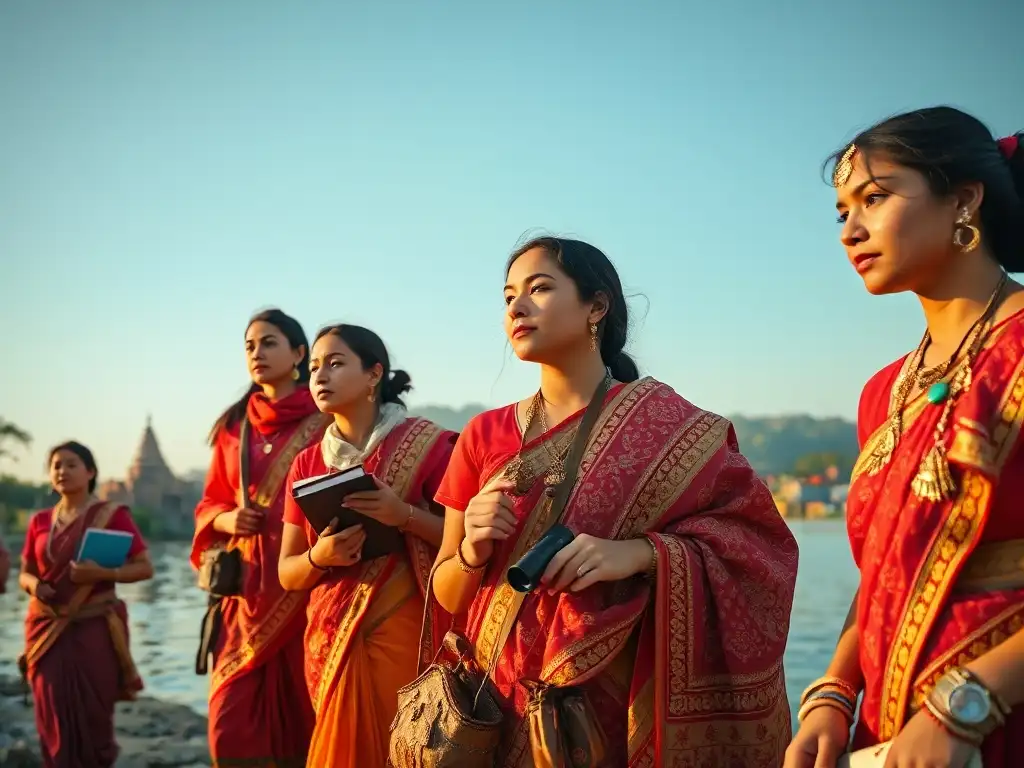
The journey of women explorers in ancient India was fraught with numerous challenges that stemmed from societal structures, travel conditions, and the prevailing cultural norms of the time. These obstacles not only shaped their experiences but also influenced their contributions to exploration and understanding of the diverse landscapes of ancient India.
Societal Norms and Restrictions
Women in ancient India often operated within a framework of strict societal norms that dictated their roles and behaviors. The patriarchal structure of society placed significant restrictions on women's freedoms, confining them primarily to domestic spheres. This limitation was particularly evident in the context of travel, where cultural expectations often deemed it inappropriate for women to venture far from home without male accompaniment.
In many communities, women were expected to adhere to norms of modesty and propriety, leading to a perception of exploration as a male-dominated activity. Although some women defied these societal constraints, the majority faced significant challenges in pursuing their interests in exploration. For instance, the presence of female travelers was often met with skepticism or outright disapproval, which could deter potential explorers from embarking on journeys of discovery.
Furthermore, the lack of formal education for women in many parts of India further restricted their opportunities to engage in exploration. Without access to knowledge about geography, navigation, or even the languages of different regions, women faced substantial hurdles in becoming recognized explorers in their own right.
Travel Barriers and Dangers
Traveling in ancient India was inherently perilous, with numerous physical barriers and dangers that could pose significant risks to any traveler, especially women. The terrain varied greatly from arid deserts to dense forests and mountainous regions, often making the journey treacherous. Women explorers had to navigate these challenging landscapes while also dealing with the uncertainties of weather and wildlife.
Moreover, the absence of established routes and safe accommodations further complicated travel. Women often had to rely on local hospitality, which could be unpredictable and unsafe. Cultural norms sometimes made it difficult for women to find safe spaces to rest and recuperate during their travels, exposing them to potential harm.
In addition to environmental challenges, the threat of violence and harassment loomed large. Women traveling alone or in small groups could be vulnerable to attacks or exploitation, which was a significant deterrent to many potential explorers. These dangers were compounded by societal attitudes that often trivialized the experiences and contributions of women, further marginalizing their efforts in exploration.
Legacy of Women Explorers in Ancient India
Despite the numerous challenges they faced, women explorers in ancient India left a profound legacy that continues to influence perceptions of women's roles in history. Their experiences and contributions, although often overlooked, played a crucial part in the broader narrative of exploration and cultural exchange.
Recognition in Historical Narratives
The recognition of women explorers in historical narratives has been limited, but recent scholarship has begun to shed light on their contributions. Figures like the poet and traveler Mirabai, who journeyed across regions to promote her spiritual beliefs, highlight the important roles women played in both exploration and cultural exchange.
Additionally, texts from ancient India occasionally reference women who undertook significant journeys, whether for trade, pilgrimage, or exploration. However, these accounts often lack detail, and the accomplishments of women have frequently been overshadowed by their male counterparts. The challenge remains to bring these stories to the forefront and acknowledge the multifaceted roles women played in shaping the history of exploration in ancient India.
Influence on Modern Perceptions of Women in History
The legacy of women explorers in ancient India significantly influences modern perceptions of women's roles in history. As contemporary scholars and historians continue to explore the narratives of these intrepid travelers, there is a growing recognition of the importance of including diverse voices in historical accounts.
This shift not only enriches our understanding of the past but also inspires current and future generations of women. By highlighting the achievements and resilience of women explorers, we can challenge traditional narratives that have often marginalized their contributions. The stories of these women serve as powerful reminders of the potential for exploration and discovery that exists regardless of gender, encouraging a more inclusive view of history that celebrates the diverse contributions of all individuals.
Conclusion: Celebrating Women Explorers of Ancient India
The legacy of women explorers in ancient India is a testament to their courage, intellect, and resilience. These intrepid women not only navigated the physical landscapes of their time but also transcended societal boundaries, leaving behind a rich tapestry of contributions that have shaped India's cultural and historical narrative. From engaging in trade to documenting the intricacies of daily life and spiritual practices, their explorations have provided invaluable insights into the socio-political fabric of ancient Indian civilization.
As we reflect on their journeys, it becomes evident that these women played a crucial role in the dissemination of knowledge and culture across regions. Their stories remind us that exploration was not solely the domain of men; women were equally pivotal in expanding the horizons of their communities. By breaking stereotypes and challenging the norms of their time, they paved the way for future generations of women to pursue their dreams and aspirations, whether in exploration or other fields.
Reflection on Their Impact on History and Culture
The impact of women explorers on history and culture in ancient India is profound and multi-faceted. These women often served as cultural ambassadors, bridging gaps between different communities and fostering intercultural dialogue. Their travels allowed them to collect and share knowledge about medicinal practices, agricultural techniques, and artistic expressions, which enriched the local cultures they encountered.
Moreover, the writings and accounts of these explorers have become crucial historical documents that provide insights into the lives of women in ancient India. Their narratives offer a unique perspective on gender roles, societal expectations, and the challenges they faced, thereby contributing to a more nuanced understanding of history. By challenging the male-centric narratives that often dominate historical discourse, women explorers help to create a more inclusive and comprehensive view of the past.
Call to Recognize and Honor Their Contributions
To truly appreciate the depth and breadth of ancient Indian history, it is essential to recognize and honor the contributions of women explorers. This acknowledgment not only validates their experiences and achievements but also inspires contemporary and future generations to explore and contribute to the world around them.
Educational institutions, historians, and cultural organizations should strive to highlight the stories of these remarkable women in curriculums and exhibitions. By celebrating their legacies, we can ensure that their contributions are not forgotten but rather celebrated as an integral part of our shared heritage.
In a world that continues to grapple with issues of gender equality and representation, honoring the achievements of women explorers from ancient India serves as a powerful reminder of the strength and resilience of women throughout history. Let us commit to bringing their stories to the forefront, recognizing their impact, and inspiring future explorations in the name of equality and empowerment.
- Introduction to Women Explorers of Ancient India
- Overview of Ancient India’s Exploration
- Importance of Women's Roles in Exploration
- Historical Context of Women in Ancient India
- Notable Women Explorers of Ancient India
- Contributions of Women Explorers to Ancient Indian History
- Challenges Faced by Women Explorers in Ancient India
- Legacy of Women Explorers in Ancient India
- Conclusion: Celebrating Women Explorers of Ancient India
- What were the roles of women in ancient Indian exploration?
- Who are some notable women explorers from ancient India?
- How did societal norms affect women explorers in ancient India?
- What impact did women have on ancient Indian culture and trade?
- Are there any documented accounts of women travelers in ancient Indian texts?
Frequently Asked Questions
What were the roles of women in ancient Indian exploration?
Women in ancient India often played vital roles as explorers, scholars, and travelers, contributing significantly to the understanding of geography and culture.
Who are some notable women explorers from ancient India?
Some notable women include Vasanti, known for her travels along trade routes, and Maitreyi, a philosopher who explored spiritual landscapes, showcasing the diverse contributions of women.
How did societal norms affect women explorers in ancient India?
Despite facing societal constraints, many women broke barriers and pursued their passion for exploration, demonstrating courage and resilience in the face of challenges.
What impact did women have on ancient Indian culture and trade?
Women explorers often facilitated cultural exchange and trade relations, significantly influencing the economic and cultural fabric of ancient Indian societies.
Are there any documented accounts of women travelers in ancient Indian texts?
Yes, ancient texts like the Mahabharata and various literary works contain references to women travelers, highlighting their adventurous spirit and contributions to history.
Final Reflection: Celebrating the Legacy of Women Explorers in Ancient India
The stories of women explorers in ancient India resonate profoundly in today's world, reminding us that courage knows no gender. As we delve into the remarkable journeys of these intrepid travelers, we uncover not only their adventures but also the societal barriers they overcame, which continue to echo in our quest for equality and representation. Their legacies inspire us to challenge the status quo and recognize the invaluable contributions of women throughout history.
The impact of these pioneering women extends far beyond their time, shaping the cultural and social landscape of India and beyond. Their explorations fostered a spirit of curiosity and resilience that still inspires contemporary adventurers and historians alike. As we reflect on their journeys, we are reminded of the words of Maya Angelou: I can be changed by what happens to me. But I refuse to be reduced by it.
This sentiment encapsulates the essence of these women, who transformed their experiences into powerful narratives that continue to inspire generations.
As we close this exploration of the remarkable women who traversed ancient India, I invite you to reflect on your own journey. Consider how you can embody the spirit of these explorers in your life—whether through seeking knowledge, embracing challenges, or advocating for those whose voices remain unheard. Let their stories ignite a passion for exploration and empowerment within you, encouraging you to carve your own path and contribute to the rich tapestry of history. Together, we can honor their legacy by continuing to explore, learn, and uplift one another in our own adventures.
Embrace the Spirit of Adventure!
Thank you for exploring the inspiring journeys of remarkable women who ventured through ancient India. You've gained insights into their courage and resilience that can motivate your own adventures, whether grand or modest. Now it’s time to transform that inspiration into action!
- Plan your own adventure: Choose a destination that captivates you and create a travel itinerary that respects and honors local culture and history.
- Join a community of fellow explorers! Share your experiences or seek advice in travel forums or social media groups dedicated to historical explorations.
- Delve deeper into history: Select a book or documentary about women explorers to broaden your understanding of their extraordinary stories.
As you contemplate your travel aspirations, which destination has captured your heart and ignited your eagerness to uncover its history?