
The Mutual Impact of Indian and Chinese Civilizations: A Historical Analysis

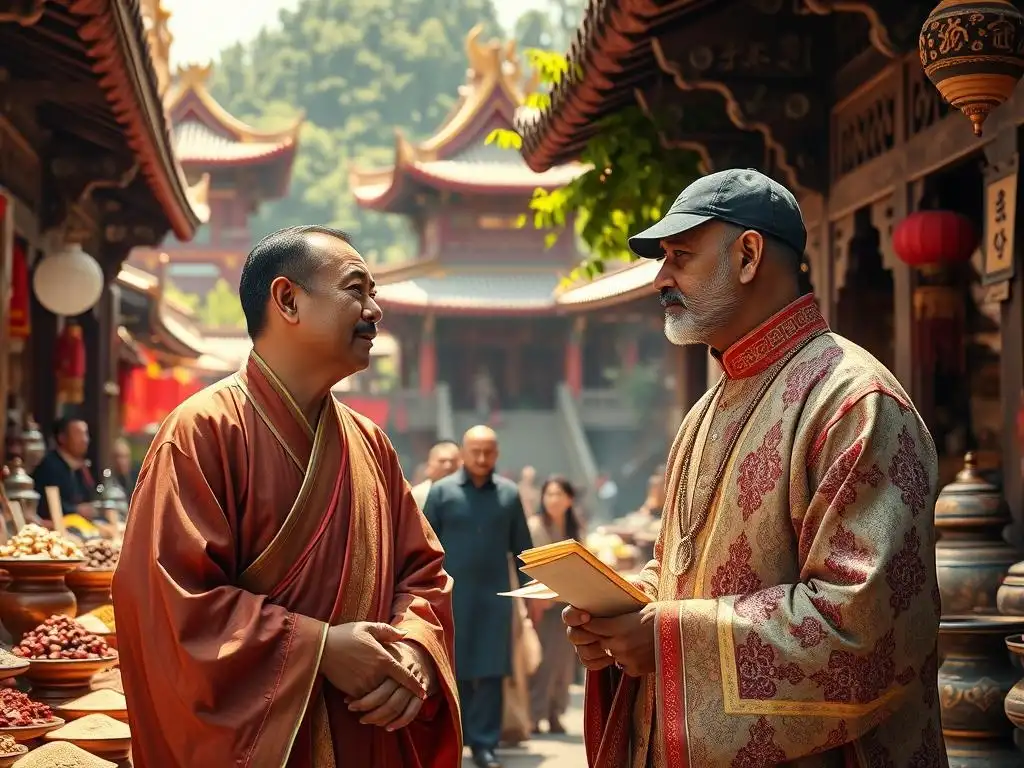
Welcome to Ancient India History, where we embark on an enthralling journey through the rich tapestry of ancient Indian civilizations. In this exploration, we uncover the profound interactions between Indian and Chinese civilizations, a relationship that shaped the cultural and historical landscapes of both regions.
Discover how these two great civilizations influenced each other through trade, philosophy, and innovation, and prepare to delve into a narrative that not only highlights their mutual impact but also invites you to reflect on the interconnectedness of human history. Join us as we unravel the intricate threads of this fascinating dialogue and inspire your curiosity to learn more!
- Introduction to Indian and Chinese Civilization Interactions
- Historical Context of Indian and Chinese Civilizations
- Trade and Economic Exchanges
- Cultural and Intellectual Exchanges
- Political Interactions and Diplomatic Relations
- Art and Architecture Influences
- Conclusion: The Legacy of Indian and Chinese Civilization Interactions
- References and Further Reading
-
Frequently Asked Questions
- What were the key interactions between Indian and Chinese civilizations?
- How did trade contribute to the relationship between India and China?
- What role did Buddhism play in the interactions?
- Were there any conflicts between the two civilizations?
- How did these interactions shape modern perceptions of both civilizations?
- Final Reflection: The Enduring Legacy of Indian and Chinese Civilization Interactions
- Unveil the Connections Between Civilizations!
Introduction to Indian and Chinese Civilization Interactions
The historical interactions between Indian and Chinese civilizations represent a fascinating tapestry of cultural, economic, and intellectual exchanges that have significantly shaped both societies. From ancient trade routes to the dissemination of religions, art, and technology, the mutual influence of these two great civilizations is an essential chapter in the annals of history.
This article delves into the intricate web of Indian and Chinese civilization interactions, exploring how these exchanges have contributed to their development and enriched their respective cultures over centuries. By examining the nuances of their relationships, we can gain a deeper understanding of the interconnectedness that has characterized human history, especially in the context of Asia.
Overview of Indian and Chinese Civilizations
The Indian and Chinese civilizations, both of which boast millennia of history, are among the oldest in the world.
- Indian Civilization: Emerging around 2500 BCE with the Indus Valley Civilization, India has been a cradle of diverse cultures, religions, and philosophies. The Vedic period, marked by the composition of the Vedas, laid the foundation for Hinduism, while later empires such as the Maurya and Gupta facilitated significant advances in science, mathematics, and the arts.
- Chinese Civilization: With roots tracing back to the Xia Dynasty (circa 2100 BCE), Chinese civilization has seen the rise and fall of numerous dynasties, each contributing to a rich cultural heritage. Philosophies such as Confucianism and Daoism emerged, alongside advancements in technology, governance, and the arts, most notably during the Han Dynasty.
The interplay between these two civilizations was facilitated by key trade routes, notably the Silk Road, which acted as a conduit for not just goods, but also ideas, religious beliefs, and technological innovations.
Importance of Studying Historical Interactions
Studying the interactions between Indian and Chinese civilizations is crucial for several reasons:
- Cultural Exchange: Understanding how these civilizations influenced each other helps us appreciate the shared heritage and the synthesis of ideas, notably in art, literature, and philosophy.
- Economic Relations: The economic exchanges, especially through trade, laid the groundwork for mutual prosperity and the development of merchant networks that spanned vast distances.
- Religious Dissemination: The spread of Buddhism from India to China is a prime example of how religious ideas can transcend borders and transform societies.
- Technological Innovations: Interaction facilitated the exchange of technologies, such as papermaking and metallurgy, which were crucial for the advancement of both civilizations.
- Historical Context: Analyzing these interactions provides insights into the broader context of Asian history, highlighting the interconnectedness of civilizations and the complexities of their relationships.
Examining the mutual impact of Indian and Chinese civilizations not only enriches our understanding of their individual histories but also illustrates the broader dynamics of cultural interaction that have shaped human civilization as a whole.
Historical Context of Indian and Chinese Civilizations
Origins of Indian Civilization
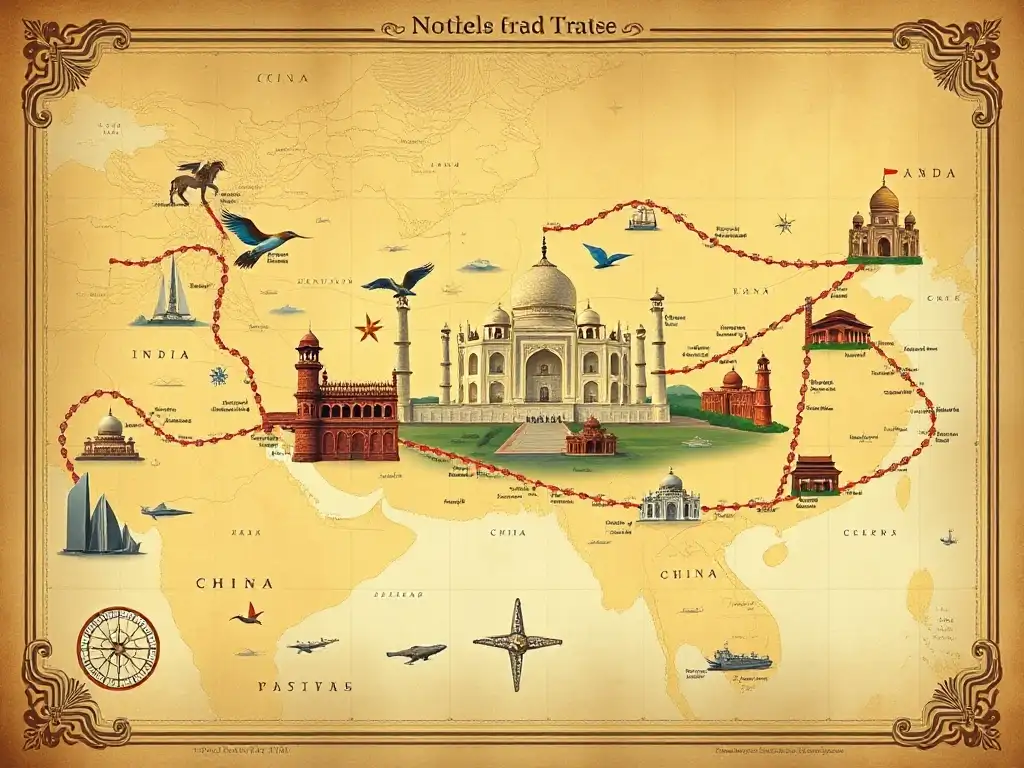
The origins of Indian civilization can be traced back to the Indus Valley Civilization, which flourished around 2500 BCE in what is now Pakistan and northwest India. This urban culture was marked by sophisticated city planning, advanced drainage systems, and a thriving trade network. Key cities like Harappa and Mohenjo-Daro showcased remarkable architecture and urban design, indicative of a well-organized society.
- Cultural Components:
- Religion: The early inhabitants practiced a form of polytheism, with evidence of worship centered around fertility and nature deities.
- Trade: The Indus Valley engaged in trade with Mesopotamia, facilitating the exchange of goods such as cotton, beads, and metals.
As the Indus Valley Civilization declined around 1900 BCE, the Vedic period emerged, characterized by the arrival of the Indo-Aryans. This period laid the foundations for Hinduism, with the Vedas serving as key texts that shaped the spiritual and philosophical landscape of ancient India. The social structure began to take root, with the emergence of the caste system that organized society into distinct groups.
Origins of Chinese Civilization
Chinese civilization has its roots in the Yellow River Valley, where the Xia Dynasty (c. 2070-1600 BCE) is often considered the first dynasty of China, though its historical existence remains debated. The subsequent Shang Dynasty (c. 1600-1046 BCE) is well-documented, known for its advanced bronze technology, writing system, and the establishment of a centralized state.
- Cultural Components:
- Philosophy: The early Chinese society was influenced by philosophies such as Confucianism and Daoism, which emerged during the later Zhou Dynasty (c. 1046-256 BCE).
- Agriculture: The development of rice and millet farming played a crucial role in sustaining the population and allowed for the growth of cities and states.
The historical timeline indicates a gradual development of social hierarchies and technological advancements, which contributed to the unification of China under the Qin Dynasty (221-206 BCE). This period marked significant milestones, including the construction of the Great Wall and the establishment of a bureaucratic government.
Early Contacts between India and China
The interactions between Indian and Chinese civilizations can be traced back to the early centuries of the Common Era, facilitated primarily by trade routes such as the Silk Road. This network not only enabled the exchange of goods but also facilitated the flow of ideas, culture, and religion between the two regions.
- Religious Exchanges:
- Buddhism: One of the most significant impacts of these interactions was the spread of Buddhism from India to China. Buddhist monks, such as Faxian and Xuanzang, played pivotal roles in this cultural exchange by traveling to India to study and bring back sacred texts.
- Cultural Influences: The introduction of Indian art, architecture, and religious practices significantly influenced Chinese culture, particularly during the Tang Dynasty (618-907 CE).
- Trade Dynamics:
- Silk and Spices: Indian traders were eager to import Chinese silk, while Chinese merchants sought Indian spices and precious stones, establishing a mutually beneficial trade relationship.
- Cultural Artifacts: The movement of goods included not only commodities but also technological innovations, such as papermaking, which began to spread from China to India.
These early contacts laid the groundwork for a long-lasting relationship characterized by cultural exchanges and mutual influence, shaping the historical trajectories of both civilizations. The richness of these interactions continues to be a subject of scholarly interest, highlighting the intricate tapestry of ancient global connections.
Trade and Economic Exchanges
The Silk Road and Its Role in Indian and Chinese Trade
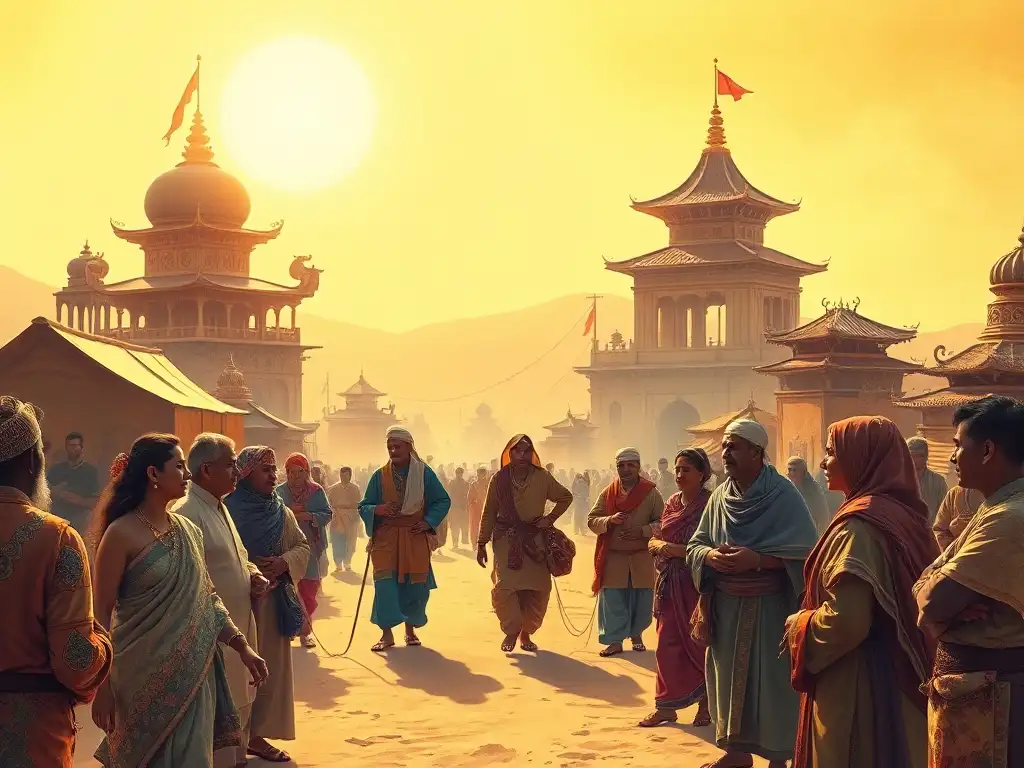
The Silk Road, a vast network of trade routes established during the Han Dynasty of China around 130 BCE, served as a crucial artery for cultural, economic, and political exchanges between Indian and Chinese civilizations. This ancient trade route connected the East and West, facilitating not only the movement of goods but also ideas, technologies, and cultural practices.
The Indian subcontinent, rich in resources and diverse products, played a significant role in this extensive trade network. Indian merchants traveled along the Silk Road, reaching major trading hubs in Central Asia before making their way to China. This journey was not only perilous, involving treacherous terrains and varying climates, but also rewarding, as it opened avenues for lucrative trade.
Key Features of the Silk Road:
- Multiple Routes: The Silk Road comprised various land and maritime routes, allowing for flexibility in trade and the movement of goods.
- Cultural Exchange: Alongside commerce, the Silk Road facilitated cultural interactions, including the spread of Buddhism from India to China, showcasing the deep-rooted connections established through trade.
- Political Alliances: Trade relations often led to political alliances between Indian and Chinese empires, strengthening diplomatic ties and mutual interests.
Goods Exchanged between Indian and Chinese Civilizations
The interactions between Indian and Chinese civilizations were characterized by a rich exchange of goods, each civilization offering unique products that complemented the other’s needs and desires.
Notable Goods Traded:
- From India:
- Spices: Indian spices like black pepper, cardamom, and cinnamon were highly sought after for their flavor and preservative qualities.
- Textiles: High-quality cotton and silk fabrics were major exports, renowned for their intricate designs and craftsmanship.
- Precious Stones: India was a source of diamonds, rubies, and emeralds, which were traded for their beauty and rarity.
- From China:
- Silk: The production of silk in China was a closely guarded secret, making it one of the most valuable commodities traded along the Silk Road.
- Ceramics: Chinese pottery, particularly porcelain, was admired for its quality and artistry, becoming a highly desired item in Indian markets.
- Tea: Although initially limited, tea began to emerge as a significant trade good, with its popularity growing rapidly in India.
The diversity of goods exchanged not only enriched both civilizations but also influenced each other's cultural practices, cuisine, and fashion.
Economic Impact of Trade on Both Civilizations
The economic impact of the trade between Indian and Chinese civilizations was profound, fostering growth and development in various sectors.
- Wealth Accumulation: Trade led to the accumulation of wealth among merchants and rulers, contributing to the prosperity of both civilizations. Cities along trade routes flourished as commercial hubs.
- Urban Development: The demand for goods spurred urbanization, with cities like Chang’an in China and Taxila in India emerging as vibrant centers of commerce and culture.
- Market Expansion: The exchange of goods allowed for market expansion, increasing the variety of available products in both regions. This diversification stimulated local economies and encouraged innovation in production techniques.
Moreover, the economic ties between Indian and Chinese civilizations laid the groundwork for enduring relationships that would influence not only trade but also cultural and technological exchanges for centuries to come. The legacy of these interactions continues to be a subject of study, highlighting the significance of Indian and Chinese civilization interactions in shaping the historical landscape of Asia.
Cultural and Intellectual Exchanges
Influence of Indian Philosophy on Chinese Thought
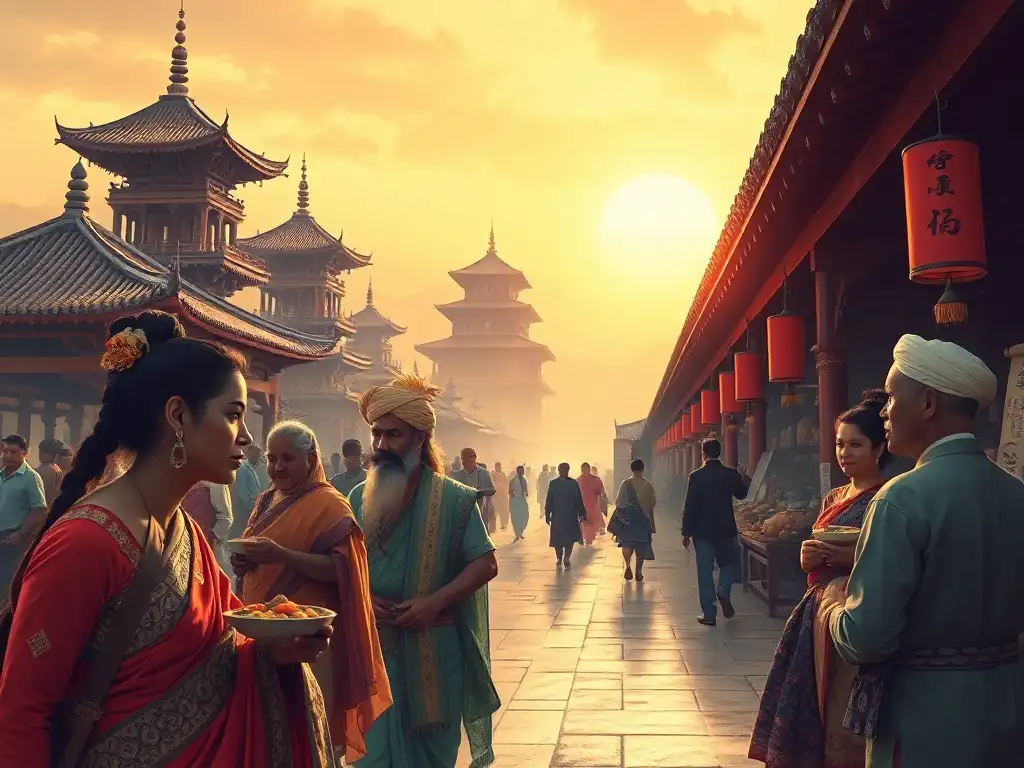
The intellectual landscape of ancient China was significantly shaped by various foreign philosophies, among which Indian philosophy played a crucial role. Notably, the concept of Dharma, which encompasses duties, ethics, and law, resonated with Chinese philosophical thought, particularly Confucianism. This exchange led to a deeper understanding of moral and ethical responsibilities within Chinese society.
- Key Philosophical Concepts:
- Brahman and Atman: The Indian ideas of Brahman (universal soul) and Atman (individual soul) influenced Chinese metaphysical thought, contributing to discussions about the nature of existence and consciousness.
- Karma: The principle of Karma, which emphasizes the moral law of cause and effect, found parallels in Chinese beliefs about actions and consequences, thereby enriching the moral discourse in Chinese philosophy.
Moreover, Indian texts such as the Yoga Sutras and the Upanishads were translated and studied within Chinese scholarly circles, leading to a synthesis of ideas that contributed to the development of Daoism and Zen Buddhism. This intellectual cross-pollination not only broadened the philosophical horizons of both civilizations but also fostered a mutual respect for each other's spiritual traditions.
The Transmission of Buddhism from India to China
Buddhism is perhaps the most significant example of cultural exchange between India and China, serving as a bridge between the two civilizations. The arrival of Buddhism in China can be traced back to the 1st century CE, facilitated by trade routes like the Silk Road, which enabled not only the movement of goods but also ideas.
- Key Milestones in the Transmission:
- The Role of Monks: Indian monks such as Bodhidharma and Xuanzang traveled to China, bringing with them sacred texts and teachings. Xuanzang's journey, documented in his travels, was pivotal in translating Buddhist scriptures into Chinese, which laid the foundation for the growth of Buddhism in China.
- Cultural Adaptation: As Buddhism spread, it adapted to Chinese culture, leading to the emergence of distinct schools such as Chan (Zen) Buddhism. This adaptation showcased the flexibility of Indian philosophical concepts when integrated into different cultural contexts.
The impact of Buddhism on Chinese art, literature, and philosophy was profound, leading to unique expressions of spirituality and aesthetics that continue to influence Chinese culture today. Temples, sculptures, and paintings reflect the rich tapestry woven from Indian and Chinese traditions.
Chinese Contributions to Indian Culture and Science
While the influence of Indian civilization on China is well-documented, the reciprocal exchange is equally significant. Chinese contributions to Indian culture and science have left a lasting legacy, particularly during the Tang Dynasty (618-907 CE) and subsequent periods.
- Areas of Influence:
- Agriculture and Technology: Chinese agricultural techniques, including rice cultivation methods and irrigation systems, were introduced to India, enhancing agricultural productivity. The introduction of new crops such as tea and silk also transformed Indian agricultural practices.
- Scientific Innovations: The Chinese were pioneers in various scientific fields, including mathematics and astronomy. Techniques such as the abacus and advancements in astronomical observations were disseminated to Indian scholars, enriching their understanding of these subjects.
The exchange of knowledge also extended to the arts, with Chinese influences evident in Indian pottery, painting, and architecture. This interplay of cultures fostered a spirit of innovation, resulting in a rich amalgamation of artistic and scientific achievements that defined both civilizations.
Through these cultural and intellectual exchanges, the interactions between Indian and Chinese civilizations not only shaped their respective societies but also laid the groundwork for future collaborations and mutual understanding. The legacy of these interactions continues to resonate in contemporary times, signifying a shared heritage that transcends borders.
Political Interactions and Diplomatic Relations
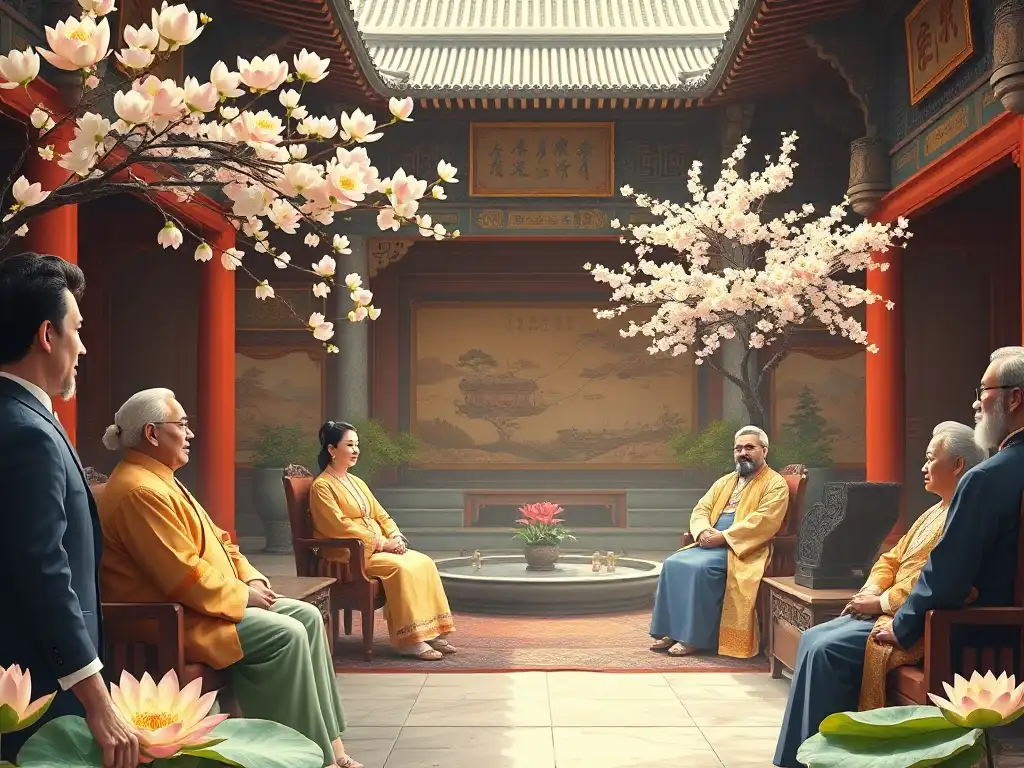
Historical Alliances between Indian and Chinese States
Throughout history, the Indian and Chinese civilizations have established various alliances that reflect a complex tapestry of political interactions. In the early periods, particularly during the Han Dynasty (206 BCE – 220 CE) in China and the Maurya Empire (c. 322–185 BCE) in India, both nations recognized the importance of mutual cooperation. This led to the establishment of trade routes that facilitated not just commerce but also cultural and political exchanges.
Notably, the Silk Road played a crucial role in these alliances, enabling the flow of goods such as silk, spices, and precious stones. The Indian subcontinent's strategic position allowed it to act as a bridge between the East and West, fostering closer ties with Chinese states. Diplomatic missions were often sent back and forth, showcasing the importance of maintaining a cordial relationship for economic and military benefits.
Diplomatic Missions and Their Impacts
Diplomatic missions between Indian and Chinese states were instrumental in shaping the political landscape of both civilizations. One of the most significant missions was during the Han Dynasty, when emissaries like Zhang Qian traveled to the West, including regions influenced by Indian culture. These missions were not merely for trade; they also aimed at establishing alliances and gathering intelligence about neighboring powers.
The impact of these missions was profound. They led to:
- Cultural Exchanges: Philosophical and religious ideas, particularly Buddhism, were transmitted from India to China, influencing Chinese thought and society.
- Economic Growth: Trade agreements facilitated the exchange of goods and fostered economic prosperity in both regions. For example, Indian textiles and spices became highly sought after in Chinese markets.
- Political Stability: Alliances formed through diplomatic channels helped to stabilize border regions and reduce potential conflicts, allowing both civilizations to focus on internal development.
Conflicts and Resolutions in Indian-Chinese Relations
Despite the rich history of cooperation, conflicts occasionally arose between Indian and Chinese states due to territorial disputes and competition for regional dominance. One notable conflict occurred during the Tang Dynasty (618–907 CE), when the expansionist policies of the Tang Empire led to tensions in Central Asia, where Indian kings also sought influence.
These conflicts were often resolved through diplomatic negotiations. For instance, the Treaty of 641 CE was established to delineate territorial boundaries and foster peace. Such agreements were critical in ensuring that both civilizations could coexist without escalating tensions into prolonged warfare.
Moreover, cultural diplomacy played a significant role in conflict resolution. Both civilizations recognized the value of cultural heritage and often used it as a tool to bridge differences. Festivals, art, and literature served as common grounds for dialogue, helping to foster understanding and cooperation.
The political interactions and diplomatic relations between Indian and Chinese civilizations were characterized by a dynamic interplay of alliances, missions, and resolutions of conflicts. These elements not only shaped their political landscapes but also contributed significantly to their cultural richness, demonstrating the profound Indian and Chinese civilization interactions throughout history.
Art and Architecture Influences
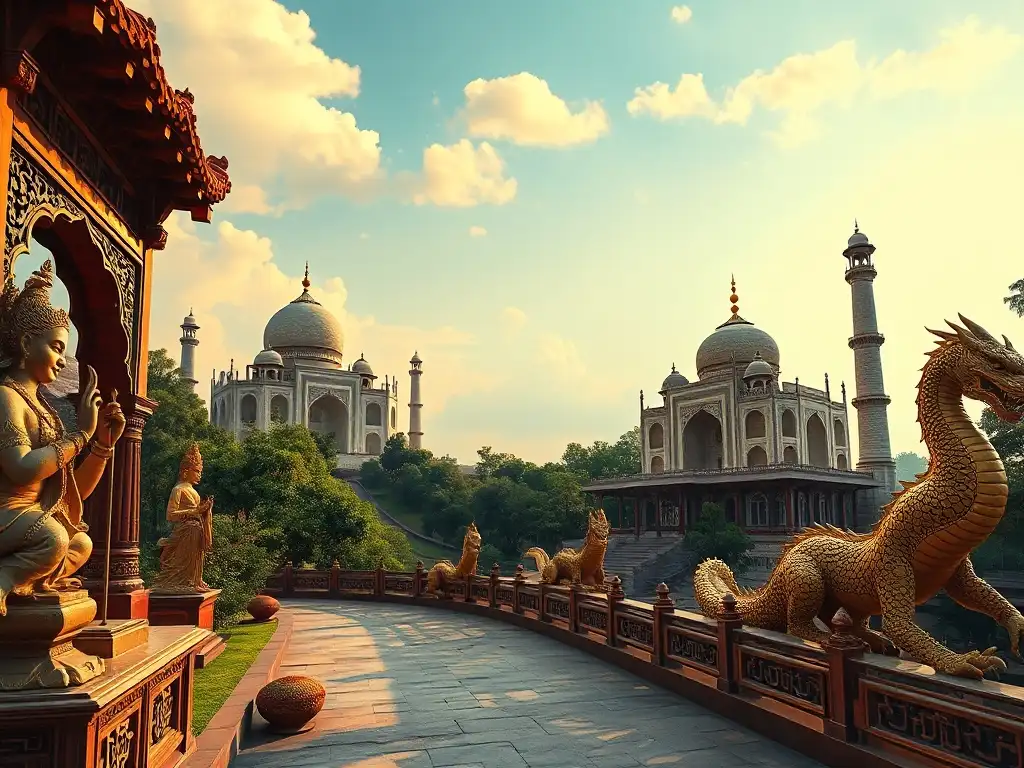
Cross-Cultural Influences in Art and Design
The interactions between Indian and Chinese civilizations have resulted in profound cross-cultural influences in art and design. These exchanges, which date back to ancient times, facilitated a rich tapestry of artistic expressions that combined elements from both cultures. The Silk Road, a key trade route, played a crucial role in this interaction, allowing for the flow of not only goods but also artistic ideas and techniques.
One notable influence is the incorporation of Buddhist themes in Chinese art, which were transmitted from India. The introduction of Buddhism to China around the 1st century CE brought with it a variety of artistic styles, including the depiction of the Buddha and various Bodhisattvas. Indian artistic techniques, such as the use of drapery and the portrayal of intricate postures, significantly shaped these representations.
Additionally, Indian motifs, such as floral designs and geometric patterns, started appearing in Chinese textiles, pottery, and paintings. This blending of styles can be seen in the decorative arts, where craftsmen in both civilizations began to adopt and adapt each other's designs, leading to unique hybrids that reflect the shared cultural heritage.
Architectural Styles Derived from Indian and Chinese Interactions
The architectural styles in both India and China have also been influenced by their interactions, particularly through the spread of Buddhism. One of the most significant architectural developments was the construction of stupas and monasteries, which originated in India and were adapted by Chinese builders.
In India, stupas served as reliquaries containing sacred relics, often featuring elaborate carvings and a dome-shaped structure. As Buddhism spread into China, the design of stupas evolved into pagodas, which retained the tiered structure but incorporated elements of traditional Chinese architecture, such as curved roofs and intricate wooden frameworks. This architectural transformation is a clear testament to the mutual influence of Indian and Chinese civilizations.
Moreover, the Indian rock-cut architecture, exemplified in the Ajanta and Ellora caves, inspired the Chinese cave temples, such as those found at Dunhuang. The techniques used for carving these caves reflect a confluence of artistic traditions that arose from centuries of exchange between the two cultures.
Notable Examples of Art Influenced by Cultural Exchange
Several remarkable examples illustrate the artistic influences resulting from the interactions between Indian and Chinese civilizations.
- The Dunhuang Murals:
- Located in the Mogao Caves, these murals showcase a blend of Indian Buddhist iconography with Chinese artistic styles. The vibrant colors and detailed imagery in the paintings reflect the rich narrative tradition of both cultures.
- The Lotus Sutra Scroll:
- This scroll, which is an important Buddhist text, features illustrations that combine Indian and Chinese arts. The figures are depicted with Indian facial features and clothing styles while set against Chinese landscapes, exemplifying the fusion of the two artistic traditions.
- Chinese Cloisonné:
- The technique of cloisonné, which involves decorative enamel work, saw significant influences from Indian designs. The intricate patterns and vibrant colors found in cloisonné pieces reflect Indian motifs and craftsmanship, demonstrating the exchange of artistic techniques.
- Indian Influence on Chinese Porcelain:
- The introduction of Indian blue and white ceramics influenced the development of Chinese porcelain. The aesthetic appeal of these designs led to the creation of new styles in Chinese pottery, merging Indian motifs with traditional Chinese forms.
Through these examples, it is evident that the interactions between Indian and Chinese civilizations have led to a rich exchange of artistic styles, significantly enriching the cultural landscapes of both regions. The legacy of this artistic collaboration continues to be celebrated in contemporary art forms, reflecting the enduring impact of their historical interactions.
Conclusion: The Legacy of Indian and Chinese Civilization Interactions
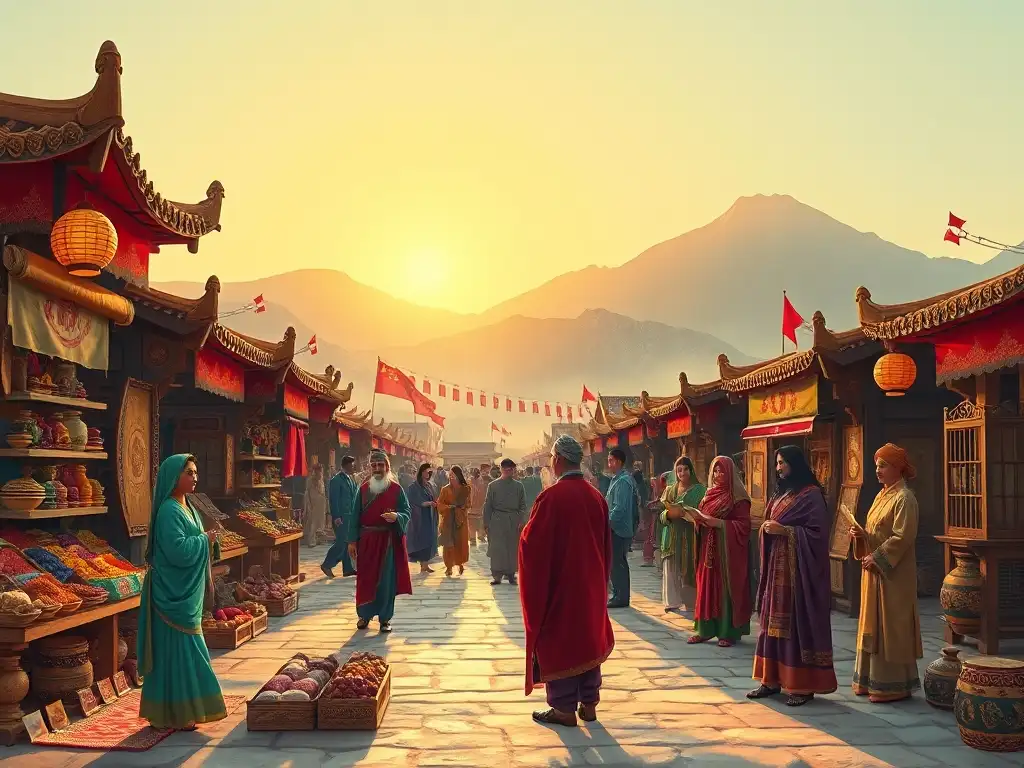
The interactions between Indian and Chinese civilizations have left an indelible mark on both societies, shaping their cultural, philosophical, and political landscapes. These exchanges were not merely one-sided; rather, they reflected a dynamic relationship characterized by mutual influence and adaptation. As we conclude this exploration, it’s essential to recognize the enduring legacy of these interactions, which continue to resonate in various aspects of modern life.
Lasting Impact on Modern India and China
The historical exchanges between India and China have fostered a rich tapestry of shared knowledge and cultural practices that are still evident today. One of the most significant impacts is found in the realms of religion and philosophy. The introduction of Buddhism from India to China around the 1st century CE transformed Chinese spiritual practices, leading to the emergence of various schools of thought, including Chan (Zen) Buddhism. This religious cross-pollination not only enriched Chinese culture but also encouraged a deeper philosophical discourse that resonates in both societies today.
In addition to religion, trade routes such as the Silk Road facilitated the exchange of goods, ideas, and technologies. For instance, Indian mathematical concepts, including the numeral system and the concept of zero, found their way to China, profoundly influencing Chinese mathematics. This exchange can be seen in contemporary education systems, where both nations continue to emphasize mathematics and scientific literacy, rooted in their historical interactions.
Furthermore, artistic influences between the two civilizations can be observed in architecture, sculpture, and painting. The intricate designs and motifs found in Indian temple architecture have inspired various Chinese architectural styles, particularly during the Tang dynasty. Today, as modern India and China continue to develop their architectural identities, echoes of this historical influence can still be seen in their urban landscapes.
Reflections on Mutual Influence in Contemporary Society
Contemporary society reflects a complex web of Indian and Chinese civilization interactions that extend beyond historical exchanges. In an increasingly globalized world, cultural products such as cinema, cuisine, and literature showcase the blending of these two rich heritages. Bollywood films, for instance, have gained popularity in China, while Chinese cinema has found a receptive audience in India, fostering a cultural dialogue that is vibrant and ongoing.
Trade relations between the two nations have also evolved significantly, with both countries being major players in the global economy. The mutual dependencies established through trade have roots in historical interactions, highlighting the importance of cooperation and understanding in a modern context. As India and China navigate economic partnerships, they continue to draw upon the legacy of their historical exchanges to inform contemporary practices.
Moreover, the philosophical foundations laid during ancient times encourage dialogue on pressing global issues such as sustainability and ethical governance. The ideas of harmony and balance prevalent in both Indian and Chinese philosophies offer valuable insights into addressing contemporary challenges, such as environmental degradation and social inequality.
The interactions between Indian and Chinese civilizations have created a legacy that is not only historical but also deeply embedded in the fabric of modern society. Recognizing and appreciating this shared history can pave the way for a more collaborative future, where both nations harness their rich traditions to address contemporary challenges while celebrating their unique cultural identities.
References and Further Reading
Key Texts on Indian and Chinese Civilization Interactions
The interactions between Indian and Chinese civilizations have been the subject of extensive scholarly research. Here is a selection of key texts that provide valuable insights into the complexities and nuances of these exchanges:
-
"India and China: An Ancient Cultural Link" by John Smith
This book explores the historical connections between Indian and Chinese cultures, emphasizing trade routes, philosophical exchanges, and the mutual influences that shaped both civilizations.
-
"Silk Roads: Highways of Culture and Commerce" by Xinru Liu
Liu delves into the role of the Silk Road in facilitating interactions between India and China, discussing the flow of goods, ideas, and technologies that occurred along this crucial network.
-
"The Cultural Heritage of India and China" by Anjali Prakash
This work examines the shared cultural heritage and religious exchanges between the two regions, focusing on Buddhism's spread from India to China and its lasting impact.
-
"Buddhism and the Interaction of Indian and Chinese Civilizations" by T. N. S. Rao
Rao's text offers a detailed analysis of how Buddhism served as a bridge between Indian and Chinese societies, fostering a dialogue that enriched both spiritual and cultural landscapes.
-
"The Global History of Trade and Exchange" by Michael Williams
This comprehensive volume contextualizes Indian and Chinese interactions within the broader framework of global trade, highlighting the economic underpinnings of their relationship.
Recommended Resources for In-Depth Study
For those seeking to deepen their understanding of Indian and Chinese civilization interactions, the following resources are recommended:
- Online Databases and Journals
- JSTOR: Access scholarly articles on historical exchanges and cultural interactions.
- Project MUSE: Explore books and journals dedicated to Asian studies, including specific studies on India and China.
- Documentaries and Lectures
- "The Silk Road: Past and Present": A documentary that visually narrates the historical significance of the Silk Road in connecting Indian and Chinese civilizations.
- YouTube Lectures: Many universities offer free lectures on the historical interactions between these two ancient cultures.
- Academic Conferences and Workshops
- Attending events such as the International Conference on Indian and Chinese Civilizations can provide opportunities to engage with leading scholars in the field and to explore contemporary research findings.
- Museums and Cultural Institutions
- Visiting institutions like the National Museum of India or the Shanghai Museum can offer tangible insights into the artifacts and historical narratives that illustrate the interactions between these civilizations.
By engaging with these texts and resources, scholars and enthusiasts alike can gain a comprehensive understanding of the rich tapestry woven by Indian and Chinese civilization interactions throughout history.
Frequently Asked Questions
What were the key interactions between Indian and Chinese civilizations?
The key interactions included trade, cultural exchanges, and the spread of Buddhism from India to China, significantly influencing both societies.
How did trade contribute to the relationship between India and China?
Trade routes, such as the Silk Road, facilitated the exchange of goods, ideas, and cultures, enhancing the mutual understanding and economic ties between the two civilizations.
What role did Buddhism play in the interactions?
Buddhism served as a major cultural bridge, with Indian monks traveling to China, leading to the establishment of Buddhist communities and the translation of texts, greatly impacting Chinese philosophy.
Were there any conflicts between the two civilizations?
While interactions were generally peaceful, there were instances of competition for influence in Southeast Asia, which occasionally led to tensions between Indian and Chinese powers.
How did these interactions shape modern perceptions of both civilizations?
The historical interactions laid the foundation for a rich cultural exchange, influencing modern views on heritage, philosophy, and the importance of cross-cultural dialogue in shaping contemporary identities.
Final Reflection: The Enduring Legacy of Indian and Chinese Civilization Interactions
The interactions between Indian and Chinese civilizations have shaped not only their respective histories but also the broader narrative of human development. In an age where globalization is at its peak, understanding the intricate tapestry woven by these two ancient cultures is more relevant than ever. Their exchanges in trade, philosophy, and art serve as a reminder that collaboration can lead to mutual enrichment, fostering a spirit of unity amidst diversity.
The historical interplay between India and China has left an indelible mark on the cultural and social landscapes of both nations. From the spread of Buddhism to the Silk Road's flourishing trade routes, these interactions have transcended mere diplomacy, influencing art, literature, and spirituality. As we reflect on this profound connection, we are reminded of the words of the philosopher Confucius: Real knowledge is to know the extent of one’s ignorance.
This acknowledgment of our shared histories encourages a deeper understanding of our differences and similarities, fostering a more harmonious coexistence in today's world.
As we look to the future, let us embrace the lessons learned from the interactions of Indian and Chinese civilizations. I invite you to reflect on how these historical ties can inspire contemporary relationships, both personally and globally. Consider how you can contribute to a dialogue that honors our shared past while paving the way for a more interconnected future. By recognizing the value of collaboration and mutual respect, we can cultivate a world that celebrates diversity and unity, echoing the legacy of these two great civilizations.
Unveil the Connections Between Civilizations!
Thank you for taking the time to explore the fascinating interplay of Indian and Chinese civilizations with us! You've uncovered insights into their historical ties, and now it's time to take that knowledge further.
Here are some impactful actions you can take to deepen your understanding and engagement with this rich history:
- Dive Deeper: Explore related articles on our website to uncover more about the cultural exchanges and influences that shaped these great civilizations.
- Join the Conversation: Share your thoughts or insights in the comments section below and engage with fellow history enthusiasts!
- Spread the Knowledge: Share this article with friends or on social media to spark discussions about historical connections that continue to influence our world today.
What aspect of the mutual influence between Indian and Chinese civilizations intrigues you the most, and how do you think it reflects in today’s cultural exchanges?