
The Historical Significance of the Konark Sun Temple: More Than Just a Monument

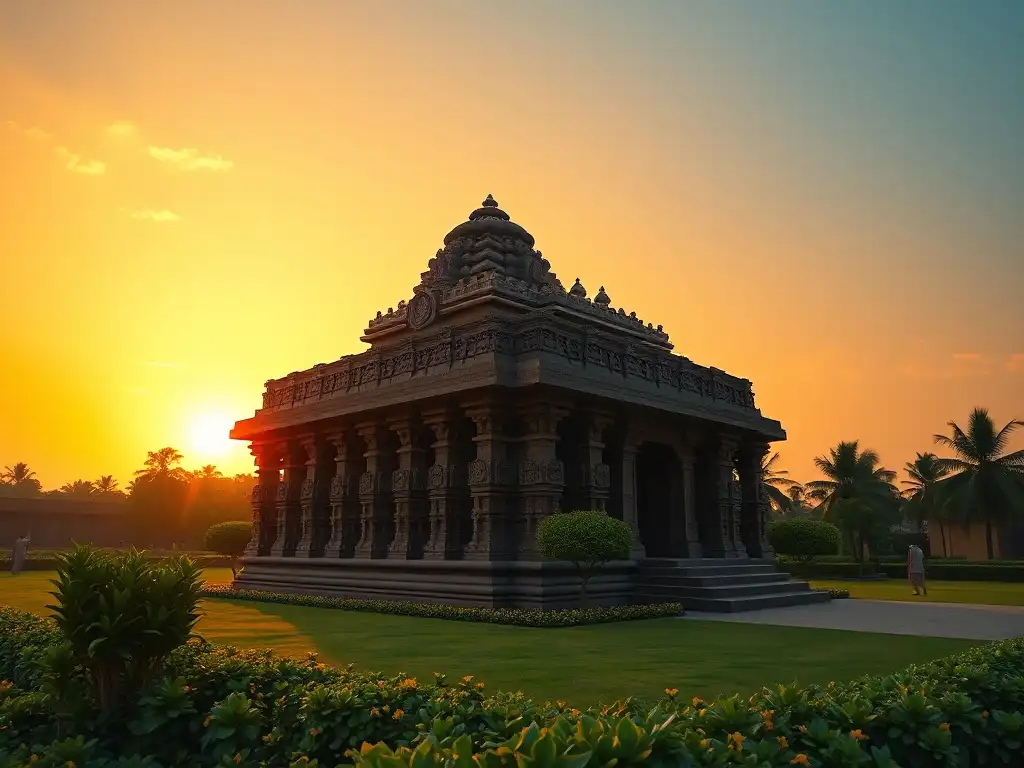
Welcome to Ancient India History, where we invite you to journey through the fascinating tapestry of one of the world's most vibrant civilizations. In our featured article, we delve into the historical significance of the Konark Sun Temple, a marvel that transcends mere architectural splendor. Discover how this iconic monument not only reflects the ingenuity of ancient craftsmanship but also embodies the spiritual and cultural ethos of its time. Ready to uncover the secrets and stories that shaped the Konark Sun Temple? Let’s explore together!
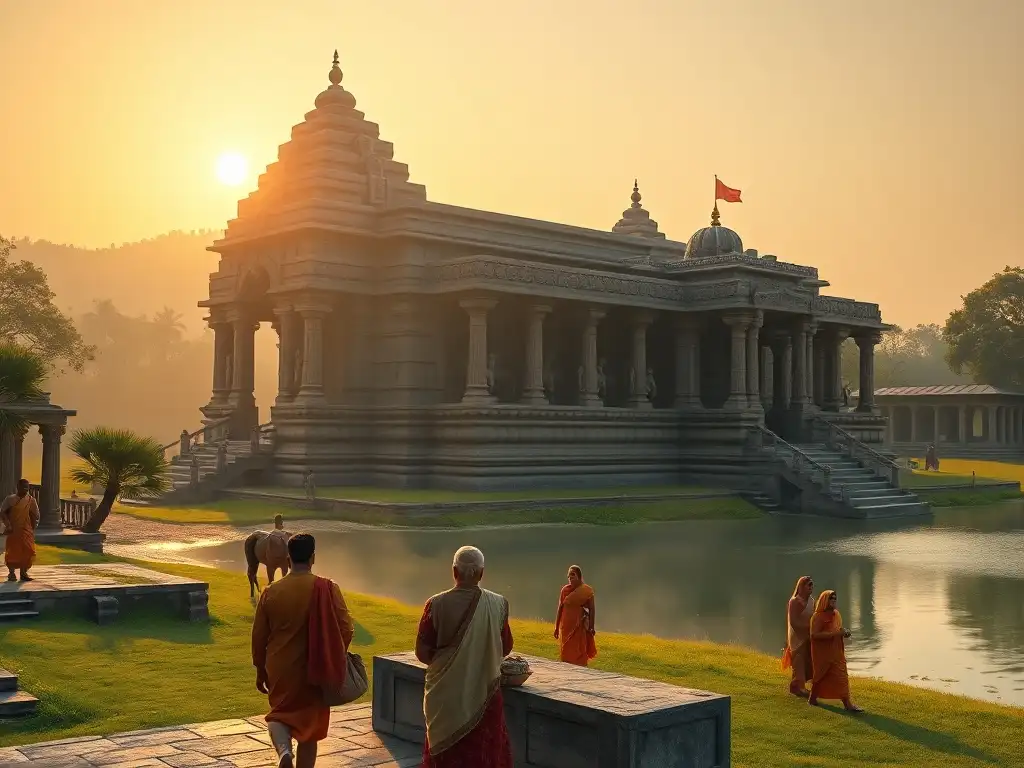
Introduction to the Konark Sun Temple
The Konark Sun Temple, an architectural marvel located in Odisha, India, stands as a testament to the ingenuity and artistic prowess of ancient Indian civilization. Built in the 13th century, this monumental structure is not only a UNESCO World Heritage Site but also a significant marker of India's cultural and historical landscape. The temple is dedicated to Surya, the sun god, and is designed in the shape of a colossal chariot, symbolizing the journey of the sun across the sky.
Its intricate carvings and elaborate sculptures narrate stories that reflect the rich tapestry of life, spirituality, and artistry prevalent during its time. This article delves into the history and significance of the Konark Sun Temple, exploring its deep-rooted connections to ancient Indian society and its enduring legacy.
Overview of the Monument's Location and Architecture
Nestled on the shores of the Bay of Bengal, the Konark Sun Temple is strategically located near the ancient port of Puri, which was a vital center for trade and pilgrimage during its heyday. The temple's architectural brilliance is exemplified by its massive stone structure, which consists of a sanctum, a dancing hall, and an assembly hall, all adorned with intricate carvings that depict various deities, celestial beings, and everyday life.
- Architectural Features:
- Chariot Design: The temple is fashioned to resemble a grand chariot with 24 intricately carved wheels, symbolizing the passage of time.
- Sculptural Details: The walls are embellished with exquisite sculptures that depict scenes from Hindu mythology, daily life, and the natural world, reflecting the artistic sophistication of the period.
Purpose and Importance in Ancient Indian Society
The Konark Sun Temple served multiple purposes beyond being a mere place of worship. It was a center of astronomical observation, a pilgrimage site, and a hub for cultural activities. The temple's orientation and design were meticulously planned to align with the sun's movements, showcasing the advanced understanding of astronomy possessed by ancient Indian scholars.
- Cultural Significance:
- The temple was a gathering place for devotees, scholars, and artists, fostering a vibrant cultural exchange.
- It played a crucial role in the socio-religious fabric of the time, influencing art, architecture, and spirituality throughout Eastern India.
The Historical Context of the Konark Sun Temple
The Era of Construction: 13th Century India
The construction of the Konark Sun Temple occurred during the Eastern Ganga Dynasty, a period marked by prosperity, cultural flourishing, and significant advancements in architecture and art. The 13th century was a time of great political and social change in India, with the rise of regional powers and a flourishing of trade routes that facilitated cultural exchanges across the subcontinent.
Key Figures Involved in Its Creation
The temple is attributed to King Narasimhadeva I, who commissioned its construction as a tribute to the sun god. Legends suggest that the king was inspired to build the temple after a victorious campaign and sought to showcase his devotion and gratitude to Surya. The craftsmanship displayed in the temple is believed to be the work of skilled artisans and architects, whose identities remain largely anonymous yet whose legacies endure through their creations.
Cultural Influences Shaping the Design and Symbolism
The design and symbolism of the Konark Sun Temple were heavily influenced by various cultural and religious traditions. The temple reflects the Kalinga style of architecture, characterized by its soaring spires and elaborate carvings. Additionally, the integration of Vaishnavism, Shaivism, and Shaktism into its artwork highlights the syncretic nature of Indian culture during this period.
- Influences Include:
- Hindu Cosmology: The temple's orientation and layout symbolize the cosmic order and the journey of the soul.
- Local Folklore: The carvings often incorporate local legends and myths, connecting the temple to regional cultural narratives.
Through this exploration of the Konark Sun Temple, we can appreciate its multifaceted significance in ancient Indian history, transcending its role as a mere monument to become a symbol of cultural heritage and spiritual devotion.
Architectural Significance of the Konark Sun Temple
The Konark Sun Temple, a UNESCO World Heritage Site, is an outstanding example of Kalinga architecture and represents a pinnacle of temple construction in ancient India. Built in the 13th century under the reign of King Narasimhadeva I of the Eastern Ganga Dynasty, the temple is dedicated to Surya, the sun god.
Its design is modeled after a colossal chariot with twelve pairs of wheels, drawn by seven horses, symbolizing the sun’s journey across the sky. This architectural marvel is not only an aesthetic delight but also a reflection of the advanced engineering skills of the artisans of that era.
The temple's intricate carvings and sculptures depict various aspects of life, ranging from celestial bodies to daily activities, showcasing the artisans’ exceptional craftsmanship. Additionally, the temple is oriented in such a way that the first rays of the sun illuminate the deity's idol at dawn, emphasizing the significance of solar worship. The use of sandstone and intricate detailing in the carvings, along with a sophisticated drainage system, demonstrates the engineering prowess that went into its construction.
Unique Features of Kalinga Architecture
Kalinga architecture is characterized by its grandiosity and intricate detail, with the Konark Sun Temple epitomizing these features. One of the most notable aspects is the use of elaborate stone carvings, which often depict scenes from mythology, daily life, and nature. The temple's walls are adorned with countless figures, including dancers, musicians, and animals, reflecting the cultural vibrancy of the time.
Another unique feature is the temple’s layout, which is designed to mimic the solar chariot, a conceptual representation of the sun's movement. This innovative design is complemented by the temple’s towering spire, known as the vimana, which originally rose to a height of about 70 meters, making it one of the tallest structures in its time. The emphasis on symmetry and precise alignment with cardinal directions further showcases the architectural sophistication of Kalinga artisans.
Innovative Engineering Techniques Used
The construction of the Konark Sun Temple involved several innovative engineering techniques that were ahead of their time. The use of interlocking stone blocks allowed for a sturdy structure without the need for mortar, showcasing advanced knowledge of stone masonry. Additionally, the temple's base was designed with a slight incline to facilitate water drainage, ensuring the longevity of the structure.
The method of construction included the use of a unique corbel arch system, which provided the temple with both strength and aesthetic appeal. This technique allowed for the creation of expansive halls and intricate carvings without compromising structural integrity. Furthermore, the application of solar alignment in the design not only served a religious purpose but also demonstrated a profound understanding of astronomy and its practical implications in architecture.
Symbolism of Solar Worship in the Temple Design
The design of the Konark Sun Temple is deeply rooted in the symbolism of solar worship, reflecting the significance of the sun in ancient Indian culture. The entire structure symbolizes the sun chariot, with its twelve wheels representing the twelve months of the year and the seven horses embodying the seven days of the week. This portrayal emphasizes the cyclical nature of time and the importance of the sun in the agricultural calendar.
Moreover, the temple's orientation allows the first rays of the sun to illuminate the main deity at dawn, reinforcing the connection between divinity and the natural world. The use of light and shadow in the temple's design further enhances this symbolism, creating a dynamic interplay that changes throughout the day, mirroring the journey of the sun across the sky.
The Role of the Konark Sun Temple in Eastern India's History
The Konark Sun Temple has played a pivotal role in shaping the history of Eastern India, serving as a center of spiritual, economic, and cultural activities. Its establishment marked a significant point in the religious landscape of the region, contributing to the prominence of sun worship in Hinduism. The temple attracted pilgrims from across the country, fostering a vibrant religious community around it.
The Temple as a Center of Pilgrimage and Spirituality
As one of the most revered pilgrimage sites in India, the Konark Sun Temple has drawn countless devotees over the centuries. The temple served as a hub for spiritual activities, rituals, and festivals, particularly during the annual Chandrabhaga Mela, where thousands of pilgrims gather to pay homage to Surya. This influx of visitors not only solidified the temple's status as a spiritual landmark but also facilitated the exchange of cultural practices and traditions.
The spiritual significance of the temple is further amplified by its architectural design, which embodies the principles of Vaastu Shastra, ensuring harmony between the structure, the land, and the cosmos. This sacred space has thus become a focal point for spiritual quests and devotion, influencing the religious practices of countless individuals throughout history.
Economic Contributions to the Region through Religious Tourism
The Konark Sun Temple has significantly contributed to the economy of Eastern India, primarily through religious tourism. The influx of pilgrims and tourists has generated substantial revenue for the local economy, supporting businesses such as hotels, restaurants, and handicraft shops. This economic activity has helped sustain the livelihoods of many families in the region.
Moreover, the temple's historical significance has attracted scholars, archaeologists, and enthusiasts, further enhancing its status as a cultural heritage site. The preservation and promotion of the temple have encouraged initiatives aimed at safeguarding its legacy, which in turn stimulates local economies through cultural tourism and educational programs.
Influence on Local Art and Culture
The Konark Sun Temple has had a profound influence on the art and culture of Eastern India. Its intricate sculptures and carvings have inspired generations of artists and craftsmen, contributing to the evolution of local art forms. The themes depicted in the temple's artwork, ranging from mythological narratives to everyday scenes, continue to resonate in contemporary art and craft practices in the region.
Additionally, the temple's architectural style and design principles have left a lasting impact on subsequent temple constructions in Odisha and beyond. The legacy of the Konark Sun Temple is evident in the rich tradition of dance, music, and performing arts that flourish in the region, reflecting the temple's role as a cultural beacon throughout history.
Myths and Legends Surrounding the Konark Sun Temple
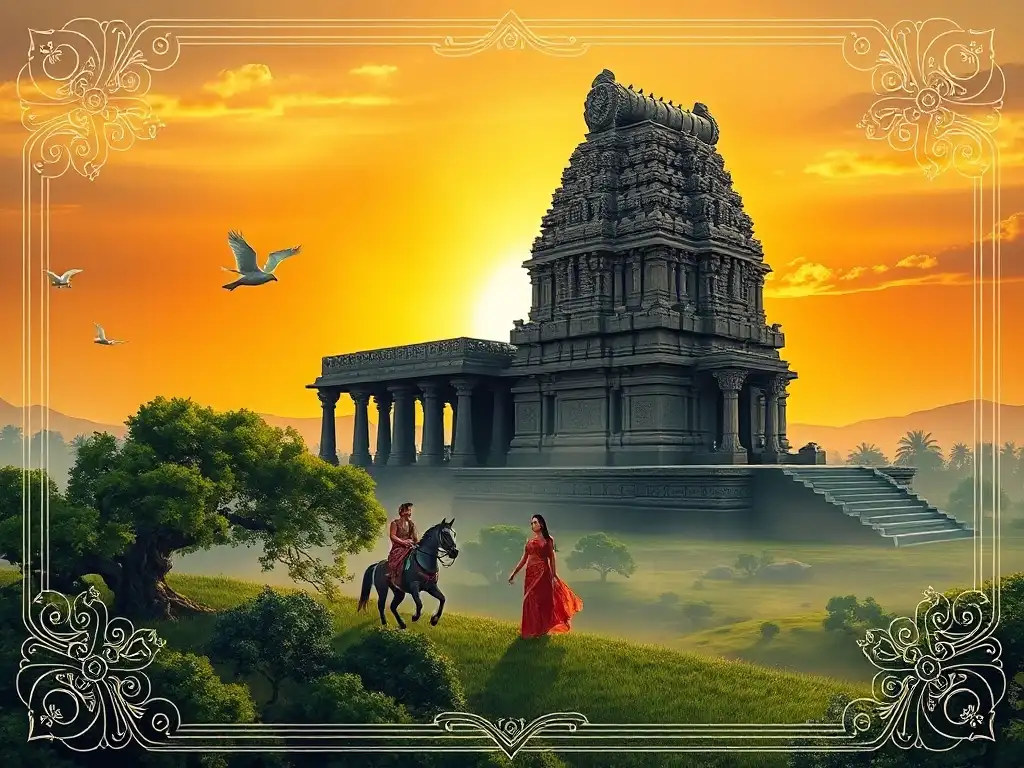
The Konark Sun Temple, a UNESCO World Heritage site, is not only revered for its architectural grandeur but also for the rich tapestry of myths and legends that surround it. These narratives are deeply embedded in the cultural fabric of India and offer insights into the beliefs and values of ancient societies. The temple is often associated with the sun god Surya, and many tales illustrate the divine connection attributed to this remarkable structure.
One of the most popular legends involves the temple's construction, which is said to have been commissioned by King Narasimhadeva I of the Eastern Ganga dynasty in the 13th century. According to folklore, the king was inspired by a vision of the sun god and vowed to create a temple that would honor Surya. The story goes that the king's charioteer, who was also a skilled architect, designed the temple as a massive chariot of the sun, complete with intricately carved wheels and horses, symbolizing the journey of the sun across the sky.
These legends not only enhance the spiritual ambiance of the temple but also serve as a testament to the artistic and engineering prowess of the ancient builders. They reveal how mythology and architecture intertwined to create a sacred space that transcends mere physicality.
Popular Folklore Related to the Temple's Origin
The folklore surrounding the origin of the Konark Sun Temple is rich with tales that reflect the ingenuity and devotion of its creators. One prominent story recalls the tale of a celestial architect named Vishwakarma, who was tasked by the gods to design the temple. The narrative suggests that the temple's construction was a divine endeavor, with supernatural forces aiding in its design and execution.
Another popular tale involves a tragic love story. It is said that the temple was built in honor of a beautiful princess who fell in love with a sun god. To fulfill her devotion, the king constructed the temple as a symbol of their love, emphasizing the connection between divine and earthly realms. This narrative showcases the temple not just as a religious site but as a cultural monument representing human emotions and aspirations.
These stories contribute significantly to the heritage of the Konark Sun Temple, making it a focal point for cultural gatherings, festivals, and pilgrimages, which continue to this day.
Literary References in Ancient Texts
The significance of the Konark Sun Temple extends into ancient literature, where it is frequently mentioned in texts and scriptures. One notable reference is found in the "Skanda Purana," where the temple is celebrated as a sacred site dedicated to the sun god. This text emphasizes the spiritual importance of the temple and its role in the religious practices of ancient Indians.
Additionally, historical accounts and poetry from the period often reference the temple, highlighting its architectural brilliance and the devotion it inspired among the populace. The temple's design, with its elaborate carvings and sculptures, is often compared to other famous structures in ancient India, further solidifying its status as a symbol of artistic achievement.
These literary references not only serve to commemorate the temple's significance but also provide a historical context that enriches our understanding of ancient Indian culture.
Preservation Efforts and Challenges Facing the Konark Sun Temple
Preserving the Konark Sun Temple has become an ongoing challenge, as environmental factors and human activities threaten its structural integrity and cultural significance. Over the years, various efforts have been made to safeguard this architectural marvel, ensuring that it continues to be a vital part of India's heritage.
Historical Conservation Attempts Over the Years
Historical conservation attempts have been initiated since the early 20th century, when the Archaeological Survey of India (ASI) first recognized the need to restore the temple. Initial efforts focused on stabilizing the structure and preventing further erosion caused by weather and pollution. During the British colonial period, significant restoration work was undertaken, but often with limited resources and expertise.
In the latter half of the 20th century, conservation projects gained momentum, marked by the introduction of more sophisticated techniques and materials. The ASI has since implemented systematic restoration strategies, including careful documentation and the use of traditional craftsmanship to preserve the temple's intricate carvings.
These historical efforts reflect a growing awareness of the temple's importance as a cultural heritage site, highlighting the need for continuous maintenance and preservation.
Current Preservation Techniques and Challenges
Today, preservation techniques for the Konark Sun Temple include advanced technologies such as laser scanning and 3D modeling, which aid in assessing the temple's condition and planning restoration activities. Conservationists are also employing eco-friendly materials and methods to ensure that any restoration work is in harmony with the original structure.
However, significant challenges remain. The temple is subjected to harsh environmental conditions, including monsoon rains and coastal erosion, which can weaken its foundations. Additionally, urban development and tourism pose threats to its preservation, as increased foot traffic can lead to damage.
Efforts to mitigate these challenges involve community awareness programs aimed at promoting responsible tourism and engaging local populations in preservation activities. Such initiatives are crucial for sustaining the temple's integrity for future generations.
Importance of the Temple in Modern India
In modern India, the Konark Sun Temple holds immense cultural and historical significance. It serves as a symbol of India's rich architectural heritage and is a source of pride for the local community. The temple attracts thousands of tourists and pilgrims each year, contributing to the local economy and fostering cultural exchange.
Moreover, the temple plays a vital role in contemporary spiritual practices, with many visitors coming to seek blessings and participate in rituals dedicated to Surya. Festivals and events held at the temple further enhance its status as a living cultural site.
The Konark Sun Temple also serves as an educational resource, attracting scholars and researchers interested in ancient Indian history, architecture, and mythology. Its significance extends beyond its physical presence; it embodies the legacy of ancient Indian civilization and continues to inspire awe and reverence among people worldwide.
Conclusion: The Enduring Legacy of the Konark Sun Temple
The Konark Sun Temple, also known as the Black Pagoda, stands as a testament to the architectural brilliance and cultural richness of ancient India. Built in the 13th century, this UNESCO World Heritage Site not only serves as a remarkable example of Kalinga architecture but also embodies the spiritual and artistic aspirations of its era. The temple's intricate carvings and its majestic chariot-shaped structure dedicated to the Sun God, Surya, reflect a profound reverence for nature and divinity, establishing it as a pivotal site in the history of Eastern India.
The enduring legacy of the Konark Sun Temple transcends its physical structure. It symbolizes the unyielding spirit of a civilization that valued both artistic expression and religious devotion. This monument has inspired generations of artists, historians, and architects, becoming a focal point for discussions about ancient Indian society, culture, and technological advancement. As we reflect on its significance, we uncover layers of meaning that resonate even today, reminding us of the rich tapestry that is India's heritage.
Reflections on Its Historical Significance
The historical significance of the Konark Sun Temple is multifaceted. It not only marks an important chapter in the history of Eastern India but also showcases the architectural innovations of the time. The temple's design, meticulously crafted to align with astronomical phenomena, reflects the advanced understanding of geometry and astronomy that ancient Indian builders possessed. The temple also served as a center for the worship of Surya, highlighting the integration of spirituality with daily life in ancient society.
Moreover, the temple's carvings depict various aspects of 13th-century life, including social customs, attire, and the roles of women and men, offering invaluable insights into the socio-cultural dynamics of the period. The narratives etched in stone tell stories of devotion, power, and the artistic endeavors of the time, illustrating how the temple functioned as a cultural hub that fostered artistic expression and religious practice.
The Temple's Role in Contemporary Culture and Heritage
In contemporary times, the Konark Sun Temple continues to play a vital role in the cultural and spiritual landscape of India. It attracts thousands of visitors each year, including pilgrims, historians, and tourists, eager to witness its grandeur and learn about its historical significance. The temple serves as a venue for various cultural festivals and events, which celebrate traditional music, dance, and art, thereby keeping the ancient customs alive in the modern era.
Furthermore, the temple stands as a symbol of national pride and identity. Efforts to preserve its structure and promote awareness of its significance reflect a collective commitment to maintaining India’s rich heritage. Educational programs and workshops held at the site encourage younger generations to engage with their history, fostering a sense of belonging and appreciation for their cultural roots.
Call to Action: Exploring More About Eastern India's Historical Monuments
The Konark Sun Temple is just one of the many remarkable historical monuments that Eastern India has to offer. Each site tells a unique story and contributes to our understanding of the region's rich past. Exploring these treasures not only enhances our knowledge of history but also deepens our appreciation for the diverse cultural heritage that shapes modern India.
Encouraging Further Research on Regional Histories
We encourage readers to delve deeper into the histories of Eastern India. Understanding the significance of sites like the Konark Sun Temple can illuminate broader themes in Indian history, such as regional variations in architecture, religious practices, and the socio-political landscape of ancient civilizations. Engaging with historical texts, scholarly articles, and local narratives can provide a more comprehensive picture of the region’s past, fostering a deeper connection to its cultural heritage.
Invitation to Visit and Experience the Konark Sun Temple
We invite you to visit the Konark Sun Temple and experience its magnificence firsthand. Walking through its intricately carved pathways and observing the stunning architecture in person can evoke a profound sense of awe and appreciation for the craftsmanship of our ancestors. A visit to this iconic monument is not just a journey through history; it is an opportunity to connect with the spiritual and cultural legacies that continue to influence life in India today. Plan your trip and immerse yourself in the enchanting world of Eastern India's historical wonders!
- Introduction to the Konark Sun Temple
- The Historical Context of the Konark Sun Temple
- Architectural Significance of the Konark Sun Temple
- The Role of the Konark Sun Temple in Eastern India's History
- Myths and Legends Surrounding the Konark Sun Temple
- Preservation Efforts and Challenges Facing the Konark Sun Temple
- Conclusion: The Enduring Legacy of the Konark Sun Temple
- Call to Action: Exploring More About Eastern India's Historical Monuments
Frequently Asked Questions
What is the historical significance of the Konark Sun Temple?
The Konark Sun Temple is significant for its architectural brilliance and its role in showcasing the art and culture of ancient India, particularly during the Kalinga period.
When was the Konark Sun Temple built?
Constructed in the 13th century, the temple was built under the reign of King Narasimhadeva I of the Eastern Ganga dynasty, making it a vital piece of historical architecture.
What are the main features of the Konark Sun Temple?
The temple is renowned for its chariot-shaped structure, intricate stone carvings, and the wheel of time that symbolizes the passage of time, reflecting the scientific and artistic achievements of its era.
How does the Konark Sun Temple reflect ancient Indian culture?
The temple embodies the spiritual and cultural values of ancient India, showcasing the relationship between architecture and astronomy, as it is aligned with the sun's path.
Why is the Konark Sun Temple a UNESCO World Heritage Site?
Recognized for its exceptional universal value, the Konark Sun Temple was designated a UNESCO World Heritage Site due to its historical, cultural, and architectural significance that influences modern Indian heritage.
Final Reflection: The Enduring Legacy of the Konark Sun Temple
The historical significance of the Konark Sun Temple transcends mere architectural brilliance; it embodies the rich tapestry of cultural heritage and spiritual devotion that continues to resonate today. As we navigate an increasingly globalized world, the temple serves as a poignant reminder of our shared human history and the importance of preserving our cultural landmarks. The Konark Sun Temple stands not only as a testament to the ingenuity of ancient artisans but also as a beacon of inspiration for future generations.
The influence of the Konark Sun Temple is palpable in both cultural and social spheres, shaping our understanding of art, architecture, and spirituality. Its intricate carvings and celestial alignments invite us to reflect on the interconnectedness of nature and human creativity. Furthermore, the temple's enduring presence in contemporary discussions about heritage conservation underscores its relevance in today's society. The past is not dead; it is not even past.
– William Faulkner. This quote encapsulates the essence of the Konark Sun Temple, reminding us that history is alive and continues to shape our identities.
As we conclude our exploration of the Konark Sun Temple, I invite you to reflect on how this magnificent monument can inspire your own journey. Consider what aspects of your cultural heritage you hold dear and how you can contribute to preserving them for future generations. Let the story of the Konark Sun Temple motivate you to engage with your history, celebrate your roots, and advocate for the preservation of cultural landmarks that define who we are. Together, we can ensure that the legacy of such monumental sites continues to illuminate our paths forward.
Unveil the Legacy of the Konark Sun Temple!
Thank you for immersing yourself in the captivating history of the Konark Sun Temple! We hope you gained profound insights into its architectural marvels and cultural significance. Now, it's time to take your journey further and connect with this magnificent piece of history.
Here’s how you can actively engage:
- Visit the Konark Sun Temple: If possible, plan a trip to witness this UNESCO World Heritage Site firsthand and feel the spiritual vibes that linger there.
- Share Your Experience: Write about your thoughts or experiences related to the temple on social media, or contribute a guest post to our website.
- Join a Community: Engage in discussions with fellow history enthusiasts in forums or local events, fostering a sense of community around cultural heritage.
What aspect of the Konark Sun Temple intrigues you the most? How do you believe it influences modern architecture and spirituality today? Share your thoughts below!