
Ancient Texts and Manuscripts: Unearthing Eastern India's Literary Treasures

Welcome to Ancient India History, where we embark on a fascinating journey through the rich tapestry of ancient Indian civilizations. In this captivating exploration, we delve into the "Ancient Indian literary treasures," uncovering the profound wisdom and creativity embedded in timeless texts and manuscripts. From the enigmatic scripts of the Indus Valley to the philosophical treatises of the Gupta Empire, each discovery offers a window into the vibrant culture and intellectual legacy of the past.
Join us as we unearth these literary gems and ignite your curiosity about the stories that shaped a civilization. Prepare to be inspired and enlightened as we explore the depths of Eastern India's literary heritage!
Introduction to Ancient Indian Literary Treasures
The literary landscape of ancient India is a vast and intricate tapestry woven with threads of philosophy, spirituality, science, and art. Among the rich cultural heritage, Eastern India stands out as a significant hub of literary activity, producing works that not only reflect the socio-political milieu of their times but also contribute to the overall narrative of Indian civilization.
This article delves into the ancient Indian literary treasures, focusing on the texts and manuscripts that have emerged from this vibrant region. By exploring the historical context and authorship of these works, we can better appreciate their enduring impact on literature and culture.
From the sacred texts of the Vedas and Upanishads to the poetic verses of Kalidasa, ancient Indian literature encompasses a wide range of genres and themes. Manuscripts, often meticulously crafted and preserved, serve as vital links to the past, offering insights into the thoughts and beliefs of ancient scholars and sages. As we journey through the literary treasures of Eastern India, we uncover not only the stories they tell but also the philosophies they espouse, showcasing the intellect and creativity of a civilization that continues to influence the modern world.
Importance of Ancient Texts in Eastern India’s History
The significance of ancient texts in Eastern India's history cannot be overstated. These texts serve as invaluable records of the region's cultural, religious, and intellectual traditions. They provide a window into the lives of people who lived centuries ago and reflect the evolution of thought and knowledge across generations.
Key Contributions of Ancient Texts
-
Cultural Preservation
Ancient texts have played a crucial role in preserving the languages, customs, and beliefs of various communities. Texts such as the Mahabharata and Ramayana not only narrate epic tales but also encapsulate the moral and ethical values of the time.
-
Philosophical Inquiry
Eastern India has been a cradle for philosophical thought, with texts from schools like Buddhism and Jainism contributing significantly to metaphysical discussions. Works by philosophers such as Nagarjuna and Adi Shankaracharya continue to influence contemporary philosophical discourse.
-
Historical Documentation
Manuscripts such as the Brahmanas and Puranas provide historical accounts that help trace the political and social changes in the region. They offer insights into the governance, trade, and interactions of ancient societies.
-
Literary Innovation
The region has been home to numerous poets and playwrights, whose contributions have enriched Indian literature. The Kavyas of Kalidasa, for instance, are celebrated for their artistic expression and depth of emotion.
Through the study of these ancient texts, we gain a deeper understanding of Eastern India's role in shaping the broader narrative of ancient Indian history. As we unearth these literary treasures, we not only honor the legacy of our ancestors but also inspire future generations to appreciate and continue the rich tradition of storytelling and scholarship.
- Introduction to Ancient Indian Literary Treasures
- Importance of Ancient Texts in Eastern India’s History
- What are some notable ancient Indian literary treasures?
- How did ancient Indian texts influence literature globally?
- What role did the Indus Valley Civilization play in ancient literature?
- What is the importance of the Gupta Empire in literary history?
- How can one access and study ancient Indian manuscripts today?
Historical Context of Eastern Indian Literature
Overview of Ancient Indian Civilizations in Eastern India
Eastern India has been a cradle of civilization, nurturing a rich tapestry of cultures, languages, and traditions that have significantly influenced the literary landscape of ancient India. The region, primarily encompassing present-day West Bengal, Odisha, Bihar, and Jharkhand, has been home to several notable ancient civilizations, including the Maurya and Gupta Empires.
The Indus Valley Civilization laid early foundations with its complex urban planning and trade systems, although it is more prominently associated with the Northwestern regions of India. Following this was the Maurya Empire, flourishing from the 4th to the 2nd century BCE, which saw the rise of notable figures like Ashoka the Great, who promoted Buddhism and its associated literature. The Mauryan period, known for its administrative and cultural advancements, set the stage for literary expression.
The Gupta Empire, often referred to as the Golden Age of India (approximately 320 to 550 CE), heralded a significant renaissance in arts, science, and literature. This era produced eminent scholars such as Kalidasa and Bhasa, whose works continue to resonate in Indian culture today. The literary treasures from this period reflect the philosophical, religious, and cultural ethos of the time, showcasing the interconnectedness of literature and daily life in ancient Eastern Indian societies.
Major Historical Periods Influencing Literary Development
The literary landscape of Eastern India has been shaped by various historical periods, each contributing distinct styles, themes, and forms of literature. Understanding these phases is crucial to appreciating the ancient Indian literary treasures that have emerged from this region.
- Vedic Period (1500 - 500 BCE)
- The earliest texts, including the Vedas, were composed during this period. They laid the foundation for later philosophical and literary traditions. The Sama Veda, in particular, has ties to the Eastern Indian cultural milieu, showcasing early poetic forms and ritualistic hymns.
- Mauryan Period (322 - 185 BCE)
- The Mauryan Empire was pivotal in promoting literary works. The Edicts of Ashoka, inscribed on pillars and rocks, reflect the use of language as a tool for governance and moral instruction. This period also saw the rise of Buddhist literature, with texts that emphasized ethical teachings and narratives.
- Gupta Period (320 - 550 CE)
- Characterized by an explosion of literary creativity, this era produced notable works in Sanskrit and regional languages. Kalidasa's Shakuntala and Raghuvamsha are prime examples, blending poetic excellence with themes drawn from mythology and nature. Additionally, the emergence of Pali literature during this time indicates a diversification of literary forms.
- Post-Gupta Era (6th - 12th Century CE)
- The fragmentation of empires led to regional kingdoms, fostering localized literary traditions. The Bengali and Odia languages began to flourish, with poets such as Jayadeva, who composed the Gita Govinda, enriching Eastern Indian literary heritage.
- Medieval Period (12th - 18th Century CE)
- This period witnessed the synthesis of literary forms influenced by Islamic culture, resulting in the emergence of devotional poetry and narratives that celebrated regional deities. The Vaishnavite movement in Bengal, led by figures like Chaitanya Mahaprabhu, inspired a prolific output of Bhakti poetry, further diversifying Eastern Indian literature.
The historical context of Eastern Indian literature is marked by the interplay of various civilizations and periods, each contributing to the richness of ancient Indian literary treasures. From the Vedic hymns to the poetic masterpieces of the Gupta era, these literary works not only reflect the cultural ethos of their time but also continue to influence contemporary Indian literature and philosophy.
Key Ancient Texts and Manuscripts of Eastern India
Eastern India has been a cradle of literary production, giving rise to a multitude of texts that reflect its rich philosophical, religious, and cultural traditions. This section delves into the key ancient texts and manuscripts that have shaped the intellectual landscape of this region, highlighting their significance and contributions to the broader tapestry of Ancient Indian literary treasures.
Vedic Literature: The Foundation of Ancient Indian Thought
Vedic literature, composed between 1500 BCE and 500 BCE, is the cornerstone of ancient Indian thought, encompassing a vast body of texts that include the Rigveda, Yajurveda, Samaveda, and Atharvaveda. These texts are primarily written in Sanskrit and consist of hymns, rituals, and philosophical discourse.
- Rigveda: The oldest of the Vedas, it consists of over a thousand hymns dedicated to various deities. The Rigveda's poetic compositions unveil the socio-religious life of the time and its intricate relationship with nature.
- Yajurveda: This text serves as a guide for rituals and sacrifices, providing instructions on how to perform them. It blends prose and verse, showcasing the complexity of Vedic rituals.
- Samaveda: Known as the "Veda of Melodies," it focuses on musical chants and hymns used during sacrifices, emphasizing the importance of music in spiritual practices.
- Atharvaveda: Unlike the other Vedas, it includes spells, charms, and incantations, reflecting the folk traditions and beliefs of ancient society.
The Vedic literature laid the groundwork for subsequent philosophical schools in India and remains a crucial reference for understanding early Indian culture and spirituality.
Epic Narratives: Mahabharata and Ramayana in Eastern Context
The Mahabharata and Ramayana are two of the most significant epics in Indian literature, with profound influence on Eastern India's cultural and moral fabric.
- Mahabharata: This epic, attributed to the sage Vyasa, narrates the story of the Kurukshetra War and the fates of the Kaurava and Pandava princes. The text explores complex themes such as duty (dharma), righteousness, and the moral dilemmas faced by individuals. Eastern India, particularly through the Bengali adaptations, has contributed rich retellings and performances of the Mahabharata, emphasizing local values and perspectives.
- Ramayana: Traditionally attributed to Valmiki, the Ramayana recounts the life of Lord Rama, his wife Sita, and his loyal companion Hanuman. In Eastern India, various versions, such as the Krittivasi Ramayan, reinterpret the narrative, showcasing regional customs and beliefs while retaining the core moral lessons of loyalty, bravery, and devotion.
Both epics serve as reservoirs of cultural identity, inspiring countless artistic expressions, including dance, theater, and literature, which continue to thrive in Eastern India.
Buddhist Texts: Pali Canon and its Impact on Eastern India
Buddhism, which flourished in Eastern India from the 5th century BCE onwards, produced a vast array of texts that contributed to the region's literary heritage. The Pali Canon, also known as the Tipitaka, is the most authoritative collection of Buddhist scriptures and serves as a vital source for understanding Buddhist philosophy and practice.
- Vinaya Pitaka: This section outlines the monastic rules and regulations for Buddhist monks and nuns, emphasizing the importance of discipline within the monastic community.
- Sutta Pitaka: Comprising discourses attributed to the Buddha, this collection offers insights into his teachings on ethics, meditation, and the nature of existence.
- Abhidhamma Pitaka: This section presents a systematic analysis of Buddhist doctrine, delving into the psychological and philosophical aspects of the teachings.
The Pali Canon has had a profound impact on Eastern India, particularly in regions such as Bihar and West Bengal, which were pivotal centers for Buddhist learning and practice. The texts not only shaped the spiritual landscape of the time but also influenced various aspects of culture, art, and literature.
The ancient texts and manuscripts of Eastern India represent a treasure trove of knowledge, reflecting the region's diverse cultural and intellectual heritage. From Vedic literature to epic narratives and Buddhist scriptures, these works continue to inform and inspire contemporary understanding of ancient Indian literary treasures.
Jain Literature: Manuscripts from Eastern India’s Jain Communities
Jain literature stands as a significant pillar in the cultural and spiritual heritage of Eastern India, showcasing the philosophical depth and ethical teachings of Jainism. The manuscripts produced by Jain communities in this region reflect not only religious doctrines but also the socio-political milieu of their times. The preservation of these texts offers invaluable insights into the values, practices, and contributions of Jain communities in Eastern India.
Historical Context
The roots of Jainism in Eastern India can be traced back to the early centuries of the first millennium CE. As the faith flourished, particularly during the reign of local dynasties such as the Kalinga and the Ganga rulers, Jain scholars began to compose texts that encapsulated their teachings. These manuscripts were often written in languages such as Prakrit and Sanskrit, and they include a variety of genres, including philosophical treatises, poetry, and historical accounts.
Notable Manuscripts
Among the notable texts produced by Eastern India's Jain communities, the Kalpa Sūtra stands out. This scripture details the lives of the Tirthankaras, the revered spiritual teachers of Jainism. Another important manuscript is the Samantabhadra's Ratnakaranda Śravaṇaprabha, which explores the nature of reality and the path to liberation. These texts not only serve as religious scriptures but also as repositories of cultural knowledge, reflecting the artistic and literary prowess of their authors.
Preservation and Influence
The preservation of Jain manuscripts has been a community effort, with numerous temples and libraries dedicated to safeguarding these texts. The meticulous copying and transcription practices established by Jain scribes ensured that these literary treasures were passed down through generations. The influence of Jain literature extends beyond religious boundaries; it has inspired poets, artists, and scholars across various disciplines, enriching the broader cultural landscape of Eastern India.
Modern Relevance
In contemporary times, the study of Jain manuscripts has gained momentum, with scholars recognizing their importance in understanding the historical narratives of Eastern India. Efforts to digitize and catalog these texts are underway, making them accessible to a wider audience. This revival not only enriches academic discourse but also fosters a renewed appreciation for the rich heritage of Indian literature and philosophy embedded within these ancient manuscripts.
The Jain manuscripts of Eastern India constitute an essential facet of ancient Indian literary treasures. They encapsulate a rich tapestry of spiritual insights, cultural practices, and historical narratives that resonate with the ethos of Jainism while contributing to the broader narrative of Indian civilization.
The Role of Language and Dialects in Ancient Indian Literature
Sanskrit: The Language of the Gods
Sanskrit holds a pivotal position in the realm of ancient Indian literary treasures, often referred to as the "language of the gods." This classical language is not only the foundation of many texts but also the medium through which profound philosophical, religious, and scientific ideas were conveyed.
Historical Context
Emerging around 1500 BCE, Sanskrit is a member of the Indo-Aryan language family and is intimately linked to the Vedic texts, which form the bedrock of Hindu philosophy. The Vedas, composed in early Sanskrit, encapsulate hymns, rituals, and spiritual teachings that have influenced countless generations.
Literary Contributions
Sanskrit literature boasts a rich tapestry of genres, including:
- Epics: The Mahabharata and Ramayana are monumental works that explore moral dilemmas and the human condition.
- Poetry: Renowned poets like Kalidasa, whose play Shakuntala is celebrated for its lyrical beauty, have contributed significantly to Sanskrit literature.
- Philosophy: Texts such as the Upanishads delve into metaphysical inquiries, reflecting the sophisticated thoughts of ancient scholars.
The use of Sanskrit facilitated the preservation and transmission of knowledge across regions, making it a unifying factor in the diverse cultural landscape of ancient India.
Regional Languages: Influence on Literary Expression
While Sanskrit was predominant, regional languages emerged as vibrant mediums of expression, each contributing uniquely to the fabric of ancient Indian literary treasures. These languages encapsulated local dialects, customs, and narratives, reflecting the diversity of the subcontinent.
Notable Regional Languages
- Pali: As the language of Theravada Buddhism, Pali played a crucial role in the transmission of Buddhist texts, including the Pali Canon, which is essential for understanding early Buddhist teachings.
- Prakrit: This colloquial language was used by playwrights like Bhasa and Ashvaghosha, allowing for a more accessible form of storytelling that resonated with the common populace.
- Tamil: The classical Tamil literature, particularly the Sangam poetry, reveals the rich cultural heritage of southern India. These poems reflect themes of love, valor, and nature, providing insight into the societal norms of the time.
Impact on Literary Expression
The interplay between Sanskrit and regional languages fostered a dynamic literary environment where:
- Cultural Syncretism: The blending of ideas and styles led to a broader literary canon, enriching narratives across different regions.
- Accessibility: Regional languages allowed literature to reach a wider audience, democratizing knowledge and fostering local traditions and folklore.
The linguistic diversity of ancient India not only shaped the literature of its time but also left a lasting legacy that continues to be explored and celebrated today. The ancient Indian literary treasures encapsulated in both Sanskrit and regional languages underscore the complexity and richness of India's literary heritage.
Preservation and Discovery of Ancient Manuscripts
Archaeological Findings: Sites Unearthing Literary Treasures
The exploration of ancient Indian literary treasures has significantly benefited from the archaeological findings across Eastern India. Several key sites have emerged as focal points for discovering manuscripts and texts that offer insights into the rich intellectual and cultural landscape of ancient civilizations.
- Nalanda University:
- As one of the oldest centers of higher learning, Nalanda was home to numerous scholars and produced an extensive collection of texts. Excavations have revealed ancient libraries, where texts on philosophy, medicine, and mathematics were stored. The most notable discovery here was a collection of Buddhist manuscripts, which provided a glimpse into the spiritual and philosophical undertakings of the time.
- Bodh Gaya:
- Renowned as the place of Buddha's enlightenment, Bodh Gaya has also unearthed manuscripts that explore Buddhist philosophy and practices. Archaeological digs have uncovered inscriptions and palm-leaf manuscripts that date back to the Gupta period, showcasing the region's importance in disseminating Buddhist literature.
- Somapura Mahavihara:
- This UNESCO World Heritage site in Bangladesh is another significant location for manuscript discovery. The ruins of this ancient monastery have yielded texts that reflect the syncretic culture of the time, blending Hindu and Buddhist traditions. Manuscripts found here have contributed to our understanding of the diverse literary heritage of Eastern India.
Through these archaeological efforts, scholars have been able to piece together a narrative of the region's historical significance and its contributions to ancient Indian literature.
Modern Efforts in Manuscript Preservation in Eastern India
The preservation of ancient Indian literary treasures is a vital endeavor, especially given the historical threats posed by neglect, environmental factors, and urbanization. Modern initiatives aim to safeguard these manuscripts for future generations.
- Digitization Projects:
- Various institutions, including universities and cultural organizations, have initiated digitization projects to create accessible databases of manuscripts. For instance, the National Mission for Manuscripts, established by the Government of India, has been instrumental in cataloging and digitizing thousands of texts. This initiative not only preserves the manuscripts but also makes them available to scholars worldwide.
- Collaboration with Local Communities:
- Engaging local communities in the preservation process has proven effective. Many manuscripts reside in temples or are privately owned, and raising awareness about their cultural significance helps in their protection. Workshops and training sessions are conducted to educate local custodians on proper preservation techniques.
- Restoration Efforts:
- Restoring damaged manuscripts is another critical aspect of preservation. Specialized conservators use traditional methods alongside modern techniques to repair and stabilize ancient texts. The Asiatic Society of Bengal, for example, has undertaken numerous restoration projects, ensuring that fragile manuscripts endure the test of time.
- Educational Programs:
- Promoting the study of ancient texts through educational programs at universities encourages new generations to engage with this rich literary heritage. Scholarships and research grants are offered to students specializing in ancient Indian literature, fostering a deeper appreciation and understanding of these treasures.
Through these modern efforts, the hope is to not only preserve ancient Indian literary treasures but also to inspire future scholarship and cultural engagement with this invaluable heritage.
Notable Scholars and Contributors to Ancient Indian Literature
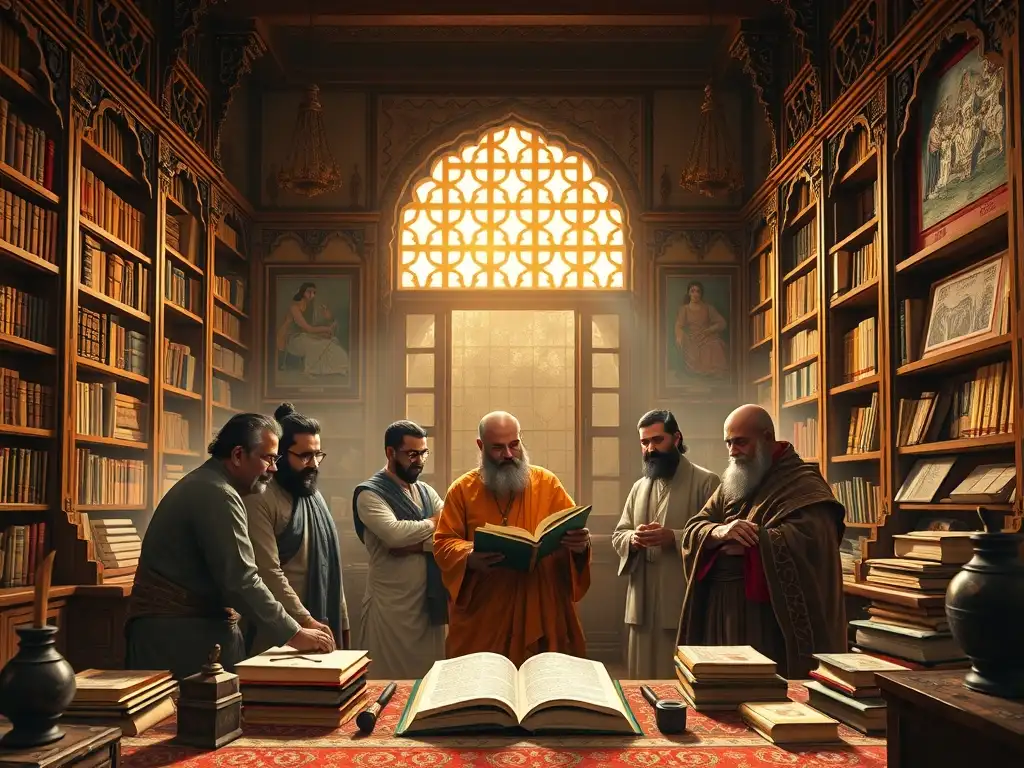
The landscape of ancient Indian literature is rich and varied, with numerous scholars and contributors who have left an indelible mark on the literary traditions of the region. Among these, Eastern India boasts a particularly vibrant array of thinkers, poets, and philosophers who have significantly influenced the development of literary forms and themes.
Contributions of Eastern Indian Scholars in Ancient Times
Eastern India was a hub of intellectual activity during ancient times, producing a plethora of scholars who contributed to various genres of literature.
- Kalidasa: Perhaps the most celebrated of ancient Indian poets, Kalidasa's works, such as "Shakuntala" and "Meghaduta," reflect a deep understanding of nature, human emotions, and the philosophy of love. His mastery of Sanskrit and poetic expression set a standard for subsequent generations of writers.
- Bhasa: Another prominent figure, Bhasa is known for his plays that delve into mythology and history. His ability to weave intricate narratives with profound philosophical undertones has earned him a place among the great dramatists of ancient Indian literature.
- Ban Zhao: A unique contributor, Ban Zhao is often credited with her role in translating and interpreting texts, particularly in the context of the Mahabharata and the Puranas. Her insights into the characters and moral dilemmas in these epic tales have contributed to their enduring legacy.
- Jayadeva: The 12th-century poet is renowned for "Gita Govinda," a lyrical poem that explores divine love through the lens of Radha and Krishna's relationship. His work not only elevated the lyrical quality of Sanskrit literature but also influenced various art forms, including dance and music.
These scholars, among others, helped shape the literary traditions of Eastern India, emphasizing themes of love, morality, and spirituality that resonate even today.
Influence of Eastern Indian Literature on Global Literary Traditions
The literary contributions from Eastern India did not exist in isolation; rather, they have had a profound impact on global literary traditions.
- Cultural Exchange: As ancient Indian texts were translated and disseminated across Asia and beyond, the themes and philosophies found in Eastern Indian literature influenced writers and thinkers in various cultures. The narrative techniques employed by scholars like Kalidasa and Bhasa inspired playwrights in Persia and Europe, leading to a rich cross-pollination of ideas.
- Philosophical Insights: The moral and spiritual dilemmas explored in Eastern Indian texts have also found resonance in Western literature. For instance, the exploration of duty (dharma) in the Mahabharata parallels themes in Shakespearean drama, reflecting on human nature and ethical choices.
- Literary Forms: The poetic forms and narrative styles developed by Eastern Indian scholars contributed to the evolution of global literary forms. The use of metaphor, allegory, and lyrical expression in works like "Gita Govinda" has influenced poets and writers worldwide, promoting the appreciation of complex emotional landscapes.
- Translations and Adaptations: The translation of Eastern Indian texts into various languages facilitated their integration into the world literary canon. Notable figures such as Ralph Waldo Emerson and Hermann Hesse drew inspiration from these texts, showcasing the universal themes present in ancient Indian literature.
The contributions of Eastern Indian scholars to ancient literature have not only enriched the region's cultural heritage but have also played a significant role in shaping global literary traditions. The legacy of these literary treasures continues to inspire and inform modern narratives, reminding us of the timeless nature of human expression.
Thematic Elements in Eastern Indian Literary Works
The literature of Eastern India is a rich tapestry that weaves together various thematic elements, reflecting the region's cultural, spiritual, and social fabric. The ancient texts and manuscripts from this area are not only repositories of knowledge but also serve as a lens through which we can view the values, beliefs, and practices of the time. Among the most prominent themes found in these literary treasures are spirituality and philosophy, nature and environment, as well as the social structure and daily life of the people.
Spirituality and Philosophy in Ancient Texts
Eastern India has long been a cradle of spiritual thought and philosophical inquiry, with ancient texts often delving into metaphysical concepts and the nature of existence. Manuscripts such as the Upanishads and Brahmanas emphasize the importance of understanding the self and the universe, illustrating the philosophical discourse that permeated the region.
- Influence of Vedic Thought: Many texts reflect the Vedic roots of spirituality, emphasizing rituals and the pursuit of knowledge. The Chandogya Upanishad, for example, explores concepts like Brahman (the ultimate reality) and Atman (the individual soul), which have profound implications for Eastern Indian thought.
- Buddhist Philosophy: Eastern India is also home to Buddhist literature, with texts such as the Tripitaka and the Dhammapada offering insights into ethical living and the path to enlightenment. These works highlight the region's role as a significant center for Buddhist learning and practice.
- Integration of Local Beliefs: The philosophical texts often integrate local beliefs and practices, making them unique to the region. This blending of ideas reflects the diverse spiritual landscape of Eastern India, where multiple faiths coexisted and influenced one another.
Nature and Environment in Eastern Indian Literature
The relationship between humans and nature is another prominent theme in ancient Eastern Indian literature. The region's lush landscapes, rivers, and biodiversity are intricately woven into the narratives, illustrating the deep connection that ancient societies had with their environment.
- Literary Depictions: Many manuscripts, such as Kalidasa's Meghaduta, creatively depict natural elements as symbols of love and longing. The poet uses vivid imagery of clouds, mountains, and forests to convey emotions, showcasing the aesthetic appreciation of nature.
- Ecological Awareness: Ancient texts often reflect an understanding of ecological balance and the importance of preserving the environment. The Aranyakas and Upanishads express reverence for natural elements, indicating an early awareness of sustainable practices.
- Cultural Significance of Flora and Fauna: Nature is not merely a backdrop; it plays a vital role in the cultural and spiritual life of the people. Sacred groves, rivers, and animal symbolism featured in literature underscore the significance of these elements in rituals and everyday life.
The manuscripts of Eastern India provide invaluable insights into the social structure and daily life of its inhabitants. They document the complexities of societal organization, roles, and interactions between different groups.
- Caste System Insights: Texts such as the Manusmriti provide a glimpse into the caste system prevalent in ancient Indian society, detailing the duties and responsibilities associated with various social classes. This reflects the hierarchical nature of society and its impact on daily interactions.
- Portrayal of Daily Activities: Literary works often depict the daily lives of people, from agricultural practices to trade and crafts. For instance, the Aryabhatiya by Aryabhata not only addresses astronomical concepts but also touches upon the agrarian calendar, illustrating the importance of agriculture in sustaining society.
- Gender Roles and Representation: Women in ancient texts are portrayed in various roles, from scholars to caregivers. Manuscripts like The Ramayana and The Mahabharata feature powerful female characters, providing insight into the status and agency of women within their societies.
The thematic elements present in the ancient texts and manuscripts of Eastern India offer a profound understanding of the region's literary treasures. By exploring spirituality, nature, and social structures, these works illuminate the rich cultural heritage that continues to resonate today.
Challenges in Studying Ancient Indian Literary Treasures
The exploration of Ancient Indian literary treasures presents a myriad of challenges that scholars and enthusiasts encounter. These obstacles stem from various factors, including issues of translation and interpretation, as well as the necessity of understanding the cultural context in which these texts were produced. This section delves into these challenges to provide a comprehensive understanding of the complexities involved in studying the rich literary heritage of ancient India.
Issues of Translation and Interpretation
One of the primary challenges in studying ancient Indian texts is the issue of translation. Many works were originally composed in languages such as Sanskrit, Pali, and Prakrit, and the subtleties of these languages can often be lost in translation. Here are some key points to consider:
- Nuances of Language: The ancient languages of India are rich in nuances, idioms, and metaphors that do not have direct equivalents in modern languages. For instance, the term "Dharma" encompasses a range of meanings, including duty, righteousness, and law, which can complicate translation efforts.
- Varied Interpretations: Different translators may interpret texts in distinct ways, influenced by their own cultural backgrounds and perspectives. This can lead to multiple versions of the same text, each presenting a unique interpretation that can confuse readers and researchers.
- Loss of Context: When translating, there is often a loss of the cultural and historical context that informs the text. This can result in misinterpretation or oversimplification of themes and ideas. For example, a text discussing the concept of "Ahimsa" (non-violence) may be understood differently if the cultural significance of this principle in ancient Indian society is not considered.
To mitigate these issues, scholars often rely on critical editions of texts that incorporate multiple translations and commentaries. This collaborative approach can help preserve the integrity of the original works while providing readers with a more nuanced understanding.
Cultural Context and its Importance in Literary Analysis
Understanding the cultural context of ancient Indian literary treasures is vital for a proper analysis of these texts. The literature produced in ancient India reflects the social, political, and religious dynamics of its time. Here are some aspects to consider:
- Historical Background: The political landscape during the time a text was written can greatly influence its content. For example, texts produced during the Maurya Empire may reflect the administrative and philosophical ideals of that era, contrasting with those from the Gupta period, which is often characterized by a flourishing of arts and sciences.
- Religious Influences: Many ancient Indian texts are deeply intertwined with the religious beliefs and practices of the time. Understanding Hinduism, Buddhism, and Jainism is essential for interpreting the underlying themes and motivations within these works. For instance, the Mahabharata captures the complexities of dharma within the framework of Hindu philosophy.
- Social Structures: The caste system and gender roles prevalent in ancient Indian society are also crucial for literary analysis. The portrayal of characters and societal norms within texts can provide insight into the values and ideologies of the time. Analyzing how these factors influence narratives can reveal much about ancient Indian culture.
The study of Ancient Indian literary treasures is fraught with challenges that require careful consideration of translation issues and cultural context. By addressing these obstacles, scholars can better appreciate the depth and richness of ancient Indian literature, ensuring that the voices of the past are accurately represented and understood.
Conclusion: The Legacy of Ancient Indian Literary Treasures in Eastern India
The literary heritage of Eastern India is rich and multifaceted, showcasing a tapestry of ancient texts and manuscripts that reflect the region's profound cultural and intellectual legacy. These ancient Indian literary treasures not only served as a foundation for the region's artistic expressions but also influenced broader Indian literature and thought. The legacy of these texts is evident in various forms, including poetry, philosophy, and historical accounts, which continue to resonate in contemporary Indian literature and cultural narratives.
The Continuing Influence of Ancient Texts on Modern Indian Literature
The impact of ancient texts from Eastern India on modern Indian literature is significant and far-reaching. Works such as the Mahabharata and Ramayana, which have their roots in ancient Indian literature, continue to inspire contemporary writers, poets, and playwrights. The themes of heroism, morality, and the human condition explored in these texts are timeless and remain relevant in modern storytelling.
Moreover, regional texts like the Brahmananda, Charyapada, and various Puranas have contributed to the local literary landscape, enriching it with unique narratives and vernacular expressions. Modern authors often draw from these ancient stories, reinterpreting them in light of contemporary issues, thereby keeping the spirit of these literary treasures alive.
Notable Examples of Influence
- Poetry: The lyrical styles of ancient poets have inspired modern poets to explore similar themes of love, devotion, and nature.
- Novels: Contemporary novels often weave historical narratives that echo the complexities found in ancient texts, bridging the past and present.
- Plays: The dramatic structures and character archetypes from ancient literature continue to shape theatrical expressions in modern times.
Preserving the Literary Heritage of Eastern India for Future Generations
Efforts to preserve the ancient Indian literary treasures of Eastern India are essential for ensuring that these invaluable texts and manuscripts are not lost to time. Various organizations, institutions, and scholars are dedicated to the cataloging, restoration, and digitization of these ancient works.
Key Preservation Initiatives
- Digitization Projects: Many libraries and universities are undertaking digitization projects to make ancient manuscripts accessible to a wider audience. This ensures that scholars and enthusiasts can study these texts without risking damage to the originals.
- Cultural Programs: Workshops, seminars, and festivals are organized to celebrate and promote awareness of Eastern India's literary heritage. These events foster a sense of community and encourage the younger generation to engage with their cultural roots.
- Academic Research: Scholars are increasingly focusing on the study of ancient texts, analyzing their historical context, and exploring their relevance in today’s world. This research not only contributes to academic knowledge but also aids in the preservation efforts.
The ancient Indian literary treasures of Eastern India represent a vital aspect of the region's cultural identity. By recognizing their value and committing to their preservation, we can ensure that these literary gems continue to inspire and inform future generations.
Frequently Asked Questions
What are some notable ancient Indian literary treasures?
Ancient Indian literary treasures include texts like the Vedas, Upanishads, and Mahabharata, which showcase the rich philosophical and cultural heritage of ancient India.
How did ancient Indian texts influence literature globally?
Ancient Indian texts have significantly influenced global literature by introducing concepts of narrative structures, poetic forms, and philosophical ideas that resonate across cultures.
What role did the Indus Valley Civilization play in ancient literature?
The Indus Valley Civilization laid the groundwork for early writing systems and cultural practices, which later evolved into the literary traditions of India, though its texts remain largely undeciphered.
What is the importance of the Gupta Empire in literary history?
The Gupta Empire is often referred to as the Golden Age of India, where literature flourished, producing works like Kalidasa's plays and Bhasa's dramas, which are celebrated for their artistic brilliance.
How can one access and study ancient Indian manuscripts today?
Many ancient Indian manuscripts are preserved in libraries and museums, with digital archives becoming increasingly available online, allowing wider access for researchers and enthusiasts alike.
Final Reflection: Unearthing the Richness of Ancient Indian Literary Treasures
The exploration of ancient texts and manuscripts reveals a profound connection to our cultural heritage that remains relevant today. In a world increasingly driven by digital communication and fleeting trends, the enduring wisdom encapsulated in these literary treasures serves as a reminder of the depth and richness of our past. The stories, philosophies, and artistic expressions found within these texts not only shape our understanding of history but also resonate with contemporary issues, urging us to reflect on our identity and values.
The impact of these ancient literary works extends far beyond their historical context; they continue to influence modern literature, philosophy, and art. As we delve into the narratives and teachings preserved through generations, we find echoes of their relevance in our current societal discourse. Literature is the most agreeable way of ignoring life.
This quote encapsulates the dual role of literature: as a mirror reflecting our realities and as an escape into the realms of imagination. The ancient texts of Eastern India, rich in their diversity and depth, remind us of the importance of storytelling as a means to connect and understand our shared human experience.
As we conclude this journey through the literary treasures of ancient India, I invite you to reflect on how these timeless narratives can inspire your own life. Consider how the lessons and values embedded in these texts can guide your actions and decisions today. Embrace the opportunity to engage with these works, not just as relics of the past, but as living dialogues that challenge and enrich our present. Let us honor these ancient voices by allowing them to shape our future, fostering a deeper appreciation for the literary heritage that continues to illuminate our paths.
Unveil the Mysteries of Ancient Literature Today!
Thank you for joining us on this journey through Eastern India's literary treasures! By delving into these ancient texts and manuscripts, you've discovered a rich tapestry of history and culture waiting to be explored. Now, it’s time to take the next step and immerse yourself even deeper into this fascinating world.
Here are a few actions you can take right now:
- Explore a local library or museum that features exhibits on ancient literature— you might just find your next favorite book!
- Join a community group or online forum focused on historical literature— shared discoveries can lead to remarkable insights!
- Share this article with friends and ignite a conversation about the significance of preserving these cultural gems— inspire others to appreciate our shared heritage!
Which ancient text or manuscript intrigues you the most, and why do you believe it should be preserved for future generations? Share your thoughts below!