
The Global Impact of Indian Art: From Ancient Times to Today

Welcome to Ancient India History, where we embark on a fascinating journey through the vibrant tapestry of ancient Indian civilizations. In our latest article, "The Global Impact of Indian Art: From Ancient Times to Today," we delve into the profound influence of ancient Indian art on cultures across the globe. As you explore the remarkable achievements of the Indus Valley to the splendor of the Gupta Empire, prepare to uncover the rich stories and timeless contributions that have shaped not just India, but the world.
Join us as we unravel the intricate connections between art, architecture, and philosophy, and discover how the echoes of ancient Indian creativity continue to resonate today. Your adventure into the depths of history awaits!
Introduction to Ancient Indian Art Influence
The evolution of art in ancient India is a testament to the country's rich cultural heritage and its profound influence on global artistic traditions. Spanning millennia, ancient Indian art encapsulates a variety of forms, styles, and techniques that reflect the diverse socio-political landscapes and spiritual philosophies of its time.
From the intricate carvings of the Indus Valley Civilization to the sophisticated sculptures of the Gupta Empire, the contributions of ancient Indian art have left an indelible mark not only within the subcontinent but also across the world. Understanding this influence is crucial for appreciating the interconnectedness of global artistic movements and the ways in which Indian aesthetics have permeated various cultures.
Overview of Indian Art Forms
Ancient Indian art comprises a multitude of forms, including:
- Sculpture: Renowned for its intricate details and spiritual themes, often depicting deities and mythological figures.
- Architecture: From the majestic stupas and temples to the urban planning of ancient cities, architecture in India reflects both functionality and artistry.
- Painting: Early examples include rock paintings and later developments such as frescoes in temples and palaces.
- Textiles and Crafts: Known for their vibrant colors and intricate patterns, Indian textiles have been a significant part of its artistic heritage.
These art forms are interwoven with the cultural and religious narratives of ancient India, often serving as a medium for storytelling and spiritual expression.
Significance of Ancient Indian Art in World Culture
The impact of ancient Indian art extends far beyond its geographic boundaries. Its significance can be observed in various ways:
- Cultural Exchange: Trade routes facilitated the spread of Indian artistic styles to regions such as Southeast Asia, influencing local art and architecture.
- Philosophical Influence: The themes and motifs found in Indian art often embody key philosophical concepts, including the cycles of life and the spiritual journey, resonating with diverse cultures.
- Revival and Inspiration: Modern artists and designers frequently draw inspiration from ancient Indian motifs and techniques, showcasing the enduring legacy of this artistic heritage.
The influence of ancient Indian art continues to be a source of inspiration and admiration, bridging cultural divides and fostering a deeper understanding of global artistic heritage.
The Origins of Indian Art: An Ancient Legacy
To appreciate the global impact of Indian art, it is essential to explore its origins and the foundational contributions made by early civilizations.
The Indus Valley Civilization and Artistic Expression
The Indus Valley Civilization (c. 3300–1300 BCE) is one of the earliest known urban cultures in the world, marked by advanced city planning and sophisticated craftsmanship. Artifacts such as seals, pottery, and sculptures from this period showcase remarkable artistic skills and a unique aesthetic sensibility. Among the notable features are:
- Terracotta Figurines: These small figurines, often depicting animals and dancers, reveal insights into the cultural practices and beliefs of the civilization.
- Seals: Engraved with intricate motifs and script, these seals not only served as trade tokens but also as artistic expressions reflecting the civilization's symbolism and identity.
The artistic legacy of the Indus Valley laid the groundwork for subsequent developments in Indian art, influencing styles and themes that would persist through the ages.
Vedic Influence on Early Art Forms
Following the decline of the Indus Valley Civilization, the Vedic period (c. 1500–500 BCE) brought significant developments in art and culture. The Vedic texts, which emphasize ritual and spirituality, began to shape artistic expression in various forms:
- Symbolism in Art: Vedic art often incorporated symbols such as the lotus and the swastika, which carry deep spiritual meanings and are still prevalent in Indian art today.
- Architectural Innovations: The construction of fire altars and other ritualistic structures reflected the integration of artistic design with religious practices, setting the stage for future architectural achievements.
The interplay between spirituality and artistic expression during the Vedic period profoundly influenced the evolution of Indian art, establishing themes and motifs that would resonate throughout history.
Evolution of Ancient Indian Art Through the Ages
The evolution of ancient Indian art is a fascinating journey that reflects the socio-political changes, philosophical ideas, and cultural exchanges that occurred over millennia. Starting from the Indus Valley Civilization (circa 2500–1900 BCE), where art was primarily functional and utilitarian, the period saw the creation of intricate pottery, seals, and terracotta figurines. These early art forms laid the groundwork for the aesthetic sensibilities that would develop in subsequent eras.
As India transitioned into the Vedic period, art began to incorporate religious themes, with the emergence of ritualistic objects and early representations of deities. The Maurya Empire (circa 322–185 BCE) marked a significant turning point with the introduction of monumental sculptures and rock-cut architecture, such as the famous Ashoka pillars, which emphasized both artistic skill and moral teachings.
The Gupta Empire (circa 320–550 CE) is often referred to as the golden age of classical Indian art, where the fusion of various regional styles resulted in sophisticated sculptures, intricate frescoes, and the establishment of temple architecture. Following the Gupta period, regional styles continued to evolve, incorporating local influences, leading to the diversity in art forms seen in medieval India.
From stone carvings to paintings, each era contributed unique elements to the tapestry of ancient Indian art. This ongoing evolution reflects the dynamic interplay between tradition and innovation, making ancient Indian art a rich field for exploration and appreciation.
Maurya Empire: The Birth of Iconic Sculptures
The Maurya Empire is renowned for its monumental contributions to Indian art, particularly in sculpture. This period witnessed the birth of iconic sculptures that not only displayed technical prowess but also conveyed profound philosophical and ethical messages. The Mauryan rulers, especially Emperor Ashoka, were instrumental in promoting art as a medium for spreading the teachings of Buddhism.
One of the most significant examples is the Ashoka Pillars, a series of columns erected throughout the empire. These pillars are adorned with intricate carvings and inscriptions that convey moral edicts, encouraging compassion, non-violence, and respect for all living beings. The Lion Capital of Ashoka, which features four lions standing back to back, is now the national emblem of India and exemplifies the artistic excellence of the period.
Additionally, the rock-cut caves at Barabar and Nasik showcase early forms of architecture and sculpture, with their meticulously carved facades and intricate interior designs. The emphasis on naturalism and expression in the sculptures from this era set a precedent for future artistic endeavors in India.
In essence, the Maurya Empire not only marked the emergence of iconic sculptures but also established a legacy of art that was deeply intertwined with the spiritual and ethical narratives of the time.
Gupta Empire: Flourishing of Classical Indian Art
The Gupta Empire is often considered the zenith of classical Indian art, characterized by its remarkable achievements in sculpture, painting, and architecture. This period, roughly spanning from the 4th to the 6th century CE, fostered a thriving cultural environment that allowed artists to explore and innovate, leading to the creation of masterpieces that are celebrated to this day.
Sculptural art during the Gupta period is noted for its elegance and sophistication. Artists excelled in creating lifelike figures of deities, saints, and mythological scenes that adorned temples and caves. The cave temples of Ajanta and Ellora are prime examples of this flourishing art, featuring intricate frescoes and intricate stone carvings that depict various aspects of Indian mythology and spirituality.
In addition to sculpture, Gupta artists made significant advancements in painting. The colorful murals at Ajanta, depicting the life of Buddha and various Jataka tales, showcase a harmonious blend of vibrant colors, expressive forms, and intricate details that highlight the emotive power of art.
Architecturally, the Gupta period saw the construction of numerous temples that followed a coherent style, emphasizing verticality and symmetry. The Dasavatara Temple at Deogarh and the Kandariya Mahadeva Temple at Khajuraho exemplify the architectural advancements of the time, characterized by their elaborate carvings and harmonious proportions.
Overall, the Gupta Empire's contributions to art not only reflect the aesthetic sensibilities of the time but also serve as a testament to the enduring influence of classical Indian art on future generations.
Major Themes in Ancient Indian Art
Ancient Indian art is rich with themes that reflect the cultural, spiritual, and societal values of its time. These themes often intertwine, providing a deeper understanding of the context in which the art was created. Two prominent themes that stand out are the depictions of religion and spirituality, and the representation of nature and symbolism.
Depictions of Religion and Spirituality
Religious and spiritual themes are at the heart of ancient Indian art, manifesting in various forms across different regions and periods. The most significant influence comes from Hinduism, Buddhism, and Jainism, each contributing unique elements to the artistic landscape.
In Hindu art, deities such as Vishnu, Shiva, and Durga are often depicted in elaborate sculptures and paintings, showcasing their divine attributes and stories from ancient texts. The use of iconography, where each symbol has specific meanings, allows for a rich layer of interpretation. For instance, the multiple arms of a deity symbolize their ability to perform many tasks simultaneously.
Buddhist art, particularly during the Maurya and Gupta periods, emphasized the life and teachings of the Buddha. The Buddha’s images, varying from serene meditative poses to dynamic narratives of his life, serve as focal points for devotion and reflection. The creation of stupas, which house relics, further illustrates the intersection of art and spirituality.
Jain art, on the other hand, emphasizes non-violence and asceticism, often depicted through intricate carvings of Tirthankaras (spiritual teachers) and symbolic representations of their teachings.
Overall, the depictions of religion and spirituality in ancient Indian art serve as a bridge between the divine and the earthly, encouraging viewers to contemplate their own spiritual journeys.
Nature and Symbolism in Ancient Indian Art
Nature and symbolism play a vital role in ancient Indian art, reflecting the deep connection between humanity and the natural world. Artists often drew inspiration from the surrounding environment, using motifs from flora and fauna to convey deeper meanings.
Animals and plants are frequently depicted in sculptures and paintings, each with symbolic significance. For example, the lotus flower symbolizes purity and spiritual awakening, while the elephant represents wisdom and strength. These symbols not only enhance the aesthetic appeal of the art but also carry philosophical messages that resonate with viewers.
The integration of nature in art also highlights the importance of harmony and balance. Many artworks depict scenes from nature, illustrating the cycle of life and the interdependence of all living beings. This is particularly evident in landscape paintings and frescoes, where artists capture the beauty of natural elements alongside human activities.
Moreover, the use of color and form in ancient Indian art often conveys specific emotions and ideas. For instance, vibrant colors are utilized to evoke joy and celebration, while subdued tones may illustrate contemplation or solemnity.
The themes of nature and symbolism in ancient Indian art not only enrich the visual experience but also provide insights into the philosophical and cultural ethos of the time, showcasing the profound connection between art, nature, and spirituality.
Influences of Ancient Indian Art on Global Cultures
Ancient Indian art has played a significant role in shaping the cultural landscapes of various regions across the globe. From intricate sculptures and vibrant paintings to architectural marvels, the influence of Indian artistry can be traced through centuries and continents. This impact is particularly evident in the realms of religious iconography, decorative motifs, and artistic techniques that have transcended geographical boundaries.
The dissemination of Indian art was facilitated by trade routes, cultural exchanges, and the spread of religions like Buddhism and Hinduism, which carried artistic traditions with them. As Indian artisans traveled, they brought their unique styles and methods, leading to a rich tapestry of artistic fusion in diverse cultures.
Indian Art's Impact on Southeast Asian Art Forms
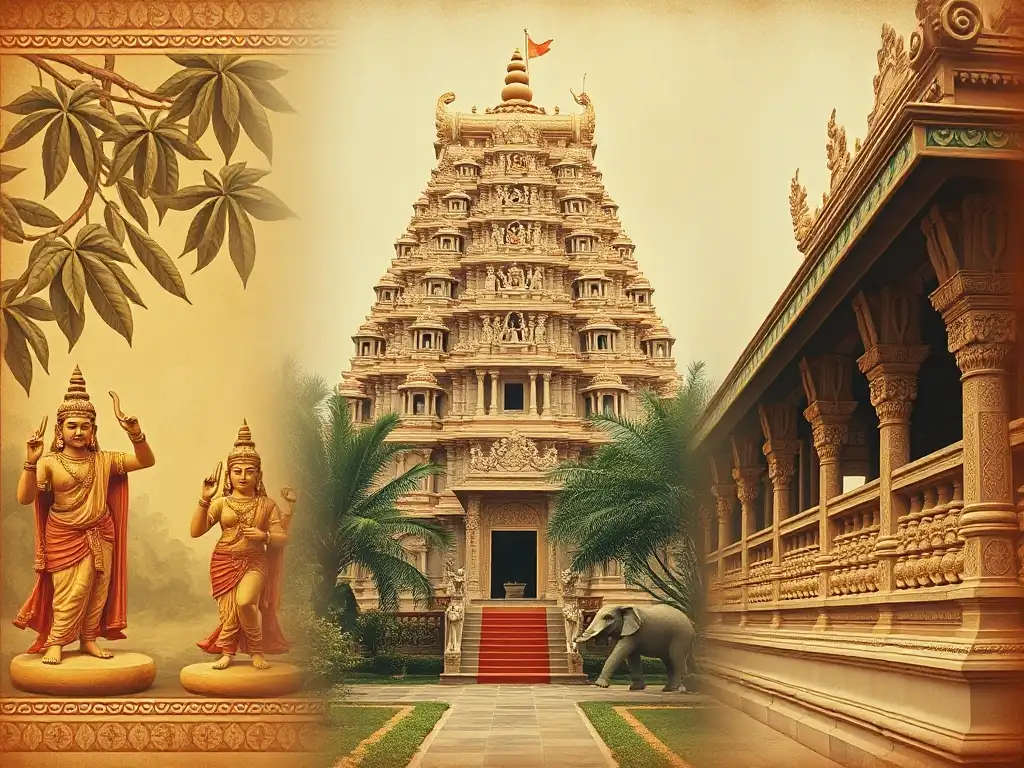
The influence of ancient Indian art is profoundly evident in the art and architecture of Southeast Asia, particularly in countries like Cambodia, Thailand, and Indonesia. The spread of Hinduism and Buddhism from India to these regions served as a conduit for Indian artistic styles.
For instance, the famous temples of Angkor Wat in Cambodia exhibit distinct characteristics of Indian temple architecture, including intricate bas-reliefs depicting Hindu deities and mythological scenes. The influence extends to the use of stone carving techniques, which were adopted and adapted by local artisans to create their unique interpretations.
In addition, the traditional dance forms and theater in Southeast Asia, such as the Balinese dance and Khmer classical dance, showcase narrative styles and themes that are rooted in ancient Indian epics like the Ramayana and Mahabharata. This cross-cultural exchange has resulted in a vibrant artistic heritage that continues to thrive today.
The Influence of Indian Art on Persian and Islamic Art
The interaction between Indian and Persian cultures, particularly during the Mughal Empire, led to a remarkable synthesis of artistic styles. Mughal architecture, which is characterized by grand structures adorned with intricate floral patterns, inlaid stones, and expansive gardens, reflects a blend of Persian and Indian artistic influences.
Indian miniature painting also flourished during this period, incorporating Persian techniques while retaining unique Indian themes and subjects. The vibrant colors, attention to detail, and storytelling aspects of these paintings have significantly influenced not just Indian art but also the broader Islamic art tradition, showcasing a delightful amalgamation of styles.
Additionally, the calligraphy and geometric patterns common in Islamic art drew inspiration from Indian motifs, creating a shared visual language that resonates across cultures. This cross-pollination of artistic ideas highlights the global significance of Indian art and its ability to adapt and enrich other cultural forms.
Preservation and Continued Relevance of Ancient Indian Art
The preservation of ancient Indian art is crucial not only for cultural heritage but also for understanding the evolution of artistic expressions through time. Efforts to conserve artworks and historical sites are essential for maintaining the integrity of this art form, allowing future generations to appreciate its historical significance.
Conservation Efforts for Ancient Artworks
In India, several organizations and government bodies are dedicated to the conservation of ancient artworks. Initiatives include restoring historical monuments, preserving ancient manuscripts, and safeguarding artifacts in museums.
The Archaeological Survey of India (ASI) plays a pivotal role in protecting sites like the Ajanta and Ellora caves, famous for their exquisite rock-cut sculptures and paintings. Moreover, international collaborations and funding from global heritage organizations have further bolstered these efforts, enabling the use of advanced technologies for restoration and preservation.
The Role of Modern Artists in Reviving Ancient Techniques
Modern Indian artists are increasingly drawing inspiration from traditional techniques and motifs, bridging the gap between ancient and contemporary art. By reviving ancient methods such as fresco painting, pottery, and textile arts, these artists keep the legacy of ancient Indian art alive.
Notable artists and artisans are experimenting with traditional forms, integrating them into modern contexts, and thus ensuring the continued relevance of ancient techniques. Workshops, exhibitions, and art fairs focused on traditional art forms serve as platforms for dialogue and innovation, fostering a renewed appreciation for ancient Indian art in today's globalized world.
The influence of ancient Indian art is profound and far-reaching, impacting cultures across the globe while continuing to inspire modern artistic expressions. Through preservation and revival efforts, the legacy of this rich artistic tradition remains vibrant and relevant.
Conclusion: The Enduring Legacy of Ancient Indian Art Influence
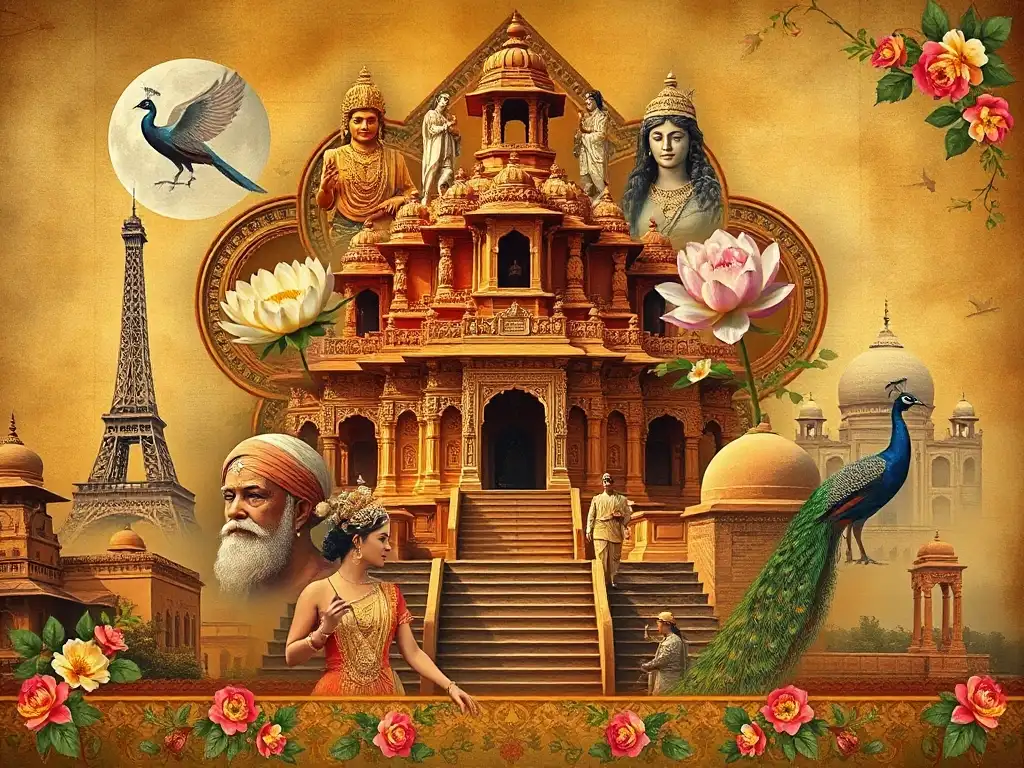
The influence of ancient Indian art extends far beyond its geographical origins, weaving a rich tapestry that has shaped artistic expressions around the world. From the intricate sculptures of the Indus Valley Civilization to the exquisite paintings of the Gupta period, each facet of ancient Indian art tells a story of cultural exchange, spiritual beliefs, and societal values. This legacy is not merely historical; it continues to inspire contemporary artists and art movements globally.
The philosophical principles underlying ancient Indian art, such as the concept of Rasa (aesthetic pleasure) and the importance of symbolism, have found their way into various artistic disciplines. This enduring legacy is evident in the way artists today draw from these ancient philosophies, infusing their work with depth and meaning that resonates with audiences. Moreover, ancient Indian art's emphasis on harmony with nature and the divine has become increasingly relevant in today's environmentally conscious and spiritually seeking society.
Reflections on the Global Impact of Indian Art
Ancient Indian art has left an indelible mark on global artistic traditions, influencing a myriad of styles and practices across continents. The spread of Buddhism, for instance, facilitated the dissemination of Indian artistic motifs and techniques, significantly impacting art in regions such as Central Asia, Southeast Asia, and even as far as Japan. The stupas and temple architecture inspired by Indian design principles can be seen in the majestic structures across these regions, reflecting a synthesis of local and Indian elements.
Additionally, the intricate designs and narratives found in Indian frescoes and textiles have inspired various art movements, including the Arts and Crafts Movement in Europe. Artists like William Morris drew inspiration from Indian motifs, integrating them into their own works, thereby bridging cultures through art. The global appreciation for Indian art is also evident in contemporary exhibitions and art fairs, where ancient techniques and aesthetics continue to captivate audiences, promoting cultural dialogue and understanding.
Future Prospects for Ancient Indian Art in Contemporary Society
The future of ancient Indian art in contemporary society is promising, as there is a growing interest in reviving and preserving traditional techniques while integrating them into modern contexts. Artists and scholars are increasingly recognizing the value of ancient Indian art not just as historical artifacts but as living traditions that can inform and enrich contemporary practice.
Educational initiatives aimed at teaching these ancient art forms can foster a new generation of artists who appreciate and honor their heritage. Collaborations between traditional artisans and modern designers can also lead to innovative creations that respect ancient methodologies while appealing to contemporary sensibilities. Furthermore, the digital age presents new avenues for showcasing ancient Indian art, allowing for greater accessibility and engagement through virtual galleries and online platforms.
As society continues to embrace diversity and seek authenticity in artistic expressions, ancient Indian art is poised to thrive, serving as a bridge between the past and the future. The enduring influence of this rich artistic heritage will undoubtedly inspire and shape the global art landscape for years to come.
- Introduction to Ancient Indian Art Influence
- Overview of Indian Art Forms
- Significance of Ancient Indian Art in World Culture
- The Origins of Indian Art: An Ancient Legacy
- Evolution of Ancient Indian Art Through the Ages
- Major Themes in Ancient Indian Art
- Influences of Ancient Indian Art on Global Cultures
- Indian Art's Impact on Southeast Asian Art Forms
- The Influence of Indian Art on Persian and Islamic Art
- Preservation and Continued Relevance of Ancient Indian Art
- Conclusion: The Enduring Legacy of Ancient Indian Art Influence
- Reflections on the Global Impact of Indian Art
- Future Prospects for Ancient Indian Art in Contemporary Society
Frequently Asked Questions
What is the significance of ancient Indian art?
Ancient Indian art is significant for its rich cultural heritage and its ability to reflect the values, beliefs, and traditions of early civilizations, influencing art forms worldwide.
How did ancient Indian art influence other cultures?
Through trade and cultural exchanges, ancient Indian art influenced various regions, including Southeast Asia, where it inspired local styles and techniques, showcasing the global impact of Indian aesthetics.
What are some key features of ancient Indian art?
Key features include intricate sculptures, vibrant paintings, and architecture that reflect religious themes, particularly from Hinduism, Buddhism, and Jainism, showcasing the diversity of the era.
How did the Gupta Empire contribute to ancient Indian art?
The Gupta Empire is often referred to as the Golden Age of India for its advancements in art, literature, and science, significantly enhancing the quality and diversity of artistic expression during this period.
In what ways is ancient Indian art relevant today?
Today, ancient Indian art continues to inspire contemporary artists and designers, influencing modern art movements and being celebrated in global art exhibitions, highlighting its enduring legacy.
Final Reflection: The Enduring Legacy of Ancient Indian Art
The influence of ancient Indian art continues to resonate across cultures and societies today, reminding us of the profound connections between creativity and identity. As we navigate a world increasingly defined by globalization, the timeless themes and techniques of Indian art serve as a bridge, linking past and present, and inviting us to explore the rich tapestry of human expression. The vibrant colors, intricate designs, and spiritual narratives found in ancient Indian art are not merely relics of history; they are living legacies that inspire contemporary artists and thinkers alike.
The impact of ancient Indian art on the global cultural landscape is undeniable, shaping artistic movements and philosophies around the world. From the intricate carvings of temple architecture to the delicate brushstrokes of traditional paintings, these art forms have transcended geographical boundaries, influencing various disciplines and styles.
As the renowned art historian Stella Kramrisch once said, "> Indian art is a living tradition that continues to evolve while remaining rooted in its historical essence." This observation underscores the ongoing relevance of ancient Indian art, as it continues to inspire new generations of artists and art lovers, fostering a deeper appreciation for cultural diversity.
As we reflect on the significance of ancient Indian art, let us embrace its lessons of creativity, resilience, and interconnectedness. I invite you to explore your own artistic inclinations and consider how the rich heritage of ancient Indian art can inspire your personal journey. Whether through creating, appreciating, or sharing art, we can all contribute to the ongoing dialogue that celebrates our shared humanity and the beauty of diverse expressions. In doing so, we honor the past while paving the way for a more inclusive and vibrant future.
Embrace and Celebrate the Spirit of Indian Art!
Thank you for taking the time to explore the profound journey of Indian art through the ages. We hope you gained a deeper appreciation for its **cultural richness** and **global significance**. Now, it’s time to channel that inspiration into action!
- Discover a local gallery or museum that showcases Indian art and immerse yourself in its beauty.
- Share your insights about Indian art with friends and family—initiate a conversation or host a themed gathering to honor its legacy.
- Participate in an art workshop or class that focuses on traditional Indian techniques to unleash your own creativity.
How do you see Indian art shaping your understanding of culture and history? We invite you to share your thoughts below!